A Console Born from a Broken Partnership
The original PlayStation began as a partnership that never reached the market. Sony already had deep experience with compact discs, digital audio and semiconductor design, while Nintendo dominated home videogames through the Nintendo Entertainment System and Super Famicom. Sony engineer Ken Kutaragi had worked on the Super Famicom’s SPC700 sound chip, creating a relationship that made a CD-ROM expansion seem plausible. In the late 1980s and early 1990s, the companies discussed a system that would combine Nintendo’s cartridge console with a Sony-developed optical drive. The project was informally associated with the name Play Station, but no commercial Nintendo-Sony machine was released.
CD-ROM promised an attractive alternative to cartridges. A compact disc could hold hundreds of megabytes of data, far more than the typical game cartridge of the period, and could be manufactured cheaply once a title was complete. That extra space could hold music, voice acting, animated sequences, artwork and larger environments. The technology also suited Sony’s existing expertise. The trade-off was that optical discs were slower to access than cartridges and could be copied more easily, so the format required licensing controls and different development habits.
The collaboration failed because the companies wanted different forms of control. Nintendo’s business depended on strict authority over manufacturing, licensing and software distribution, while Sony wanted a substantial role in the format and the revenue created by it. Nintendo ultimately pursued another optical-media arrangement with Philips and publicly distanced itself from Sony’s project. Sony could have abandoned the work, especially because it had no established console division or first-party game library. Kutaragi instead argued that the technology and the opportunity were too important to discard. Sony’s eventual response was to continue independently, turning the failed add-on into a complete console.
Sony Computer Entertainment was established in 1993 as a dedicated games company associated with Sony and Sony Music Entertainment Japan. The arrangement gave the project a clearer identity and combined electronics engineering with software, publishing and entertainment knowledge. It also helped Sony treat games as an international content business rather than a peripheral accessory. The finished PlayStation therefore carried several influences at once: Nintendo’s console experience, Sony’s optical-media background, Kutaragi’s interest in real-time 3D graphics and a corporate desire to build a new global entertainment category.
Hardware Designed for a New Kind of Game
The PlayStation was a 32-bit console built around a MIPS-derived R3000A-compatible processor, custom graphics hardware, dedicated sound circuitry and an integrated CD-ROM drive. To an ordinary player, the important result was not the processor’s family name but the kind of images and audio the machine could produce. It could draw textured polygons, move a camera around a three-dimensional scene and stream music or other assets from a disc. Compared with many earlier consoles, it made real-time 3D worlds practical in the living room, even though the results were visibly limited by the technology of the day.
A polygon is a shape made from straight-line surfaces. Developers used many such shapes to build cars, characters, buildings and landscapes, then covered them with small images called textures. The PlayStation could perform this work quickly enough for racing games, fighting games, flight games and platformers to move in three dimensions. It did not offer the precision of later systems. Textures could wobble, polygons could shimmer, objects could disappear at a distance and scenes often used short corridors or fixed camera angles to reduce the amount of information being processed. These flaws were not incidental; they were part of the platform’s recognizable visual language.
The system’s CD-ROM drive created another important compromise. A disc provided abundant storage but could not deliver data as instantly as a cartridge. Games were divided into stages, rooms or tracks, with loading screens between them. Developers learned to hide or soften the delay through animated menus, minigames and carefully staged transitions. Namco’s Ridge Racer famously allowed players to run a version of Galaxian while the main race data loaded. Other games used pre-rendered backgrounds, compressed video and streamed music to make the most of the available storage.
Sony’s hardware was therefore not simply powerful in an abstract sense. It offered a practical balance between cost, storage and graphical ambition. The company’s launch materials emphasized a 32-bit RISC CPU, CD-quality sound and fast polygon processing, but the wider consequence was that developers could target a consistent machine with tools and libraries intended for ordinary game production. That accessibility mattered more than a single specification. Sony needed hundreds of outside companies to support an unfamiliar platform, and the hardware had to be exciting without being so difficult or expensive that only a few elite studios could use it.
Japan Launch and the Console’s First Identity
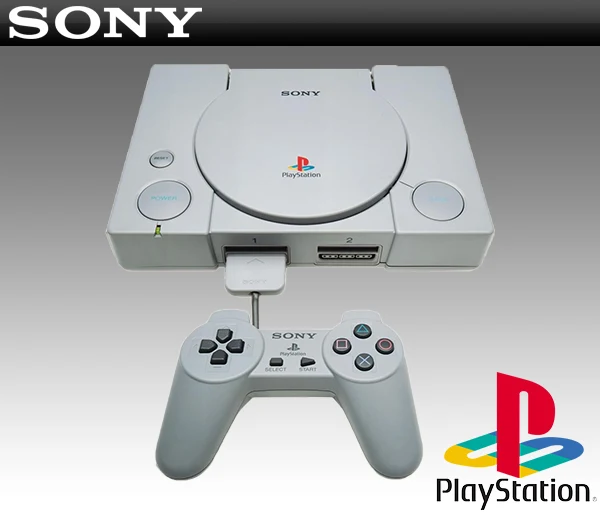
Sony released the PlayStation in Japan on December 3, 1994. The launch price was 39,800 yen, and the gray machine looked deliberately restrained beside the more toy-like styling associated with some previous consoles. Its top-loading disc drive, compact rectangular body and distinctive startup sound suggested a consumer-electronics product as much as a children’s toy. The system could also play audio CDs, a useful capability for a company with major experience in recorded music, although its primary purpose remained videogames.
The Japanese launch software lineup included arcade-influenced projects such as Namco’s Ridge Racer and Tekken, along with flight, shooting, mahjong, train and action games. Ridge Racer made an immediate case for the hardware because it translated Namco’s arcade racing into a convincing home experience. Its high-speed track, texture-mapped scenery and responsive handling showed why Sony’s emphasis on polygons mattered. Tekken likewise demonstrated that a PlayStation could reproduce the visual language of 3D arcade fighting, while allowing players to practice and compete at home.
The controller was a key part of the machine’s identity. Its four face buttons were marked with a triangle, circle, cross and square rather than letters or colors. Designer Teiyu Goto chose simple geometric symbols that could work as visual icons across language markets. The controller also had a directional pad, four shoulder buttons and two handles that made it more comfortable to hold than many flat controllers. It initially lacked analog sticks, but its shape created the foundation for the later Dual Analog and DualShock designs.
The PlayStation used external memory cards because it had no hard drive. A memory card stored save data in blocks, allowing players to preserve progress in role-playing games, racing careers and long adventures. This was a small but important change in console habits. Cartridge systems could sometimes retain saves inside the cartridge itself, but PlayStation owners carried a separate card between machines and games. The card became part of the platform’s culture, and its limited capacity encouraged players to manage saves carefully, especially when one title required several blocks.
North America, Europe and the Advantage of Timing
The North American PlayStation launched on September 9, 1995, and the European launch followed on September 29, 1995. These were distinct regional releases, not a single worldwide launch. Japan had already received the console nine months earlier, while North American and European audiences encountered it amid intense competition from Sega Saturn and growing anticipation for Nintendo’s next system. Sony chose an American launch price of 299 dollars, making affordability a central part of the announcement. The price undercut Sega’s Saturn launch price and became one of the most remembered moments of the 1995 Electronic Entertainment Expo.
Sony’s regional divisions had to manage more than translation. North America and Europe had different retailers, television standards, distribution arrangements, age-rating environments and media habits. European publishers also faced multiple languages and a fragmented market. Release dates and software availability varied, and some games were edited or delayed differently in each territory. PAL-region games could run at different display speeds from their North American and Japanese counterparts, while packaging, manuals and promotional campaigns reflected local requirements. These differences sometimes affected how games felt, but they also show why “the PlayStation launch” should be understood as several coordinated regional campaigns.
The timing favored Sony. Sega’s decision to release Saturn unexpectedly in North America before the planned date upset some retailers and left consumers uncertain about where the system would be available. Nintendo 64 did not arrive until 1996, leaving Sony with time to build momentum and sign publishers. Sony used the 1995 E3 to present PlayStation as a serious new platform with a lower price, strong 3D demonstrations and a broad software pipeline. The company was not merely selling a machine; it was persuading retailers, developers and consumers that this newcomer would remain supported.
Sony’s approach also differed culturally from its rivals. Nintendo remained strongly associated with family entertainment and first-party characters, while Sega retained an arcade-driven identity. Sony’s advertising could be stranger, darker and more fashion-conscious. Campaigns presented games as part of youth culture, design and music rather than only as children’s recreation. That positioning did not eliminate families or younger players, but it helped Sony reach teenagers and adults who had grown up with videogames and wanted a platform that appeared more technologically sophisticated and socially current.
The Developer Network and the Economics of CDs
Sony’s most important competitive decision was to treat third-party publishers as the foundation of the platform. Nintendo and Sega had strong internal identities, but Sony entered the market without a comparable library of famous characters or arcade properties. It therefore needed Namco, Konami, Capcom, Square, Electronic Arts, Eidos, Psygnosis and many smaller companies to believe that PlayStation was worth supporting. Sony supplied development assistance, encouraged studios in multiple regions and promoted the idea that the machine was a flexible destination for many genres rather than a narrow showcase for one corporate style.
The CD-ROM format helped this strategy economically. Once a game was finished, discs could be pressed more cheaply than large cartridges, and a publisher could include extensive music, speech and video without paying cartridge prices for every megabyte. Lower manufacturing costs reduced some of the risk of experimenting with unfamiliar genres. Publishers could also make larger production runs or reprint successful games more easily. The format introduced disadvantages, including loading times, physical wear and piracy, but the lower cost and greater capacity were powerful incentives.
Sony also changed the relationship between publishers and distribution. Its company history describes a system that allowed developers and publishers to sell through a more direct distribution structure instead of relying entirely on the traditional wholesale arrangements that had dominated cartridge-era console retail. The details varied by market, but the strategic message was consistent: Sony wanted to reduce barriers for software companies and make the platform attractive to a wide range of publishers. The result was a library that expanded quickly and was less dependent on one or two internal studios.
This business model helped genres that had previously struggled to find a broad console audience. Role-playing games could use multiple discs and long cinematic sequences. Survival horror could combine prerendered backgrounds, scripted camera angles and recorded sound. Racing games could include many tracks and licensed vehicles. Rhythm games, music games, strategy games and experimental 2D projects could coexist beside blockbuster 3D action titles. The PlayStation did not invent every one of these categories, but its costs, capacity and audience made them easier to publish at scale.
From Ridge Racer to Final Fantasy VII
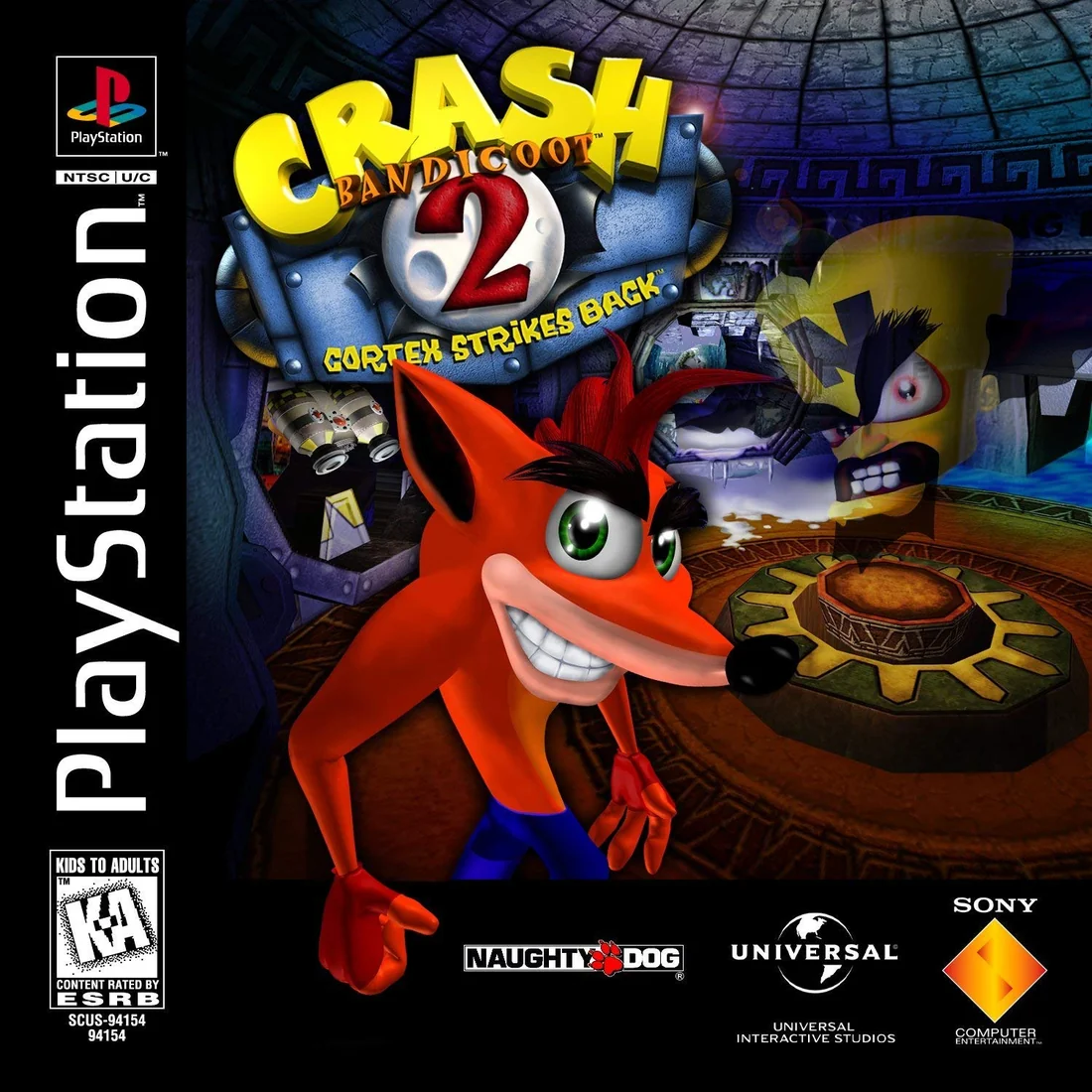
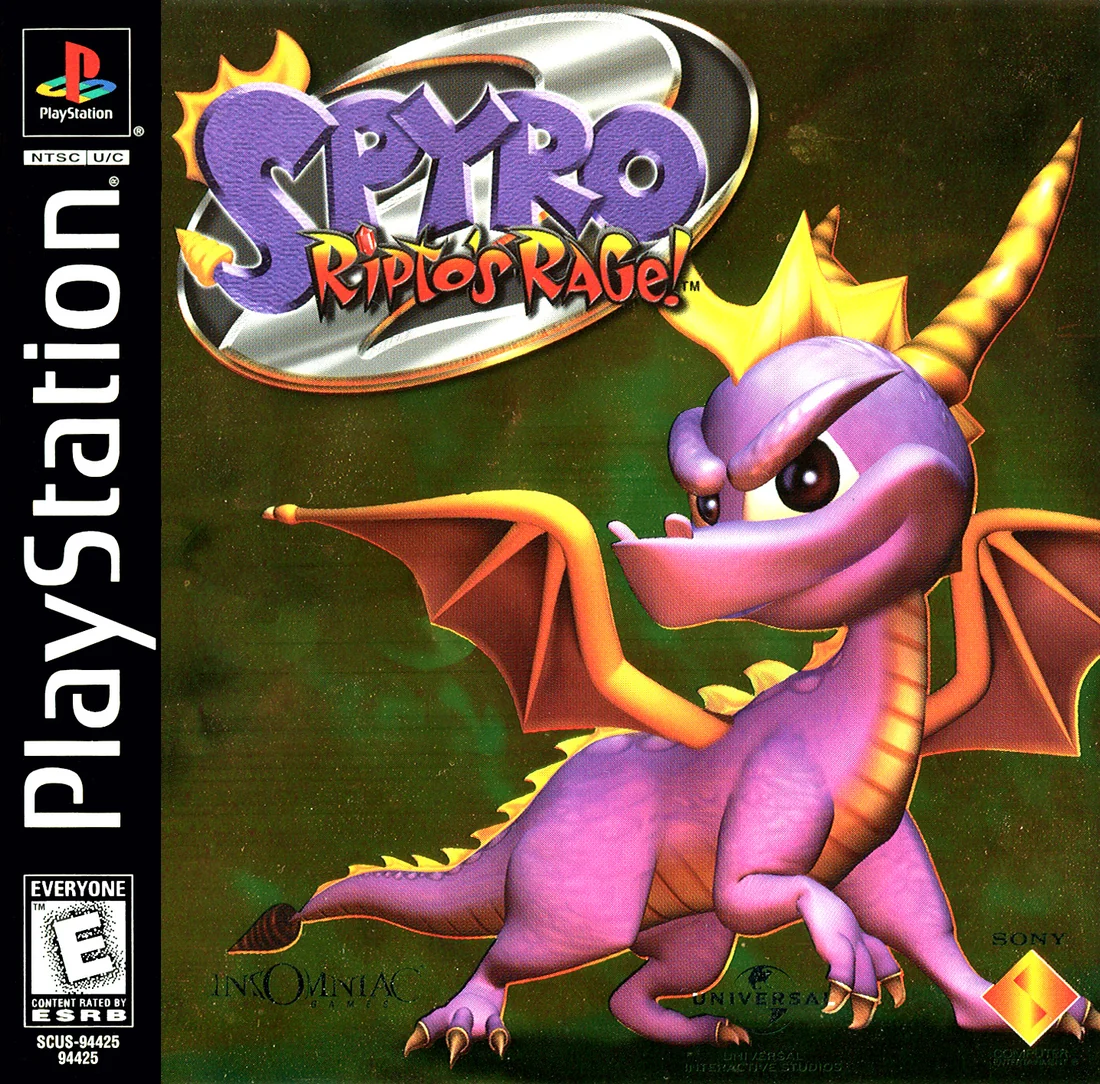
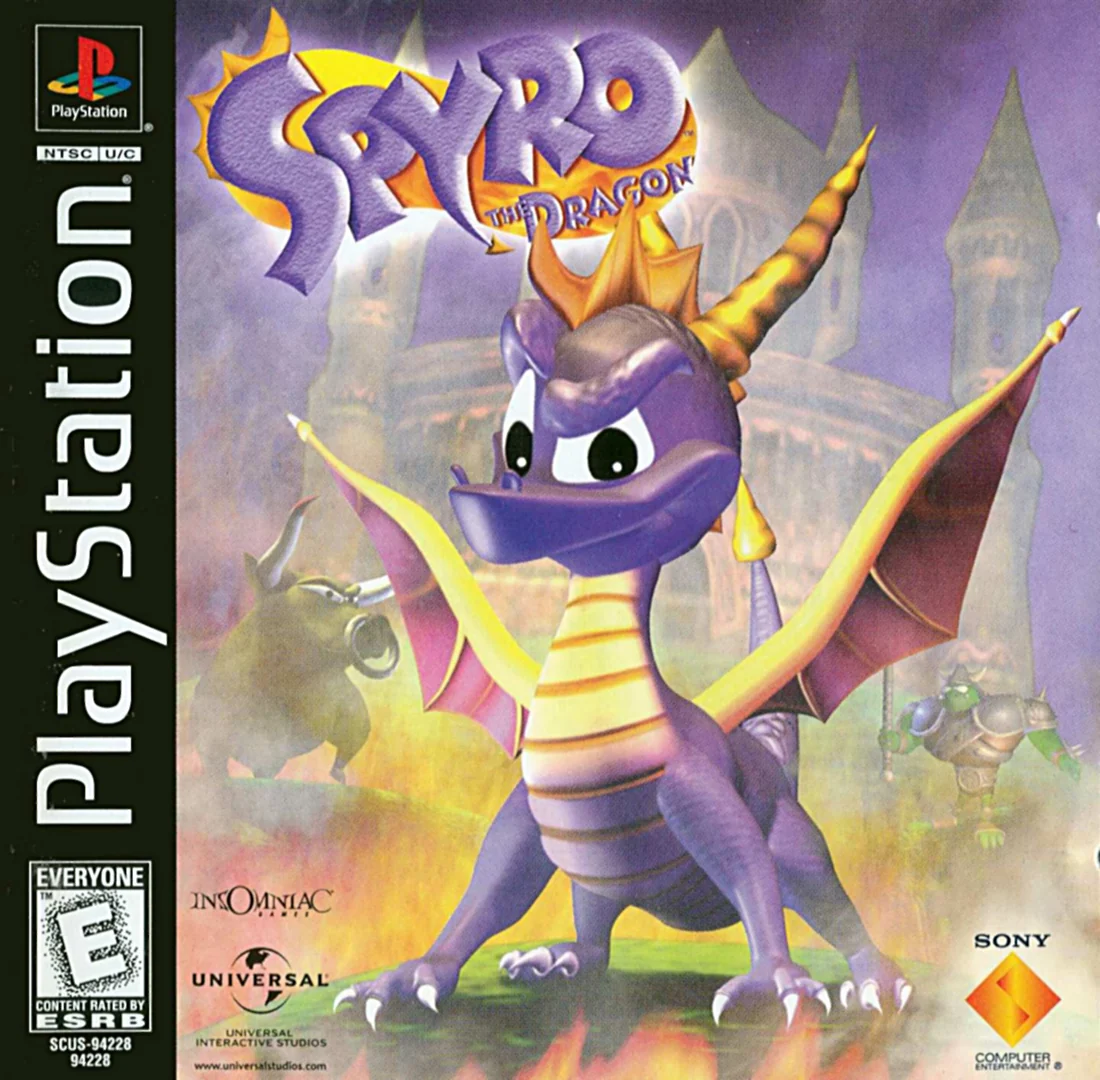
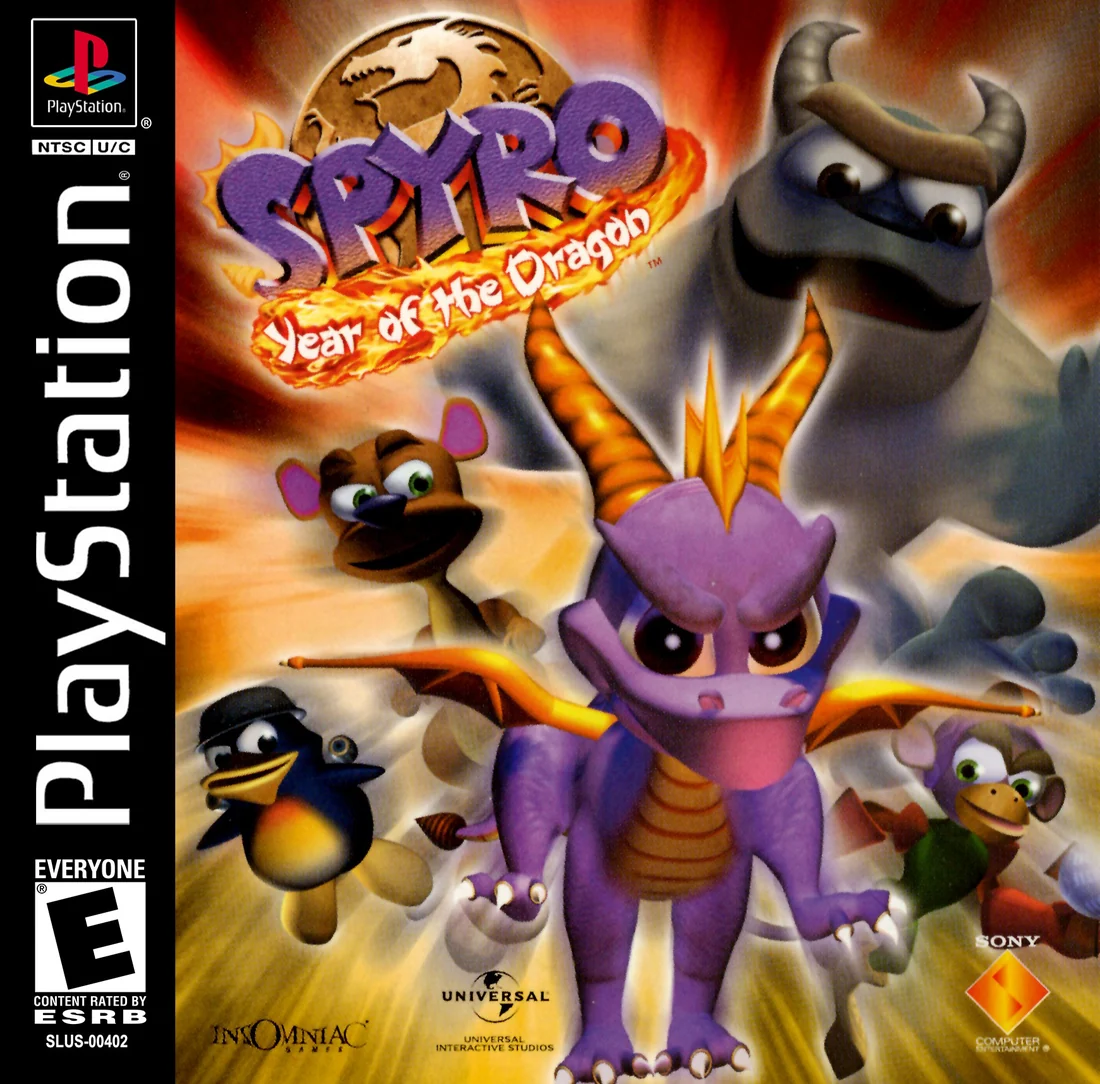
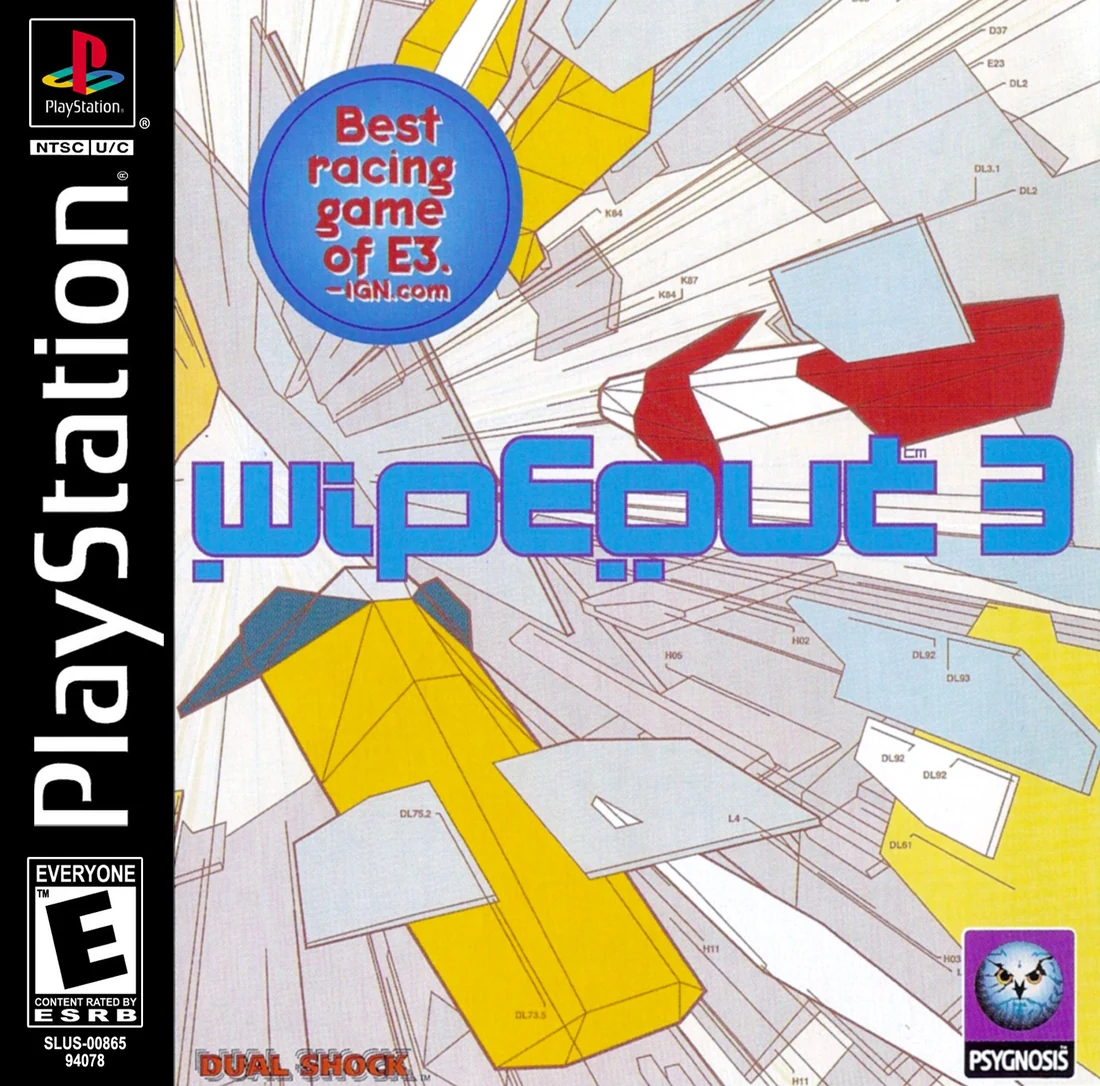
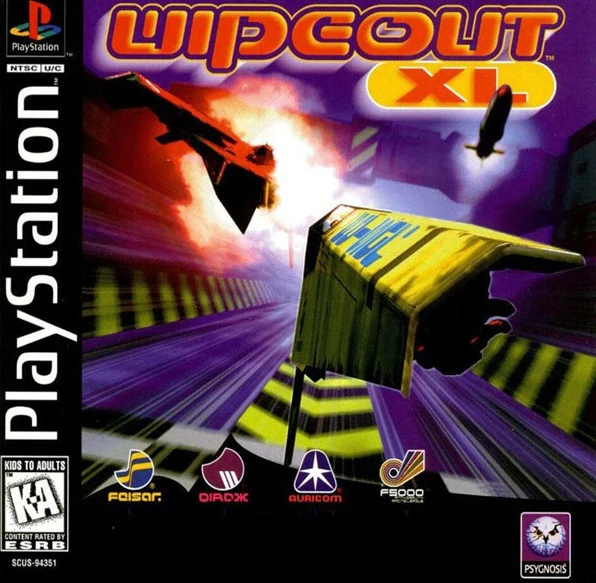
The first wave of PlayStation software established several different identities for the machine. Ridge Racer and Tekken carried Namco’s arcade authority into the home. WipEout, developed by Psygnosis, paired futuristic racing with electronic music and graphic design associated with contemporary club culture. Crash Bandicoot, created by Naughty Dog and published through Sony’s network, gave the platform a recognizable character without copying Nintendo’s existing mascots. Spyro the Dragon later showed that a PlayStation game could provide bright, exploratory 3D worlds rather than only grim or mechanical ones.
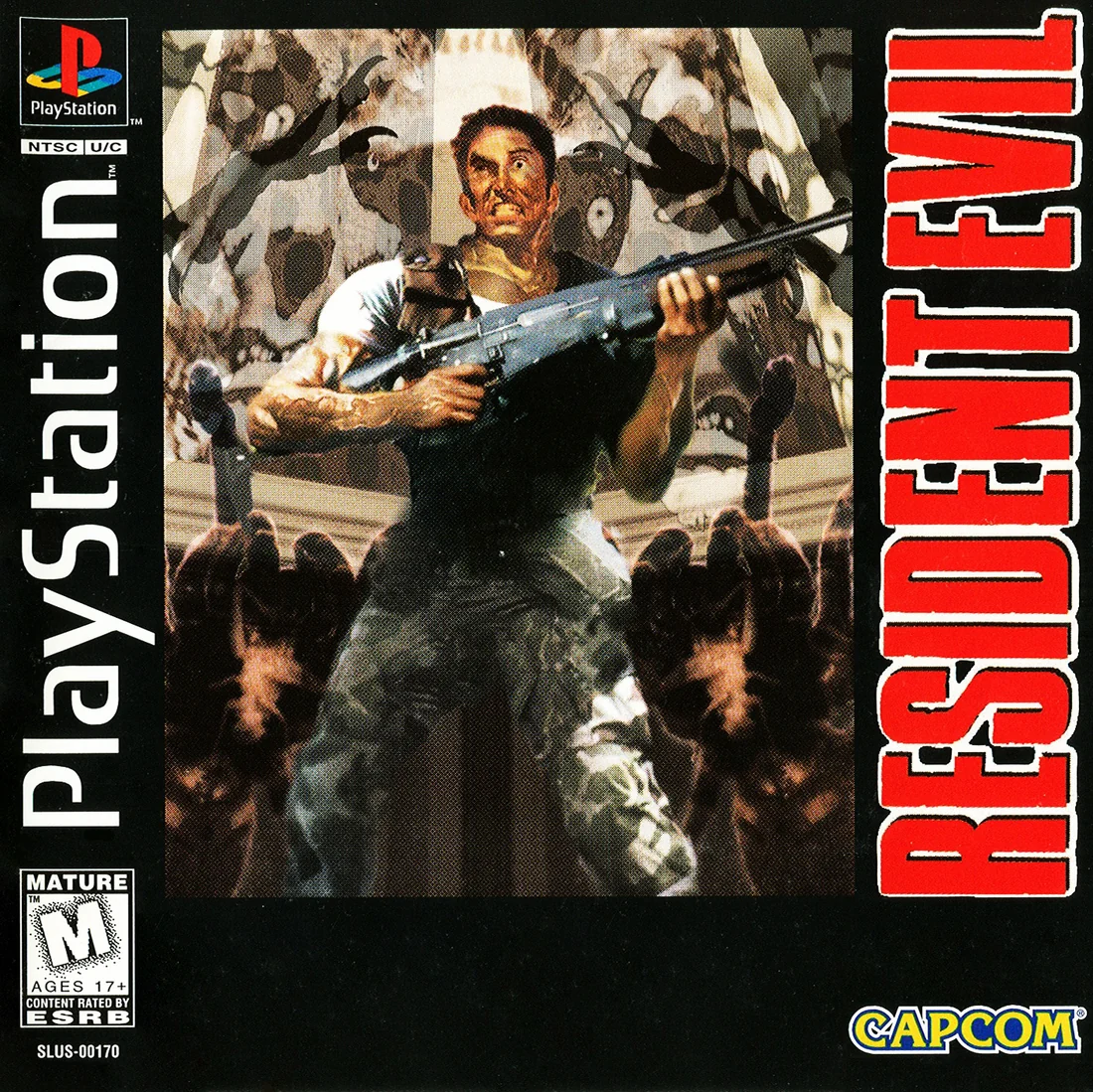
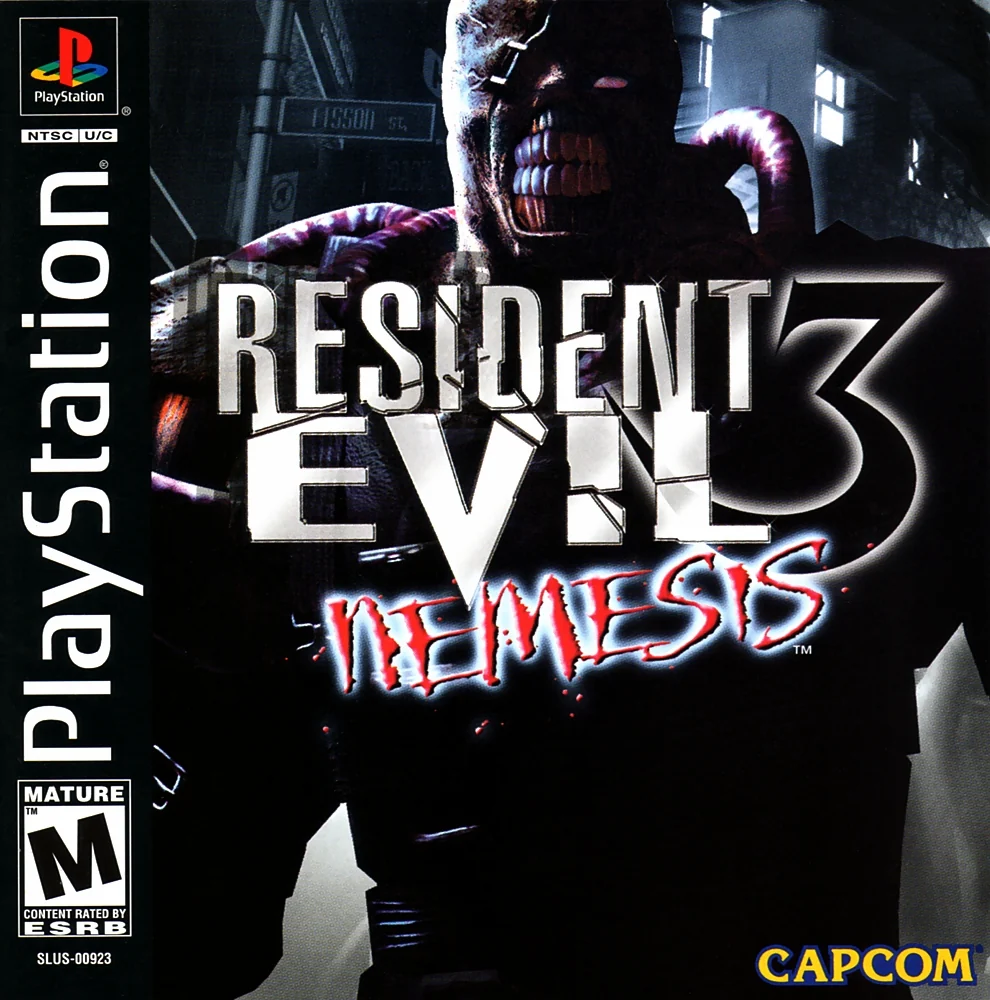
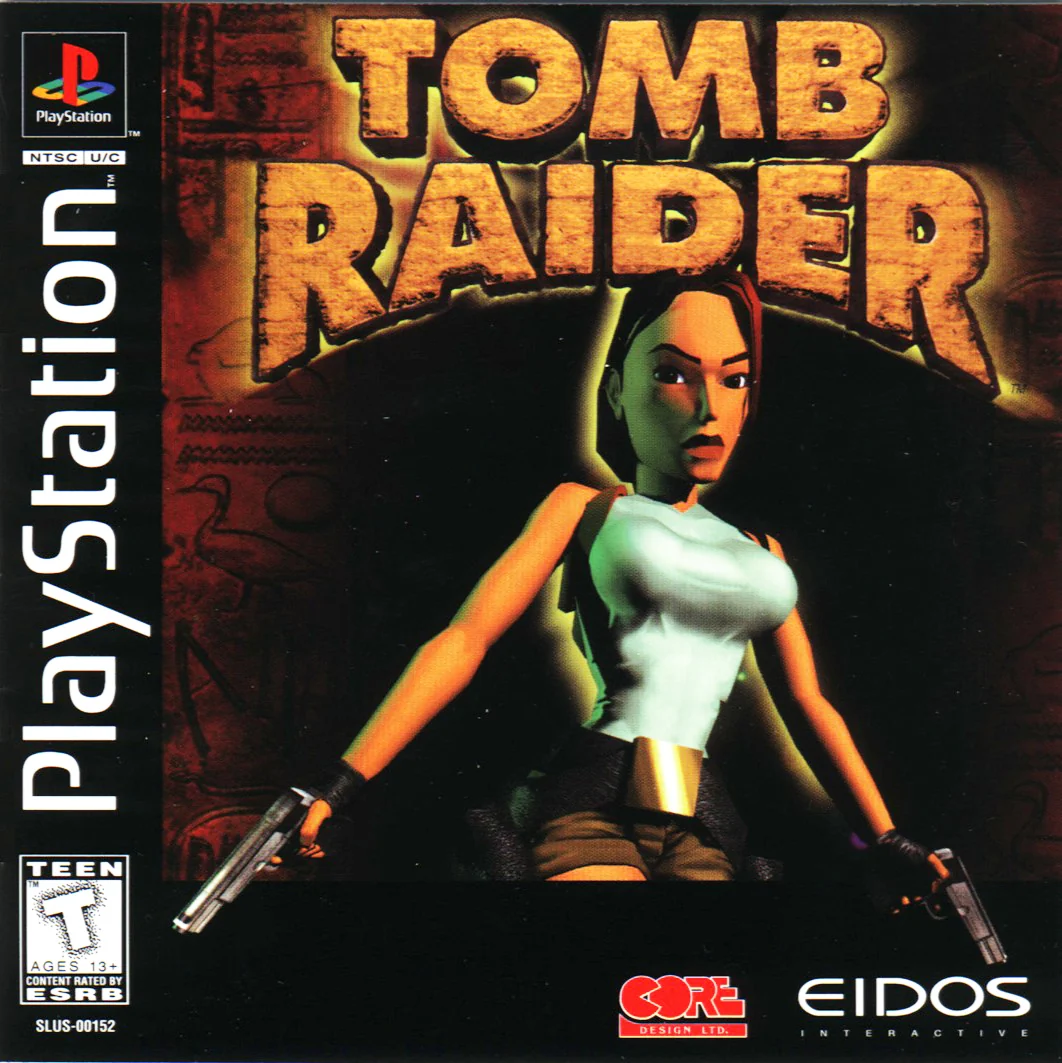
Resident Evil, known as Biohazard in Japan, helped define survival horror through fixed camera angles, limited ammunition, exploration and deliberate tension. Capcom used the PlayStation’s storage to support atmospheric sound, voiced scenes and a story presented through cinematic sequences. Tomb Raider, developed by Core Design and published by Eidos, made Lara Croft an international star while demonstrating that a third-party game could become one of the defining images associated with the platform. These games expanded the expected audience and encouraged publishers to invest in presentation as well as mechanics.
Final Fantasy VII was one of the most consequential releases in the system’s history. Square moved the series from Nintendo hardware to PlayStation, taking advantage of the CD format and the ability to use multiple discs, computer-generated movies and 3D environments. The 1997 game combined pre-rendered backgrounds, polygonal characters, dramatic camera work and a large science-fiction fantasy narrative. Its North American release received unusually prominent marketing for a role-playing game, helping introduce the series and the broader Japanese role-playing genre to many players outside Japan.
The move also demonstrated that platform relationships were negotiable. Square was not leaving Nintendo simply because PlayStation was more powerful in every category; it was responding to storage, production economics and commercial opportunity. The decision became a public signal to other publishers that Sony’s platform could support their most ambitious projects. Final Fantasy VII’s importance lies not only in its popularity, but in the way it connected disc capacity, cinematic storytelling and international publishing into one highly visible success.
Gran Turismo and the Expansion of Console Audiences
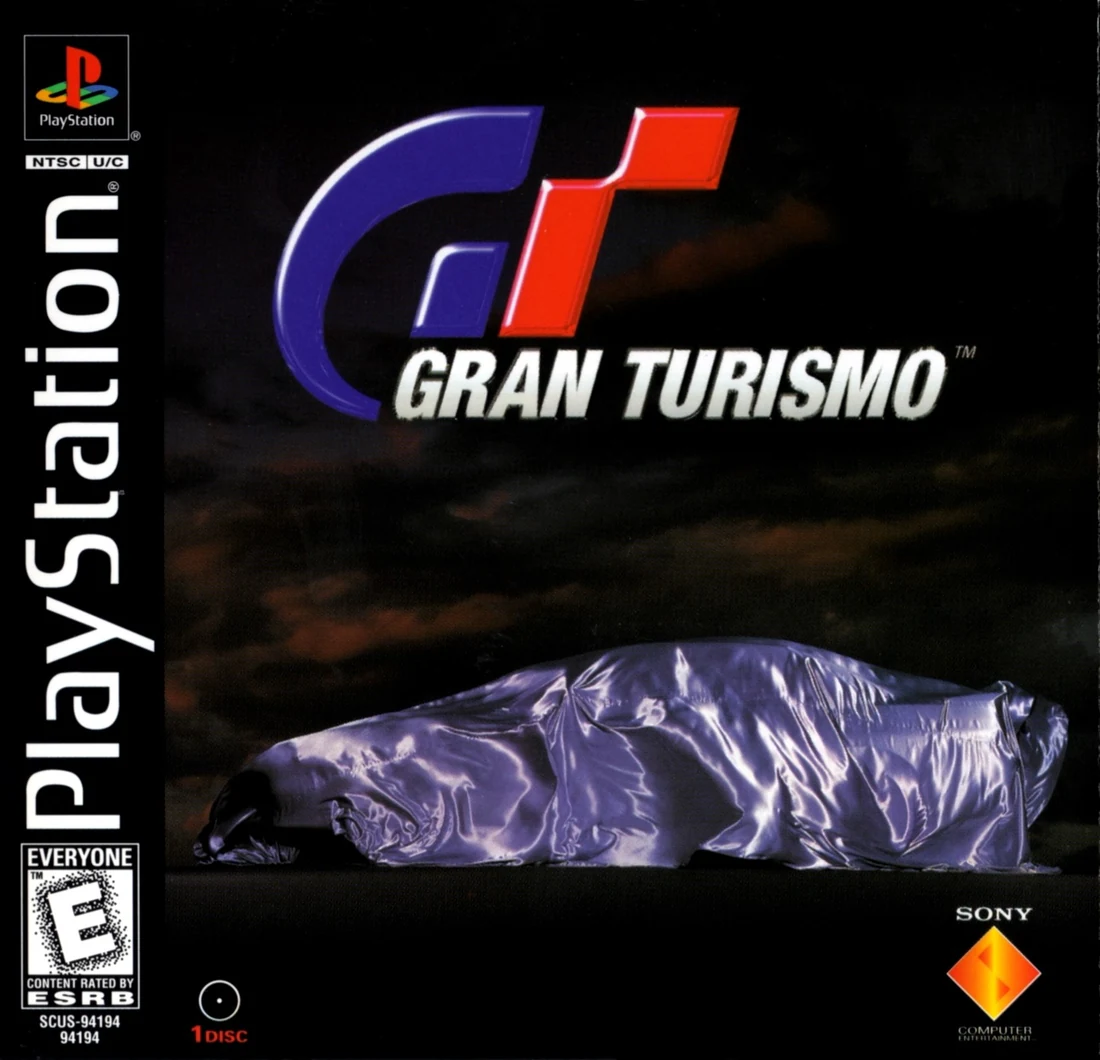
Gran Turismo began as an unusually methodical project led by Kazunori Yamauchi and the team that became Polyphony Digital. Instead of treating cars merely as weapons or arcade objects, the game emphasized licensed vehicles, realistic handling, circuits, driving licenses and gradual progression. Players earned access to better cars and events by proving their skills, then tuned and compared vehicles over long sessions. The structure appealed to people who enjoyed automobiles and simulation as much as those seeking quick races.
The game’s technical achievement came from combining many modest systems effectively. The PlayStation could not reproduce every detail of a real car or road surface, but Gran Turismo used carefully modeled vehicles, responsive physics, replay cameras, menus and licensed brands to create an impression of depth. The car catalogue became a form of collecting, while the license tests taught players how to control different machines. This made the game legible to newcomers without stripping away the patience expected from a simulation.
Gran Turismo launched in Japan in 1997 and later became one of the defining worldwide successes of the PlayStation generation. Its significance was not just a matter of units sold. It proved that a console could support a detailed simulation aimed at players who were not primarily interested in mascots, fantasy stories or arcade action. Automobile manufacturers also gained a new way to present their products to a mass audience. The game’s menus, progression systems and replay features influenced later racing software across consoles and personal computers.
The Gran Turismo project also strengthened Sony’s internal development structure. Sony Interactive Entertainment’s timeline records the production team’s separation into Polyphony Digital in 1998 as a fully owned subsidiary. This reflected the broader maturation of Sony’s first-party strategy. The company had begun by relying heavily on outside publishers, but successful internal teams could now create system-selling franchises with identities distinct from traditional platform mascots. Gran Turismo made the PlayStation a credible home for precision, authenticity and long-term progression.
The Controller Changes as 3D Becomes Normal
The original controller was effective for menus, fighting games, platformers and many early 3D experiments, but three-dimensional movement exposed the limits of a four-direction digital pad. A digital input says only that a player is pressing left, right, up or down. Steering a car, moving a character through open space or adjusting a camera often requires a range of partial inputs. Sony responded with several experiments, including the PlayStation Analog Joystick and later the Dual Analog Controller, before settling on the form that would become standard.
The Dual Analog Controller introduced two thumbsticks, allowing one stick to control movement and the other to control a camera or secondary function. It was not immediately supported by every game, and its shape differed from the later DualShock. Nevertheless, it pointed toward the control layout that would dominate three-dimensional console games. Ape Escape became an important demonstration because its design made analog input central rather than optional. Games such as racing, flying and action titles could use the sticks for much finer control than a directional pad allowed.
The DualShock added vibration motors to the two-stick design. Rumble gave players physical feedback for collisions, explosions, terrain and other events without taking visual attention away from the screen. It was a small hardware feature with broad consequences. A player could feel a vehicle strike a wall, a weapon fire or a character walk over an uneven surface. Feedback did not replace sound or animation, but it gave the controller a new role as part of the game’s communication system.
Sony’s controller evolution also created a compatibility problem that developers had to manage. Millions of owners still had the original digital controller, so games often supported multiple control methods or included settings for different hardware. Over time, the analog layout and rumble feature became so familiar that later consoles treated them as expectations rather than novelties. The PlayStation’s contribution was not simply inventing the analog stick or vibration independently; it helped combine those features into the durable two-stick gamepad pattern used by subsequent systems.
Competition with Sega, Nintendo and Personal Computers
The PlayStation’s main rivals were Sega Saturn and Nintendo 64, but the competition involved more than processing speed. Sega’s Saturn had strong arcade software and a CD-ROM drive, yet its architecture was difficult to program and its North American launch damaged confidence among retailers and consumers. Nintendo 64 used powerful 3D hardware and excellent first-party software, including Super Mario 64 and The Legend of Zelda: Ocarina of Time, but continued to distribute games on cartridges. Cartridge loading was fast and robust, but cartridges were more expensive to manufacture and generally offered less storage than discs.
Nintendo’s cartridge choice protected certain advantages while creating commercial constraints. Large cinematic projects required either expensive cartridges or design compromises. Square’s decision to release Final Fantasy VII on PlayStation became the most visible example of how storage and publisher economics could influence platform loyalty. Nintendo still retained major strengths: its first-party games, hardware design and family appeal were powerful. Sony did not win because discs were automatically superior; it won because its format aligned with the kinds of projects and publisher relationships becoming more important in the mid-1990s.
The PlayStation also differed from personal computers. PCs offered open hardware, upgradeability and genres that consoles handled poorly, but they were more expensive, less standardized and often more difficult to configure. A PlayStation provided one fixed target that developers could optimize and that consumers could connect to a television without choosing a graphics card or troubleshooting drivers. Sony’s advertising emphasized this simplicity while still presenting the machine as modern and rebellious. That combination helped console gaming reach older teenagers and young adults who might not have identified with toy-oriented marketing.
Sony’s success changed the competitive balance of the industry. Sega’s console business weakened, Nintendo was pushed toward a different strategy and publishers became less willing to accept restrictive platform conditions without negotiation. The market was no longer organized around a simple Sega-versus-Nintendo rivalry. A consumer-electronics company had entered the field and demonstrated that industrial design, format control, developer support, pricing and cultural marketing could be as decisive as a famous character or arcade heritage.
Revisions, Accessories and the PS one
The PlayStation changed internally many times during its life. Sony revised circuit boards, drives and other components to reduce manufacturing cost, improve reliability and simplify production. These revisions generally preserved compatibility with the same software library, so consumers could buy later models without abandoning earlier games. Some regional or model differences affected video outputs, internal components and copy-protection behavior, but the central experience remained stable. Quiet cost reductions were commercially important because they enabled Sony to lower prices and keep the platform attractive after newer systems appeared.
Accessories broadened the kinds of games the console could support. Memory cards were essential because the console had no internal hard drive. Multitaps allowed compatible games to support four players from one controller port, and two multitaps could expand selected software to eight players. Light guns served arcade-style shooting games, while steering wheels, flight controls, mice and specialist controllers served racing, simulation, strategy and music titles. Japan also received the PocketStation, a memory-card-sized device with an LCD screen and infrared communication that could provide minigames or supplemental features for compatible software.
Sony released Net Yaroze, a special development-oriented PlayStation that allowed users and small teams to create software with official tools. It did not turn the console into a general-purpose computer, but it represented an early attempt to encourage amateur and independent development within a console ecosystem. The platform also received unusual peripherals such as the PlayStation Mouse and the large Analog Joystick. These products illustrated Sony’s willingness to let the machine reach beyond a single controller and a single genre.
In 2000, Sony introduced the PS one, a smaller and lighter redesign of the original system. It retained compatibility with PlayStation software while making the hardware more affordable and visually distinct. Sony also offered a combined PS one and LCD-screen package that made the machine easier to use in confined spaces, though it was not a handheld console in the ordinary sense. The PS one launched in Japan in July 2000 and in the United Kingdom and North America in September. It kept the original platform commercially relevant beside the new PlayStation 2.
Cultural Impact and the Normalization of 3D
The PlayStation helped make real-time polygonal 3D the expected direction of console development. Earlier machines and arcade boards had already used polygons, sprites and perspective effects, but PlayStation software placed three-dimensional movement at the center of mainstream home gaming. Developers learned to use fixed cameras, prerendered backgrounds, fog, narrow corridors and cinematic cuts to make attractive games within strict memory and processing limits. These techniques were solutions to technical constraints, yet they became influential design conventions.
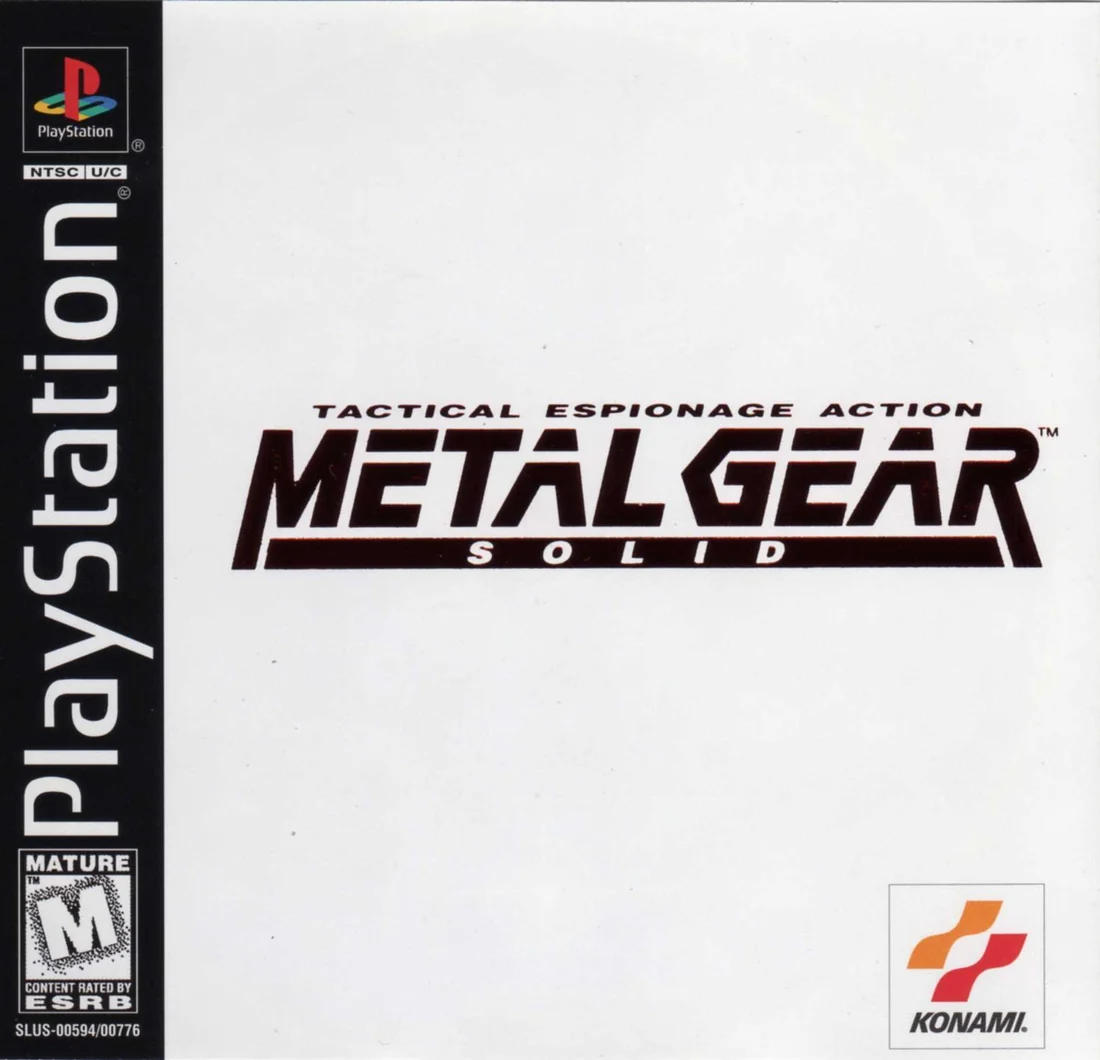
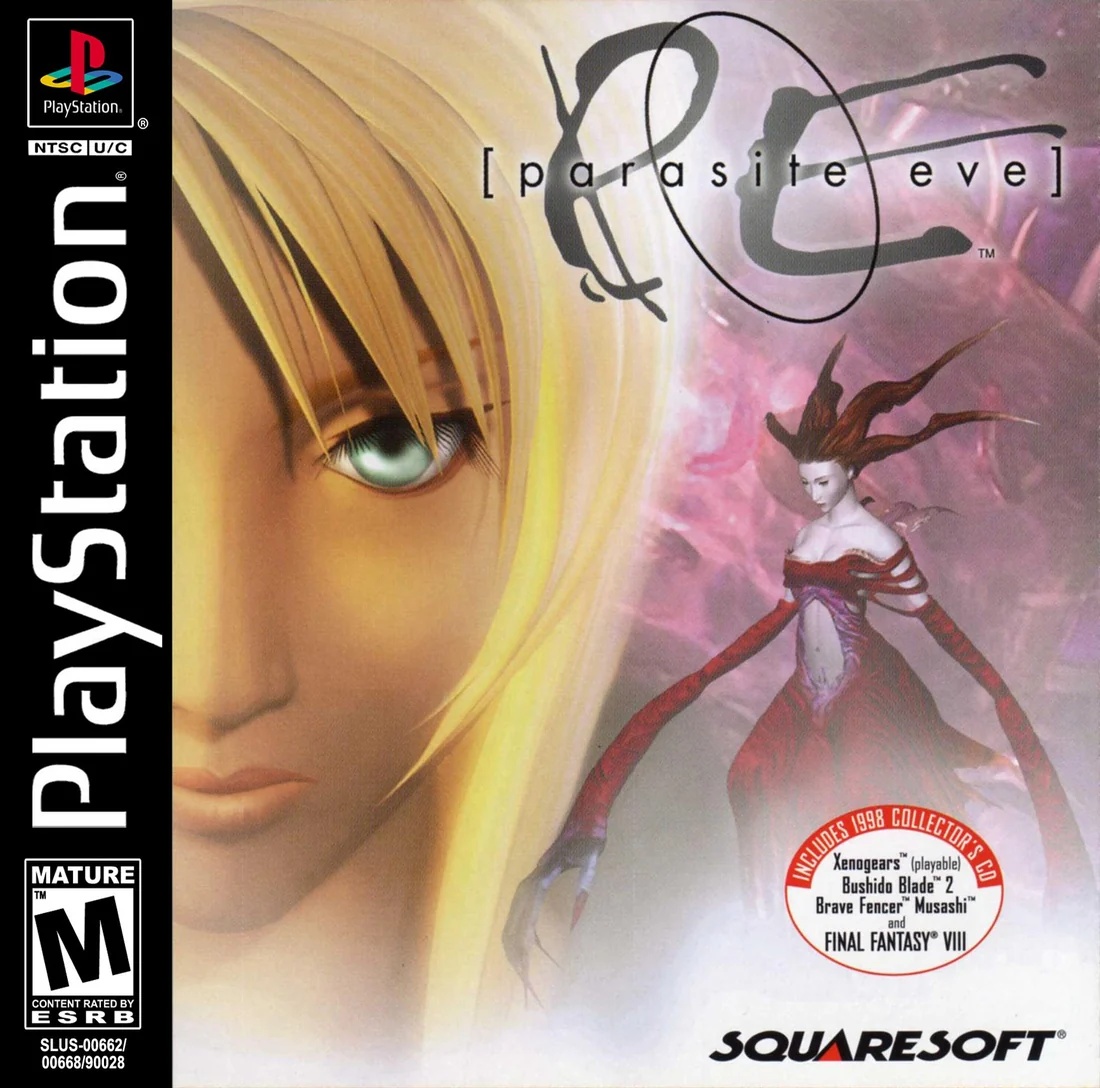
The console also altered the public image of videogames. Sony’s campaigns connected games with electronic music, graphic design, film language and youth fashion. The famous “Double Life” campaign presented gaming as a private second identity rather than a children’s pastime, while games such as WipEout used licensed music and sophisticated visual branding to reach club-oriented audiences. Lara Croft became a recognizable celebrity character, and games such as Metal Gear Solid were discussed for voice acting, direction and political themes as well as play mechanics.
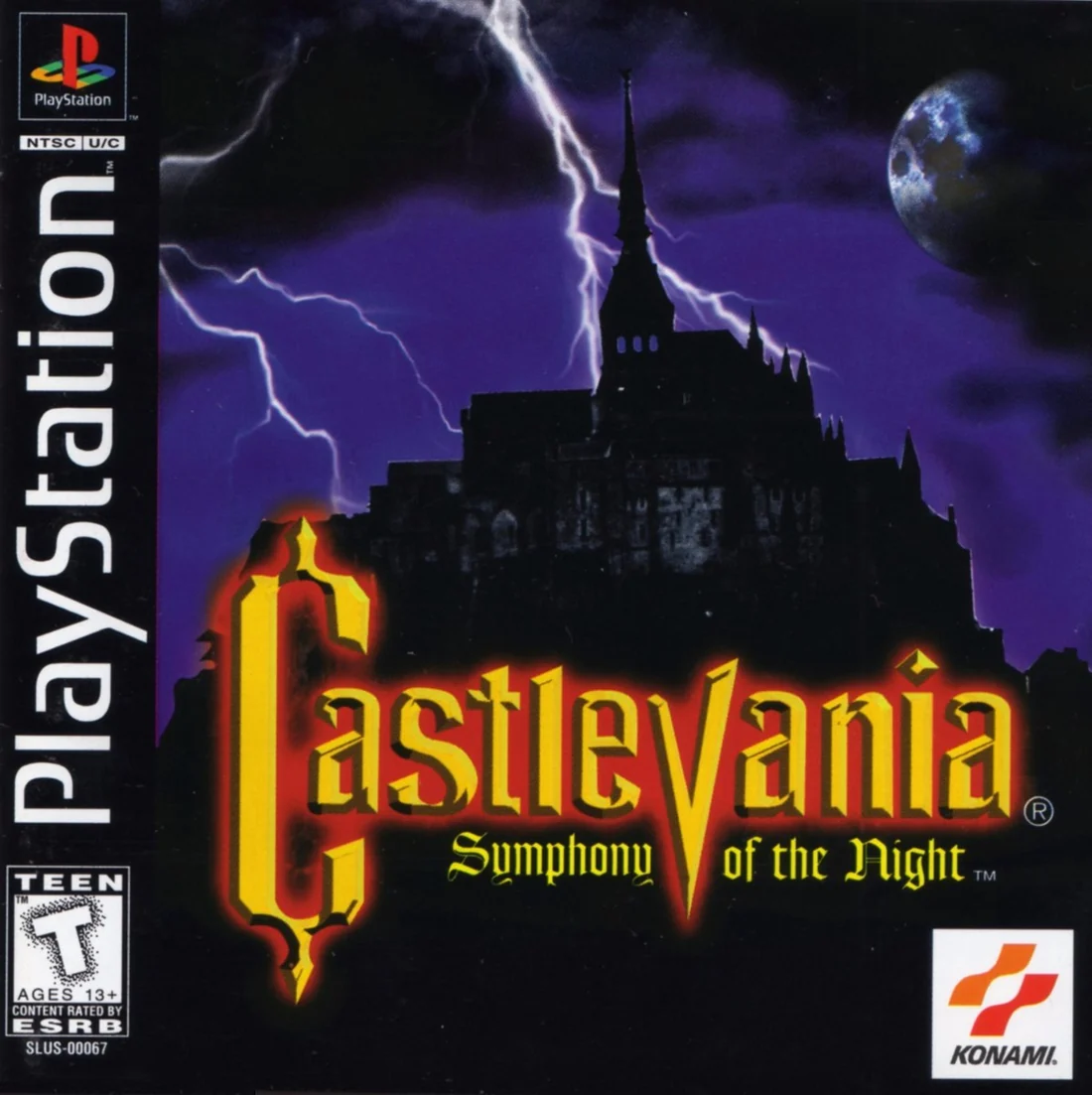
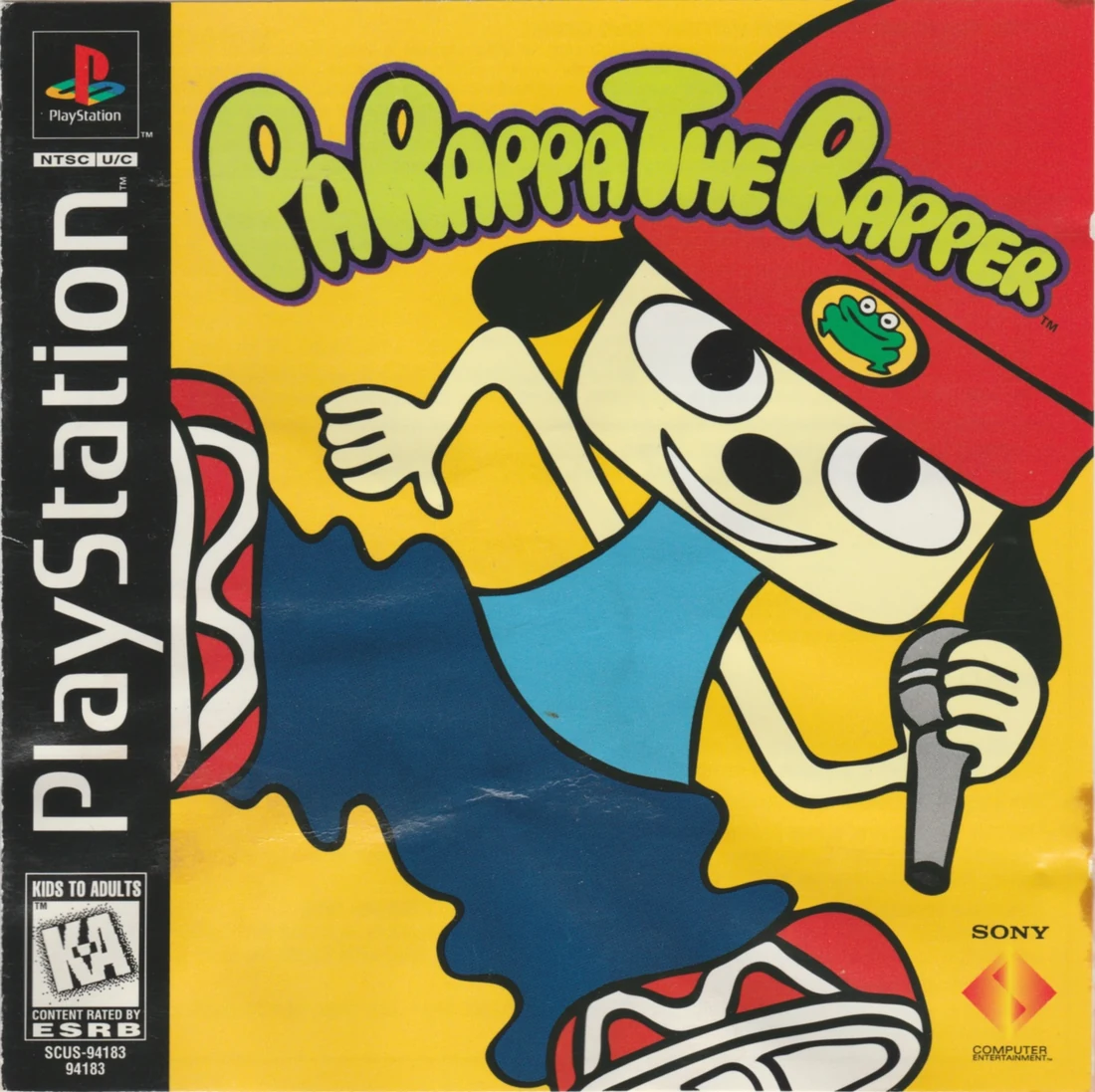
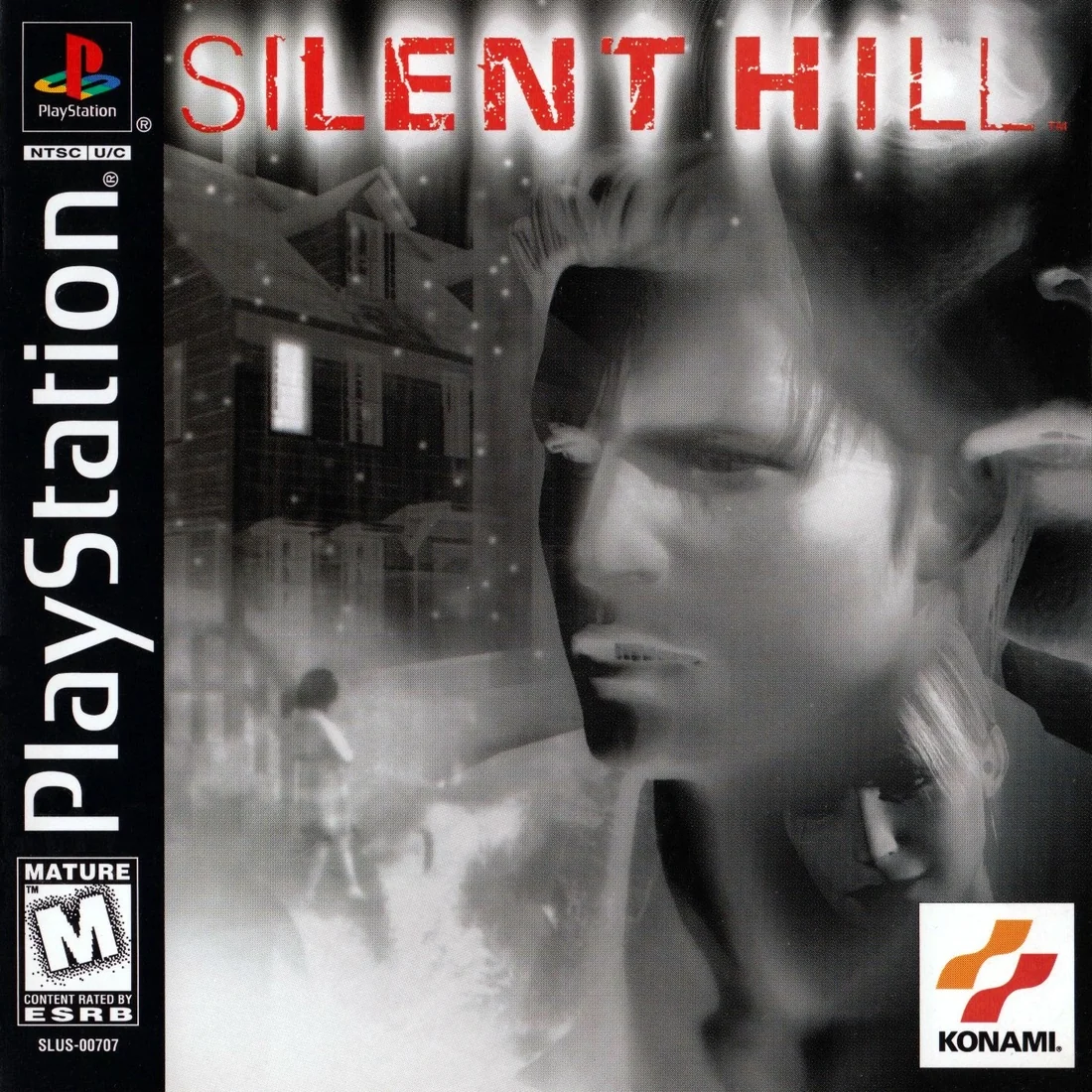
The library’s variety made the broader cultural shift visible. PaRappa the Rapper presented rhythm and music as central play rather than background decoration. Castlevania: Symphony of the Night showed that richly drawn 2D art could remain compelling during a period obsessed with polygons. Oddworld, Ape Escape, Silent Hill, Tony Hawk’s Pro Skater, Driver and many other titles addressed different moods and audiences. The platform’s identity was never limited to one genre; it was a space where publishers could test how far console players would follow them.
The PlayStation therefore helped normalize the idea that games could be lifestyle products, narrative experiences, competitive activities, technical demonstrations or music-driven social entertainment. It did not create mature games, cinematic storytelling or 3D graphics by itself. Those developments had many predecessors. Its importance was that it combined them with a large installed base, international marketing and a distribution model that made ambitious software commercially visible.
Decline, Transition and the Scale of the Platform
The original PlayStation did not disappear when its successor arrived. The PlayStation 2 launched in Japan in March 2000, followed by North America in October and Europe in November. Its backward compatibility, DVD playback and new hardware capabilities encouraged consumers and developers to move forward, but Sony continued selling the original system as a lower-cost entry point. The PS one benefited from the mature library, a reduced form factor and a price strategy aimed at families and late adopters.
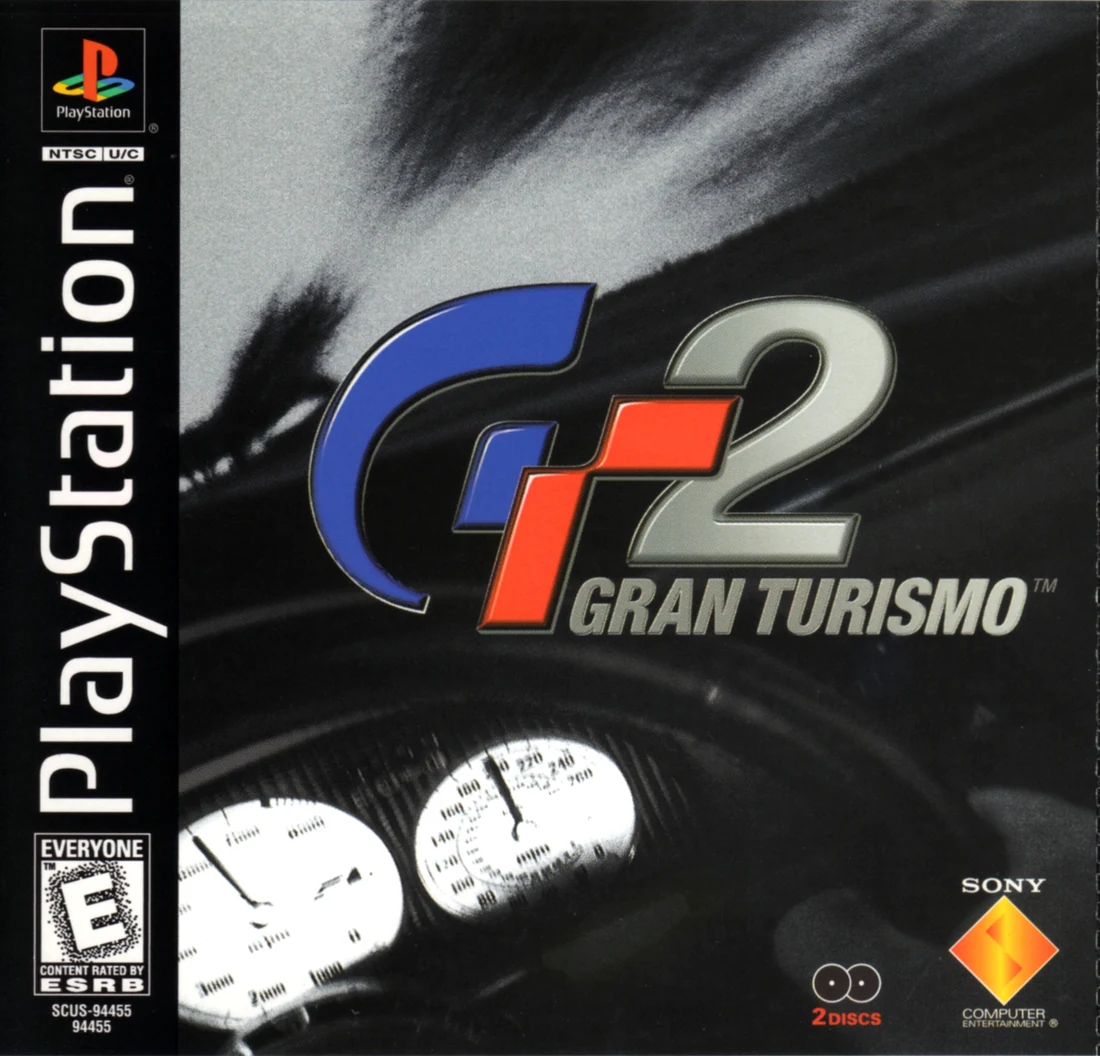
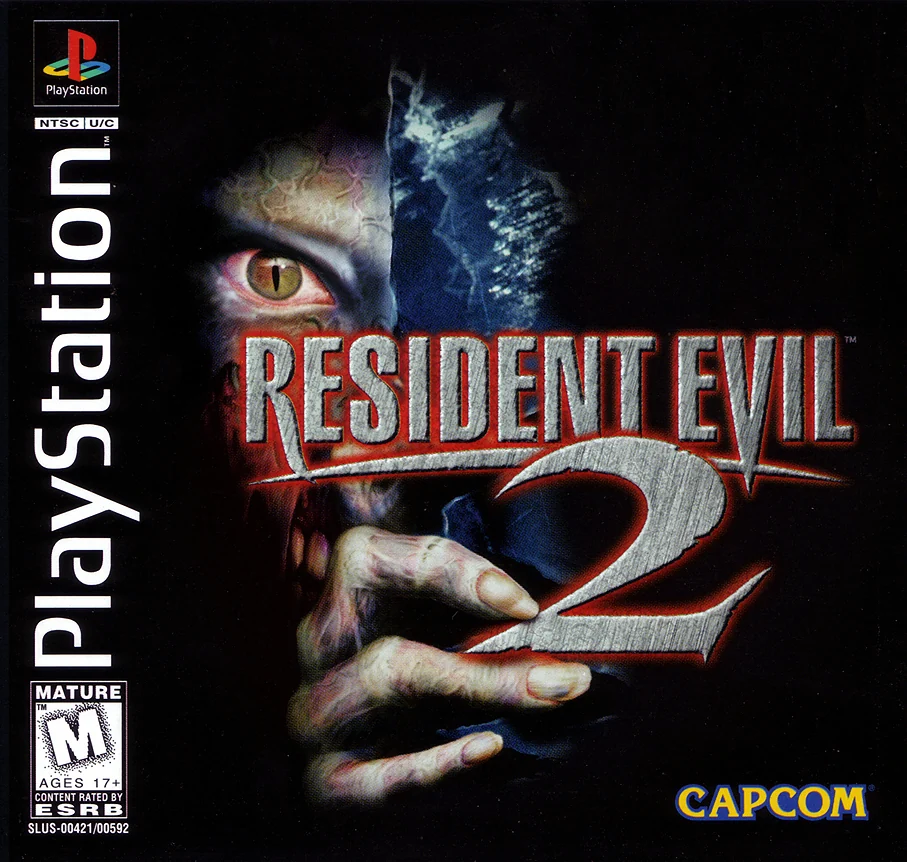
Late PlayStation releases remained ambitious. Gran Turismo 2 expanded the driving series, Final Fantasy IX demonstrated that role-playing games could still be substantial on the aging hardware and Metal Gear Solid, Resident Evil 2, Tekken 3 and other major titles gave the platform a long tail of important software. The overlapping generations also changed how consoles were replaced. A new machine could attract early adopters while the previous machine continued to serve price-sensitive consumers and developers seeking a large audience.
Sony Interactive Entertainment reported that the original PlayStation and PS one together exceeded 100 million cumulative worldwide hardware shipments as of May 18, 2004. The company described this as the first game-console hardware family to pass that threshold. This is a shipment figure combining the original and redesigned models, not a sell-through total for only the first 1994 chassis. Sony later identified total PlayStation console shipments from 1994 through 2006 as 102 million. The distinction matters because console companies use different definitions and often group revisions together.
Sony also reported more than 7,300 PlayStation titles and over 949 million cumulative software shipments worldwide through the end of March 2004. Those figures show the platform’s scale, but they should not be confused with unique games sold to individual players or with the sales of any one franchise. The original PlayStation’s influence came from the interaction of hardware shipments, software breadth, publisher participation and a long commercial lifespan. Its success was not merely one large launch; it was an ecosystem that continued expanding after the machine stopped being technologically new.
Preservation and Lasting Influence
Preserving the original PlayStation involves more than keeping a gray console on a shelf. Compact discs can suffer scratches, fading, manufacturing defects and, in some cases, disc rot. Controllers wear at buttons, cables and analog mechanisms, while memory cards can eventually fail. Regional versions also matter. Japanese, North American and European games used different television standards, release schedules and compatibility arrangements, and discs from one region were not universally playable on an unmodified console from another. A serious archive therefore includes hardware revisions, regional software, manuals, packaging, peripherals and contemporary documentation.
Emulation provides another preservation route, but it is not identical to original hardware. Emulation can make damaged or scarce software accessible and allow researchers to inspect games without repeatedly wearing out physical media. At the same time, differences in loading behavior, display scaling, controller response and video timing can change the experience. Original hardware preserves the period’s artifacts, including texture wobble, loading pauses and analog video characteristics, but it is vulnerable to component failure. Effective preservation uses both approaches and records the differences rather than pretending that one method is complete.
The platform’s influence appears in nearly every later home console. Optical media became normal for major releases, analog sticks and vibration became standard controller features, external save storage evolved into internal drives and cloud systems, and third-party publishing became more international and commercially central. Sony’s later consoles expanded these ideas through DVD, online services, internal storage and digital distribution, but the organizational pattern began with the original machine’s developer network and regional structure.
The original PlayStation’s deepest legacy was strategic. Sony showed that a newcomer could challenge established console manufacturers by aligning an affordable format, technically approachable hardware, publisher-friendly policies, aggressive international management, distinctive industrial design and marketing aimed at a broader age range. The console did not solve every technical problem and did not invent every genre associated with it. It did something more consequential: it made those technologies, genres and business practices reinforce one another. That is why the PlayStation remains a turning point in the history of home videogames rather than simply a successful piece of 1990s hardware.