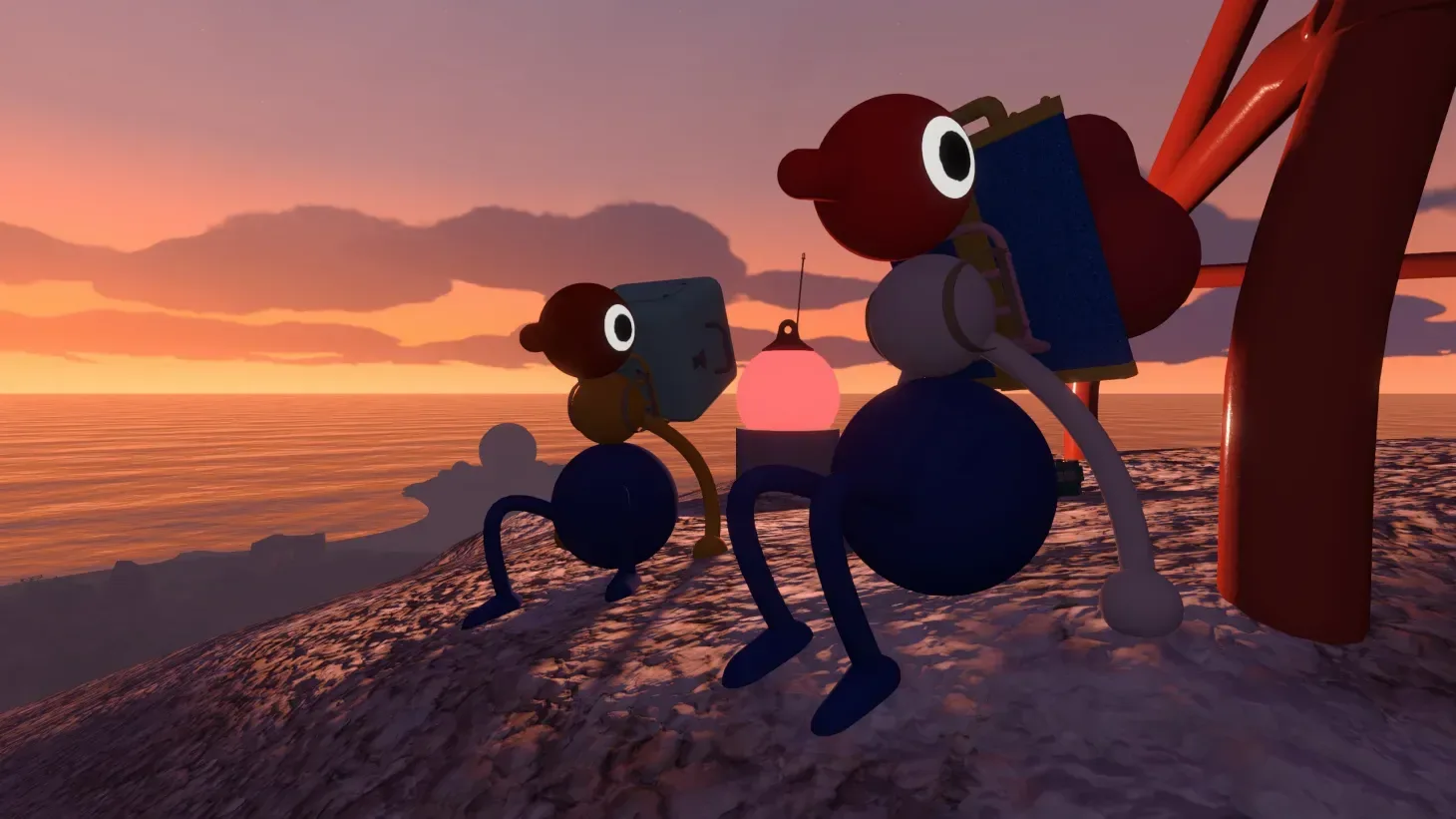
Orbitals Has Gorgeous Co-Op Chemistry, but Its Story Needs More Fuel
Expressive art, warm character chemistry and varied cooperative puzzles make Orbitals appealing, while uneven combat and a rushed conclusion limit its story.
GAMES. COLLECTIBLES. BAD DECISIONS.
Gameplay, atmosphere, and the details that make a game worth your time. Clear verdicts for your next adventure.
18 reviews
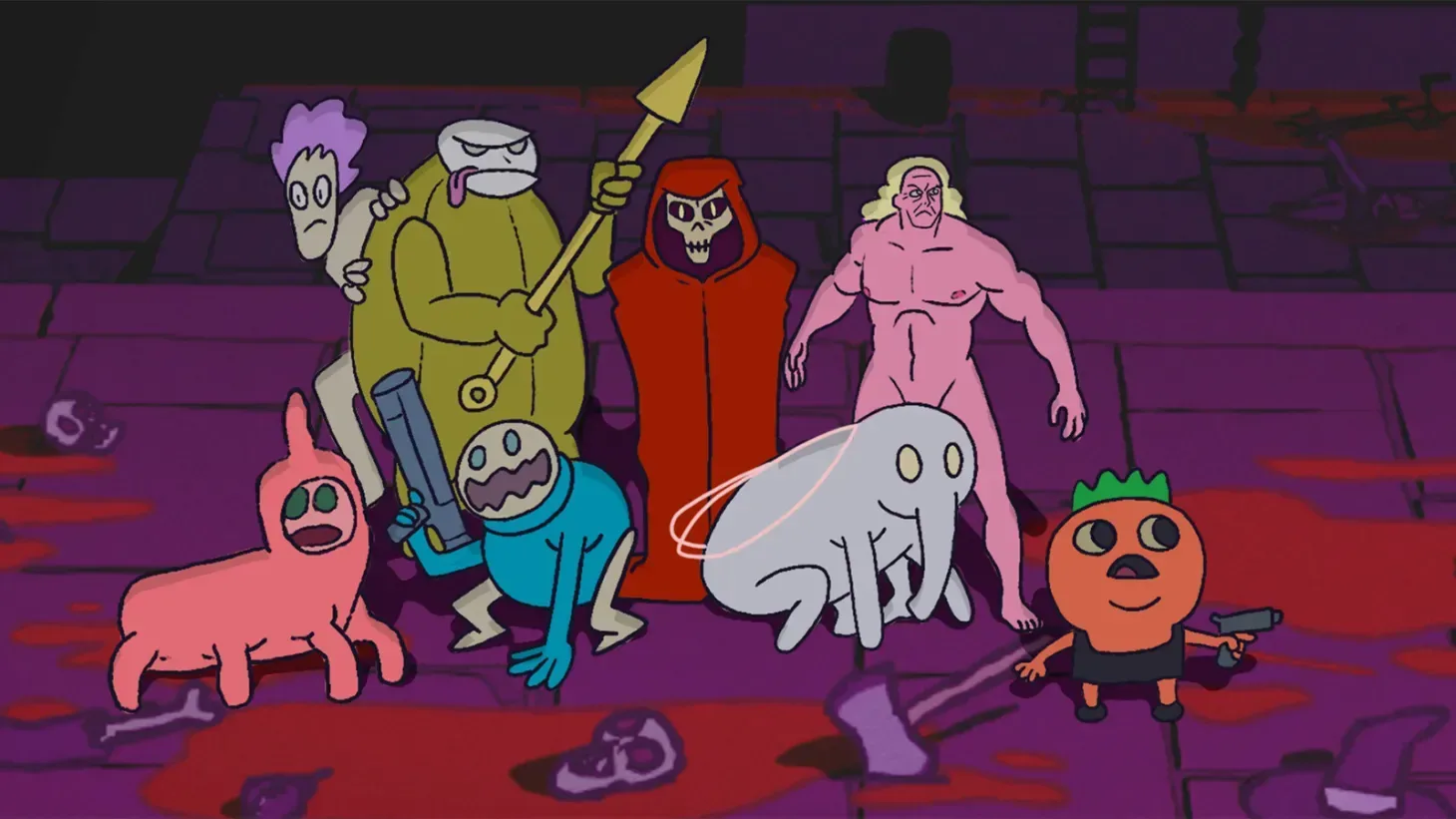
Expressive art, warm character chemistry and varied cooperative puzzles make Orbitals appealing, while uneven combat and a rushed conclusion limit its story.
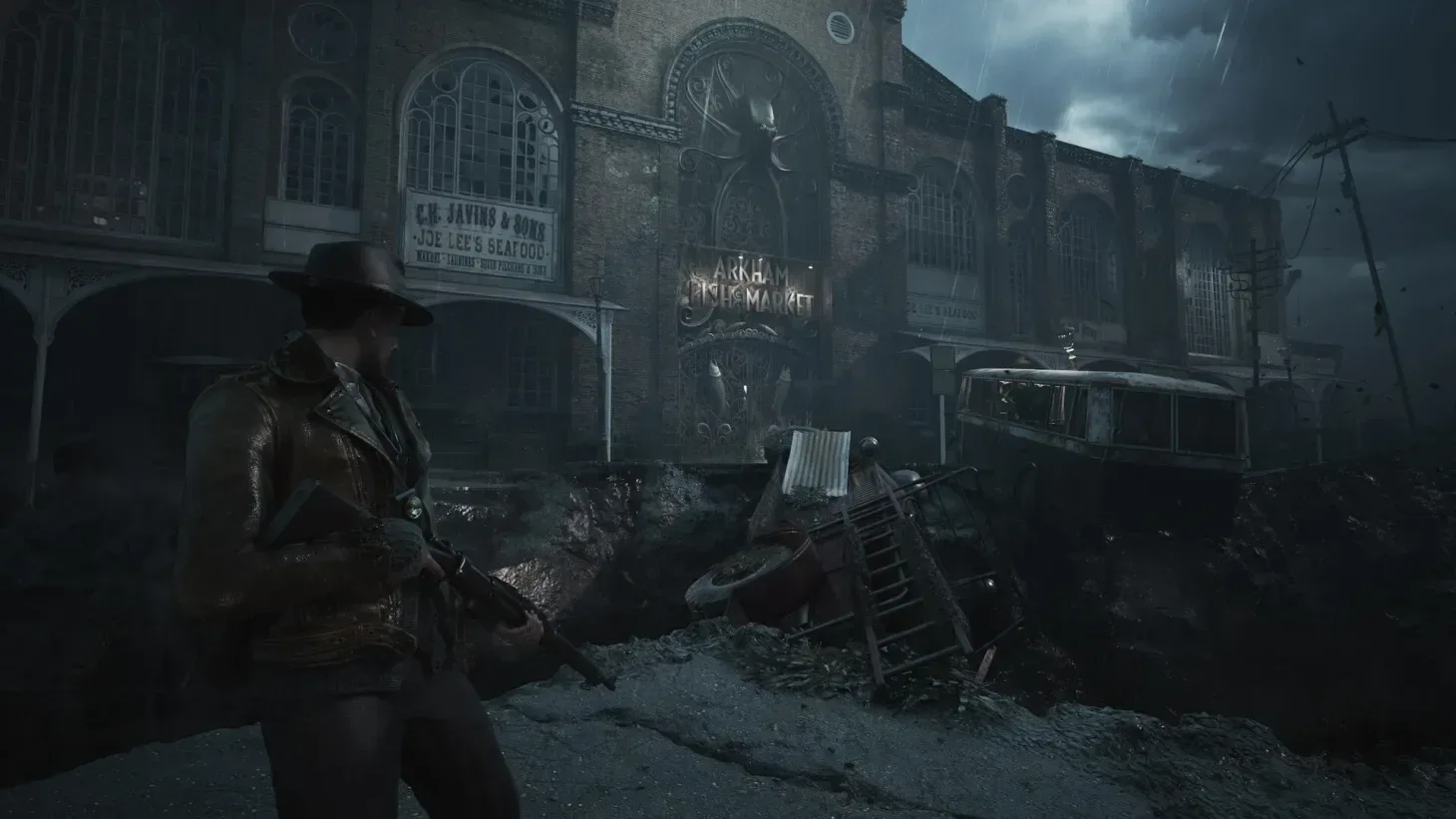
Arkham’s atmosphere and puzzle design provide a compelling horror setting, but repetitive combat, restrictive progression and underdeveloped characters keep the campaign from realizing its potential.
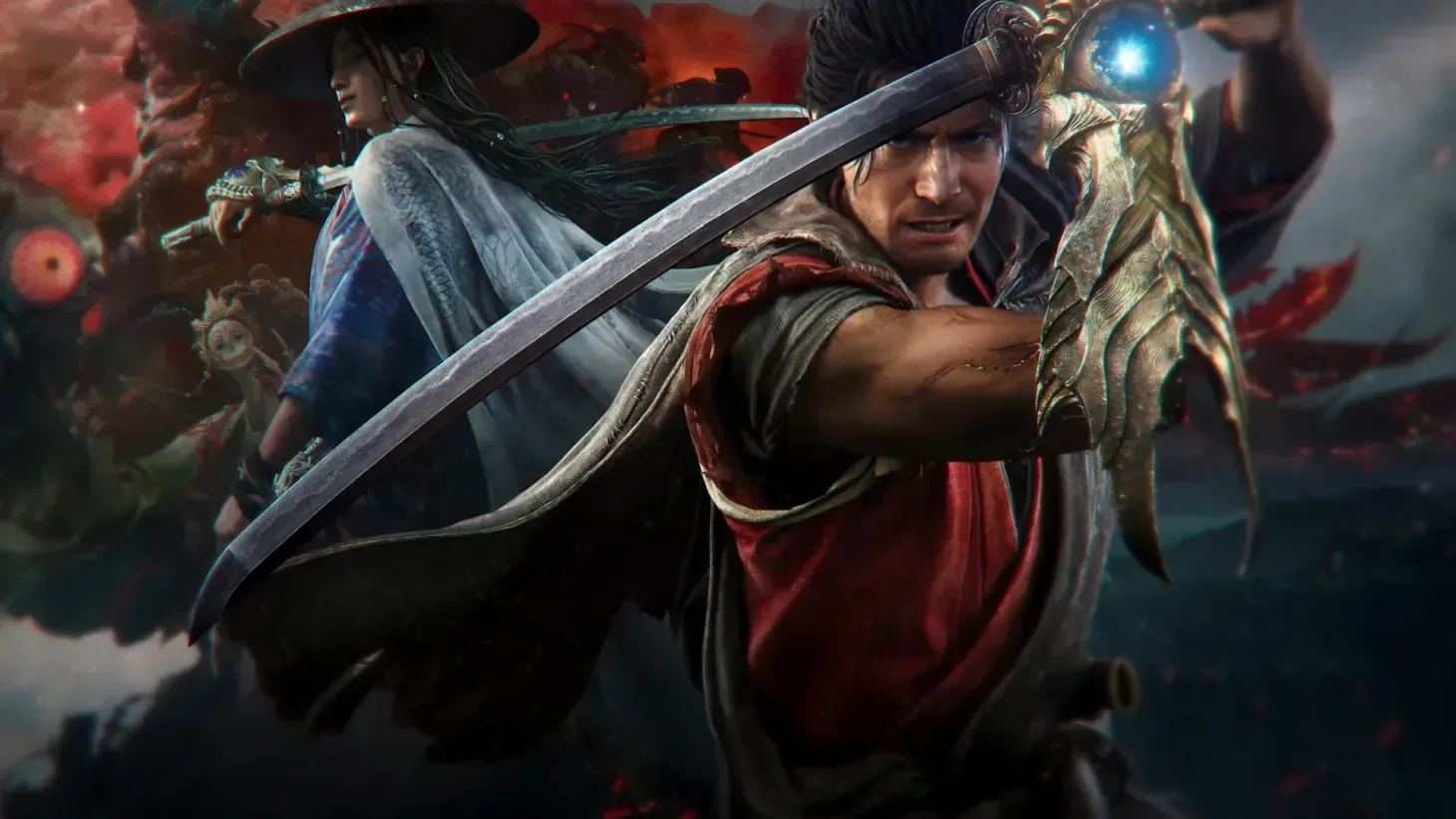
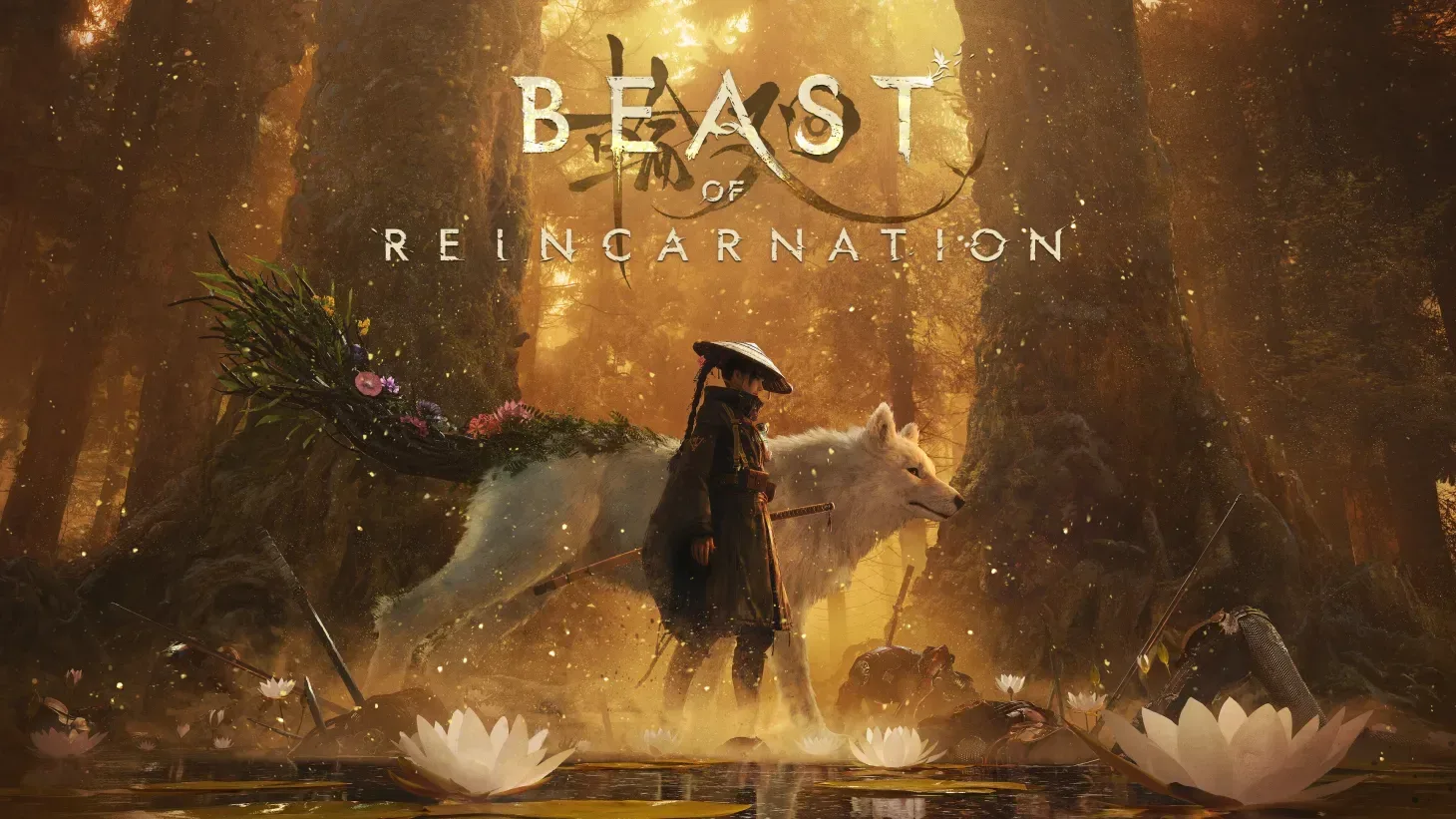
Demanding swordplay and memorable characters give this revival its identity. A slow introduction, repetitive rifts and uneven pacing sometimes interrupt its strongest action.
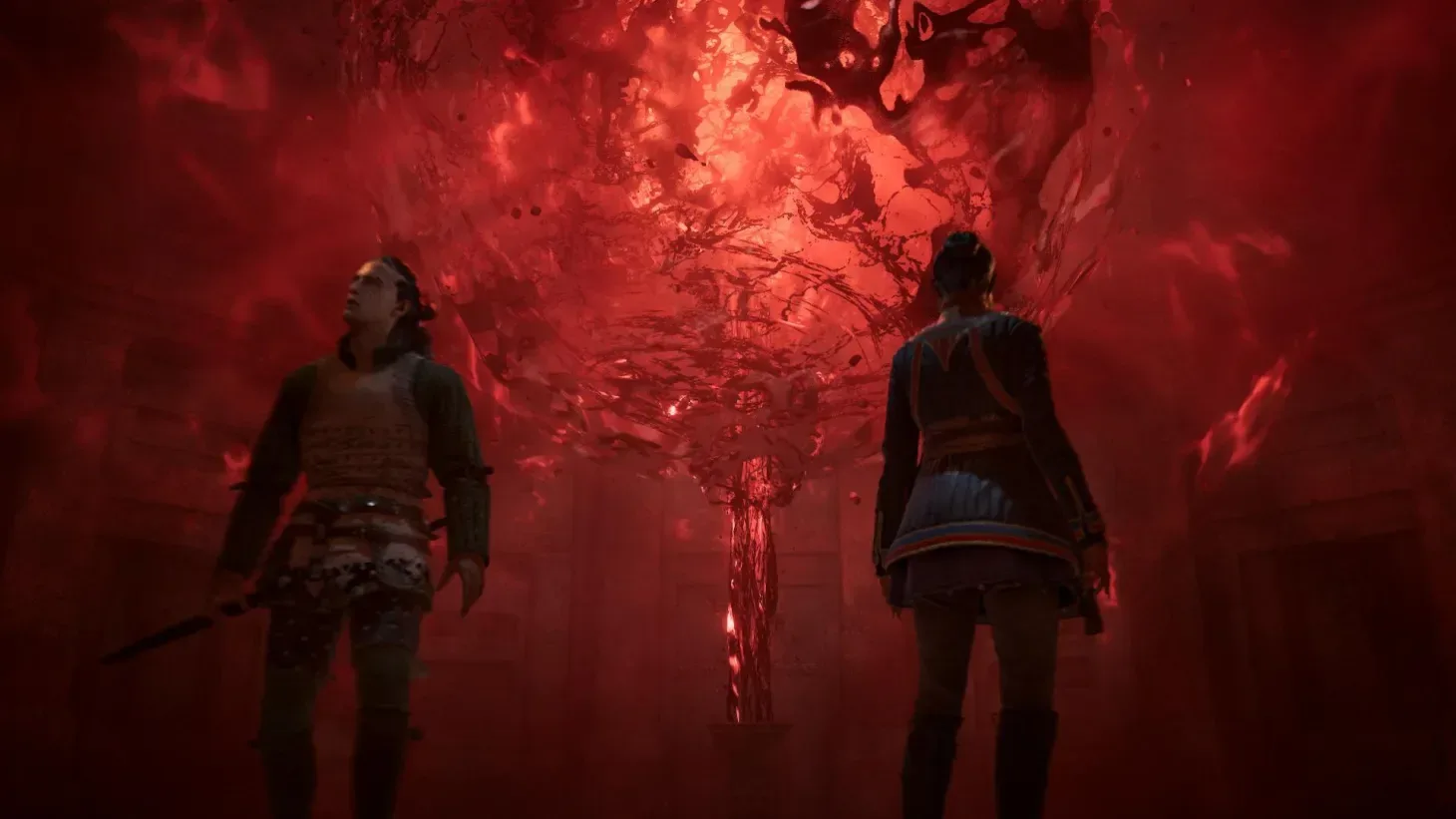
The limited calendar makes choices and missed opportunities meaningful, though uneven combat, underused vampire mechanics and inconsistent late-game pressure weaken the experiment.
Sophia carries an accessible adventure with tense combat and effective environmental puzzles. Familiar mechanics and the pacing of its late stealth sections constrain an otherwise engaging journey.
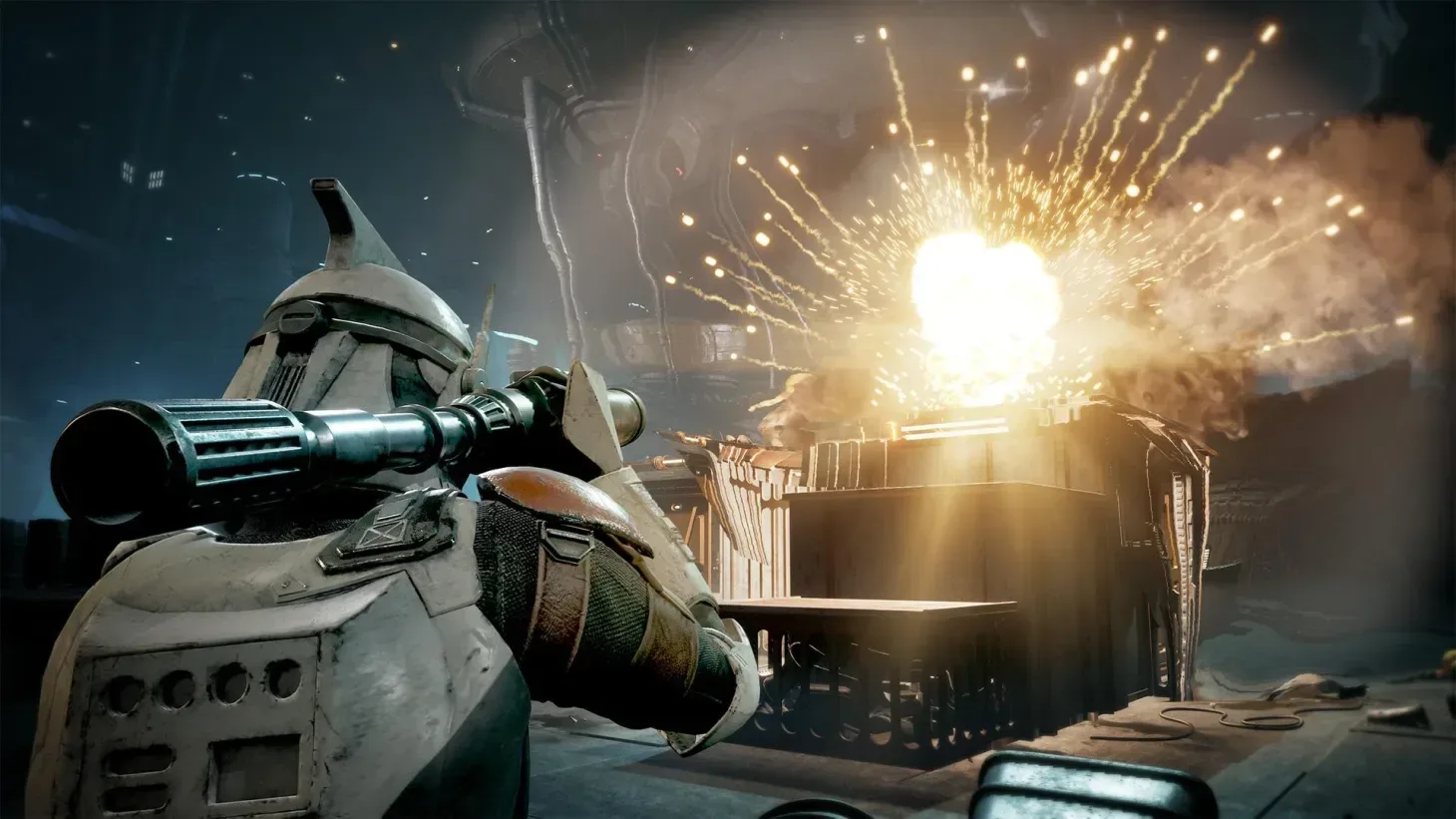
Squad tactics, resource decisions and varied mission objectives give Zero Company its strongest appeal, while the Clone Wars story and characterization provide a less convincing foundation.
Active platforming gives the survivor-like loop a distinctive challenge. Uneven upgrade strength and unclear progression conditions make its promising ideas less consistently rewarding.
Responsive on-field football supplies immediate excitement, but unreliable franchise logic, limited career depth and the Ultimate Team grind weaken the longer-term experience.
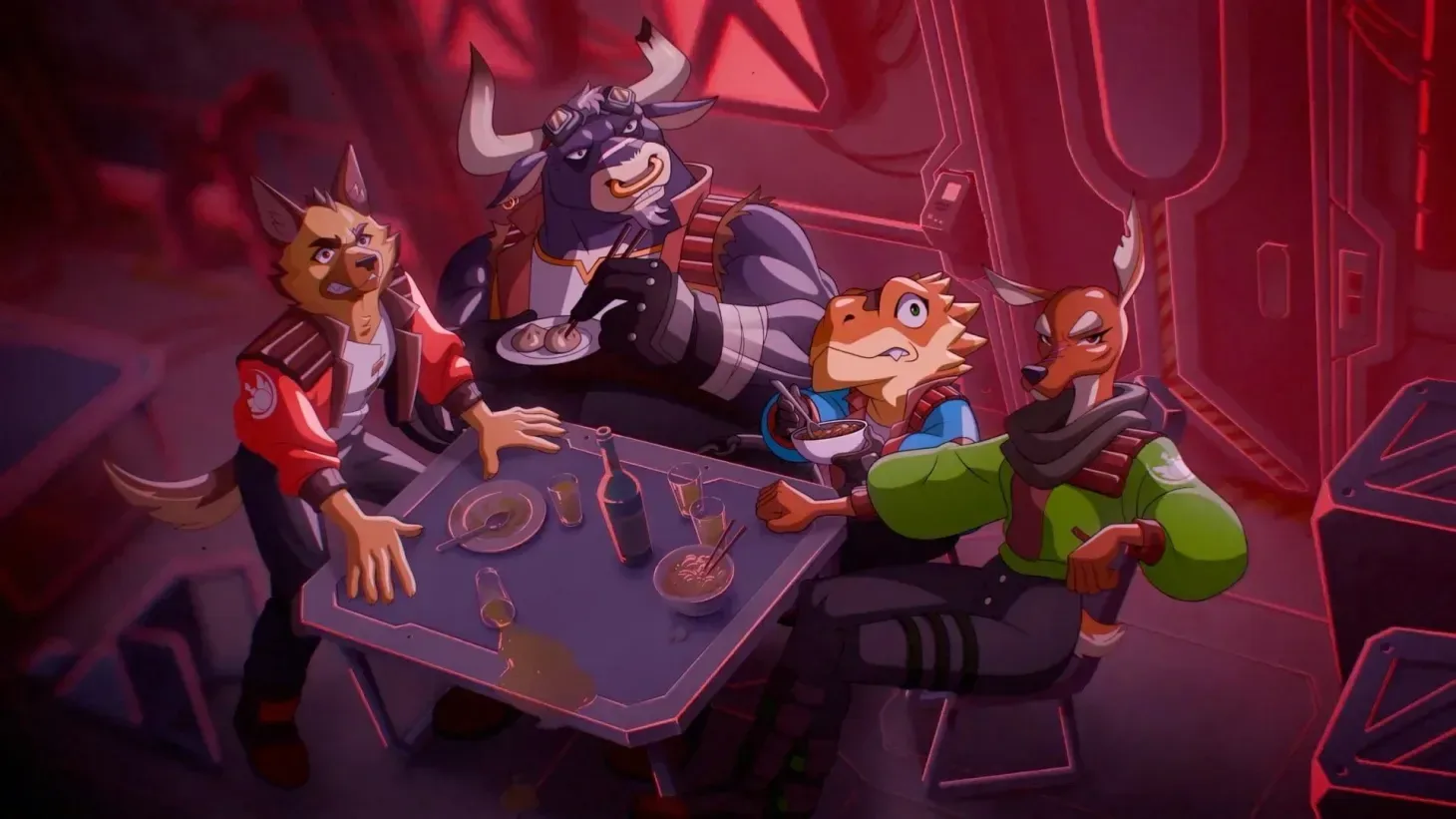
Colorful aerial action and a familiar animal squadron establish the homage, but awkward combat, uneven challenge and limited originality keep it from building a convincing identity.
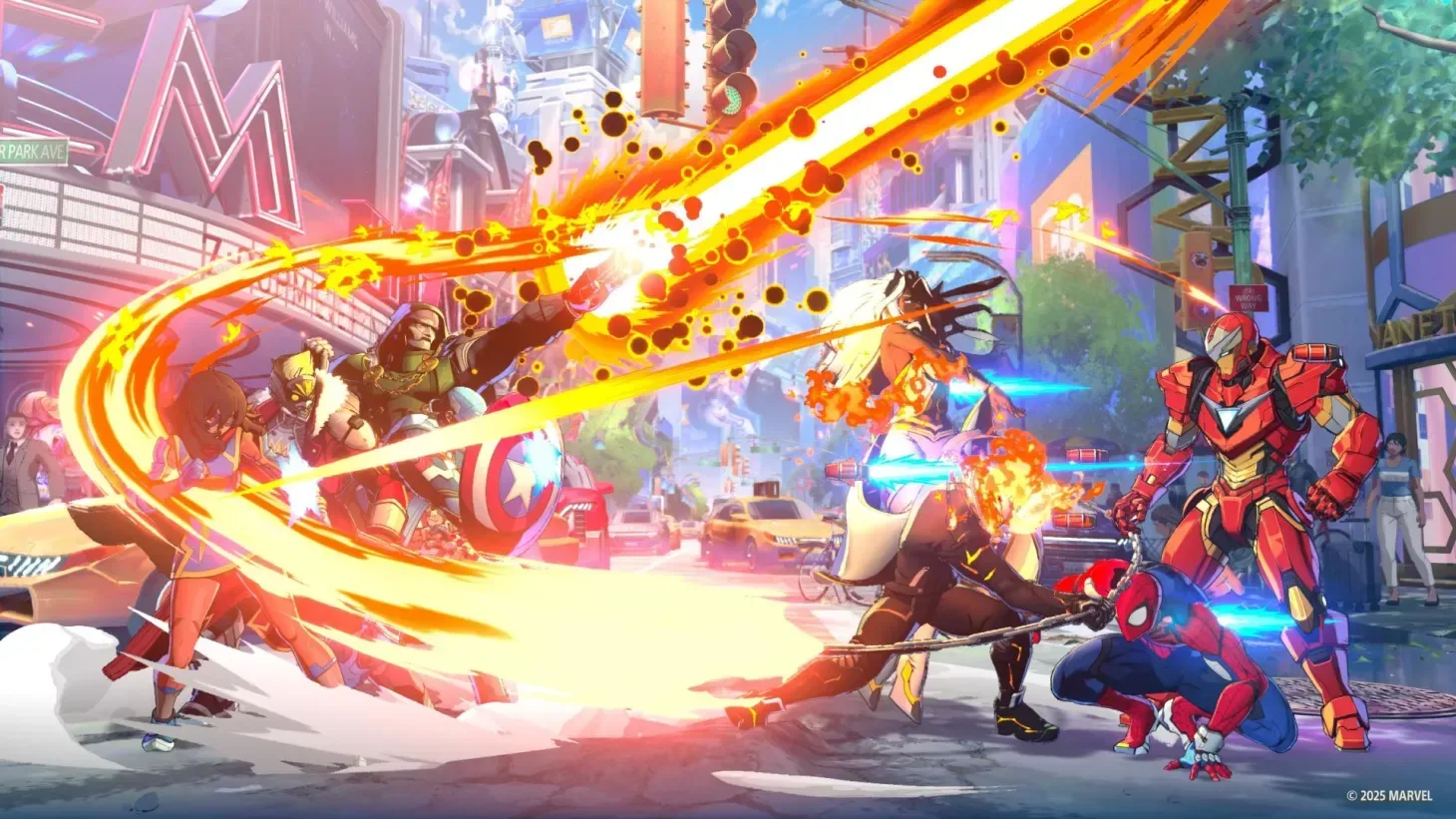
Expressive presentation and an approachable four-character team system give Marvel’s fighting-game return a strong foundation, while its episode mode provides limited instruction and narrative depth.
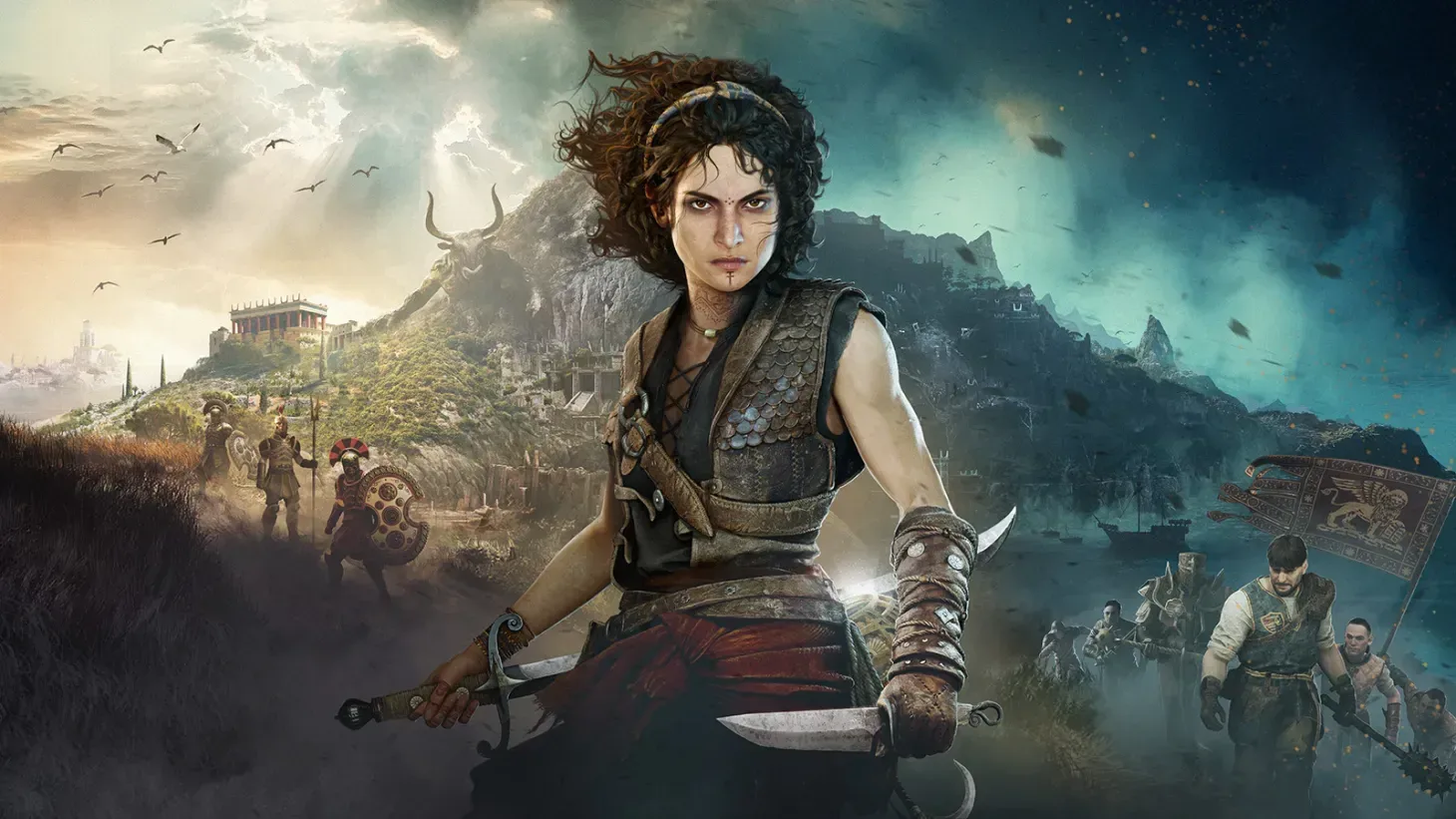
Flexible sword combat and companion builds provide the strongest reason to play, but repetitive environments, thin characters and lengthy exposition undermine the surrounding adventure.
Inventive communication puzzles and tactile cooperation create a memorable shared journey. Slow traversal and the practical demands of coordinating a group will limit its appeal for some players.
Platform and edition details appear when they are known. Check those details before applying a review to a different release.
Stars offer a quick overview. The written verdict and scoring rationale explain who a game may suit and what may hold it back.
Look for what works, what gets in the way, and who the game might suit. A strong recommendation still leaves room for a different taste in games.
Each score is an editorial assessment of the strengths and weaknesses discussed in the written review. Partial stars show decimal scores. The assessment note explains the basis of the coverage, and Why this score gives the reasoning behind the rating.
These are editorial ratings. Reviews without an assigned score display their written verdict.