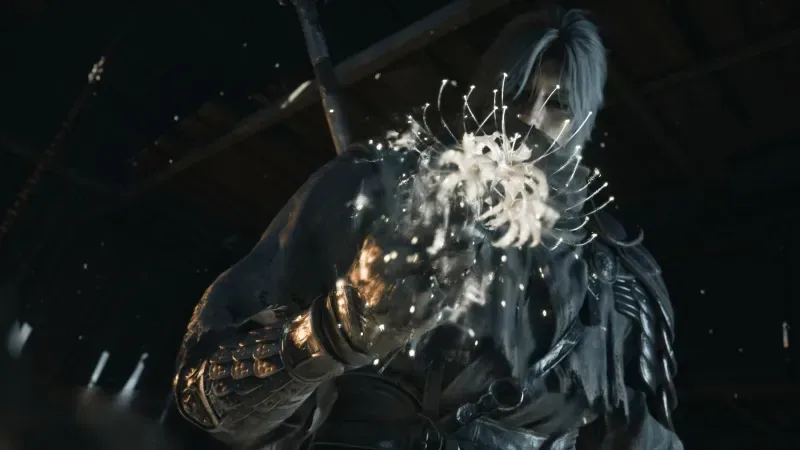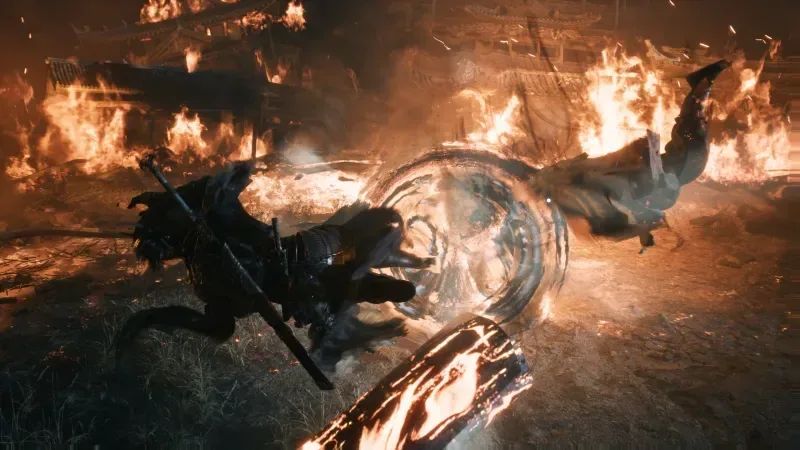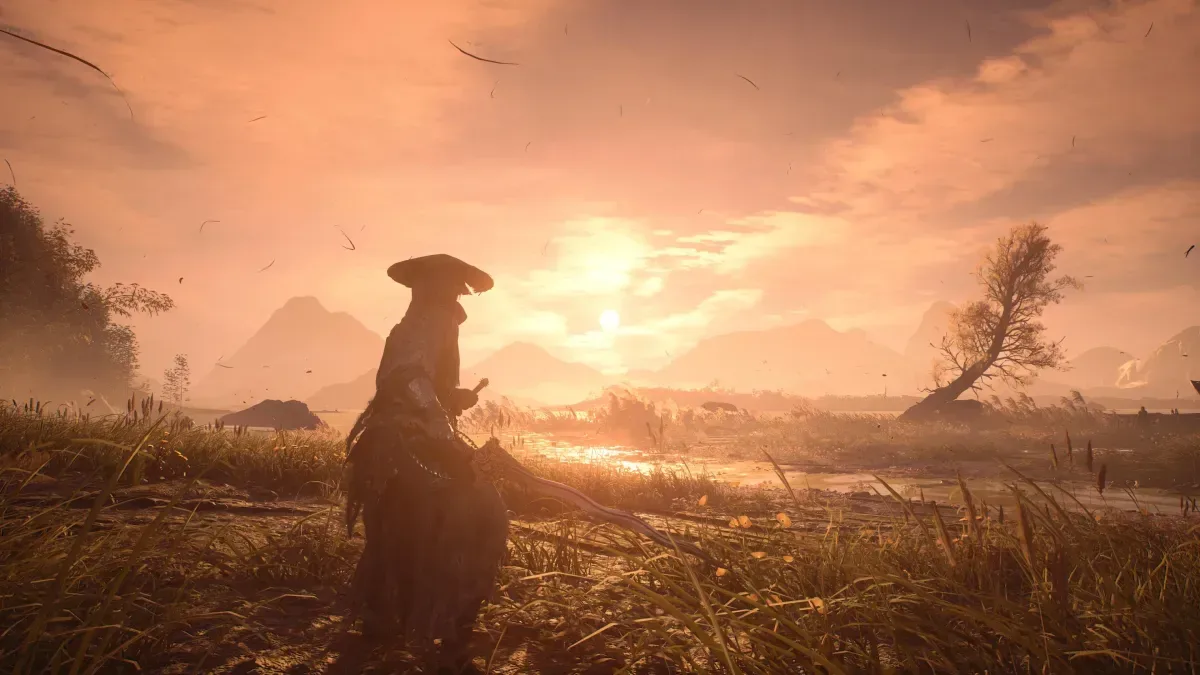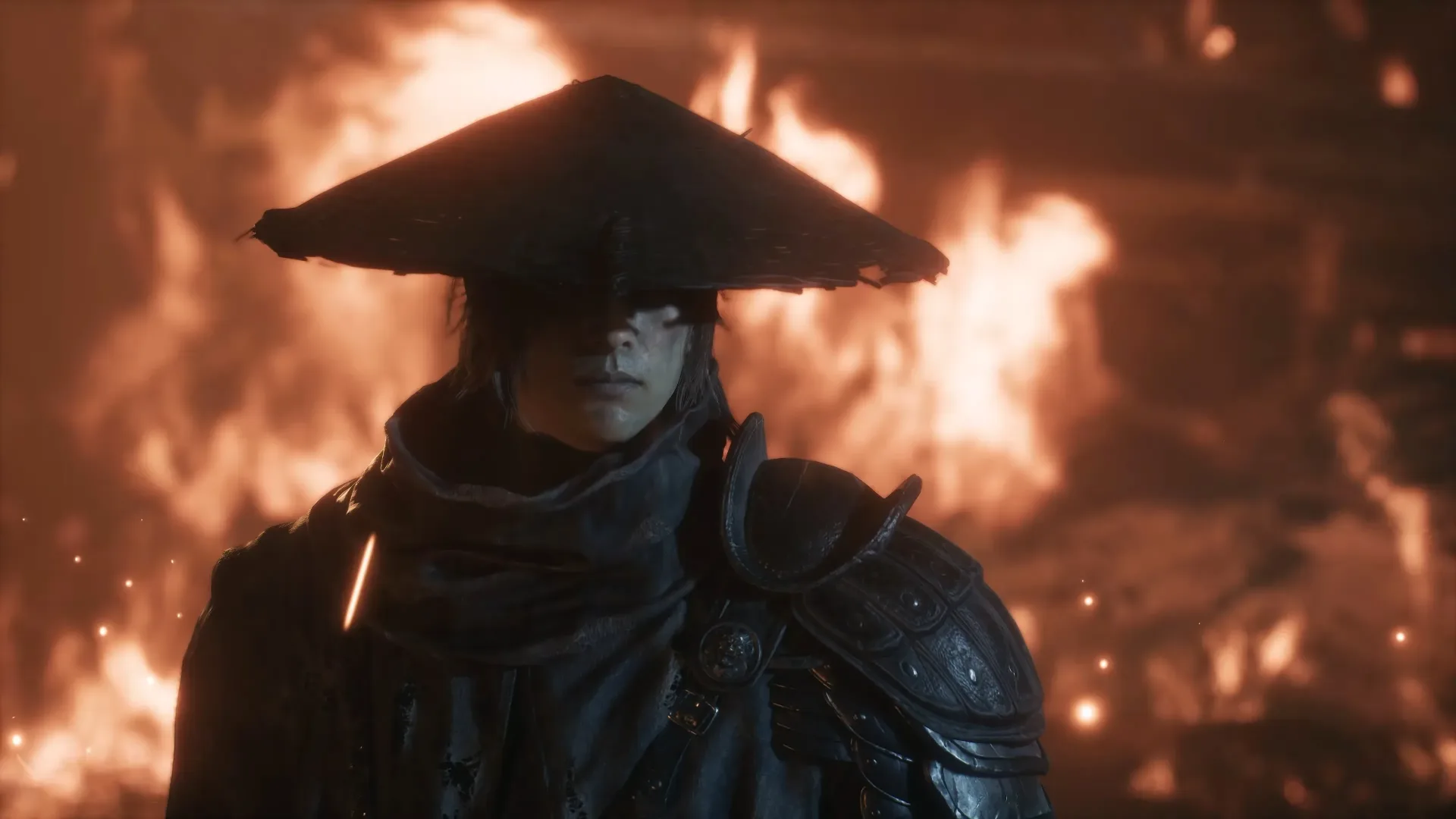
Phantom Blade Zero is a lavish, bloody action game that understands the pleasure of a fight changing shape in your hands. Its Wuxian setting is not merely decorative: martial-arts spectacle, a shadowy Chinese underworld, and varied methods of storytelling give the adventure a distinctive identity. More importantly, S-Game builds that identity into an action system with enough weapon variety and enemy variety to make experimentation feel central rather than optional.
The result is a game with grand ambitions that generally earns its scale. It asks players to follow Soul, a reserved martial artist betrayed by the Order to which he devoted his life. Returned from death with 66 days remaining, Soul pursues repayment, revenge, and a conspiracy threatening the Wulin realm. The setup supplies a clear ticking-clock framework and a useful undercurrent of uncertainty. Yet the narrative itself is the least persuasive part of the package. Its mysteries and late developments provide momentum, but the dramatic material does not consistently match the confidence of the game’s combat and presentation.
A fighting system built for curiosity
The most compelling reason to play is the depth of Soul’s arsenal. Weapons are not minor statistical swaps or simple variations on a familiar attack string. Each is presented as a distinct fighting language, with its own moveset and abilities. Since combat is combo-driven, acquiring a weapon can meaningfully alter the player’s options and priorities. Later weapons are especially elaborate, with combo lists substantial enough to encourage dedicated practice rather than casual button-mashing.
That structure gives Phantom Blade Zero an unusually generous sense of discovery. A new weapon is an invitation to reconsider timing, range, sequence, and opportunity. The special Phantom Edges expand that experimentation further. These are powerful tools with limited charge-based use, making them moments to deploy purposefully rather than permanent answers to every threat. The combination of standard weapons and Phantom Edges creates a combat system that appears designed to reward players who want to test permutations, not just settle on one reliable routine.
Enemy design supports that flexibility for much of the journey. There is a notably large collection of enemy types, helping encounters retain a combat-first excitement over a long stretch. The final hours do become more repetitive, which slightly weakens the impression of relentless invention. Still, the sustained variety beforehand matters: a deep moveset is most valuable when opponents give it reasons to exist, and Phantom Blade Zero evidently supplies those reasons often.
Demanding without demanding endless punishment
Its boss encounters are another major strength. Their theatrical scale draws on Chinese cinema, while the apparent scarcity of repeated boss fights preserves a sense that each major opponent is a specific event. A few bosses return in separate trials, but the broader approach favors distinct figures and distinct battles. That is an important quality in a game whose appeal rests so heavily on spectacle and mastery; recycled encounters can turn a duel into maintenance, whereas new matchups keep players learning.
The boss checkpoint structure is a particularly smart accommodation. Checkpoints between phases mean that a player stuck on a later stage can focus on that challenge instead of repeatedly clearing an already-solved opening phase. This does not eliminate difficulty, but it directs effort toward learning the material that still needs learning. It is a thoughtful answer to one of action games’ most familiar frustrations.
Players should not mistake the game’s intimidating features for a commitment to punishing repetition. It has hard bosses, an interconnected world, and Phantom Bell checkpoints, but it is not positioned as a Soulslike. Difficulty options are available, and accessories can make parries and dodges easier. That should make it a more approachable proposition for people attracted to stylish combat but wary of games that make repeated death their dominant teaching tool. Conversely, players seeking a severe, uncompromising endurance test may find the overall challenge more forgiving than expected.
An interconnected world that remembers what you did
Exploration is more than a route between fights. Areas are architecturally interwoven, and their layouts are constructed to produce delayed realizations as paths connect and features reveal their relationship to one another. That kind of level design can make a world feel legible without making it simplistic: progress brings the satisfaction of recognizing where you are and why a newly opened route matters.
Phantom Edges also serve an exploratory role. Some double as tools that open unexpected spaces in new regions and in previously visited biomes, giving backtracking a practical purpose. This search-action structure is especially welcome because much of the exploration is optional. Players inclined to pursue side routes receive tangible discoveries rather than only additional scenery, while those focused on the central mission have room to keep moving.
One unusual decision reinforces the game’s sense of forward motion: defeated enemies do not respawn. Rather than treating a save or healing point as a universal reset, the world retains the result of Soul’s violence. Mechanically, that makes cleared ground feel genuinely cleared. Thematically, it fits a protagonist who is moving through the world to remove threats rather than endlessly farming the same dangers. It is a notable alternative to the familiar checkpoint-loop structure and could appeal to players who value a stronger impression of lasting progress.
There is a caveat to all this optionality. The most demanding “perfect” ending is among the game’s most rewarding material, but other endings reportedly leave conspicuous portions missing. That may motivate completion-minded players, but it also risks making a standard finish feel deliberately incomplete. Anyone who prefers an ending to stand firmly on its own may want to be prepared for the possibility that the fullest resolution is tied to more exacting requirements.
Style that serves the action
Phantom Blade Zero’s visual and audio presentation gives its systems a forceful stage. The fantasy-realism art direction is punctuated by anime sequences, opera puppet shows, and animated brushstroke imagery. These formats do more than vary the presentation; they place Chinese cultural expression at the heart of the game’s storytelling vocabulary. Some character work edges into the Uncanny Valley, but the overall visual impression remains striking, especially when the briskly animated action takes over.
The music sounds equally unconcerned with staying in one lane. Original metalcore, operatic choral elements, 808-driven sounds, and traditional Chinese instrumentation form an eclectic palette. That mixture suits a game that is both martial-arts fantasy and high-energy action spectacle. It promises an atmosphere that can amplify the tension of a duel without sanding away the setting’s personality.
For readers interested in games built around a sharp central design idea, Joking Joystick’s Below The Blades PC design feature is another look at how a single mechanical premise can shape the tone of an entire experience. Phantom Blade Zero operates on a far larger and more varied scale, but its best quality is similarly clear: its systems and its style reinforce each other.
Who should enter the Wulin realm?
This is an easy recommendation for action-game players who enjoy learning move lists, changing weapons regularly, and meeting bosses that feel like bespoke tests rather than repeated obstacles. It also has meaningful appeal for explorers who like interconnected spaces, optional routes, and tools that unlock new possibilities in familiar locations. Adjustable difficulty and assistive accessories further broaden the audience without obscuring the game’s devotion to elaborate combat.
The reservations are real but focused. The plot’s central premise does more work than its storytelling, repetition rises late, and the ending arrangement may frustrate players who do not pursue its most demanding path. None of those issues appears to undermine the core accomplishment: a confident action game with an unusually rich combat toolkit, memorable boss design, and an audiovisual character all its own.
Verdict: Phantom Blade Zero turns Wuxian spectacle into an action game of exceptional range. Its narrative and ending structure do not always meet the same standard as its combat, exploration, bosses, and presentation, but the moment-to-moment experience has the flexibility and flair to stand among the genre’s most exciting offerings.