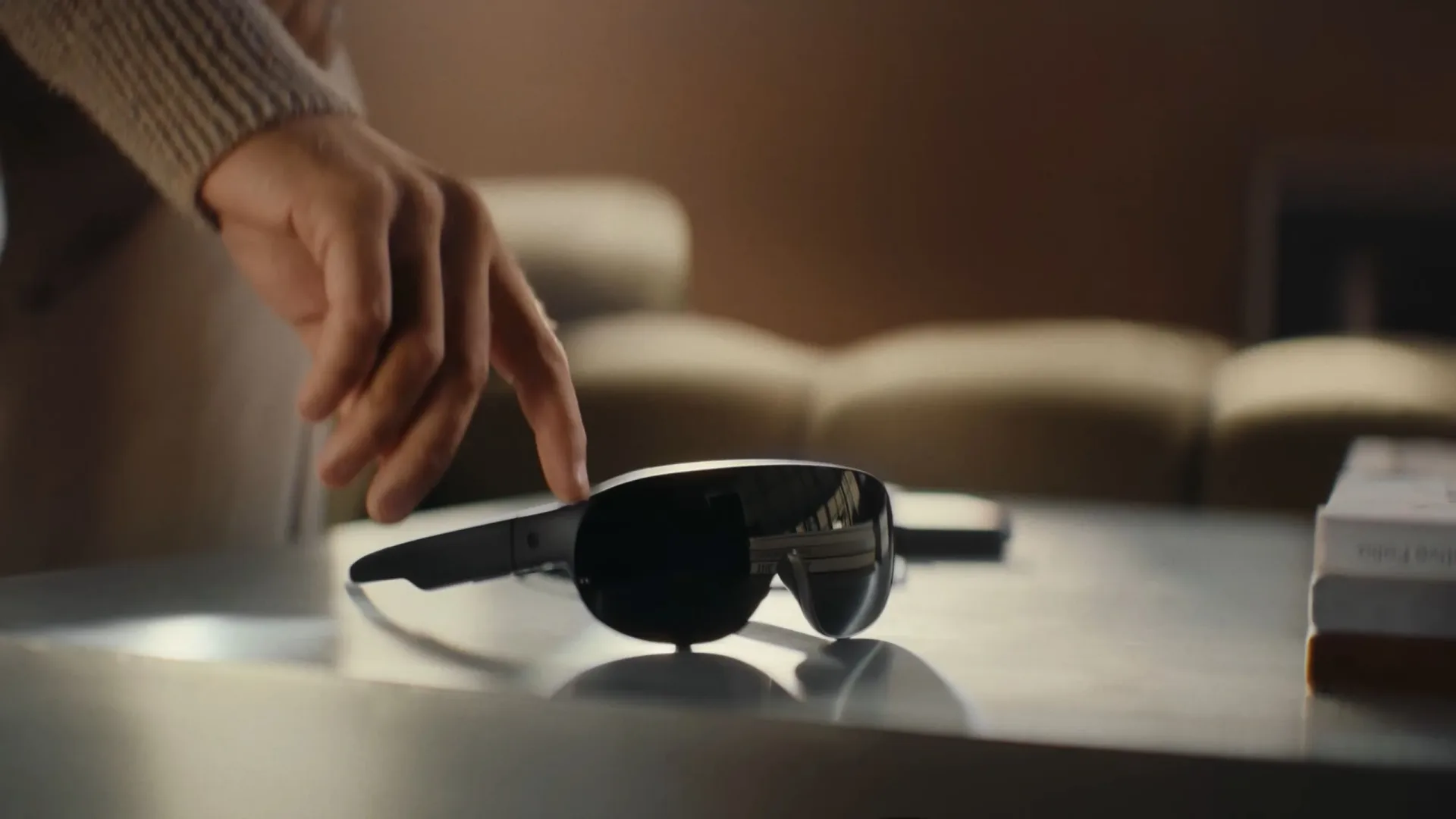
Anyone waiting to replace a Meta Quest 3 or Quest 3S with a straightforward next-generation headset may need to get comfortable in their current facial interface. Meta CEO Mark Zuckerberg has said the company is changing how it approaches virtual reality hardware: instead of maintaining a predictable cadence of new devices, it intends to ship them only when it has achieved what he called major breakthroughs.
That is not a formal cancellation notice for a future Quest headset, and it does not establish a timetable for one. It is, however, a meaningful change in emphasis. For players, developers and prospective buyers, the practical message is that a presumed “Quest 4” should not be treated as imminent simply because the existing Quest 3 and Quest 3S are already on the market.
Meta’s stated direction is increasingly centered on glasses, artificial intelligence and a longer-term idea of blending digital information with the physical world. Gaming still exists in that picture, particularly because Meta’s VR Glasses can use controllers and run the same games as Quest 3. But the company’s own framing suggests games are no longer the sole—or necessarily primary—reason for the hardware’s design.
What Meta actually said about new VR hardware
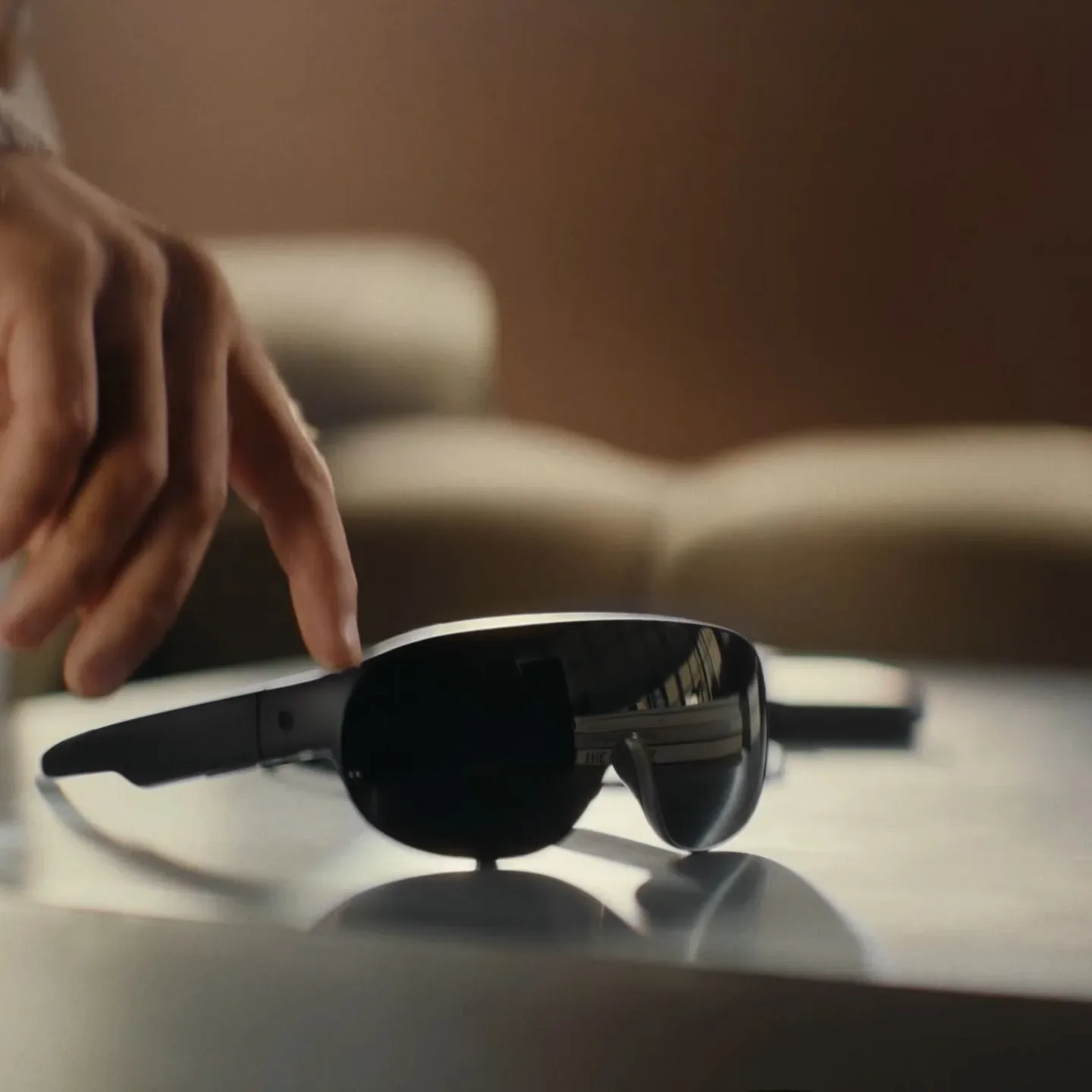
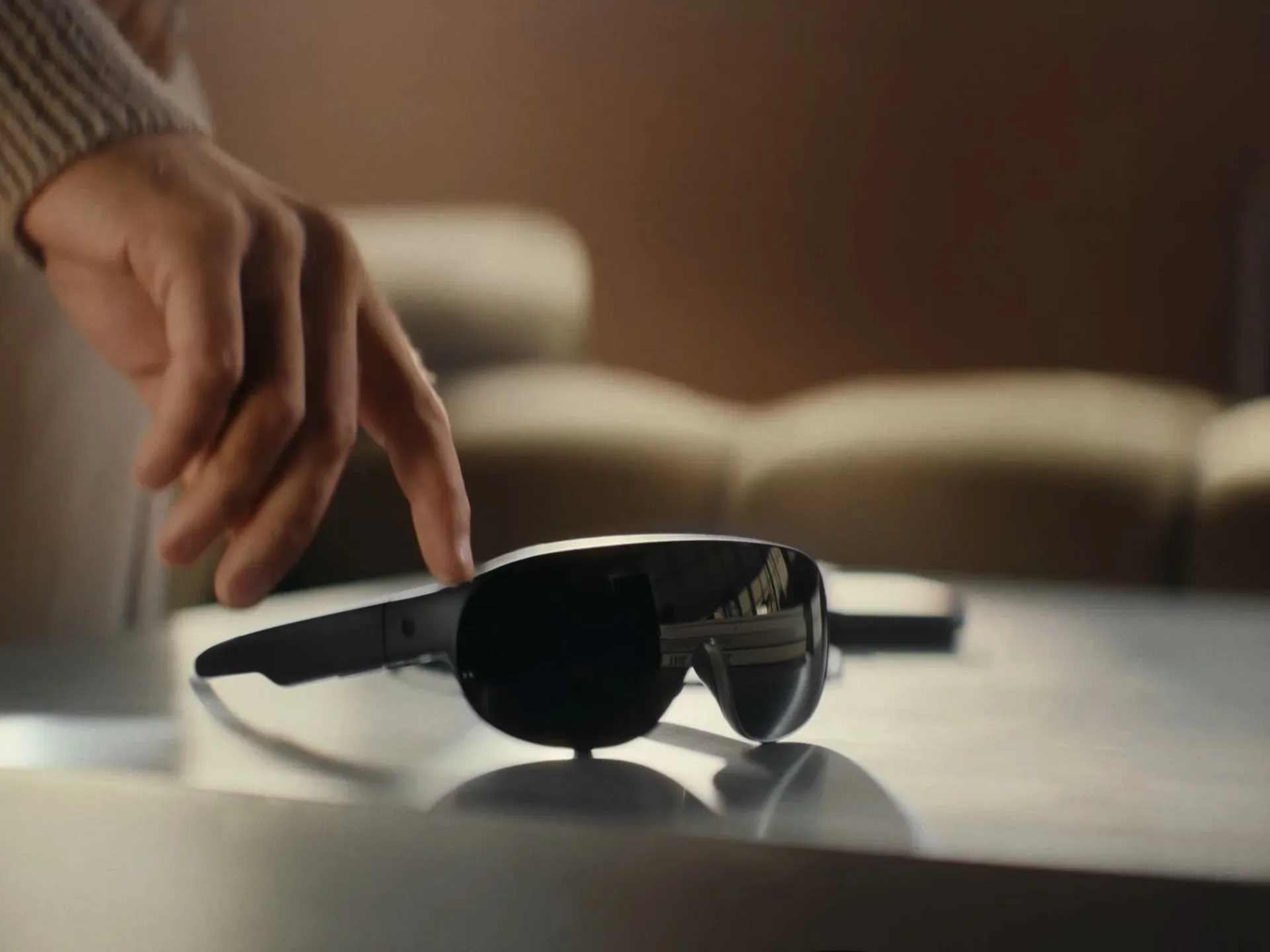
Zuckerberg said Meta will only release new virtual-reality devices when the company sees a major breakthrough comparable to the one it believes it achieved with its VR Glasses. He described those glasses as the first VR experience in a pair of glasses.
“We are changing our approach to virtual reality to only ship new devices when we have major breakthroughs,” Zuckerberg said.
The important word is only. Hardware generations are usually easy for consumers to understand: a newer model arrives, it improves a list of specifications or features, and the prior model gradually becomes the budget alternative. Meta’s wording points to a less regular approach. A product would need to clear an internally defined threshold before it earns a launch.
That threshold is deliberately vague. “Major breakthrough” could refer to how a device is worn, how it displays virtual content, controller integration, mixed-reality capability, or another element Meta has not specified. It does not tell consumers which feature a future device must have, when it might appear, or whether it would be positioned as a direct Quest successor at all.
So it would be a leap to claim that the Quest line is over. The evidence supports a narrower reading: Meta is signaling a slower, milestone-driven plan for fresh VR hardware, not promising an annual or near-term refresh.
Related coverage includes Meta Signals a Slower Road to Quest 4 as Reality Labs Shifts Toward AI Glasses.
Why AI glasses are now central to Reality Labs
Reality Labs is the division behind Meta’s work in areas including VR and wearables. Zuckerberg said its focus now also includes personal superintelligence, with Muse—a user-focused AI system—coming to Meta Glasses starting next month.
In Meta’s description, the glasses already offer functions such as music, calling, capturing moments and hearing assistance. The company expects Muse and an always-available personal AI to become the most important part of the experience over time. That is a distinct pitch from a traditional games headset, where immersion, software libraries, controllers and comfort during longer sessions are typically central considerations.
Meta still sees VR as part of a route toward “holographics”: its term here for bringing the digital and physical worlds together through everyday glasses. But Zuckerberg also said the company will pace that investment so it can prioritize personal superintelligence. In plain language, VR remains strategically relevant, but AI is receiving the greater immediate emphasis.
VR, mixed reality and AI wearables are related—but not interchangeable
The terminology matters because these products can overlap without serving the same use case.
- Virtual reality (VR) places the user in a computer-generated environment, commonly through a headset that covers the eyes.
- Mixed reality combines digital elements with a view of the user’s real surroundings. Meta’s current Quest devices are associated with that at-home blend of gaming and environmental awareness.
- AI glasses are being positioned by Meta around day-to-day utility, including assistance, communication and media functions. They may support games, but that does not automatically make gaming their design priority.
Meta’s VR Glasses sit across some of those boundaries because they can use controllers and access the Quest 3 game catalog. Compatibility matters: players are not necessarily being pushed into a brand-new, isolated software ecosystem. Yet shared games do not mean two categories of hardware will feel identical or be optimized around the same play patterns.
For gamers, this creates a more nuanced outlook than “VR is dead” or “a new Quest is right around the corner.” Existing software support remains meaningful, while the next wave of Meta devices may be shaped as much by AI and wearable ambitions as by conventional headset expectations.
The financial pressure behind the change in pace
Zuckerberg addressed Reality Labs’ financial position directly, saying Meta expects the division’s operating loss to decline to around $15 billion next year and then trend toward profitability. P&L, short for profit and loss, is the basic financial measure of whether a business unit brings in more money than it spends. An operating loss means the unit’s operating expenses exceed its operating revenue.
That figure provides useful context for the more selective product strategy. Building consumer VR hardware, funding software and studios, and competing on price can be expensive long before a buyer puts on a headset. Meta has also gone through studio closures and multiple rounds of layoffs this year. Those developments do not prove that it will abandon gaming hardware, but they do make a tightly managed spending plan easier to understand.
For Meta, fewer releases could mean concentrating resources on a smaller number of products it sees as technically distinctive or more likely to advance its broader glasses-and-AI strategy. For consumers, it means the familiar upgrade logic gets weaker. Waiting for a specific model name is riskier when the company has not committed to a regular sequence of replacements.
What the shift could mean for games and exclusives
The near-term concern is not necessarily whether existing Quest games disappear. The VR Glasses’ ability to play Quest 3 games with controllers suggests continuity for the library discussed here. Rather, the bigger uncertainty is what kind of first-party gaming investment follows.
Meta has closed its three biggest game development studios. Without those studios, expectations for new exclusives and hardware-tied bundles should be tempered. That does not establish that no exclusive game can ever be made or published; it means there is less support in the supplied information for assuming a major flow of first-party VR releases.
Independent and third-party developers can still matter enormously in any headset ecosystem, but the business signal changes when the platform holder is openly focused on cost reduction and on AI-enabled glasses. Developers deciding where to invest may pay close attention to the installed audience, hardware plans, platform tools and the chance of promotional support. Meta has not provided a detailed public roadmap on those points here.
For readers tracking PC game developments as well as VR’s hardware picture, the broader distribution landscape remains active even as headset plans become less certain. Coal Duty’s arrival in Steam Early Access is a separate example of how PC storefronts continue to host new game releases outside the specific VR hardware race.
A market with fewer obvious low-cost challengers
The pressure on Meta’s consumer strategy comes as the wider VR field appears less straightforward. Steam Frame has launched at $1,000 or more, a price point substantially different from Meta’s affordability-oriented positioning. The contrast illustrates a persistent challenge: high-end hardware can support a premium specification and price, while lower-priced devices may require their makers to absorb more of the cost.
Pico is identified as one of Meta’s major competitors, but its upcoming Project Swan is described as a higher-end device that is not necessarily built around gaming. Separately, reports that PlayStation sold its VR patents to Meta have been interpreted as a possible signal of PlayStation moving away from VR gaming. Neither detail, on its own, settles the future of the category. Together with Meta’s new language, though, they underline why the low-cost, game-focused end of the market may feel less certain.
There is a difference between a market shrinking and a market becoming more selective. The available evidence supports concern about the latter: expensive alternatives, a prominent company scaling its loss expectations downward, and a strategic push toward AI wearables rather than a clearly announced gaming-headset successor.
Practical takeaways for Quest owners and would-be buyers
Current Quest 3 and Quest 3S owners have no stated reason here to assume their hardware is immediately obsolete. The discussion of VR Glasses playing the same games as Quest 3 points toward software continuity across those products. But there is also no disclosed successor date to anchor a purchasing decision around.
- If you want VR gaming now: decide based on the current Quest hardware and game library, rather than buying on the assumption a new Quest model is just around the corner.
- If you already own a Quest: treat accessories, software purchases and upgrades as choices for the device you have, not as evidence of a confirmed next-generation roadmap.
- If you are waiting for a major leap: Meta’s own language says that leap is the condition for a new VR device, but it does not define the technology or timing.
- If exclusives are your priority: be cautious about expecting a major first-party push while the company is closing studios and directing Reality Labs toward AI glasses.
The key point is not that Meta has ruled out future VR hardware. It has instead tied future launches to breakthroughs while spelling out a financial and strategic need to focus on personal AI. Quest’s next chapter may still arrive, but Meta is telling gamers not to measure the wait by the usual hardware-upgrade calendar.