A successor built from PlayStation’s momentum
The PlayStation 2 emerged from one of the strongest positions any new console had enjoyed. Sony’s original PlayStation had entered a market dominated by Nintendo and Sega, then changed the balance through CD-ROM software, aggressive publishing relationships, comparatively flexible licensing and a marketing campaign aimed at teenagers and adults as well as children. By the end of the 1990s, PlayStation had become a major entertainment brand rather than an experiment in electronics. Its successor therefore did not need to prove that Sony belonged in games; it needed to preserve that momentum while making the next generation seem materially different.
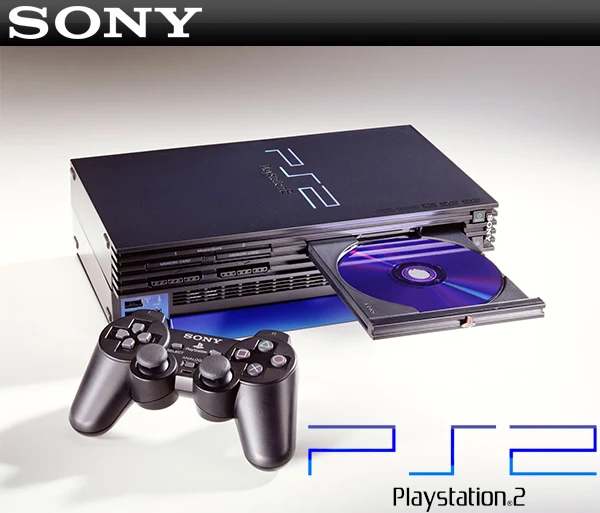
The industry’s technical direction was clear. Developers were building increasingly detailed three-dimensional environments, characters required more complex animation, full-motion video was being replaced by real-time scenes and games were consuming more disc space. At the same time, DVD was replacing VHS as the preferred format for home movies. Sony’s answer was a system designed around both trends. The PS2 would use a larger-capacity DVD medium for games, but its optical drive would also play commercial DVD-Video discs. That made it possible to present the machine as a new console and as a practical home-entertainment component.
Ken Kutaragi, the executive most closely associated with PlayStation’s hardware direction, and Sony Computer Entertainment’s engineering teams pursued an architecture that was not simply a faster original PlayStation. The machine was intended to handle demanding three-dimensional calculations, stream large amounts of data and support the company’s broader idea of “computer entertainment.” Sony’s language was expansive: games, music, movies and future broadband services were all part of the imagined living-room ecosystem. In practice, games remained the platform’s center, but the wider ambition influenced its hardware, packaging and promotion.
The PS2 also had to solve a generational transition problem. A new console normally asks consumers to abandon an existing library and buy software again, while publishers face the risk that a new audience will not arrive quickly enough to support expensive projects. Sony addressed both concerns with backward compatibility. The system could play most original PlayStation discs, and its memory-card and controller support made the move less disruptive for existing owners. That feature gave the PS2 an immediate catalog while developers prepared the games that would eventually define the new machine.
Emotion Engine, Graphics Synthesizer and practical limitations
The PS2’s central processor was marketed as the Emotion Engine, a Sony-Toshiba design built around a custom MIPS-derived core and specialized vector-processing units. The name suggested emotional realism, but its real purpose was numerical throughput. Three-dimensional games repeatedly perform operations on positions, angles, colors, surfaces and animations. Instead of asking one general-purpose processor to handle all those tasks in sequence, the PS2 gave programmers specialized tools for processing groups of numbers efficiently. In ordinary terms, it was optimized for moving and transforming large quantities of geometry.
The Graphics Synthesizer handled the final stage of drawing the image. It could process many textured polygons and effects, including transparency, particles and layered scenery. Its embedded video memory offered very high bandwidth for the period, but only a limited amount of space, so developers had to move data carefully. The system’s 32 megabytes of main memory also imposed constraints. Teams learned to stream assets from the disc, reuse textures, compress data and divide work between the Emotion Engine, vector units and graphics processor.
That architecture could produce striking results, but it was difficult to program. The PS2 was not a conventional personal computer with a familiar graphics pipeline and abundant memory. A development team could not simply port code from another platform and expect identical results. Programmers often had to schedule operations manually, tune data movement and create specialized tools for individual games. Early multiplatform releases sometimes showed the consequences: a game could run well on one system but exhibit rough textures, unstable performance or visual compromises on the PS2.
The same characteristics that created a learning curve also encouraged distinctive design solutions. Developers built streaming systems for large environments, dense crowds and long cinematic sequences. They used the console’s strengths for animation, particle effects and detailed character models while working around its limited memory. The PS2 did not make every game technically superior, and its output could suffer from texture shimmer, jagged edges or inconsistent frame rates. Its historical importance lies instead in how its unusual architecture pushed studios to develop new production methods for large, authored three-dimensional worlds.
Launch dates, shortages and regional differences
PlayStation 2 launched in Japan on March 4, 2000. North America followed on October 26, 2000, and Europe on November 24, 2000. These were separate market introductions rather than one simultaneous worldwide release. Sony had to manage manufacturing, component supply, regulatory approval, retail distribution and regional software preparation. The Japanese launch arrived first, but a new platform’s full potential was not represented by its first software lineup. Backward compatibility and DVD playback were therefore especially important during the period before a deeper catalog had accumulated.
The North American launch price was 299 U.S. dollars. Demand was intense, and stores struggled to maintain supply during the initial period. Shortages turned the machine into a highly visible consumer-electronics product, while the DVD feature gave buyers a reason to want one even if they were not already committed gamers. Sony’s launch strategy benefited from the timing of the home-video transition: a customer considering a DVD player could compare the price of a dedicated player with a console that also played games and older PlayStation software.
Europe received the PS2 later in 2000 and experienced different retail conditions, television standards and localization schedules. Japan and North America primarily used NTSC television variants, while most European markets used PAL. That difference affected video output and, in some cases, game speed or display behavior. Regional software releases were also commonly separated by territory, and DVD movies were protected by regional coding. As a result, importers had to consider not only language and release timing but also compatibility between the console, games and films.
The regional distinctions were not merely technical trivia. They influenced which games appeared first, how quickly online features reached consumers and whether a household could easily use imported software. European releases often arrived after Japanese and North American versions, sometimes with translated text, altered content or additional technical adjustments. The phrase “the PS2 launch” therefore describes three related events with different commercial contexts. Sony’s global brand was unified, but the experience of buying and using the machine varied by market.
DVD playback and backward compatibility as strategic advantages
DVD playback was the PS2’s most consequential feature outside gaming. DVD offered better image quality, menus, subtitles and more capacity than VHS, and movie studios were increasingly using it for new releases. Dedicated DVD players were still a significant purchase in 2000, particularly for households that had not yet replaced their video equipment. The PS2 used its optical drive for both games and movies, so a buyer could present the system as a games machine with an additional household function rather than as a single-purpose toy.
The value of that combination depended on territory and model. DVD playback was subject to regional restrictions, and the earliest machines had software and firmware arrangements that changed across releases. A console was not automatically identical to a dedicated player in every respect. It nevertheless lowered the perceived cost of entering the DVD market. For teenagers, students and families, the purchase could be justified as entertainment hardware for several people rather than a device serving only the person who played games.
Backward compatibility supplied a different kind of value. Original PlayStation discs could be inserted into the PS2, allowing owners to continue using a library that already included role-playing games, racing titles, platformers and fighting games. The feature also reassured retailers and publishers that the PlayStation audience would not disappear at the generation change. Compatibility was not absolute: some games and accessories had quirks, and later hardware revisions could behave differently from launch models. The general promise, however, was strong and understandable.
Together, DVD and compatibility helped make the PS2 a mass-market appliance. Sony could sell the system to committed players, movie buyers, families and owners of the first PlayStation without needing each group to value exactly the same thing. The large installed base then encouraged publishers to release more software, which made the console more attractive to new buyers. This feedback loop was central to the PS2’s success. Its appeal did not rely on a single killer application; it came from several useful propositions reinforcing one another.
Games that gave the platform its identity
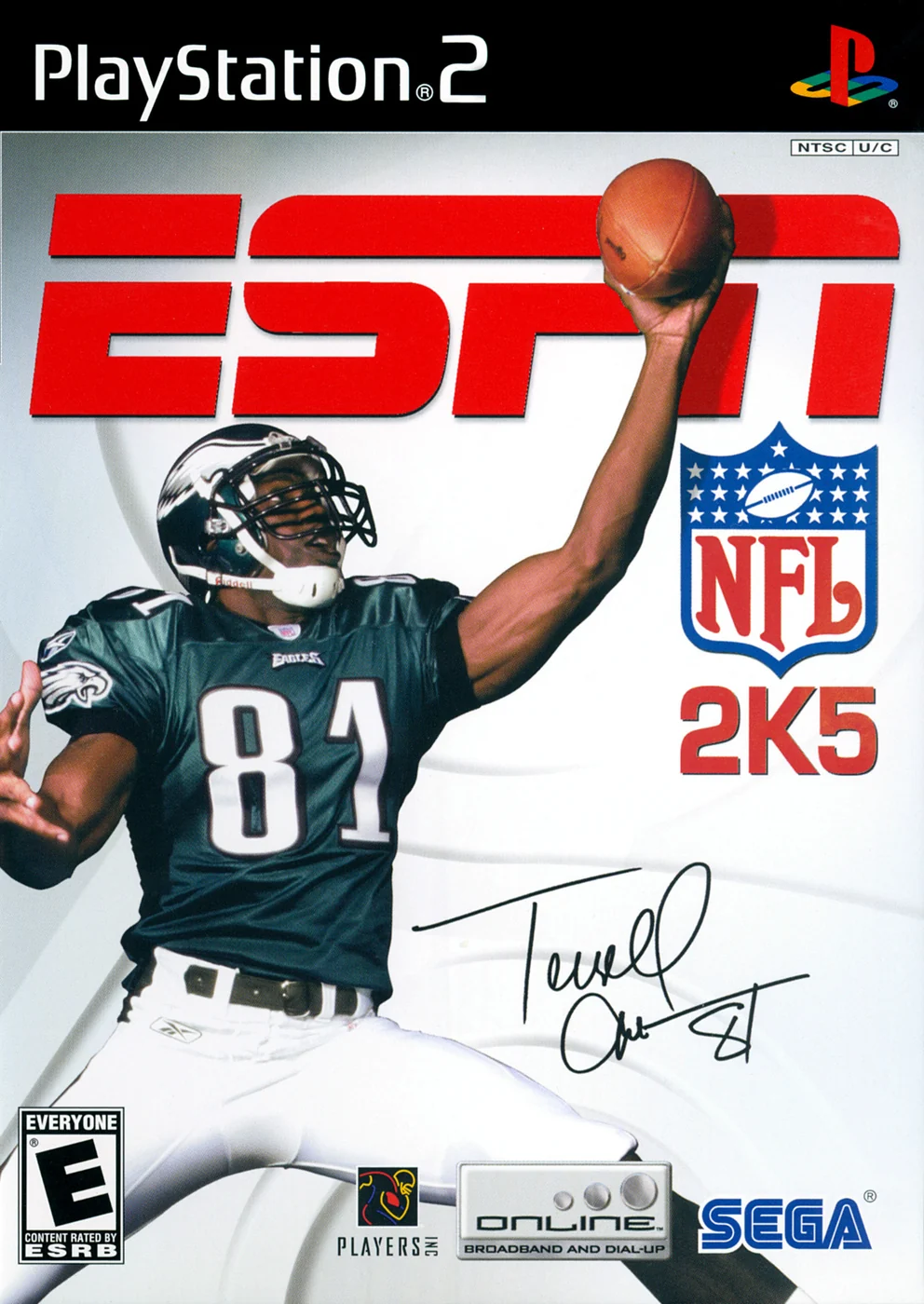
The PS2’s library eventually became its most important advantage. Early releases such as Ridge Racer V, Tekken Tag Tournament, SSX and Madden NFL 2001 demonstrated improved presentation and familiar genres, but the system’s character developed as studios learned to build around its strengths. Gran Turismo 3: A-Spec presented racing as a detailed hobby involving cars, licenses, tuning and long-term progression. It helped establish the idea that a console game could be both a competitive sport and a meticulous simulation of collecting and driving.
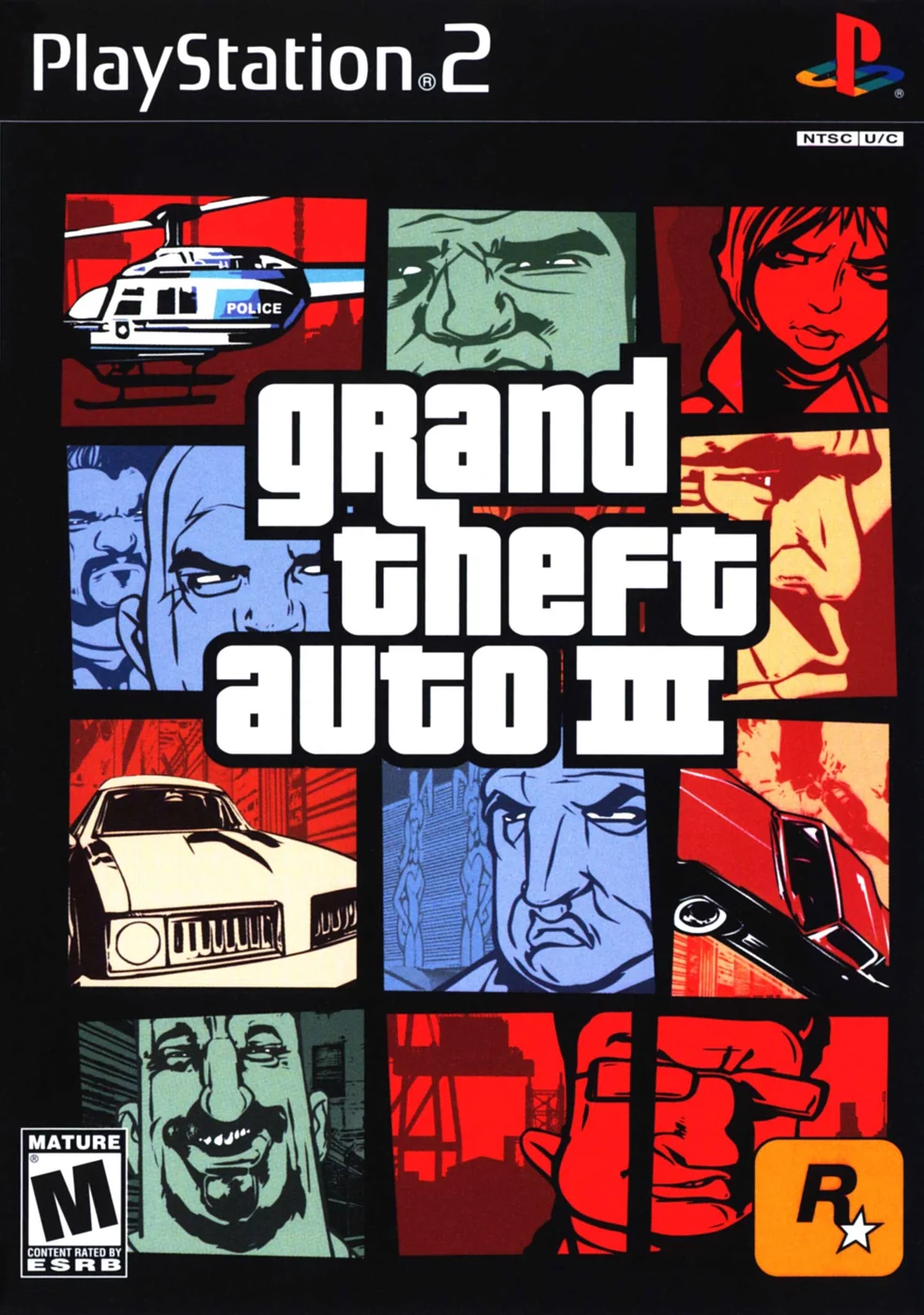
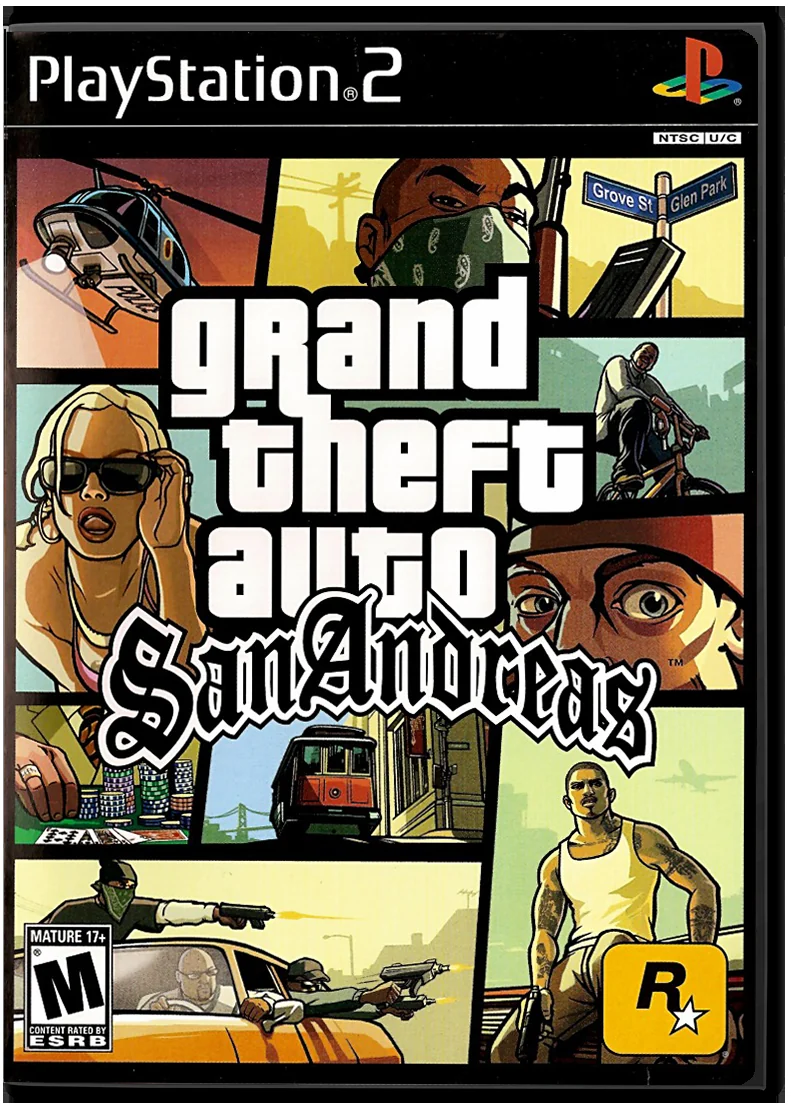
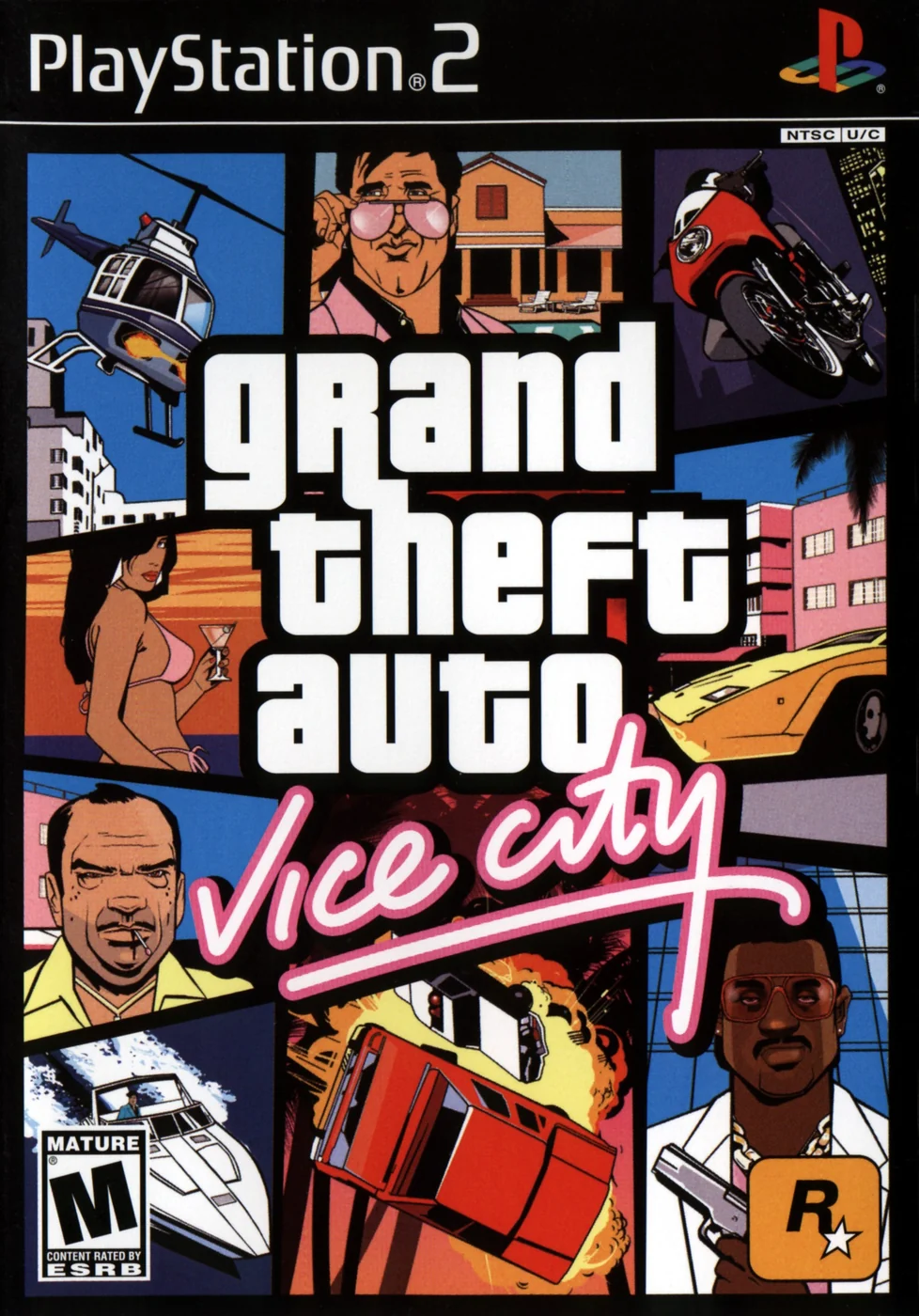
Rockstar North’s Grand Theft Auto III became one of the generation’s defining turning points. Its three-dimensional city was not an entirely unrestricted simulation, but it connected missions, vehicles, pedestrians, radio stations and exploration into a convincing sense of urban freedom. Grand Theft Auto: Vice City and Grand Theft Auto: San Andreas expanded that structure with new settings, characters and systems. The series influenced open-world design across the industry while also producing sustained arguments about violence, satire, criminality and whether games should be judged like other mass media.
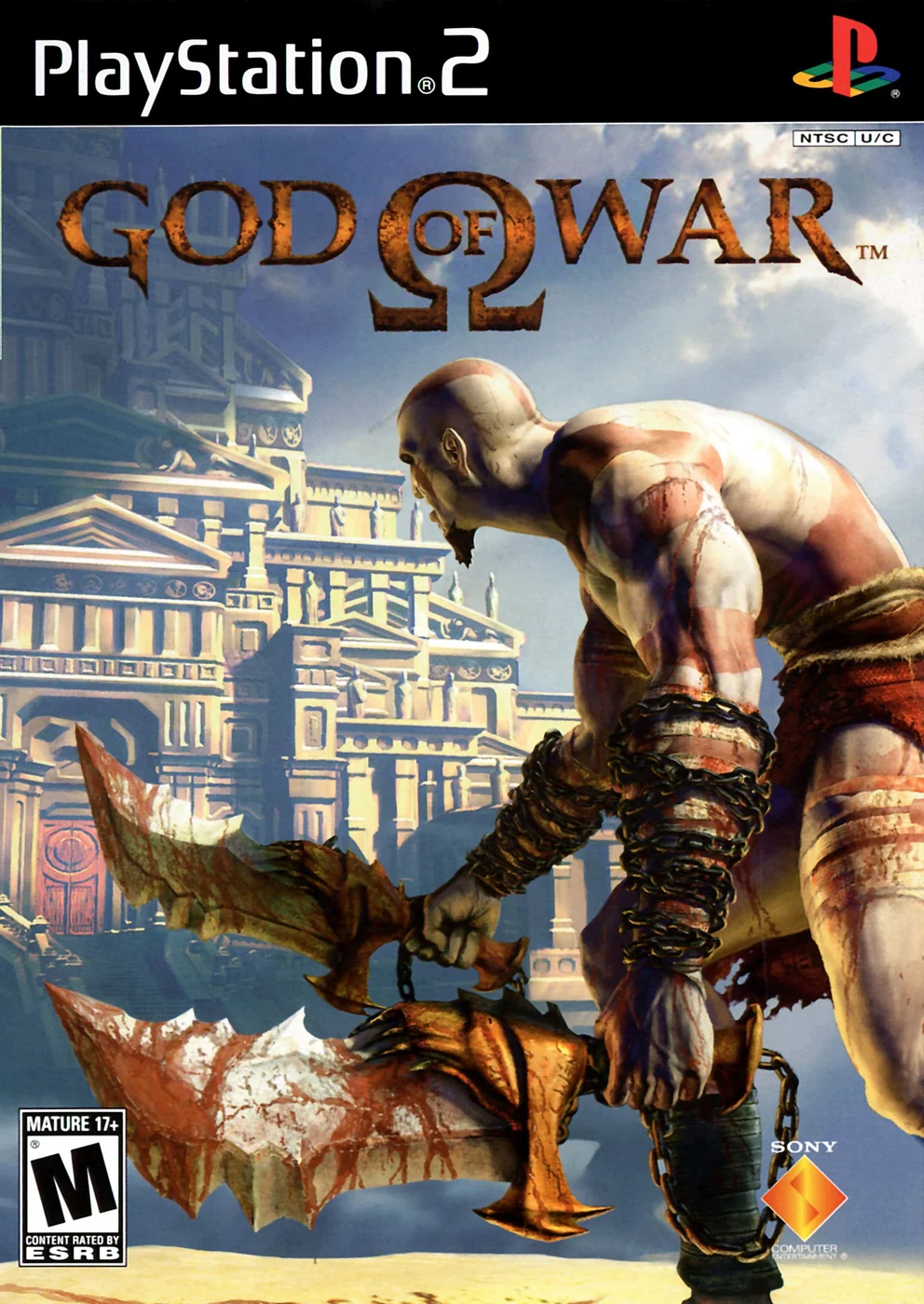
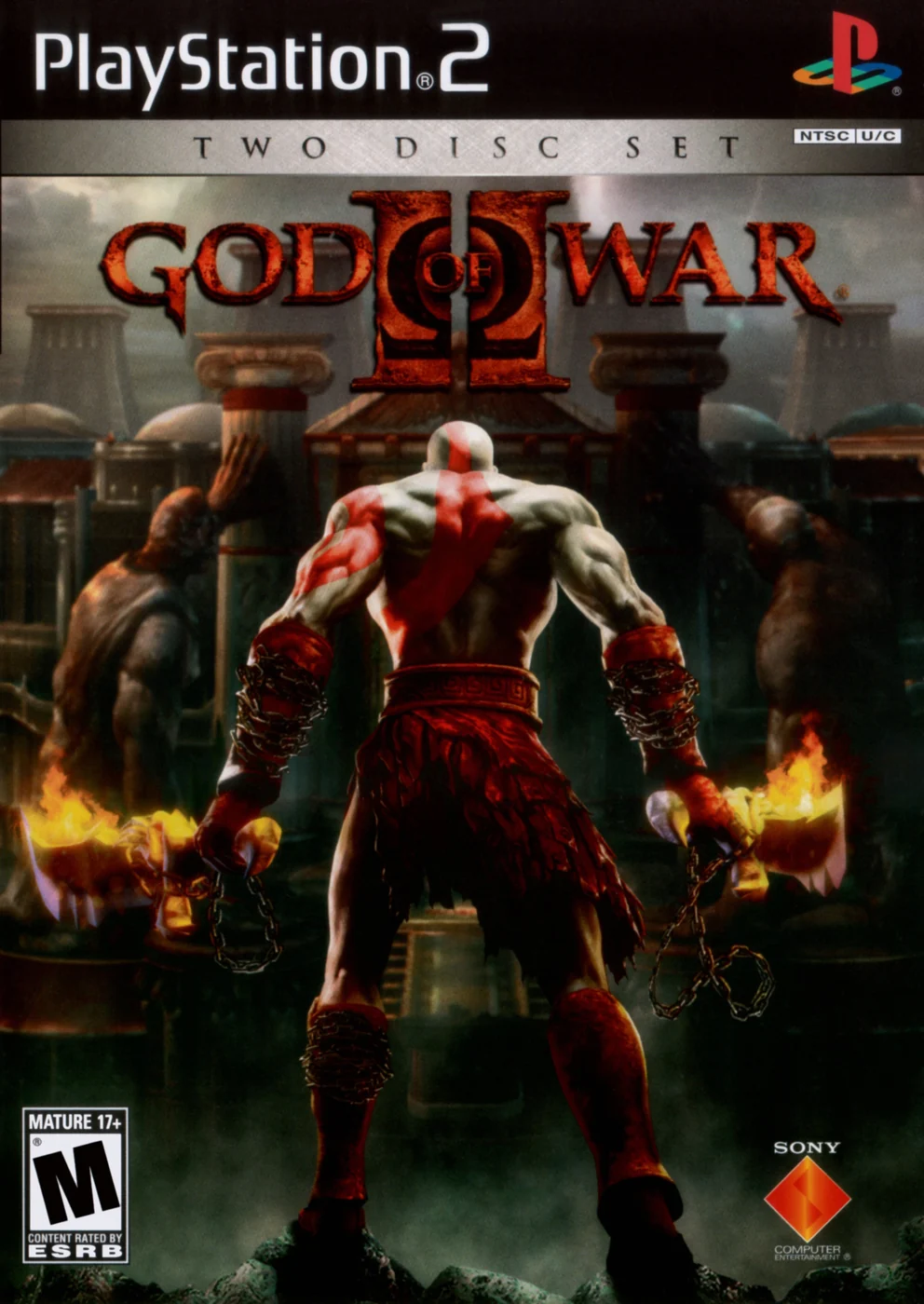
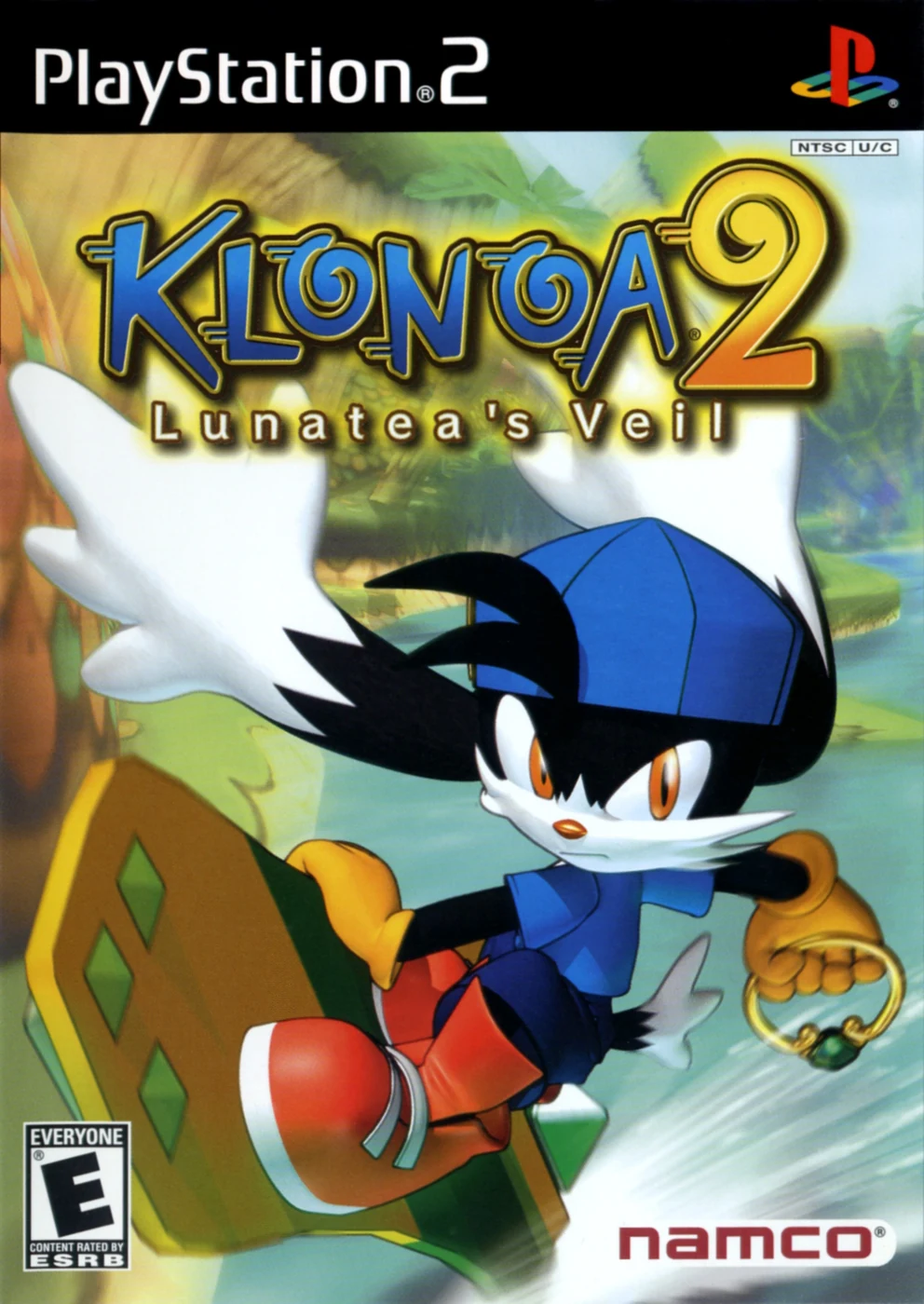
Sony’s associated studios supplied a different group of landmarks. Naughty Dog’s Jak and Daxter refined the three-dimensional platform adventure, while Insomniac Games’ Ratchet & Clank combined exploration, humor and an unusually inventive arsenal. Sucker Punch’s Sly Cooper used stealth and cartoon presentation instead of pursuing the era’s dominant taste for gritty realism. Polyphony Digital continued Gran Turismo, and Santa Monica Studio established God of War as a spectacle-driven action series. These games helped Sony maintain recognizable properties while allowing different visual styles and tones.
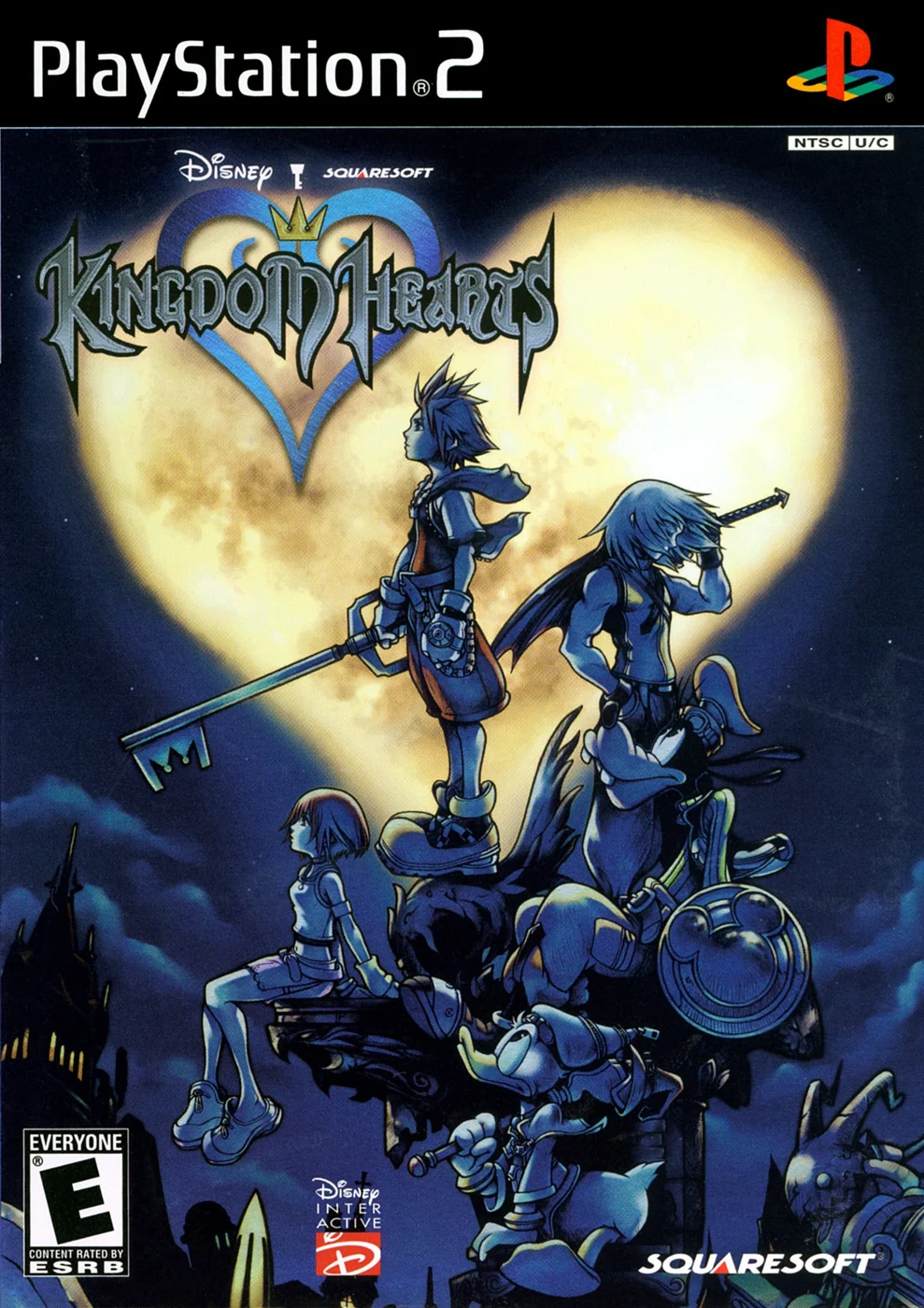
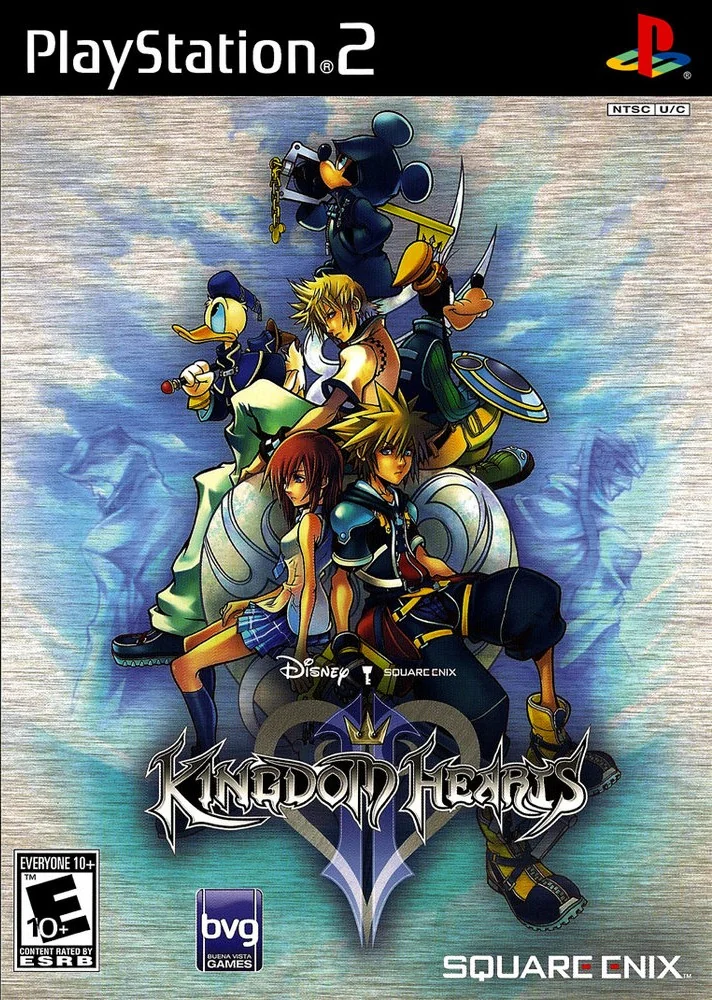
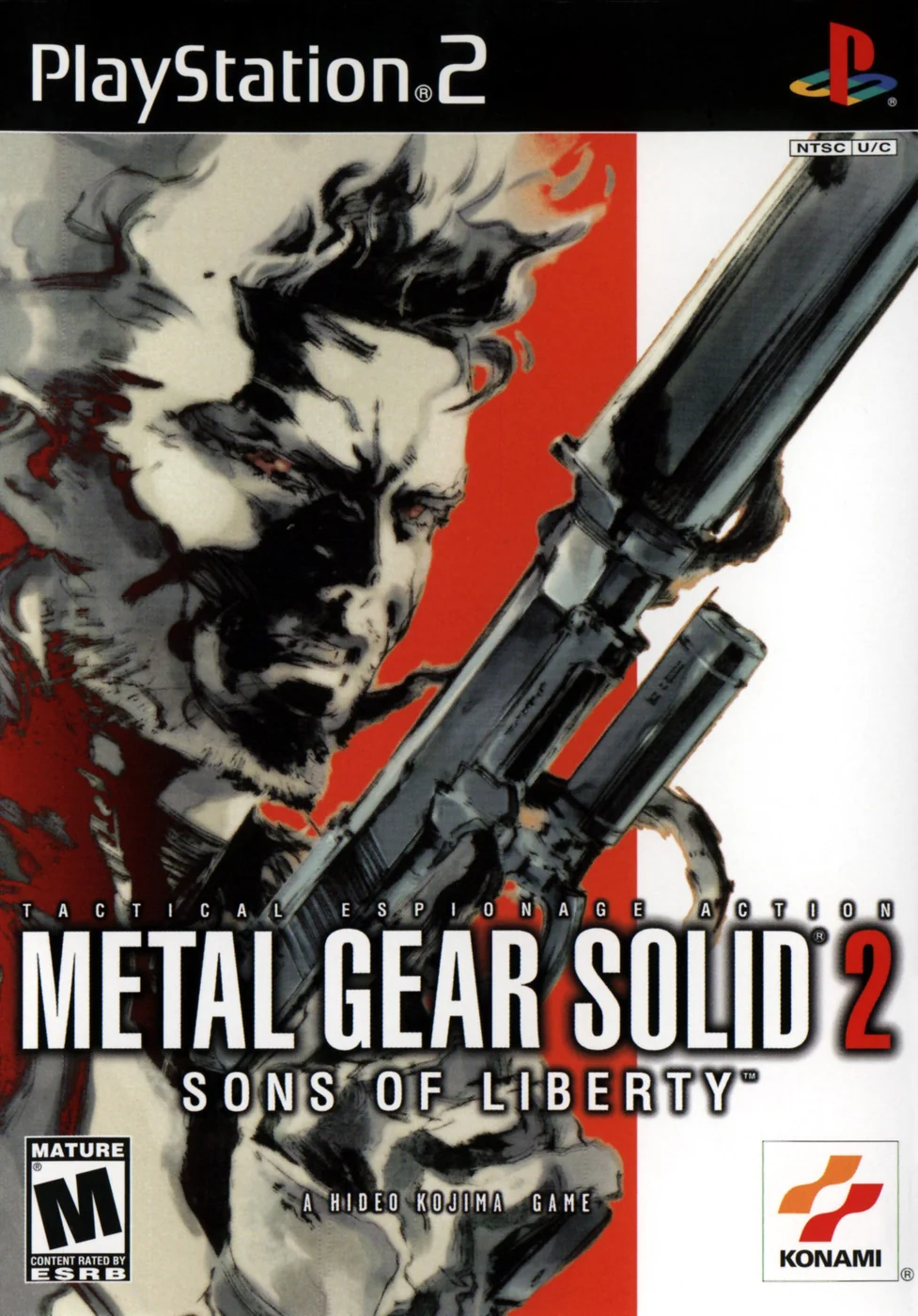
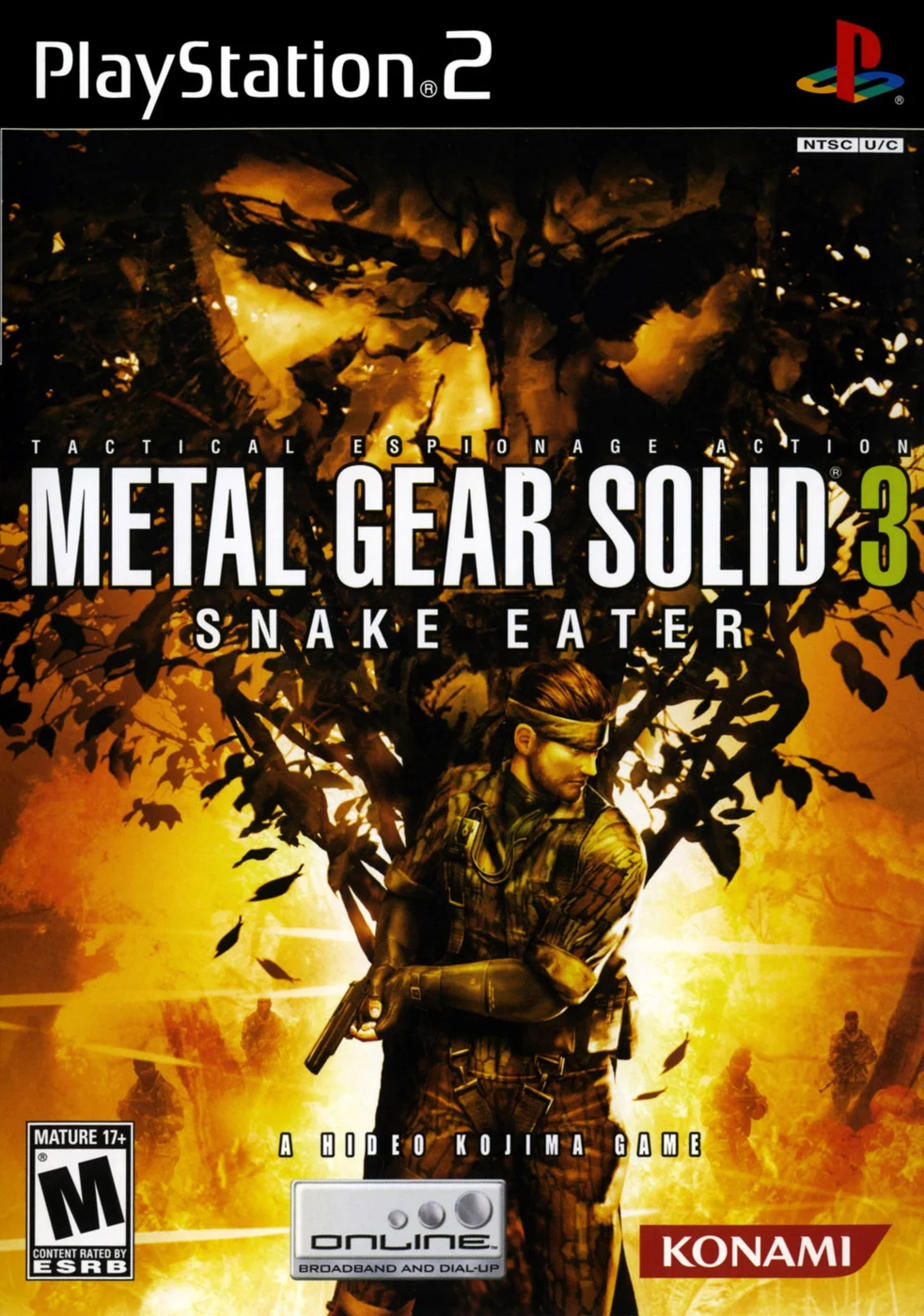
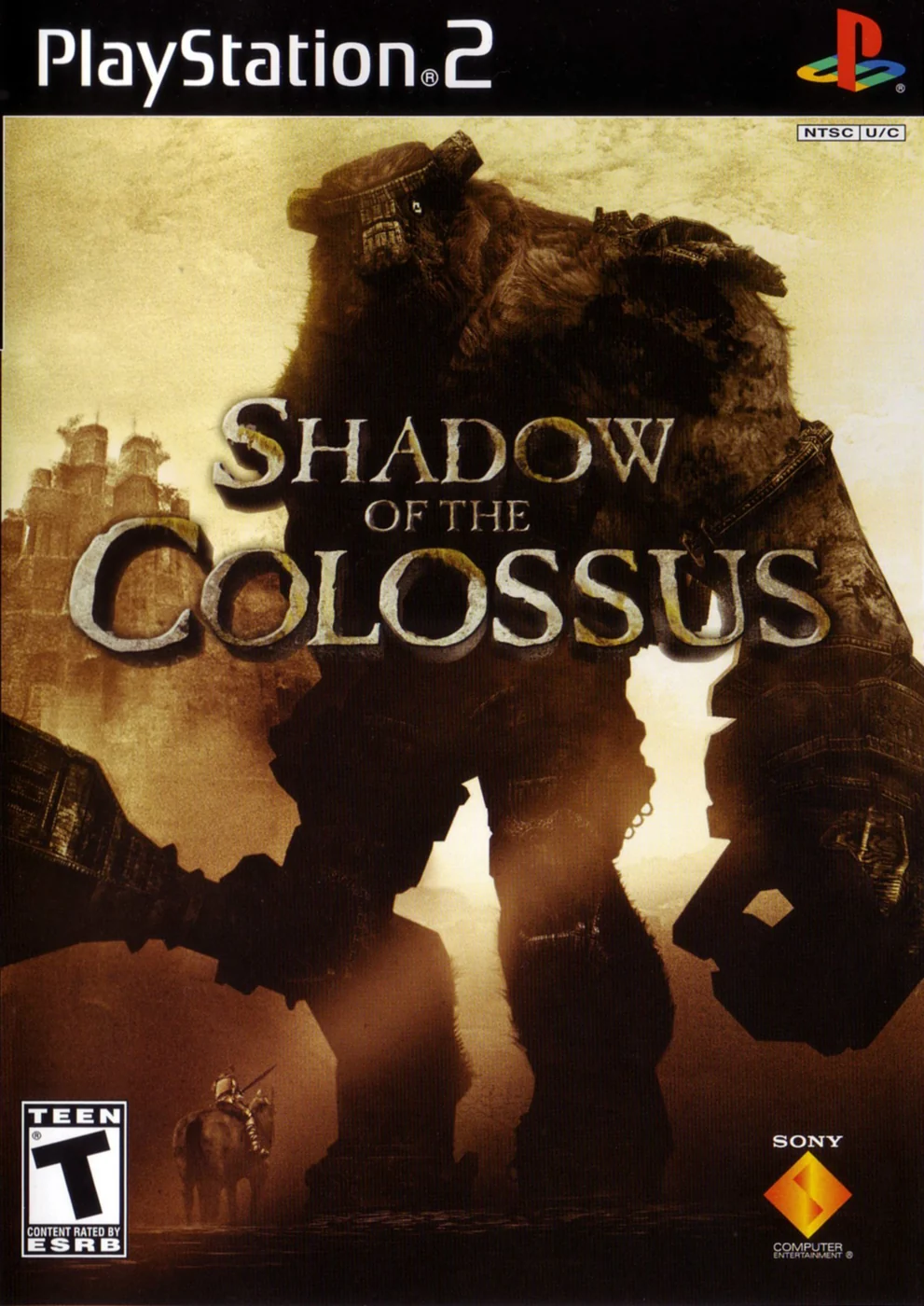
Third-party and partner studios expanded the range further. Konami’s Metal Gear Solid 2 and Metal Gear Solid 3 treated stealth, political fiction and cinematic staging as central design elements. Square and later Square Enix supported the platform with Final Fantasy X, Final Fantasy XII and other role-playing projects. Capcom released Devil May Cry and Resident Evil 4, while Team Ico created Ico and Shadow of the Colossus, games whose deliberate pacing and unusual relationships contrasted with the era’s louder blockbusters. The PS2’s achievement was not that every game was exceptional; it was that its scale allowed so many different kinds of major game to coexist.
Competition with Dreamcast, GameCube and Xbox
The PS2 entered a sixth-generation market already occupied by Sega’s Dreamcast. Dreamcast launched in Japan in 1998 and reached North America in 1999, giving Sega an early start and introducing a built-in modem in several markets. Its games demonstrated that online console play could be practical, and its hardware was comparatively approachable for many developers. Sega nevertheless faced financial pressure, a smaller installed base and a damaged reputation after earlier hardware struggles. The PS2’s backward compatibility, DVD drive and established publisher relationships made it difficult for Dreamcast to retain its early lead.
Nintendo’s GameCube emphasized compact hardware, first-party characters and a proprietary optical-disc format. It developed strong support in particular genres and among Nintendo’s established audience, but it did not match Sony’s global reach. Microsoft entered North America with Xbox in November 2001, offering powerful hardware, a built-in hard drive and a long-term online plan that became Xbox Live. Xbox attracted Western developers and helped normalize organized console networking. Yet Microsoft was building a new brand, while Sony already had retail relationships, consumer recognition and a large audience from the original PlayStation.
Sony’s advantage was therefore broader than processor specifications. The PS2 arrived after DVD had begun to spread, inherited a successful software ecosystem and remained available in multiple price tiers as manufacturing improved. Publishers could justify supporting it because millions of potential customers already owned the hardware. This mattered especially for sports games, licensed products and middle-budget projects that depended on a large market rather than on technological novelty.
Competition still shaped the machine’s weaknesses. Xbox Live exposed the fragmented nature of PS2 online services, while Nintendo showed that distinctive controllers and family-oriented software could attract attention without matching Sony’s approach. The PS2 did not dominate every category, but it became the platform many publishers treated as the safest foundation. Its commercial lead gave Sony leverage, and that lead in turn made the system more attractive to developers, retailers and consumers.
Online networking as a transitional experiment
The PS2’s online capability developed through add-ons rather than one universal service. The original large console required a Network Adaptor fitted into its rear expansion bay. Depending on territory and model, the adaptor supported Ethernet broadband and, in North America, an analog modem. Players also needed compatible software, a suitable internet connection and, in many cases, an account or registration process managed by the publisher. Later slimline models integrated Ethernet networking, making the physical setup simpler.
This arrangement differed from Xbox Live. Sony did not provide one centrally managed online environment in which every game shared accounts, friends lists, matchmaking and voice features. Publishers often operated their own servers. That gave companies control over their communities and reduced the need for every game to use an identical structure, but it also made the experience inconsistent. Some titles offered robust online modes, others required complicated setup and some disappeared when their individual servers closed.
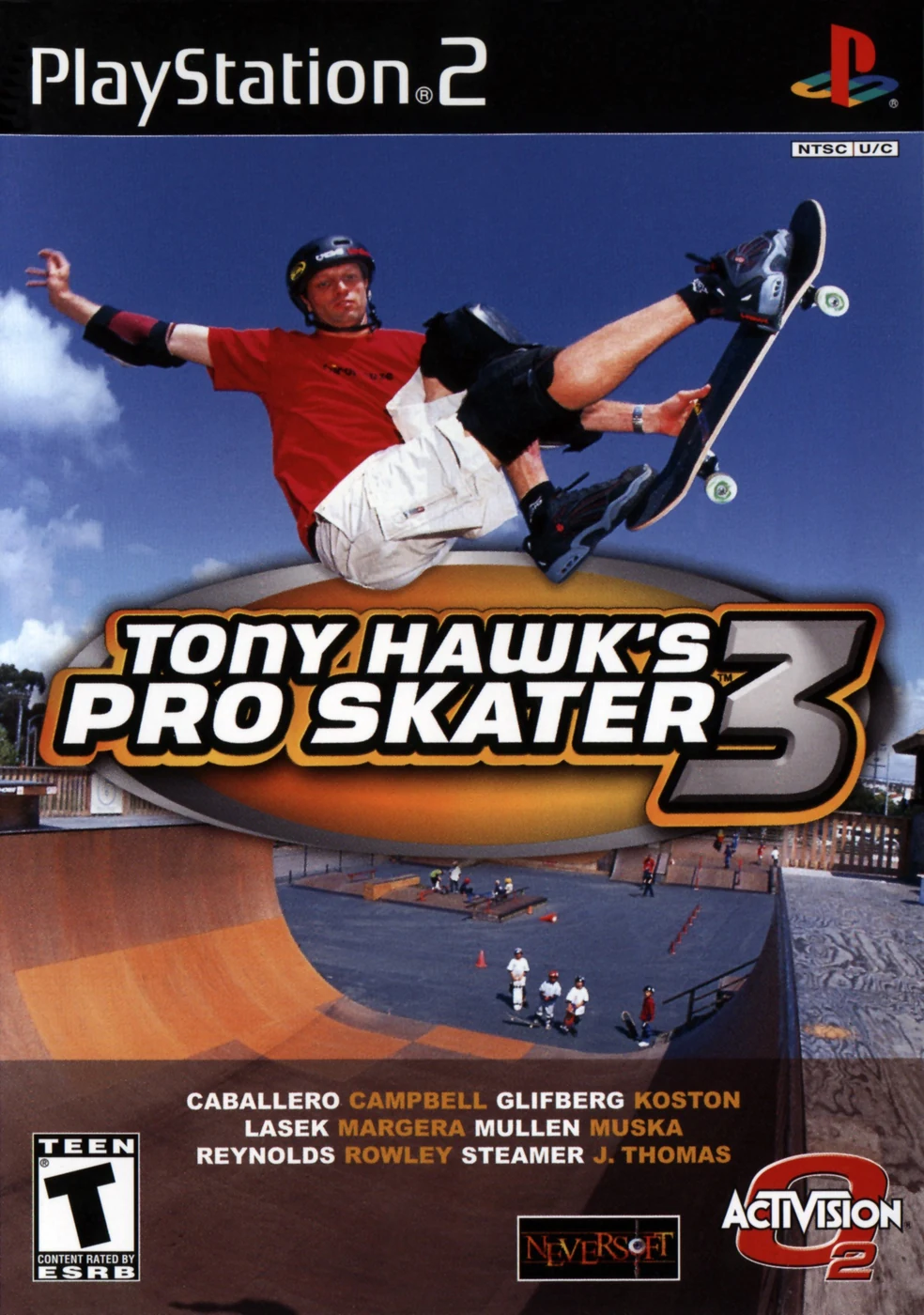
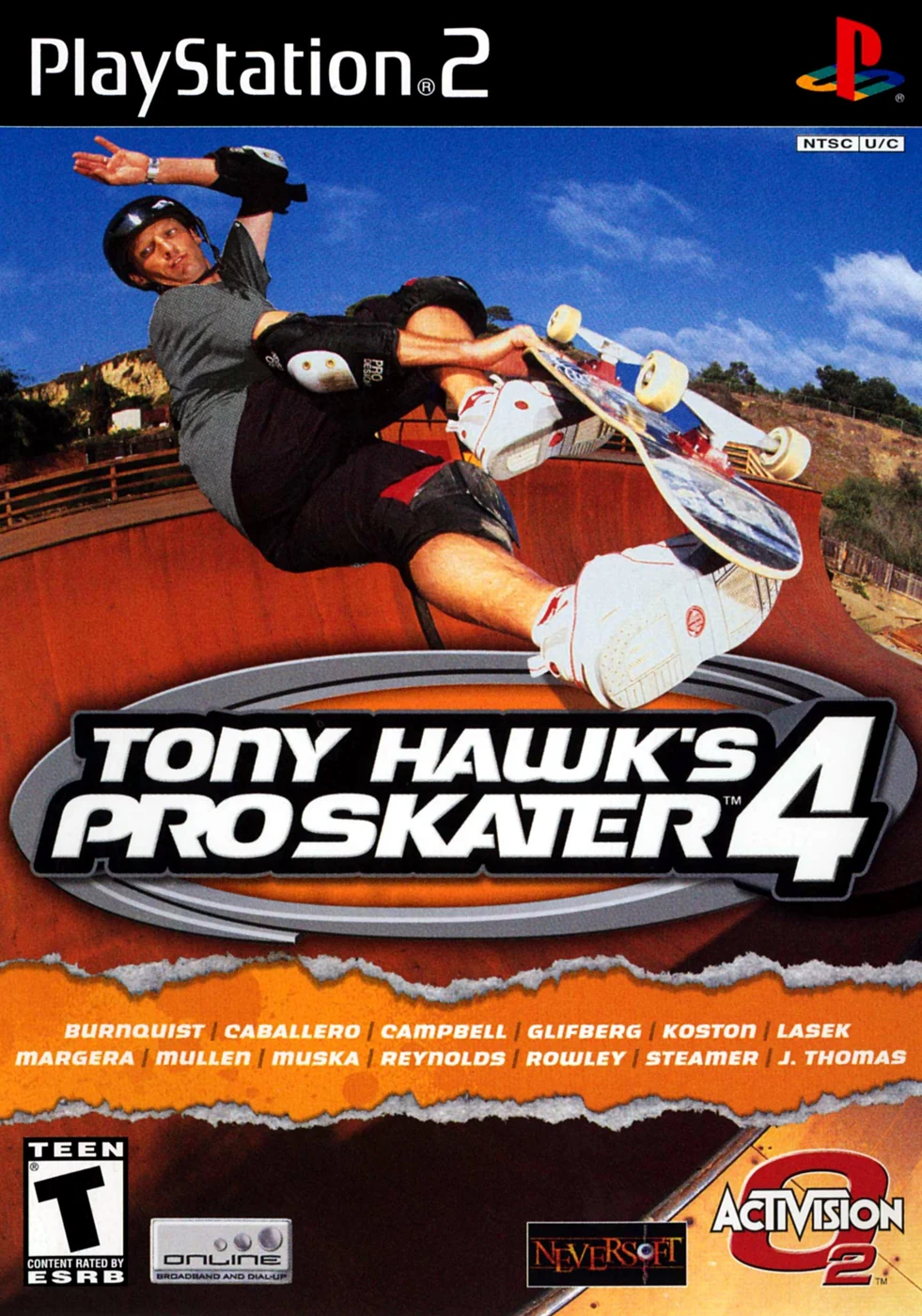
SOCOM: U.S. Navy SEALs demonstrated the appeal of organized online console combat and supported voice communication through a USB headset. Tony Hawk’s Pro Skater 3, Capcom versus SNK 2 and other games explored competitive play, while Final Fantasy XI pursued a more ambitious model. Square Enix’s massively multiplayer role-playing game connected console players to a persistent world, with characters, economies and communities that continued beyond a single match. It required a hard drive in relevant PS2 versions and used a service structure very different from ordinary disc-based multiplayer.
The PS2’s online story is important precisely because it was incomplete. Broadband access was uneven, network configuration could be intimidating and server support depended on individual publishers. Yet these experiments made networked console play visible to a broad audience. They prepared consumers for accounts, headsets, downloadable content and persistent services that became more standardized on PlayStation 3, Xbox 360 and later systems. The PS2 was a bridge between local disc-based gaming and the connected console platforms that followed.
Slimline redesigns, peripherals and new forms of play
Sony’s most important hardware revision was the SCPH-70000 slimline model announced in September 2004 and released in Japan, North America and Europe during November of that year. Sony said the redesign reduced internal volume by about 75 percent, cut weight by roughly half and reduced thickness from 7.8 centimeters to 2.8 centimeters. The optical drive moved into a compact hinged enclosure, and Ethernet networking was integrated. The North American version also retained a modem port, reflecting the continued importance of dial-up access in that market.
The redesign extended the console’s commercial life by reducing manufacturing requirements and making the system easier to place in a living room. It also created practical differences for owners. The slimline model did not use the original expansion bay in the same way, so some large-console accessories and hard-drive arrangements were not interchangeable. Later revisions further altered internal components, power arrangements and drive mechanisms. Sony also released selected color variants, including silver, white and several limited regional colors, turning the machine into a more varied consumer product.
The PS2 supported a remarkable collection of specialized peripherals. The EyeToy camera used image recognition and movement to turn the player’s body into an input method. SingStar microphones and Buzz! controllers made the console suitable for parties, quizzes and group performances. Dance mats, light guns, fishing controllers, multitaps and the Guitar Hero guitar each transformed the way games were played. These devices were not universal standards, but the platform’s installed base allowed unusual accessories to find viable audiences.
Guitar Hero was particularly significant because its guitar-shaped controller made rhythm interaction immediately legible to people who might not consider themselves traditional players. The original game appeared on PS2 in 2005 and helped launch a wider music-game boom. The system’s accessory culture showed that console play did not have to mean one person holding a standard controller. It could involve movement, singing, instrument imitation or several people gathered around the same screen. Those ideas anticipated the motion and social-control experiments of the following generation.
Cultural reach and creative contradictions
The PS2 became a cultural object partly because it sat beside other forms of entertainment. Its DVD playback placed it near movie collections and home-theater equipment, while its software covered sports, racing, action, role-playing, music and family play. A household could use the same machine for a football game, a Japanese role-playing adventure, a movie night or a party involving microphones and dance mats. That breadth helped weaken the idea that consoles belonged only in children’s bedrooms.
The era also intensified the use of film language in games. Metal Gear Solid 2 relied on carefully directed scenes and controlled camera work; Final Fantasy X used voice acting and performance-oriented presentation to make its characters more direct; God of War framed combat through mythological spectacle, orchestral music and dramatic camera movement. These games did not simply imitate cinema. Their strongest moments depended on interaction, repetition and player control, but they contributed to the growing expectation that expensive games would deliver authored worlds and memorable performances.
At the same time, the PS2 supported work that resisted blockbuster conventions. Katamari Damacy used repetition, scale and absurdity to create a playful experience unlike conventional action games. Okami applied a stylized ink-brush aesthetic to an adventure structure. Persona 3 explored social relationships alongside dungeon combat, while Disgaea appealed to players who wanted intricate tactics and exaggerated systems. Ico and Shadow of the Colossus demonstrated that a commercially important platform could support silence, ambiguity, loneliness and restraint.
The cultural reach was not entirely comfortable. Grand Theft Auto generated recurring debates over violence, crime and the responsibilities of publishers. Games involving torture, war, sexuality and religious themes encountered censorship and rating controversies in different territories. The PS2 did not make the medium mature in a simple or uniform way; it made mature subjects more visible because so many people owned the hardware. Its significance lies in the coexistence of formulaic releases, controversial blockbusters, experimental Japanese games, social software and technically ambitious productions.
Extended life, production end and measured sales claims
The PS2 remained commercially important after Xbox 360 launched in 2005 and PlayStation 3 arrived in 2006. Sony continued producing and promoting it because manufacturing costs had fallen and the installed base was too valuable to abandon quickly. Publishers could release games to a large audience without requiring every customer to purchase expensive new hardware. The overlap between generations was therefore unusually long. Newer systems attracted early adopters, while the PS2 continued to serve families, budget-conscious consumers and markets where previous-generation pricing mattered.
This longevity influenced software design. Developers could target mature tools and known hardware, but they had to work within limits that were increasingly obvious beside high-definition systems. Cross-generation releases became common, and some games were built around the capabilities shared by several platforms. At the same time, the PS2 remained an effective home for localized role-playing games, licensed films, sports franchises, music titles and smaller projects. Its later years were not technologically glamorous, but they were commercially productive.
Sales figures require careful wording because Sony reported different measures at different times. Sony’s 2007 annual report stated that cumulative worldwide PS2 shipments had surpassed 120 million and that approximately 14.2 million units shipped during the fiscal year ended March 31, 2007. Contemporary reporting around the end of production commonly cited approximately 150 million units. Sony’s later PlayStation history page states that more than 160 million consoles were sold worldwide. These figures should not be casually added together: they reflect different reporting dates, corporate definitions and later revisions. The secure conclusion is that PS2 became one of the best-selling consoles ever made and remained commercially active for many years.
Sony confirmed that worldwide PS2 production ended after roughly twelve years, with the final shutdown reported in late 2012 and early January 2013. The end did not occur immediately when PlayStation 3 launched; it followed a long period in which the older system continued to generate hardware and software demand. That extended lifecycle was one of the PS2’s defining achievements. It demonstrated that a console could move from cutting-edge technology to affordable mass-market hardware without losing its role in the industry.
Preservation and influence on later console design
Preserving the PS2 is more complicated than storing a console and a few popular discs. The library contains regional releases, localization differences, licensed music, sports rosters, vehicle agreements and games that depend on specialized accessories. Optical media can deteriorate, laser assemblies wear out and original controllers or cameras are not equally easy to replace. Online-dependent titles introduce another problem: the disc may survive even when the servers, authentication systems or community infrastructure no longer operate.
Emulation has become an important preservation method because the PS2’s architecture is both distinctive and difficult to reproduce accurately. A useful emulator must account for the Emotion Engine, vector units, Graphics Synthesizer, sound hardware, memory cards and timing assumptions made by games. Technical progress allows researchers and players to study software without placing all responsibility on aging original hardware. Preservation also includes manuals, development materials, regional versions, translations, screenshots and documentation of peripherals.
Commercial re-releases can help, but they do not solve every historical problem. Rights to music, brands, sports leagues and films may expire, while some games were never released outside a particular region. A digital edition may omit an accessory-dependent feature or alter presentation through modern display standards. For that reason, preservation work must record not only whether a game is playable but also which version is being played, what hardware it expects and which parts of the original experience are unavailable.
The PS2 influenced later systems in several lasting ways. DVD showed how a media format could broaden a console’s appeal. Backward compatibility became a major part of platform strategy. Online experiments informed later network services, while the EyeToy, microphones and instrument controllers prepared players for more elaborate motion and social interfaces. Its software also established patterns that remain central to mainstream gaming: open worlds, cinematic action, prestige internal studios, character-driven role-playing games, large cross-media franchises and hybrid social entertainment. The PS2’s historical achievement was the combination of these changes on one durable platform.