A Third Pillar for a Changing Nintendo
The Nintendo DS emerged during a period when Nintendo could no longer assume that its established formula would carry the company forward indefinitely. The Game Boy family had dominated portable gaming for years, but the Game Boy Advance was operating in a market that increasingly valued color, wireless communication, multimedia functions and more elaborate visual presentation. Nintendo’s home-console business was also under pressure. The GameCube was respected for its games and technical ability, yet it had not matched the worldwide reach of Sony’s PlayStation 2. Nintendo needed a product that could attract existing players without simply entering another contest over processing power.
Nintendo announced the new handheld at the Electronic Entertainment Expo in Los Angeles on May 11, 2004. The company presented the initials DS as referring to “Dual Screen” and, in the launch-era explanation aimed at developers, “Developers’ System.” Nintendo emphasized that the machine was not merely a faster Game Boy. It had two screens, one of them touch-sensitive, a microphone, wireless communication, voice-recognition possibilities, a new game-card format and continued compatibility with Game Boy Advance software. The combination was intended to give designers a different starting point rather than a more powerful version of an existing one.
Nintendo initially described the DS as a “third pillar,” alongside the Game Boy Advance and GameCube. The phrase signaled that Nintendo did not publicly frame the system as an immediate replacement for either product. That position reflected uncertainty as much as confidence. The company wanted room to test an unfamiliar concept while keeping its established businesses intact. In practice, however, the DS quickly became the center of Nintendo’s handheld strategy, and the Game Boy line did not receive a direct successor after the Game Boy Advance generation.
The broader strategy was closely associated with Satoru Iwata, who became Nintendo’s president in 2002. Nintendo argued that increasingly complex games risked excluding people who lacked experience with traditional controls. The DS therefore supported a program of “gaming population expansion”: attract people who already played games, but also make the act of beginning less intimidating. This did not mean abandoning Mario, Pokémon or action games. It meant placing those familiar properties beside software about pets, puzzles, memory, language, drawing and everyday routines. The DS became the clearest early expression of that change in Nintendo’s business and design philosophy.
Two Screens, Touch and the Hardware Idea
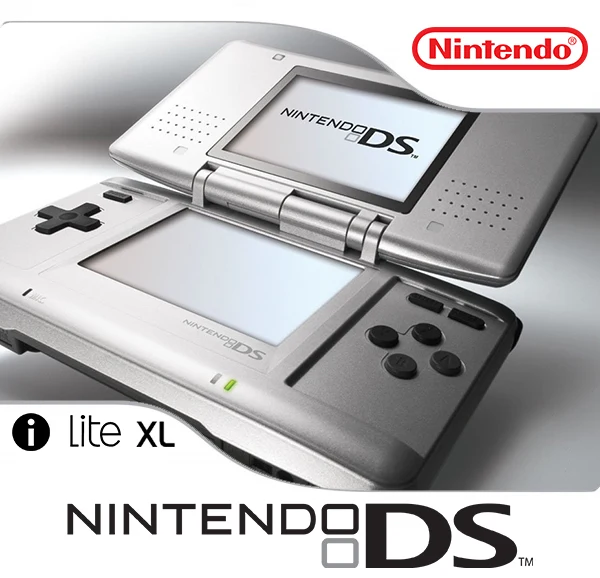
The DS used a horizontal clamshell body with two screens stacked one above the other when opened. Both were backlit liquid-crystal displays, but the lower screen also contained a resistive touch panel. A resistive panel detects pressure rather than the electrical properties of a finger, so the included stylus could be used for precise tapping, writing, dragging and drawing. The player could also use a fingertip or another suitable object. This distinction mattered because the DS appeared before touchscreens became an ordinary part of everyday phones and tablets. Nintendo was not adding touch to a familiar device; it was asking game designers to make touch part of the game’s basic grammar.
The two screens could display related information without forcing the player to pause. One screen might show the action while the other displayed a map, inventory, dialogue or status readout. In a role-playing game, a character’s statistics could remain visible while the main view occupied the upper display. In a strategy game, the player could survey a battlefield and issue commands through the lower screen. In Metroid Prime: Hunters, touch input could be used for aiming while the physical controls handled movement. The arrangement was not automatically useful, but it gave developers a way to divide attention between play and information.
The microphone extended the system’s physical vocabulary. Games could ask players to speak, shout, blow, make sounds or use voice recognition. The feature was sometimes central, sometimes a brief novelty and sometimes simply part of an application. PictoChat, built into the system, allowed nearby users to exchange typed messages and drawings through the touch screen. Wireless communication made this interaction possible without a cable. The DS thus presented itself as a device that could listen, respond and communicate, not just display images under button control.
The hardware was modest compared with a home console, and Nintendo’s public specifications were never the main selling point. The company did identify two processors, 3D capabilities, 16-channel sound, low-power design and new cartridges that could hold at least one gigabit of data in its 2004 announcement. The important point was not that the DS could compete with a contemporary console. Its distinctive value came from linking the screens, stylus, microphone, speakers, wireless functions and physical cartridge into a compact system that encouraged software designers to try different relationships between player and game.
Announcement, Launch Order and Regional Differences
Nintendo’s E3 announcement promised a launch in Japan and North America before the end of 2004, with Europe scheduled for the first quarter of 2005. The final regional order was North America on November 21, 2004; Japan on December 2, 2004; Australia and New Zealand on February 24, 2005; and Europe on March 11, 2005. Nintendo of Europe’s historical materials note that Spain’s retail launch was on March 12, a useful reminder that “European launch” did not always mean every national market opened on exactly the same calendar day.
The North American launch placed the DS into stores before the holiday season, while Japan received it shortly afterward. Early supply management was important because Nintendo was testing demand for an unusual product and needed to produce enough units across several territories. The system’s regional packaging, software release schedules and promotional campaigns were not identical. Some games appeared at different times, and European releases could be organized around multiple languages and national distribution arrangements. These differences affected the early experience even though the core hardware was broadly the same.
Launch software included Super Mario 64 DS, a handheld adaptation of Nintendo 64’s Super Mario 64 with additional characters, minigames and touch-related features. It provided a familiar flagship, but it also revealed that the DS was not simply a new Mario platform built from scratch. WarioWare: Touched! used rapid stylus interactions to demonstrate the lower screen, while Project Rub combined touch, microphone and conventional controls in a collection of short scenarios. The initial lineup showed possibilities rather than a single defining genre.
That ambiguity was a genuine commercial risk. A conventional system could be explained through faster graphics, a larger library or a recognizable controller. Nintendo instead had to persuade customers that two screens and a stylus would lead to worthwhile games. Early players could see the novelty immediately, but novelty alone would not sustain a platform. The DS required software that made its unusual components feel natural, and Nintendo’s most important breakthroughs came when developers stopped treating the touch screen as a demonstration and began using it to simplify, reshape or expand familiar activities.
Software Makes the DS Understandable
Nintendogs was one of the first games to show how the DS could reach beyond established game audiences. The player selected and cared for a virtual dog, gave it a name, trained it through spoken commands and interacted with it through the stylus. Petting, throwing objects and issuing commands were direct actions rather than button combinations to memorize. Nintendogs did not ask the player to master a combat system or complete a traditional story. Its central appeal was an ongoing relationship presented through a portable device, making the DS resemble a digital companion as much as a conventional game machine.
Nintendo’s Touch Generations initiative made this approach explicit. Brain Age: Train Your Brain in Minutes a Day used short arithmetic, reading, memory and handwriting exercises. Its presentation suggested a daily routine rather than a long campaign. The software was not a medical device, and its claims should not be confused with clinical evidence about improving cognition. Its significance was cultural and commercial: it framed game hardware as something that could be used by adults, families and people who did not identify as habitual players. The related Brain Training products became especially important in Japan before Nintendo localized the concept for other markets.
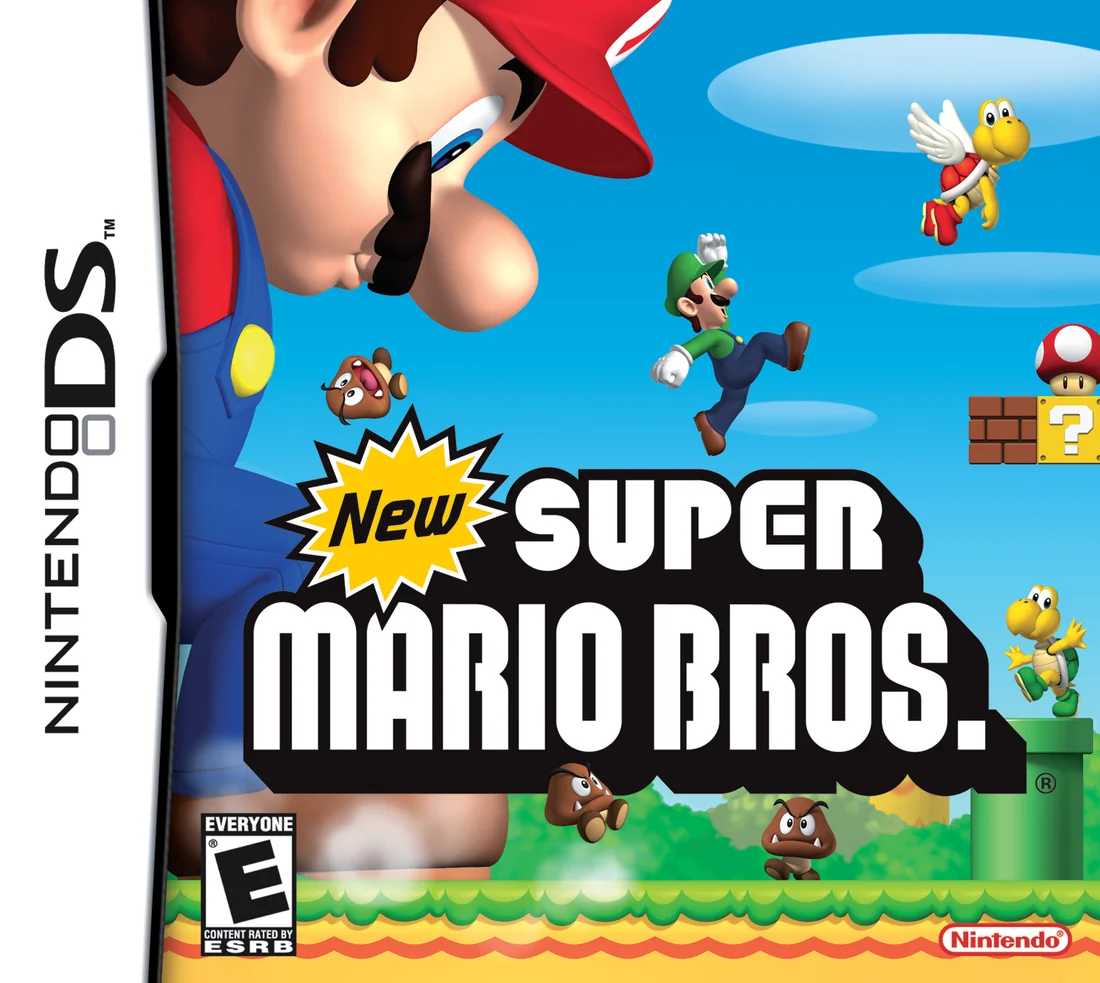
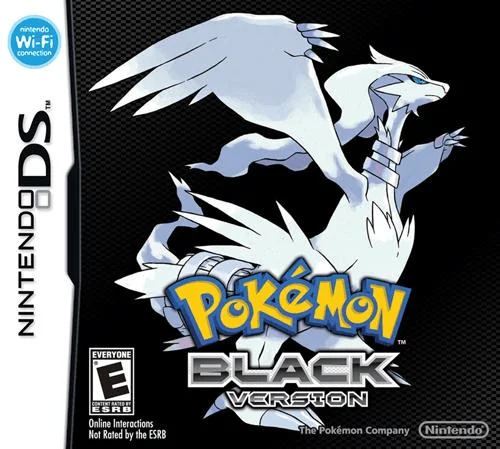
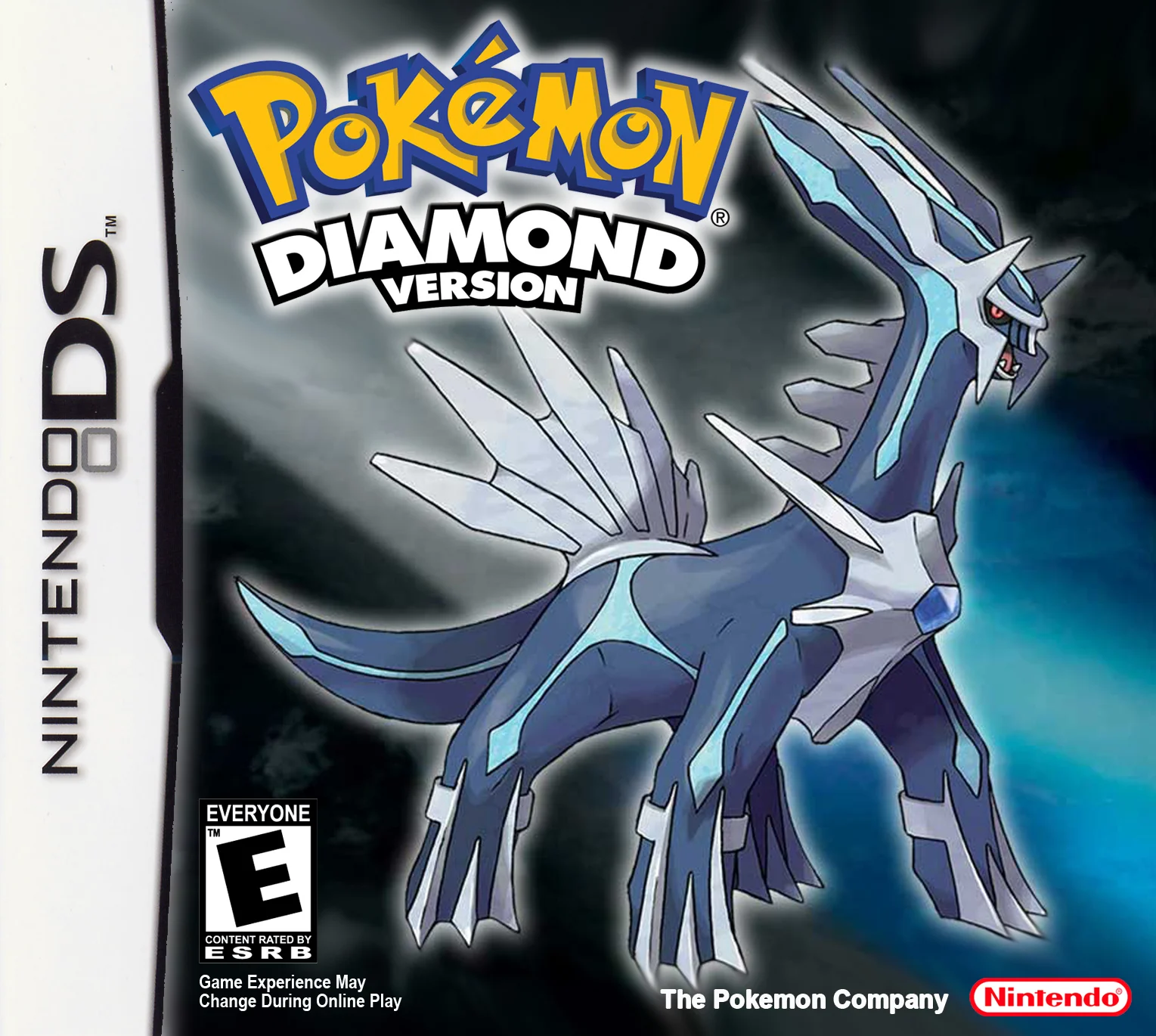
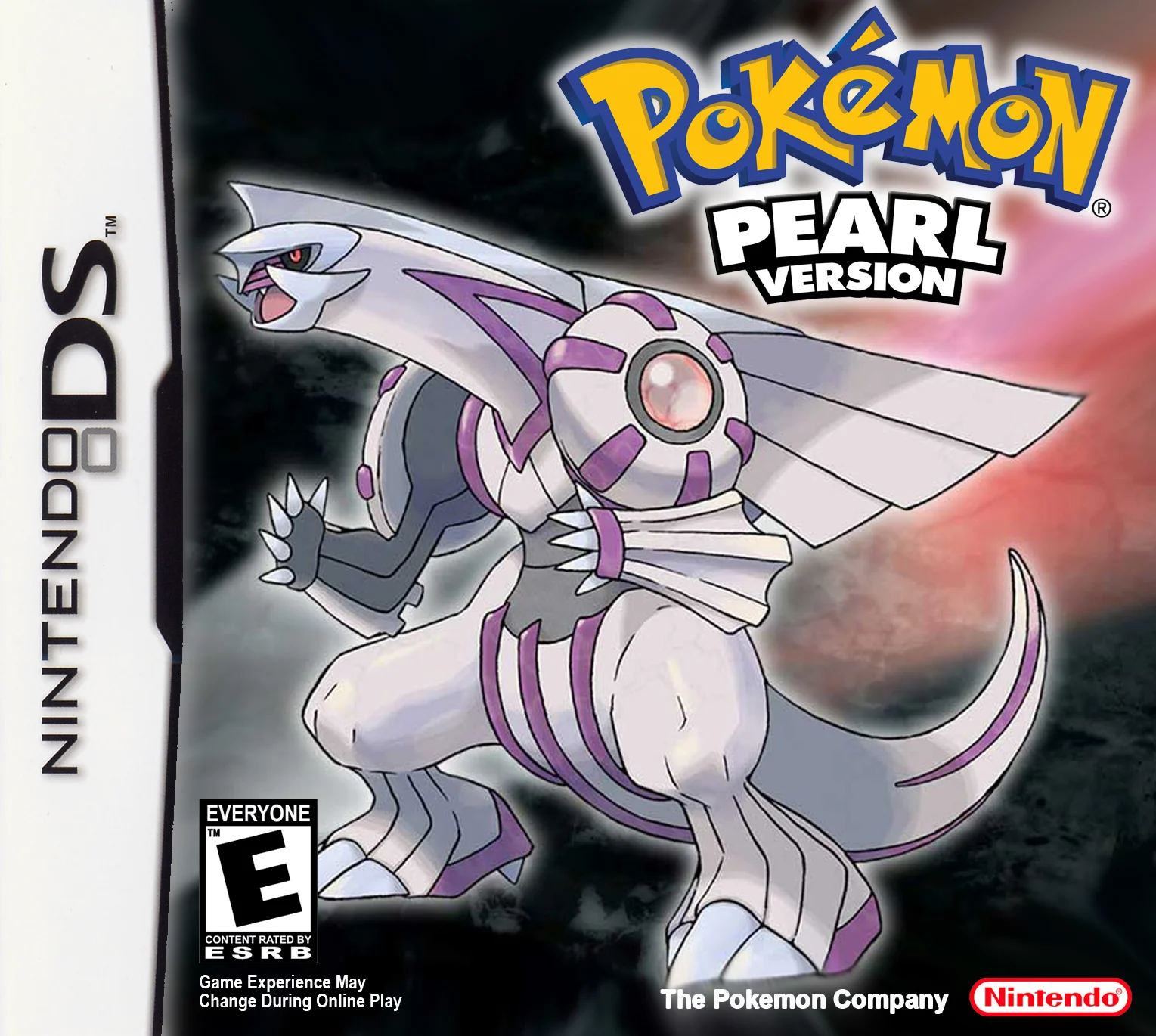
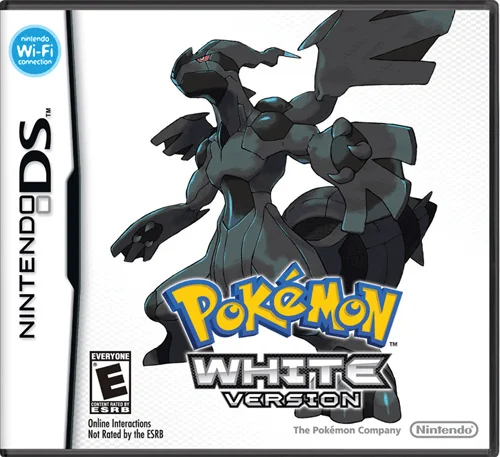
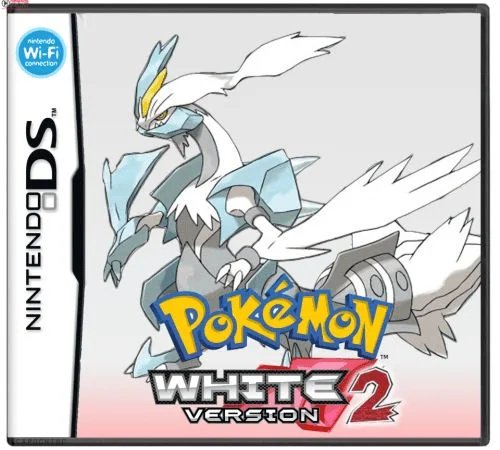
Other games demonstrated that accessibility and established genres could coexist. Mario Kart DS used the microphone and touch screen in supporting roles while making wireless multiplayer a central attraction. Animal Crossing: Wild World turned a village simulation into a portable social routine, encouraging players to revisit, decorate, trade and visit other towns. New Super Mario Bros. returned Mario to side-scrolling platform play in a bright, approachable format. The DS Pokémon generation, beginning with Pokémon Diamond and Pearl in Japan in 2006, used wireless communication for trading and battling while preserving the series’ familiar structure.
The result was a library with several overlapping audiences. A player could buy the system for Pokémon, discover PictoChat, try a brain-training exercise, then play a traditional role-playing or racing game. The platform did not need every title to use both screens in an elaborate way. Its success came from making multiple kinds of software commercially viable on the same hardware. The DS was strongest when it used its unusual features to reduce friction or create a new activity, but it also benefited from being a dependable home for Nintendo’s most recognizable characters.
Local Wireless and Nintendo Wi-Fi Connection
The DS supported local wireless play between nearby systems. Depending on the game, each participant might need a cartridge, or one system could transmit a limited version of the software through download play. This reduced the importance of link cables and made multiplayer easier to organize. A group could sit together with several handhelds without carrying a separate accessory or arranging a wired connection. The convenience encouraged games such as Mario Kart DS to function as social objects rather than solitary portable experiences.
PictoChat reinforced the idea that communication was part of the hardware’s identity. It was a simple application, not a full online community, but it allowed users to type, draw and exchange messages with nearby DS systems. For a new owner, the device could be interesting before a large software collection had been assembled. Nintendo’s inclusion of this feature also showed that the company was thinking about handhelds as devices that could be passed between people, demonstrated to friends and used in shared spaces.
Nintendo Wi-Fi Connection expanded multiplayer beyond the immediate room. The service began in November 2005 and supported online features in games including Mario Kart DS, Animal Crossing: Wild World and Metroid Prime: Hunters. Later Pokémon releases used online connectivity for trading, battling and related activities. The service was intentionally simple by modern standards. Friend codes, limited communication tools and cautious identity policies reflected Nintendo’s concern about safety and ease of use, but the system still brought online competition and cooperation to a mass-market handheld audience.
The service also showed the fragility of network-dependent history. Nintendo terminated Nintendo Wi-Fi Connection on May 20, 2014, ending official online play and related services for many DS and Wii games. Local wireless, single-player modes and physical cartridges remained, but matchmaking, rankings and some downloadable functions did not. The closure illustrates a central difference between preserving the hardware and preserving the complete platform experience. A DS cartridge can survive for decades, yet the network environment that once gave it meaning may require independent documentation, fan servers or emulation to remain accessible.
DS Lite and Nintendo’s Expanded Audience
The original DS was distinctive but relatively bulky and utilitarian. Nintendo announced the Nintendo DS Lite in January 2006 and released it in Japan on March 2, 2006. The revised system was smaller, lighter and brighter while keeping compatibility with DS software and Game Boy Advance cartridges. It reduced the original model’s folded dimensions from approximately 148.7 by 84.7 by 28.9 millimeters to 133 by 73.9 by 21.5 millimeters and reduced weight from about 275 grams to 218 grams. The name “Lite” referred to the lighter body and brighter display rather than a lower-performance model.
The DS Lite retained the distinctive two-screen structure but added four brightness settings and a cleaner exterior. Its white design in particular helped the hardware resemble a compact consumer-electronics product rather than a specialist toy. The Game Boy Advance cartridge still fit in the lower slot, although the shorter body meant that older cartridges protruded unless a cover or supplied insert was used. This detail mattered because the DS Lite was both a new-looking handheld and a bridge to Nintendo’s existing portable library.
The timing was important. Nintendogs, Brain Age and Mario Kart DS had already begun expanding the audience, and the DS Lite made the product easier to carry, display and recommend. Nintendo stated in its 2006 announcement that domestic DS sell-through had surpassed five million units within thirteen months, citing Media Create data, and that domestic sales had reached 5.7 million units by the end of 2005. These were Japan-specific figures and should not be confused with worldwide shipments or later lifetime sales.
The DS Lite also aligned with Nintendo’s parallel development of the Wii. Both products emphasized intuitive interaction and social accessibility rather than a specification race. The company’s goal was not simply to sell a cheaper handheld to existing players. It wanted an owner’s personal DS, potentially one system per person in a household. The strategy helped turn a technically conservative platform into a mass-market product by making the hardware itself less intimidating and by pairing it with software that did not require a long history of gaming experience.
Competition with Sony’s PlayStation Portable
Sony’s PlayStation Portable was the DS’s principal direct competitor. The PSP launched in Japan on December 12, 2004, followed by North America on March 24, 2005, and Europe on September 1, 2005. Sony pursued a console-like portable experience built around a widescreen display, optical UMD media, stronger audiovisual presentation and PlayStation-associated franchises. The PSP was designed to appeal to players who wanted visually ambitious action games, role-playing games and multimedia capabilities in a handheld form.
Nintendo and Sony therefore competed with different definitions of progress. The PSP made a strong case through screen size, 3D presentation and a design language connected to the PlayStation 2. The DS accepted less visual power in exchange for a touch screen, a second display, a microphone, local wireless convenience and a lower-friction control method. The DS’s cartridges were smaller and generally more immediately suited to handheld use, while the PSP’s UMD format offered a larger physical medium but also contributed to a more disc-oriented product identity.
Neither approach was universally superior. The PSP could deliver games that resembled home-console software, while the DS could make a map, inventory or handwriting surface available without interrupting play. The PSP’s traditional controls suited action and role-playing games, whereas the DS’s stylus could feel imprecise or unnecessary when a title forced touch input into a genre that had been designed for buttons. The competition was consequently not just a contest over technical ability. It was a contest over what a portable game should be and which audience Nintendo or Sony believed was still underserved.
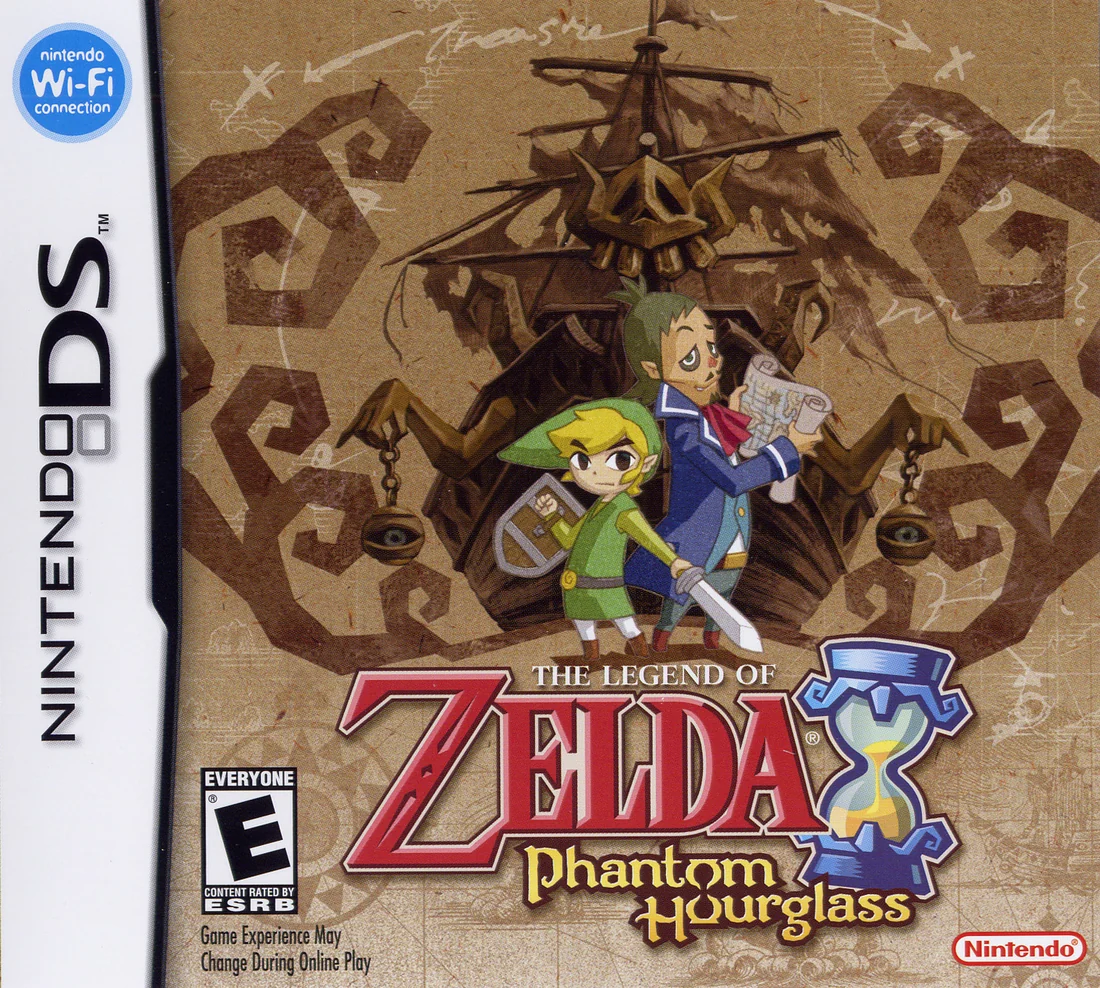
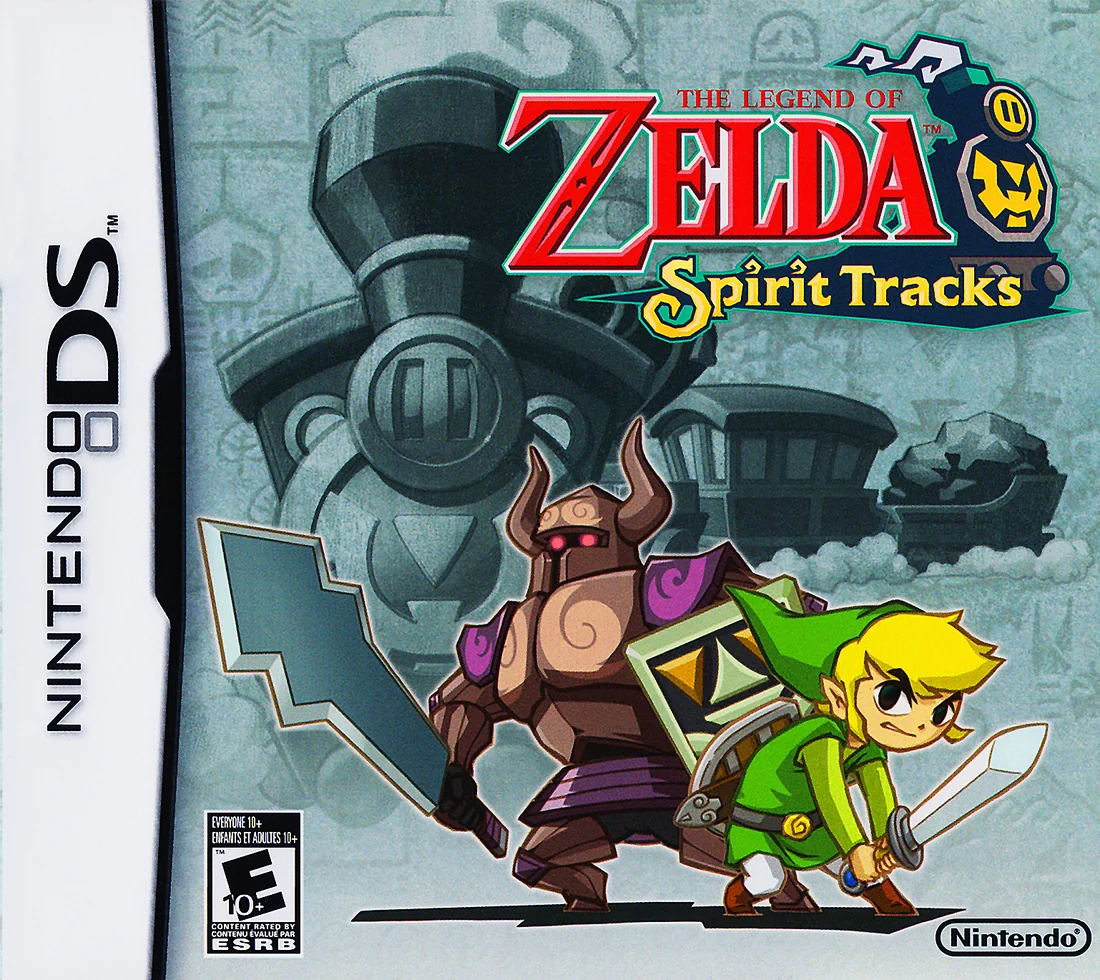
Nintendo’s most consequential move was to compete outside Sony’s strongest terms. Nintendogs, Brain Age and Animal Crossing did not imitate PSP spectacle. They created categories in which touch, voice and short sessions were advantages. At the same time, Mario, Pokémon, Zelda, Metroid, Kirby and other established properties preserved a connection with experienced players. The DS could be bought by someone seeking a familiar Nintendo game and then used by someone else in the household for puzzles, drawing or a social simulation. That breadth made the system resilient.
The DSi and DSi XL Become a Platform Family
Nintendo released the DSi in Japan on November 1, 2008, followed by overseas releases in 2009. It was thinner than the DS Lite, increased screen size from three inches to 3.25 inches and added two 300,000-pixel cameras, an SD memory-card slot, internal storage, improved audio functions and built-in applications. The revision was not merely cosmetic. It changed the DS from a cartridge-focused handheld into a more connected personal device with room for downloadable software and user-created media.
The cameras supported the DSi Camera application, while DSi Sound allowed users to manipulate and play audio files. Nintendo also planned DSiWare, downloadable games and practical applications delivered through the DSi Shop. A downloadable browser could be added through the system’s online store. These functions were limited by the hardware’s memory, camera quality and interface, but they represented an important shift. The DSi had firmware, storage and a digital distribution channel, making it more like a platform with services than a fixed machine that only read cartridges.
The revision removed the Game Boy Advance cartridge slot in order to make the body thinner and create room for the new components. As a result, the DSi could not play Game Boy Advance software or DS games that required the slot for accessories. This included certain peripherals and specialized software. The decision simplified the new design but divided the DS family into two compatibility categories: original DS and DS Lite models could support the older cartridge format, while DSi models could run DS software but not the Game Boy Advance library.
Nintendo followed the DSi with the DSi XL, called DSi LL in Japan. It launched in Japan on November 21, 2009, with two 4.2-inch screens and a wider viewing angle intended to make shared viewing easier. The larger system included both a normal stylus and a longer pen-shaped stylus, and some Japanese units included preinstalled applications. Nintendo presented it as a new size option rather than a higher-performance model. It served users who valued larger text and a system that could rest on a table, while the smaller DSi remained the more portable personal device.
Developers, Genres and the Uneven Value of Novelty
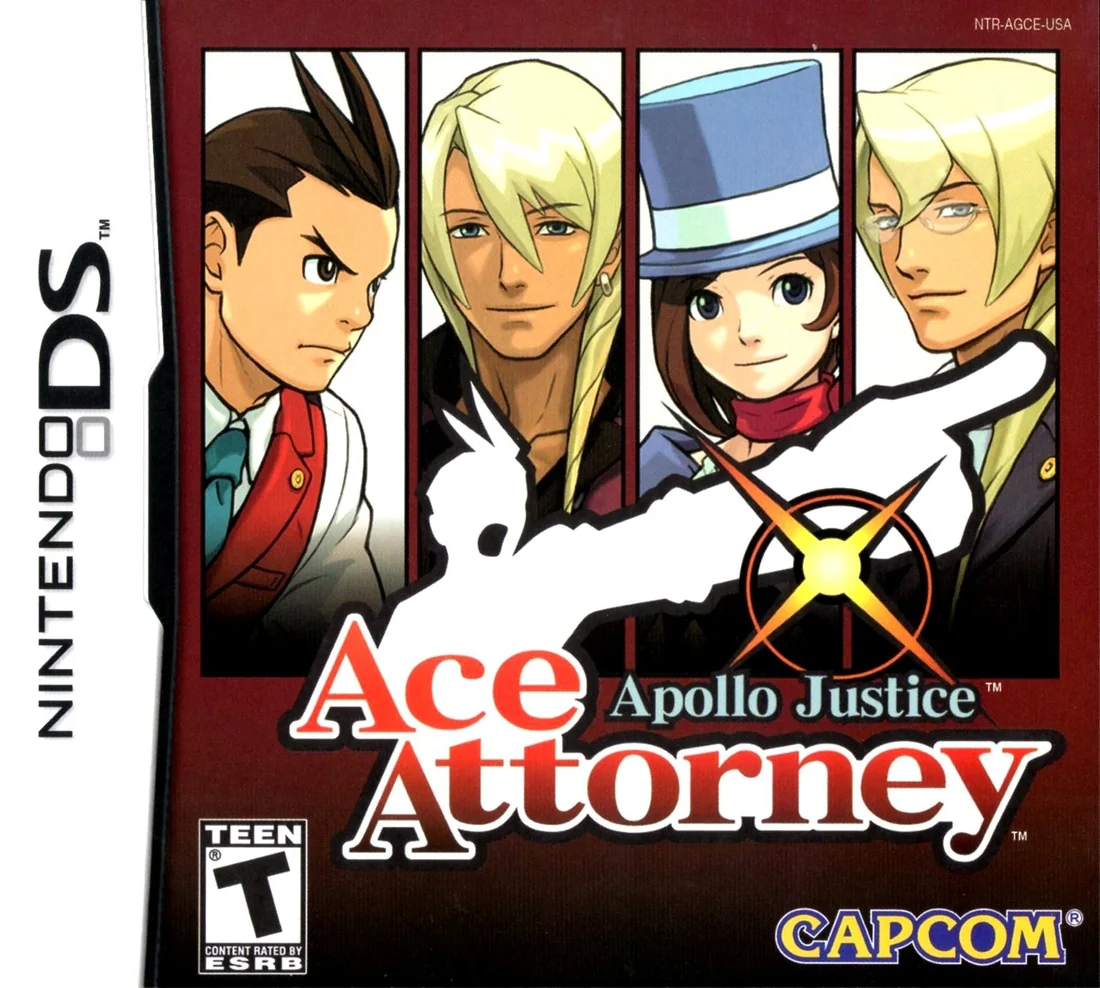
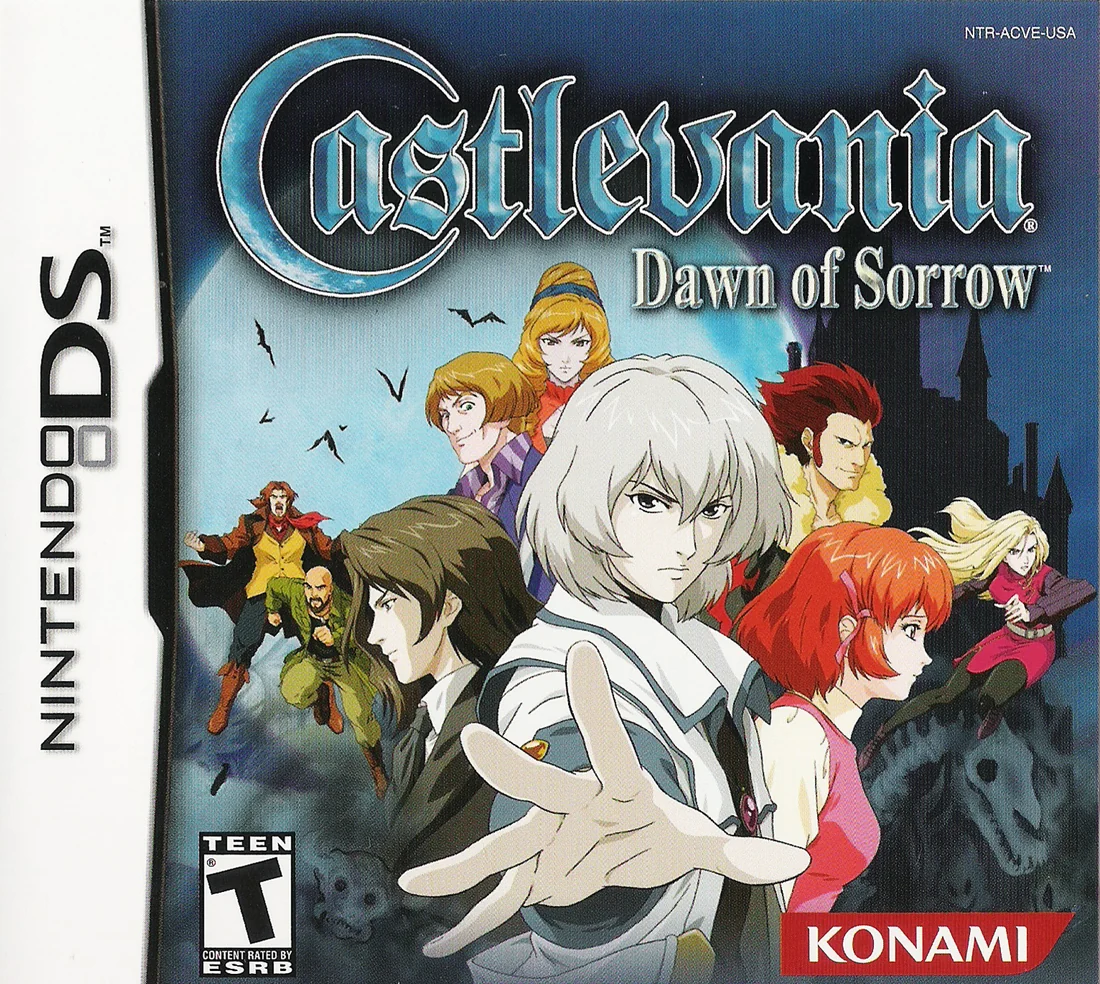
Nintendo’s internal teams established the DS’s identity, but third-party developers gave the platform much of its breadth. Level-5’s Professor Layton series combined illustrated mystery stories with touch-based logic puzzles. Capcom’s Phoenix Wright: Ace Attorney made courtroom argument and evidence management compelling through text, portraits and direct touch interaction. Square Enix supported the system with remakes and original role-playing games, while Atlus, Konami, Sega, Namco, Hudson, Ubisoft and many smaller publishers explored strategy, rhythm, simulation, adventure and educational formats.
The DS’s limitations encouraged a particular kind of experimentation. Developers did not need to build high-resolution assets comparable to a contemporary home console in order to produce a distinctive game. A title could be organized around handwriting, drawing, tracing, dragging, tapping or using the microphone. The second screen could function as a map, a character portrait, a menu, a dashboard or a second field of play. These possibilities changed the questions designers asked. Instead of beginning with a button layout, they could begin by asking what the player might point at, speak to or manipulate directly.
The best games made their unusual controls meaningful. A touch screen could simplify the selection of units in a strategy game or let a player draw a route through a puzzle. A microphone could turn a command into speech or a challenge into a physical gesture. The upper screen could keep vital information visible while the lower screen handled interaction. In weaker games, however, touch was added because the hardware had it, not because the design benefited from it. Some players found stylus-only movement awkward, and some minigames would have been easier with ordinary buttons.
That unevenness remains part of the DS’s historical importance. The platform gave publishers permission to try ideas that would have seemed too narrow or too strange on a conventional console. Not every experiment succeeded, but the successful ones showed that interface design could become a source of genre innovation. The DS library includes blockbusters, remakes, licensed games, educational products, obscure regional releases and ambitious experiments. Its variety was not accidental; it followed from a system that lowered the cost of trying a different relationship between player and software.
Cultural Impact and the Competition for Attention
The DS changed the social image of gaming. Nintendo’s advertising frequently showed adults, families and people who did not fit the stereotype of a dedicated enthusiast. Brain Age could be presented as a daily exercise, Nintendogs as a digital pet and PictoChat as a way to communicate. These descriptions were marketing constructions, but they worked because the hardware actually offered interactions that were easy to demonstrate. A person could hand over the stylus, point at the screen and begin without first learning a complex arrangement of buttons and camera controls.
The system also suited brief, repeated sessions. A player could complete a puzzle, check a village, train a dog, race a friend or practice a handful of exercises without committing to an entire evening. That flexibility helped the DS fit commutes, school breaks, family rooms and travel. Its clamshell body protected the screens when closed, while the cartridge format made starting a game relatively direct. These practical qualities mattered alongside the platform’s innovation because a device must be convenient before people can build habits around it.
The social aspect extended beyond competitive multiplayer. Players exchanged Pokémon, visited Animal Crossing towns, compared Brain Age results, sent drawings through PictoChat and demonstrated software to people who might never have bought a game themselves. The DS became a recognizable object in households and public spaces. Its meaning was not restricted to winning. It could provide a shared activity, a personal routine, an educational exercise, a creative tool or a quiet diversion. Nintendo’s claim that the system could reach “nontraditional” players was supported by the diversity of activities available on it.
The DS also influenced the wider direction of interactive design. It did not invent touch computing, resistive touch panels or wireless handheld communication, but it demonstrated those ideas at mass-market scale in a game-focused product. Mobile software later made tapping and swiping ordinary, while Nintendo’s own Wii and subsequent systems continued to emphasize direct, approachable interaction. The DS showed that a platform could expand by changing the meaning of play rather than by demanding that every new customer learn the conventions of established console genres.
Transition to 3DS, Decline and Measured Sales
By the end of the 2000s, the DS family was operating in a changing technological environment. Phones and emerging tablets were normalizing touchscreens, cameras, downloadable applications and wireless connectivity. Nintendo’s answer was the Nintendo 3DS, announced in 2010 and released in 2011. It preserved the general two-screen arrangement and retained a touch screen, but added stereoscopic 3D, more advanced hardware, cameras and new network functions. The 3DS was backward-compatible with DS game cards, allowing Nintendo to move users into a new generation without making the earlier library immediately obsolete.
The transition also revealed the limits of the DS design. Its display resolution, cameras, browser and wireless standards were tied to mid-2000s assumptions. The DSi’s downloadable services required aging infrastructure, and titles that depended on Nintendo Wi-Fi Connection lost official online functionality after the May 20, 2014 shutdown. The physical library remained more durable than the service layer. A cartridge could still load its offline content, but online matchmaking, rankings, events and certain downloads might no longer be available through Nintendo’s official systems.
Nintendo reports the lifetime DS family total as 154.02 million hardware units and 948.76 million software units as of December 31, 2025. These are worldwide consolidated life-to-date figures and include the original DS, DS Lite, DSi and DSi XL as one hardware family. Hardware units are not the same as unique players, and software units are not the number of different games or households. The distinction is important because Nintendo’s financial reporting sometimes used shipments, sell-through and regional sales in different contexts, while lifetime corporate totals use a consolidated definition.
The DS did not become successful through one launch weekend or one title. It accumulated momentum through hardware redesigns, recognizable franchises, Touch Generations software, wireless features and a steady flow of third-party games. The original model established the idea, the DS Lite made it attractive, and the DSi family extended it into a connected and more varied platform. By the time the 3DS arrived, Nintendo had already demonstrated that the handheld market could be enlarged by changing who felt invited to participate.
Preservation and the Lasting Legacy
Preserving DS history requires more than storing a console, charger and cartridge. Some games use touch calibration, microphone input, local wireless communication, camera functions, cartridge batteries or accessories connected through the Game Boy Advance slot. Others depended on Nintendo Wi-Fi Connection, DSiWare or limited-time downloadable events. When an official service closes, the original game may remain playable but no longer offer the complete experience that contemporary players encountered. Preservation therefore includes manuals, regional versions, server behavior, peripheral requirements, release dates and evidence of software that was distributed digitally or temporarily.
The hardware family also contains meaningful differences. The original DS and DS Lite preserve Game Boy Advance compatibility, while the DSi and DSi XL remove the slot but add cameras, storage and DSiWare support. Accessories such as rumble devices, guitar grips, steering attachments and other slot-dependent products demonstrate how Nintendo allowed the lower cartridge port to become an extension point. A preservation record that treats every DS as interchangeable would miss the technical and commercial reasons that Nintendo created several models.
Modern preservation work includes repair, cartridge dumping, emulation, archival cataloging and community efforts to recreate discontinued network functions. These activities involve legal and ethical questions because most DS software remains copyrighted even when it is no longer sold. They also require technical caution: emulation must reproduce two screens, touch input, microphone behavior, timing and wireless assumptions, while hardware repair must contend with aging hinges, batteries, screens and cartridges. The difficulty of reproducing the platform explains why physical ownership alone does not guarantee complete historical access.
The DS’s most enduring influence is conceptual. Two screens became a practical method for separating action from information. Touch became a mainstream game control rather than a novelty. Wireless handheld play became expected, and Nintendo continued exploring personal, social and flexible hardware in the 3DS and later systems. The DS began as an uncertain “third pillar,” but its success came from pairing strange features with familiar characters, approachable software and a broad definition of entertainment. It proved that a handheld did not need to win a specification contest to reshape the industry; it needed to give developers and players reasons to interact differently.