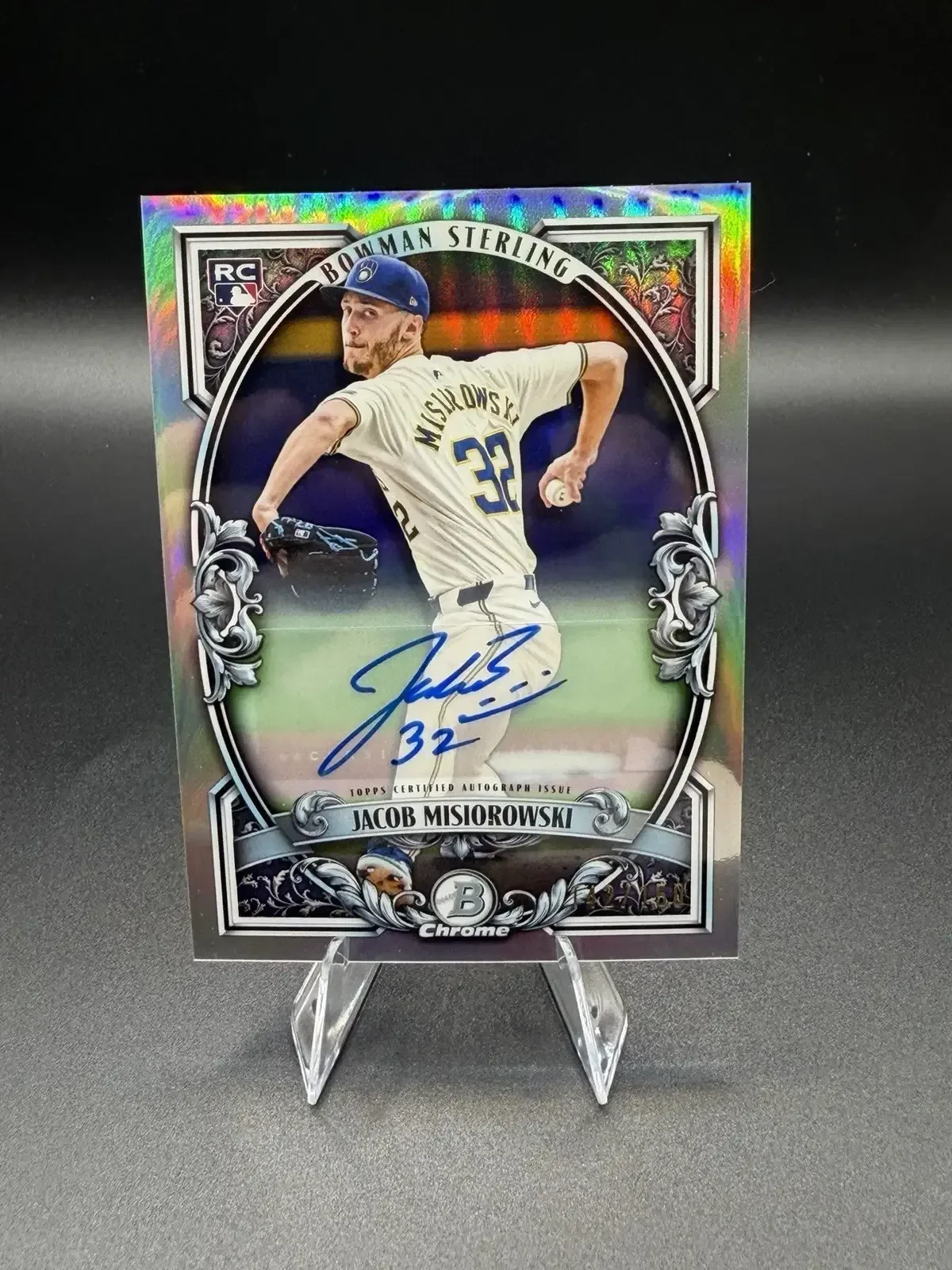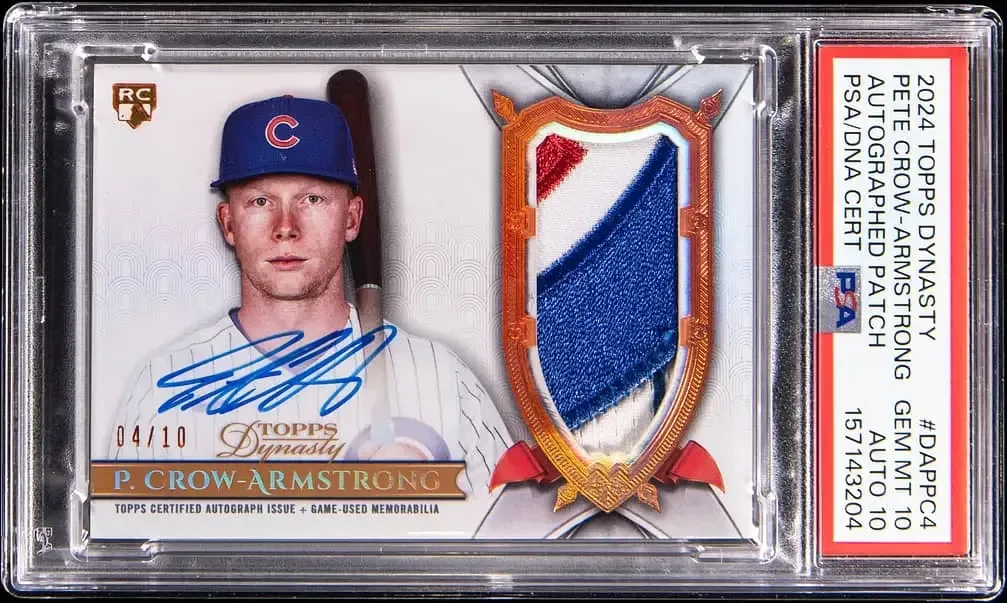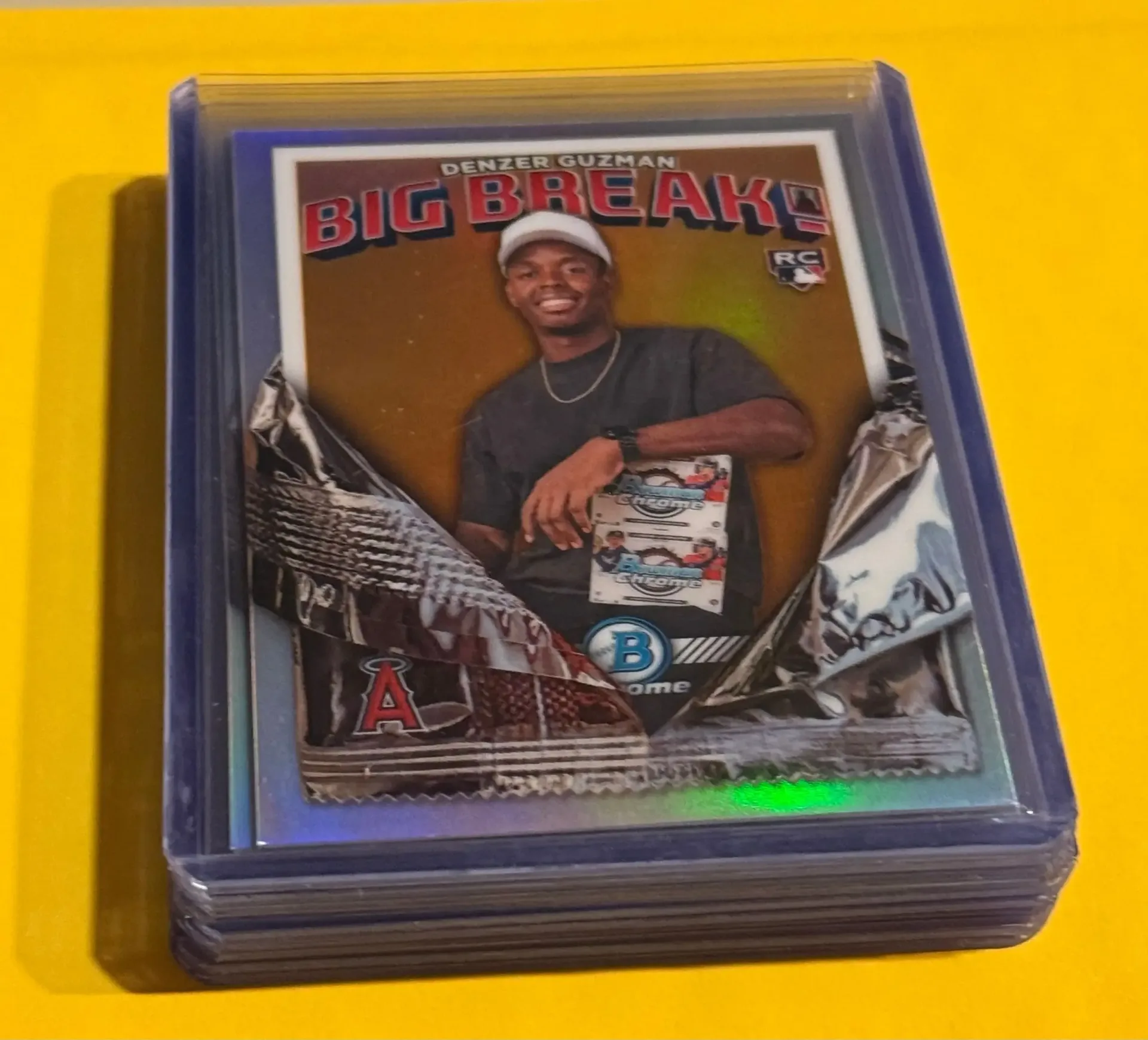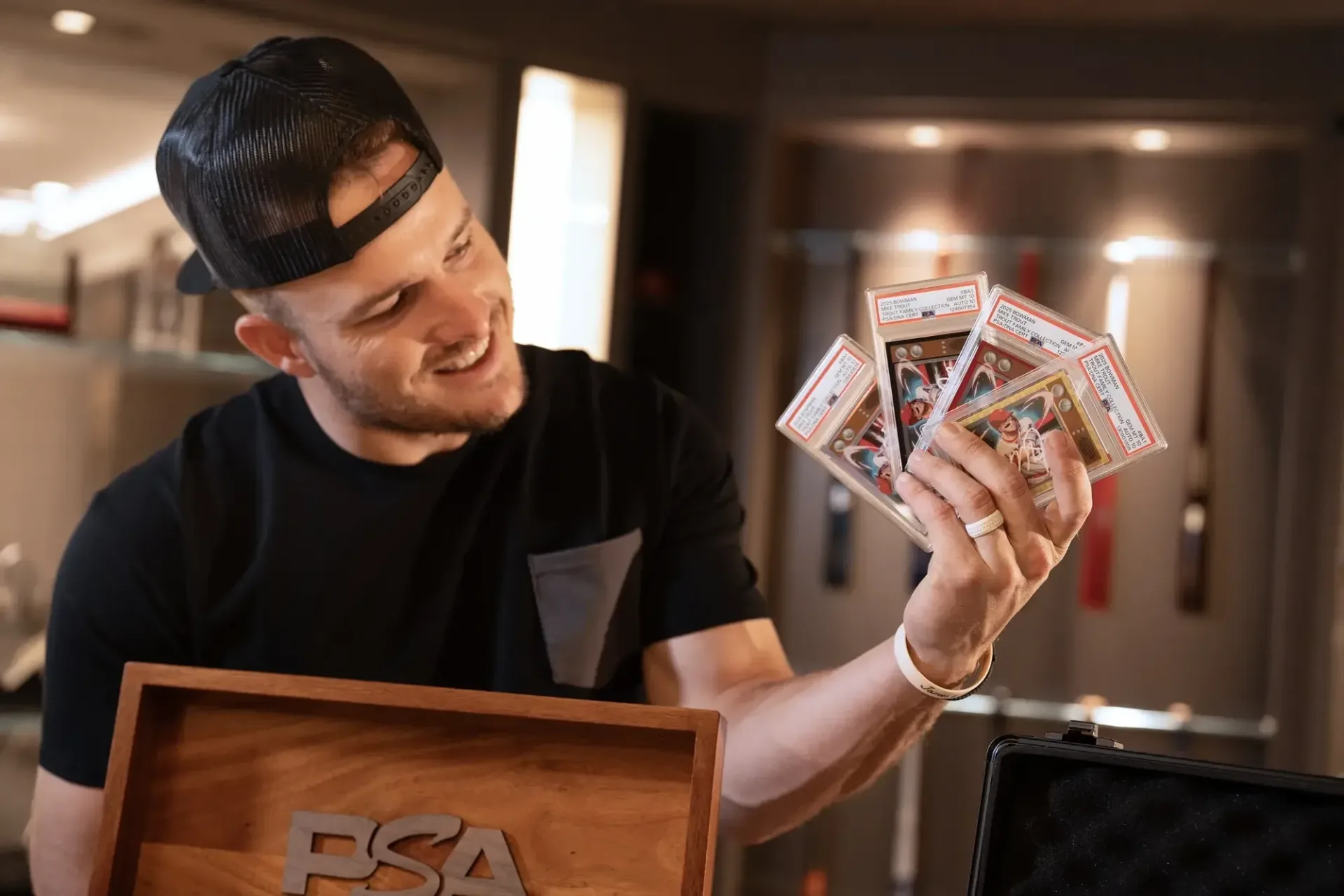
Mike Trout’s relationship with trading cards has never been limited to being the player pictured on them. The longtime baseball star says he collected as a child, visiting flea markets with his parents and picking up Pokémon cards alongside baseball cards. Collecting faded into the background as his baseball career accelerated, but he returned to the hobby during COVID and developed a particular interest in Bowman prospects.
That collector’s perspective is now moving into a business venture. Trout is involved with Generation One Collect, or Gen One, a new sports-collectibles company planned to begin with live card breaking. The company also intends to expand into original content and other experiences that bring athletes and collectors together.
The key word is planned. Gen One’s opening focus is clear, but the supplied details do not lay out a product calendar, specific break formats, platforms, pricing, or a timetable for the broader content ambitions. That makes the launch notable less for a long list of promises than for the role Trout expects to play: an athlete whose own cards are sought after, but who also knows the suspense, chats and shared reactions of joining a break as a collector.
What Gen One Collect is setting out to do
Gen One’s initial business is live breaking. In the card hobby, a “break” is an event in which sealed card products are opened and the results are shared with participating collectors. The appeal is partly the reveal itself: every pack has uncertainty, and a major pull can turn a routine opening into the moment everyone remembers. A live break adds a communal layer through real-time viewing and chat.
For more context, explore PS5 Padlock Icon Explained: Why a Game Is Locked and the Best Fixes to Try.
Trout has participated in breaks and joined collector chats himself. That experience helped convince him there was room to create something with the right group around it. Conversations about entering the collectibles field began in 2024, and Eric Mandelkern, described as a fellow Bowman enthusiast, became Gen One’s co-founder and CEO. Mark DeVita, Operations Manager for The Trout Group, has described the objective as a combination of live breaks, premium content and athlete participation that makes collectors feel more connected to the experience.
“I’ve been pushing for it, and I think having the right people involved is the big thing for me,” Trout said of the effort.
That framing is important. Athlete involvement can mean many things, from a name on a landing page to direct participation in the moments collectors actually value. Trout has said he wants to join live breaks, speak with collectors in chat rooms and be part of the excitement around big pulls. Gen One’s distinction, if it follows through on that intention, would be treating the athlete not merely as the subject of a card but as someone present for the social side of collecting.
Related coverage includes Mike Trout Enters Collectibles Business With Gen One Collect.
Why Bowman matters to Trout’s collecting story
Trout’s stated preference between two signature cards points directly to the kind of collecting that helped inspire Gen One. Asked to choose between his 2009 Bowman Chrome prospect card and his 2011 Topps Update rookie, he chose the Bowman 1st. He noted that it is not seen as often, but the personal reason carried more weight: he and his son Beckham pulled one together from the first pack in a box.
That is a useful reminder that rarity and market attention are not the only reasons a card can matter. A prospect card is associated with a player before the later milestones that make their name instantly recognizable. For Trout, the card’s meaning is tied to a family pull, not simply its position in the hierarchy of Trout issues.
The distinction also sharpens Gen One’s proposed identity. The company is being built by someone who can recognize the cultural weight of his own rookie-era cards while still gravitating toward a card connected to prospect collecting and a memory with his child. It is a more grounded hobby story than a simple celebrity endorsement, because the motivation described is about packs, chats, card shops and the people beside you when something exciting appears.
A launch built around kids opening packs
Gen One’s introduction is also designed to put that shared experience in front of younger collectors. “The First Rip” is being held alongside Trout’s youth baseball camp and will give children the opportunity to open Topps baseball packs. The point is not just to announce a brand online; it is to place a pack-opening moment inside an event where young baseball players and families are already gathered.
Trout has spoken about visiting card shops during spring and seeing children react when they pull a big card alongside parents and siblings. Those scenes appear to be central to what Gen One wants to reproduce: the hobby as a social activity, not only an individual search for a particular card.
For families, the practical implication is modest but meaningful. A child opening a pack at a camp event is being offered an entry point to the hobby through participation rather than a distant marketing message. It can create a memory even when the card itself is not a headline-level pull. Trout’s own favorite story about the Bowman card makes exactly that case: the card is inseparable from who was there when the pack was opened.
What athlete participation could change—and what remains unknown
Gen One enters a space where the live moment matters. A break is not just a stack of unopened packs; it is the anticipation before each reveal, the reactions that follow and the conversation that runs around it. A collector who has spent time in those settings can understand why the pace, communication and atmosphere matter as much as the card product.
Trout’s proposed active role could be meaningful because he approaches the hobby from both sides. He is a major-league player with highly sought-after cards, and he is also a collector who has opened boxes, joined chats and chased Bowman prospects. That overlap gives the company a credible starting perspective on what makes a break feel personal rather than transactional.
Still, collectors should separate the announced direction from details that have not yet been provided. Gen One has said it will start with live breaks and later pursue original content and additional athlete-and-collector experiences. It has not, in the information available, specified how often Trout will appear, what products will be opened, how access will work, or what the eventual experiences beyond breaking will look like. Those are the practical questions that will determine how the concept operates day to day.
For now, the clearest picture is a new venture anchored in Trout’s long-running connection to cards. His collecting began with flea-market trips and ranged from Pokémon to baseball. It returned years later through Bowman prospects and live breaks. Gen One turns that personal hobby arc into a business focused first on opening packs together, while leaving room for a larger athlete-led collectibles community to take shape.