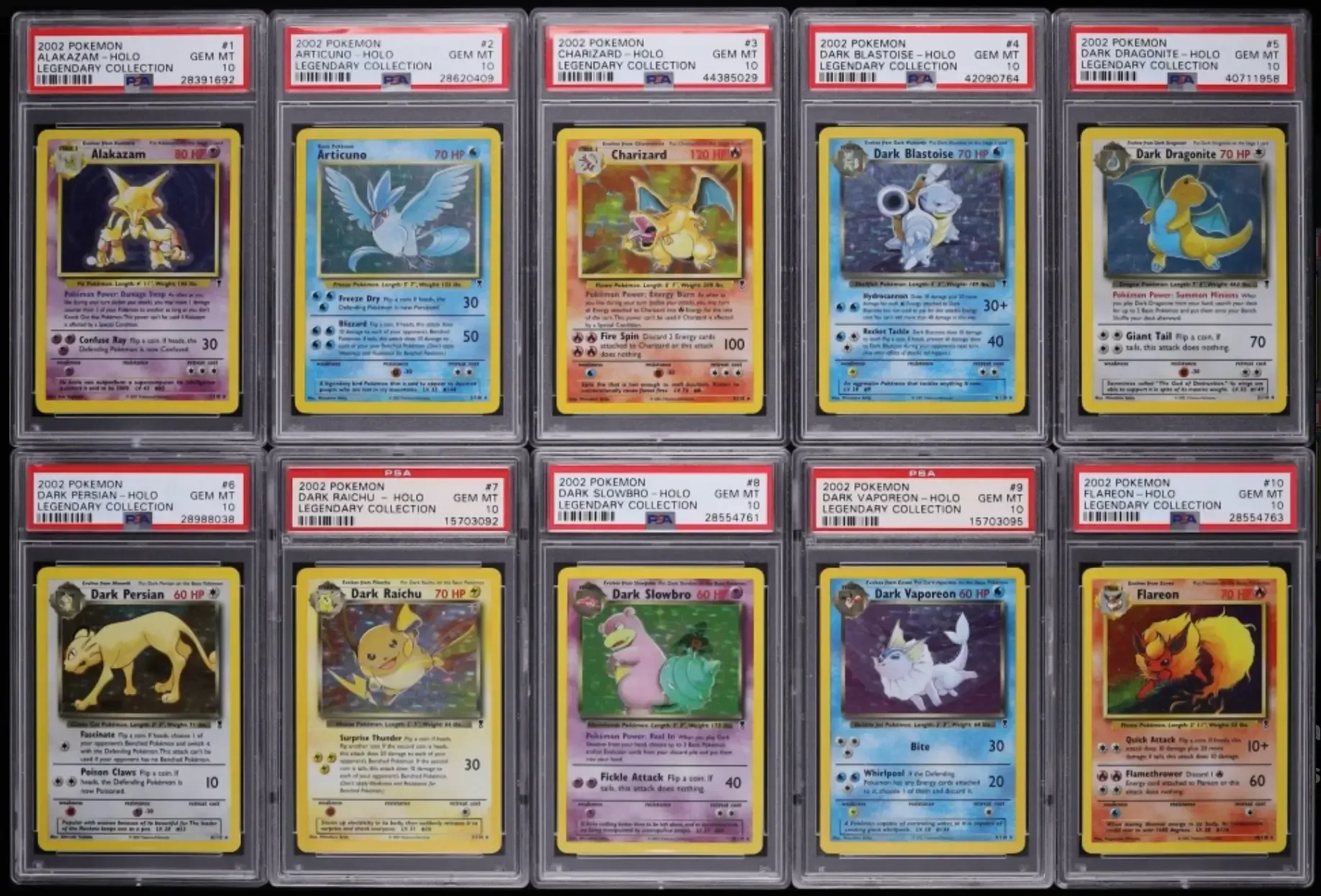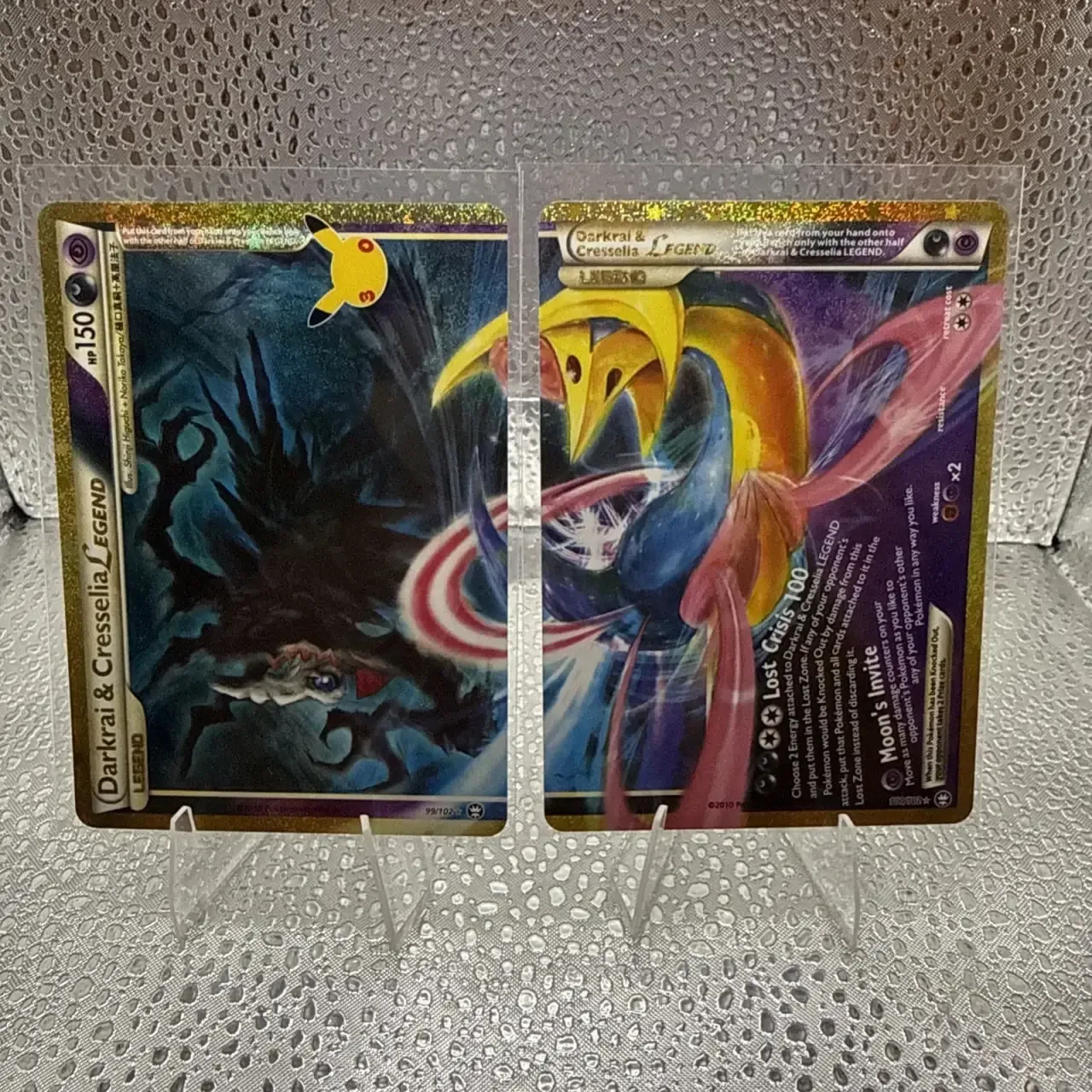
A rarity symbol is a clue to a Pokémon card’s identity, not a price tag. Before counting stars, establish the set and language. Different eras and products use different conventions, so a diagram from one release should not be stretched across every card bearing a Pokémon logo.
This guide explains the familiar English-language symbols and the changes introduced for the Scarlet & Violet Series. It is not an exhaustive catalog of every later expansion, promo, or Japanese rarity system.
The familiar three symbols
Pokémon’s official Scarlet & Violet design article confirms that the black circle, diamond, and star continue to indicate common, uncommon, and rare. For that series, two black stars identify double rare; two shiny foil stars identify ultra rare; and a gold star identifies illustration rare. Use the official rarity and card-design explanation to see the symbols rather than relying only on a typed approximation.
Other rarity categories and special products require the appropriate checklist. The exact set is therefore the first field to record, even if a seller’s headline spends most of its space on the word “rare.”
Read a card in a repeatable order
- Write down the card’s printed name.
- Record its collector number, including any denominator or prefix.
- Identify the set and language.
- Note the rarity symbol and the actual foil or finish.
- Compare those details with an official set checklist or card reference.
- Photograph front and back before adding condition notes.
This sequence avoids a common search problem: two cards showing the same Pokémon can have different artwork, numbering, finish, and release histories. Searching only the character name throws all of them into the same pile.
Keep finish separate from rarity
Describe what you can see without substituting a dramatic term. Note whether the illustration, background, or another part reflects light, then verify the correct product terminology. Ask for photographs at more than one angle when a listing’s lighting makes the finish unclear.
If you cannot confidently identify a variation, mark it unresolved in your inventory. Buying a known version later is usually a more satisfying collecting decision than repeatedly guessing at ambiguous photographs. Do not use a rarity symbol alone as an authenticity test either; counterfeit identification needs a broader examination of the item and its context.
Use rarity to organize, not to set your budget
You might build a binder around one expansion, a favorite artist, a character, or a particular style of illustration. A rarity field helps organize that collection. It does not tell you how much enjoyment a common card should provide.
For a purchase, compare the exact release and physical condition with appropriate completed transactions. Keep asking prices separate from completed sales, and do not apply a graded-card comparison directly to an ungraded copy. We do not publish invented live values for cards whose identity or supporting sales evidence has not been established.
Make one good record
Choose a card from your collection and build a complete entry with set, number, language, finish, condition, and location. Then use that as the pattern for future additions. It is a small task, but it turns a vague pile of “shiny Pokémon” into a collection you can understand, compare, and enjoy. For the physical side, see our card-storage guide.