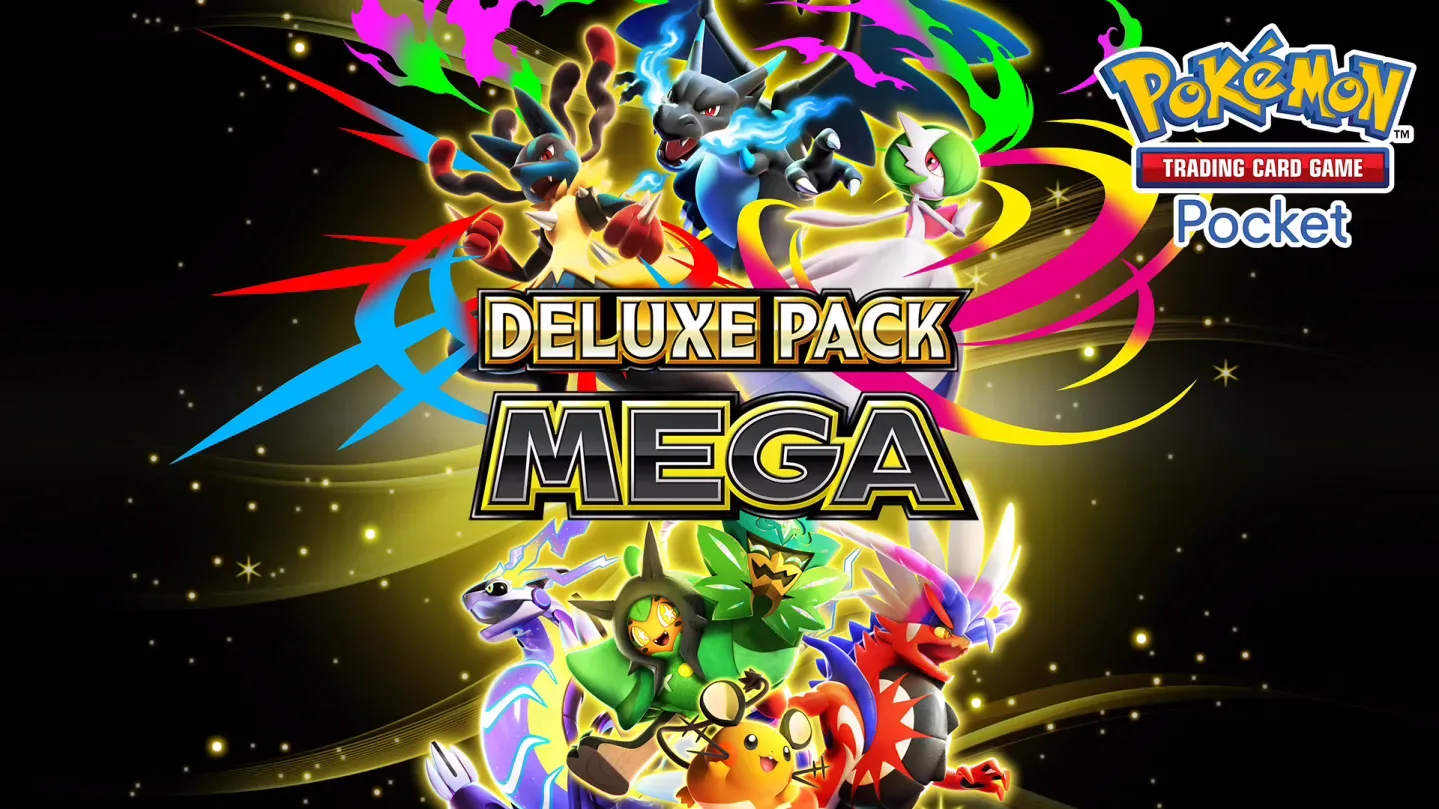
Pokémon Trading Card Game Pocket is planning a substantial change of pace when its next series begins at the end of October 2026. The headline adjustment is deceptively simple: new booster packs are expected to move from an approximately four-week cadence to roughly six weeks. But the planned update is broader than a calendar shuffle. It also includes the debut of dual-type Pokémon, collection-based missions that award immersive cards, a weekly-opening special pack, new promo-card missions, player deck sharing, easier rental-deck access, restricted-card battle events, and refinements to trading and sharing.
That is a lot of cards, menus and missions to put in one Poké Ball. The common thread is accessibility. The development team says player feedback indicated that the volume of cards released through the B series made collecting difficult. The new plan attempts to give each release more breathing room while filling that longer interval with activities for collectors and battlers.
Important caveat: these are development plans, not an unchangeable checklist. Features, contents and timing remain subject to change before or after the late-October update.
A longer wait between packs is meant to make collecting less frantic
Until now, booster packs have arrived on cycles of about four weeks. Under the new-series plan, the interval becomes roughly six weeks. The stated purpose is to let more players build their collections at their own pace rather than feeling immediately overtaken by the next influx of cards.
For a digital card game, a release cadence is more than a date on a calendar. Each new pack can alter the available pool of cards, create new collection targets and prompt players to reconsider their decks. A six-week cycle means players should have a longer period to pursue cards from a particular release before the following booster set arrives.
The team is not presenting the extended interval as downtime. It plans to expand collection- and battle-focused events and missions during the roughly six weeks between releases. The practical ambition appears to be a more deliberate rhythm: open packs, work toward collection goals, try decks, enter events, then prepare for the next card release. Whether that rhythm feels more relaxed will depend on the details of the events and mission requirements, which have not been laid out in full.
Dual-type Pokémon are planned to change deck-building questions
The incoming series is also set to introduce dual-type Pokémon. In straightforward terms, these are Pokémon associated with two types rather than one. The announcement does not yet explain their exact card rules, interactions or the types that will appear first, so players should not assume specific mechanical behavior before the update arrives.
Still, the addition matters because type identity is a basic part of how players think about a card and a deck. A Pokémon with two types could create new combinations and decision points in battle. Exactly how much it changes the competitive picture will rest on card text and rules that have not been detailed. For now, it is best understood as a planned expansion of deck-building possibilities, not a confirmed description of a particular strategy.
Related coverage includes Pokémon TCG Pocket Details October 2026 Update With New Series, Dual-Type Pokémon, and Easier Deck Building.
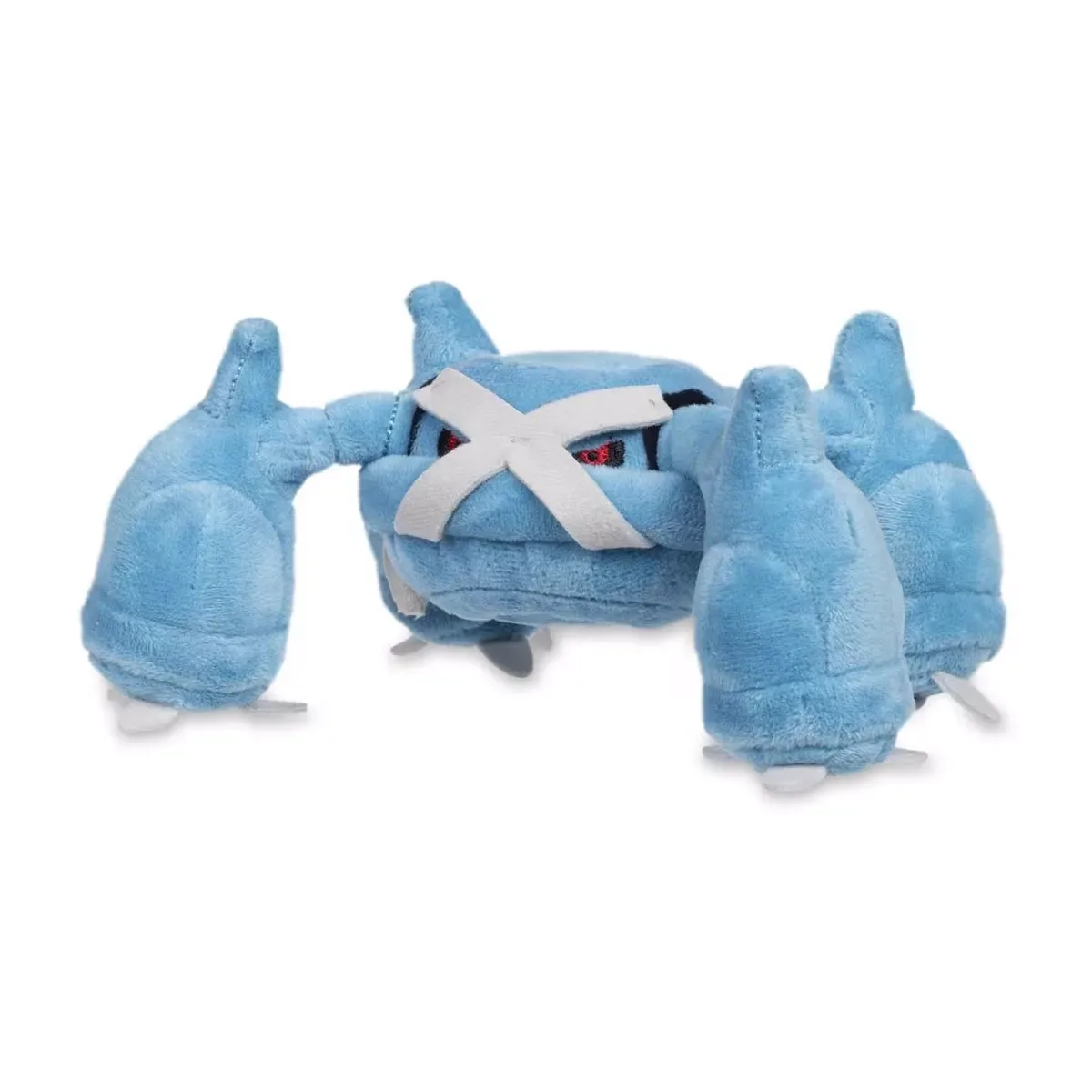
Players looking for Pokémon action outside the card app can also keep an eye on Metagross’s return to Pokémon Scarlet and Violet 7-Star Raids. It is a different kind of Pokémon challenge, but another reminder that preparation tends to matter when the monsters arrive with extra rules attached.
Collection missions will offer another route to immersive cards
One of the most significant collecting additions is the planned availability of immersive cards through missions. Immersive cards will still be obtainable from booster packs in the new series, but separate missions will allow players to earn different immersive cards by completing collections.
An immersive card is a card format with an immersive presentation rather than merely a standard card image. The announced change is notable because it gives collection completion a stated reward beyond simply increasing a player’s card total. It also separates the mission-awarded immersive cards from those found through opening booster packs, at least as described so far.
The exact collections required and the exact immersive cards on offer have not been specified. That distinction matters. “Complete collections” could encompass a range of targets, and the practical difficulty will depend on how those targets are constructed. What is confirmed is the intended direction: collecting will feed into mission rewards, creating a clearer bridge between owning cards and earning a special card presentation.
Special Pack: First Partners adds a weekly stamina gate
Another planned collecting feature is Special Pack: First Partners. It is expected to include special cards depicting the first partner Pokémon encountered in each of the nine regions that the Pokémon video game series has visited so far.
This will not operate like a normal booster pack. Special packs use special pack stamina, which recovers once per week. That makes the opening schedule itself part of the feature: players will have a recurring weekly opportunity rather than a conventional booster-pack routine.
The announcement does not state the number of cards in the special pack, the odds of receiving particular cards, or whether special pack stamina can be affected by other methods. It therefore would be premature to treat it as a replacement for normal pack openings. It is more accurately a parallel, weekly collection lane built around a clearly themed group of Pokémon.
Three weeks of missions are planned for ★1 promo cards
Event missions are also planned to award ★1 promo cards with illustrations tied together by a unified theme. New missions will be added each week for three weeks. Completing each set is intended to award one of three illustrated promo-card varieties.
A promo card is a promotional card distributed through a particular campaign, event or reward method instead of simply being part of a standard booster release. In this case, the important detail is the three-part schedule. Players interested in all three varieties will need to pay attention across the event’s weekly mission additions, rather than treating the content as a single one-day task.
Specific mission conditions, the illustration theme and the cards themselves have not been revealed. Still, the structure makes the objective clear: the system is designed to encourage consistent participation over three weeks while providing a defined illustrated-card reward for completing each set.
Community Decks should make copying a list much simpler
On the battling side, Pokémon TCG Pocket plans to add Community Decks. The feature will let users browse player-created decks within the game, including decks that are popular with players and decks made by friends, then copy those decks using the cards they already own.
That last qualification is key. Community Decks are described as a way to copy a deck with one’s own cards, not a way to instantly receive the cards necessary to finish it. In other words, it should reduce the friction of assembling a deck list, while collection ownership still determines what a player can build.
The game already has theme deck lists and 2D pattern codes as deck-building aids. Community Decks is intended as an additional in-game option. For newcomers, it could provide a more visible starting point than beginning with a blank deck and a rapidly growing card library. For established players, friends’ lists and popular decks could make sharing ideas more direct.
There are unanswered practical questions, including how popularity is measured, how decks will be presented, and whether there will be filtering or other discovery tools. Those details will determine how useful the feature is in daily play. The stated core function, however, is clear enough: see a deck, check whether your collection supports it, and create your own copy without rebuilding every choice manually.
Rental decks are planned to lose their use limits
The rental-deck revision may be the update’s most immediately welcoming battle change. Beginning with the new series, rental decks are planned to become available as soon as a new booster pack releases. They will have unlimited uses and will be playable in versus battles.
Rental decks were originally intended to make battling easier to approach, but feedback identified obstacles around how the decks were obtained, how often they could be used and the difficulty of choosing from a large set of options. The planned change responds directly to those concerns by moving access to the point of a booster release, removing the use cap and allowing use in versus play.
A rental deck is a ready-made deck that lets a player battle without first assembling every card choice from their personal collection. Unlimited use does not mean the announcement promises every deck will be equally strong, nor does it define the specific deck selection. It does mean a player should be able to try the available prebuilt options repeatedly, including in versus battles, without treating each match as a dwindling resource.
That could be particularly helpful when a new booster pack lands. Rather than needing to immediately decide which new cards are worth building around, players will have planned access to rental decks from the release itself. It is a sensible on-ramp for learning what new cards do before committing their own collection to a list.
Restricted battle events will encourage different decks
Limited battle events are also planned for a set period after each booster pack’s release. These events will use rules that restrict which cards are eligible, offering a format distinct from ordinary battling.
In card-game language, a restricted format is a ruleset that narrows the cards players may use. The announcement does not identify the restrictions, so it does not establish whether limitations will be based on a release, a card category, rarity or another condition. The essential point is that players will not necessarily be able to bring the same deck they use everywhere else.
Rewards are planned to include battle accessories, promo packs and additional items based on a player’s number of wins. This connects performance to rewards, while the team says the events are intended to remain approachable for people who have not yet tried battling. The balance between that accessibility and the win-based reward structure will become clearer once the event rules and reward thresholds are known.
Trading and sharing tools are slated for practical quality-of-life upgrades
Several smaller changes target the moments when players compare collections with one another. Planned trade improvements include a way to check cards of any rarity that are absent from a trade partner’s card dex. Sharing is also set to gain a feature that identifies cards on a share partner’s wishlist.
A card dex is the in-game record of cards registered to a player’s collection. Being able to see which cards are missing from a partner’s dex could make it easier to identify a potentially useful trade, while wishlist identification could make sharing more purposeful. Neither feature changes which cards are available, but both aim to reduce the guesswork around what another player needs.
Those tools fit the larger theme of the update. The planned six-week pack rhythm addresses the pace of collecting; mission rewards and special packs add alternative collection goals; Community Decks and unlimited rental decks lower barriers to battling; and trading improvements make player-to-player coordination clearer. It is a coordinated effort to make the spaces between booster releases feel more active without simply asking players to chase another pack immediately.
What players can plan for now
- Expect the new series and its first planned changes at the end of October 2026, while remembering that timing and content may change.
- Prepare for approximately six weeks between booster releases rather than the previous approximately four-week cycle.
- Watch for dual-type Pokémon, but wait for card text and detailed rules before drawing conclusions about their battle impact.
- Keep an eye on collection missions, especially the announced immersive-card rewards and the three-week ★1 promo-card mission structure.
- Use the incoming Community Decks and unlimited-use rental decks as low-friction ways to explore deck options after packs release.
- Check eligibility rules when limited battle events arrive; their restricted card pools are specifically meant to create a different deck-building environment.
As Pocket approaches its second anniversary, the planned October overhaul is less about one giant new button than about connecting its existing loops more cleanly. Open cards at a slower pace, collect with specific goals, borrow a deck without worrying about a use counter, copy a friend’s idea if the cards are already in your dex, and occasionally battle under a ruleset that asks for something new. For a game about both assembling cards and putting them to work, that is a notably practical set of priorities.