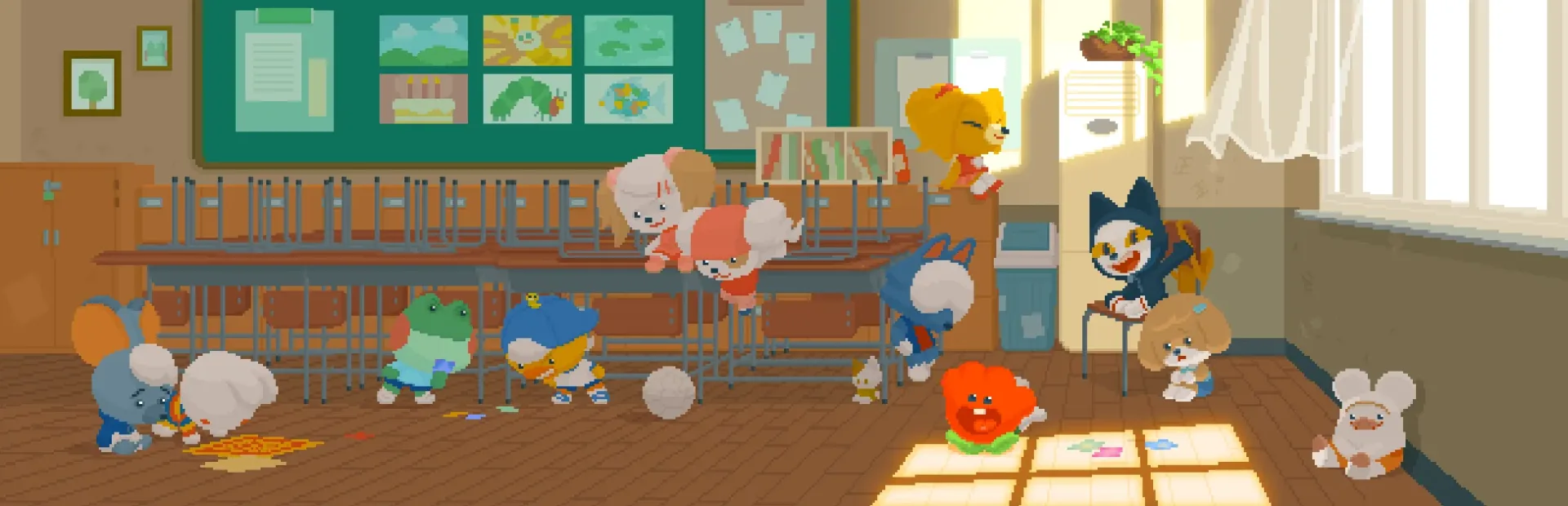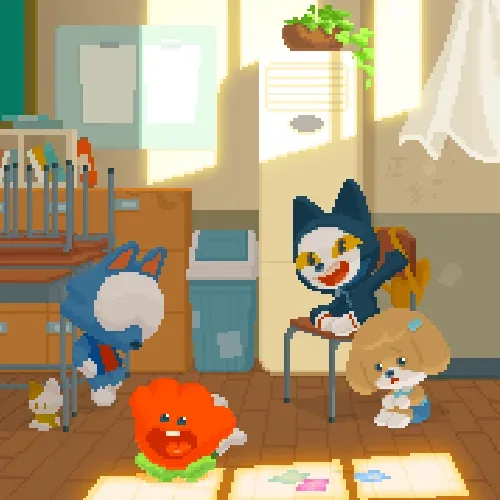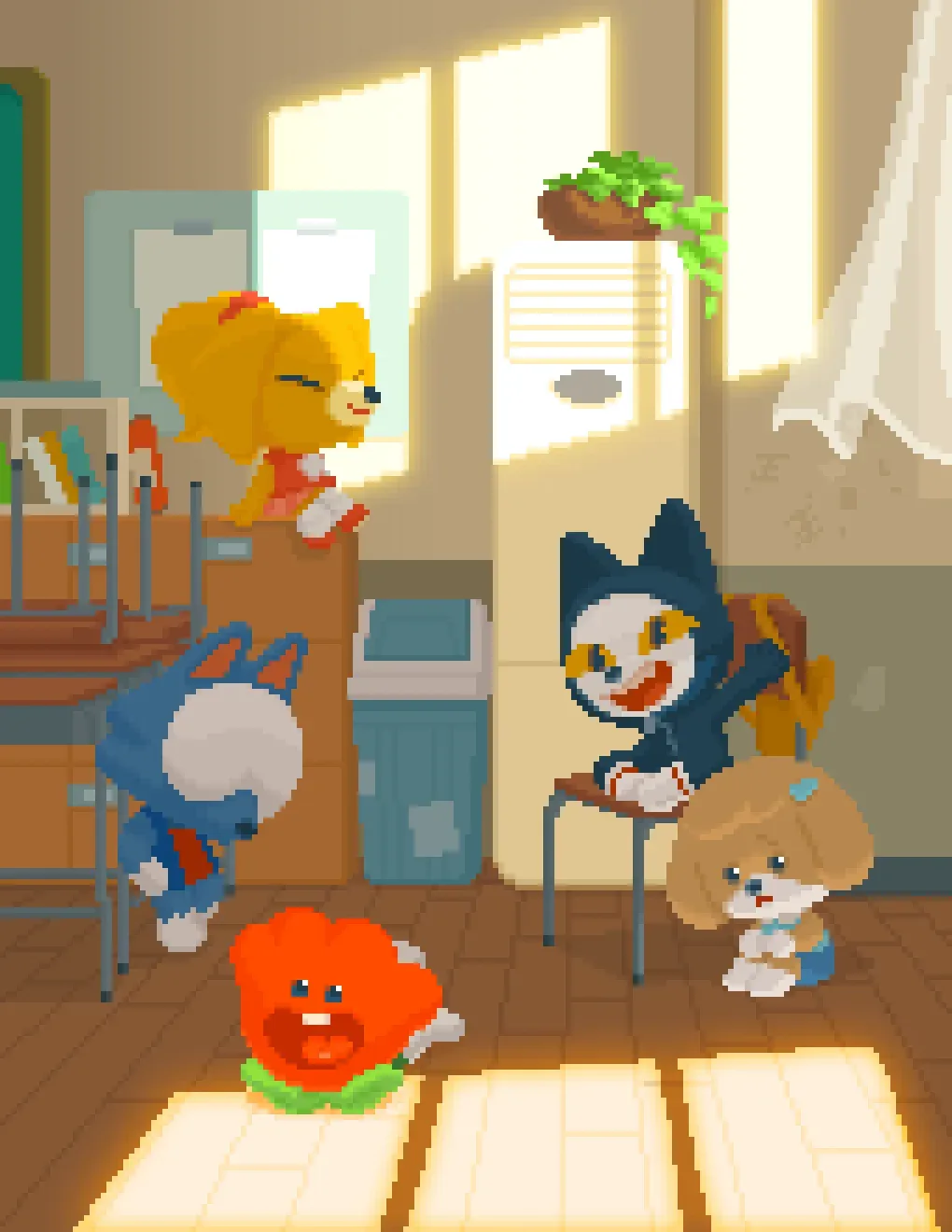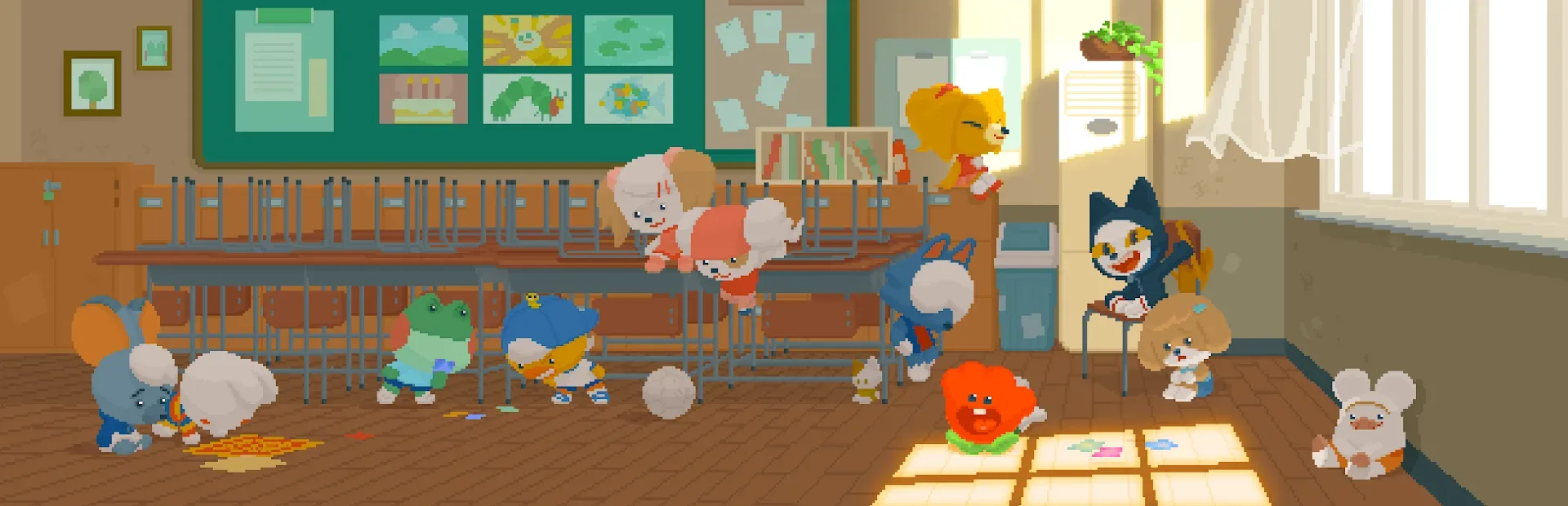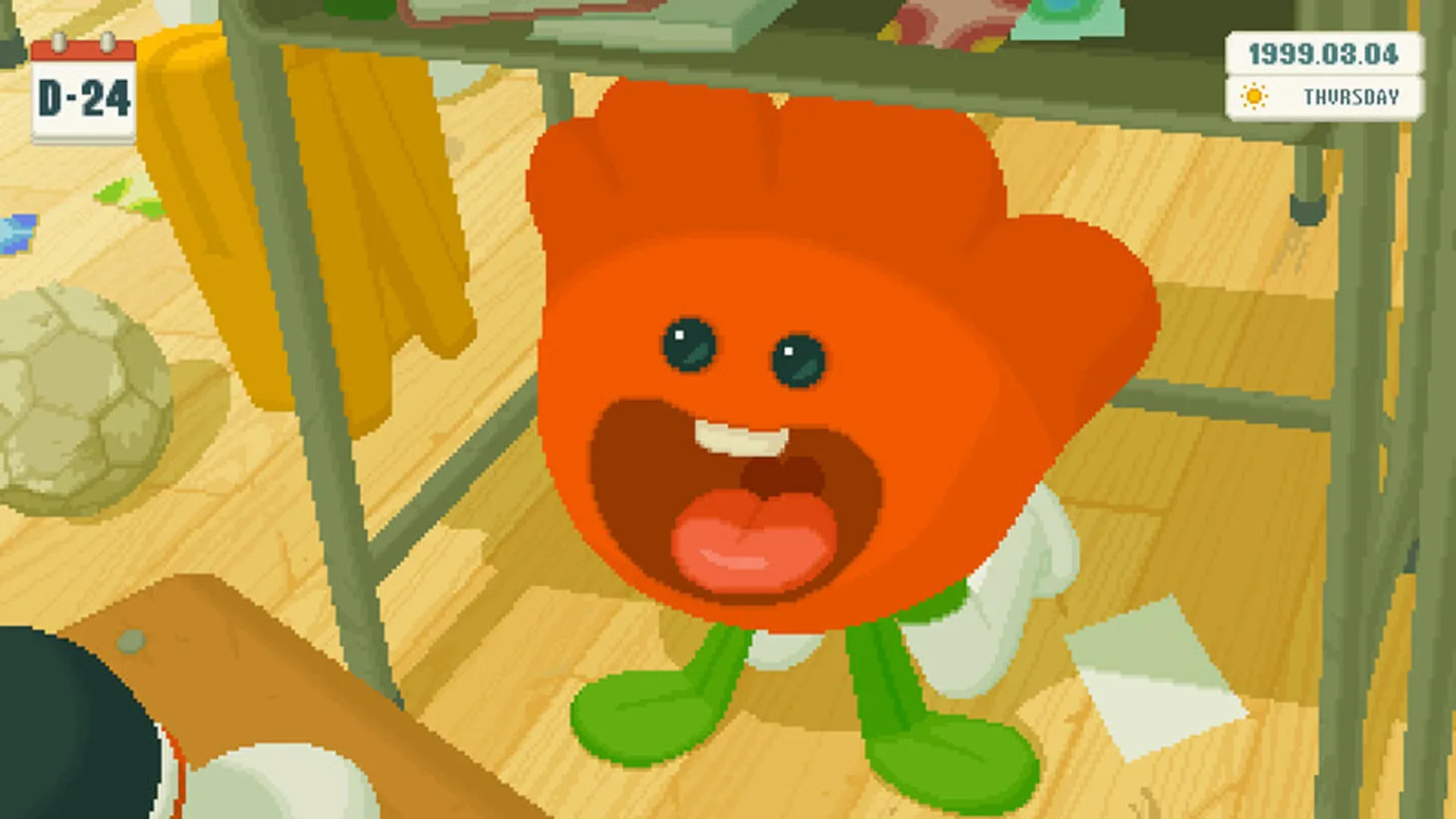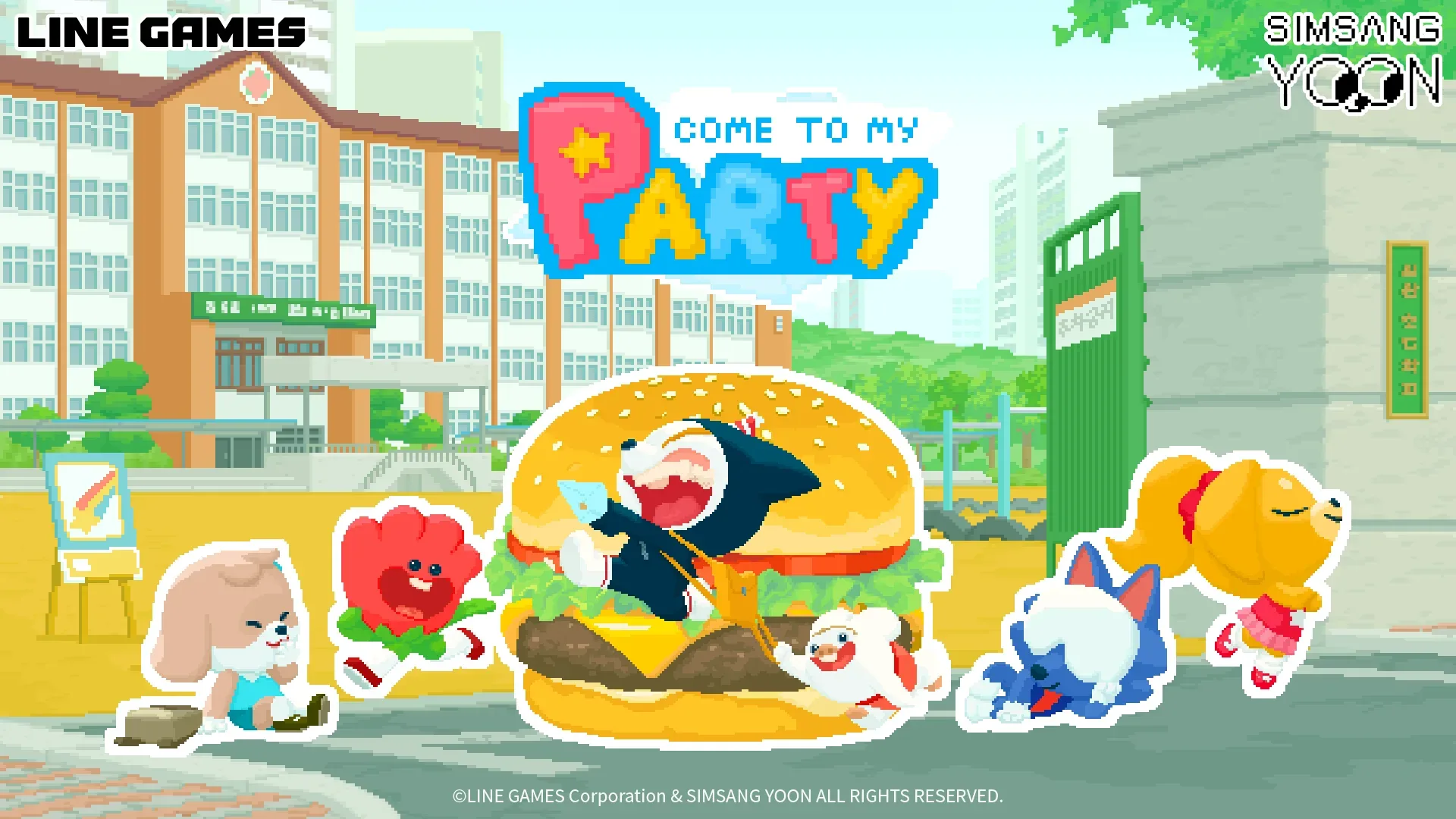
Come to my Party!, the dark-comedy visual novel from solo developer SIMSANG YOON and publisher LINE Games, is preparing an updated Steam demo around an unusually specific childhood ambition: 10-year-old Jimin wants to become class president so she can hold her own birthday party.
Demo 2.0 is slated to launch on Steam on October 16. The game is also set to appear in The MIX Fall Showcase that day, followed by Steam Next Fest, which runs from October 19 through October 26. There is one point worth flagging for prospective players: the announcement describes the revised demo as both arriving October 16 and being available ahead of Steam Next Fest. That language indicates an updated version is being positioned for the event period, but players should check the Steam listing to confirm its current availability.
A small goal with potentially complicated consequences
The premise is deliberately modest on the surface. Jimin is not trying to save a kingdom or escape a galaxy; she is navigating the social stakes of school life. Becoming class president is the route she sees toward the party she wants. That setup gives the story a clear immediate objective while leaving room for the awkwardness, competition and emotional pressure that can surround childhood friendships and status.
Its dark-comedy label suggests that the game will not treat the campaign as a purely sweet school tale. However, no specific plot turns or tonal details beyond that framing have been shared, so it is best to view the premise as a promise of a coming-of-age story with sharper edges rather than assume exactly where Jimin’s bid for office will lead.
The setting is South Korea in 1999, with everyday moments and schoolyard gossip drawn from experiences of growing up there during that period. In practical storytelling terms, a setting like this can do more than establish a date on a title card. It can shape the texture of conversations, the social rules Jimin must read, and the little routines that make a child’s world feel immediate. The available details do not lay out a broader historical plot, so the period should be understood as the game’s lived-in backdrop rather than evidence that it is a history lesson.
What “visual novel” means here
A visual novel is a story-led game form in which reading dialogue and narrative scenes is central to play. Choices commonly determine how relationships, scenes or conclusions develop. Come to my Party! follows that basic structure, but it is not presented as a completely passive reading experience: interactive mini-games are part of the package alongside its conversation-driven story.
The announcement does not identify the individual mini-games or explain their rules, so there is no basis to claim whether they are tests of timing, puzzles, or activities tied to particular story beats. What can be said is that they introduce a second way for players to engage with Jimin’s schoolyard world. For anyone deciding whether to try the demo, that distinction matters. The game is a choice-based narrative first, but it includes active interludes rather than being described solely as a branching text experience.
Its strongest stated replay hook is the number of outcomes. Player decisions can steer Jimin’s story to one of 12 endings. An ending count does not automatically reveal how radically each path differs; some games use branching choices for entirely separate routes, while others use choices to change key scenes and the final resolution. The announcement does not specify the structure here. Still, 12 possible conclusions makes clear that the decisions are intended to carry weight beyond a single cosmetic dialogue response.
Related coverage includes Come to my Party! Demo 2.0 Set for October 16 Steam Launch.
Choices, gossip and the pressure of fitting in
Schoolyard gossip is among the game’s named ingredients, and it is a fitting mechanism for a story about campaigning among classmates. Gossip can function as background color, but in a choice-driven story it can also create uncertainty: which classmate can be trusted, what information travels, and whether an apparently harmless decision changes how someone sees Jimin.
Those are possibilities suggested by the premise rather than confirmed systems. The important confirmed point is that choices influence Jimin’s route to one of the game’s endings. The demo gives players a chance to see how the game communicates those choices, how much interaction sits between scenes, and whether its dark humor lands for them before the broader Steam Next Fest window begins.
A hand-crafted production claim
SIMSANG YOON is described as the game’s solo developer, and Come to my Party! is positioned as a personal, hand-crafted coming-of-age work. The project’s art and storytelling are explicitly described as entirely hand-crafted, with no AI-generated content.
That claim is useful context for readers who pay close attention to how a game’s visuals and writing are made. It should not be inflated into a statement about the game’s production schedule, budget or development process beyond what has been said. But it does clearly communicate the creative emphasis: this is being presented as an authored work built around a specific individual perspective, rather than a broadly defined school-life scenario.
That perspective is especially relevant to the 1999 South Korean setting. Games often use a school setting as a familiar universal shorthand, while this project identifies a particular cultural and temporal point of view. The result may be most interesting to players looking for a narrative that centers childhood-scale concerns—friendships, rumors, ambitions and embarrassment—without pretending they are trivial to the child experiencing them.
What the October schedule means
October 16 is a busy marker for the game: it is the listed Steam date for Demo 2.0 and the date of its planned presence in The MIX Fall Showcase. Steam Next Fest begins three days later, on October 19, and continues until October 26.
For players, the sequence creates a straightforward opportunity to sample a narrative game before or during a major Steam demo-focused event. For the developer, it puts the update alongside two discovery opportunities: a showcase appearance and Next Fest’s concentrated audience of people browsing playable previews. Neither placement tells us anything about the final game’s release timing, content scope or price, none of which has been provided.
It is also a reminder that a demo update can be meaningful even when the premise has not changed. A “2.0” label signals a newly updated build, but the available information does not list revisions, additions or fixes compared with an earlier demo. Players who have already tried it should therefore avoid assuming particular new scenes, endings or mechanics until the Steam page details them.
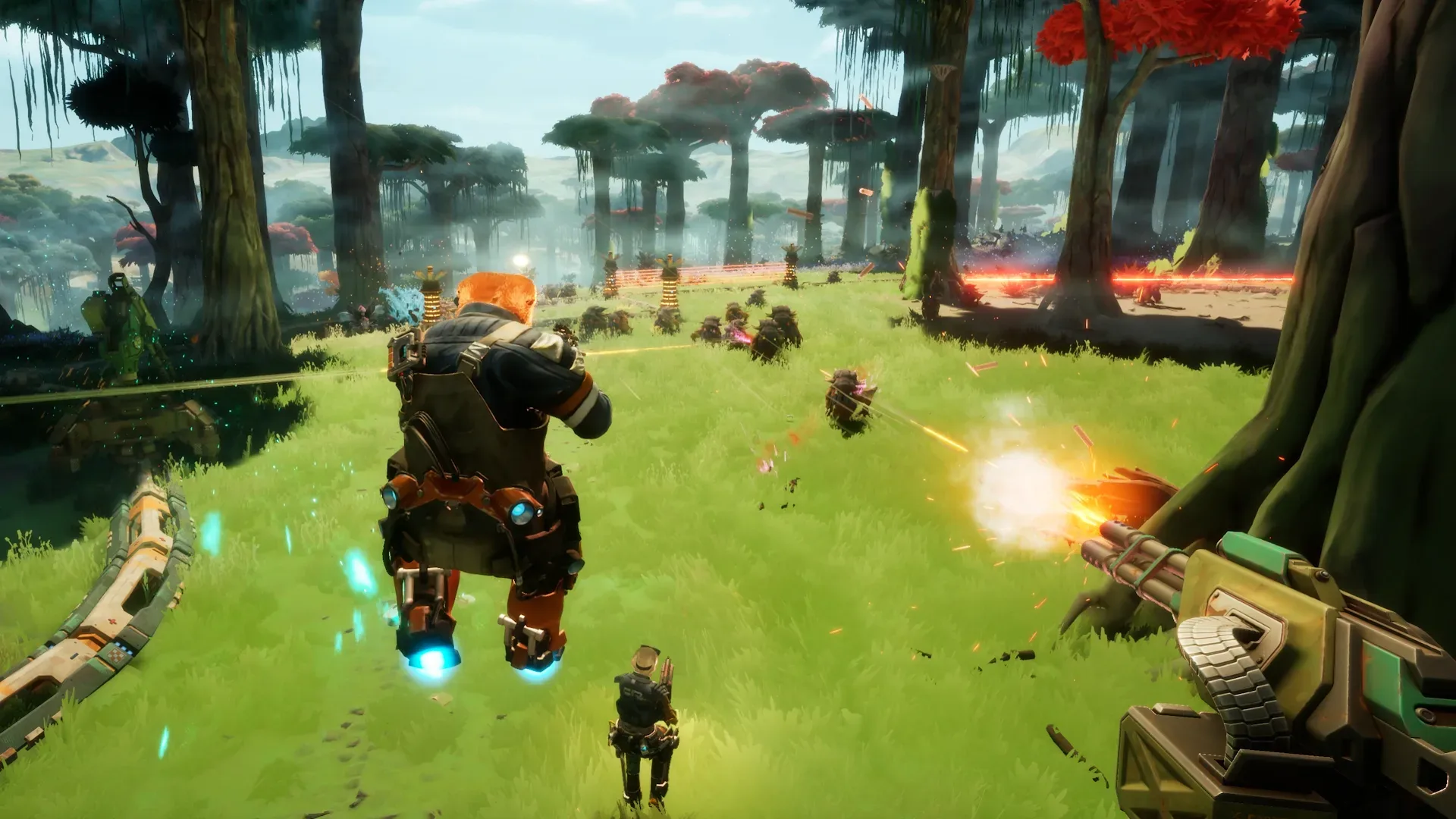
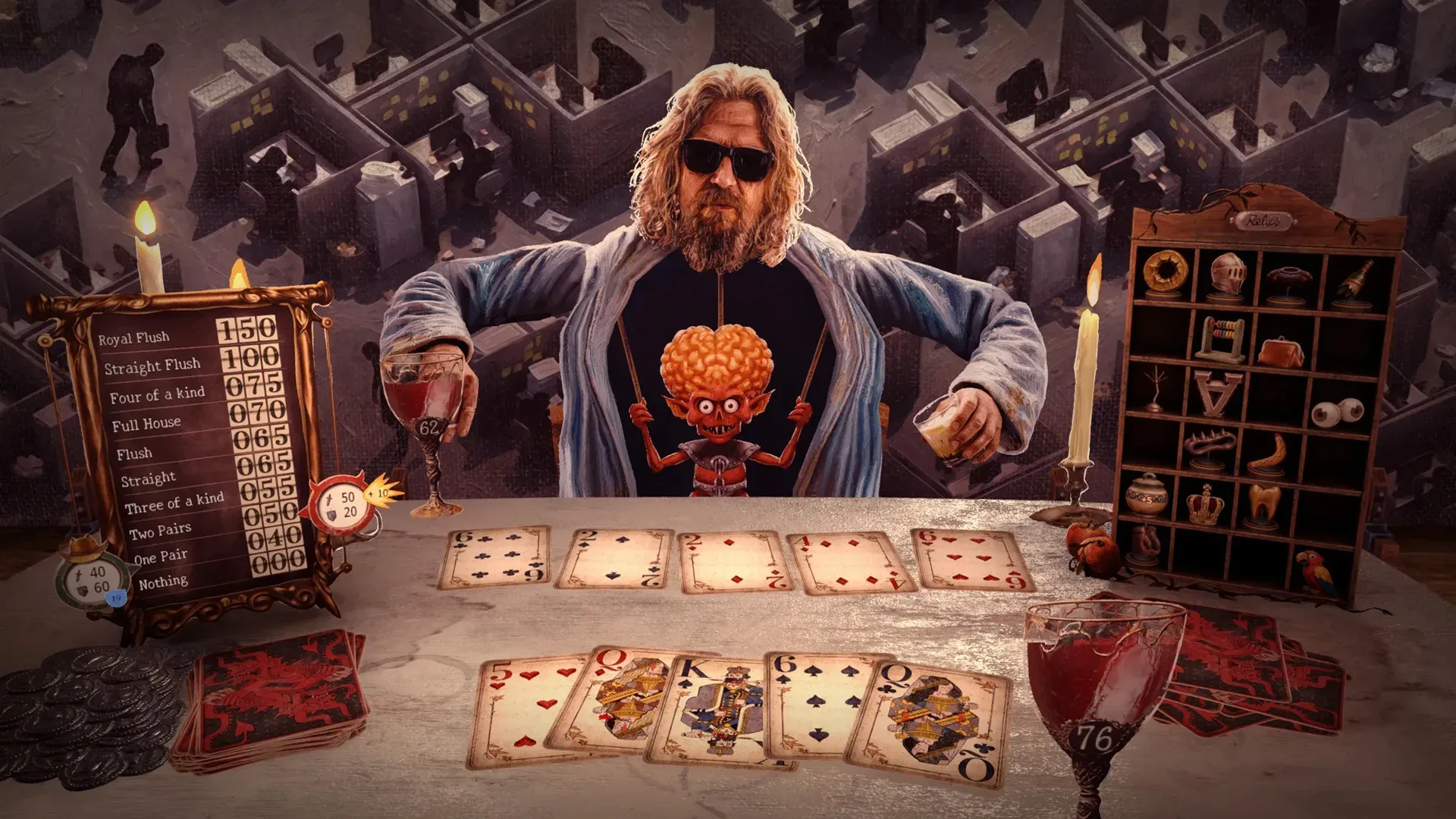
Steam’s October demo calendar has other projects vying for attention, including GRAVHOUNDS’ co-op expedition demo, but Come to my Party! occupies a very different corner of the lineup. Its focus is not a mod deck or team-based action; it is a child’s intensely local political campaign, conveyed through choices, mini-games and a personal coming-of-age lens.
Who may want to keep an eye on it
- Visual-novel players: The 12-ending structure offers a stated reason to revisit the story and compare the consequences of choices.
- Fans of coming-of-age fiction: Jimin’s goal is grounded in the earnest, high-stakes logic of being 10 years old, rather than an epic-scale conflict.
- Players seeking a distinct setting: The game’s 1999 South Korean school-life backdrop is a central part of its identity.
- People interested in authored indie work: The project is credited to a solo developer and specifically emphasizes hand-crafted art and storytelling without AI-generated content.
For now, the clearest facts are the premise, the branching-ending count, the inclusion of mini-games, and the October 16-to-26 showcase and festival period. The details that remain unannounced—such as the exact changes in Demo 2.0 and the full game’s release plans—are precisely the areas where players should wait for further information rather than read more into the campaign than has been revealed.