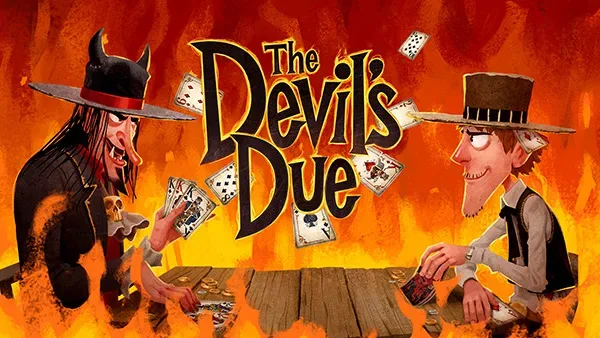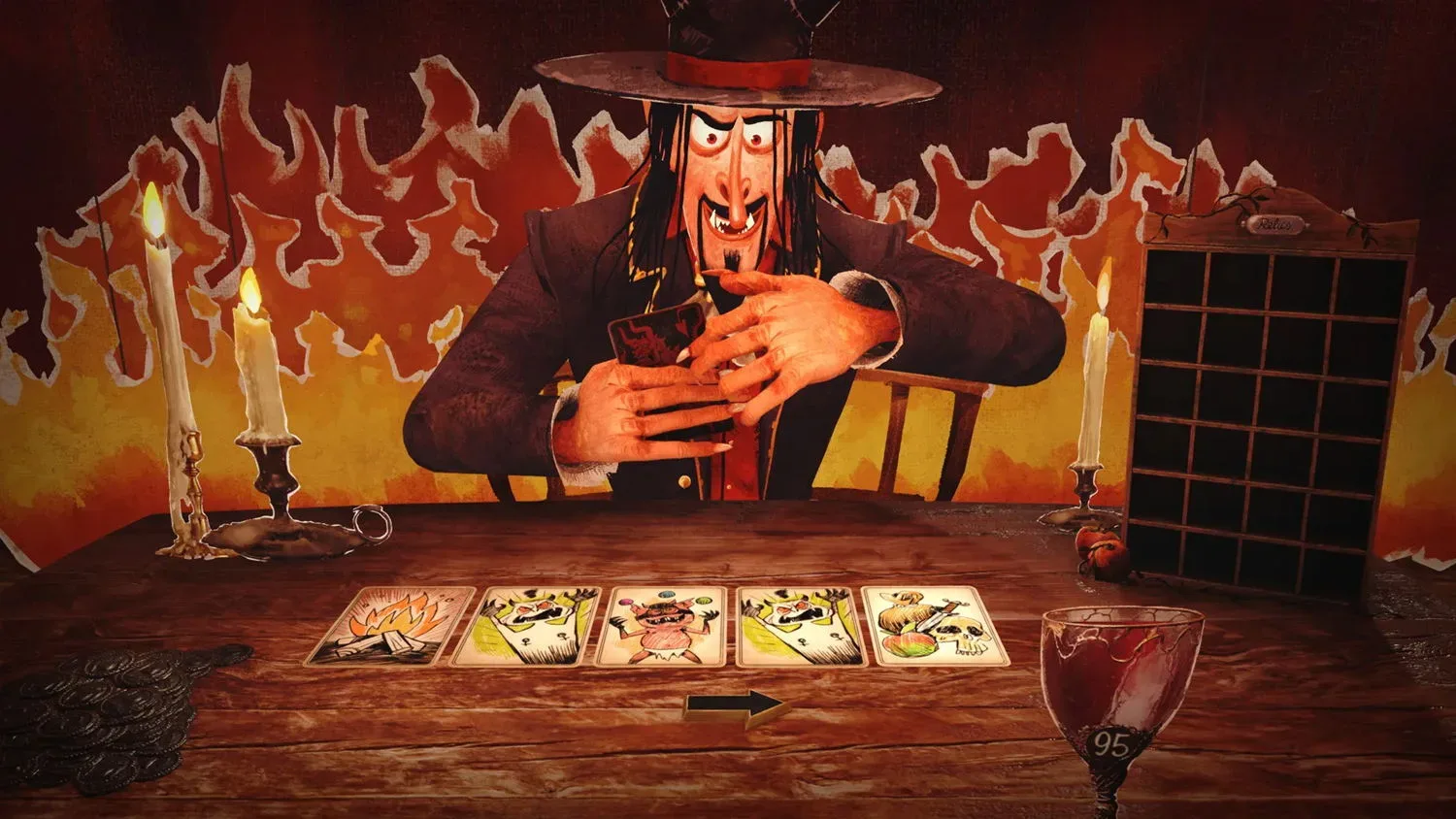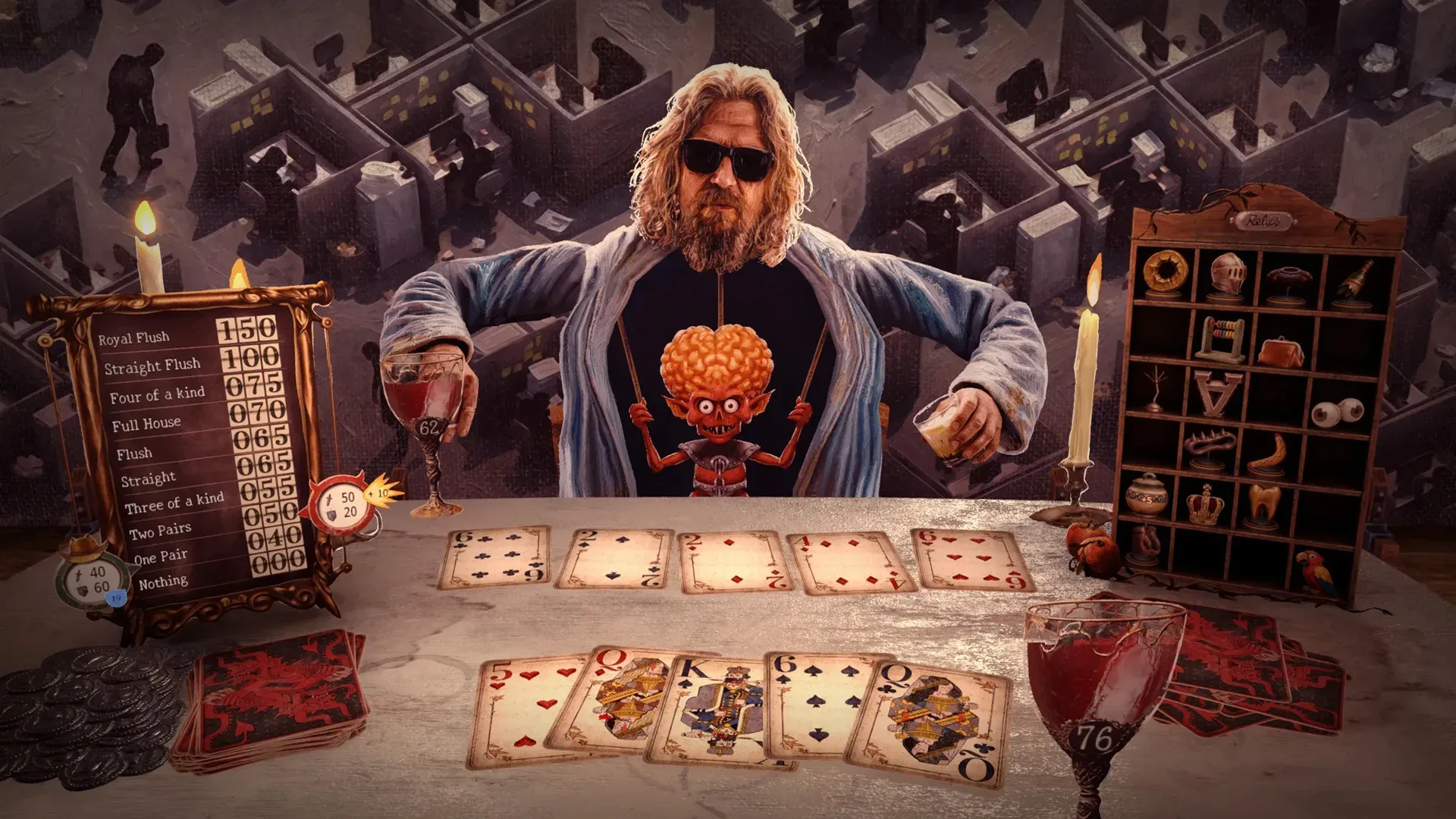
The Devil’s Due, a poker-focused roguelite from Norwegian developer Games People Play, is set to launch on Steam on November 10. Its premise puts a knowingly infernal spin on the card table: after losing their soul to the Devil in a poker game, players must work their way through Hell by beating, bluffing and cheating demons associated with the seven deadly sins.
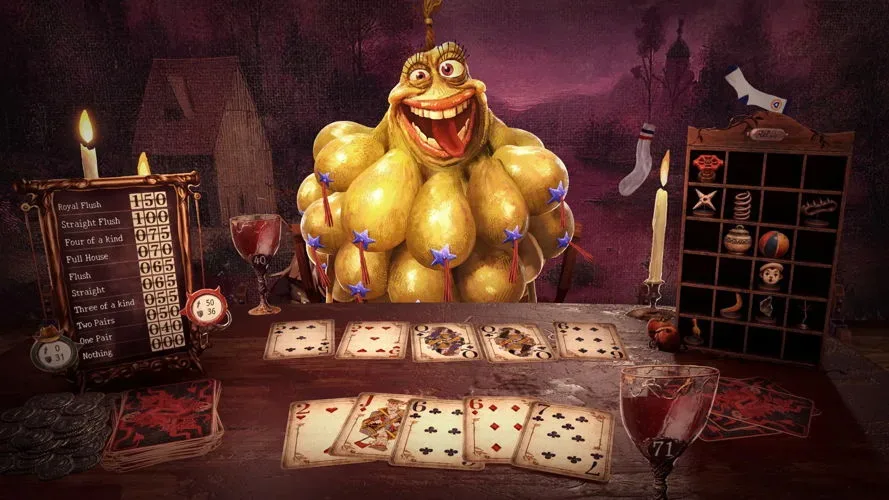
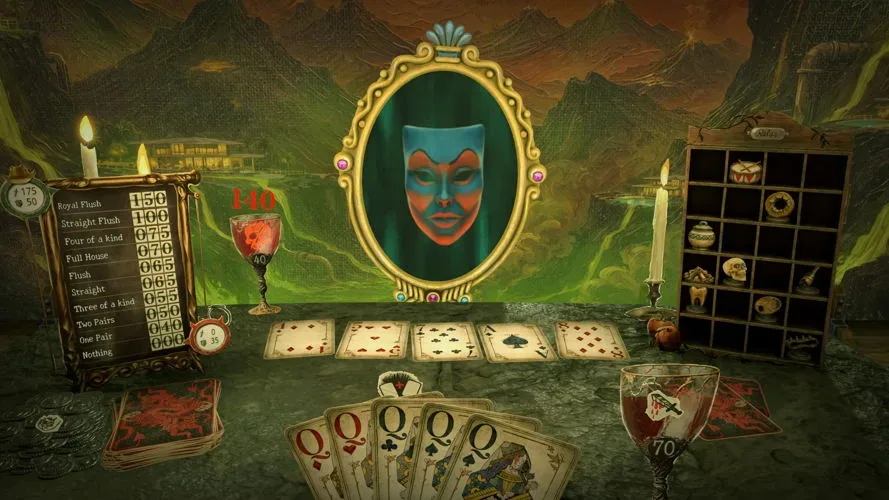
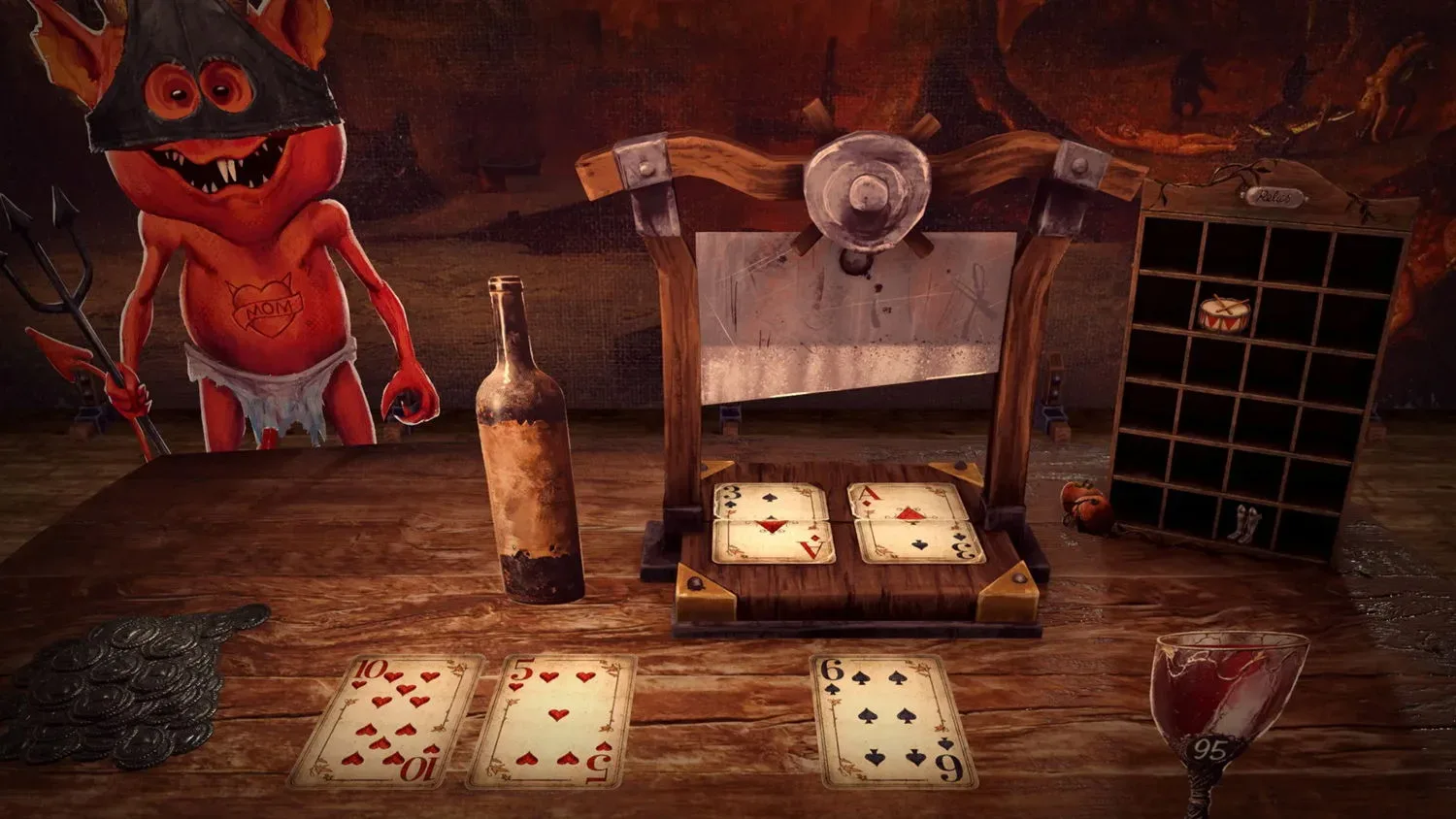
The core idea is not simply to assemble the strongest hand possible. Poker hands serve as attacks, individual card values are used for defense, and the player can interfere with the usual rules through an expanding set of cheats. Swapping hidden cards, increasing values and sabotaging opposing hands are among the dirty tactics described for the game. The catch is that cheating is visible enough to create consequences: every use raises an enemy suspicion meter, and excessive suspicion leads to punishing counterattacks.
That creates the central tension for a game built around dishonesty. A cheat may save a bad hand or help secure a decisive turn, but it also makes the next decision less comfortable. The safer play could preserve the meter but leave a player at the mercy of an unfavorable deal; the riskier move can repair the immediate situation while inviting a devastating response later.
“The goal was to make poker feel like poker. Not an abstract optimization puzzle. It’s about chaos, bluffing, desperation, and figuring out how to cheat just enough to survive without getting caught.” — Jack Kristoffersen, game designer at Games People Play
Poker hands are only one part of the fight
The Devil’s Due frames its encounters as card-table battles rather than conventional combat. Building a strong poker hand is the offensive component, while card values have a defensive job. This matters because poker’s recognizable hand rankings alone would not necessarily make an effective roguelite battle system. The defensive use of values gives cards a second purpose: a card that does not complete the ideal hand may still be valuable for surviving the opposing demon’s move.
The announced cheats push further into direct manipulation. Hidden-card swaps suggest information itself can be altered; value boosts change the numerical strength of a card; and enemy-hand sabotage shifts the conflict away from merely improving one’s own draw. The result, based on the described systems, is a game where reading the board includes more than asking whether a flush or full house is possible. Players also need to weigh what they can change, what those changes will cost in suspicion and whether the opponent is close to a counterattack.
What “roguelite” means here: a run can end in death and return the player to the beginning, but the game includes progression that persists beyond that failed attempt. In The Devil’s Due, those permanent gains include upgrades, new cheat cards, relics and additional strategic options. That distinction is important: losing a run does not mean returning with exactly the same toolkit. The stated structure is intended to open more possibilities for later trips into deeper levels of Hell.
Relics are included among the discoveries available across runs, though their individual effects have not been detailed. In broadly useful terms, a relic is an item that changes what a player can do or how they approach decisions; here, it sits alongside permanent upgrades and cheat cards as part of the game’s progression system. Players should not assume every future run will play identically simply because poker remains at the center.
Related coverage includes The Devil’s Due Brings Roguelite Poker and Demonic Cheating to Steam on November 10.
Suspicion is the pressure behind every cheat
The suspicion meter appears to be the game’s clearest answer to an obvious design challenge: if cheating is always available and has no meaningful downside, it stops being a decision and becomes a default button. By tying each cheat to rising suspicion, Games People Play is positioning rule-breaking as a resource-management problem.
In practical terms, players will likely have to decide when an imperfect poker result is tolerable and when it is worth attracting notice to force a better outcome. The mechanic could make emergency interventions particularly valuable. A player might accept a mediocre result to keep suspicion low during one exchange, then spend that safety margin on a cheat when an opponent’s threat makes a conventional hand too dangerous.
That is analysis of the system as described, not confirmation of a particular optimal strategy. Specific meter thresholds, the exact form of each counterattack and how quickly suspicion changes have not been detailed. What is clear is the intended dramatic rhythm: cheat to survive, but do not assume the table will permit endless cheating without retaliation.
The developer’s emphasis on bluffing also suggests that uncertainty is meant to be part of the appeal, not merely a statistical nuisance. Poker is often reduced in games to the visual language of cards and hand rankings. The Devil’s Due is explicitly aiming for a more volatile version of the fantasy, one built around desperation and just-enough fraud rather than clean optimization.
Tarot cards map the route through Hell
Combat is not the only choice layer. At the beginning of each level, the Devil presents tarot cards that determine a route through the area. Those paths can contain monsters, bosses, shops, healing shrines and minigames. The game encourages players to bend the path, in keeping with its broader interest in refusing to follow the intended rules.
Tarot is therefore being used as a route-planning device rather than simply a visual theme. Choosing a route can mean weighing recovery against potential rewards, or a shop visit against a dangerous fight. The source material does not specify exactly how paths can be altered, so players should avoid assuming that every route node is freely interchangeable. Still, the stated ability to bend the path means the tarot layout is meant to be something players interact with rather than passively accept.
The presence of healing shrines gives recovery a defined place in the route structure, while bosses mark higher-stakes destinations. Shops add another thematic wrinkle because they can be scammed. That detail makes merchants more than a conventional between-battle upgrade stop: they are also another possible venue for the game’s rule-breaking. The exact outcomes and risks of scamming a shop have not been outlined.
Minigames likewise contain opportunities to break rules. They are not described in enough detail to identify their formats, but their inclusion signals that cheating is not confined to combat. This is a useful distinction for prospective players: the game’s central mechanic is meant to shape its wider run structure, including detours and downtime between demonic card battles.
A Hell run built around discovery
Between encounters, players plan their run, visit shops and encounter minigames, while repeated attempts reveal new cheats and relics. This gives The Devil’s Due two related forms of progression. One is the immediate, run-by-run question of navigating the tarot route and surviving the next demon. The other is the longer-term accumulation of tools after death sends a player back to the start.
Permanent progression can reduce the feeling that an early defeat has erased all momentum, but it also means strategy may change as the available pool of cheats and relics grows. A newly unlocked cheat could make a player look differently at particular hands, defensive values or route choices. Since the game is promising a steady flow of cheats and relics to find, learning what each tool is for may be as important as recognizing poker combinations.
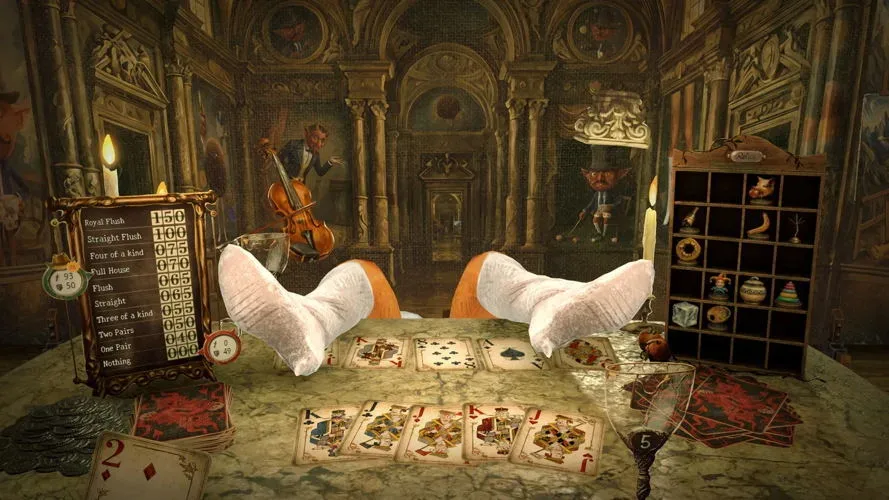
Its presentation is described as having animation inspired by Monty Python, fitting a premise in which infernal damnation is treated with absurdist mischief rather than solemn horror. That tonal choice aligns with the idea of scamming Hell’s shops and treating the Devil’s tarot path as negotiable. It also helps distinguish the game’s demons and deadly-sin inspiration from a straight-faced descent through the underworld.
What to expect on November 10
When The Devil’s Due reaches Steam, its fundamental loop will be poker-driven combat under pressure: make offensive hands, use values defensively, manipulate the cards when necessary and avoid generating so much suspicion that the enemy punishes the deception. Tarot-guided routes, bosses, healing shrines, shops and minigames supply the choices around those tables, while persistent unlocks give failed runs a path toward more options.
For players looking at the November PC slate, the game joins other upcoming Hell-themed adventures, including Chained Together’s Corporate Hell map. The Devil’s Due, however, is placing its own wager on poker’s particular mix of luck, nerve and opportunistic misbehavior.
The major unknowns are in the details: how many cheats and relics are available, how the individual demons differ, how route-bending works and how severe a suspicion-triggered counterattack can be. Those questions will shape how much room the game gives players to turn a losing deal around. For now, its pitch is admirably direct: escape Hell by playing poker well enough—and cheating carefully enough—that the Devil regrets letting you sit down.