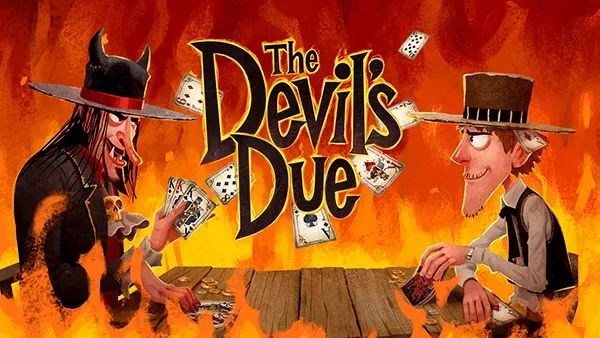
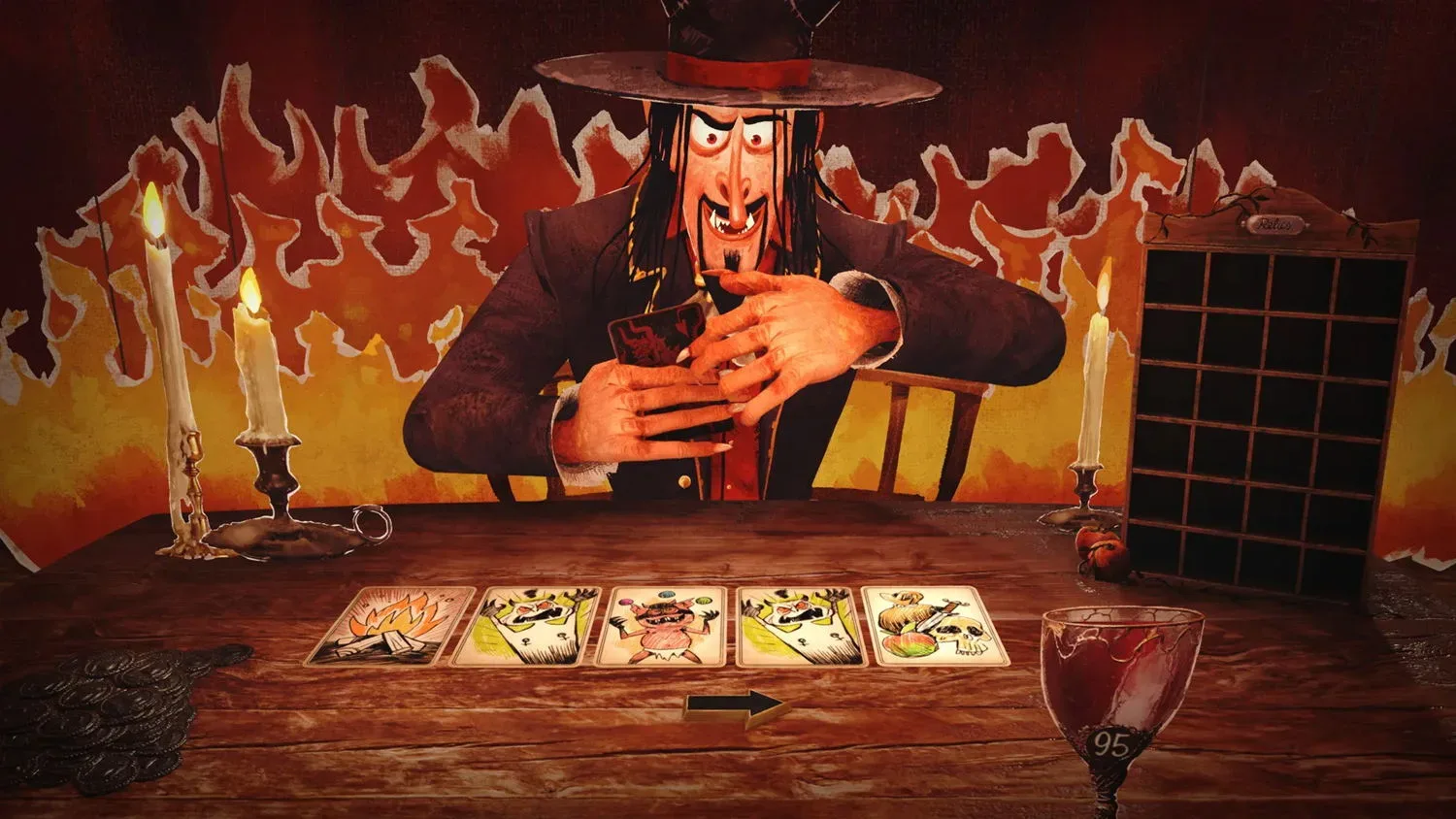
The Devil’s Due is now available on Steam from Norwegian independent studio Games People Play. Its central proposition is admirably direct: after losing your soul to the Devil in a poker game, winning it back means surviving a roguelite journey through Hell—against demons, bosses and the consequences of getting caught cheating.
The game is priced at $14 USD, with regional pricing subject to variation. A 20% launch discount is running for its first two weeks. During that same launch window, players who own Degenerate Gamblers, Decktamer, Card Shark or Rune Dice can receive improved bundle pricing.
That setup places poker at the center of the action but does not present it as a conventional card-room simulation. Poker hands are used offensively, card values contribute to defence, and rule-bending tricks are an explicit part of the combat toolkit. The catch is a suspicion meter: increasingly bold manipulation can turn a winning play into an invitation for a powerful enemy response.
For players who like games that turn a familiar activity into a high-stakes system, this is another card-focused Steam release arriving with a very different kind of gamble from the gear-chasing slots of Slots & Slaughter.
Poker hands are attacks, but the table is not fair
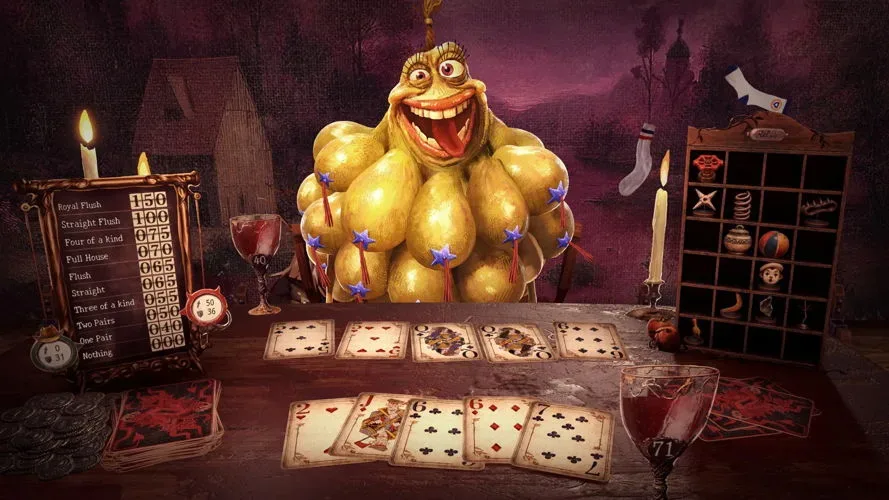
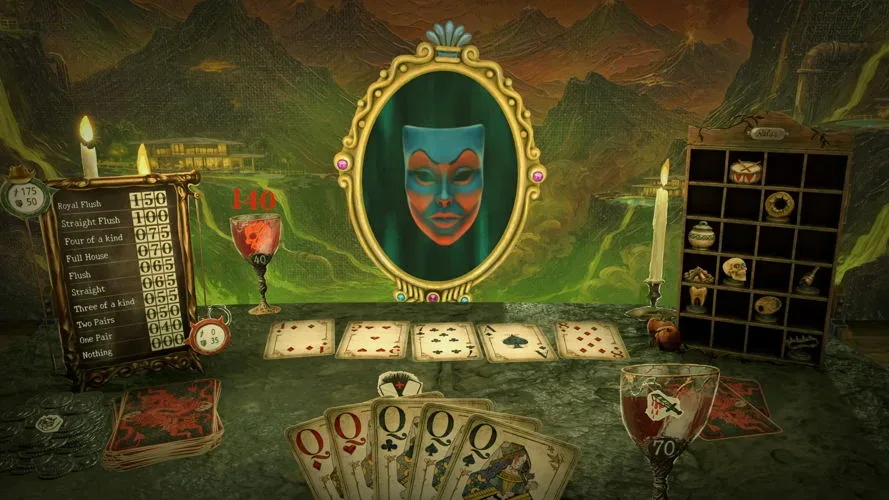
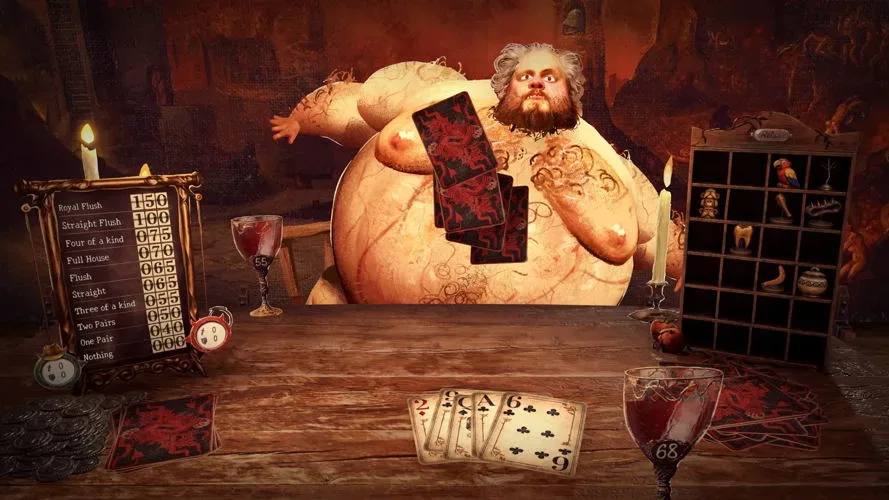
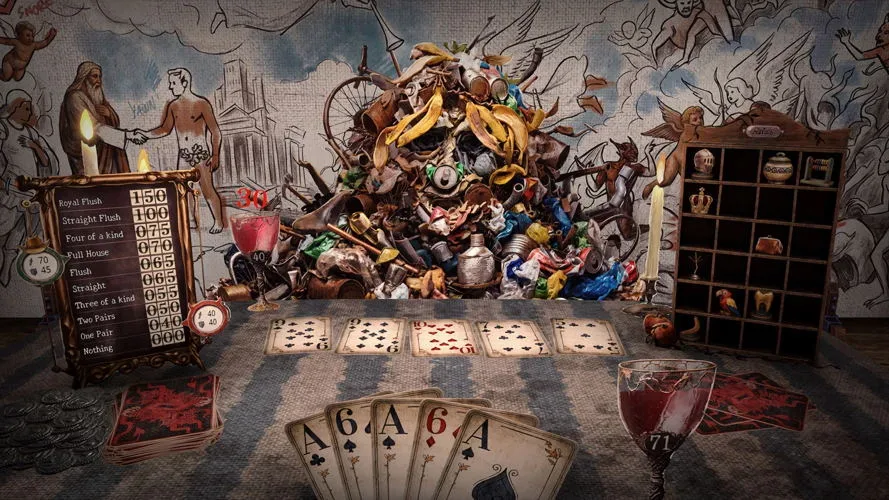
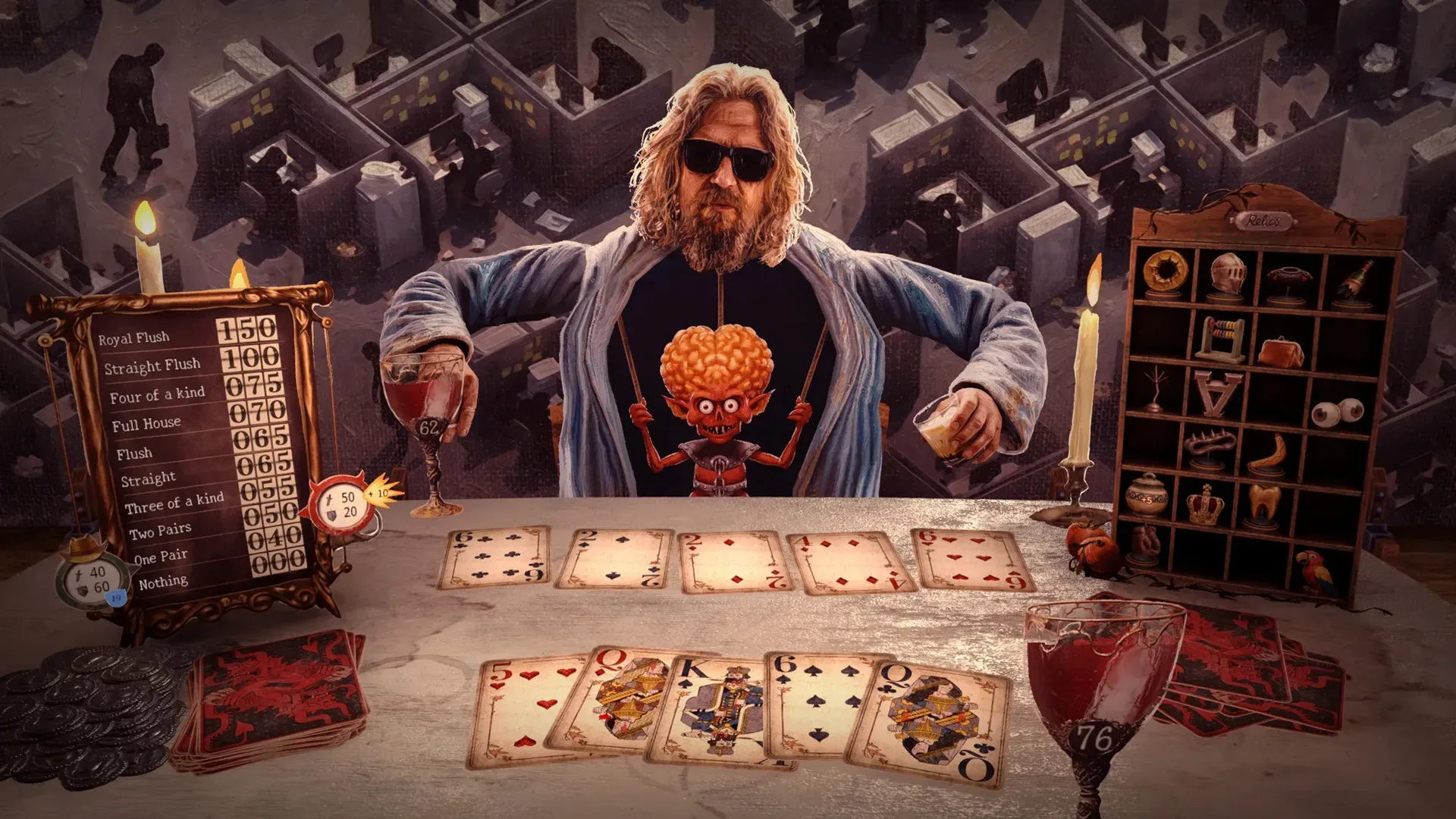
The Devil’s Due frames its encounters as one-on-one poker duels against monsters with individual abilities. The stated loop combines three layers: build strong poker hands to attack, use card values to defend, then alter the terms of the duel with cheats. Available dirty tricks include concealing cards, swapping them, raising their values and sabotaging an opponent.
Those mechanics matter because they turn a hand’s apparent quality into only part of the decision. A player is not simply asking whether they have a good hand. They are also weighing whether an imperfect hand can be repaired, whether a valuable card should be protected for defence, and whether the immediate benefit of a cheat is worth added suspicion.
Suspicion is the game’s risk-control system. In this context, it is a meter that records how much attention a player’s cheating has attracted from the opponent. Raising it gives the enemy an opportunity to retaliate with devastating counterattacks. Rather than making cheating a free corrective button for bad draws, the design makes it a resource with a visible downside.
That is an important distinction for a poker-inspired roguelite. Traditional poker gets much of its tension from incomplete information, bluffing and the possibility that another player has read the situation better. The Devil’s Due adds game-driven combat stakes: a hand can be a weapon, a shield or a setup for a trick, while the opponent’s suspicion turns repeated manipulation into a growing liability.
Related coverage includes The Devil’s Due Deals a Roguelite Poker Run Through Hell on Steam.
The game’s premise also gives that friction a fitting theme. It is set in Hell, and its enemy roster is inspired by the seven deadly sins. Beating demons through skillful card play is one thing; surviving in a realm where the game openly expects players to cheat is another. The player is encouraged to become a better rule-breaker, but not careless enough to be punished by the table.
What “roguelite” means here
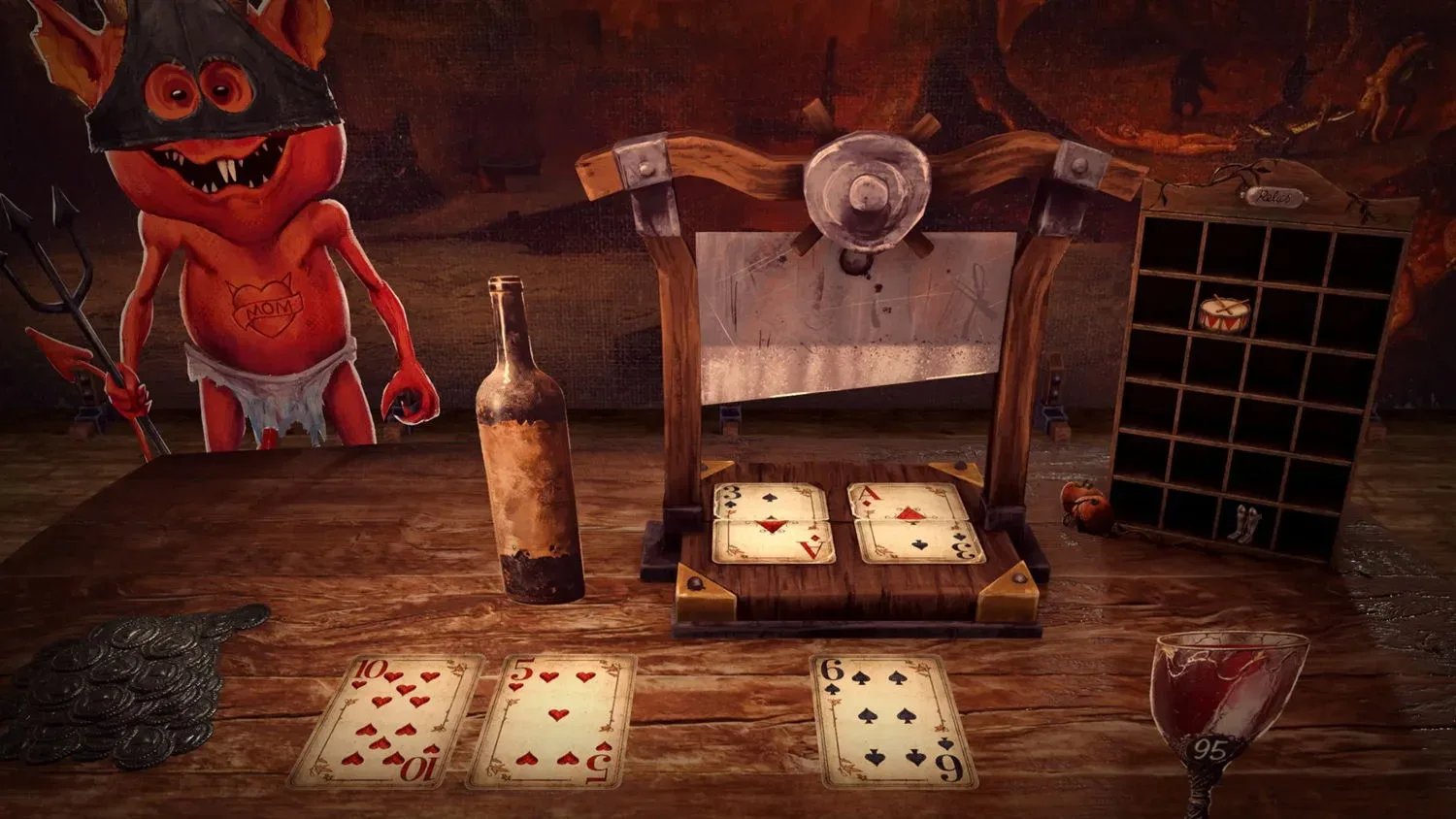
Roguelite usually describes a run-based structure in which individual attempts can end in defeat but unlock longer-term advantages for later runs. The Devil’s Due applies that format to its demonic poker campaign. Between battles, players plan a route, visit shops, take part in minigames and gain permanent upgrades, additional cheat cards, relics and strategies.
The permanent element is significant. A lost run does not necessarily leave the player exactly where they started. New options can expand the choices available in future attempts, whether that means a fresh cheat card, a relic or another strategic avenue. The supplied details do not specify the exact scope or strength of every upgrade, so it is best understood as persistent progression rather than a promise of any particular build or difficulty curve.
Relics, in this sort of run-based card game, are persistent items acquired during progression that can alter how a run is approached. The available information confirms relics are part of The Devil’s Due’s advancement structure, though it does not detail their individual effects. Their inclusion alongside cheat cards and upgrades suggests that the game wants repeated attempts to offer a widening arsenal rather than relying solely on the cards initially dealt in a single duel.
The shops are not merely recovery stops. Players can scam them. Minigames likewise contain hidden chances to cheat. That makes the game’s central idea extend beyond combat: cheating is not limited to the moment an opponent is across the table. It is presented as a broader way of navigating the run, making preparation and detours potentially as mischievous as the poker matches themselves.
Tarot cards decide the route through Hell
At the beginning of each level, the Devil lays out tarot cards that determine possible paths. Those routes can lead to monsters, bosses, shops, healing shrines and minigames. In practical terms, this appears to make route planning one of the game’s core decisions rather than a simple march from battle to battle.
A route containing a healing shrine may offer a different kind of value than one leading to a shop or a minigame, while a boss is naturally a major point of risk. The exact rules for choosing or changing tarot paths have not been detailed. Still, the presence of multiple destination types gives the run map a clear strategic purpose: a player must decide what kind of help or danger they are prepared to seek before the next card duel begins.
The tarot framing also neatly reinforces the game’s occult setting. Poker provides the immediate language of values, hands and bluffs; tarot establishes the larger sense that the journey itself is being dealt out by the Devil. The result is a structure in which the player is managing both a hand at the table and a route through a hostile board of choices.
Cheating is an arsenal, not a single gimmick
The announced feature set describes an expanding arsenal of cheat tricks. That wording suggests the system is intended to grow alongside the player’s progression, with more ways to influence duels becoming available over repeated runs. The key design tension remains consistent: each trick can change combat, but it increases the risk that an enemy will become suspicious.
It is useful to separate the roles those tricks can serve based on the disclosed examples:
- Concealing cards can change what is exposed in the duel.
- Swapping cards can alter the composition of a hand.
- Boosting values can improve a card’s utility in the game’s attack and defence framework.
- Sabotaging opponents shifts attention from improving the player’s own position to worsening the enemy’s.
None of those actions sounds safe by default, because all sit under the suspicion mechanic. That makes the likely appeal less about executing one optimal trick repeatedly and more about recognising when the current duel warrants a risk. A player behind in a fight may accept a dangerous spike in suspicion for a chance to reverse the situation. A player ahead may decide that preserving a clean table is more valuable than squeezing out an additional advantage.
This is analysis of the disclosed systems, not a claim about a fixed optimal strategy. The game’s final balance, enemy interactions and the exact thresholds on its suspicion meter are not detailed here. What is clear is that cheating is positioned as essential to survival and progress, not as a novelty option that can be ignored.
A deliberately irreverent trip through the underworld
Games People Play describes The Devil’s Due as having a Monty Python-inspired animation style. That is an especially suitable reference point for a game about infernal poker, scams and escalating acts of card-table dishonesty: the premise is dark in setting but evidently playful in presentation. The game also emphasizes humour in its overall approach.
The visual comparison is specifically tied to animation, not a statement that the game recreates any particular film, sketch or character. It does, however, establish an expectation of an intentionally stylised presentation rather than straightforward horror. Alongside demons based on the seven deadly sins and the Devil’s tarot route-map, the announced tone points toward a comic, exaggerated version of Hell.
For prospective players, the clearest proposition is the blend of systems. The Devil’s Due is not simply poker with a Hell theme, nor simply a combat roguelite that happens to use cards. It makes poker hands serve attack and defence, makes cheating an expanding strategic toolkit, turns detection into a live threat, and layers run planning over tarot-guided paths, shops, shrines, minigames and bosses.
With its Steam launch underway, the question is not whether cheating is allowed at the table. In The Devil’s Due, it is how much suspicion a soul trying to escape Hell can afford to attract.