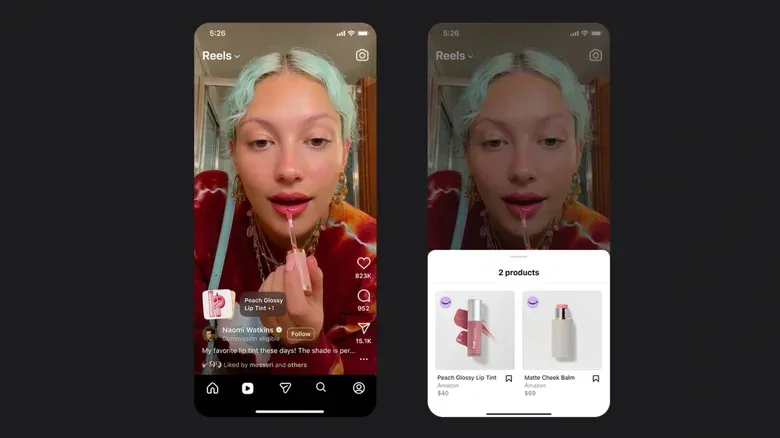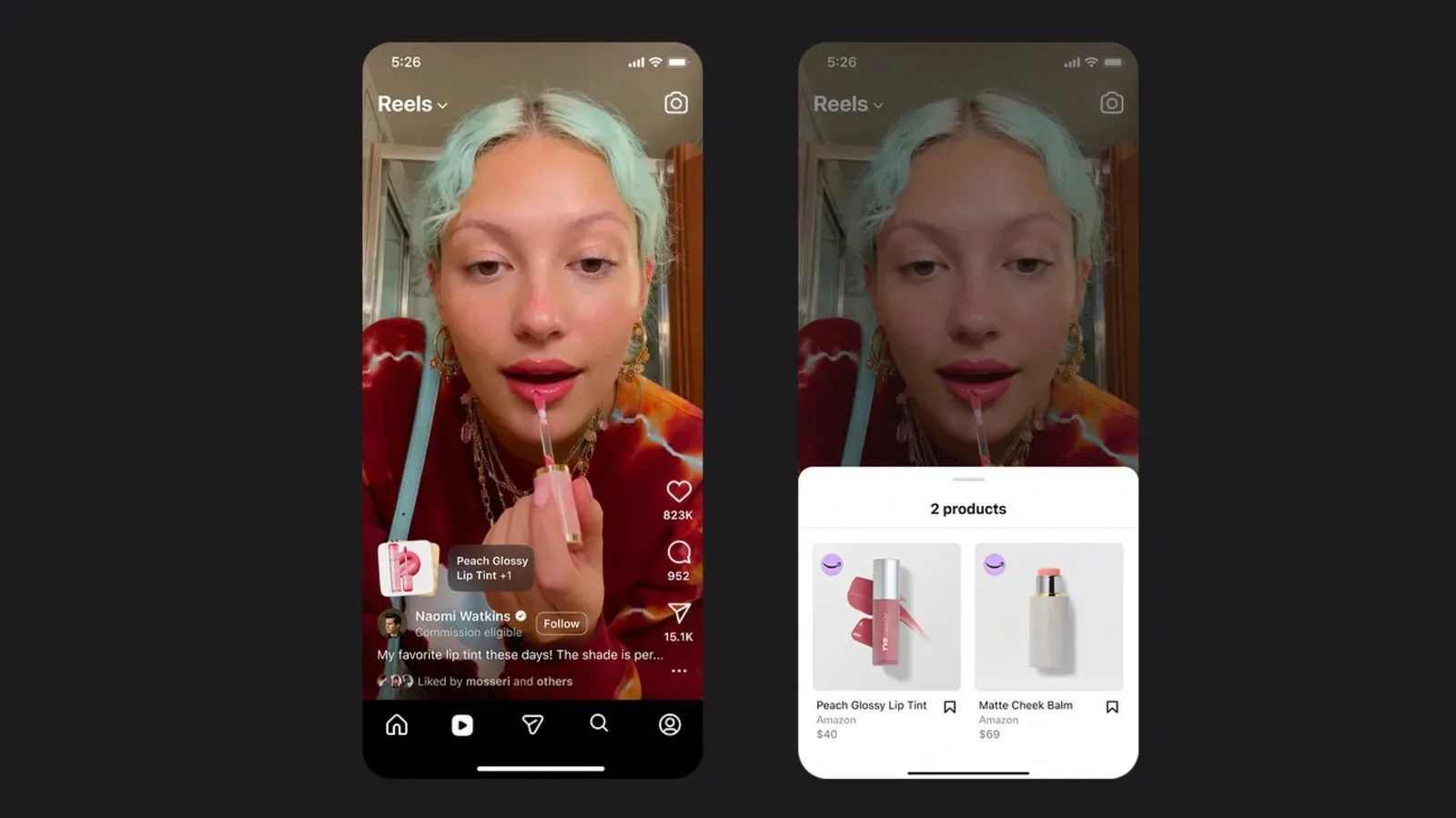
Instagram is making a more direct play for creator-led shopping by allowing eligible US creators to add Amazon affiliate products to Reels and feed posts. The change removes a familiar point of friction for influencers: sending viewers to a profile, then to a separate link page, then finally to the product they were trying to find.
Creators who are enrolled in Amazon’s Influencer Program can connect that account to Instagram and attach affiliate products directly to their content. A viewer who taps a link will be sent to the Amazon app, while the creator receives the usual commission for purchases attributed to their content. Instagram says it will not take a cut of those commissions.
The feature arrives ahead of Black Friday and the wider holiday shopping stretch, a period when product roundups, gift guides and short-form recommendations become especially prominent. It also makes Instagram’s creator toolset more explicitly commercial: rather than merely hosting the persuasive video or image, the platform can now carry a viewer substantially farther along the path to purchase.
What is changing for creators
Instagram has long supported shopping-oriented product tags. Previously, though, products tagged in Reels needed to exist in Meta’s commerce catalog. The Amazon connection creates a different route. An eligible creator can link their Amazon account and choose products from that affiliate relationship without relying on the prior catalog requirement.
The limits vary by format:
- Reels: up to 30 linked products in a single video.
- Feed posts: up to 20 linked products.
Instagram will also display the expected commission for each item to the creator. That is a practical addition, because affiliate marketing is not simply a matter of adding every object visible on screen. When a post contains several possible recommendations, knowing the anticipated commission can help a creator make clear decisions about what to include, how to organize a product list and whether a crowded set of links is useful for the audience.
Affiliate link is the key term here. It is a trackable link that credits a creator when a qualifying purchase is made through it, allowing that creator to earn a commission. It differs from a normal product mention: a creator may recommend something without a link, but a properly attributed affiliate link connects the recommendation with the commercial transaction.
The rollout is not universal. For now, a creator must be based in the United States, be at least 18, hold a professional Instagram account and participate in the Amazon Influencer Program. There is no stated timetable for availability in other countries.
Why direct links matter more than a “link in bio”
For years, creators have worked around Instagram’s link limitations with the now-familiar “link in bio” instruction. A viewer sees a product in a Reel, visits the profile, taps a separate landing page and then searches through a collection of links. That workflow may be functional, but every additional action can lose people who were interested only briefly or who cannot immediately identify the item from a long list.
Meta says posts with products linked directly can generate twice as many clicks as bio links. That is a company-provided comparison rather than an independently detailed measurement, so it does not establish that every creator, audience or category will see the same outcome. Still, the logic is straightforward: reducing steps between a product shown in content and the place to buy it can make a recommendation easier to act on.
The difference is especially meaningful for fast-moving short-form video. A Reel may show a desk setup, a collector’s display, an accessory lineup or a gift idea in seconds. Viewers often need an immediate, unambiguous answer to “what was that?” A direct product link turns a vague prompt to check a profile into a specific path attached to the content itself.
There is a trade-off. More links can make a post more useful, but 30 possible products in a Reel can also become an overwhelming list if the video does not clearly identify them. Creators using the maximum will need to think about organization: naming items on-screen, grouping similar products together, and ensuring that the most relevant links match what is actually featured. The new limits offer capacity; they do not automatically create clarity.
Instagram is bringing more creator business tools in-house
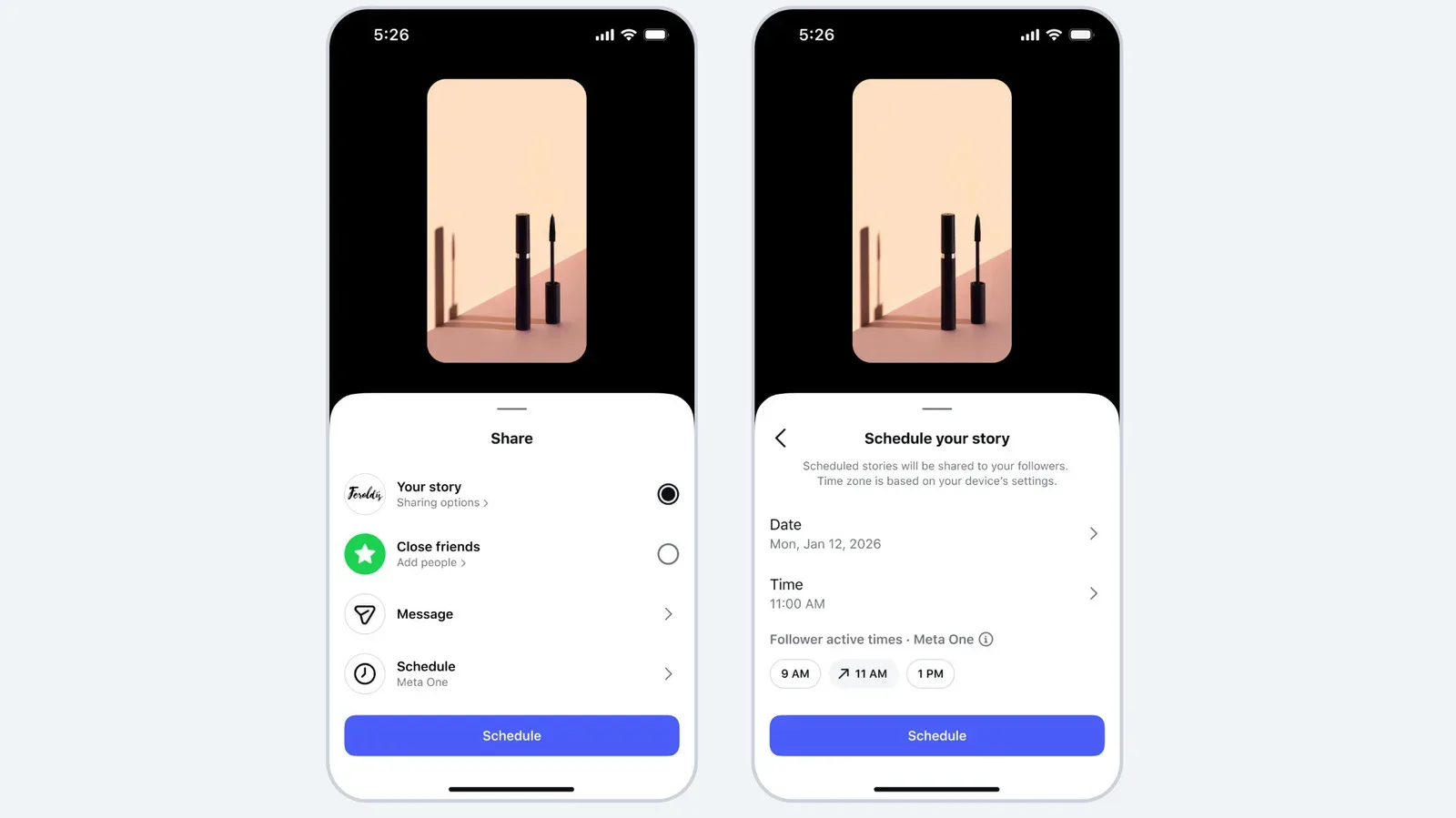
The Amazon integration fits a broader shift in Instagram’s approach to outbound links. The platform has begun allowing clickable links in captions and Reels for creators paying for certain Meta One subscription plans. Those plans also include expanded link pages.
Taken together, those additions mean Instagram is becoming less dependent on external “link in bio” services for functions creators routinely need: directing followers to products, giving them a consolidated set of destinations and making a recommendation actionable. The Amazon feature is a particularly concrete example because it pairs an Instagram post with a retail destination and affiliate attribution.
That does not mean outside link tools disappear overnight. A creator may still have reasons to maintain a broader page containing a newsletter, other social accounts, event details and multiple storefronts. But Amazon links placed directly on content address a narrower and extremely common use case: a person sees an item and wants to purchase that item now.
For people who follow gaming hardware, merchandise, display pieces or other enthusiast products, the operational result may be simple. A creator can present several items in one Reel and attach product destinations to each, rather than asking a viewer to decode a generic profile link. The underlying recommendation remains subject to the creator’s judgment and incentives, but the shopping route has fewer detours.
The commercial and data implications
Affiliate revenue is an important part of many influencers’ business models, and the feature gives it a native place within Instagram content. Seeing an estimated commission in the app may further make the economics of a recommendation more visible to the creator, even if viewers do not see that estimate.
Instagram says it will not receive a portion of the creator’s commission. Yet the company still has a clear interest in facilitating these transactions. Directly linked posts can generate valuable signals about the products users notice, tap and potentially purchase. That information can help a social platform understand interest patterns around its audience, even when the final destination is Amazon’s app.
This is an important distinction. Commission is the portion of a sale paid to the creator through the affiliate arrangement. Commerce data, in this context, concerns the behavioral information created when users engage with product links. Instagram need not take a slice of the commission to benefit from learning what kinds of products generate attention and clicks on its service.
For viewers, the feature makes commercial intent more tightly woven into ordinary posts and Reels. Product recommendations have always existed on social media, but a direct in-post link shortens the gap between entertainment, advice and checkout. That can be convenient when the item is clearly relevant and the disclosure is clear. It also makes it more worthwhile for viewers to recognize when a recommendation is affiliated rather than purely casual.
Creators, meanwhile, should be precise about what is being linked. A product list that faithfully reflects a video gives audiences a useful reference. A list packed with loosely related items may technically use the new allowance but risks making the content harder to trust or navigate. The feature improves the purchase pathway; it does not settle the ongoing question of how transparently sponsored or affiliate-driven recommendations are presented.
What the rollout means now
The initial group is deliberately narrow: US-based, adult professional-account holders who also belong to Amazon’s Influencer Program. That means a standard personal Instagram user, a creator outside the US, or an influencer without the relevant Amazon enrollment should not assume the option will appear in their account. No wider international expansion has been announced.
For those who do qualify, the appeal is easy to see during the holiday period. Gift-focused Reels and feed posts can contain a substantial number of linked items, viewers can move directly to Amazon, and creators retain their established commission structure. It is an incremental product feature with a significant strategic effect: Instagram is turning more of the recommendation-to-purchase journey into something that happens without leaving the post’s immediate context.
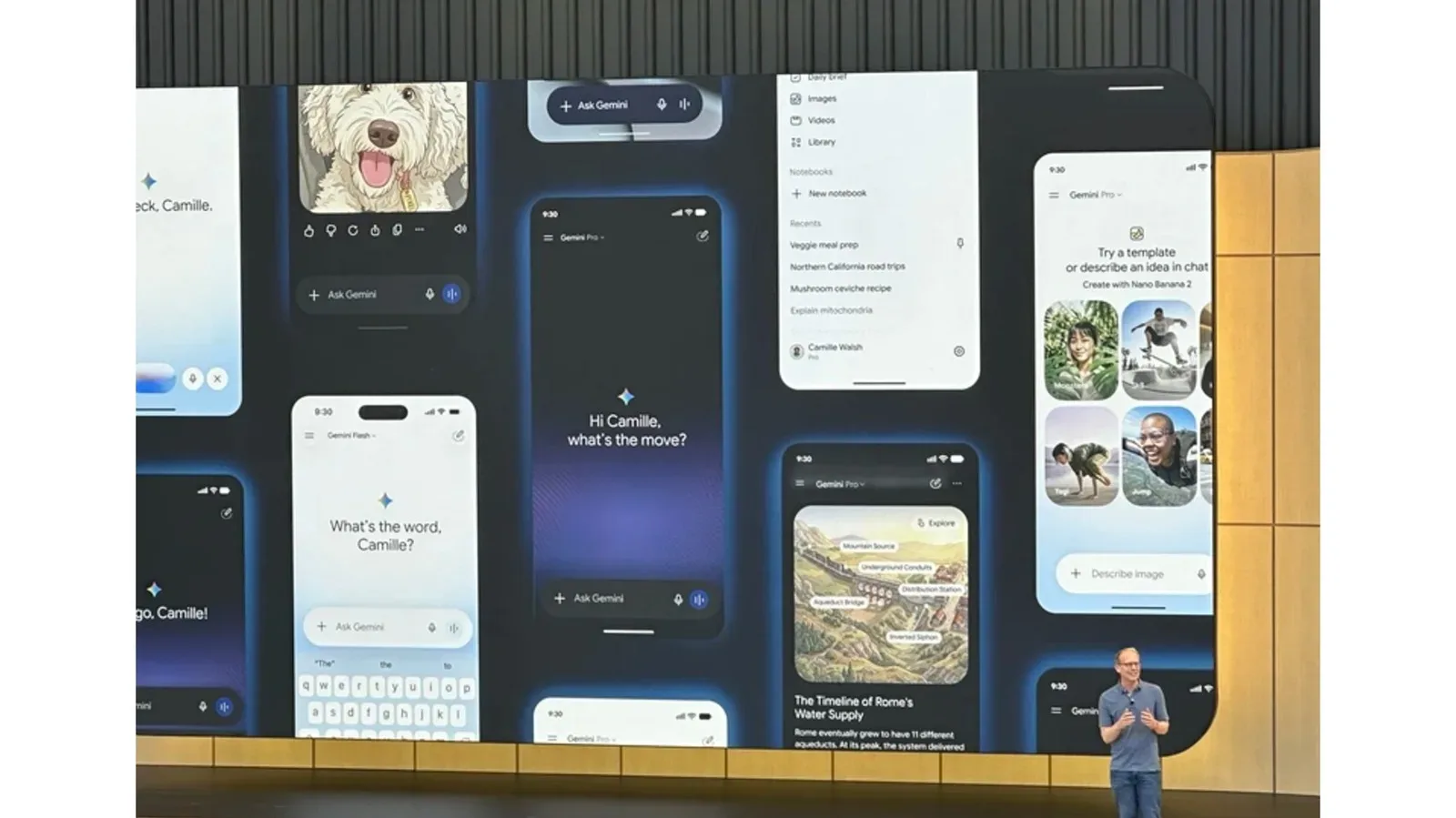
The development also sits within a broader creator-tech picture, where platforms are steadily adding tools for discovery, monetization and audience direction. That wider industry push is visible in other platform-facing technology updates, including new regional voice options for Gemini, which reflect how product design increasingly targets the ways people communicate and engage online.
Instagram’s Amazon affiliate links will not replace every storefront, profile hub or shopping tag. They do, however, remove a major practical obstacle for qualifying creators: the need to tell interested viewers to leave a Reel, find a profile, and hunt for the right destination. In a feed built around immediate attention, that reduction in friction may be the feature’s most consequential change.