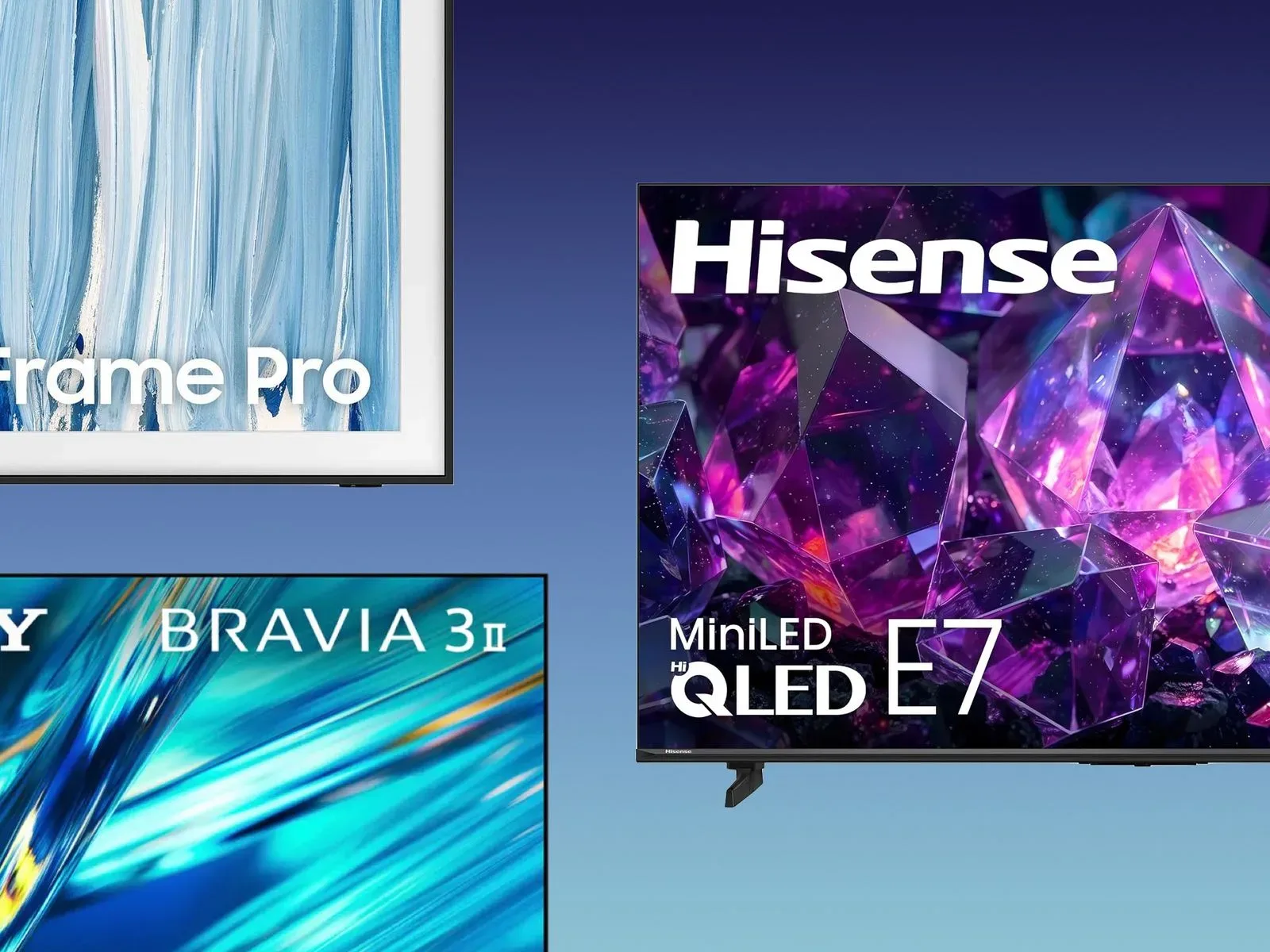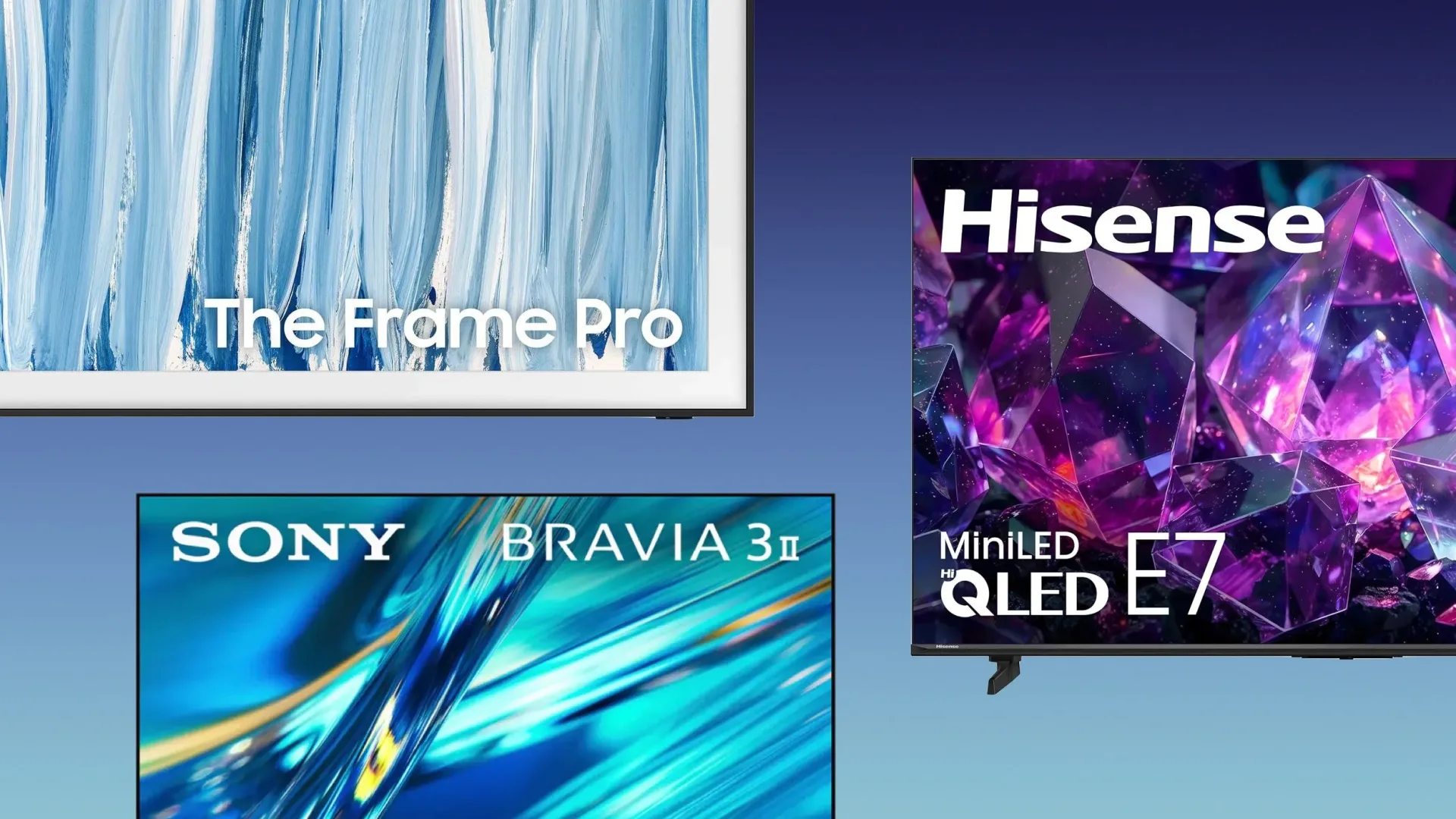
Black Friday TV shopping has reached its annual boss-fight phase: the prices are flashing, the screen sizes are escalating, and almost every label appears to contain at least three capital letters. The listed Black Friday 2026 offers cover entry-level 55-inch sets, immense 98- and 100-inch displays, OLED flagships, Mini LED models and Samsung’s picture-frame-minded The Frame range.
For people building a gaming setup, the important part is not simply that a TV is large or discounted. It is whether the particular screen, platform and price fit the room and the way it will be used. The deal lists provide prices, screen sizes and broad panel or smart-TV labels, but they do not establish every gaming specification a buyer may care about. That distinction matters: a sale price can be concrete while assumptions about refresh rate, ports, latency or console features are not.
The sensible approach is to use the discounts to narrow a shortlist, then verify the exact model’s specifications before committing. That may be less thrilling than yelling “critical hit” at a $1,100 price cut, but it is much better than bringing home a television that is physically spectacular and functionally wrong for the setup.
The headline deals: Samsung’s Frame family takes center stage
Samsung’s The Frame line is among the clearest recurring themes in the listed promotions. The 2026 65-inch The Frame is listed at $999.99, a $500 reduction, while the 2026 85-inch The Frame Pro is listed at $2,999.99, down $1,000. Those are presented as Black Friday low prices.
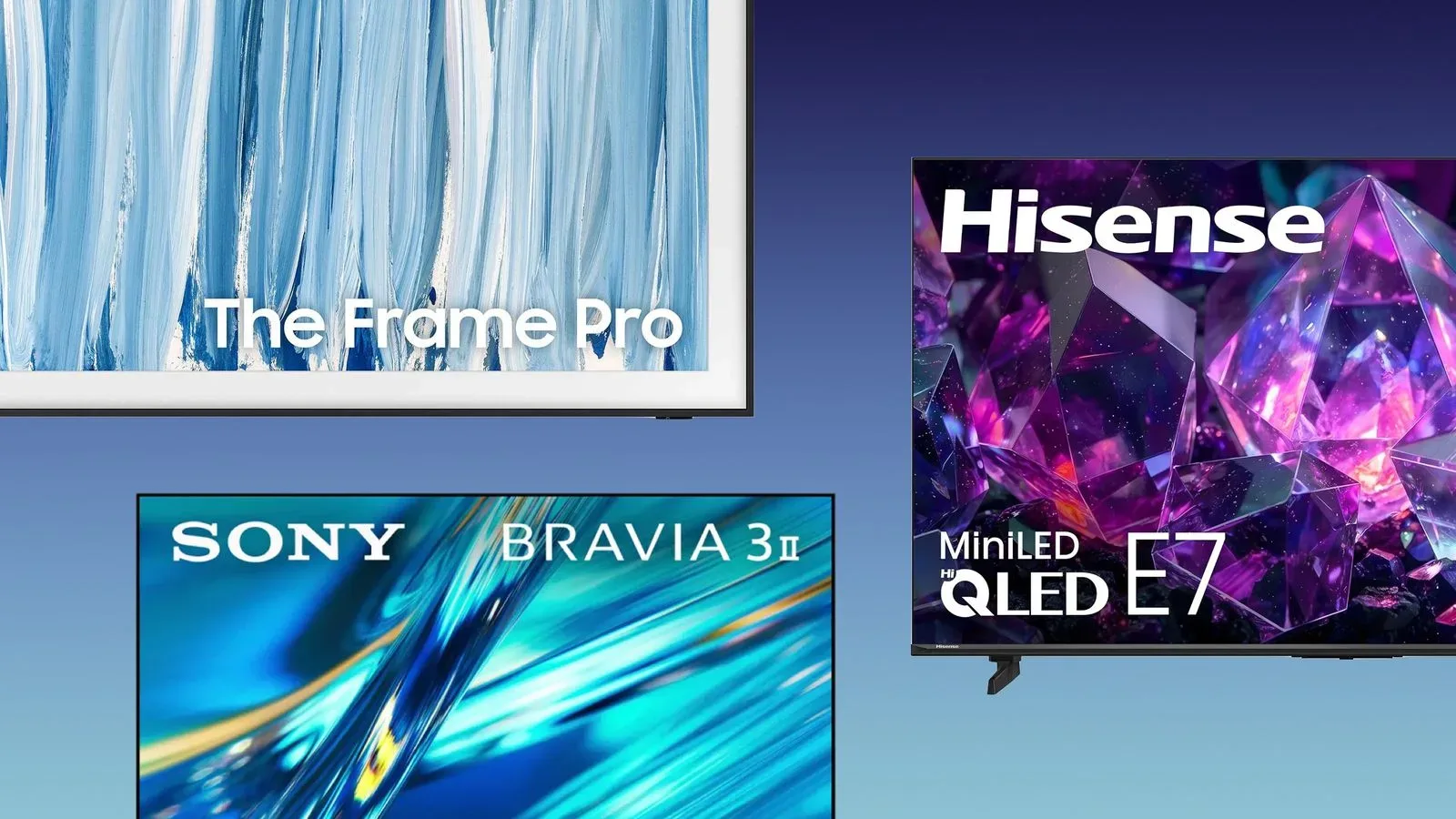
Other listed Samsung offers show why comparison has to be exact. A 65-inch 2025 The Frame is listed at $1,097.99 through Amazon, while the 2026 65-inch version is listed at $999.99 through Samsung. The names are extremely similar, but the model year, retailer and price differ. Likewise, a 65-inch The Frame Pro is listed at $1,347.95 through Amazon, while Samsung lists the 2026 65-inch The Frame Pro at $1,499.99. A shopper should not treat “The Frame” as one interchangeable product family when the listings themselves distinguish versions and sizes.
Samsung’s wider promotions include an 85-inch Mini LED M80H Vision AI Smart TV for $1,099.99, reduced by $500; a 65-inch OLED S95H Vision AI Smart TV for $2,299.99, reduced by $1,100; an 85-inch The Frame for $2,299.99, reduced by $700; and a 75-inch Micro RGB Vision AI Smart TV for $3,499.99, reduced by $1,000.
At Best Buy, a 65-inch Samsung OLED 4K Smart TV is listed at $999.99, down $1,100. A 65-inch Samsung OLED 4K Glare-Free TV is listed at $1,399.99, down $1,300. Those are striking nominal discounts, but “OLED,” “glare-free” and a shared screen size do not tell buyers that the two products are otherwise equivalent. Compare model identifiers and the features that matter to the particular room before treating the more dramatic markdown as the automatic winner.
Size is the most visible spec—and the easiest one to overbuy
The deal spread is enormous. Walmart lists a 55-inch Samsung Mini LED 4K Smart TV for $298 and a 75-inch Hisense Smart Roku TV for $328. At the other extreme, Walmart lists a 98-inch TCL QLED 4K Smart Google TV for $898, while Amazon lists a 100-inch Toshiba Mini LED Fire TV for $1,799.99.
That 98-inch TCL price is especially eye-catching because it is $602 below the listed regular price. Yet a television is a piece of furniture as well as a display. The screen must fit the wall or stand, the room must have a realistic viewing position, and the household has to be willing to live with it when no game is running. A huge screen can be the dream centerpiece of a local multiplayer setup; it can also become the room’s new final boss.
Screen size should therefore be treated as a starting filter rather than a measure of value by itself. Once a buyer establishes the size that belongs in the room, comparing like-for-like becomes much more useful. A 55-inch display at $298 and a 55-inch OLED at $599.99 serve radically different budget tiers, even though both clear the basic “large enough for games” hurdle.
What the display labels actually tell you
The sale lists use several panel terms. They are helpful categories, but not complete report cards.
- OLED identifies a display type used in several listed models, including LG, Samsung and Sony sets. It is a technology label, not a universal promise that every OLED television has the same connections, modes or processing.
- QD-OLED appears in the name of the 55-inch Sony BRAVIA 8 II QD-OLED 4K Google TV, listed at $1,799.99. It identifies that particular Sony model category more specifically than OLED alone, but buyers still need the exact product specifications for decisions beyond the label.
- Mini LED appears across models from Samsung, Sony, Hisense, TCL, LG and Toshiba. It is likewise a display-category label, not a substitute for checking the individual television.
- QLED appears on TCL models including the 75-inch set listed at Amazon and the 98-inch set listed at Walmart. It should be compared as part of the complete model description rather than treated as a ranking above or below every other acronym.
- 4K appears throughout the listings. It describes display resolution, but it does not answer questions about the ports, video modes or performance characteristics a console owner might prioritize.
This is not pedantry; it is a practical defense against marketing shorthand. The supplied listings make clear that retail shelves now mix panel terminology, smart operating systems, art-style designs and “AI” branding. None of those terms alone tells a buyer precisely how a particular television will fit an existing console, PC or sound system.
Smart-TV platforms are part of the purchase
The discounted sets are not merely panels. The listings identify Fire TV, Roku, Google TV and Samsung smart-TV models. That operating-system choice shapes the menu environment that appears whenever the TV turns on and the built-in apps a household will encounter.
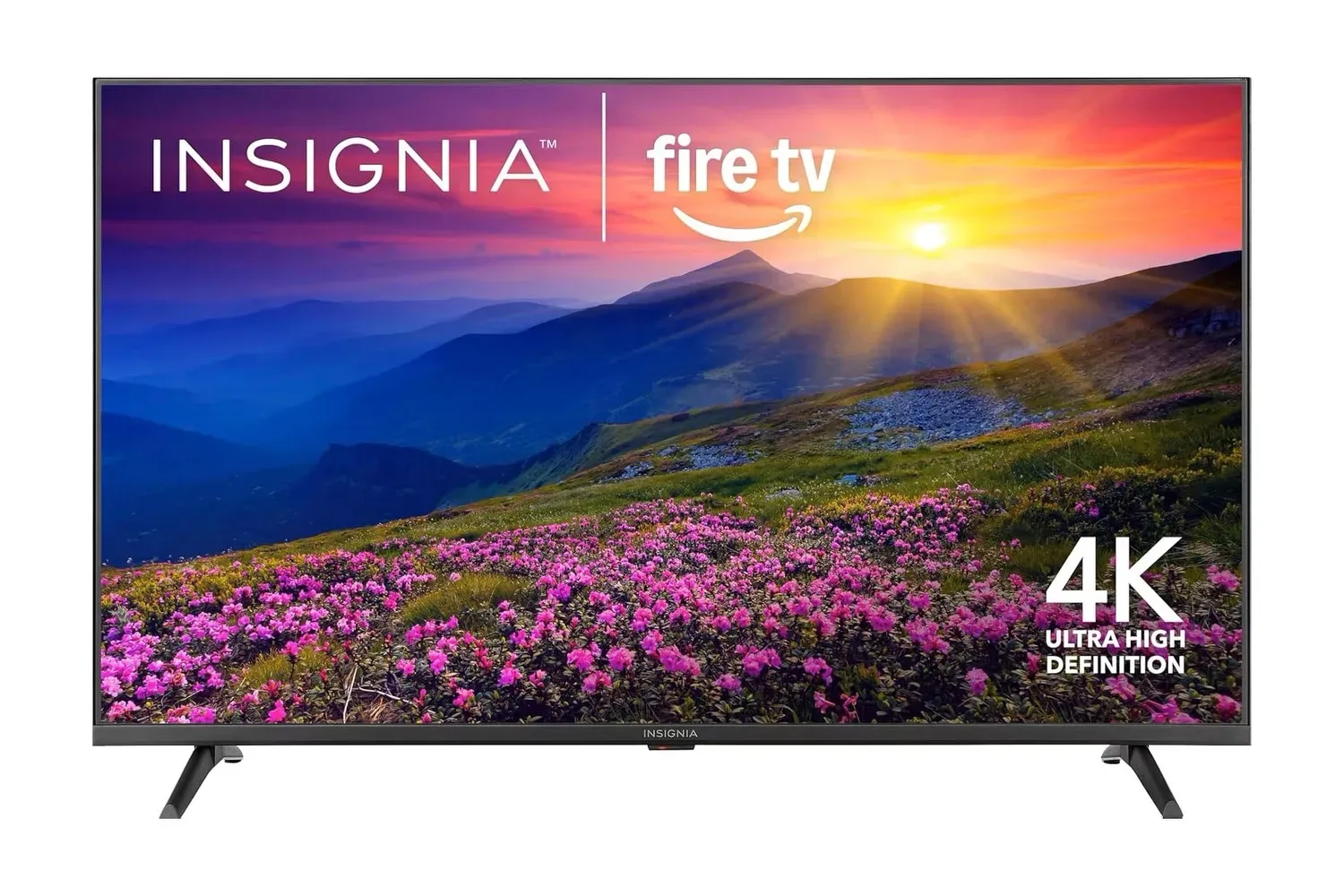
Amazon’s selection leans heavily into Fire TV models, including the 55-inch Amazon Ember Fire TV for $379.99, the 65-inch Hisense Mini-LED 4K Smart Fire TV for $499.99, the 65-inch Toshiba ArtVision 4K Fire TV for $899.99 and the 100-inch Toshiba Mini LED Fire TV for $1,799.99. Sony’s listed deals are all Bravia Google TV models, from the 55-inch BRAVIA 3 II LED Google TV at $699.99 to the 77-inch BRAVIA XR Google TV at $2,999.99. Walmart also lists a 75-inch Hisense Smart Roku TV for $328 and the 98-inch TCL QLED 4K Smart Google TV for $898.
For gamers, that means the TV’s software should be assessed separately from the device doing the gaming. A console, PC or other external hardware may be the center of the experience, but the television’s inputs and settings still sit between the player and the picture. Before buying, verify the available ports, which inputs support the desired resolutions and modes, how game-related picture settings work, and whether the set plays nicely with existing audio equipment. Those details are not supplied in these price listings, so they should be confirmed on the exact product page or documentation.
It is also worth looking beyond the home screen. If a TV will be used for long sessions with a console, a streaming box, a PC and an AV receiver, label the anticipated connections in advance. That turns an abstract spec sheet into a simple inventory problem: what needs to plug in, and does the chosen television support that plan without constant cable swapping?
The strongest budget-to-scale options in the listings
The lowest listed prices are clustered at Walmart, where the 55-inch Samsung Mini LED is $298 and the 75-inch Hisense Roku TV is $328. For shoppers whose core aim is getting a large smart television into a living room at the lowest entry price, those listings are difficult to ignore. The 85-inch Samsung 4K UHD Smart TV at $698 and 98-inch TCL QLED Google TV at $898 also show how quickly the listed price rises as the screen size becomes truly wall-dominating.
Amazon’s 65-inch Hisense Mini-LED 4K Smart Fire TV at $499.99, reduced from $999.99, stands out as another mid-size option with a very large listed reduction. The 65-inch Roku Smart 4K TV at $449.99 is another lower-cost 65-inch entry. These are examples of why shoppers should decide whether their priority is panel category, screen size, smart-TV platform or budget ceiling before browsing. Trying to maximize all four at once is how a quick deal hunt becomes a four-hour spreadsheet.
For buyers targeting OLED specifically, the reported offers include a 48-inch LG OLED 4K Smart TV at Best Buy for $599.99, a 65-inch Samsung OLED 4K Smart TV for $999.99, a 65-inch Sony BRAVIA 8 OLED Google TV for $1,599.99, and an 83-inch LG OLED evo AI 4K Smart TV at Walmart for $2,839.95. The price gaps are substantial, and so are the sizes. It is a category where the desired screen dimension may be the clearest way to trim the field first.
Sony and LG: discounts across premium territory
Sony’s listed Bravia discounts range from $100 on the 55-inch BRAVIA 3 II LED Google TV to $1,100 on the 65-inch BRAVIA Google TV. The 85-inch BRAVIA 5 Mini LED Google TV is listed at $1,799.99, a $600 cut, while the 55-inch BRAVIA 8 II QD-OLED is $1,799.99 after an $800 reduction. These figures show a selection spanning more than one display type and screen-size tier, despite the shared Bravia name.
LG appears in several different retailer lists. Walmart has the 65-inch LG Mini LED Gallery TV with Frame for $899.99 and the 83-inch LG OLED evo AI 4K Smart TV for $2,839.95. Best Buy lists the 48-inch LG OLED at $599.99 and the 55-inch LG evo AI 4K Smart TV at $1,299.99. The practical message is the same: compare the exact model, size and stated technology, rather than assuming a manufacturer name settles the purchase.
A deal-hunting checklist for a gaming room
- Set the physical size limit first. Measure the intended space and account for the stand or wall mount before considering a 75-inch, 85-inch, 98-inch or 100-inch deal.
- Choose a budget ceiling before reading the discount amount. A $2,560 reduction on LG’s 83-inch OLED is significant, but the sale price remains $2,839.95.
- Write down the devices that need to connect. Consoles, PCs, sound systems and streaming hardware all make port verification relevant.
- Confirm exact specifications independently. Refresh-rate support, gaming modes, input behavior and audio connections are not established by the sale summaries.
- Check the model year and suffix. The Frame listings demonstrate why near-identical product names can represent different models and prices.
- Pick the interface you can live with. Fire TV, Roku, Google TV and other smart-TV systems are not an afterthought if the television will be used daily.
There is no universal best TV hidden in this deal list. There are, however, real price reductions at nearly every size and several display categories. The winner is the set that fits the room, the budget and the hardware already in play—not necessarily the one whose discount looks most capable of ending a trailer with dramatic music.
For readers weighing a broader living-room gaming setup, the emerging console conversation is also relevant: Xbox’s Project Helix pitch puts a console-first system and room for PC games in the same frame. A television purchase can last through multiple hardware cycles, making careful connection and feature checks more valuable than an impulse buy driven by one weekend’s sticker price.
Shop the products
Check current price, model and availability at the retailer.