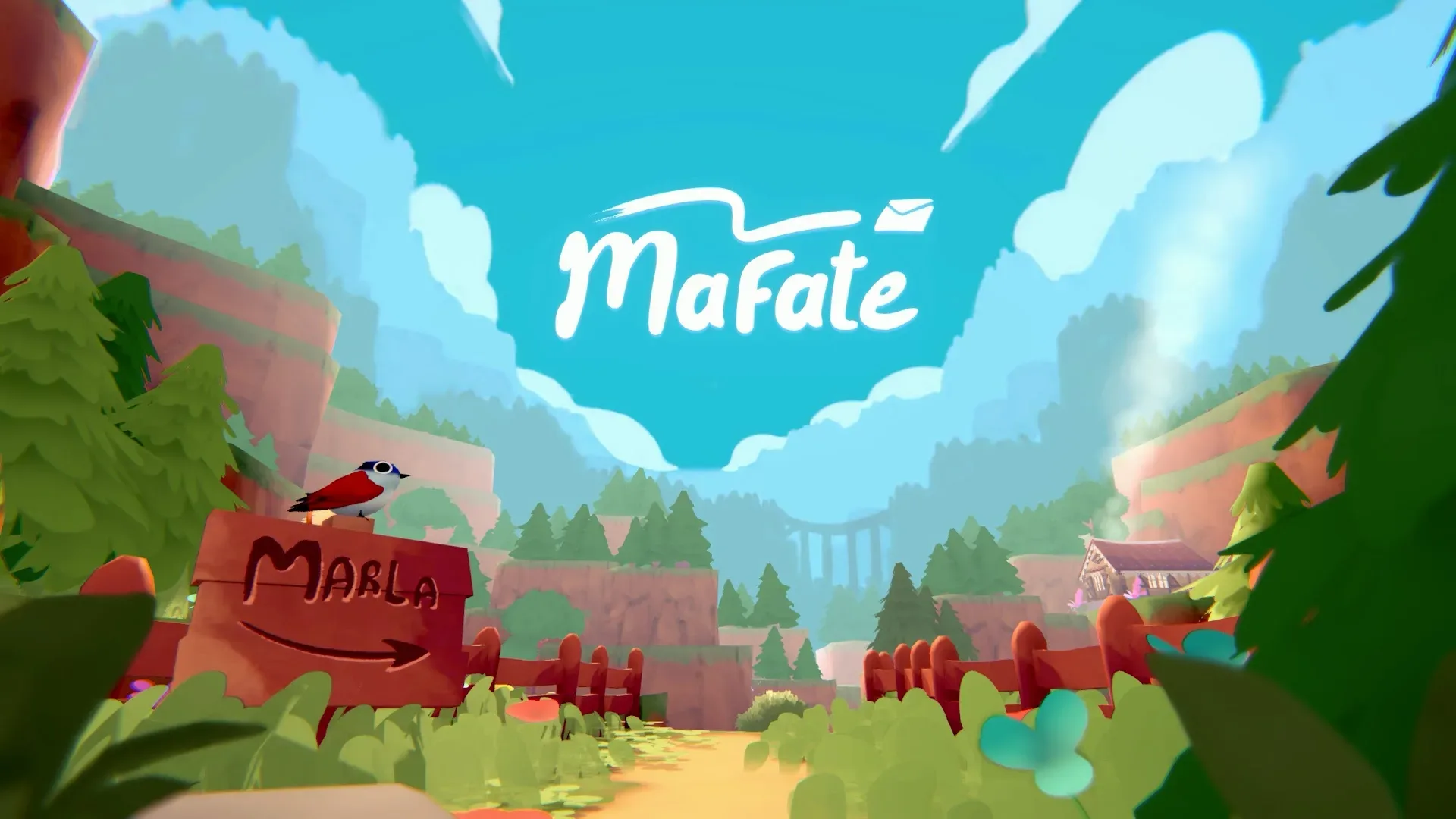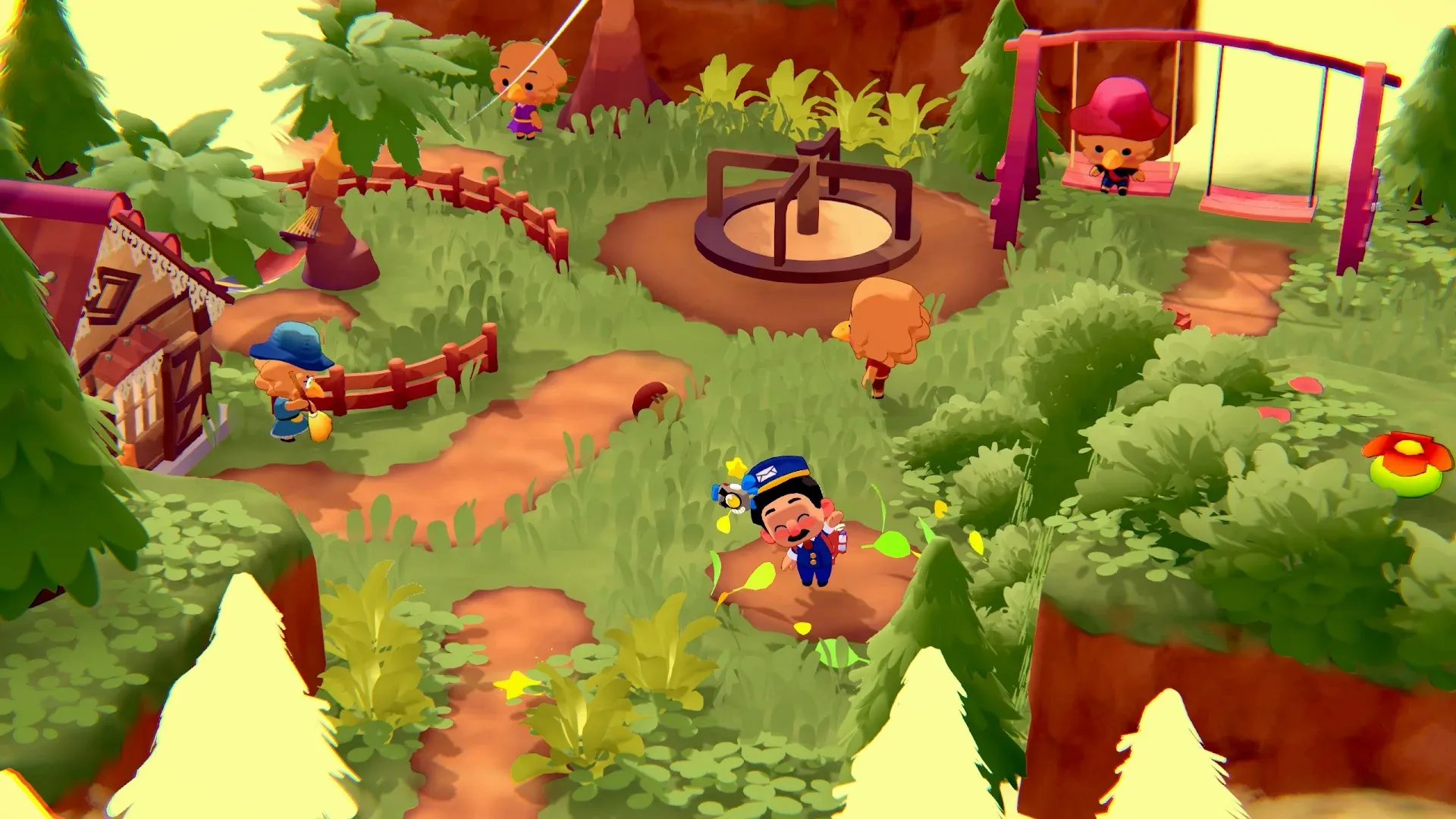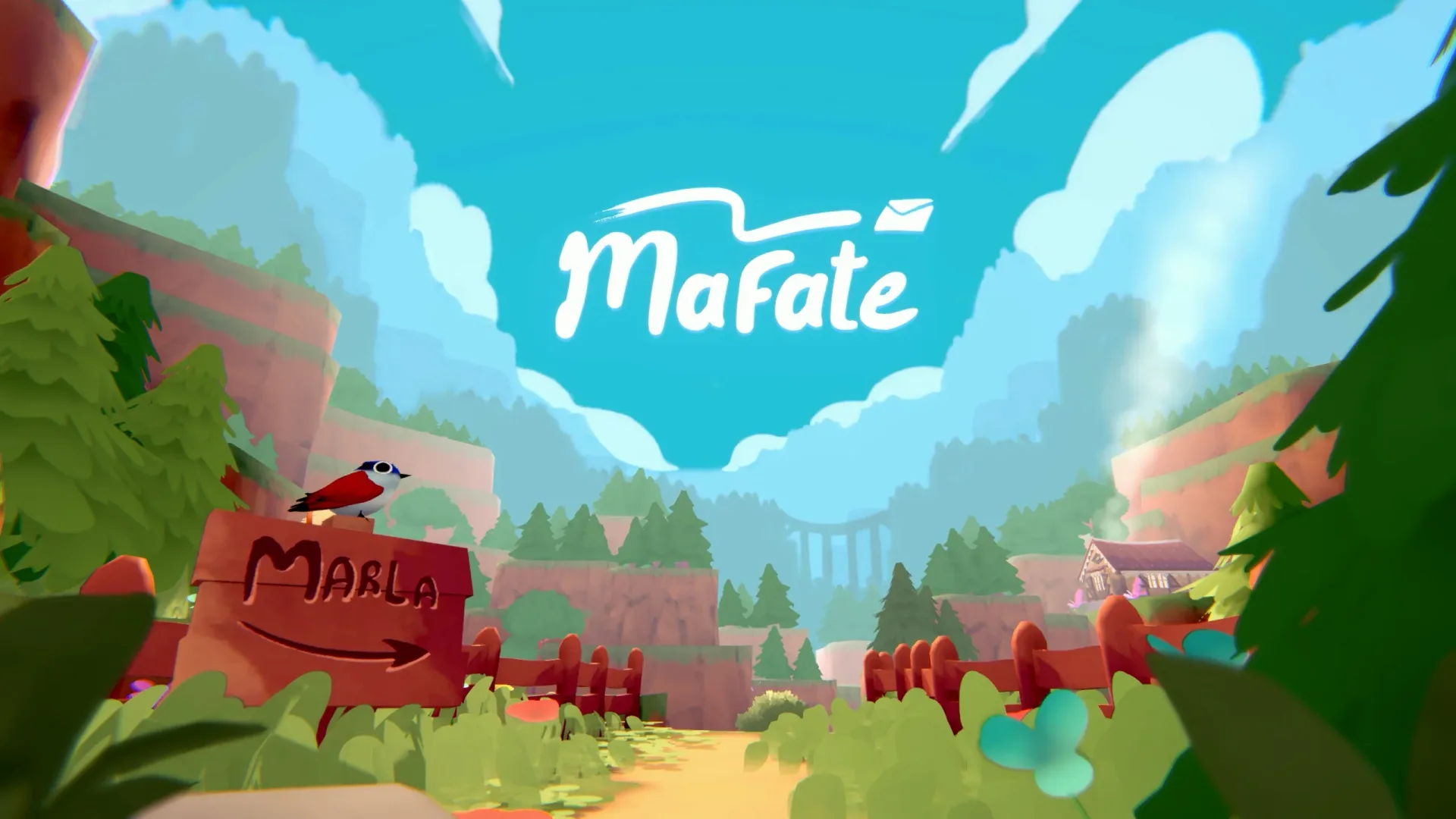
MAFATE, a cozy exploration adventure from Blue Ramen Studios, now has an updated demo on Steam ahead of its appearance in Steam Next Fest, which begins October 19. The game casts players as a legendary mail carrier traveling among isolated villages in a magical interpretation of the Cirque de Mafate, a volcanic caldera on Réunion Island.
Its central job is pleasantly direct: carry letters between communities. But MAFATE frames that postal route as an invitation to look around rather than race ahead. Trails, forests, waterfalls and cliffs make up the landscape, while the game’s stated focus is connecting with inhabitants and uncovering their stories.
The project is supported by publishing label Blue Ridge Games. No full release date has been provided.
A delivery game built around discovery
Mail delivery is more than a convenient premise here. It gives the player a reason to move between distant places and meet the people who live there. In a setting defined by separated villages and rugged terrain, letters can function as a narrative link: every route potentially leads to another person, another conversation, or another part of the environment worth examining.
That approach distinguishes MAFATE from games that use traversal chiefly as a pause between fights, resource gathering, or waypoint chasing. The studio says MAFATE has no combat, no waypoints and no pressure. Those absences set clear expectations for prospective players: its progression is intended to come from exploration, environmental observation and light puzzle-solving rather than from defeating enemies or following an on-screen navigation line.
“No waypoints” is especially meaningful in an exploration game. A waypoint is a visual marker that points a player toward an objective. Removing one does not automatically mean players will be lost; it means the game is designed to lean more heavily on landscape, routes, landmarks and curiosity as methods of orientation. How much direction the demo provides through other means has not been detailed, but the stated goal is relaxed discovery rather than urgency.
Luna turns photography into a puzzle tool
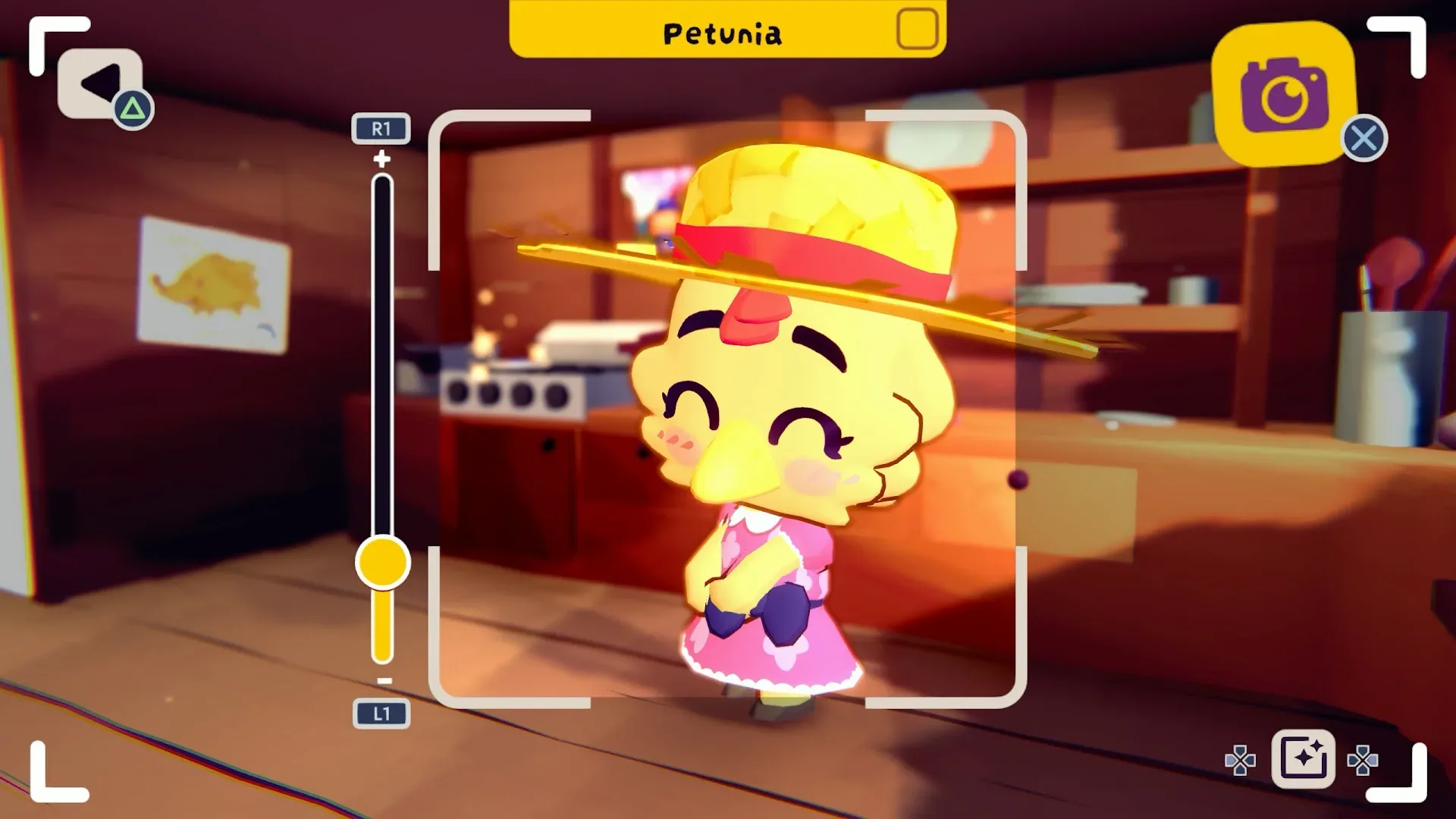
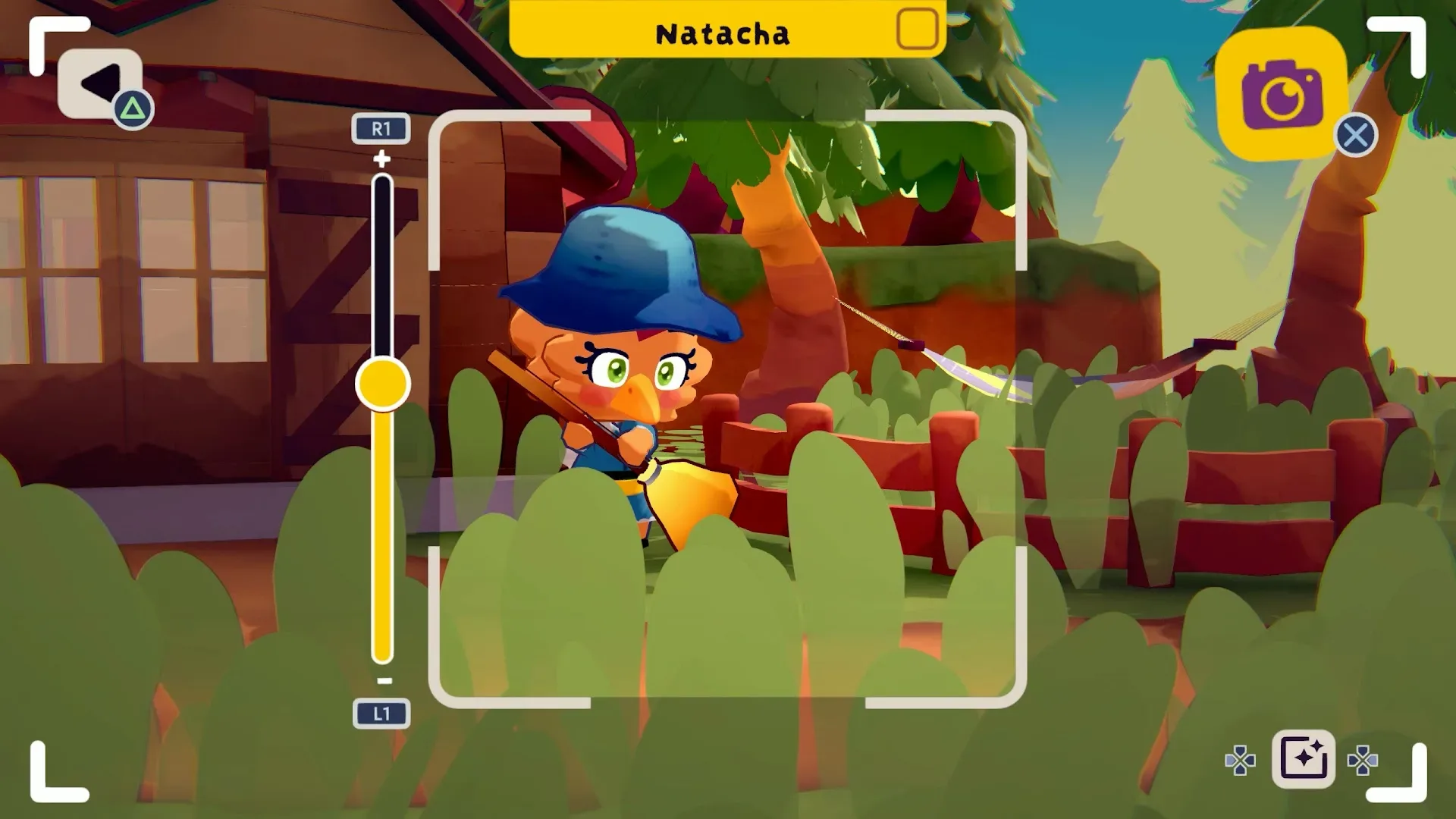
The player is accompanied by Luna, a young Creole girl who has mysteriously become a magical camera. Photography is not merely a decorative photo mode in the game’s described design. Luna enables the player to use pictures to reveal secrets and see locations from fresh perspectives.
That makes the camera a tool for investigation. In practical terms, players should expect to consider what a scene looks like through Luna’s lens, not simply where the next delivery point may be. The game has not specified the full rules behind its photography system, so it is too early to assume exactly what can be revealed or how individual puzzles are structured. Still, the basic role is clear: observation is part of progression.
Related coverage includes MAFATE Demo Arrives Ahead of Steam Next Fest.
Photography-led exploration also fits the game’s slower pace. Instead of treating the environment as background scenery, MAFATE asks players to engage with it as something readable. A cliff, waterfall, forest path, or village detail may matter because it tells the player where to look or changes what they can perceive through the camera.
Animal possession opens alternate paths
Alongside delivery and photography, MAFATE lets players possess native animals. This ability is tied to reaching hidden routes and tackling environmental puzzles. An environmental puzzle is a challenge solved by interacting with the physical world—such as terrain, routes, objects or perspective—rather than by combat.
The animal mechanic suggests that access will sometimes depend on adopting a different way of moving through the landscape. That can make an area feel less like a fixed corridor: a route unavailable to the mail carrier may become possible through an animal form. The game has not named the animals, listed their powers, or explained the limits of possession, so those details remain unconfirmed.
Even so, the three major systems described so far work toward a consistent idea. Deliveries establish a reason to travel; Luna’s camera encourages players to inspect what they find; and animal possession creates opportunities to revisit or approach spaces differently. Rather than presenting exploration as optional downtime, MAFATE appears to make it the core activity.
A real place, interpreted through fantasy
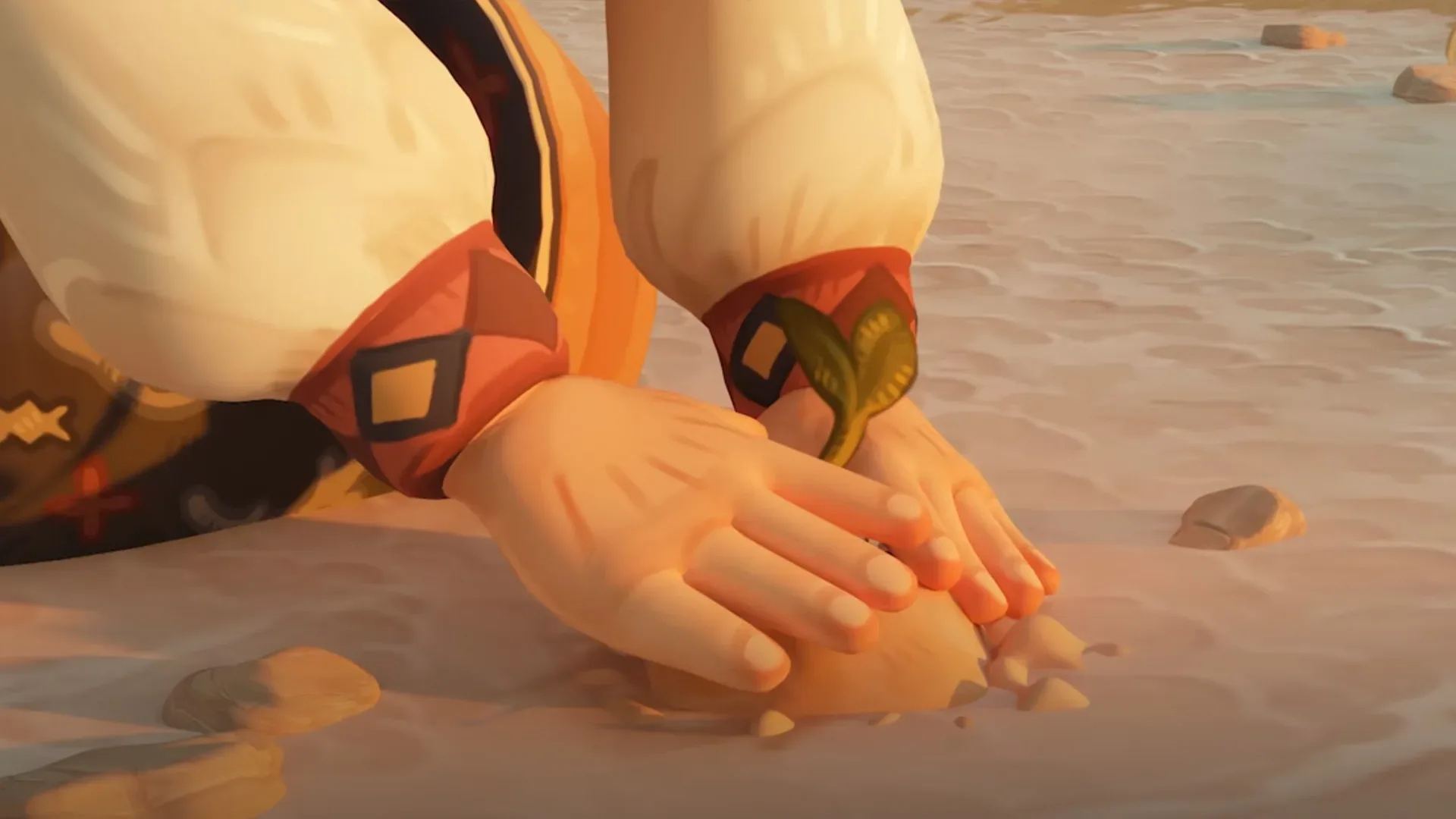
MAFATE draws inspiration from the real Cirque de Mafate on Réunion Island, while presenting a version that is both faithful in spirit and openly magical. That distinction matters. The game is not described as a literal simulation of the caldera. Its world includes fantastical elements such as Luna’s transformation and the ability to possess animals, while its sense of place is grounded in recognizable natural features and a community-focused journey.
The reference to a “faithful yet magical” interpretation also signals an ambition beyond borrowing a striking backdrop. The setting is integral to the game’s travel, storytelling and puzzle design. Its trails, woods, waterfalls and cliffs are not an interchangeable fantasy map; they are the kinds of spaces through which the postal journey and exploration mechanics are meant to unfold.
Players interested in games that foreground a particular landscape may want to pay attention to how the demo handles this balance. A compelling interpretation will need to make the world feel specific while giving its fantasy systems room to matter. The available information establishes the intention, but the demo is the clearest available opportunity to see how the traversal, camera and possession mechanics come together.
What the Steam demo can clarify
With the updated demo available now, the immediate question is not whether MAFATE has a combat loop to master—it does not—but how naturally it guides a player through a world without waypoints. The demo may offer an early sense of the game’s preferred rhythm: whether delivering a letter leads smoothly into a new route, whether visual clues are easy to interpret, and whether the camera and animal abilities give exploration satisfying purpose.
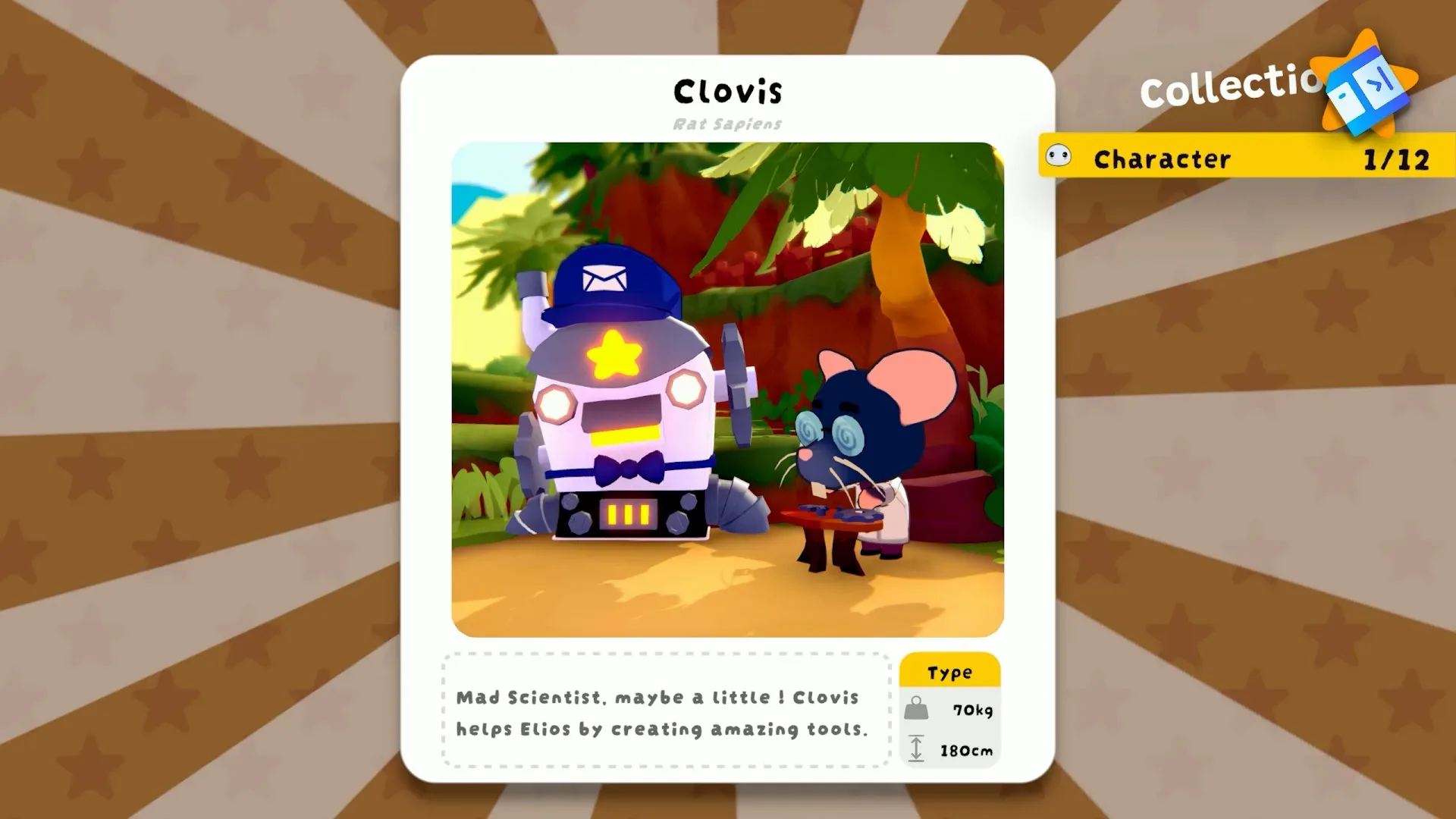
It should also help establish the tone of its stories. The game promises encounters with inhabitants across the villages, but the provided details do not identify individual characters or outline a main narrative conflict. For a game centered on carrying messages and connecting communities, those interactions are likely to be important in making each destination feel meaningful.
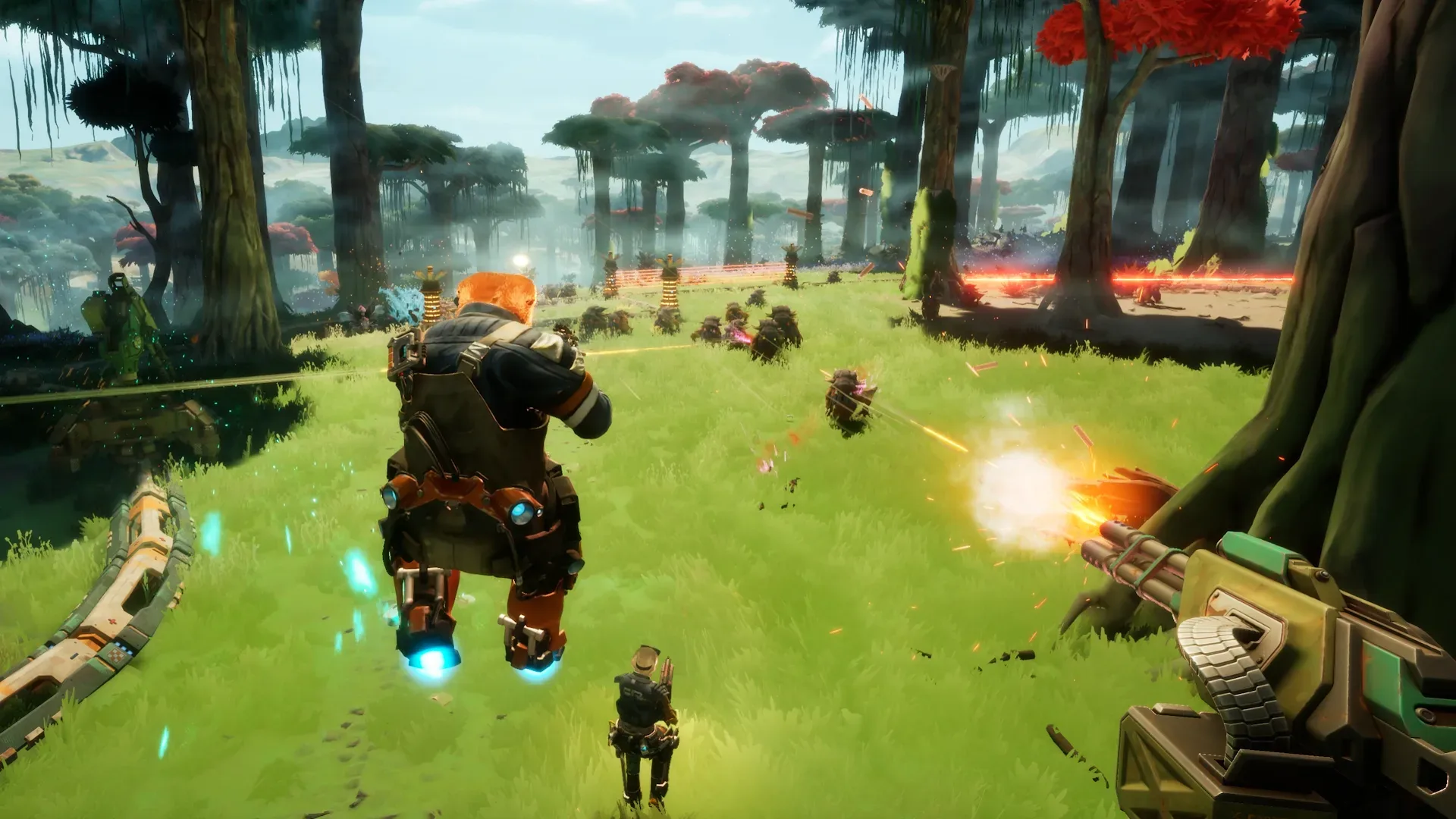
Steam Next Fest begins October 19, bringing MAFATE into a busy period for PC demos. Players looking across the event’s broader selection can also find a different kind of demo-oriented PC story in GRAVHOUNDS’ Steam demo update, though its co-op expeditions and mod-deck structure are a very different proposition from MAFATE’s solo, low-pressure exploration.
Who MAFATE is for
MAFATE is likely to appeal most to players who enjoy being asked to pay attention rather than perform under pressure. Its design signals are unusually direct: no combat means no enemy encounters are positioned as the main obstacle; no waypoints means the game favors self-directed navigation; and the magical camera plus animal possession indicate that playful experimentation will matter.
That does not necessarily mean the game lacks challenge. Environmental puzzles can still demand careful thought, and a world without waypoint arrows can require patient observation. The distinction is that MAFATE presents those demands as part of a calm, exploratory journey rather than as a test of reflexes or combat efficiency.
For now, the confirmed facts are focused but promising. MAFATE is a Steam-bound cozy adventure built around a legendary mail carrier, isolated villages, a magical camera companion and animal-based traversal. Its updated demo is available ahead of Steam Next Fest on October 19, offering a first chance to explore its unusual postal route through a magical vision of the Cirque de Mafate.