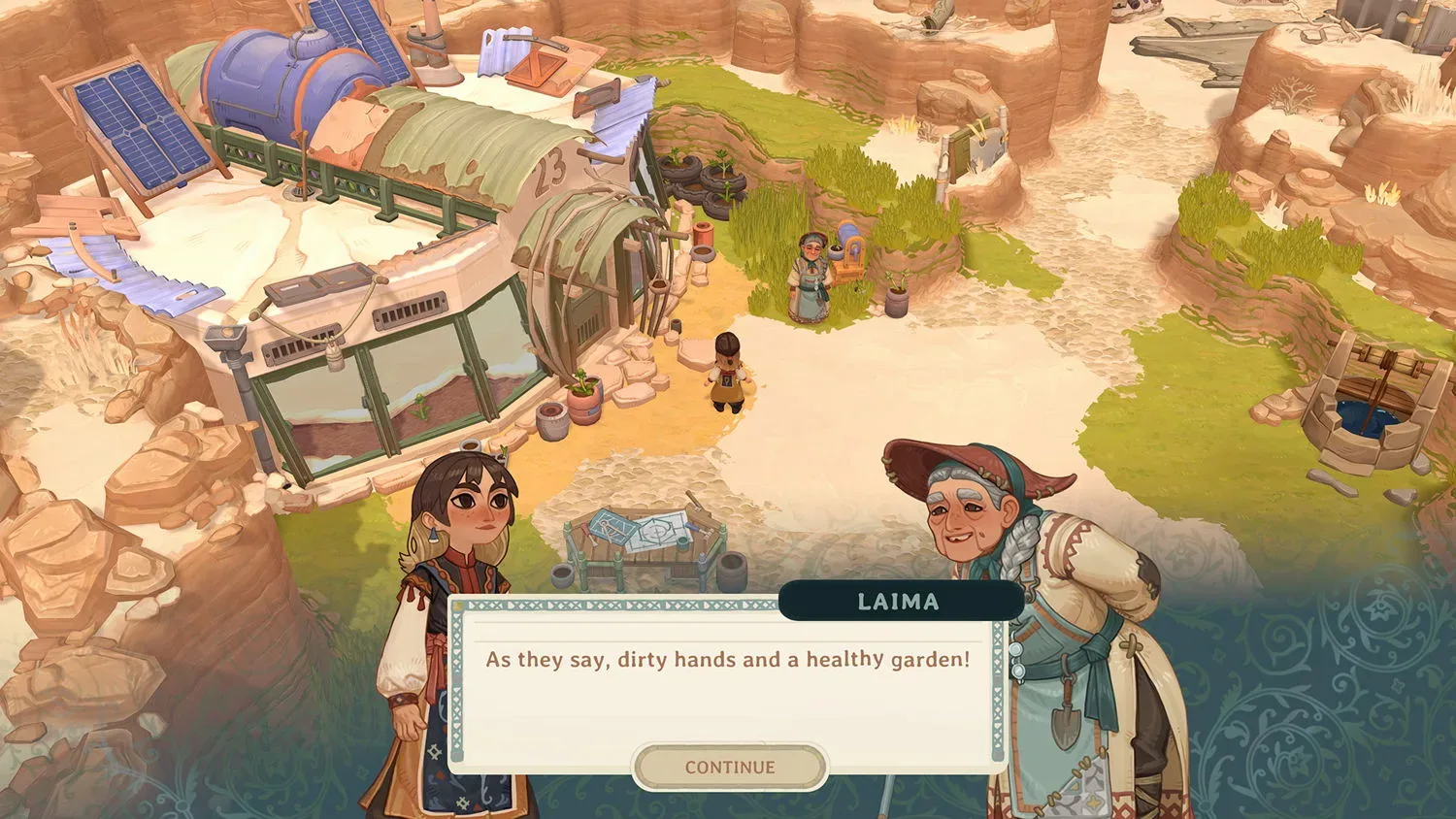
The Regreening has put down its first playable roots on Steam. The demo for Positive Impact Games’ debut project is now available ahead of its participation in October’s Steam Next Fest, giving players a chance to explore a restorative, nature-first game loop built around growing ecosystems rather than racing against a clock.
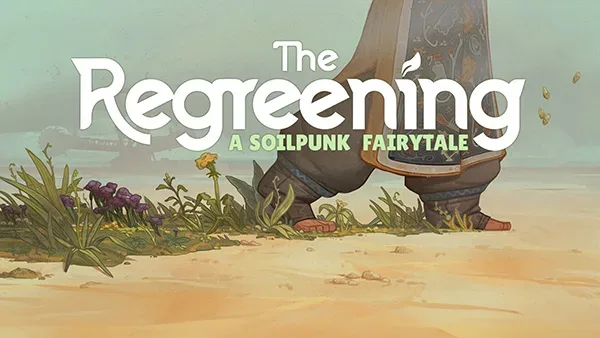
Published by ByteRockers’ Games, The Regreening frames its premise as a “soilpunk” fairytale: a deserted world needs care, and the player’s work gradually helps it become alive again. Plants are grown, discarded materials are recycled, habitats are established for animals, and ancient spirits influenced by Baltic folklore can become allies. The intended payoff is visual as well as mechanical—wildlife begins to return as the landscape recovers.
That is a notably gentle pitch for a game about rebuilding. Instead of presenting restoration as an efficiency test with countdowns and fail states, the demo is designed around stress-free play with no timers. Its systems still have progression, discovery and resource use, but the stated focus is on moving through a cozy environment at an unhurried pace.
A demo built around ecological restoration
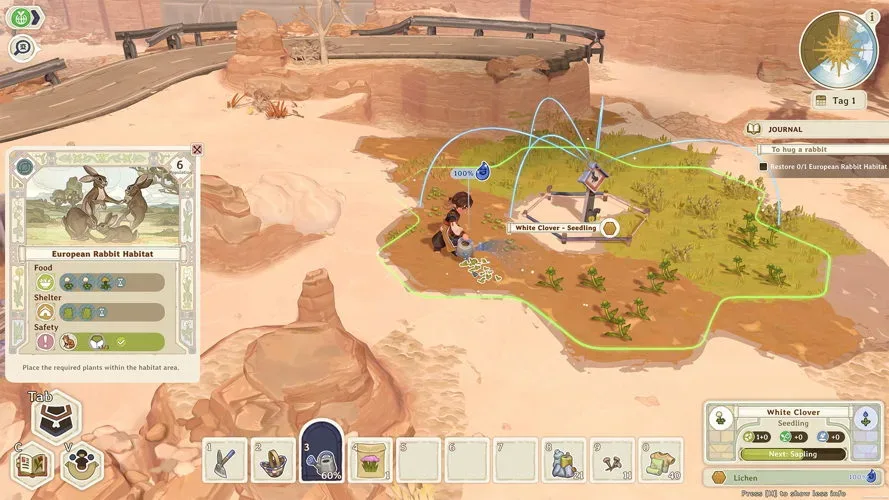
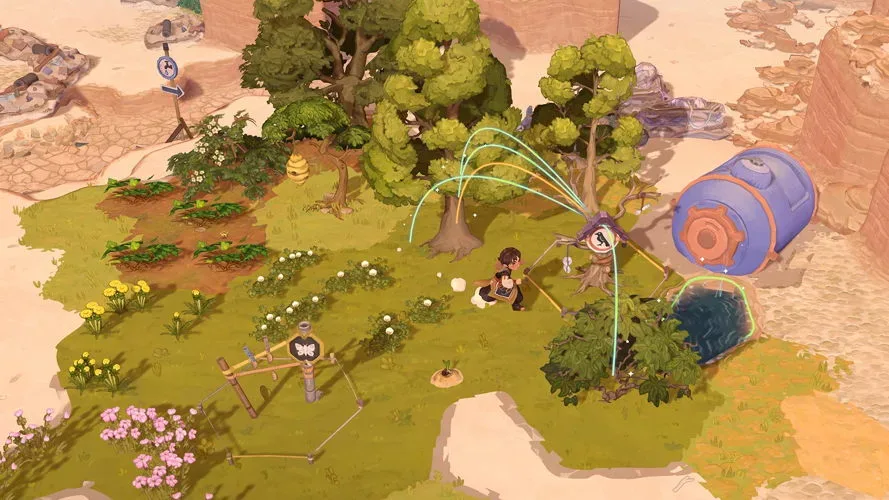
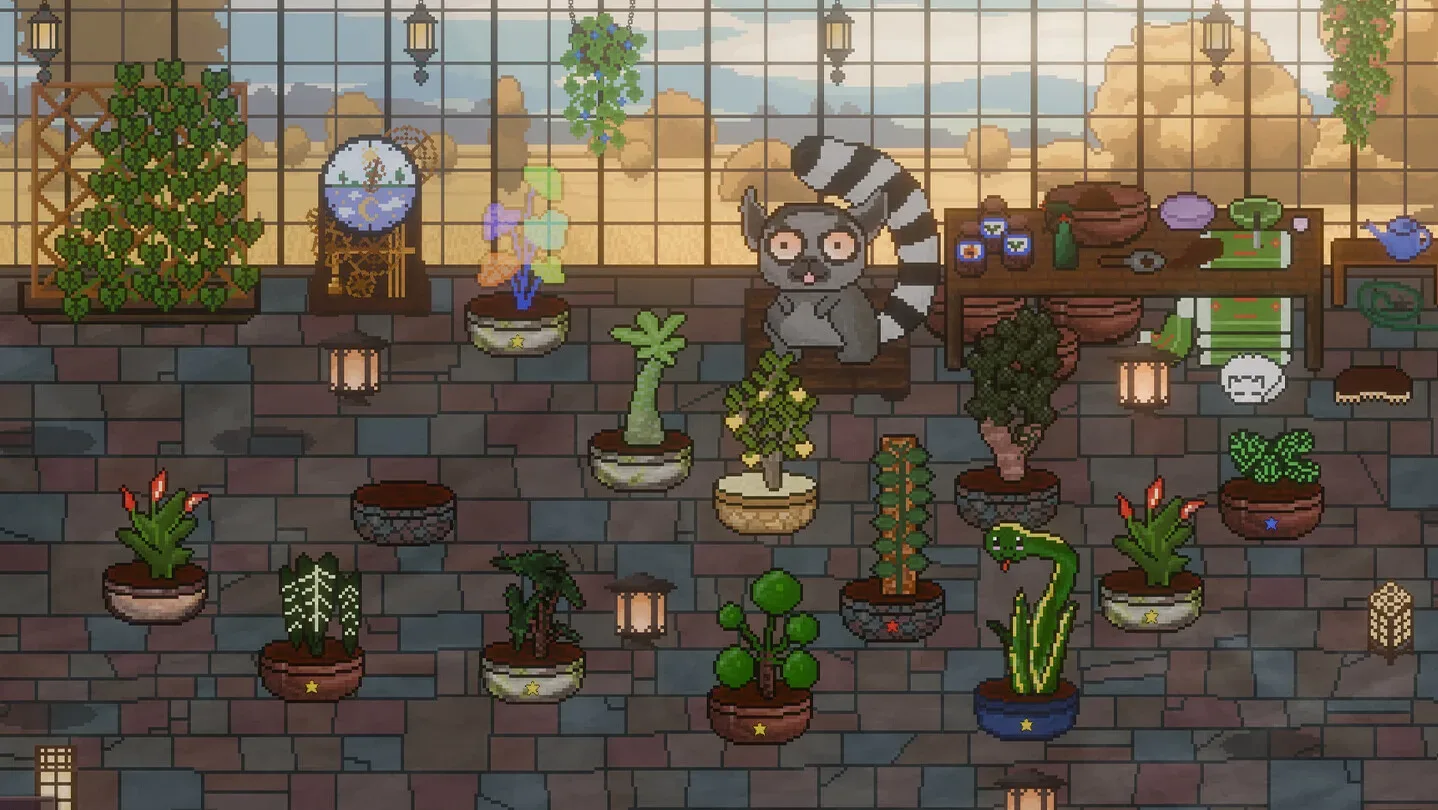
The central activity in The Regreening is not simply placing decorative plants. Its plant-and-cultivate systems are meant to let players discover new seeds, create homes for animals and combine plants for stronger synergies.
Plant synergies generally refers to a system in which two or more choices interact to create a result that is more useful than treating each choice separately. Here, that could make the selection and arrangement of vegetation meaningful to ecosystem restoration rather than purely cosmetic. The available information does not specify the individual plants, combinations or effects, so the demo will be the first opportunity to see how extensive those interactions are.
Animal habitats are another important piece of the loop. Rather than wildlife functioning only as background scenery, the game links its return to the player’s restoration work. Flowers and berries can be harvested to widen restoration efforts and to provide gifts for animals and friends. This makes harvested resources part of a social and environmental cycle: grow and gather, improve the world, then use what the world provides to deepen those connections.
The premise also gives discarded objects a second life. Players can recycle abandoned junk and turn it into decorations or helpful systems through crafting. Upcycling, the term used for this approach, means transforming unwanted material into something with a new use or greater value instead of simply disposing of it. In practical gameplay terms, it establishes a contrast with the original abandoned setting: leftovers from an emptied world become tools for its renewal.
The game’s fictional world is therefore not presented as a pristine garden waiting to be admired. It is a place that bears evidence of neglect, where recovery calls for both cultivation and reuse. That combination gives its cozy design a concrete direction. The player is not only collecting pleasant items; they are changing the conditions that allow plants and wildlife to return.
Related coverage includes The Regreening Demo Arrives on Steam Ahead of Steam Next Fest.
Folklore-inspired spirits are part of progression
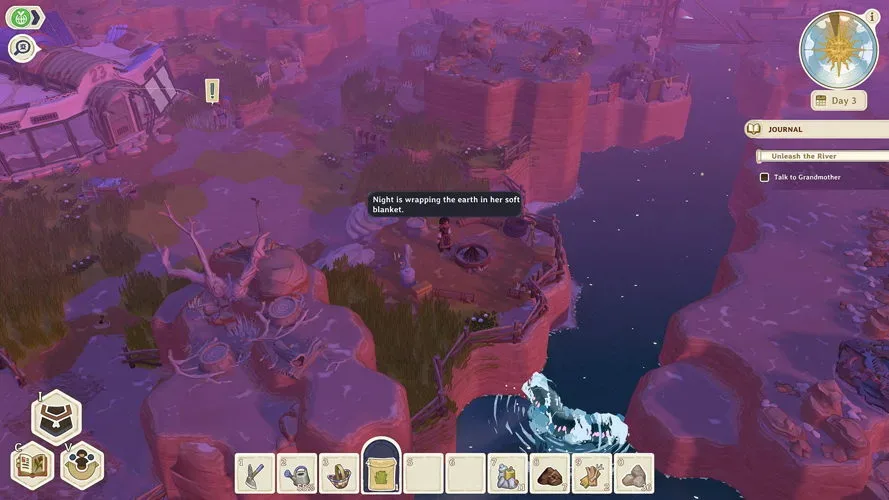
Alongside planting and crafting, players will be able to befriend mythical nature spirits inspired by Baltic folklore. Those spirits grant abilities, placing them within the game’s progression structure rather than limiting them to narrative flavor.
Exactly which figures appear and what each ability does have not been detailed. Still, the structure is clear: befriending spirits provides a route to new capabilities, while flowers and berries support relationships with animals and friends. It is a system that ties the game’s fairytale identity directly to its actions. Restoration does not happen in isolation; it happens through interactions with the living inhabitants and mythic forces of the world.
The use of folklore also distinguishes the setting from a generic enchanted forest. Baltic folklore is the stated creative inspiration for the spirits, but the game has not outlined particular stories or named specific beings. It is best understood, for now, as a cultural influence on the game’s characters and storytelling rather than a promise of a specific adaptation.
There is a broader appeal in that approach. Cozy games often create progression through tending a space and forming connections inside it. The Regreening appears to use its spirits as a way to connect those familiar ideas—building, nurturing and meeting characters—to the larger goal of restoring a wounded environment.
No timers means players can set the pace
The no-timers emphasis may be one of the demo’s most practical selling points. Timed objectives can provide urgency, but they can also push players to prioritize speed and optimization above observation. A game structured around ecological recovery benefits from leaving room to experiment with planting, crafting and habitat-building without a visible countdown dictating the next move.
That does not automatically mean there is no challenge. Discovery systems, resource gathering and ability progression can all create decisions. The distinction is that the available description positions those decisions as self-directed rather than deadline-driven. Players interested in planning their own layout, trying plant combinations or simply spending time in the environment may find that pacing especially relevant.
Its audio direction is intended to support the same atmosphere. The game features adaptive music and ASMR-like forest sounds. Adaptive music is music that changes in response to game conditions or player activity instead of playing as one fixed track from start to finish. The exact triggers have not been specified, but the goal is to make sound part of the changing world. Meanwhile, ASMR-like forest audio suggests a close, calming soundscape built around natural ambience.
Those descriptions set an expectation for a deliberately low-pressure experience, but they are also details best evaluated in play. For players trying the demo, the clearest questions may be how responsive the sound is, how quickly the world visibly changes, and whether planting, recycling and spirit abilities feel naturally connected.
What the Steam demo is positioned to show
The demo is described as a first taste of the game’s world, its folklore-inspired spirits and its core restoration mechanics. It should be treated as an introduction rather than a complete account of the final game: no full release date, price, complete platform list or full feature scope has been provided.
Even so, the announcement gives a useful checklist for anyone deciding whether to download it during Steam Next Fest:
- Planting and cultivation: discovering seeds, developing vegetation and exploring plant synergies.
- Habitat creation: using restoration to make space for animals and observe wildlife returning.
- Recycling and crafting: converting abandoned materials into decorations and useful systems.
- Spirit relationships: meeting folklore-inspired nature spirits and gaining abilities from befriending them.
- Gathering and gifting: harvesting flowers and berries to support restoration and relationships.
- Atmosphere and pacing: testing the no-timers structure alongside adaptive music and forest-focused audio.
The project arrives with considerable early interest. It has passed 55,000 Steam wishlists, while dedicated playtests involved more than 7,300 participants. Wishlist totals do not reveal how many people will ultimately purchase or play a game, but they do indicate meaningful awareness before launch. The playtest figure is more immediately relevant to development: the team says community feedback from those sessions helped shape and refine the game.
For a debut studio, that iterative process matters. A game with interlocking systems for cultivation, crafting, habitats, gifting and abilities has to communicate cause and effect cleanly. Players need to understand how a new seed, a recycled object or a spirit-granted ability fits into the wider effort to restore the world. Feedback from thousands of testers can help identify whether those links are intuitive without changing the project’s deliberately relaxed tone.
A welcoming counterpoint in a busy Steam demo season
Steam Next Fest can make a demo’s first impression unusually important. Players may sample many projects in a short period, often looking for a clear idea of what a game asks them to do and how it feels to do it. The Regreening has a concise answer: nurture a deserted landscape back into a living ecosystem, one plant, habitat, recycled object and new friendship at a time.
Its soilpunk label captures the central contrast. The game combines natural regrowth with the remnants of abandoned material culture, then makes both part of the player’s toolkit. The fairytale layer, through Baltic folklore-inspired spirits, supplies an additional sense of identity without displacing the ecological premise.
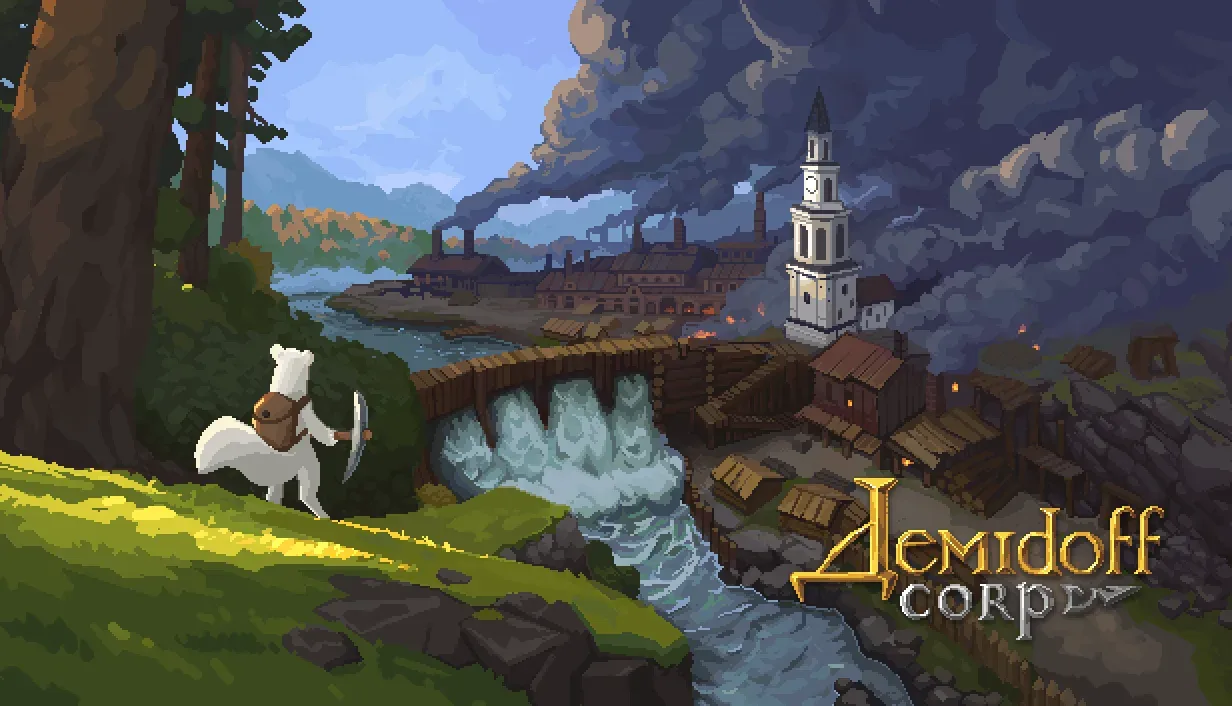
Players who want another upcoming Steam project with folklore at its center can also look at Demidoff Corp’s Ural folklore and industrial mystery, though its 2D Metroidvania and Souls-like framing points toward a very different kind of experience.
For The Regreening, the immediate invitation is much quieter: enter the demo, see how its restoration systems connect, and decide whether its unhurried approach to rebuilding a world is the kind of game space worth tending.