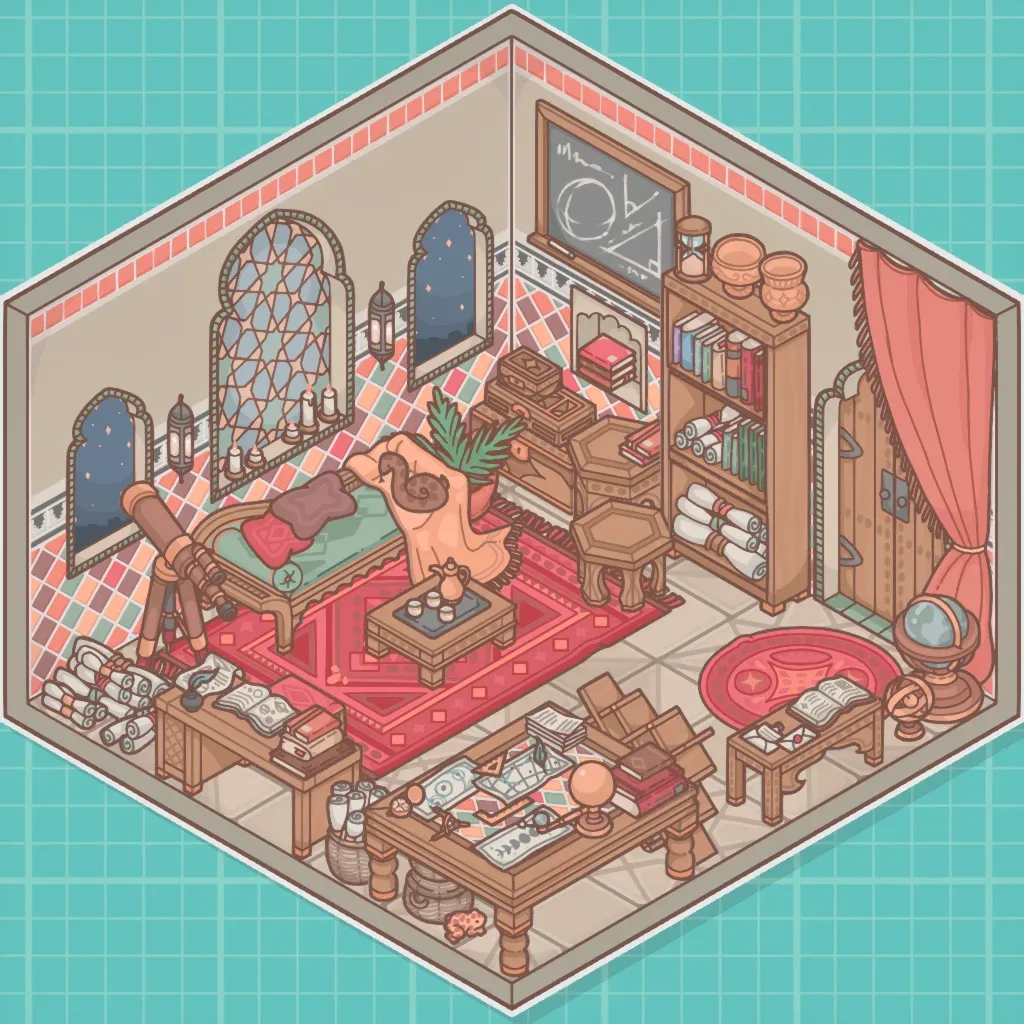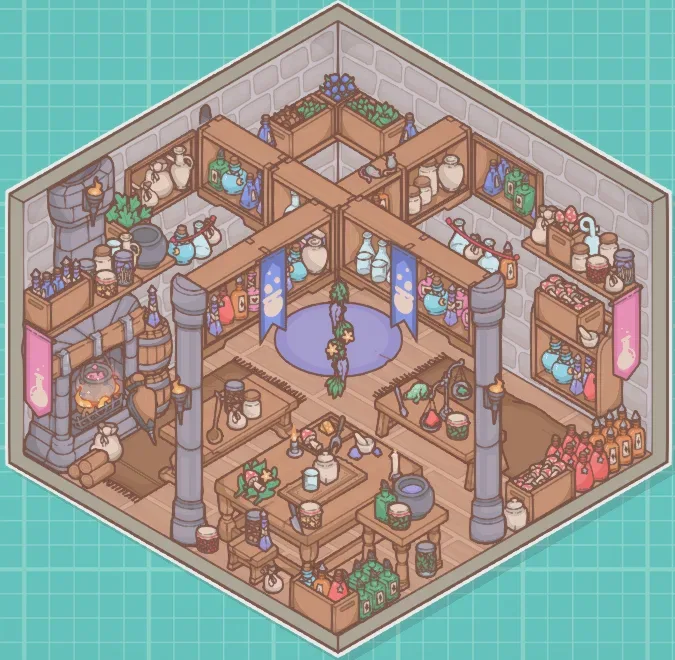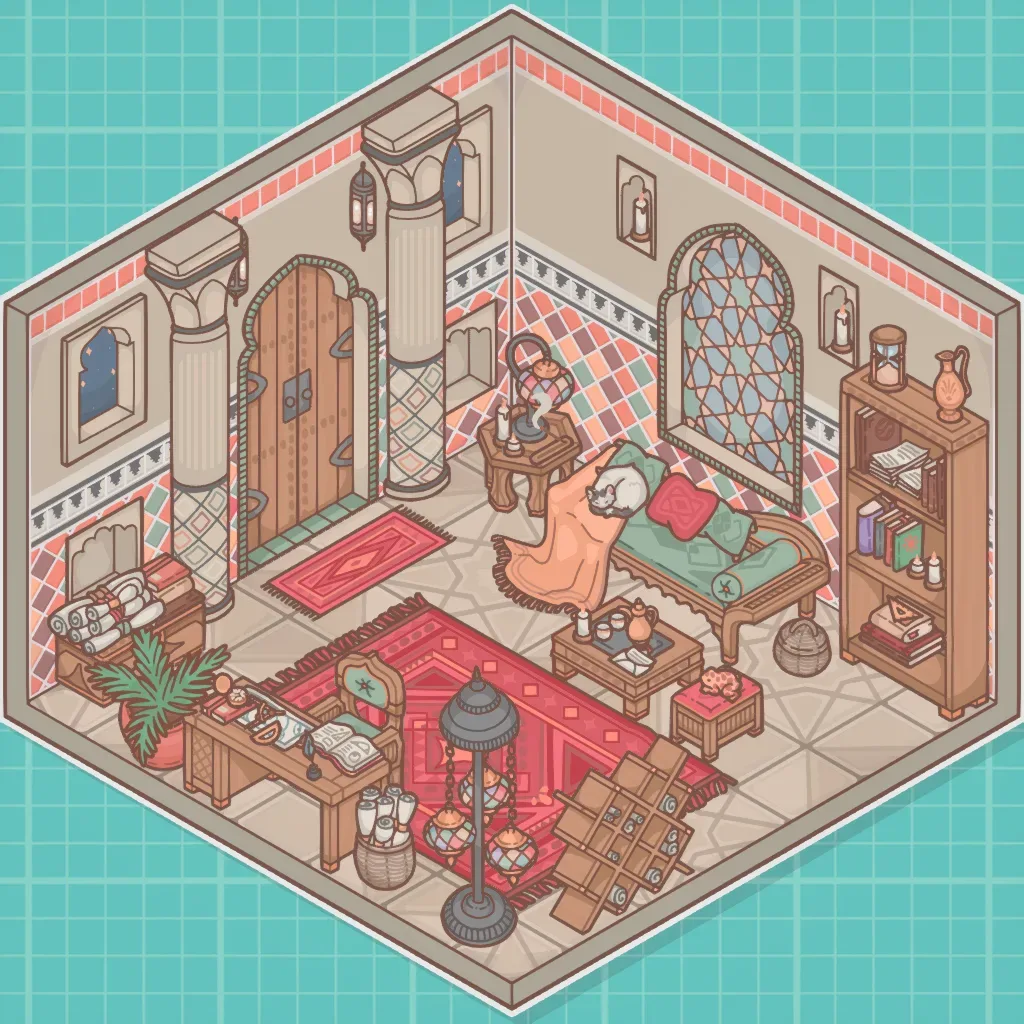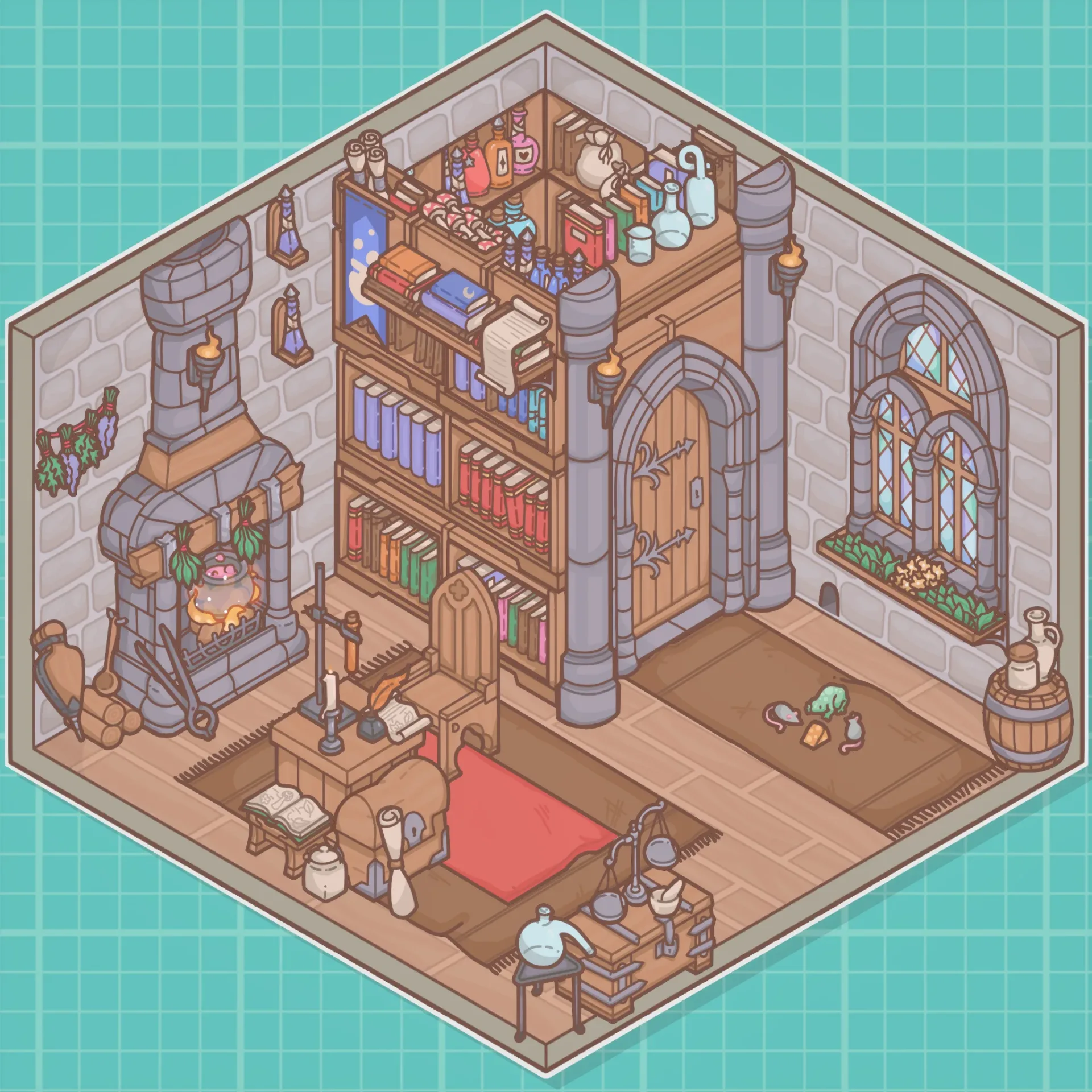
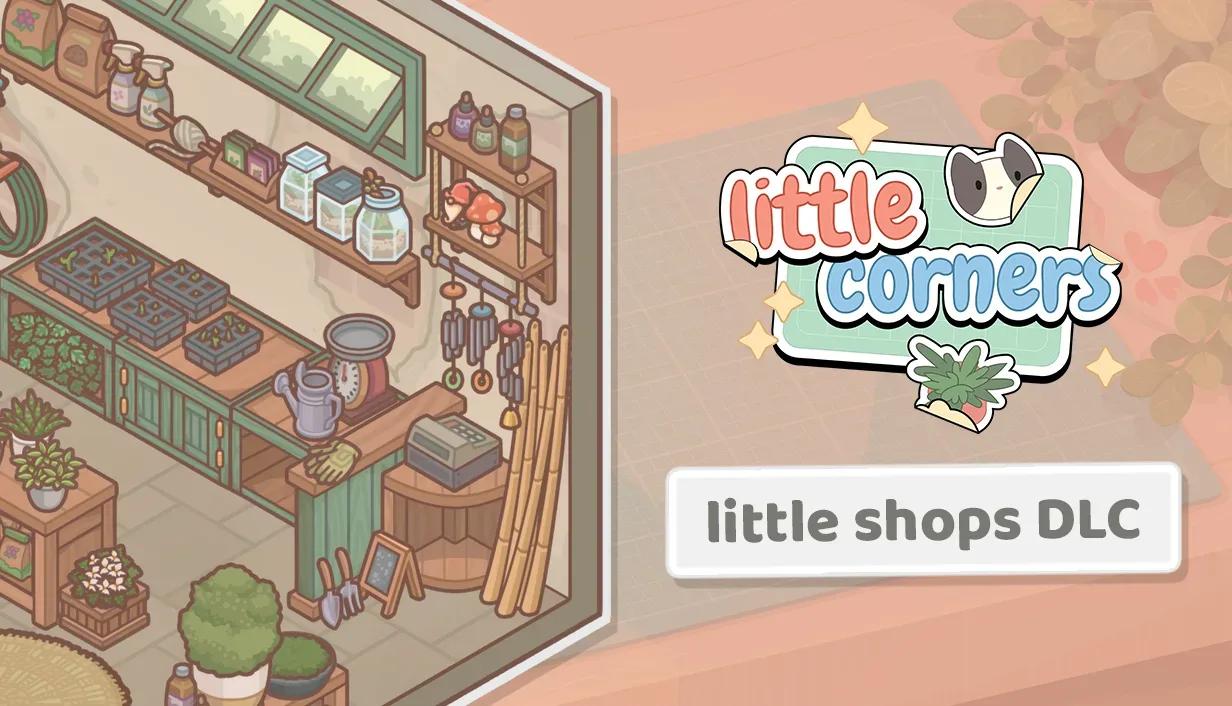
Little Shops, a new downloadable expansion for the stickerbook decorating game Little Corners, is now available on Steam. The add-on introduces three compact retail spaces—the Book Shop, Haberdashery, and Plant Shop—each intended to be furnished and personalized through the game’s sticker-placement format.
The DLC is priced at US$2.99 / £1.49 / €2.99. At launch, it has a 10% discount, while the base game is listed with a 30% discount. Little Shops follows a straightforward premise, but one that suits the game’s existing appeal: give players another set of empty, small-scale spaces and a large enough toolkit to turn them into something personal.
Three new corners, three distinct shop themes
The expansion’s headline feature is its trio of new “corners,” the game’s term for the scenes players decorate. The Book Shop, Haberdashery, and Plant Shop join the eight corners already included with Little Corners, bringing the total number of available spaces to 11 for players who own the DLC.
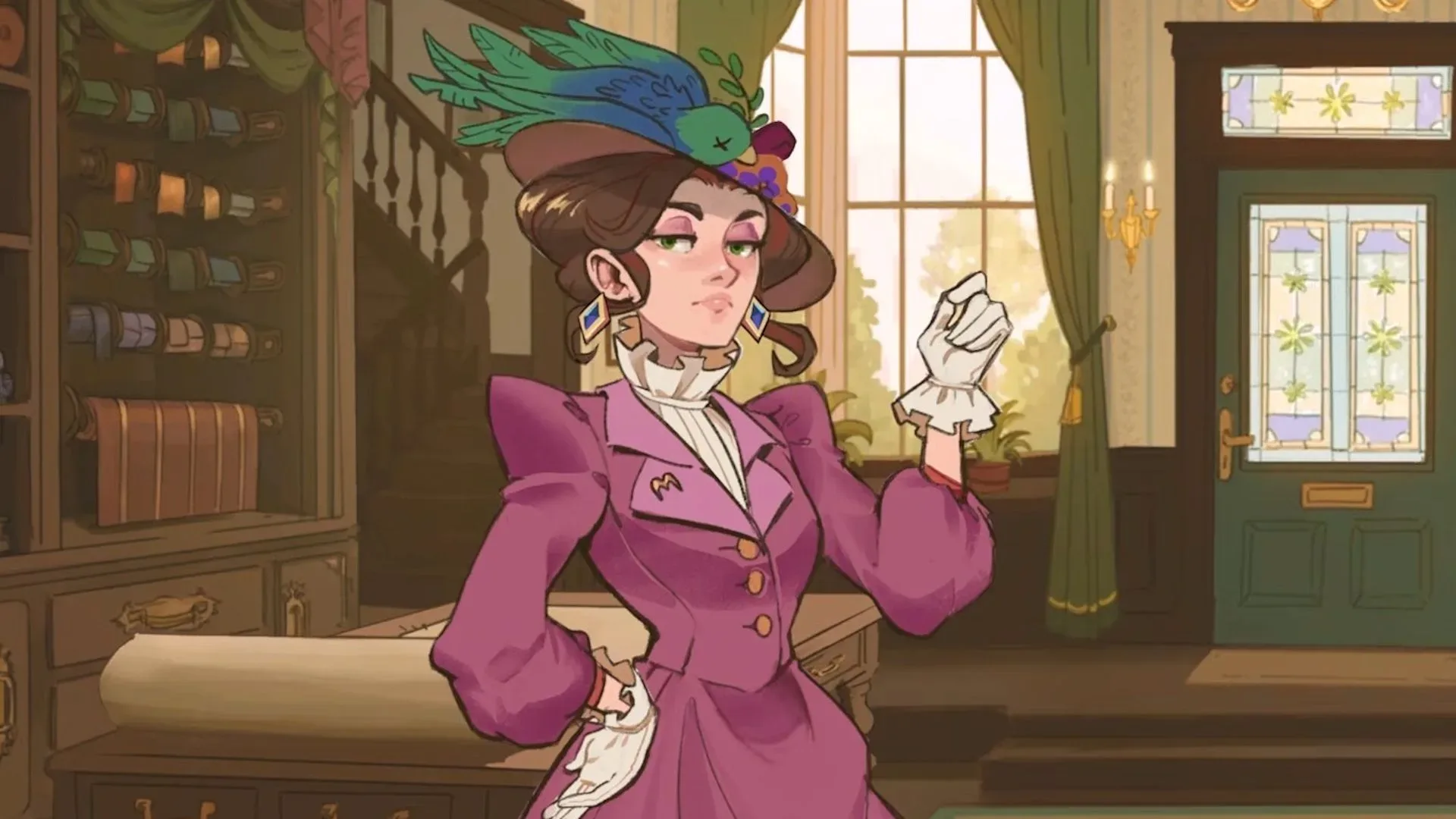
Each new location comes with themed props and its own personality. That wording matters because the themes provide a practical creative prompt without necessarily prescribing a single correct result. A bookshop can be arranged around a quiet browsing nook, a carefully packed storefront, or an intentionally cluttered pile of literary odds and ends. A plant shop naturally lends itself to layered greenery and displays. The haberdashery—a shop centered on sewing notions and related materials—opens a different visual lane, one built around textiles, accessories, and craft-shop character.
That range is useful in a decorating game. The rooms are small by design, so a clear theme can help a space feel immediately legible, while individual props give players the chance to make the scene feel lived-in rather than merely filled. Little Shops appears focused on expanding that palette rather than changing the core format.
More than 250 stickers to place and arrange
Little Shops includes more than 250 new stickers. In Little Corners, stickers are the central interactive material: players peel them, place them, and arrange them to build a finished scene. The addition is therefore more significant than a simple set of three backdrops. It adds new decorative pieces alongside the new locations, allowing the shop themes to be developed through objects rather than only implied by a room’s title.
A stickerbook sim is a game built around digital sticker placement and composition. Its emphasis is generally on arranging elements in a visually satisfying way instead of overcoming action-based challenges. In that context, a larger sticker pool affects the creative possibilities available to a player. Different items can establish focal points, fill empty areas, support a color or material theme, or introduce deliberately uneven detail that makes a miniature scene feel cozy.
The announcement does not outline whether every sticker is exclusive to a particular shop or whether items can be freely mixed among all corners. What is confirmed is that the DLC provides the 250-plus additions and that the three locations have themed props. Players should therefore expect a retail-oriented expansion with enough assets to support its book, sewing, and botanical settings, while avoiding assumptions about placement restrictions that have not been specified.
Related coverage includes Little Corners Opens Three Cozy New Retail Spaces in Little Shops DLC.
Hidden stickers add an exploratory layer
Not every new sticker is immediately in plain view. Little Shops includes hidden stickers in each corner, giving players an extra reason to inspect the scenes as they decorate. This is an optional exploration element rather than a traditional walkthrough objective: the appeal is in discovering tucked-away items and adding them to the available creative toolkit.
For a game designed around relaxed decoration, hidden stickers are a fitting addition. They create a small sense of discovery without changing the game into a high-pressure scavenger hunt. Players who simply want to compose a shop can focus on placement, while those who enjoy examining every part of a scene have extra details to seek out.
It also gives the new corners a second function. They are not only surfaces on which to arrange stickers; they are spaces worth looking through. That distinction can be valuable in a compact decorating game, where replayability often comes from returning to a familiar scene with a new arrangement in mind or spotting an object missed during an earlier session.
A low-pressure expansion for a low-pressure game
Little Corners is framed as a relaxed stickerbook simulation about transforming empty spaces into cozy miniature worlds. Its lo-fi soundtrack is part of that laid-back approach. Little Shops keeps close to that foundation: no new competitive mode, progression system, or radically different activity has been announced. Instead, it increases the number of canvases and decorative options available within the established experience.
That makes the DLC’s intended audience relatively clear. It is aimed first at existing players who have enjoyed designing the base game’s eight corners and want more places to experiment. The three shop settings may also be a useful entry point for newcomers drawn to a specific theme, though the expansion is additional content rather than a standalone game.
The value proposition is tied to creative preference. Players looking for a new mechanical system have not been promised one. Players who want more stickers, more cozy retail spaces, and some secrets to uncover have a defined bundle of new material. With a low list price and launch discounts on both the expansion and base game, the release is positioned as a small-scale addition to an intentionally gentle game.
What the shop themes can bring to decorating sessions
The three choices are notable because they are all shops, but they suggest different types of visual storytelling. A bookshop is often about display, order, and the contrast between neatly shelved items and a more casual reading space. A plant shop suggests organic density, where foliage and containers can create a fuller scene. A haberdashery has a craft-oriented identity, making it a natural setting for arrangements that feel precise, colorful, or pleasantly busy.
These are interpretations of the themes rather than promised gameplay scenarios, but they illustrate why more corners matter in a stickerbook game. A distinct environment can change how a player thinks about spacing and decoration even when the underlying controls remain the same. The core pleasure is not just adding more objects; it is making decisions about how those objects belong together.
That is also why themed expansions can have staying power in a creative game. A new scene does not need a long checklist of objectives to be useful. If it gives players a different atmosphere, a fresh set of props, and enough room to test arrangements, it can encourage repeated sessions. The hidden stickers add another modest prompt to revisit each setting.
Players interested in other Steam releases built around making something rather than mastering a difficult combat loop may also want to see Drawquarium’s drawing-to-fish concept. The projects are different, but both point toward the appeal of games that put personal creation at the center of the experience.
Little Shops availability and discounts
- Platform: Steam
- DLC: Little Shops for Little Corners
- New corners: Book Shop, Haberdashery, Plant Shop
- New stickers: More than 250
- Extra activity: Hidden stickers in every new corner
- DLC list price: US$2.99 / £1.49 / €2.99
- Current discounts: 10% off the DLC and 30% off the base game
Little Shops is available now for Steam players looking to expand their collection of calm, customizable spaces. Its three-store lineup and substantial new sticker count keep the focus where Little Corners is already most comfortable: taking a small blank room and slowly making it feel like someone’s favorite place to be.