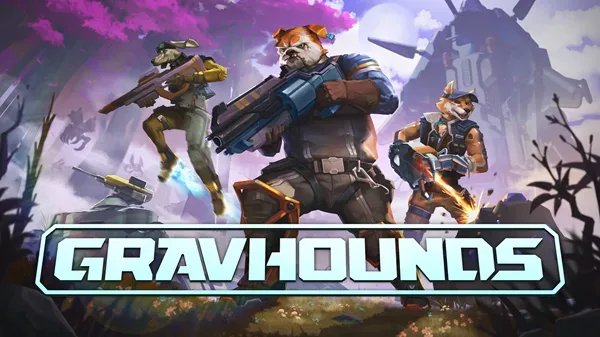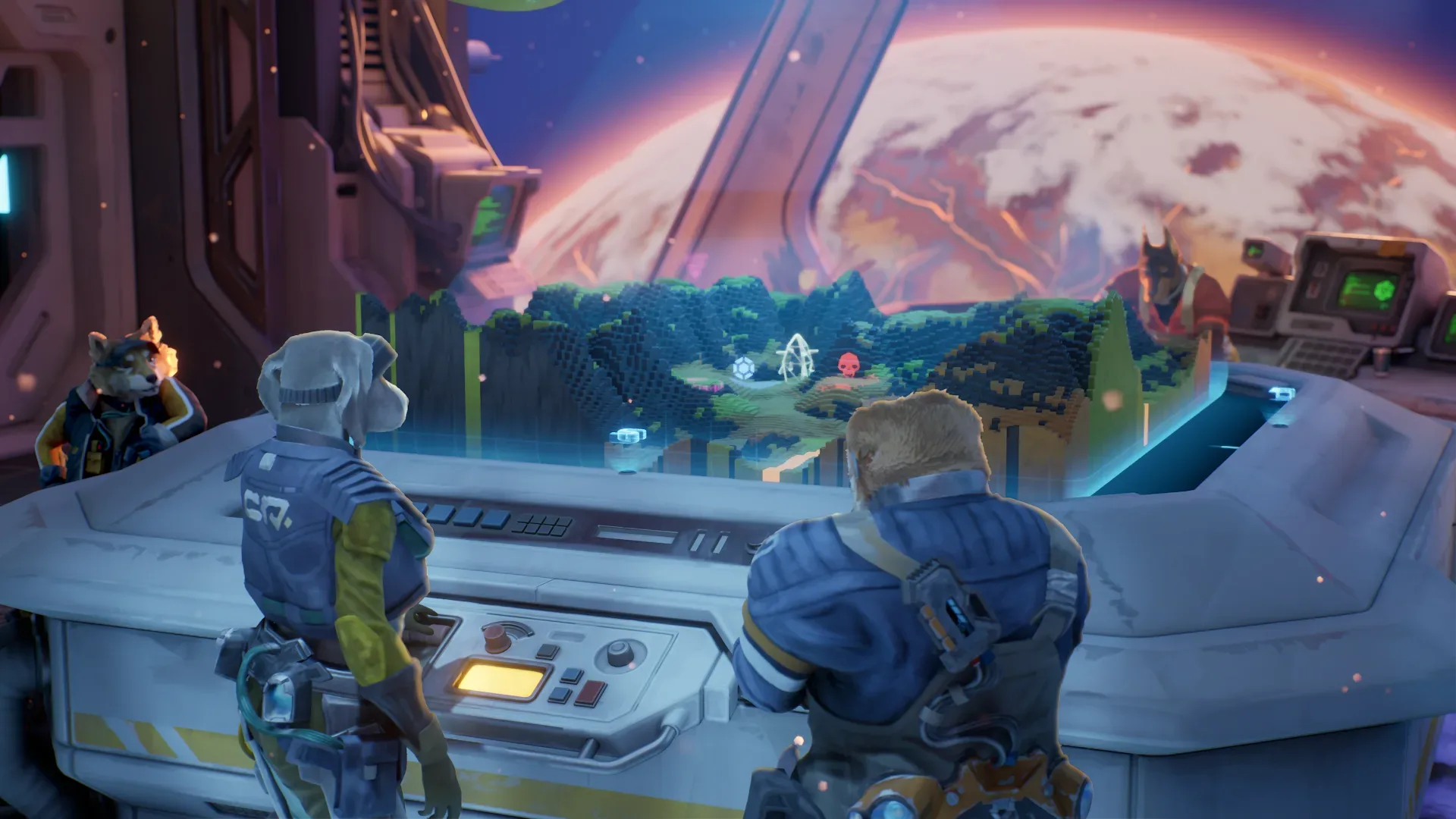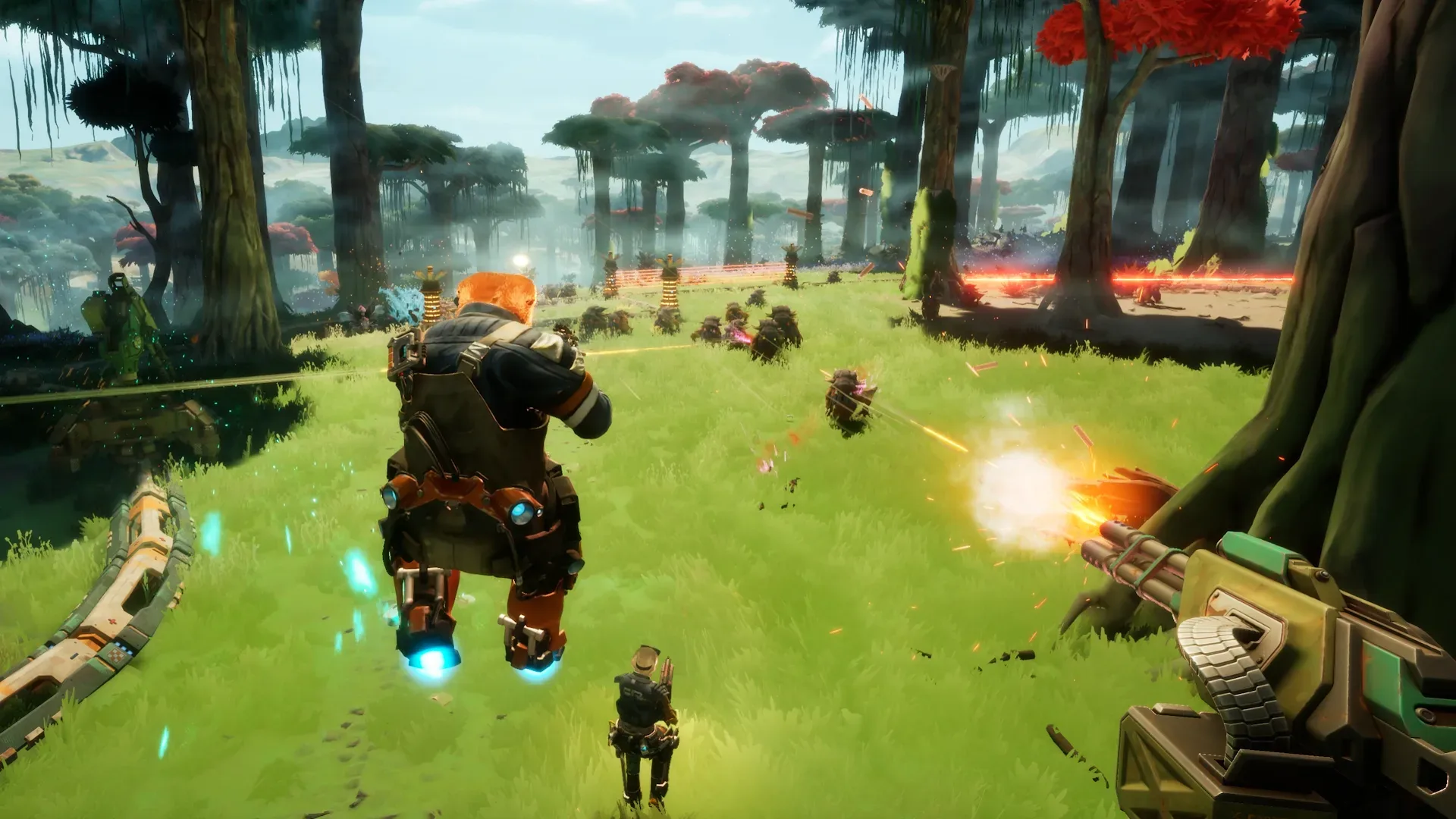
Octopus Panic has opened a limited Steam demo for GRAVHOUNDS, its co-op action-builder, running from October 12 through October 18, 2026. The playable slice supports expeditions alone or with up to four players, and it arrives with a new Mod Deck Builder intended to give players more influence over the upgrades and options that can appear during a run.
The demo includes seven planets across two solar systems and four playable characters: Selene, Zane, Dozer, and Finn. Beyond being a straightforward try-before-release opportunity, it also represents a notable iteration point for the project. The Mod Deck Builder was made in response to feedback from the game’s open playtest, while the demo incorporates a broad set of technical and gameplay-side refinements affecting planets, resources, objectives, saving, crashes, animation, audio, effects, and multiplayer reliability.
What GRAVHOUNDS is putting in the demo
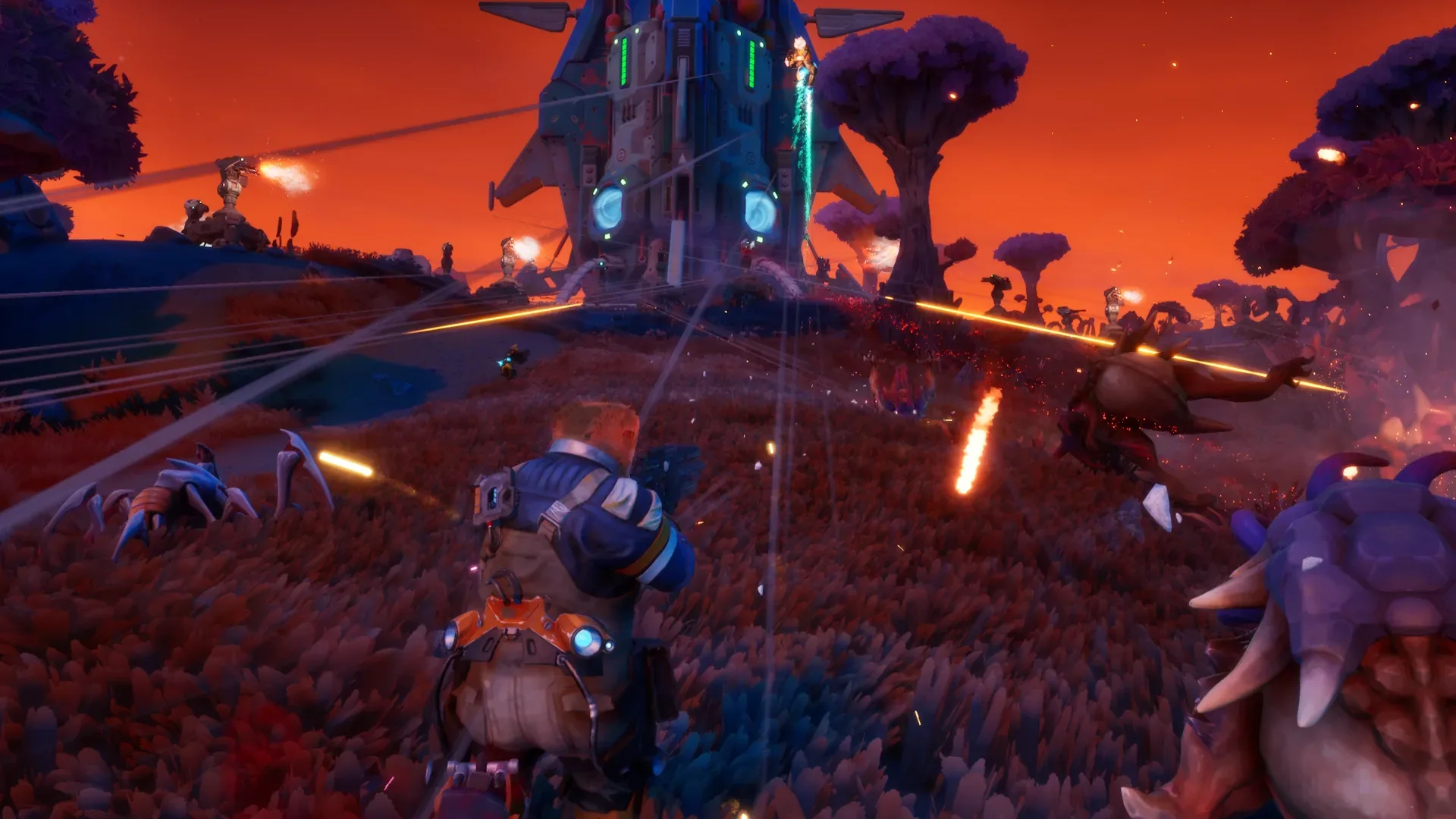
GRAVHOUNDS is framed as a 1–4 player co-op action-builder. That combination matters because it suggests the game’s expeditions are not only about fighting through hostile spaces. Players are also expected to establish and expand operations while they work toward their objectives and eventual extraction.
The central tool highlighted for that approach is the Grav Beam, which can manipulate both objects and enemies. In practical terms, a tool like this can make moment-to-moment decisions less rigid than a conventional weapon-only action game: an object might be repositioned to support an operation, while an enemy could be treated as something to move or disrupt rather than simply eliminate. The materials do not define every interaction available through the beam, so players should treat its full tactical range as something to discover in the demo rather than assume a specific set of uses.
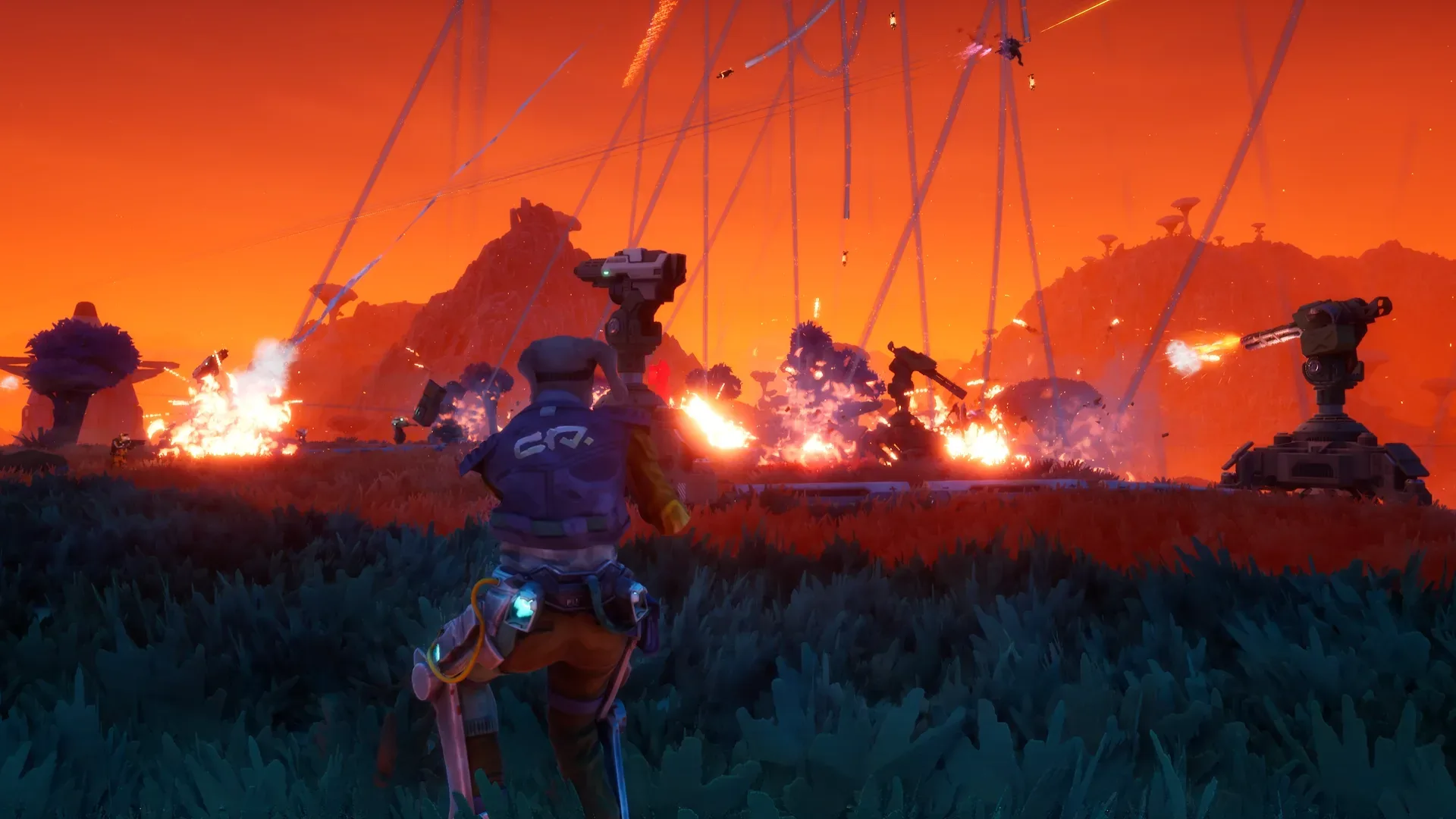
Construction is another stated part of the loop. Players can deploy turrets, generators, fabricators, and pipelines to grow their operation. The names describe distinct practical roles even without detailed specifications: turrets point to defensive firepower; generators imply power infrastructure; fabricators suggest a way to create or process useful equipment; and pipelines indicate that connections between parts of an operation are important. Together, they position building as an active part of an expedition rather than a detached menu layer.
That mixture of action, manipulation, and deployable infrastructure could make coordination particularly meaningful in four-player sessions. One player may be focused on movement or enemy pressure while others tend to construction and operational needs—but that is an interpretation of the feature set, not a prescribed class system. The available information names the four Gravhounds without assigning them specific abilities or roles.
The Mod Deck Builder: controlled randomness between expeditions
The headline addition in this demo is the Mod Deck Builder. It is designed to give players more agency over the possibilities they encounter during an expedition without removing unpredictability entirely. Players can alter their deck between expeditions as their Mod library expands.
In simple terms, a deck builder here is a system for determining a pool of potential modifications, rather than a promise that the same upgrade path will appear every time. The important distinction is between selection and certainty. GRAVHOUNDS is presenting the system as a way to shape the kinds of options that may enter a run, not as a tool for scripting every choice in advance.
Related coverage includes GRAVHOUNDS Steam Demo Opens With Co-Op Expeditions and Mod Deck Builder.
That design tension can be valuable for a co-op expedition game. Full randomness can keep runs surprising but may leave players unable to pursue a preferred strategy. Complete predictability can make planning clearer but risks reducing the need to adapt. A customizable deck sits between those extremes: players influence the pool, then respond to what actually shows up.
The ability to revise the deck between expeditions is equally significant. It suggests preparation has a long-term dimension as a player’s Mod library grows. If a prior expedition exposes a weakness in a group’s approach, the players can potentially adjust the set of possibilities they bring into the next one. The supplied details do not specify how Mods are earned, how many can be carried, or whether decks are shared in co-op, so those are questions the demo may help clarify rather than settled mechanics.
For players who enjoy games where build planning and on-the-fly adaptation share the spotlight, the Mod Deck Builder is likely the feature to watch most closely. It is also the clearest sign that feedback from the open playtest has translated into a structural change rather than only a balance or stability pass. Players interested in another co-op game whose updates substantially reshape build decisions can also see how Ravenswatch’s broad talent rework changes each hero.
Extraction is where the risk escalates
GRAVHOUNDS also emphasizes high-risk extraction gameplay. The stated premise is that rewards increase as planets become more dangerous. Extraction games generally turn the decision to leave into a meaningful choice: getting out secures the results of a successful outing, while staying longer may improve the payoff but invites greater danger.
Here, that rising threat is particularly relevant because expeditions include both action and operational building. If players have spent time deploying equipment and expanding their setup, the choice to push onward can become more complicated than a simple calculation of remaining health or ammunition. The materials do not detail what is retained, lost, or rewarded on extraction, nor precisely how planetary danger rises. Still, the core promise is clear: greater reward is linked to accepting greater risk.
There are also unlockable mid-shift abilities and upgrades, along with high-speed mobility options. “Mid-shift” indicates that at least some power growth takes place during an expedition itself, rather than exclusively in between runs. Mobility, meanwhile, is likely to matter for both combat survival and the logistical demands of an operation spread across a planet. No specific traversal moves or upgrade examples have been confirmed, so it would be premature to draw hard conclusions about the game’s pace or individual character kits.
Seven planets, four characters, solo or co-op
The demo’s content footprint is seven planets spread over two solar systems. That is a useful amount of space for a limited test, though it should not be read as a confirmed statement about the scope of any eventual full version. What is confirmed is that the demo lets players take expeditions through those locations either solo or in groups of up to four.
Solo availability is worth noting. It means the action-builder structure is not exclusively dependent on organizing a full squad before a player can explore the demo. Conversely, four-player support gives groups room to test how the game’s construction, combat, manipulation, objectives, and extraction pressure behave when several people are making decisions at once.
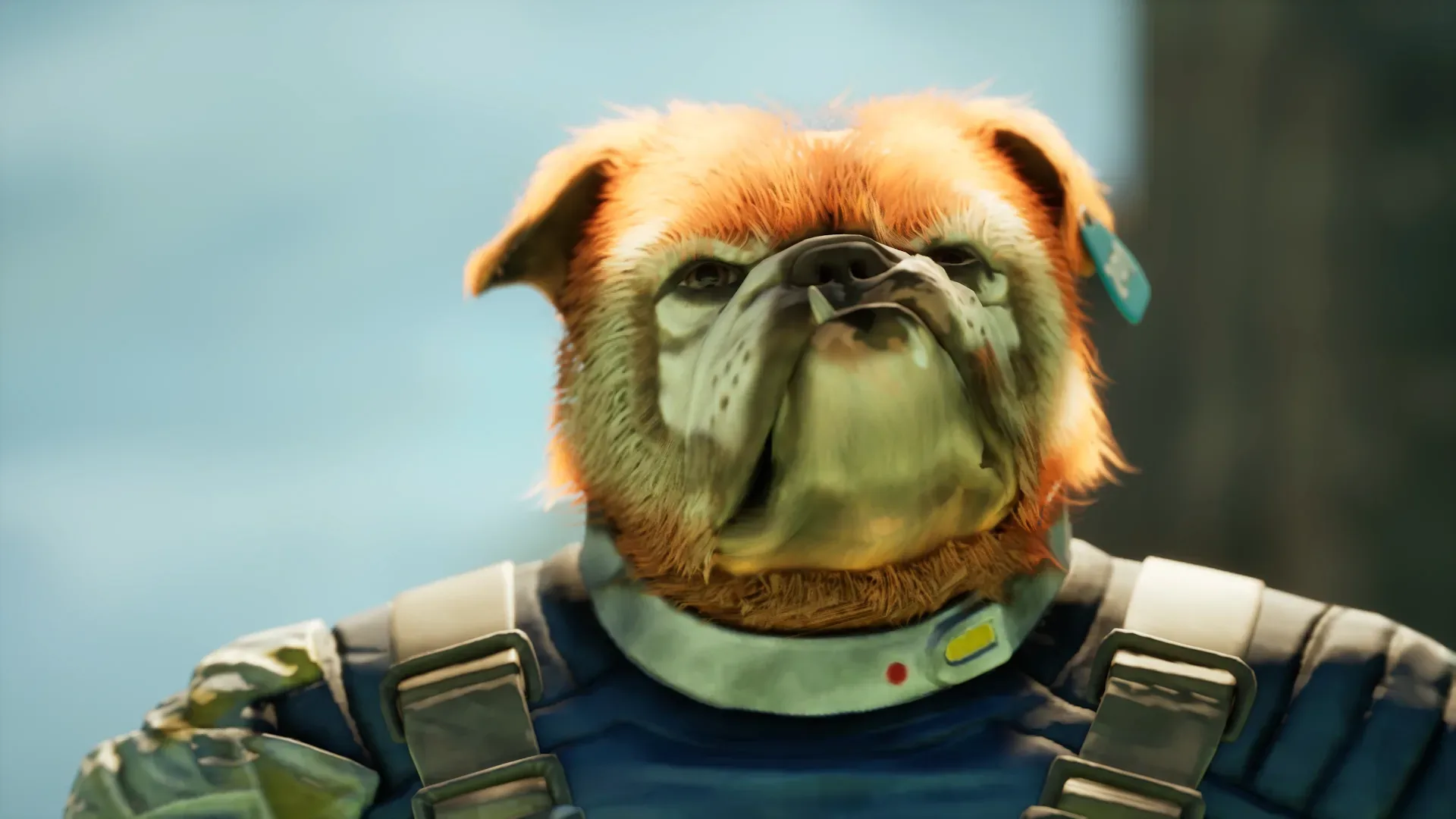
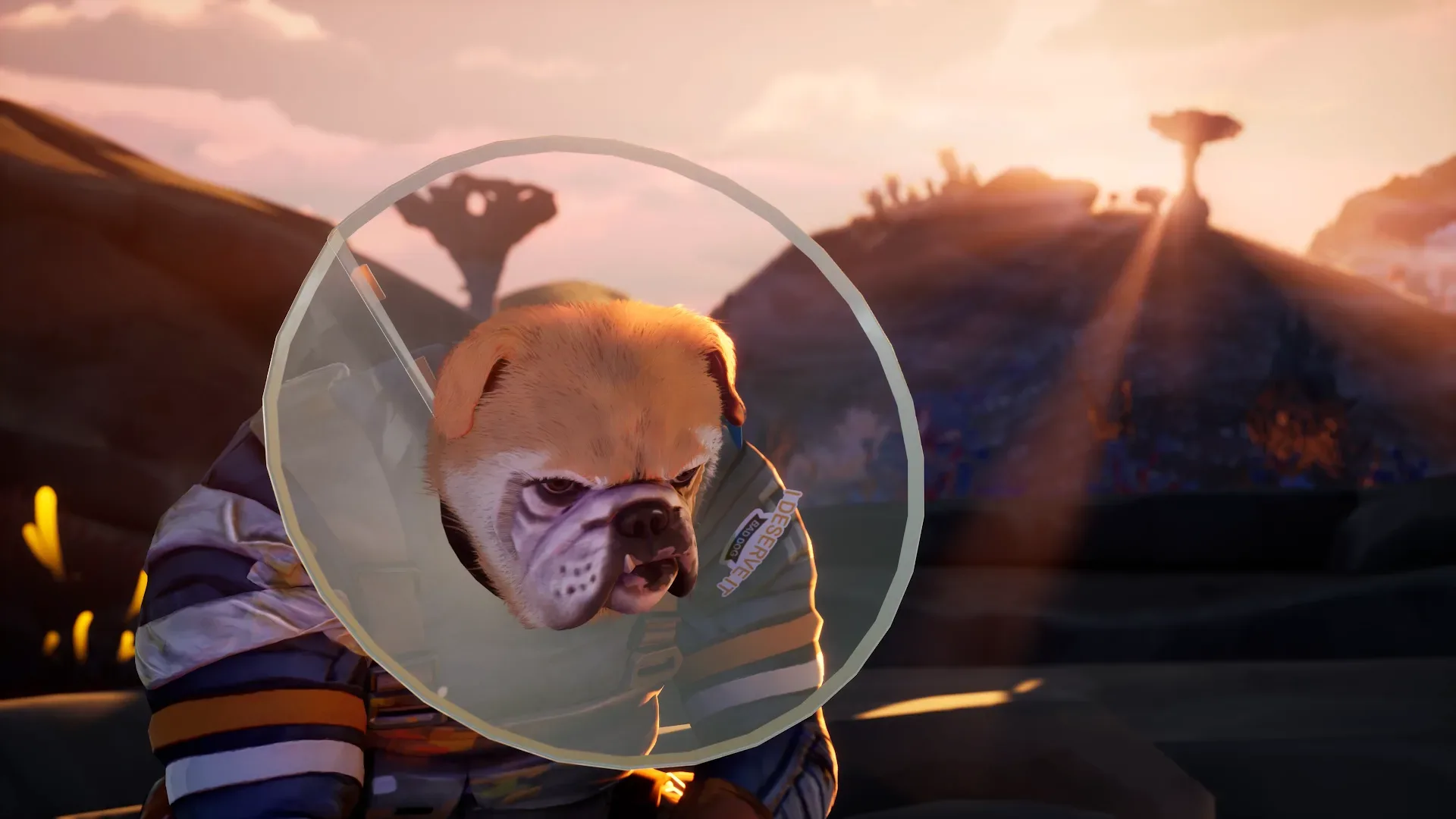
The four available Gravhounds—Selene, Zane, Dozer, and Finn—give players a defined launch roster for this demo. However, no source-supported descriptions of their personalities, equipment, skill sets, or differences have been provided. Their names alone should not be treated as proof of a particular specialization. Anyone choosing among them will need to use the demo itself to learn what separates them.
A demo built around iteration as well as access
Octopus Panic says the new deck system followed player feedback from the open playtest. Co-founder Josh Holmes described the support from testers as overwhelming and credited players who spent time trying the game, reporting bugs, and sharing ideas. That context helps explain why the update is not limited to one newly announced system.
The developer lists improvements to planets, resources, objectives, saves, crashes, animation, audio, effects, and multiplayer reliability. This is a broad set of categories, but it does not include a detailed changelog or quantify individual fixes. Players should therefore understand the announcement as a statement of focus rather than a guarantee that every issue is resolved.
Multiplayer reliability deserves special attention in any game built for one to four participants. Co-op games are often judged not only by their mechanics but by how consistently friends can join, remain connected, and share a session without technical disruption. Improvements in this area may not be as flashy as a new build system, but they are central to whether players can meaningfully evaluate the group experience during a time-limited demo.
What to look for during the Steam demo window
With the demo available only from October 12 to October 18, interested players have a short window to examine the game’s major pillars. The most productive way to approach it may be to separate its systems into a few practical questions:
- How much control does the Mod Deck Builder provide? Test whether deck changes noticeably affect the sorts of choices that surface in later expeditions, while keeping in mind that unpredictability is intentional.
- How necessary is infrastructure? Experiment with deployables and pipelines to see whether they merely assist survival or fundamentally shape how objectives are handled.
- What does the Grav Beam enable? Try it on the objects and enemies available to understand whether its strongest value is combat control, construction support, problem-solving, or a mix of all three.
- How does extraction pressure feel? Pay attention to the relationship between rising danger and reward, especially when deciding whether an expedition has reached a sensible stopping point.
- How does co-op change decision-making? Compare solo play with group runs if possible. The game’s building and action systems may create different priorities when several people share a mission.
GRAVHOUNDS’ Steam demo is live from October 12 through October 18, 2026. It offers a chance to sample its seven-planet, two-system setup and to see how an action-builder handles the push and pull between planning a Mod deck, building an operation, surviving escalating danger, and choosing when to extract.