Ravenswatch has expanded its roster with Kintaro, a downloadable playable hero inspired by Japanese folklore, while a substantial update revises the Talent systems used by every character. Both the Kintaro DLC and the Talent rework are available now on PC, Nintendo Switch, PlayStation 5, PlayStation 4, Xbox Series X|S and Xbox One.
It is a notable two-part update for the top-down roguelike action game. Kintaro offers a new combat identity built around a gigantic axe, a bear companion named Kuma, and two ability sets that depend on whether he is mounted. At the same time, returning players are not simply receiving one more hero to learn: the wider update changes the choices available across the full cast through revised active and passive Talents.
Kintaro brings an axe, a bear and two combat stances
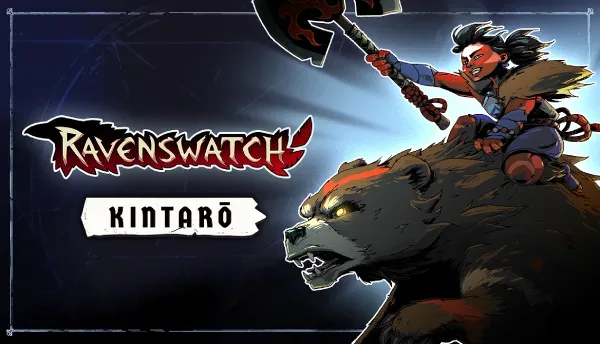
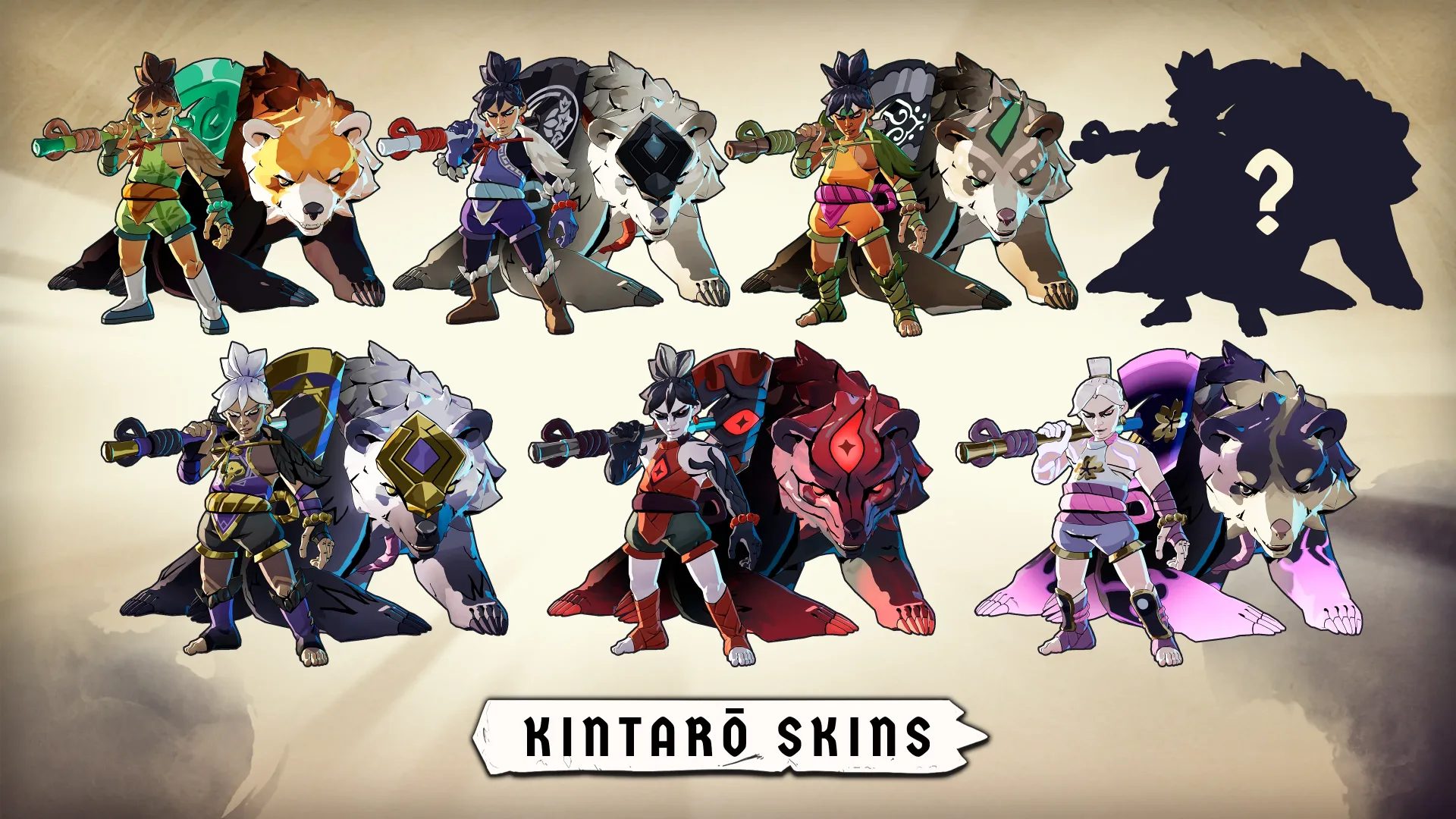
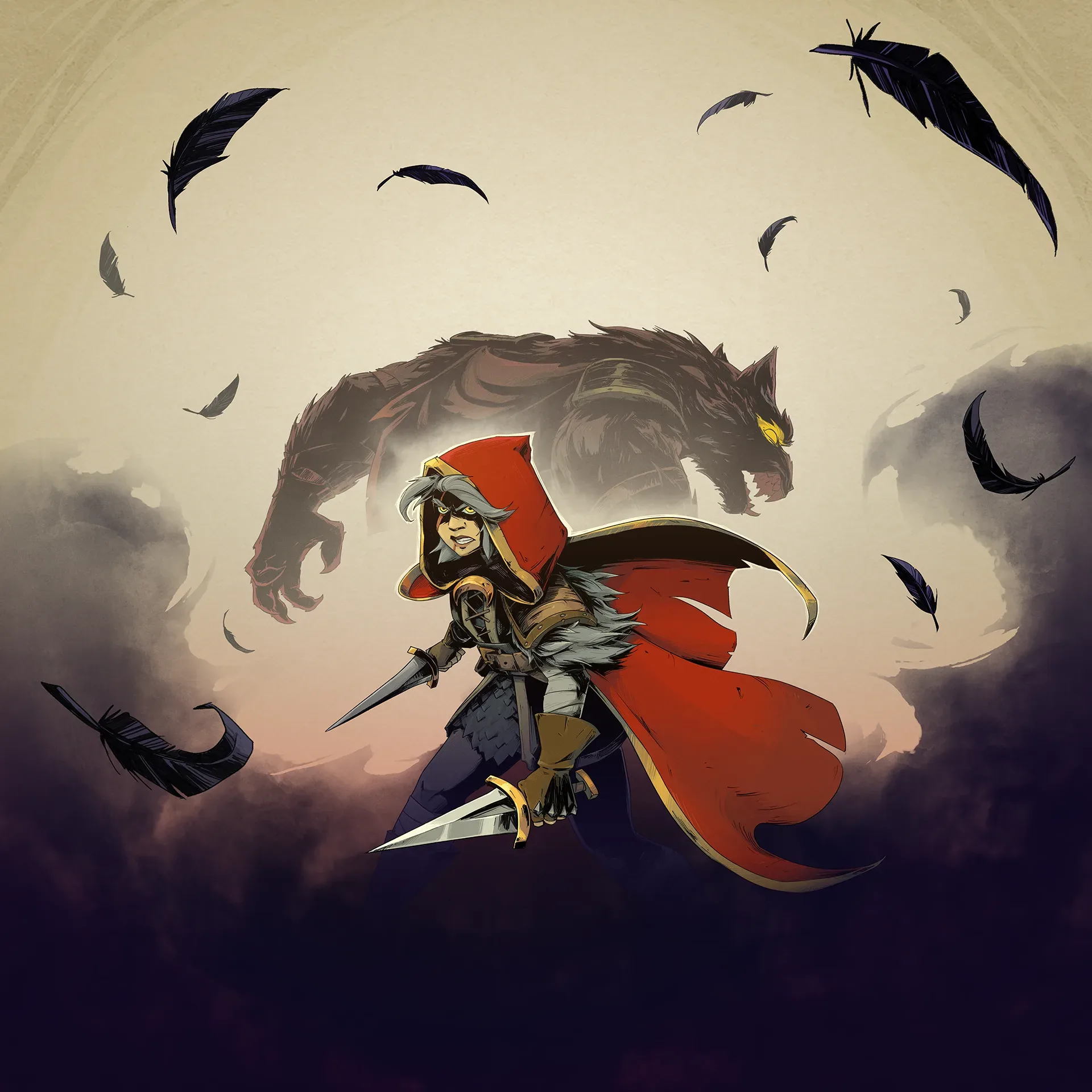
Kintaro is the fourth extra playable character added to Ravenswatch, following Merlin, Romeo and Juliet. He joins the game’s nine original heroes, bringing the total listed roster to 13.
The character is framed as exceptionally strong and courageous, with the stated distinction of being the only hero without afflictions. His objective is still tied to the game’s central conflict: pushing back the Nightmare invasion. That character premise is paired with a fighting style that has two clearly separate modes.
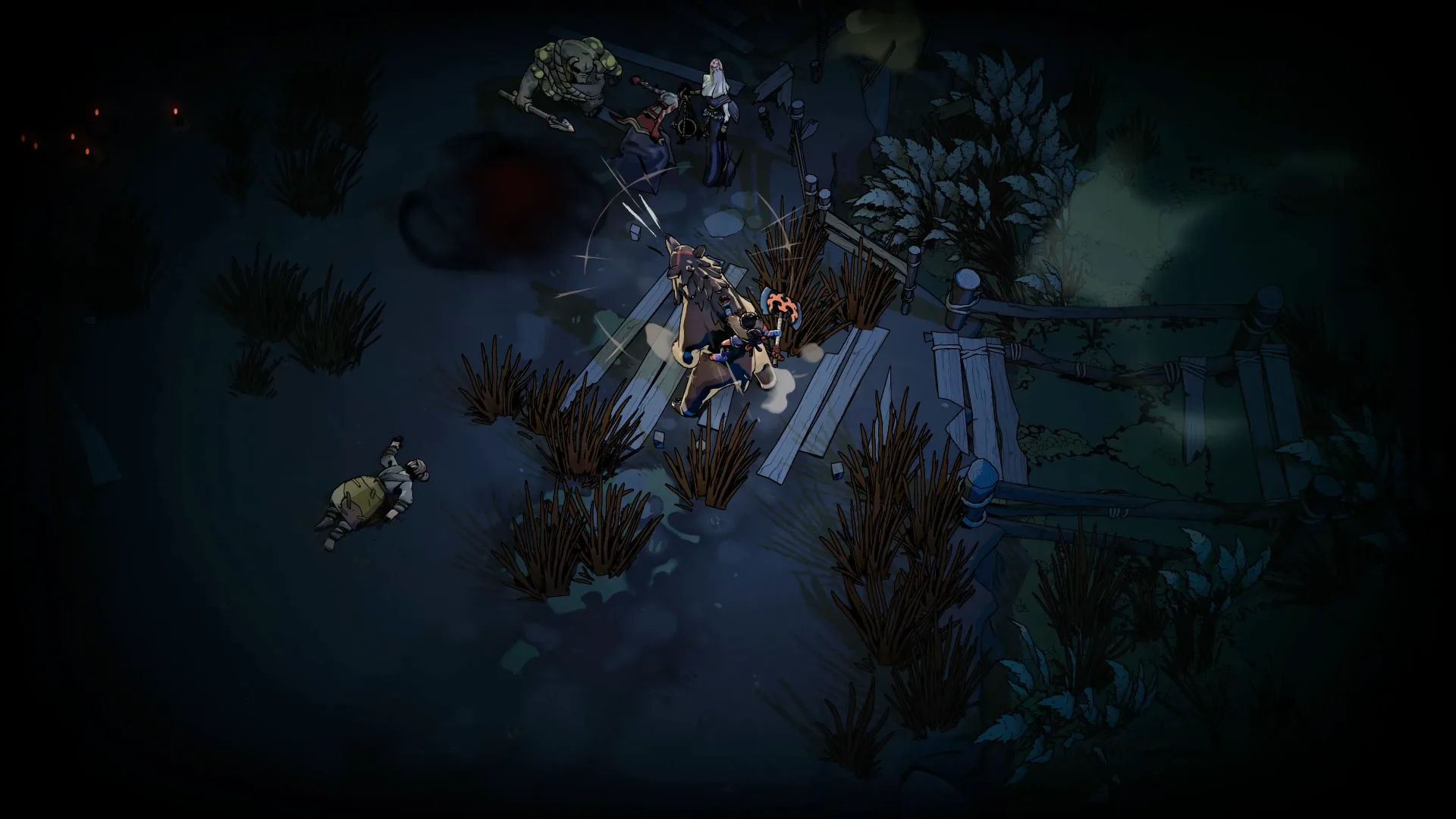
When Kintaro rides Kuma, his bear, he uses claw attacks to cut through Nightmares. On foot, he swaps to the giant axe and can deliver destructive combo attacks alongside his carnivorous companion. The design therefore suggests more than a simple cosmetic mount: being mounted and dismounted changes the available abilities.
What “two sets of abilities” means in practical terms
An ability set is the collection of moves a character can access in a particular state. In Kintaro’s case, the supplied details identify one set for mounted play and another for fighting on foot. The former emphasizes Kuma’s claws; the latter centers Kintaro’s axe and combo-based attacks.
That distinction matters because it creates an extra decision layer during action rather than asking players to use a single fixed toolkit throughout an encounter. Players will need to account for the different move sets tied to each state. The update information does not specify cooldowns, damage values, controls, or the exact method of changing states, so those details should not be assumed. What is confirmed is the central contrast: claws from the saddle, and axe-led combos on the ground.
Kuma is also integral to Kintaro’s identity rather than an incidental visual flourish. The bear participates directly in both descriptions of his combat: Kintaro rides Kuma for claw attacks and fights with the companion during his on-foot combinations. For a roster-driven action roguelike, that gives the new character a clear thematic and mechanical silhouette—one hero operating in tandem with an animal ally.
Related coverage includes Ravenswatch Adds Kintaro as Talent Rework Reshapes Every Hero.
The larger change is the reworked Talent system
Kintaro’s arrival coincides with a broad rework of Talents, Ravenswatch’s special abilities for heroes. The changes are based on community feedback and gameplay analysis, and the update revises active and passive options across all heroes.
The scope is important. The overhaul includes Talents that have been rebalanced, merged, added, or removed. Those are four different kinds of intervention:
- Rebalanced means an existing Talent has been adjusted, though the specific numerical or functional changes have not been detailed.
- Merged means previously separate Talent elements have been combined.
- Added means new Talent options enter the pool.
- Removed means some existing options are no longer part of the revised system.
Active abilities are player-triggered moves: in general terms, these are actions deliberately used during play. Passive abilities provide effects without needing that direct activation. Ravenswatch now gives every hero revised versions of both categories. The stated purpose is to refresh the overall gameplay experience, not merely to tune Kintaro around the edges.
That means the practical impact reaches well beyond players planning to buy or use the new DLC character. Anyone returning to a pre-existing favorite should expect Talent selections to differ from what they remember. A familiar build—a combination of choices that supports a preferred approach—may no longer exist in exactly the same form if one of its Talents was merged or removed. Conversely, newly introduced or newly adjusted options may create different paths for the same hero.
Why Talent changes can matter as much as a new character
Ravenswatch describes itself as a top-down roguelike action game. “Top-down” refers to the elevated perspective looking down on the play space, while “roguelike” commonly signals repeatable runs structured around changing choices and attempts. Within that framework, Talents are especially significant because they shape how a hero develops during play.
The game lists more than 250 Talents across its 13 heroes. A system of that scale can be affected substantially even when individual edits appear modest in isolation. Changing a Talent’s balance can affect its appeal relative to other choices. Merging two choices can streamline a decision space. Adding options can expand it. Removing options can deliberately cut away less successful, redundant, or otherwise unwanted paths. The update announcement does not identify which individual Talents received which treatment, so any claims about specific hero strategies would be speculation.
Still, the direction is clear: this is a roster-wide revision meant to alter the active and passive abilities that underpin character progression. Players who want to understand the new landscape will likely need to approach their next runs with flexibility rather than relying solely on older habits.
How Kintaro fits into Ravenswatch’s current feature set
With Kintaro included, Ravenswatch now offers 13 heroes. The game also lists over 250 Talents, 50 magical items, four difficulty levels, custom game modes, and online cross-play co-op for up to four players.
Cross-play co-op means players can play together across the supported platform ecosystem, rather than being limited to teammates using the identical hardware family. The update announcement specifies online co-op for as many as four players, but does not provide further details on matchmaking, party setup, or platform-specific restrictions. The key takeaway is that Kintaro and the revised Talent ecosystem arrive in a game designed to support cooperative teams as well as individual character experimentation.
The new hero’s two-state kit could be particularly relevant to group play simply because it gives Kintaro a different set of choices while engaging enemies. However, no formal team role, synergy, or multiplayer balance claims have been provided. It is safest to view him as an additional option for squads, not as a confirmed replacement for any existing type of character.
The 50 magical items and four difficulty levels also indicate that Talents are only one part of the game’s broader decision-making structure. The announcement does not explain interactions between items and the revised Talent list, nor does it offer recommendations for difficulty settings. Players looking for an immediate route into the update can instead focus on the confirmed changes: try Kintaro’s mounted and on-foot modes, and revisit Talent decisions on whichever existing hero they know best.
What returning and new players should know
For returning players, the Talent rework is the priority context. Even without selecting Kintaro, every hero now has revised active and passive abilities. The changes may alter which choices appear attractive and how combinations are assembled. Since Talents have been both added and removed, a previous mental map of the system may need updating.
For players entering Ravenswatch now, Kintaro is one of 13 available heroes and offers a particularly readable premise: a folklore-inspired fighter with an oversized axe and a bear companion. His mounted and unmounted states make him distinct on the roster, but the supplied details do not establish whether he is easier or harder to use than other heroes. That is a question of player preference and further in-game specifics, not a confirmed feature of the DLC.
For console owners, the simultaneous availability covers both current and previous PlayStation and Xbox generations, as well as Nintendo Switch. Ravenswatch’s PlayStation 4 presence also sits alongside a broader ecosystem of PS4 utility work, including cross-platform PS4 filesystem access tools, though that separate technical development is unrelated to the game or its update.
Availability
The Kintaro DLC and Talent rework update launched on October 12, 2026. They are available on PC, Nintendo Switch, PlayStation 5, PlayStation 4, Xbox Series X|S, and Xbox One.
A launch trailer and a press kit were released alongside the update. The core message of the release is straightforward: Kintaro expands the hero roster with a bear-riding, axe-swinging fighter whose abilities shift by combat state, while the parallel Talent overhaul gives every existing hero a revised set of active and passive options. For Ravenswatch players, this is both a new-character release and a wider reset of the build choices surrounding the entire cast.