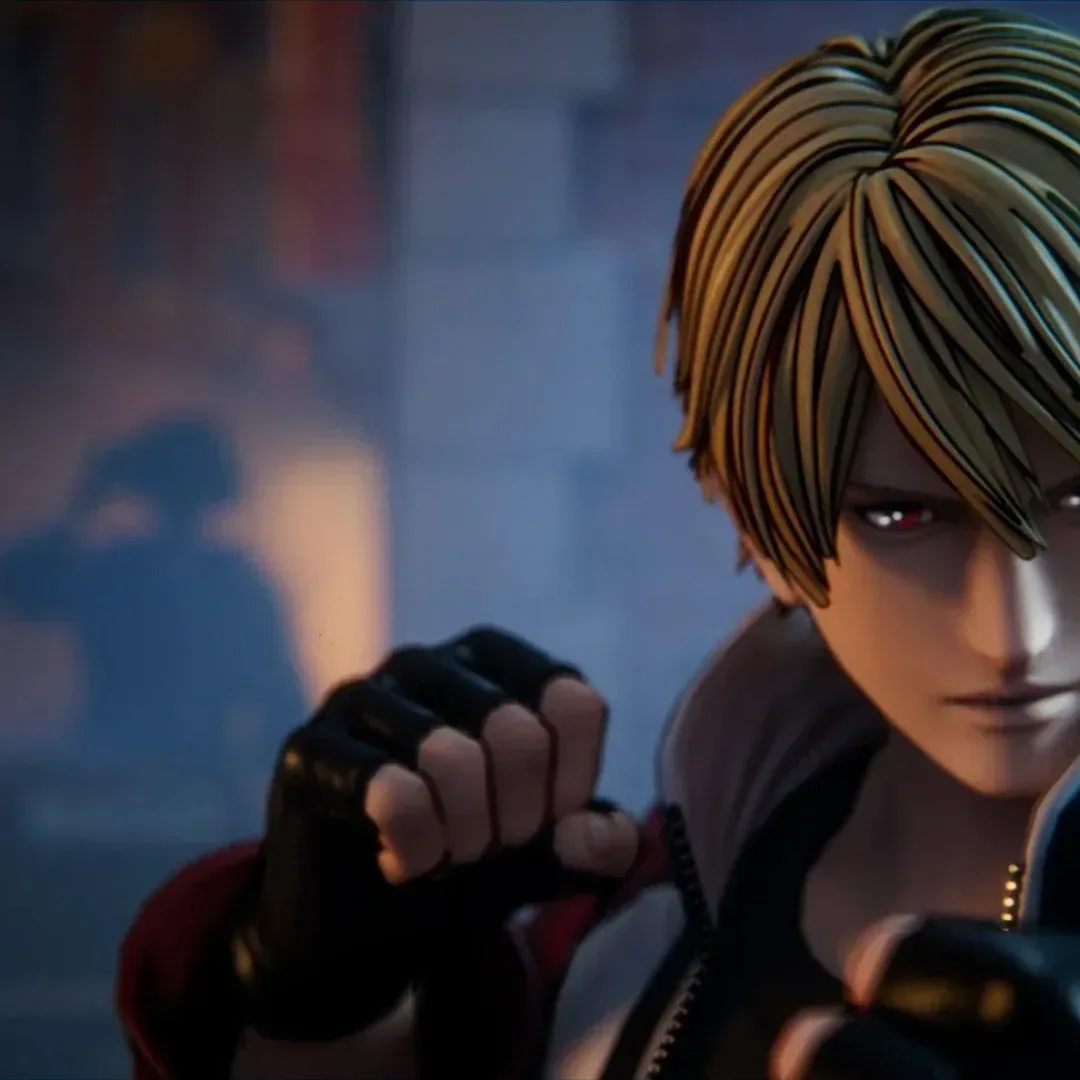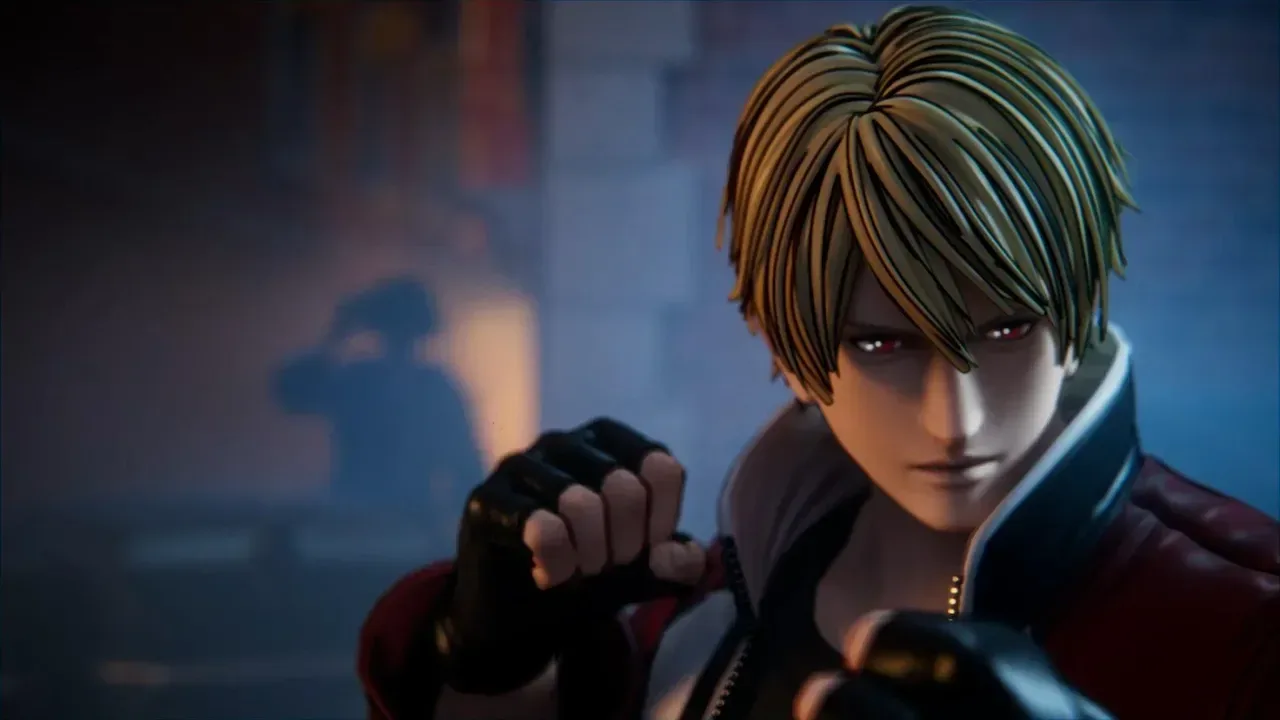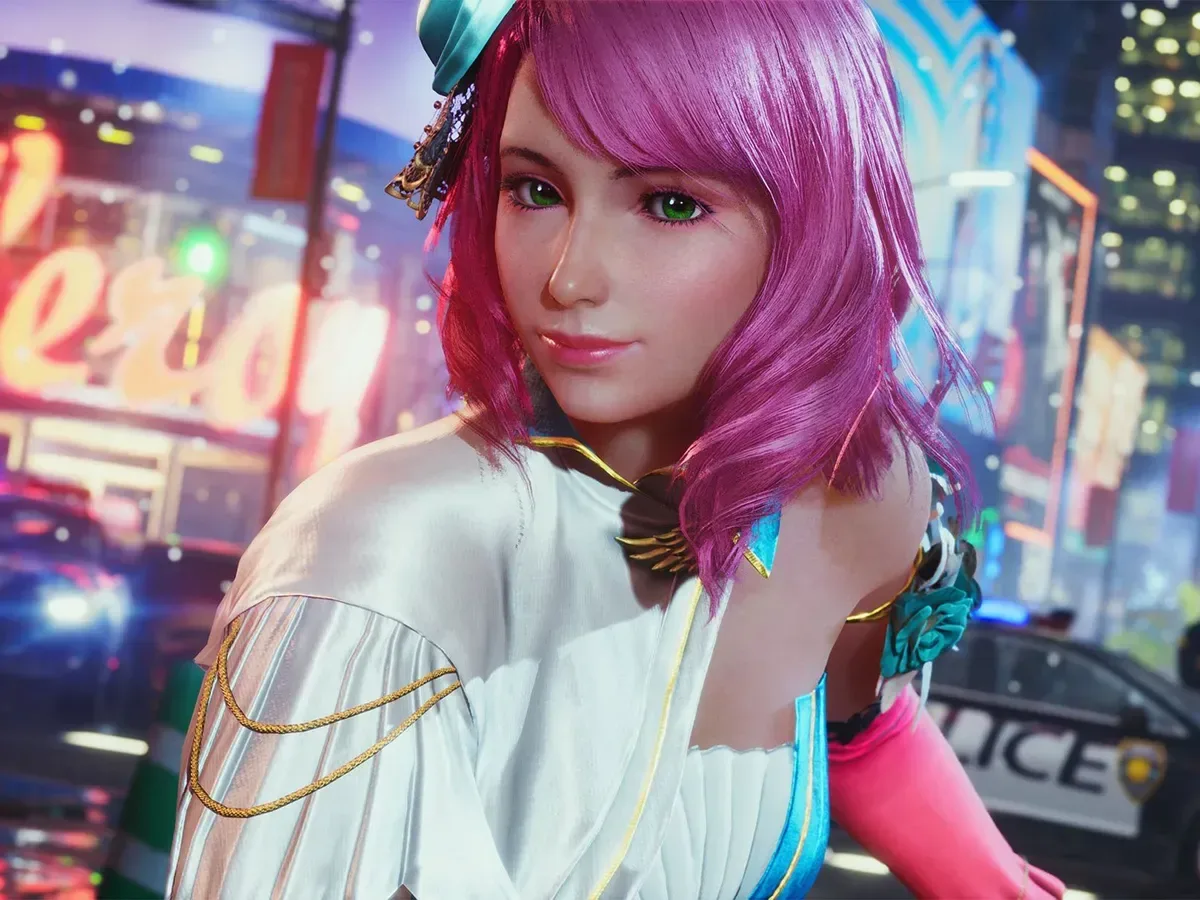
Reina appears to be taking her Mishima-style ambitions to South Town. A brief official teaser has pointed to the Tekken 8 fighter as an upcoming playable guest character in Fatal Fury: City of the Wolves. The video is deliberately stingy with specifics: Reina is visible only as a silhouette, so there is no substantial gameplay, move list, or confirmed release-day detail to pick apart yet.
What is clear is the larger destination. Reina is set to join the City of the Wolves roster, extending a crossover-heavy DLC run that already includes guest fighters Chun-Li, Kenshiro and football star Ronaldo. The current expectation places Reina in December, following Laocorn’s planned November release. As with any teaser that reveals more mood than mechanics, December should be treated as an expected window rather than a fully detailed launch plan until further character information arrives.
A crossover with an unusually tidy fighting-game connection
Guest-character announcements can sometimes feel like a publisher opened a portal and accepted the first celebrity or fictional fighter to step through it. Reina’s potential move from Tekken 8 to Fatal Fury: City of the Wolves, however, has a particularly natural bit of franchise symmetry behind it.
Tekken 7 previously brought Geese Howard—one of Fatal Fury’s principal antagonists—into its roster as a guest combatant. Reina joining SNK’s newer fighter therefore reads as a reciprocal crossover, even though the two games have very different systems and combat traditions. It is less a random multiverse detour than another chapter in an existing exchange between the series.
Reina debuted in Tekken 8 and is believed to be Heihachi Mishima’s daughter, linking her to one of fighting games’ most infamous families. That heritage matters because it gives the crossover a recognizable style to translate, not merely a recognizable face to import. Her fighting is identified with the Mishima School style, and the most interesting unanswered question is how much of that identity survives the shift into City of the Wolves.
Why the silhouette still leaves the important questions open
A silhouette can confirm character intent while revealing almost nothing about the practical reality of playing that character. The teaser does not establish Reina’s normals, special moves, throws, stance transitions, damage expectations, resource interactions, alternate costumes or story presentation in City of the Wolves. It also does not show whether the character will closely mirror her Tekken 8 approach or be redesigned around SNK’s game.
That distinction is important because a moveset translation is not the same thing as copying a list of attacks between games. A fighter’s identity is built from how attacks connect to one another, what risks they carry, which ranges they control and what decisions they force from an opponent. When a character moves between fighting games, developers generally have to reinterpret those ideas for a new combat framework rather than preserve every input or property verbatim.
For Reina, the qualities most associated with her Tekken 8 reputation are a diverse selection of options, stance changes and unbreakable throws, counterbalanced by weak low attacks. A stance is a distinct fighting posture that can open different attacks or follow-ups. Stance-based characters often ask players to make quick choices—continue pressure, switch tools, bait a response, or retreat—and ask defenders to identify the transition before they are overwhelmed.
Related coverage includes Tekken 8's Reina Teased for Fatal Fury: City of the Wolves as December DLC.
Low attacks, meanwhile, strike low and commonly demand a different defensive answer from higher attacks. Saying Reina has weak lows in her current game does not mean she lacks offensive power; it means she may need other tools to make opponents hesitate and open their guard. Her unbreakable throws and shifting stances are cited as ways skilled players compensate. Whether any equivalent strengths and weaknesses carry into City of the Wolves remains unknown.
That uncertainty is the appeal of the reveal. If Reina is adapted too literally, she could be awkward in a game designed around different assumptions. If she is simplified too far, the result could look like Reina without capturing what makes her appealing to players who learned her in Tekken 8. The eventual trailer and character breakdown will need to show where SNK has landed on that spectrum.
Reina’s Tekken reputation sets expectations, not predictions
Reina is widely regarded as difficult to master in Tekken 8. Her varied moveset creates room for experienced players to use stance changes and throws creatively, but it also asks them to work around the limitations of her lower attacks. That makes her an especially intriguing guest choice: she brings a recognizable technical identity instead of an obvious one-note archetype.
Her available Ranked figures in Tekken 8 put her pick rate at 3.1%, with a 46% win rate. Those numbers offer a snapshot of how she has been used in that game’s ranked environment, but they are not a forecast for her place in City of the Wolves. Pick rate measures how frequently a character is selected; win rate measures the share of recorded matches won by players using that character. Neither statistic can account for a new game’s mechanics, balance, player population or launch-period experimentation.
They do, however, underline why a direct comparison would be misleading. A character may be uncommon because she is demanding, fashionable only among specialists, newly adjusted, or simply overshadowed by easier options. In a different fighting game, even a faithful-looking version of that character could produce a wholly different relationship between popularity and results. The right question is not whether Reina will reproduce a 3.1% pick rate or a 46% win rate elsewhere. It is whether her new toolkit creates clear strengths, understandable risks and enough depth to reward the players drawn to her.
Season 3’s crowded road to December
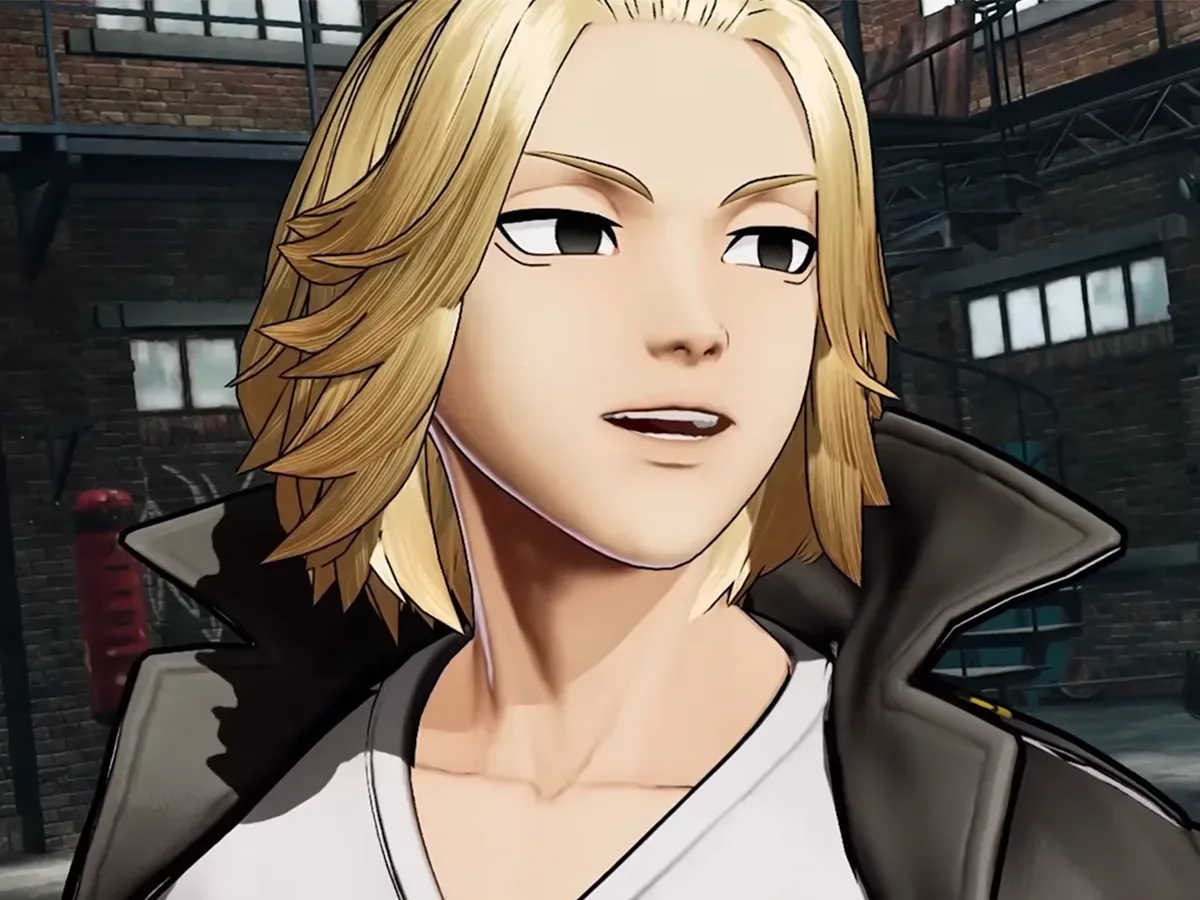
Reina’s tease arrives alongside trailers for Manjiro Sano and Ken Ryuguji, characters from Tokyo Revengers. The pair are scheduled to arrive in South Town on October 22, with the announcement describing them as the fourth DLC character in Season Pass 3. Laocorn is expected in November, placing Reina after another stretch of roster additions rather than at the front of the schedule.
The sequence also means the game’s discussion around guest characters is unlikely to quiet down. Sano’s reveal had already prompted debate among Fatal Fury players about crossover fighters and what proportion of the roster they should occupy. Reina is likely to produce a somewhat different response because she comes from another major fighting-game series and fits into the Geese Howard precedent. That does not settle the broader question of how many guests players want, but it does give this particular addition a stronger genre-to-genre connection than a crossover based primarily on star recognition.
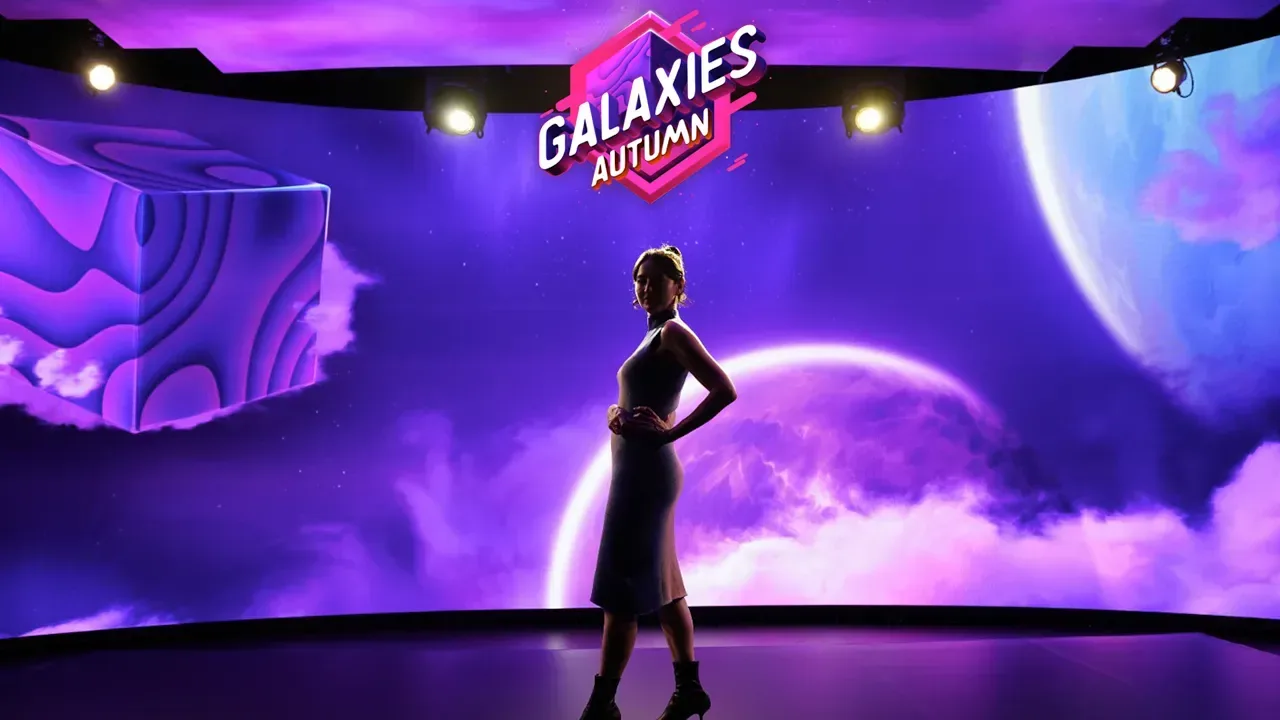
For players deciding whether the character is for them, the sensible approach is patience. The teaser confirms the direction, not the finished design. Watch for a fuller reveal that identifies her release date, demonstrates her core tools and explains how her stance changes, throws and Mishima influence work within Fatal Fury: City of the Wolves. Until then, the purple Season 3 presentation that led observant fans to suspect Reina can be appreciated as a successful visual clue rather than evidence of how she will actually play.
Reina’s arrival is expected to give City of the Wolves one more high-profile visitor, while renewing an old crossover relationship between SNK and Bandai Namco. For a game already willing to make its roster a lively neighborhood, a Mishima-linked fighter knocking on South Town’s door feels less like a surprise guest and more like someone finally returning a long-overdue invitation.
For more on the wider games-business calendar, see the upcoming Galaxies Showcase and its still-unrevealed lineup.