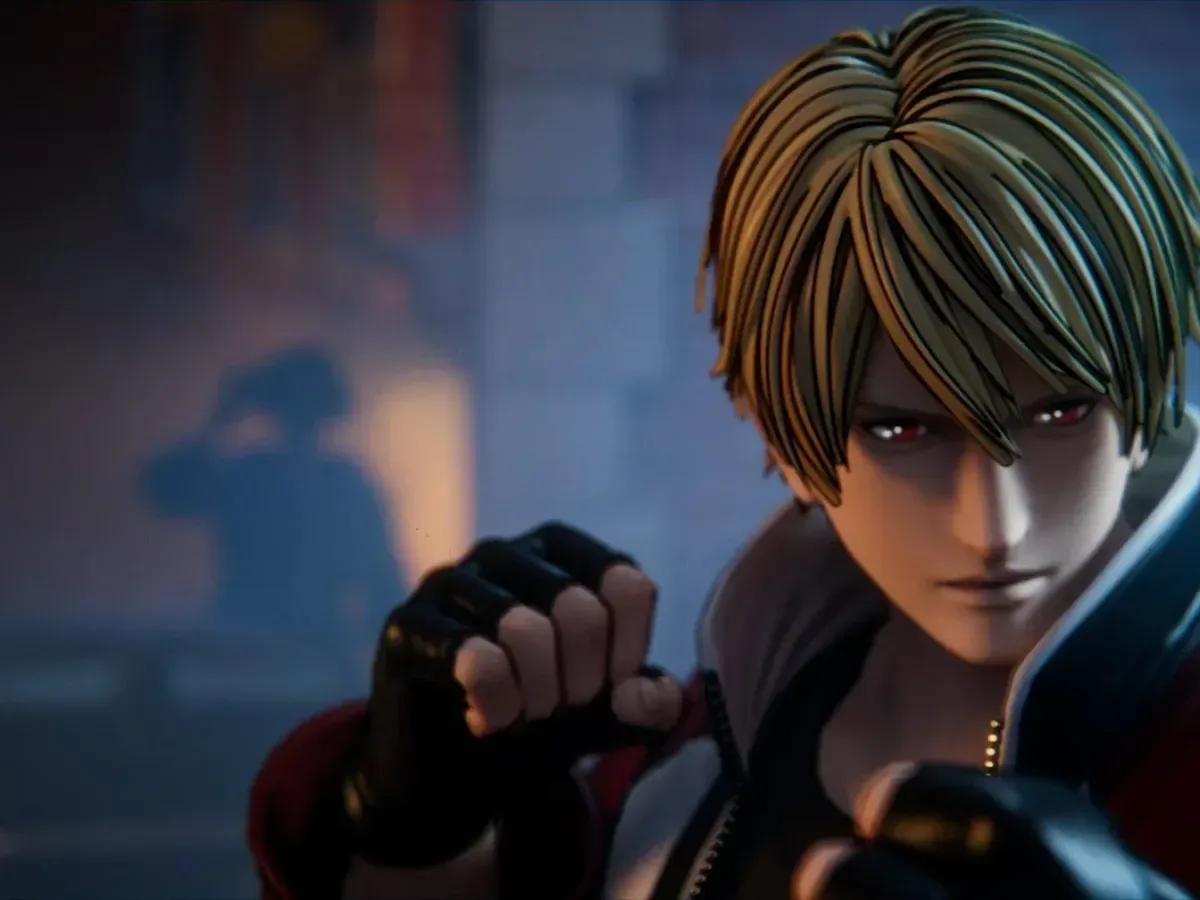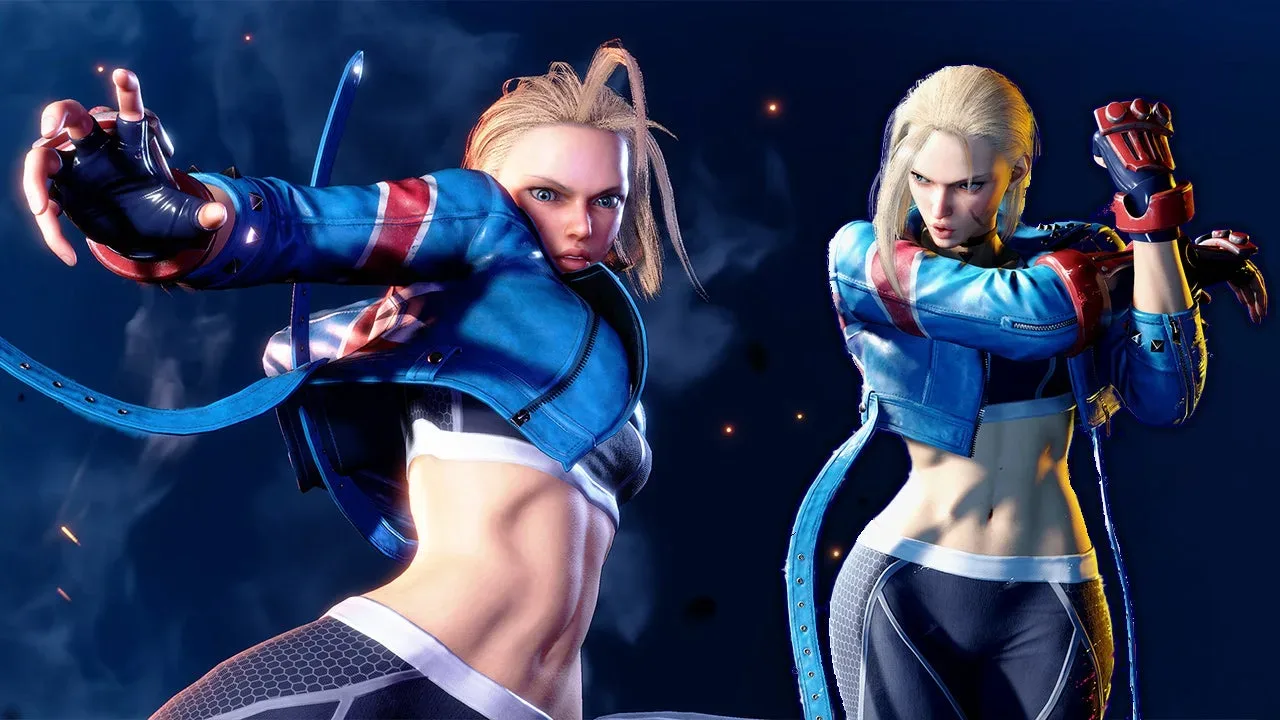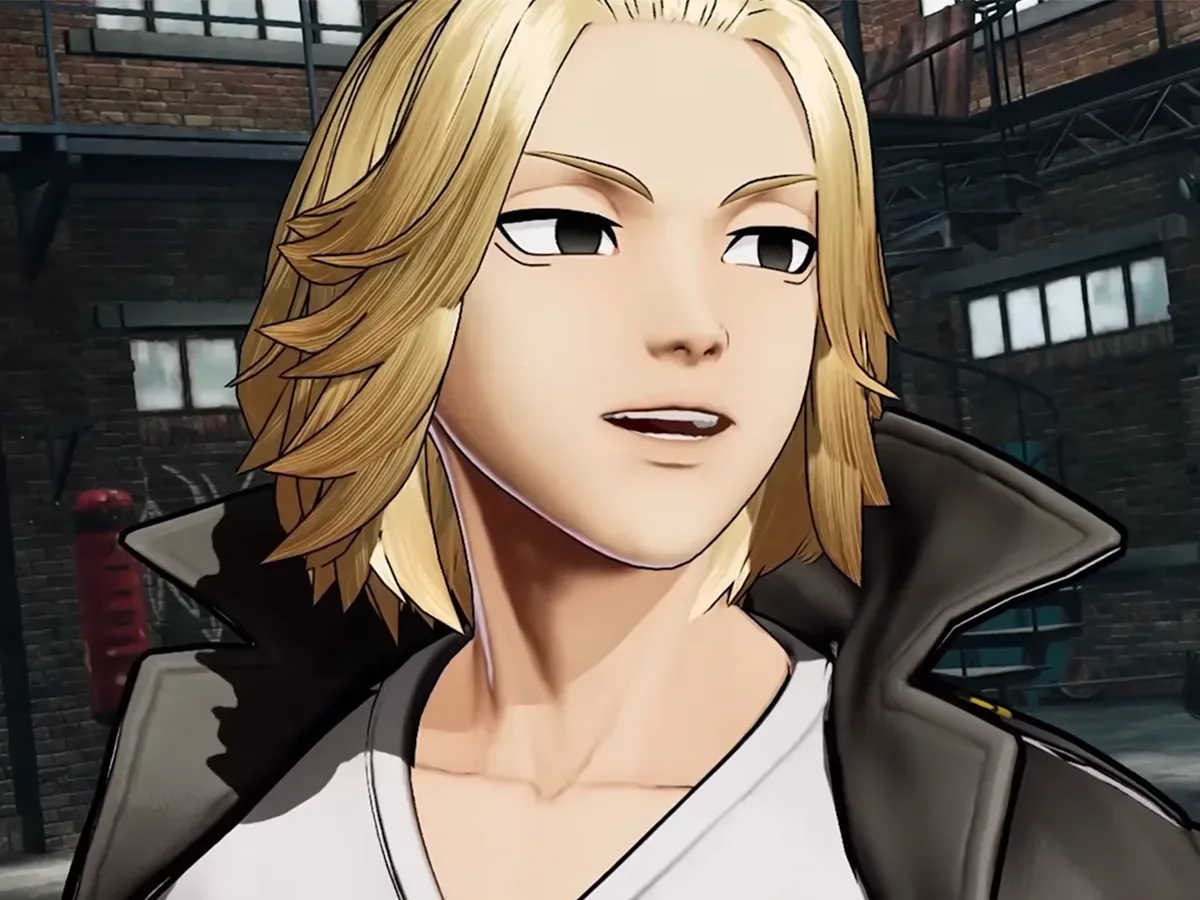
Fatal Fury: City of the Wolves is becoming the fighting-game equivalent of a very strange dinner party. Street Fighter’s Ken and Chun-Li are chatting in one corner. Fist of the North Star’s Kenshiro is almost certainly glaring at someone. Cristiano Ronaldo has arrived from the world of professional football, music artist Salvatore Ganacci is apparently on the guest list, and now two Tokyo Revengers leads are entering South Town.
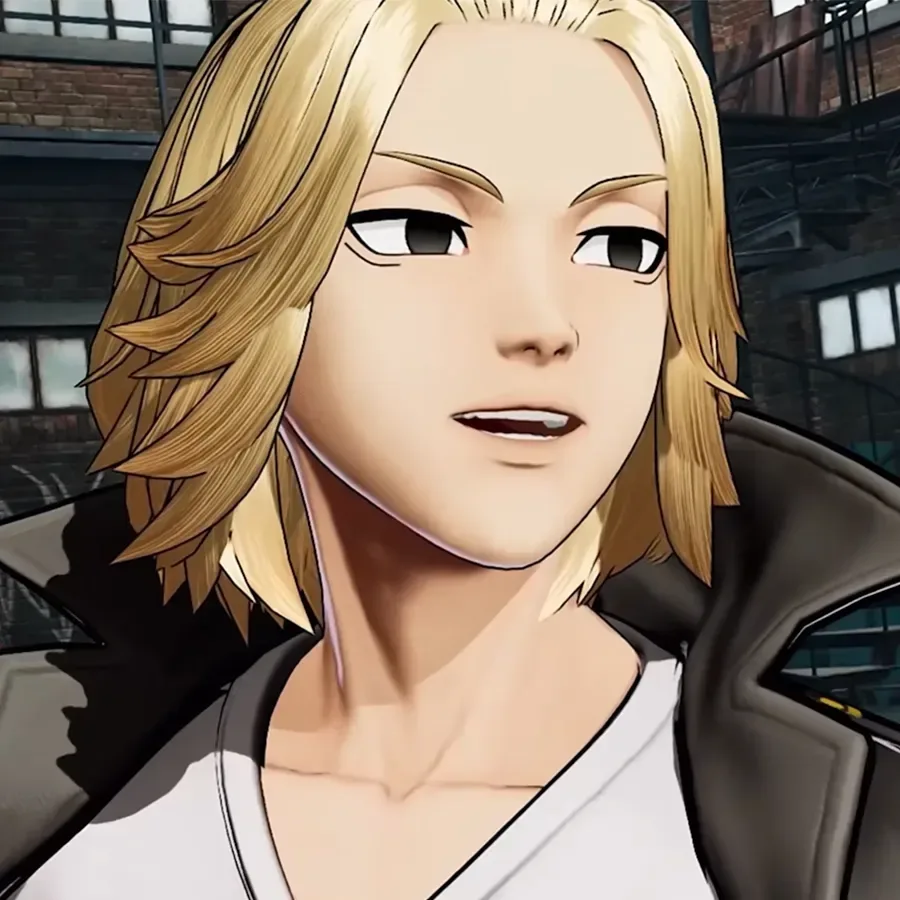
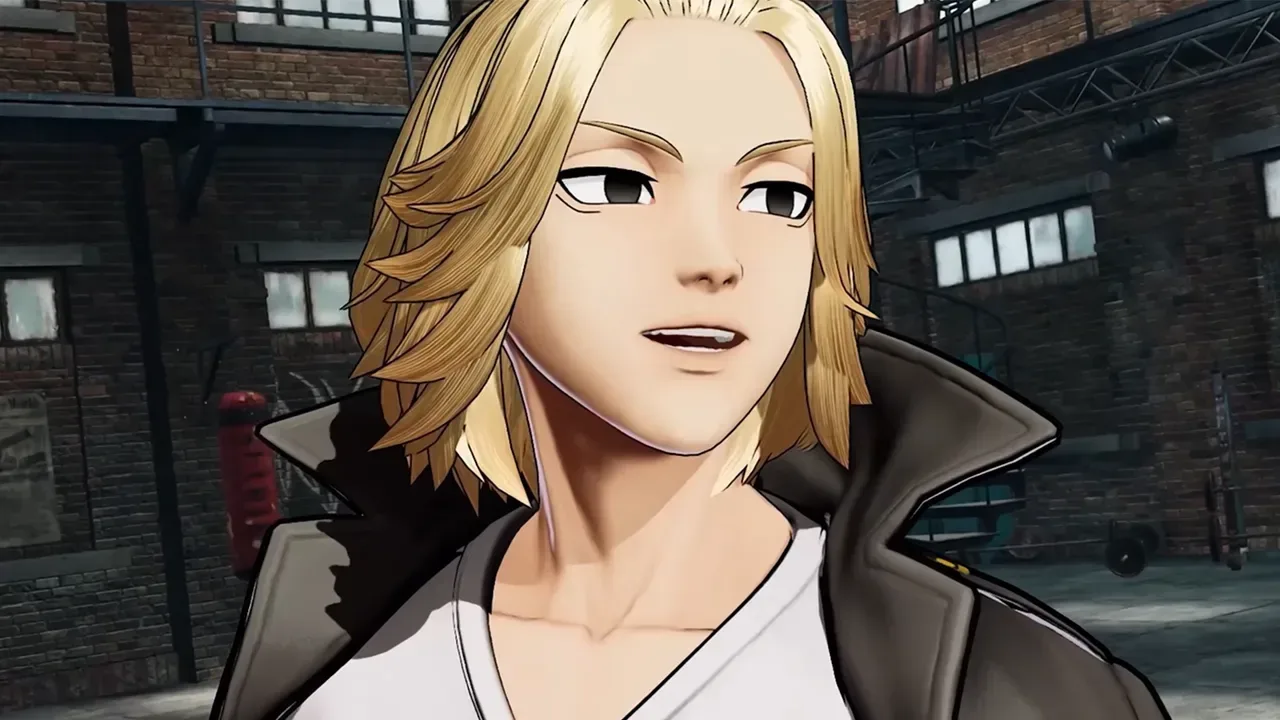
On September 9, SNK revealed that Manjiro “Mikey” Sano and Ken “Draken” Ryuguji from Tokyo Revengers are headed to Fatal Fury: City of the Wolves. The additions are a major crossover moment for the delinquent-anime franchise, but they have also prompted an increasingly loud question from fighting-game players: when does a generous guest-character strategy start to feel like the home roster is being crowded out?
There is no universal mathematical answer. One guest can be too many if players believe that character has no place in a game’s tone or mechanics; five can be fine if each feels purposeful. Yet City of the Wolves presents the issue in particularly concentrated form. A little more than a year into the game’s life, it has amassed a collection of outsiders from radically different genres and media. That makes it an unusually useful test case for the modern crossover era.
Why Mikey and Draken changed the temperature of the debate
Tokyo Revengers is not an implausible fit on the surface. Mikey and Draken are brawlers from a hugely recognizable shonen property, and their presence gives SNK an opportunity to bring anime fans toward a competitive fighting game. Their fighting styles also have a more immediate connection to hand-to-hand combat than a guest built around celebrity alone.
But the reaction is about accumulation as much as it is about either character. Ken and Chun-Li have an easy historical rationale: Capcom and SNK have a long legacy of crossing paths, and their respective martial-arts worlds have enough shared arcade DNA that the pairing reads as a reunion rather than an invasion. Kenshiro, while not from a fighting-game series, is a natural combat icon whose apocalyptic intensity can sit beside Fatal Fury’s heightened world.
The total package is another matter. Ronaldo, Ganacci, Kenshiro, Ken, Chun-Li, Mikey, and Draken do not suggest one clean crossover theme. They suggest that South Town has installed a revolving door and stopped checking the invitation list. For some fans, that is delightfully unpredictable. For others, it is a sign that the game is prioritizing the surprise of a recognizable name over the continuity of Fatal Fury’s own universe.
That frustration often carries an unspoken follow-up: every development slot spent on an outsider is a slot that might otherwise have gone to a returning SNK fighter, a deeper cut from the company’s history, or an original addition built specifically for City of the Wolves. The conversation is therefore not simply “guest characters bad.” It is often a request for better balance between crossover appeal and stewardship of a legacy roster.
Guest fighters have always been part of the genre
Fighting games have never been entirely pure, sealed universes. Crossovers are embedded in the genre’s identity. The obvious example is the long-running Marvel versus Capcom tradition, where the whole premise is watching characters from separate fictional worlds collide. Capcom and SNK have their own substantial history of crossover games as well. The sight of a Street Fighter combatant in an SNK title is not automatically a breach of the peace.
Related coverage includes Tokyo Revengers Joins Fatal Fury: City of the Wolves as Guest Character Debate Intensifies.
Mortal Kombat offers a different model. Its guest lineup has included RoboCop, the Terminator, Alien’s Xenomorph, Omni-Man, and Homelander, among others. Those characters come from outside the series, but most share a broadly compatible action-horror, violence-forward sensibility. They can feel like variations on a common pulp-movie wavelength even when their original settings have little in common.
City of the Wolves is drawing from a much more varied set of cultural lanes. That distinction explains why the current discussion has heat. The issue is not that fighting games are suddenly accepting visitors. They have been doing that forever. It is that the visitors now include manga protagonists, classic anime bruisers, Street Fighter veterans, a football superstar, and an electronic-music performer.
A wide-ranging roster can be a genuine strength. It can expose audiences to franchises they have never tried, create flashy promotional moments, and ensure that DLC conversation reaches beyond the established competitive scene. It also gives artists and designers a chance to translate an unexpected personality into a fighting-game move set. The same eclecticism, however, can blur what distinguishes a particular series from its rivals.
Other games are testing the crossover appetite too
SNK is hardly alone in exploring celebrity-level guest appeal. Street Fighter 6 is set to receive Tifa Lockhart from Final Fantasy VII next year. Tifa has been among the most frequently requested crossover combatants for years, in no small part because she is already associated with martial arts. The move makes intuitive sense even if her home series is not a traditional fighting game.
Tekken 8, meanwhile, is scheduled to add Yujiro Hanma from Baki in 2027. Tekken has a long familiarity with unusual guests, generally using them as occasional events rather than allowing them to dominate its identity. Yujiro is an extreme choice, but he is still an extreme martial artist entering a series built around stylized martial arts. The fit is easy to explain in a single sentence.
That is where the distinction becomes useful. Players tend to assess guests through at least three lenses:
- Combat fit: Can the character’s established abilities translate naturally into a match?
- Tonal fit: Does the character belong in the game’s visual and narrative atmosphere?
- Roster cost: Does the crossover supplement the series, or does it appear to replace fighters fans have been waiting to see?
Mikey and Draken have a reasonable argument on the first point and perhaps the second. The disagreement is focused most intensely on the third. A packed DLC plan can be praised for its ambition while still prompting players to ask why familiar Fatal Fury, Garou, Art of Fighting, King of Fighters, or broader SNK faces are not receiving comparable attention.
The stranger the pick, the higher the burden of proof
There is also a basic branding problem. Fatal Fury has its own cast, its own South Town mythology, and a specific place in arcade and fighting-game history. Guest fighters should ideally make that history look larger, not make it harder to see. Ken and Chun-Li connect directly to an old competitive-game rivalry. Kenshiro connects to the larger lineage of Japanese combat fiction. The Tokyo Revengers duo can plausibly bring the energy of street brawls to South Town.
Ronaldo is the pick that makes the entire debate impossible to ignore. A real-life athlete appearing in a mainline fighting game is a fundamentally different kind of crossover proposition from a fictional martial artist. It is memorable precisely because it is so unusual. Whether that makes the idea inspired, bizarre, or both depends heavily on what a player wants from Fatal Fury.
Ganacci adds to the sense that SNK is willing to take risks well outside conventional fighting-game casting. That could prove to be the game’s defining charm: a roster unafraid to be messy, loud, and unexpected. Still, unpredictability works best when it is supported by a clear center. Without that center, every reveal can become less about excitement over how a character will play and more about disbelief that the character was chosen at all.
A crossover roster still needs room for its own people
The healthiest version of this strategy is not necessarily fewer guests. It is a recognizable rhythm. Bring in a major outside star, then answer with a beloved returning fighter or a compelling new resident of South Town. Use collaborations to broaden the audience, but use series characters to reassure longtime players that the franchise remains the main event.
Players have also raised a related concern: the roster could use more women. That concern does not disappear because a DLC schedule is busy. Every guest announcement becomes part of the larger conversation about representation, returning favorites, and which types of fighters are being prioritized. An expansive release plan creates more chances to address those gaps, not fewer.
For now, Mikey and Draken are set to join an exceptionally mixed group of combatants. Their debut will not settle the philosophical fight over guests, because no single character could. But it does make one reality plain: City of the Wolves is pursuing crossover spectacle more aggressively than many of its peers, and people are watching the balance closely.
That scrutiny is not hostility toward fun. It is evidence that players care about what Fatal Fury is supposed to be. A guest roster can turn a fighting game into a bigger cultural meeting place. It can also turn into a parade in which the hosts are gradually pushed off the float. SNK’s next choices will determine which version of that story South Town gets. For another look at how Japanese game worlds are extending into adjacent storytelling formats, see the Onimusha: Way of the Sword prequel webtoon’s weekly-chapter rollout.