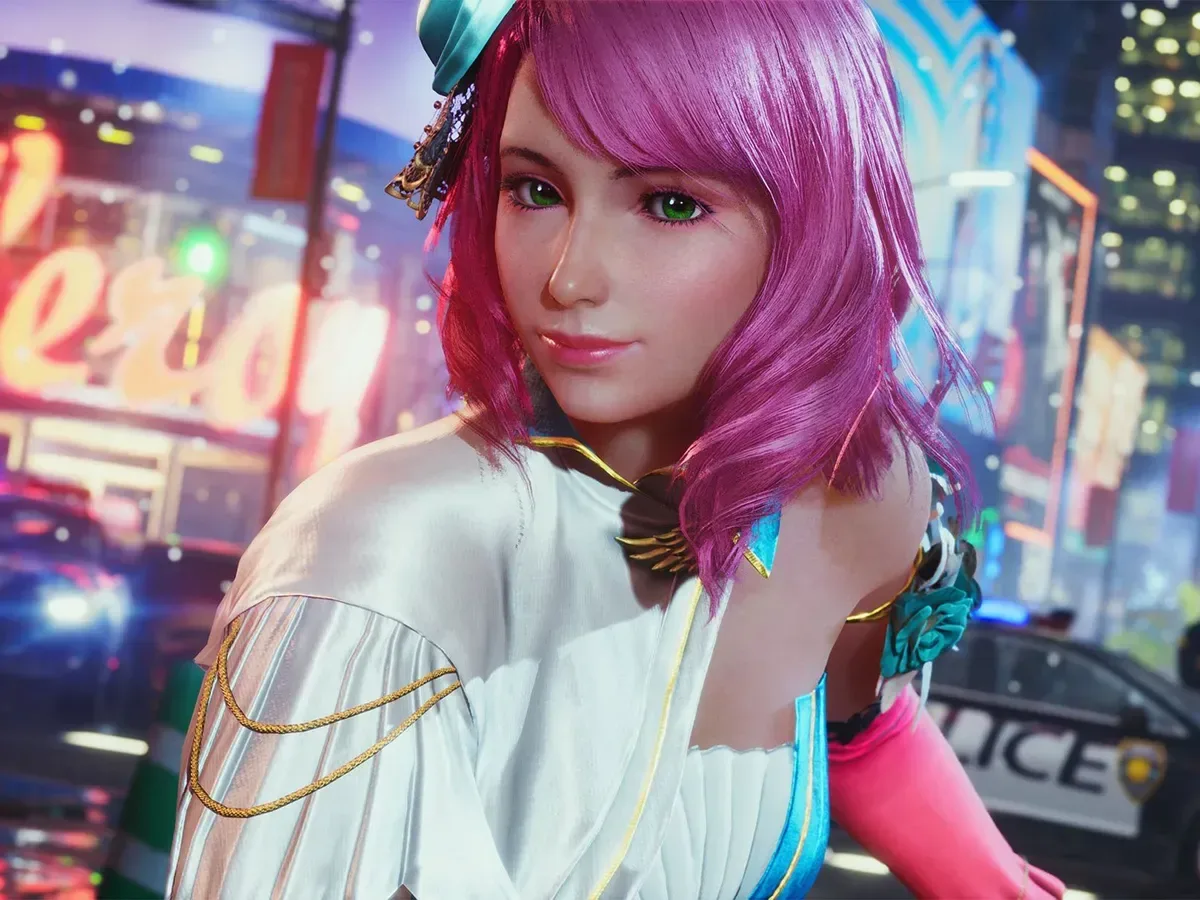
Tekken 8 ranked play has produced an especially unusual high-level achievement: professional competitor SuperBrine says he has climbed from Beginner to God of Destruction, one of the game’s top ranks, while wearing a sleep mask that prevented him from seeing the match.
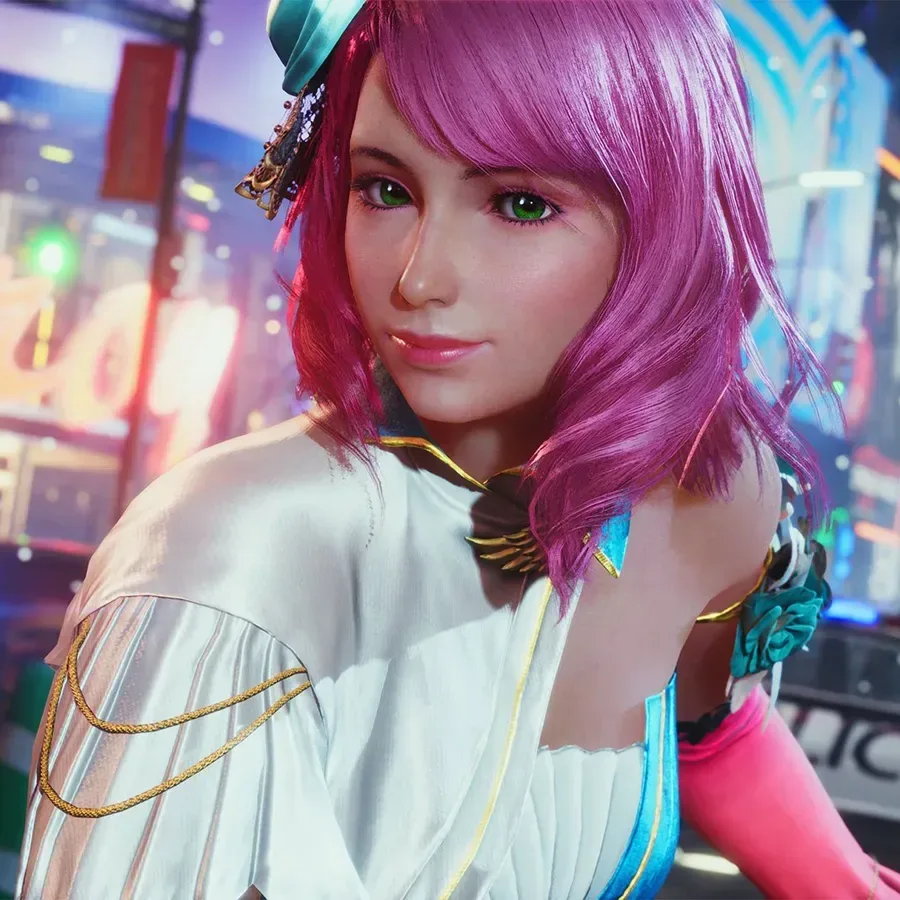
The challenge was completed across seven livestream broadcasts that began in June 2026 and ended in early October. SuperBrine used Alisa for the run, and the achievement has drawn attention not just because of the rank reached, but because it turns a visual fighting game into an exercise in memory, prediction, timing and sound recognition.
It has also restarted a familiar fighting-game argument. Some viewers have treated the run as evidence that Tekken 8, or Alisa specifically, is too easy. SuperBrine rejects that interpretation. His explanation is more demanding: years of fighting-game fundamentals, a close understanding of how ranked opponents behave at different levels, and the ability to extract actionable information from the game’s audio.
A ranked climb with vision removed
God of Destruction is near the top of Tekken 8’s ranked ladder, so the headline is not simply that a player won isolated matches without looking. The feat involved progressing from the game’s Beginner rank through a lengthy competitive climb while accepting a constraint that normally makes basic reactions and spatial awareness extraordinarily difficult.
SuperBrine has said the mask was not a symbolic blindfold or a loose covering he could peer around. He described a sleep mask that blocked his view and emphasized that the entire attempt was streamed live, giving viewers a public record of the run. The broadcasts are central context here: a claim this striking naturally invites scrutiny, and the challenge was carried out in front of an audience rather than presented as an unverified result after the fact.
“My primary goal was simply to take on a challenge that most people will consider impossible and prove that I can do it,” SuperBrine said.
He also framed it as a personal and professional challenge, not an attack on the game. SuperBrine says he loves Tekken 8, enjoys extreme tests of his own limits and hopes challenges like this support his longer-term plan to compete professionally.
What sound can tell a Tekken player
The key technical point is that fighting-game audio is not merely decoration. Sound cues can communicate outcomes a sighted player would ordinarily confirm visually. SuperBrine says he could distinguish whether an attack hit or was blocked, whether a counter hit occurred, and whether an opponent had been sent into a wall splat.
Related coverage includes Blindfolded Tekken 8 Competitor Reaches God of Destruction Rank.
A counter hit occurs when a move interrupts an opponent during the startup of their own action. It is important because it can create a better opening than an ordinary hit. A wall splat is the moment a character is knocked into a wall in a way that leaves them vulnerable, often creating a chance for additional damage. Knowing which of those events has occurred changes the player’s next decision. Without that knowledge, following up would become guesswork.
Audio can therefore act as a status signal: it helps identify whether an exchange succeeded, what kind of advantage it created, and whether a planned sequence should continue. But that is not the same as sound independently playing the match. Hearing a result is useful only if a player already knows the right response and can execute it on time.
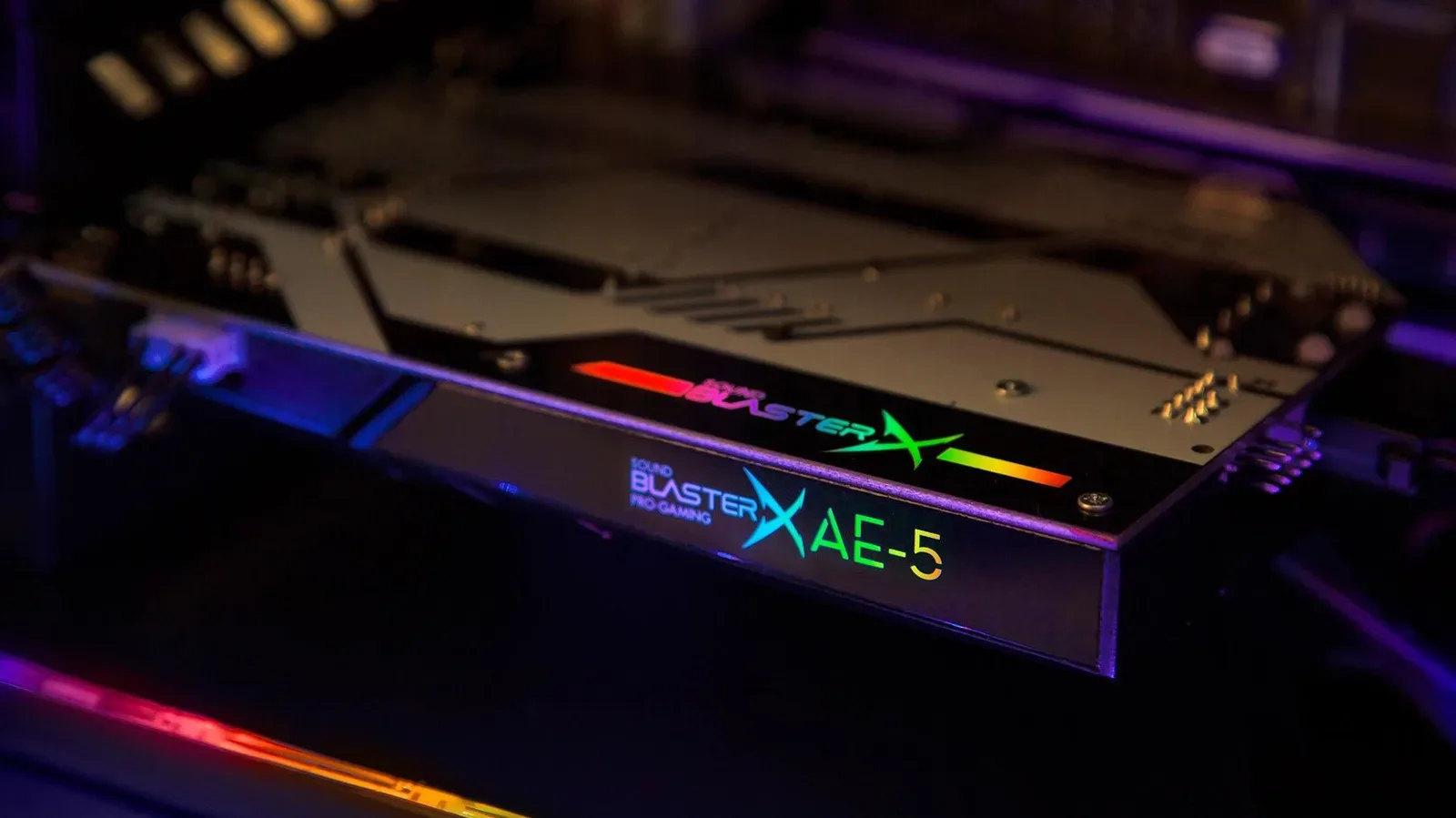
For readers interested in the broader role of audio hardware and signal quality, this overview of PC sound cards and motherboard audio offers related technical context. SuperBrine’s run is an unusually vivid reminder that distinct, readable game sound can serve purposes far beyond atmosphere.
Experience supplied the missing picture
SuperBrine’s account does not suggest that he navigated every match through sound alone. He credits foundational experience and familiarity with player behavior at different ranked levels. He said that time spent playing on multiple smurf accounts had given him a detailed sense of what game knowledge competitors tend to have at particular ranks, including which strings and flowcharts were likely to work.
In fighting-game vocabulary, a string is a sequence of attacks that can be performed in a set order. A flowchart is a repeatable decision pattern: if one event happens, the player uses a known follow-up; if another occurs, they move to a different branch. These patterns can be risky when an opponent recognizes them and knows the appropriate defense. They can be more effective when the player correctly anticipates a rival’s likely response, gaps in knowledge or habits.
That anticipation matters even under ordinary circumstances. A ranked ladder includes opponents with varying experience, reactions, matchup knowledge and consistency. By removing vision, SuperBrine made that read on opponents even more valuable. Rather than trying to react visually to every possibility, he could enter exchanges with a plan built around the tendencies he expected to encounter, then use sound to determine whether the plan had connected or needed to change.
This is the important distinction in the debate around the achievement. Alisa’s strengths, and the balance of Tekken 8 as a whole, can be debated as gameplay topics. Yet a climb completed under a self-imposed sensory restriction does not automatically settle either question. It demonstrates an individual player’s accumulated knowledge, execution and decision-making under atypical conditions. It does not show that a new player could replicate the result by selecting one character and putting on a blindfold.
The physical and mental cost of the challenge
There was a surprisingly direct physical downside to keeping his eyes shut beneath the mask. SuperBrine said his eyes began to burn, while the sustained concentration required by the run left him mentally drained. Frequent breaks were necessary.
That detail helps clarify why the challenge is more than a clever stunt. In a normal match, players can scan distance, animations, health, wall position and their opponent’s movement simultaneously. With vision unavailable, every usable cue must be heard, remembered and interpreted. The player must maintain patience rather than forcing frantic decisions simply because the screen cannot be checked.
“Mentally, it required extreme patience,” SuperBrine said, explaining that the run would not have been possible without it.
His own summary of the method is straightforward: thousands of hours of knowledge, understanding the type of opponents likely to appear, and reliance on audio cues. It is a case for treating expertise as layered. Mechanical input is one layer, but matchup familiarity, pattern recognition and the ability to stay composed under pressure are layers too.
Accessibility context deserves precision
SuperBrine voluntarily removed his vision for the project, which is distinct from the experiences of players who compete with disabilities. Still, the run puts welcome focus on the ways competitive games can communicate crucial information beyond visuals.
The fighting-game community already includes powerful examples. The late BrolyLegs competed at a high level in Street Fighter using his mouth to operate a controller. BlindWarriorSven, a blind Street Fighter 6 player who lost his sight at age six because of cancer, won a livestreamed Evo set 2-1 using E. Honda. Street Fighter 6’s accessibility features helped him identify where his opponent was on screen through sound.
Those examples should not be folded into a novelty narrative. They instead show why accessible design and legible feedback matter. Players may use sound, control customization and other support differently depending on their needs. In SuperBrine’s case, the audio was used to impose an extreme test on an experienced competitor. For disabled players, accessible tools can make participation in a competitive space possible on fairer terms.
Why the achievement has sparked disagreement
Online arguments about fighting games often flatten difficult results into a single explanation: the game is easy, the character is easy, or the player is exceptional. SuperBrine’s climb has invited all three reactions. His position is that the accomplishment cannot be reduced to character choice or an alleged flaw in the game, because the same result would be readily repeatable if those were the only factors.
That is not a claim that every part of Tekken 8 is beyond criticism. Balance, character design and ranked systems remain reasonable subjects for players to discuss. It is instead a narrower point about evidence. A blindfolded run should be read alongside the conditions that made it possible: an accomplished player, a sustained streamed challenge, prior experience with ranked populations, detailed knowledge of combat sequences and careful attention to the game’s sounds.
SuperBrine’s result is entertaining precisely because it is so counterintuitive. Tekken 8 is built around dramatic movement and visual spectacle, yet one player found a route to a top rank by treating its audio feedback as a competitive instrument. The sleep mask removed an essential source of information. What remained was a demanding combination of preparation, hearing and trust in practiced decisions.