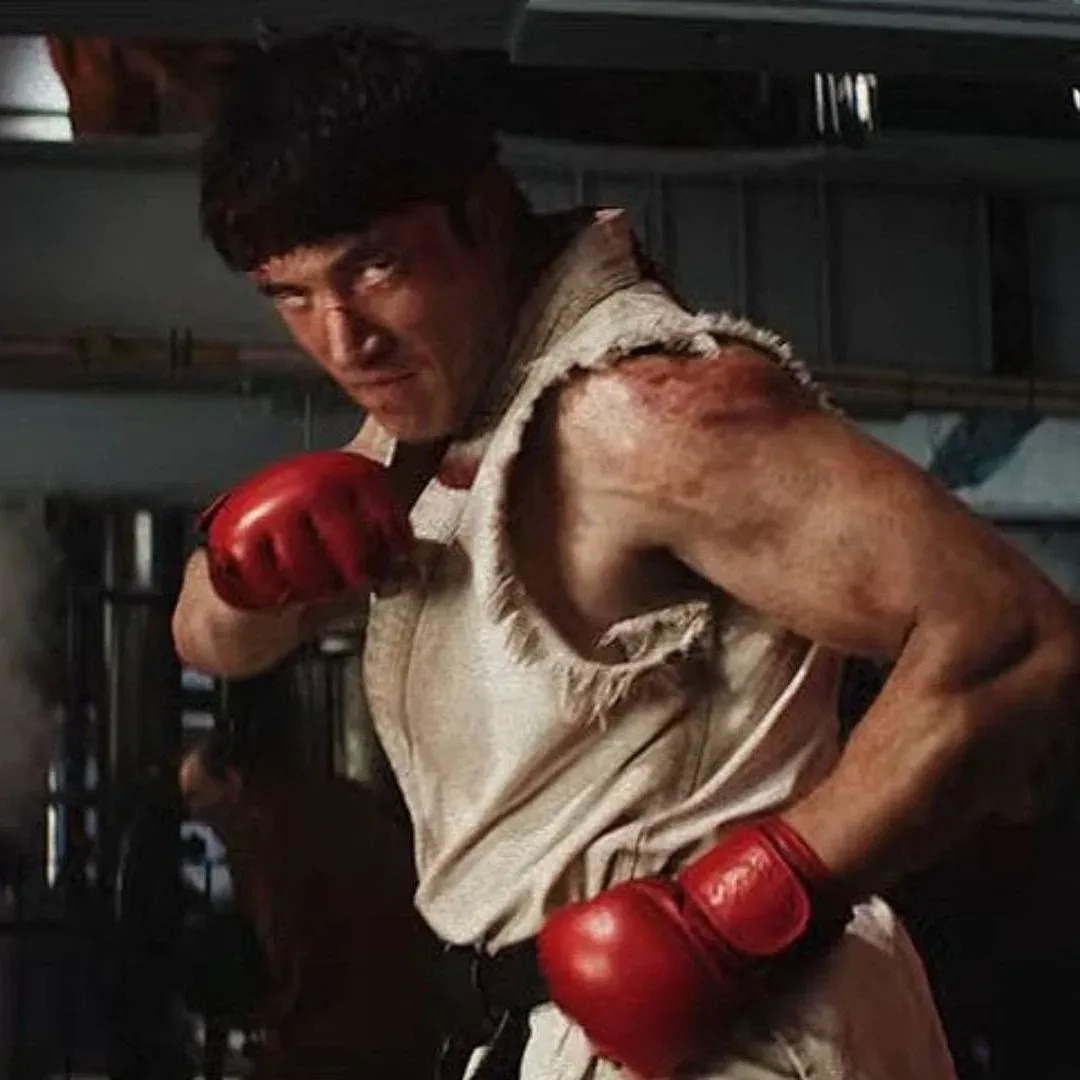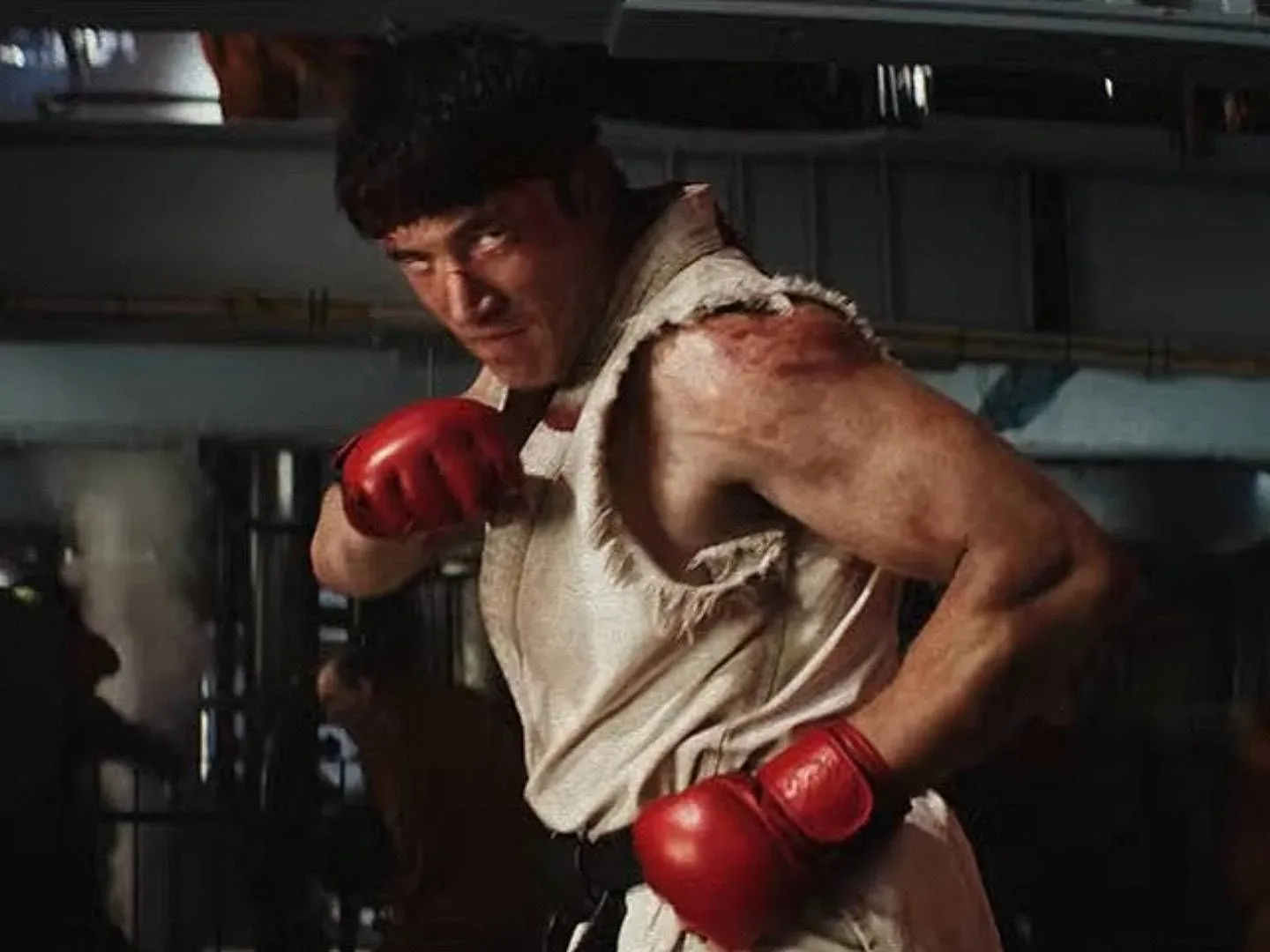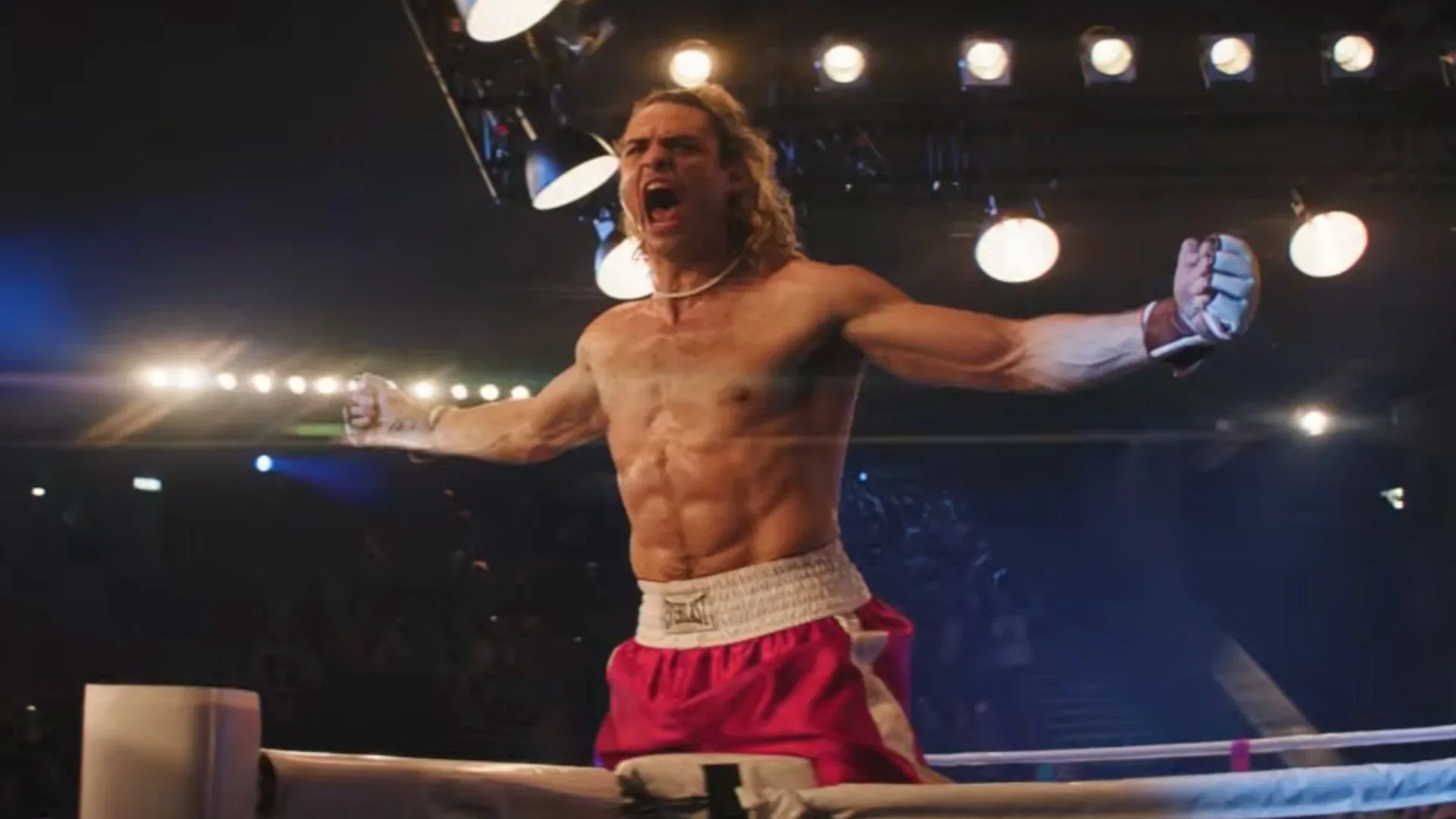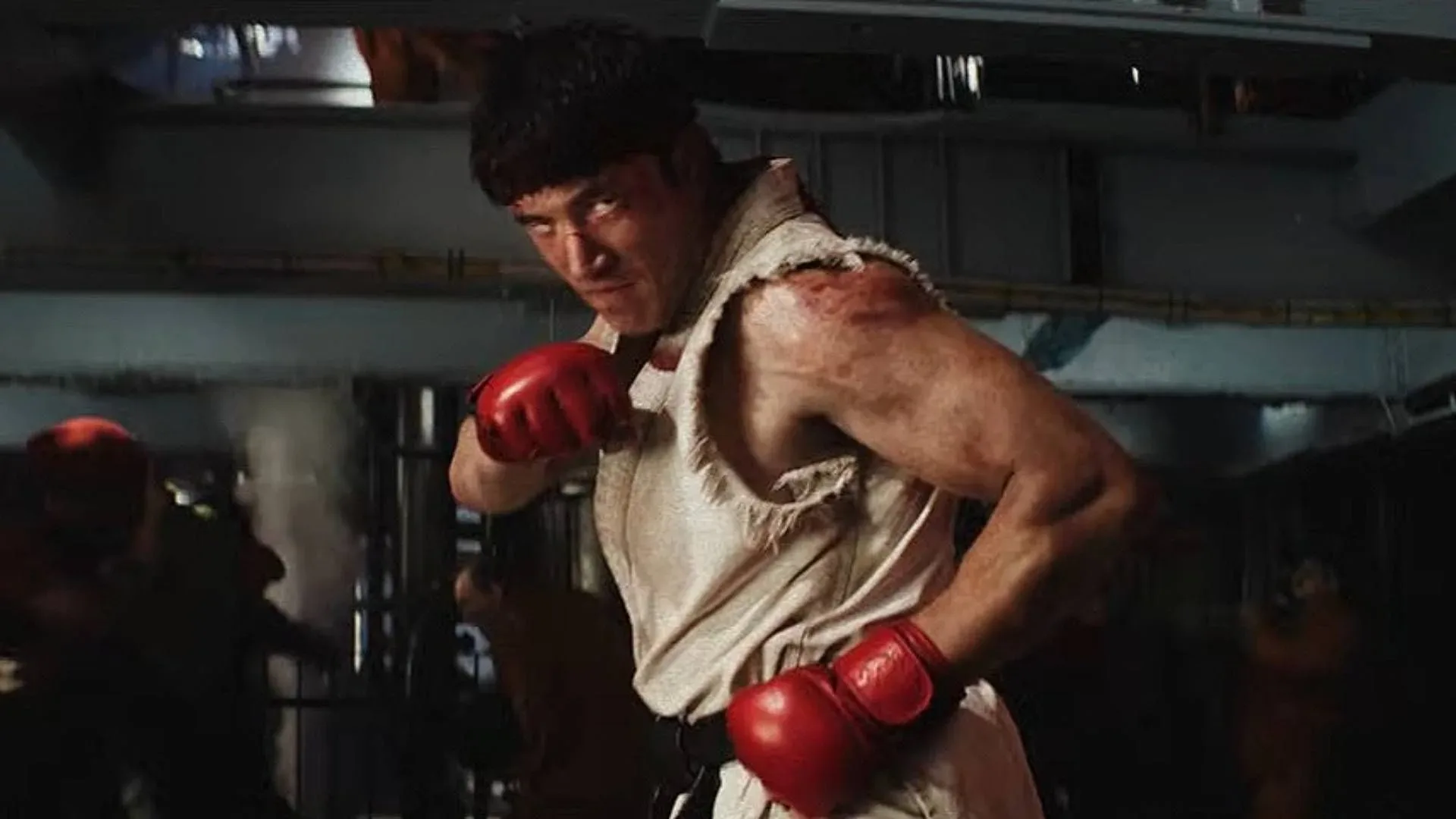
The upcoming Street Fighter movie is making room for one of competitive gaming’s most enduring legends: Evo Moment 37. Fighting-game veteran Justin Wong will appear in the film as a prisoner commenting on a fight, and his character will carry a “37” tattoo—a compact but unmistakable nod to the 2004 match that helped turn a tournament highlight into a piece of video-game folklore.
That is a notably specific reference. Movie adaptations often borrow character names, costumes and special-move imagery from games. A salute to Evo Moment 37 reaches further, recognizing a moment made famous not by a scripted campaign or a box-art pose, but by the competitive community that has kept Street Fighter central to fighting games for decades.
What Evo Moment 37 means
“Evo” is short for the Evolution Championship Series, a major competitive fighting-game tournament. Evo Moment 37 comes from a 2004 match between Wong, playing Chun-Li, and Daigo Umehara, playing Ken. It remains one of the most widely recognized clips in the fighting-game community, with hundreds of millions of views accumulated over the years.
The sequence is famous because Umehara’s Ken has only a sliver of health remaining when Wong’s Chun-Li uses her Super. A Super is a powerful, meter-dependent special attack; in this case, Chun-Li’s attack delivers a rapid series of hits. Rather than blocking the attack, Umehara parries all 15 hits and then turns the exchange around for the win.
For viewers unfamiliar with the term, a parry is a precisely timed defensive input that negates an incoming strike rather than simply absorbing it with a block. The difference matters. Blocking can leave a player under pressure, while a successful parry can create an immediate opening. Parrying a long multi-hit attack means maintaining that timing again and again under competitive pressure. That is why the moment reads so clearly even to someone who does not know every system in the game: the health deficit is visible, the attack seems decisive, and the reversal is instant.
The clip spread through early online game communities and has remained a shorthand for impossible-looking composure, execution and a comeback at the last possible moment. It also preserves a valuable part of Street Fighter history: its cultural life is not confined to the games’ fictional fighters. It also belongs to the players, audiences, tournaments and rivalries around them.
Justin Wong’s cameo makes the callback more than a background detail
Wong’s involvement gives the reference a direct connection to the match itself. He was on the other side of Evo Moment 37 as Chun-Li, which makes the “37” tattoo less like a generalized Easter egg and more like a recognition of an event in which he was a central participant. The cameo role places him in the film as a prisoner who comments on a fight.
An Easter egg, in this context, is a deliberately planted detail intended for observant fans. It is not necessarily needed to follow the plot, but it rewards viewers who recognize its significance. The “37” tattoo can work on both levels: it can simply be visual texture for a casual moviegoer, while longtime fighting-game fans will understand the history attached to the number.
Related coverage includes Street Fighter Film Nods to Evo Moment 37 With Justin Wong Cameo.
Wong has also said the film contains references to all six mainline Street Fighter games. That claim sets a broad target for the adaptation’s references, though it does not establish exactly which characters, moves, locations or visual details will be used for each entry. The important distinction is between confirmed intent and fan speculation: the stated presence of series-wide nods does not tell audiences where every one of them will appear.
Still, the Evo Moment 37 acknowledgment suggests that the film’s approach is not limited to obvious franchise iconography. It signals an awareness that Street Fighter has built meaning across arcades, tournaments, home releases and online video as well as through its roster.
Chun-Li preparation centered on movement
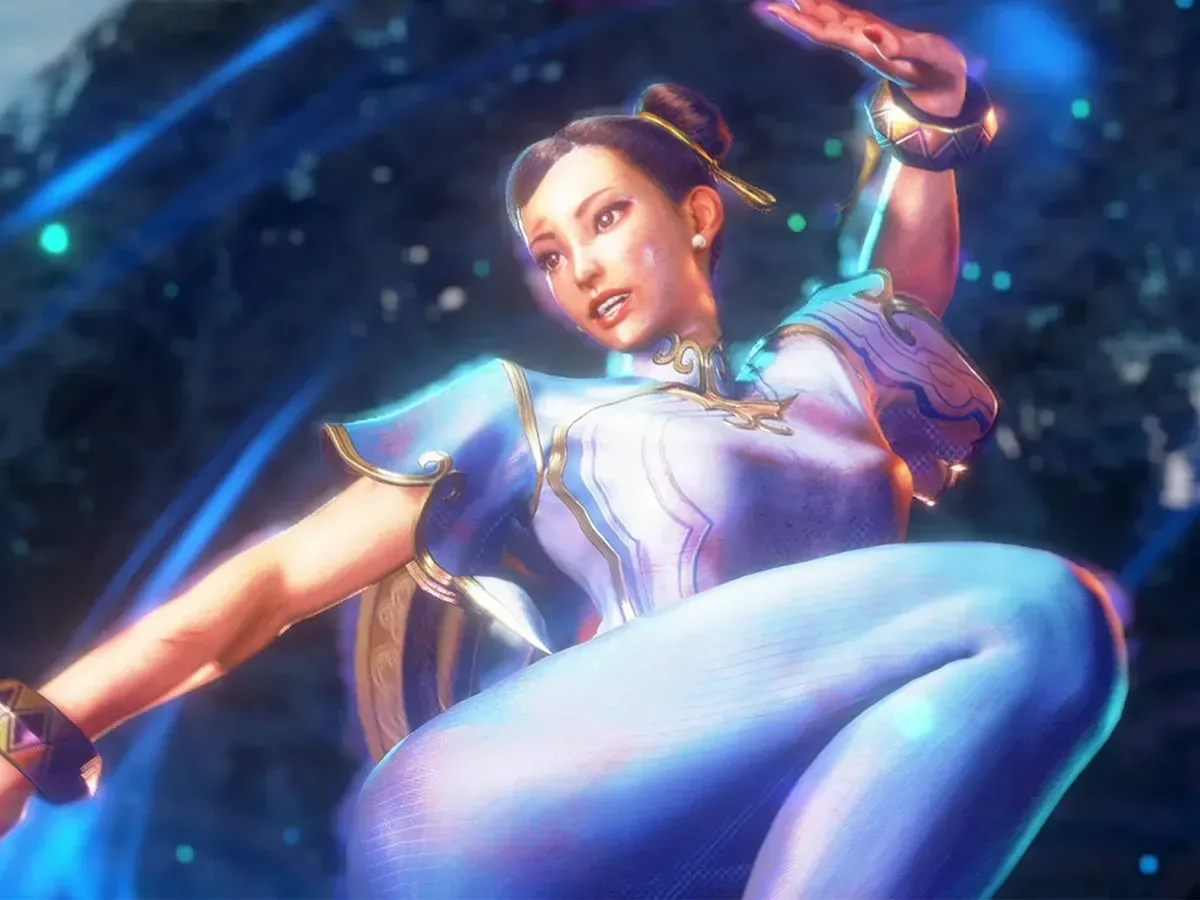
The movie’s connection to the games also extends to Callina Liang’s preparation for Chun-Li. Liang described downloading every version of Street Fighter onto a PS5, recording Chun-Li’s fighting moves in slow motion, and reviewing them closely. It is a practical way to study animation and combat language: slowing footage down lets a performer examine posture, transitions and the structure of a kick rather than just its final pose.
Chun-Li is strongly associated with kicking techniques, and Liang’s physical preparation reflected that. She trained in Taekwondo, Muay Thai and wushu for two hours a day, while also undertaking leg-strength work and dietary changes. She said the regimen increased the size of each thigh by six and a half centimeters by the end of filming.
Those disciplines are distinct traditions, but their presence together indicates a broad physical toolkit rather than a claim that Chun-Li maps cleanly onto one real-world style. Taekwondo is particularly associated with kicking, Muay Thai is a striking art, and wushu encompasses Chinese martial-arts performance and training traditions. For a screen adaptation, combining training approaches can help produce movement that is athletic, controlled and expressive while remaining responsive to choreography.
Liang’s method also highlights a recurring challenge for any game-to-film fighter: game animation is designed for readability, input response and exaggerated impact, while live-action movement must work with a body, camera placement, editing and safety requirements. Studying the games closely may help preserve recognizable shapes and rhythms, but a film fight must ultimately translate those elements rather than duplicate them frame for frame.
Why this kind of detail matters to fighting-game fans
For a long-running fighting series, authenticity is not just a matter of putting familiar names on screen. Fans may notice stance work, the logic of a signature move, an arena reference or the way fighters react to a shift in momentum. Evo Moment 37 is an especially useful reference point because it represents the drama that competitive fighting games can create without dialogue or story exposition: two players, a vulnerable position, exact timing and a sudden swing in control.
There is also a productive tension in commemorating the moment. The original sequence involved Wong’s Chun-Li and Umehara’s Ken, yet Wong’s cameo puts the real competitor associated with the losing side of that exchange into the film itself. The tribute does not erase the match’s competitive stakes. Instead, it recognizes that a historic sporting moment can belong to both players and to the community that watched, replayed and debated it.
That relationship between technology, game design and player expression remains a core part of gaming culture. As a recent industry discussion of gaming’s next leap argues from a different angle, graphics alone do not define what makes games memorable. In the case of Evo Moment 37, the lasting power comes from a system that allowed a player to make a high-risk, high-precision choice in front of an audience—and from the human nerve required to execute it.
What is confirmed—and what viewers should not assume
- Confirmed: Justin Wong appears in the film as a prisoner commenting on a fight.
- Confirmed: His character has a “37” tattoo that references Evo Moment 37.
- Confirmed: Wong said there are references connected to the six mainline Street Fighter games.
- Confirmed: Callina Liang studied Chun-Li’s moves across the game series and trained in Taekwondo, Muay Thai and wushu for the role.
- Not established by these details: the full list of references, the exact form each reference takes, or the movie’s complete story and fight choreography.
The distinction is worth keeping in view because a few confirmed details can quickly become a much larger list of assumed appearances online. For now, the strongest takeaway is narrower and more interesting: the film is drawing from both the fictional world of Street Fighter and the real competitive legacy created around it.
Street Fighter is scheduled to reach theaters on October 16. Its Evo Moment 37 reference should give dedicated viewers one reason to keep an eye on the background as carefully as they watch the fights.