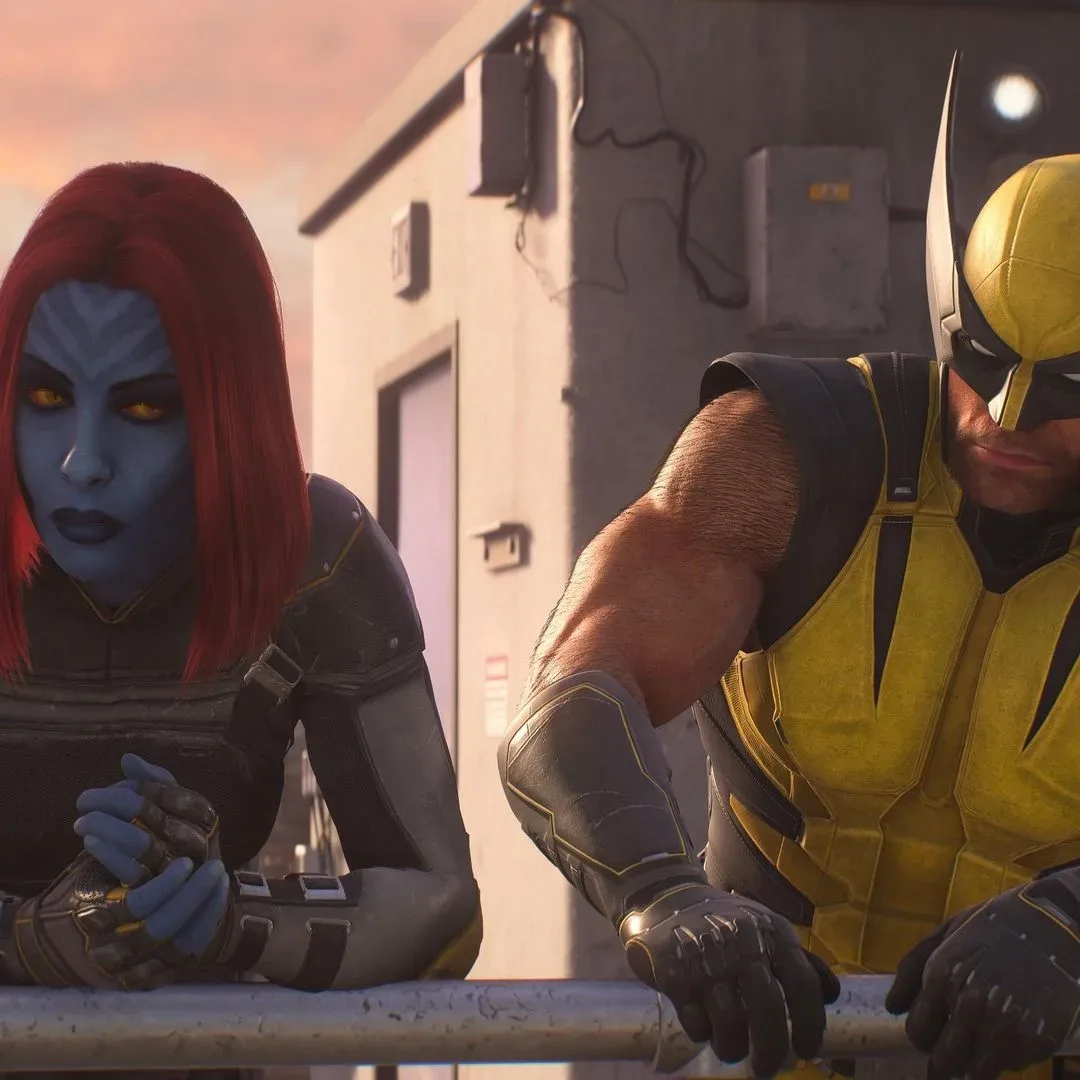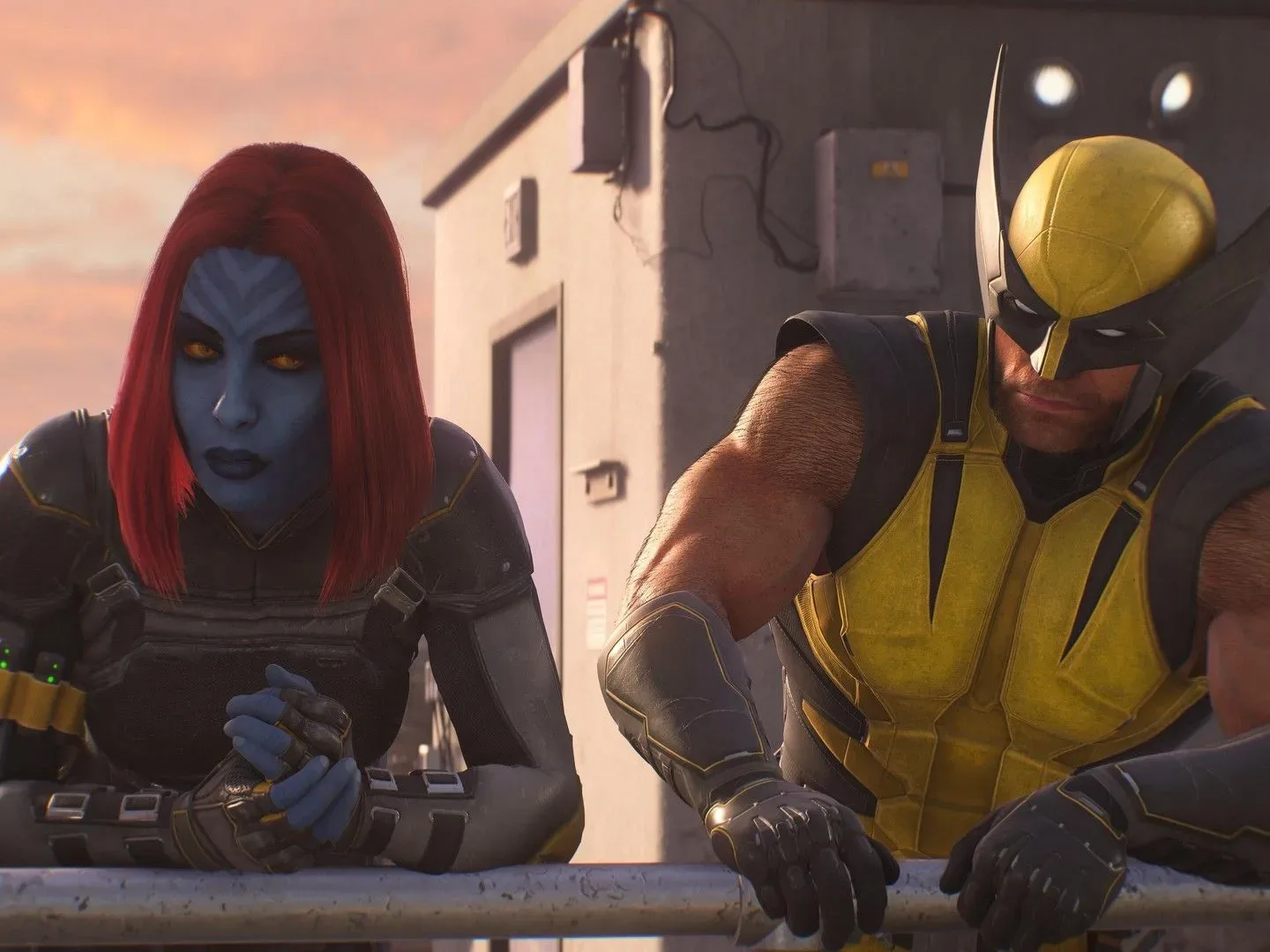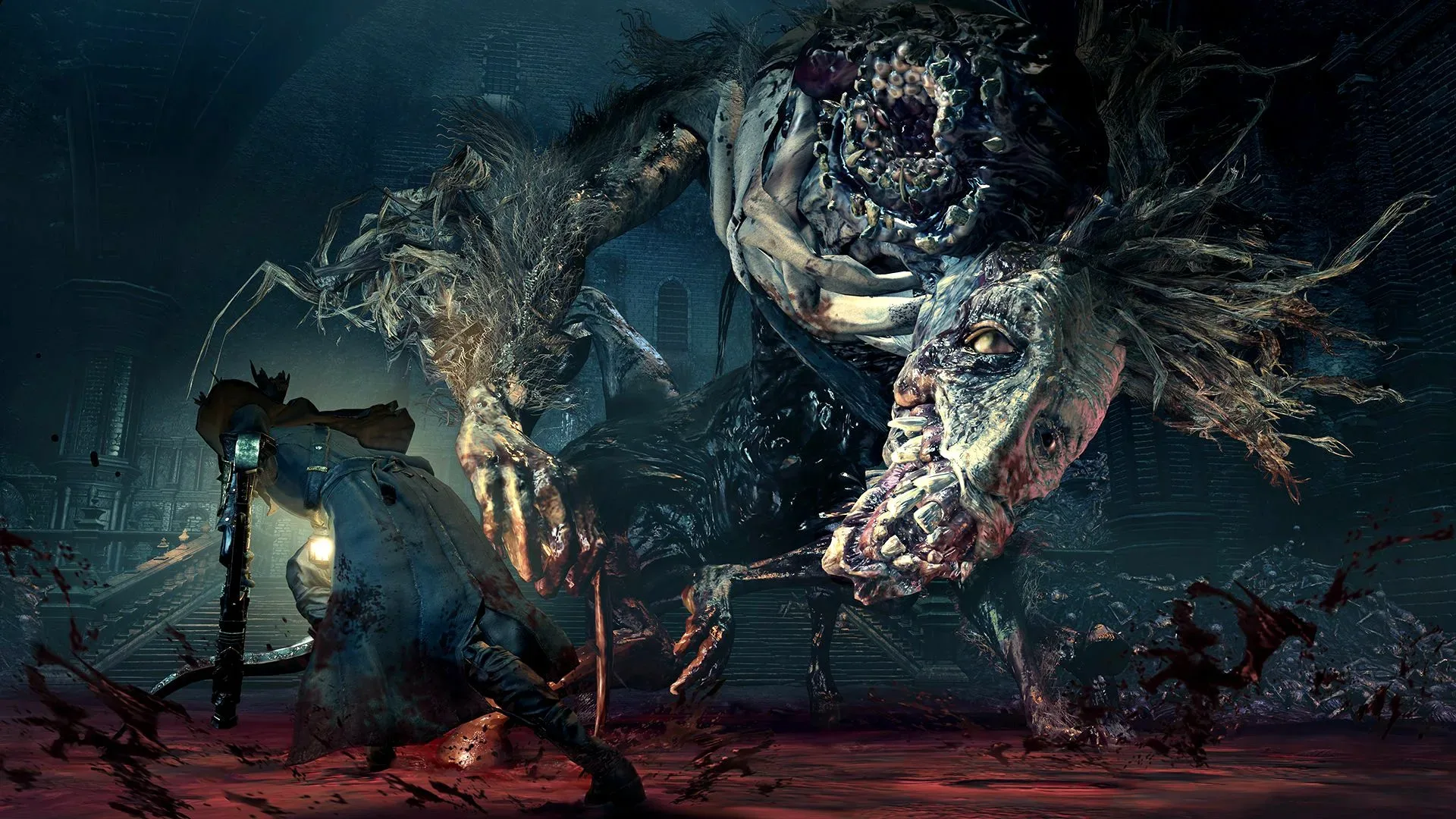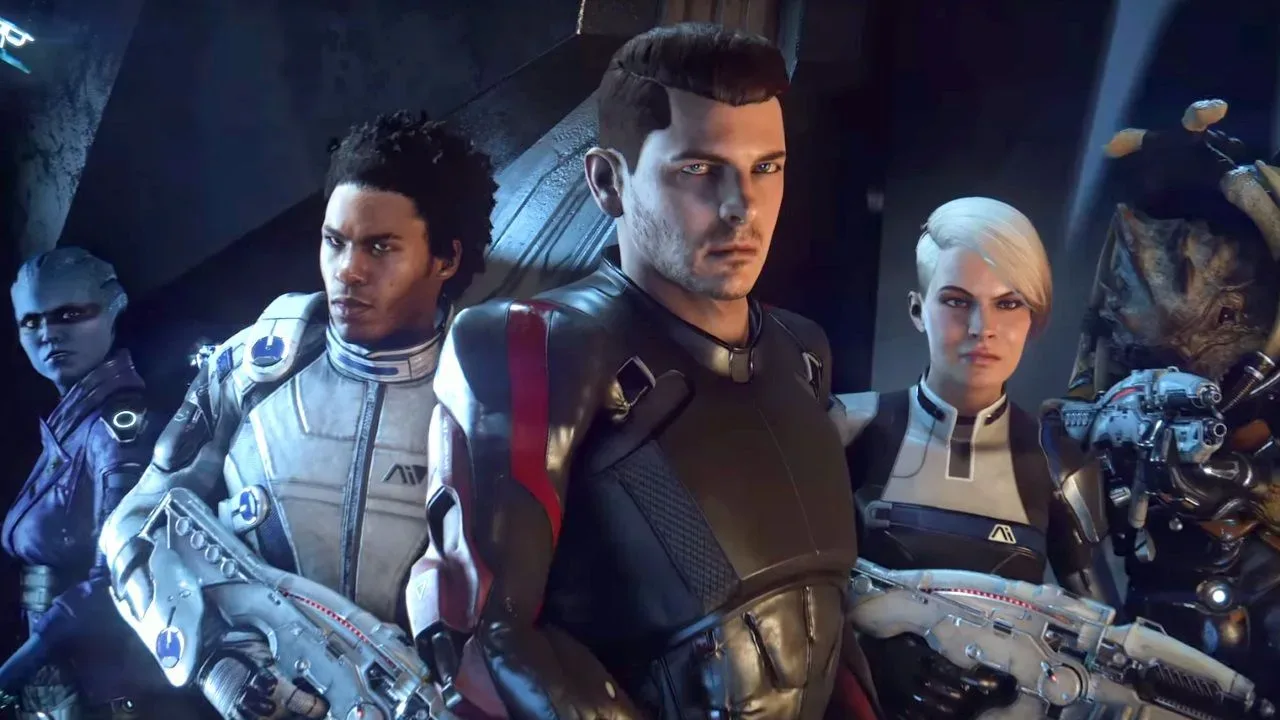
Ken Kutaragi, the creator of PlayStation, has offered a sharp assessment of modern games: the medium may have grown enormously in scale, visual fidelity and commercial reach, but it risks standing still creatively.
Speaking at Japan’s University of Electro-Communications, Kutaragi argued that gaming should not be treated as a mature industry that has already found its final form. In his view, the business remains capable of major breakthroughs and is nearing a turning point on the path to its “next stage.” The condition for getting there, he suggested, is not merely more advanced hardware or larger productions. It is retaining curiosity—and choosing to lead rather than simply follow established patterns.
“The moment you lose your curiosity and think, this is probably as good as it gets, it’s all over,” Kutaragi said.
It is a compact warning, but an unusually broad one. It addresses students and younger developers directly, while also applying to the companies, creative leaders and technical teams deciding what games get made. Kutaragi’s central point is not that technical progress has stopped. Modern games plainly look and operate differently from those made during the original PlayStation era. His criticism is that the underlying approach to making content has not changed enough to match that technological growth.
Bigger games are not automatically new games
When Kutaragi describes stagnation, he is not denying that games have become more visually elaborate. His point is that graphical improvement and creative advancement are separate things.
Graphical fidelity refers to how closely a game’s images can represent fine visual detail: more complex environments, richer lighting, denser animation and other improvements that make a virtual scene appear more convincing. Those gains can be meaningful, but they do not inherently create a new kind of play, a new relationship between player and game, or a new way for developers to express an idea.
A production can therefore be bigger in several measurable ways—more assets, more detailed worlds, more technically demanding presentation—while still relying on familiar content assumptions. Kutaragi’s critique is aimed at that gap. If the direction of game creation remains broadly the same while budgets, teams and graphical ambitions rise, then progress can look impressive without feeling transformative.
That distinction matters because the industry often speaks about advancement in the language of specifications. Faster hardware, more realistic visuals and broader scope are easy to describe. Creative change is harder to quantify. It may mean questioning what a game is structured around, what kind of interaction it prioritizes, or whether a familiar production model is solving the right problem.
Related coverage includes Ken Kutaragi Says Gaming Has Stagnated Despite Bigger, Better-Looking Games.
Kutaragi’s framing does not prescribe a single answer. He does not identify one platform, genre or technology that will carry games into that next stage. Instead, he makes a case for the mentality required to find an answer: curiosity before complacency.
The original PlayStation lesson: lead instead of follow
Kutaragi linked that outlook to the philosophy around the original PlayStation project. He said its team set out to “change the world,” reflecting an era that sought to create leading-edge technology rather than imitate what others were doing.
That does not mean every game maker needs to reinvent the medium with every release, nor does it make dependable, well-understood design inherently bad. Familiarity can help players learn a game and help teams communicate a clear experience. But Kutaragi’s argument is that a field loses momentum when convention becomes a substitute for investigation.
His wording is especially pointed in an industry where following a visible success can appear safer than pursuing an unproven idea. A developer can observe what is already popular, reproduce the surface traits and aim for a known audience. That strategy may reduce uncertainty in the short term, yet it can also narrow the range of ideas being explored. If too many decisions are built around what has already worked, the result can be more polish around a shrinking set of creative assumptions.
Kutaragi urged his audience to cultivate a habit of leading. He placed particular emphasis on younger people, arguing that the habits formed early tend to persist later in life. In practical terms, that is a call to keep asking difficult questions before routines harden: What is being taken for granted? What can current tools enable beyond their most obvious use? Which player needs are being missed because the answer does not resemble the last successful project?
Curiosity in this context is not passive interest. It is an active refusal to accept “good enough” as the permanent ceiling.
Why the “next stage” is a useful, if deliberately open, idea
Kutaragi’s phrase “next stage” is intentionally broad. That makes it less of a forecast than a challenge. He is not claiming that one imminent invention will resolve the industry’s creative problems. Rather, he is arguing that games still have unrealized potential despite their scale and value relative to other major entertainment fields.
Calling gaming an immature industry is not a dismissal of what it has achieved. It is an insistence that commercial size should not be confused with creative completion. A medium can command a huge audience and still have fundamental room to change.
That perspective is worth separating from a simple demand for novelty at any cost. Newness alone does not make a game worthwhile, and technical experimentation without a purpose can be empty. The more constructive reading of Kutaragi’s remarks is that innovation should be guided by a willingness to examine the problems worth solving. Better technology is valuable when it opens meaningful possibilities, not when it exists solely to make a familiar formula more expensive to execute.
This is also why accessibility is implicit in the discussion, even if Kutaragi’s comments focus primarily on curiosity. A major leap in games does not necessarily have to mean a more intimidating or more exclusive experience. An advance can be a clearer way to play, a fresh design relationship, or an idea that reaches people who are not served by existing conventions. The question is whether a new direction changes what the medium can do for players and creators.
Curiosity is a creative discipline, not a slogan
“Stay curious” can sound like a vague piece of motivational advice. Kutaragi’s warning gives it more edge. He ties curiosity to the danger of deciding that the present state of play is effectively final.
For developers, that can mean treating technical and creative constraints as prompts for investigation rather than unquestioned boundaries. For students entering the field, it can mean learning existing methods without assuming those methods are the only ones that matter. For larger organizations, it can mean leaving room for questions that do not immediately resemble an established content plan.
There is no guarantee that every experiment will succeed. Curiosity is not the same as certainty, and Kutaragi does not present it as one. The value lies in continuing to look beyond the default answer. A creative culture that cannot entertain alternatives will struggle to discover them.
That idea is particularly relevant as debates about artificial intelligence and game-making continue. Tools, demonstrations and viral concepts can attract attention, but they are not automatically evidence of a finished or valuable game. As a closer look at AI game mashup clips explains, an eye-catching result is different from a playable, coherent work. Kutaragi’s emphasis on human curiosity helps clarify the distinction: technology may expand the available tools, but people still need to decide what is worth making and why.
An industry challenge, rather than a nostalgia exercise
Because Kutaragi is closely associated with the original PlayStation, it would be easy to read his comments as an argument that games should recapture a past moment. That is not what his remarks demand. His appeal is forward-looking. The original PlayStation example serves as a reminder of the ambition to create something leading-edge, not as a blueprint to be copied decades later.
The relevant lesson is the attitude behind the work: an unwillingness to accept the existing landscape as the limit of possibility. Repeating an old breakthrough would contradict the very argument Kutaragi is making. The next stage, if it arrives, will have to be discovered in the conditions of the present.
That leaves developers with a demanding but valuable question. If visual improvements and rising scale are no longer sufficient markers of progress, what would meaningful progress look like? There will not be one universal response. Some answers may come from technology, some from design, some from new forms of collaboration and some from creators finding audiences that established approaches overlook.
Kutaragi’s contribution is to insist that the search should continue. Gaming, in his telling, has not reached its endpoint. Its future depends less on declaring today’s model finished than on preserving the curiosity to imagine a better one.