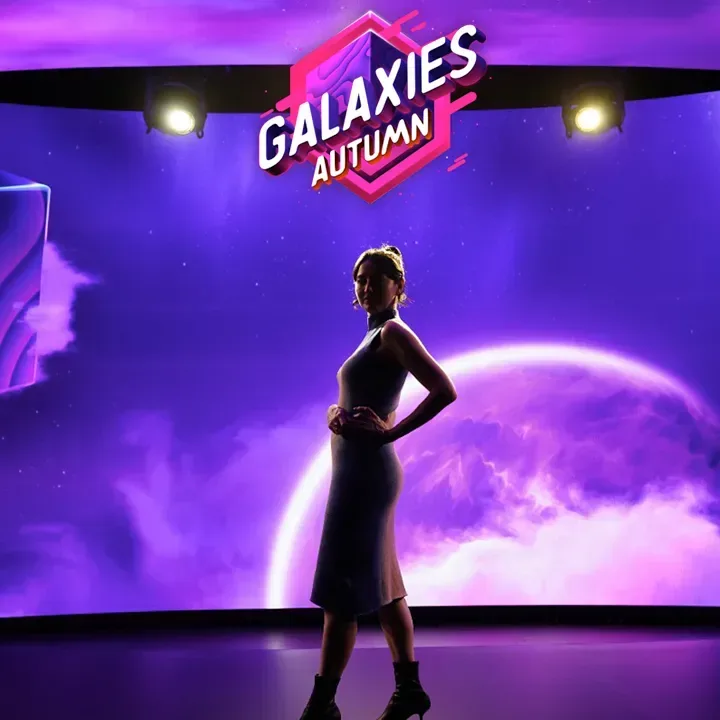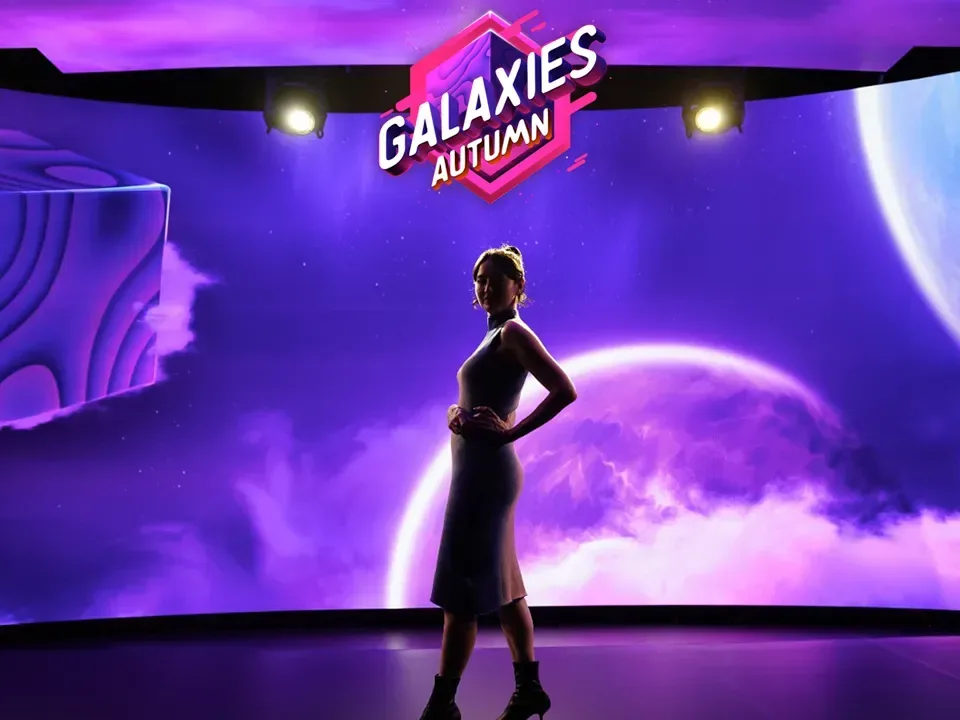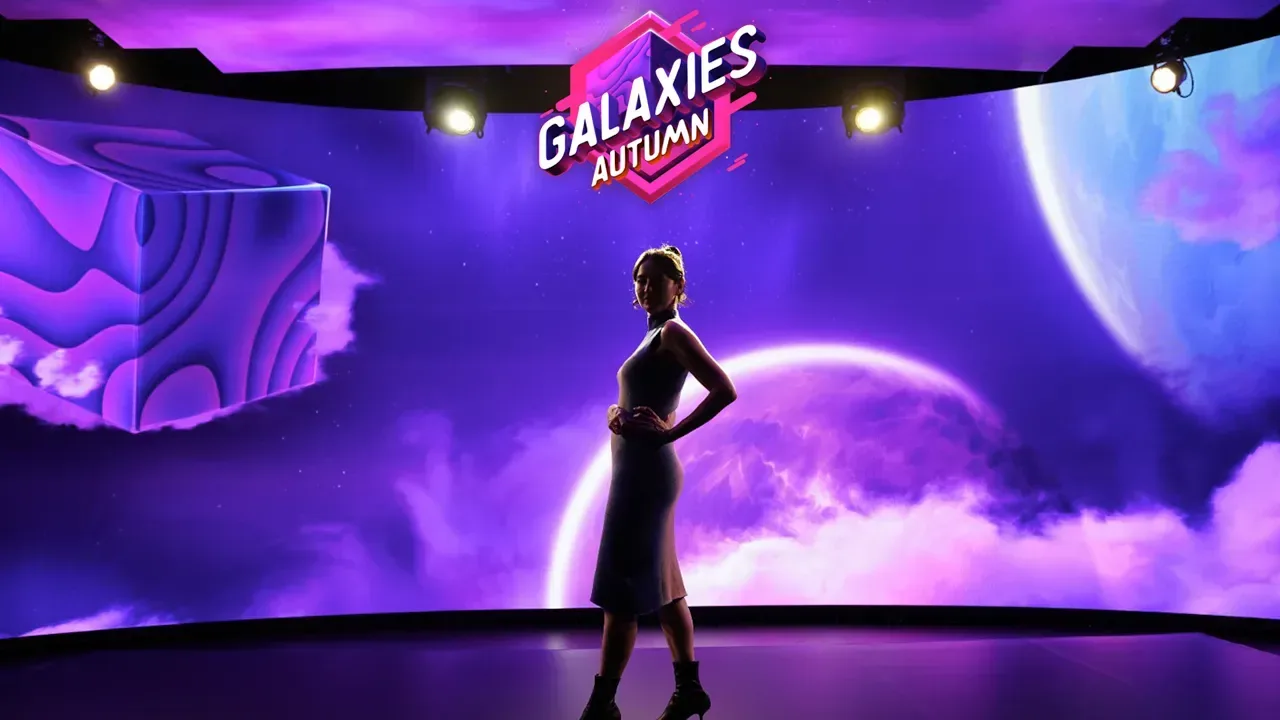
The Galaxies Showcase will return on October 15, 2026, bringing together games from more than 40 partners in a presentation hosted by Jane Douglas. The event is scheduled to begin at 12 p.m. PT / 3 p.m. ET / 8 p.m. BST / 9 p.m. CEST.
There is one important caveat for anyone already trying to decode the announcement into a prediction list: no individual games have been named for the show. Organizers have instead described the planned mix in broad terms, pointing to blockbuster franchises, anticipated sequels, and entirely new announcements. That creates a wide field of possibility, but it is not confirmation that any particular series, studio project, platform, release date, or surprise appearance will be part of the broadcast.
When and where to watch
The broadcast is set for October 15 at the following times:
- 12 p.m. Pacific Time
- 3 p.m. Eastern Time
- 8 p.m. British Summer Time
- 9 p.m. Central European Summer Time
Viewers will have several announced ways to follow the presentation, including YouTube, Twitch, Facebook, X, mobile apps, and participating gaming sites. With a multi-platform broadcast, the practical advice is simple: use the official or host channel most convenient for your region and sign in ahead of time if you plan to use chat or notifications. The supplied details establish the premiere time, but do not specify the show’s running length, whether every feed will carry identical pre-show programming, or whether a replay will be available immediately afterward.
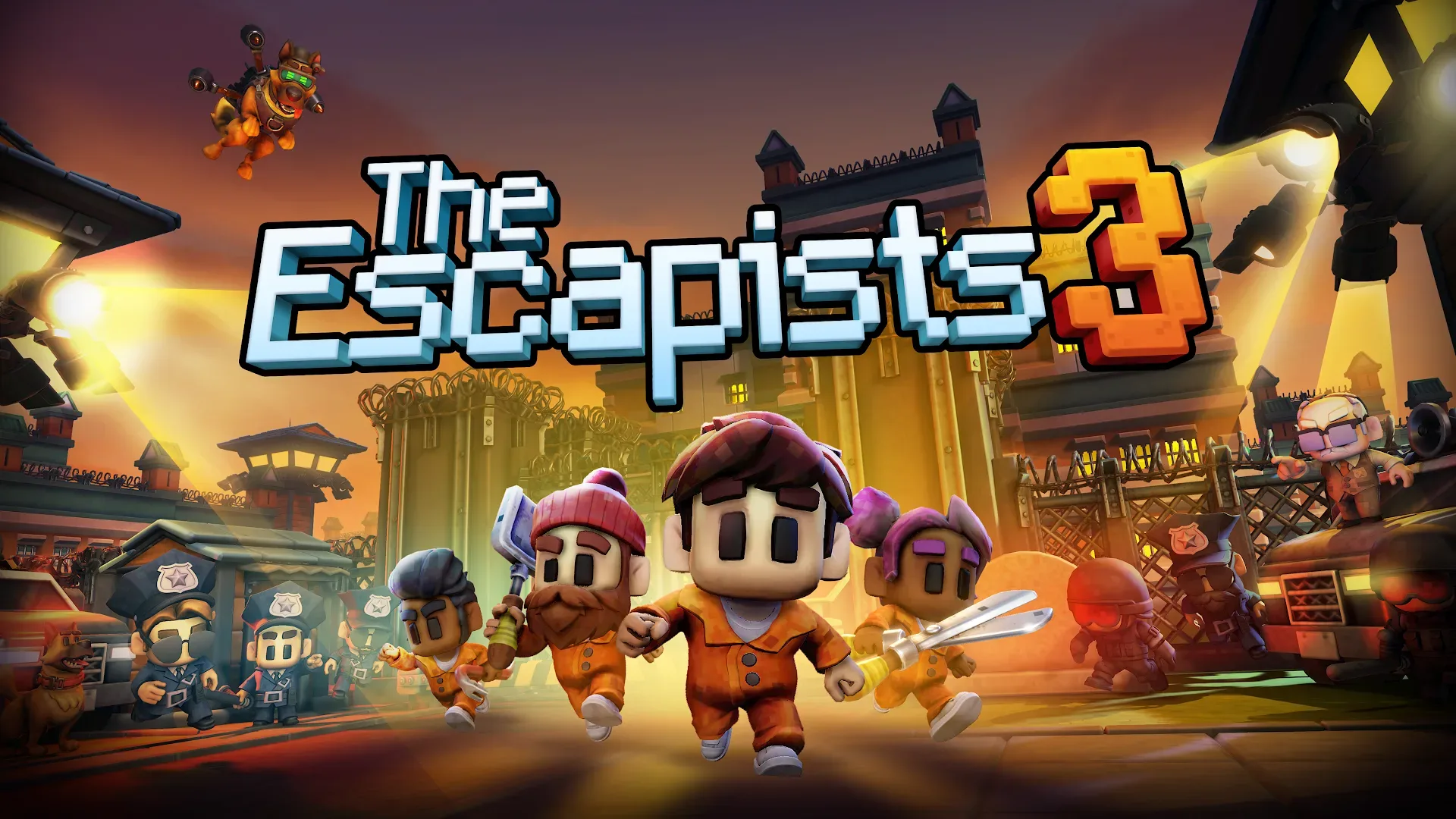
For readers following one of the participating publishers, Team17’s previously detailed plans for The Escapists 3 offer a separate example of the kind of publisher news worth keeping an eye on—though its presence in the Galaxies Showcase has not been confirmed.
What has been confirmed
The headline figure is more than 40 partners. The disclosed group includes Square Enix Collective, Krafton, Embark Studios, Focus Entertainment, Kinetic Publishing, Team17, Saber Interactive, 4Dvinity, Raw Fury, Wired Productions, and Frontier Developments, alongside further partners not individually listed in the available information.
That roster is meaningful because it spans organizations that can occupy different roles in the games business. A publisher generally supports a game’s route to market, which can include financing, marketing, distribution, and release planning. A developer is the team making the game itself. Some companies undertake both functions, while labels and publishing groups may support several independent development teams. In a showcase setting, a partner listing therefore signals participation at the event level, not necessarily one specific trailer from one specific studio.
The organizers’ stated aim is to put large publishers and very small teams on the same stage. In practical terms, that means the eventual program could move between well-established franchises and projects that have not yet built broad recognition. It also makes the sheer partner count a poor substitute for a confirmed game list: one partner may have a major reveal, another may contribute a short update, and another could be involved without its contribution being obvious in advance.
Related coverage includes Galaxies Showcase 2026 Set for October 15 With More Than 40 Partners.
What remains unknown
Despite the scale of the partner roster, the most useful details for planning a watch party or managing expectations are still under wraps. There are no announced titles, no confirmed platforms, no release windows, no gameplay promises, and no segment-by-segment schedule in the information currently available.
That distinction matters. A phrase such as anticipated sequel is a category, not a title. Likewise, brand-new announcement may mean a new game reveal, but the announcement does not identify its genre, developer, platform destination, or launch timing. The use of terms such as blockbuster franchise can raise expectations, but it should not be read as proof of a specific game’s attendance.
There is also no basis yet to conclude that every named partner will bring a newly announced project. A showcase can include many types of segment: a debut reveal, a new trailer, a release-date update, a gameplay demonstration, or an appearance that primarily introduces a project to viewers who have not encountered it before. Until the running order is revealed or the broadcast begins, the sensible approach is to separate organizers’ broad promises from hard, title-level confirmation.
Why the partner list is worth watching anyway
The named companies make the presentation notable even before its games are disclosed. Square Enix Collective, Krafton, Embark Studios, Focus Entertainment, Kinetic Publishing, Team17, Saber Interactive, Raw Fury, Wired Productions, Frontier Developments, and the others represent a substantial group of organizations with potentially different audiences and project sizes. Rather than defining the event around one hardware maker or one first-party catalog, the setup suggests a multi-publisher showcase built around discovery.
That approach has a clear upside for viewers: a single broadcast could place familiar names beside projects from smaller teams that might otherwise be difficult to find. It also means that people watching only for a particular company should be wary of treating a partner logo as a guarantee. A listed company is confirmed as part of the broader event; its precise role and the game or games it may represent are not.
Organizers have called this the showcase’s most ambitious lineup to date and described it as its most vibrant show. Those are statements of intent rather than measurable specifications, but the partner total gives them some context. More participating organizations can mean a broader range of announcements. It can also mean that the program is designed to distribute attention across a larger selection of games instead of concentrating on a handful of long segments.
How to watch with the right expectations
For the audience, the best preparation is not an elaborate prediction spreadsheet; it is a clean divide between what is known and what is speculative. The known part is straightforward: the Galaxies Showcase is happening October 15, Jane Douglas is hosting, the start time is set across four time zones, and over 40 partners are attached. The speculative part begins whenever a viewer tries to assign a particular franchise or release to the event.
Viewers who want the most value from a reveal-driven presentation may also want to keep a note of titles, studios, and release information as they appear. Trailers often move quickly, and the most immediately useful facts are usually the ones that can be confirmed on-screen: the game’s name, the team behind it, the platforms named, and whether a date or window is actually given. If none of those details are stated, it is better to leave them unconfirmed than to fill the gaps with assumptions.
For now, Galaxies Showcase 2026 is defined more by its potential breadth than by a disclosed slate. Its October 15 broadcast has a host, a schedule, a sizable partner lineup, and an explicit promise of a mix ranging from major franchises to smaller creative projects. The games themselves are the missing piece—and, by design, the reason to tune in.