
Embark Studios has removed a highlight recap for The Finals APAC Closed Qualifier after a fierce response from the game’s esports casting community. The issue was not simply that the recap used artificial intelligence. It was that the video replaced the commentators who had called the matches with new dialogue performed through the game’s fictional announcers, Scotty and June.
For the people who had worked the qualifier broadcasts, that decision landed as a dismissal of the preparation, game knowledge, storytelling and emotional labor that goes into live esports coverage. Commentator Proto, also known as Kai, said he and fellow casters had worked four competitive cycles plus open and closed qualifiers, only to hear lines in the recap that appeared to echo their own calls.
The video is no longer public. Embark said it had intended to use familiar in-game characters to draw a broader audience toward The Finals esports ahead of The Grand Major, but accepted that omitting the original casters and broadcast talent was the wrong choice. Recaps planned in the same format for the Americas and EMEA regions have also been stopped while the company rethinks all three videos.
What happened with the APAC recap
The removed video recapped highlights from The Grand Major’s APAC Closed Qualifier. Rather than use the original broadcast audio, it featured Scotty and June: the fictional commentators already known to players from the game itself.
For more context, explore How EV Routing Works With CarPlay and Android Auto—and How to Set It Up.
Embark said its team selected broadcast clips, created an original script and produced fresh commentary for the characters. That distinction matters: the company’s description says the match footage itself was not simply fed into a system to reproduce the existing call word for word. But it does not erase the central concern raised by talent. Proto said the production process involved reviewing the video-on-demand recording, selecting moments for a planned story, and producing lines that still tracked closely enough to what the live team had said that casters recognized their work in the finished package.
In a highlight reel, the commentary is not decorative wallpaper. A caster gives a moment its stakes. They can explain why a decision was surprising, identify a player’s larger pattern across a bracket, connect a late-round play to a team’s earlier strategy, and make a viewer understand why one elimination or objective mattered. The casters had already done that work in real time. Replacing their voices and analysis after the fact made the recap feel, to critics, like a version of the event with its human authors edited out.
Embark’s subsequent statement acknowledged precisely that problem. The company said the original talent’s work deserved to be included and highlighted, not removed. Oscar Lundberg, who works in Competitive Experience and Community for Embark and The Finals, separately called the decision a mistake and apologized.
Related coverage includes Embark Pulls The Finals Esports Recap After AI Commentary Backlash.
Why “AI casters” is an unusually loaded phrase
There are several different technologies being discussed under the broad label of AI here, and combining them can obscure the real argument.
Text-to-speech is technology that turns written language into audible speech. In this case, Scotty and June’s lines were driven through a text-to-speech process and an AI model trained on the voices of human actors. The underlying performers were paid by Embark for their work.
Voice-model training refers to building a system that can generate speech in the characteristics of a particular voice. That is distinct from a generic synthetic voice. It also raises important questions about consent, compensation and the limits placed on future use, because a performer’s voice can become a reusable production asset rather than a recording made for one specific session.
Dynamic commentary is the game feature that has enabled Scotty and June to react to match context, reference player screen names and call out specific in-game events. It was announced in October. A feature of that kind has an obvious practical purpose inside a live game: many player names, locations, items and match states may need bespoke lines, and recording every possible combination by hand is difficult.
That is materially different from recapping a completed esports broadcast that already had professional commentators attached to it. The APAC controversy rests on this difference. Players and casters have drawn a line between AI-supported game dialogue, such as contextual lines for a ping system, and using synthetic character commentary as a substitute for the people who covered a tournament.
That distinction is not an argument that all in-game AI dialogue is automatically uncontroversial. It is an argument about context. A reactive game system may expand what a fictional announcer can say during play. A tournament recap is also a record of a broadcast, and the broadcast talent are part of what produced that record.
The labor issue behind the backlash
The sharpest reaction came from people who see this as a warning about how competitive productions value freelance and contract workers. Esports broadcasts involve more than the voices viewers hear. Producers shape the show; observers and camera operators determine what the audience sees; broadcast teams create graphics and packages; assistants and coordinators keep the machinery moving. A recap may look like a short social video, but it rests on work carried out before, during and after a match.
Proto argued that protections should cover the whole chain, not only commentators. He pointed to automated observing and camera functions as another area where production jobs could be affected. His suggested responses included an industry union, a collective work stoppage, or contracts that explicitly bar generative-AI use of a worker’s voice.
Those proposals are not a settled policy for esports, but they identify the practical contractual questions this incident has put in view:
- Can a broadcast, recording or voice be used to train an AI system?
- Can a contractor’s work be used as reference material for synthetic replacement narration?
- Is a performer paid separately for voice-model training or later generated use?
- Must a production disclose when AI-generated material will replace or materially alter a contributor’s work?
- What credit and compensation are owed when tournament footage is repackaged for promotional use?
Clear answers in writing would not resolve every creative dispute. They would, however, reduce the gap between what talent believes it is being hired to do and what a company believes it can do with the resulting work.
An apology, a takedown, and unresolved trust
Embark’s response was more concrete than a vague statement of regret. It took down the APAC video and canceled the planned AMER and EMEA versions in that format. That removes the immediate flashpoint and indicates the studio will not simply continue with identical recaps after the backlash.
Still, several of the casters involved have said that the removal does not settle their concerns. Bluepanda described a longer history of being told the work was valued, then being ghosted or told that the need for talent had changed. Proto described the overall handling of the competitive scene as consistently poor and urged larger changes, including a broader talent pool for major events, a more streamlined competitive structure next year, and support for local communities.
Those claims reflect the talent’s experience and should be understood as their assessment of how the circuit has been managed, rather than a verified account of every internal decision. Yet they explain why the recap triggered such a strong reaction. The video did not arrive in a vacuum for the people who had spent the year calling qualifiers. It was interpreted through existing worries about opportunity, recognition and whether the people building a scene will still have a place in its future.
For viewers, the result may be a more useful way to evaluate AI claims in competitive gaming. The key question is not only whether a tool sounds convincing. It is also whether it adds something that could not reasonably be created otherwise, whether the affected workers agreed to its use, and whether it erases the credit or employment of the people whose skill made the event legible in the first place.
Embark’s broader use of AI voice systems
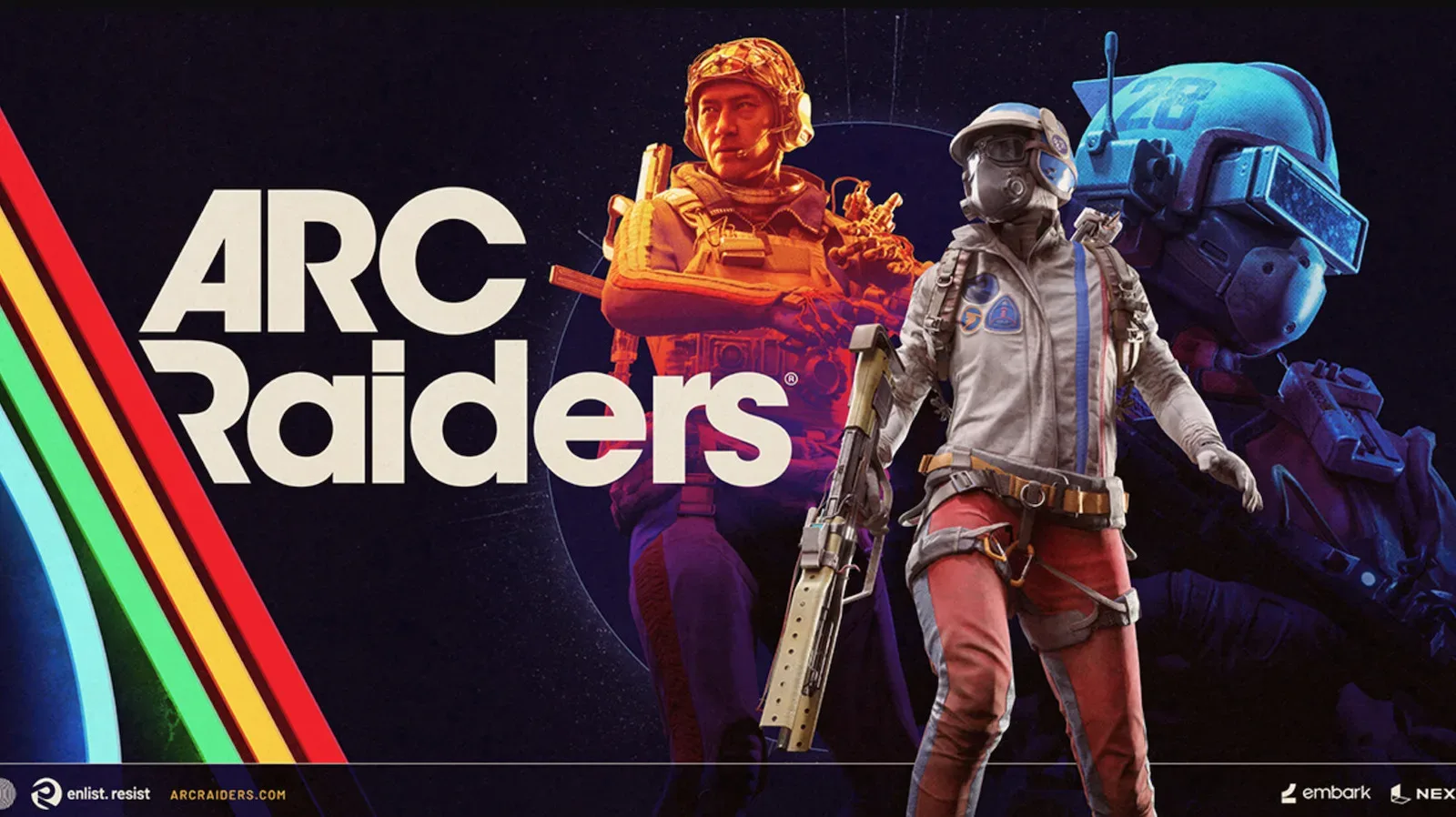
The Finals is not Embark’s only game to use AI-assisted voice systems. Arc Raiders also uses artificial intelligence for voice lines that can reference specific items and locations. In a November 2025 interview, Embark design director Virgil Watkins said the studio hired and contracted voice actors for that use, with the relevant AI purpose included in their contracts. The stated benefit was scale: a ping system can speak every item name, location name and compass direction without requiring actors to return for a new session every time an item is added.
That example helps clarify the two sides of the current debate. Supporters of these tools can point to a design use case where a finite recording session cannot feasibly cover a constantly growing vocabulary. Critics can point to the APAC recap and say that technical convenience should not become a reason to overwrite human work that already exists.
The sensible lesson is not that every AI voice feature belongs in the same bucket. Consent terms, intended use, whether the voice is fictional or tied to a working broadcaster, and whether the system supplements or replaces a person all change the ethical and professional stakes.
What should change for esports recaps
A better recap does not require abandoning in-game identity. Scotty and June could potentially be part of a promotional package without displacing the actual broadcast team—provided the original talent is heard, credited and treated as participants rather than raw material. But any approach like that needs to be established with contributors beforehand, not improvised after the work is finished.
For tournament organizers, the immediate practical standard is straightforward: if a recap depends on match calls, analysis, clips or a broadcast story shaped by real people, involve them. Preserve their original commentary where appropriate, credit them clearly, and make proposed synthetic elements transparent before publication. If generated voices or models are in the plan, the terms must state what is being used, why it is being used, and what rights the company does or does not receive.
For casters and production workers, the episode underscores why contracts can no longer treat AI language as an afterthought. A general services agreement may not adequately answer whether a voice can be modeled, whether recordings can be repurposed as machine-training material, or whether a contractor can be replaced in marketing that uses their work as its foundation. The scope needs to be specific.
The APAC recap is gone, and the other two planned regional versions will not be published as originally intended. But its impact will likely last longer than one deleted social post. It has turned a familiar-looking technology question into a labor and authorship question: when a game’s fictional announcers borrow the shape of a real broadcast, who gets to tell the story—and who gets left out of it?