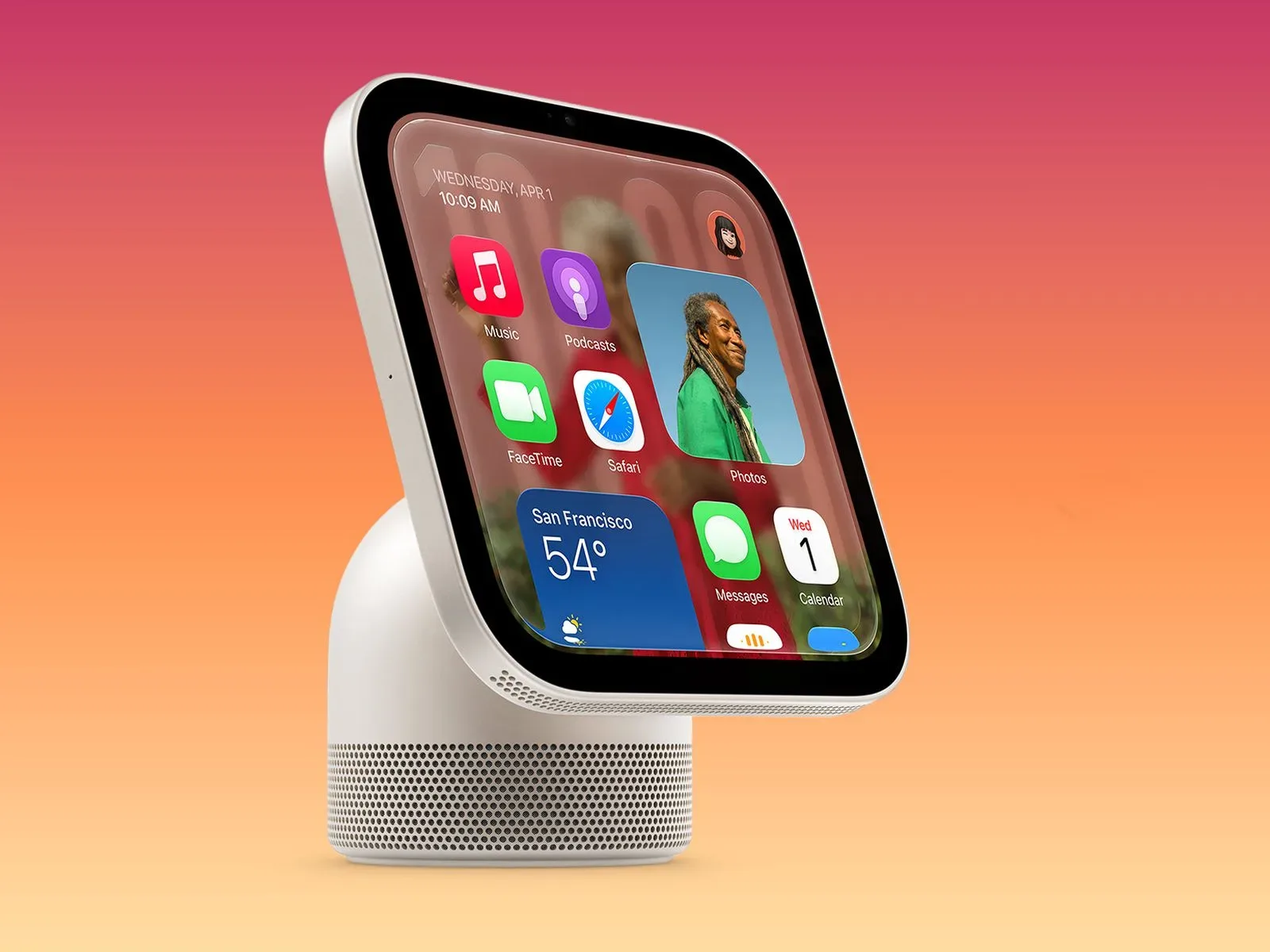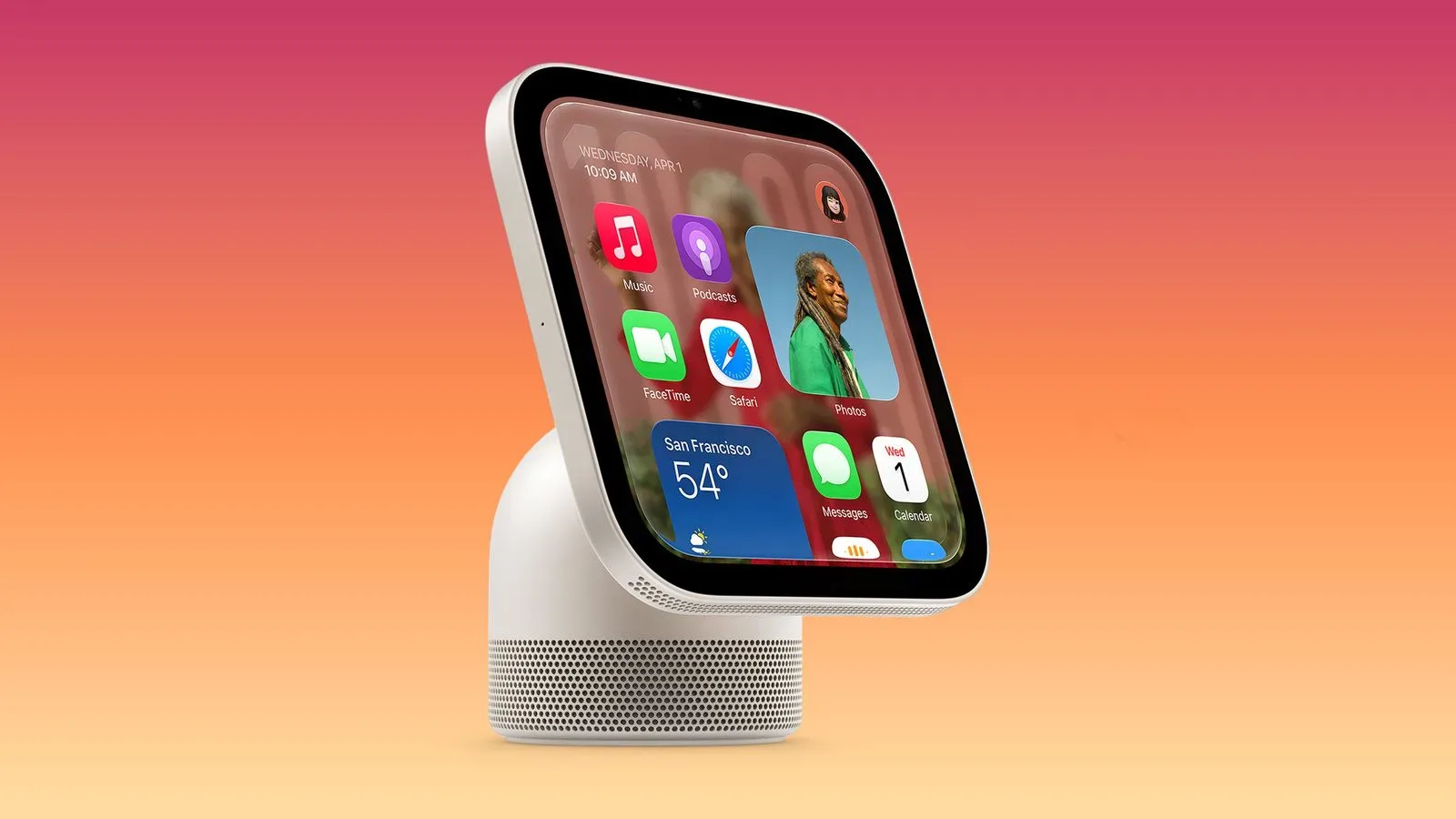
Apple’s new HomeView smart home hub has begun its rollout, with November 13 arriving first in Australia and New Zealand. The device is now starting to reach people who pre-ordered it, marking the public debut of Apple’s new screen-equipped home product roughly a month after it was introduced.
HomeView is positioned as a shared household device rather than a personal tablet. Apple describes its role as the center of the home, and its basic pitch is easy to understand: it combines a compact display with a speaker base, voice control, video calling, media playback and smart-home controls. It also arrives on the same day as a new Apple TV 4K, creating a notably focused launch day for Apple’s home and living-room hardware.
The two products carry the same listed $299 price, but they serve different rooms and different habits. HomeView is intended to be seen, spoken to and used by multiple people around the house. Apple TV 4K remains the television-centered device, with upgraded processing, connectivity and HomePod surround-sound options.
What HomeView is designed to do
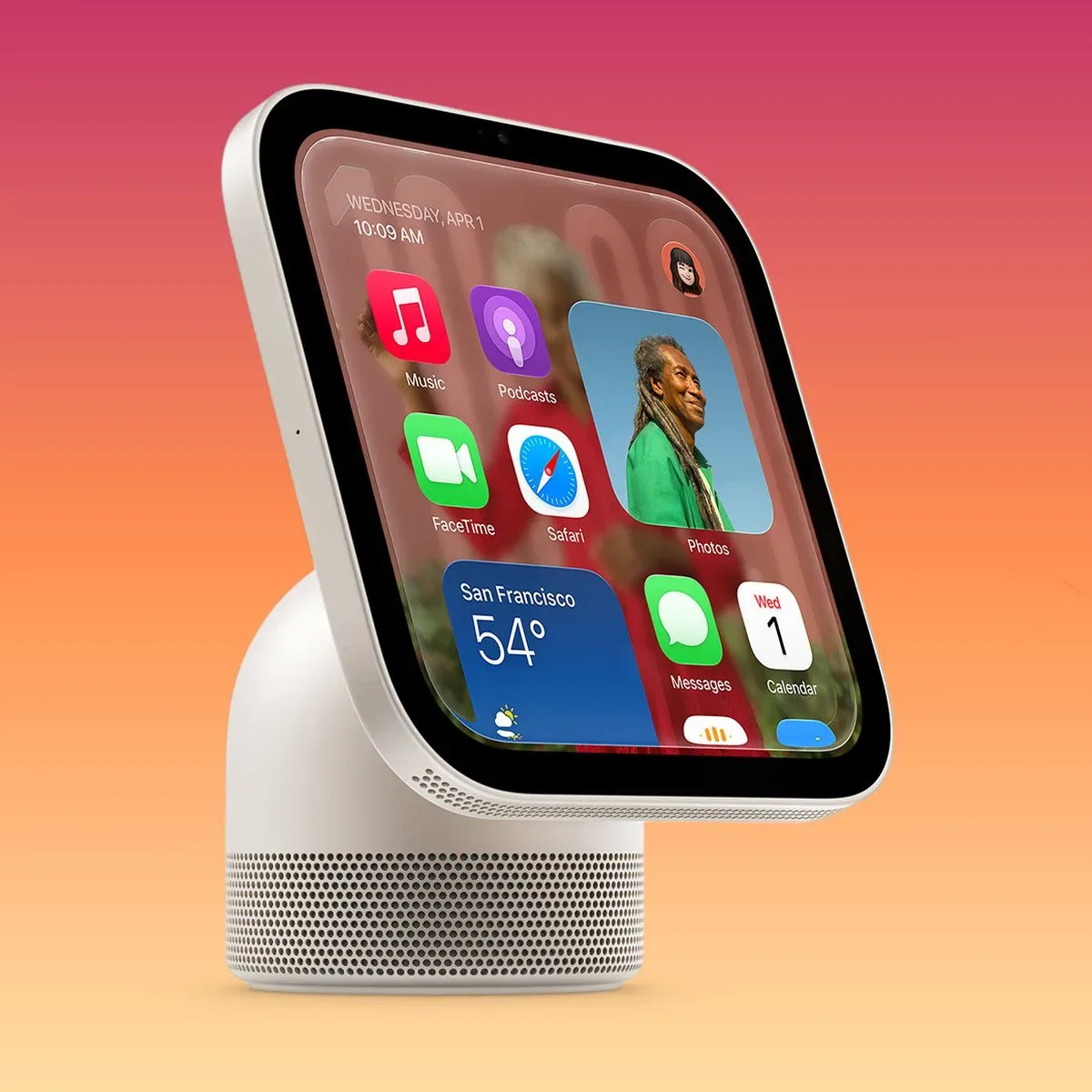
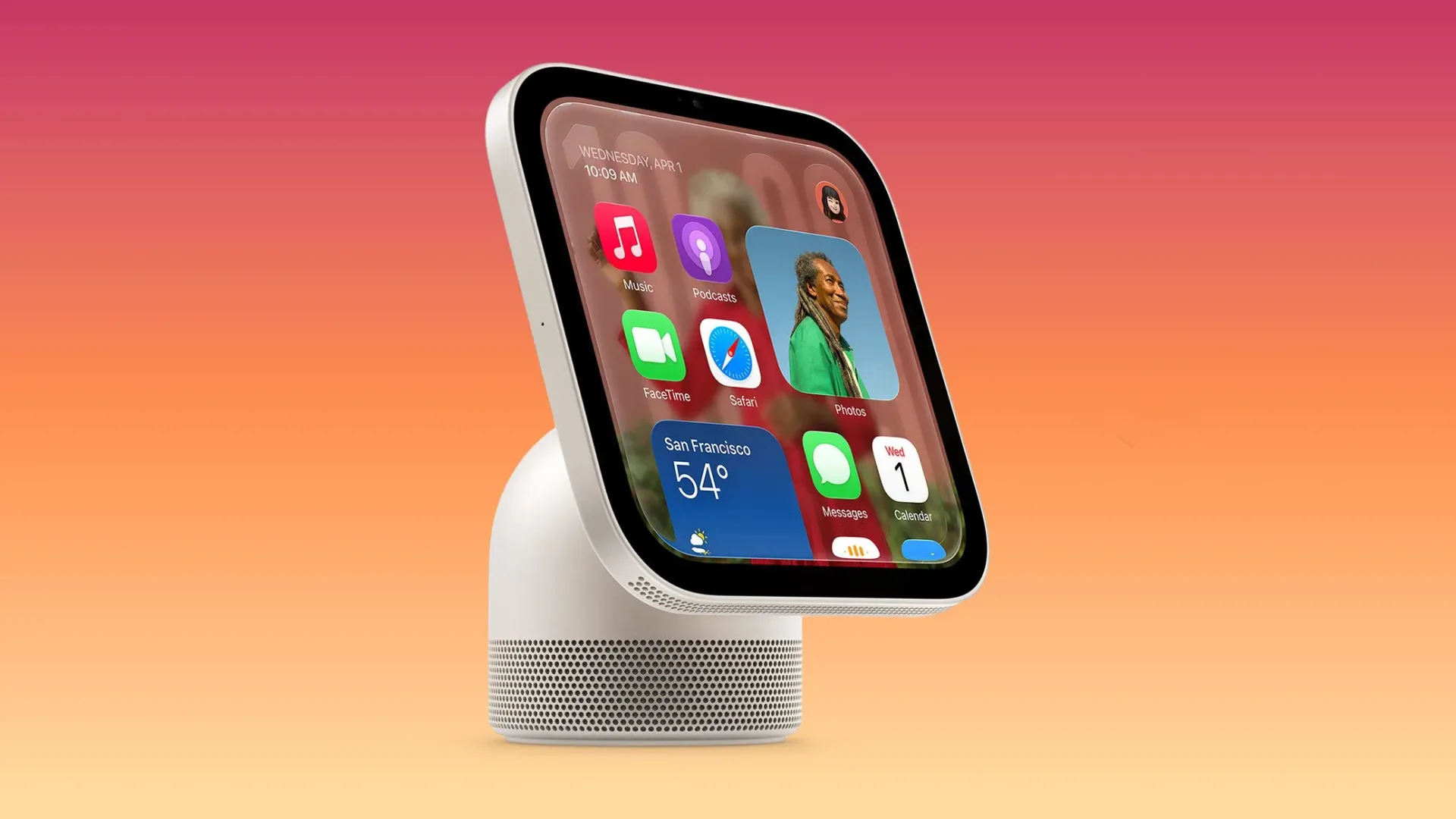
HomeView has a 7-inch square display. The tabletop model incorporates a speaker base, while a separate wall-mount version is also available. Buyers choosing the wall-mounted setup should account for additional mounting hardware, which is not included in the $299 HomeView price.
Functionally, the device sits between a small iPad and a HomePod. That does not mean it is simply either product in a new enclosure. Its intended use is more fixed and communal: a display that can surface useful information in a room while also accepting voice requests and managing connected devices.
The supported tasks described for HomeView include:
- Making video calls through its built-in camera.
- Watching video and listening to music.
- Viewing calendar events and weather information.
- Controlling compatible smart-home devices.
- Showing pre-installed Apple apps.
- Displaying widgets from an iPhone.
Widgets are small, glanceable interface panels that present selected information or controls without requiring someone to open a full application. In this case, iPhone widgets give HomeView a path to show familiar snippets of information on the household display.
There is an important boundary to the platform: HomeView does not have an App Store. In practical terms, that means buyers should evaluate the built-in Apple apps and widget support as the device’s core software experience, rather than assuming that a broad catalog of downloadable native apps will eventually fill in every niche. The source material does not establish which individual third-party services or smart-home standards are supported, so prospective owners will need to check compatibility for the devices and services they already use.
A shared screen with personal recognition
Apple says HomeView can identify as many as six people in a household using its camera and voice recognition. When it recognizes someone, it can show information tailored to that user.
That personal-recognition feature is a significant part of the product’s identity. A kitchen, hallway or living-room display has to reconcile two different needs: it should be useful to everyone passing by, but it should not treat every member of a household as exactly the same person. HomeView’s approach is to pair the physical shared device with individualized information.
Voice recognition refers to the system distinguishing between speakers, while the camera contributes another way for the device to identify a person. Apple has not provided further operational detail here about setup, privacy controls or how personal information is selected for the display. Those questions will matter in households deciding where a camera-equipped hub belongs and what level of personal data they are comfortable having surfaced in a shared space.
The product is built around Siri AI, Apple’s updated voice-assistant system that debuted in iOS 27. The emphasis on Siri AI is consequential because voice interaction is not an occasional extra on a fixed smart-home display; it is one of the ways the device is meant to work when a person’s hands are occupied or when they only need a quick answer, command or control adjustment.
Still, the practical appeal will depend on how comfortably HomeView fits into daily routines. A display capable of showing calendars, weather and controls has a clear purpose, but the lack of an App Store establishes a more curated, Apple-defined ceiling on what the product can become. For some homes, that may be a welcome simplification. For others, the question will be whether the included apps, iPhone widgets and smart-home controls cover enough of the household’s needs.
Where HomeView is available
HomeView is launching in Australia, Canada, India, New Zealand, Singapore, South Africa, the United Kingdom and the United States. It is not available in the European Union because Siri AI is unavailable there.
Australia and New Zealand are first into the November 13 launch-day window. New Zealand has no Apple Stores, meaning Australian customers will be the first to be able to walk into an Apple Store to buy the new hub. No shortages are expected.
Regional availability is more than a footnote for this particular product. Because Siri AI is central to HomeView’s design, the absence of Siri AI in the European Union prevents the hub from launching there. It illustrates how a device’s rollout can be constrained not only by hardware distribution, but by whether its foundational software feature is available in a given market.
The new Apple TV 4K launches beside it
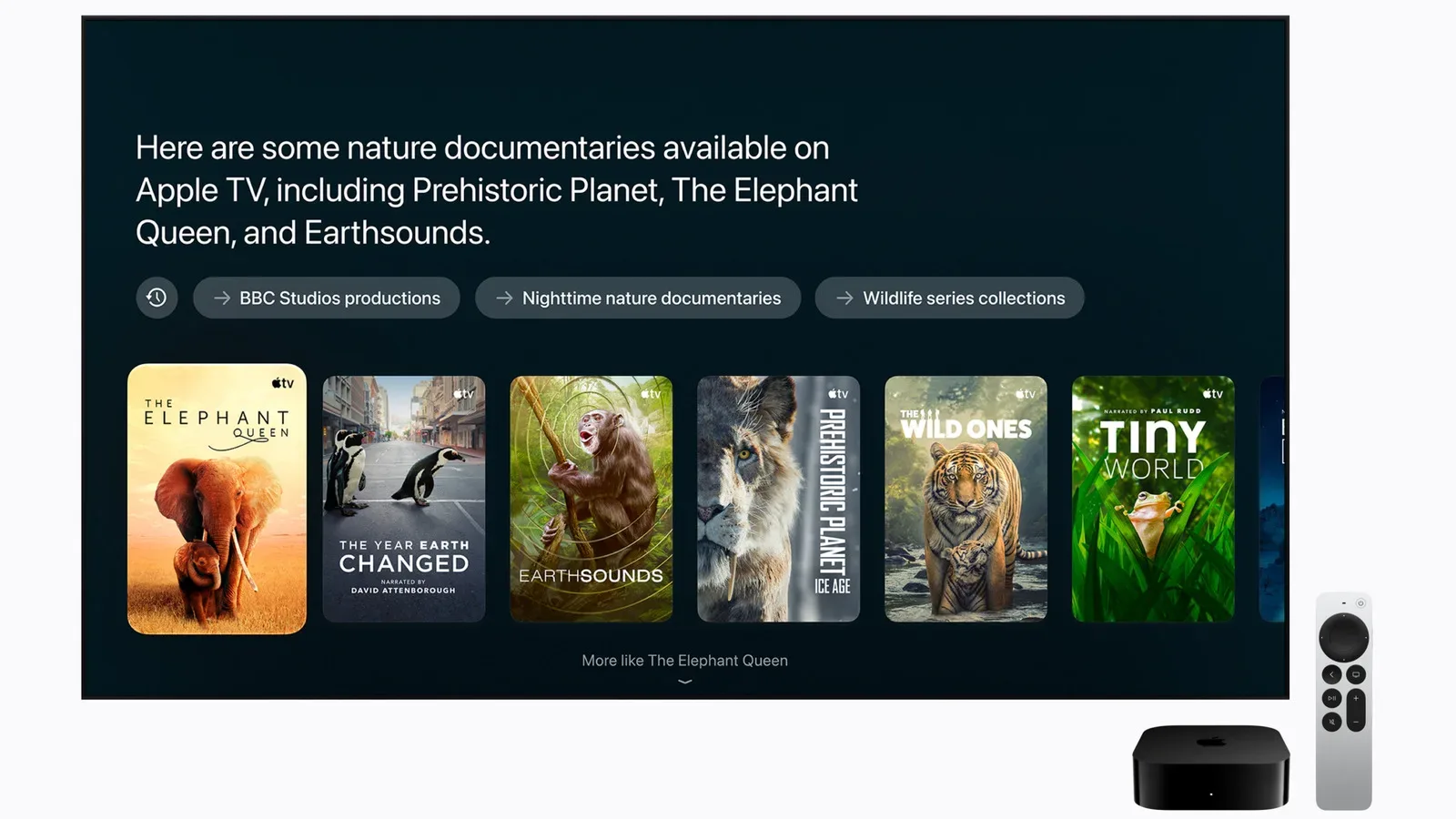
Apple’s new Apple TV 4K is also launching on November 13 for $299. It includes an A19 chip, 128GB of storage, Wi‑Fi 7 support and Siri AI. It can also connect up to four HomePods for surround sound.
The A19 is the product’s processor, the component responsible for running the system and its software. Storage is the built-in capacity available for software and content. Wi‑Fi 7 is the newest Wi‑Fi generation named in the product specification; its presence signals that Apple has updated the streamer’s wireless hardware alongside its chip and storage.
For people invested in Apple’s audio ecosystem, the ability to use four HomePods for surround sound is one of the clearest living-room-oriented additions. Surround sound distributes audio across multiple speakers to create a more enveloping presentation than a single speaker arrangement. The supplied information does not specify supported layouts or configuration requirements beyond the four-HomePod maximum, so buyers should avoid assuming details beyond that capability.
Apple TV 4K is launching in the United States and 29 other countries and regions. Siri AI support also ties it to the wider software direction represented by HomeView. Owners of earlier streaming boxes may also want to note that Siri AI has been earmarked for certain older models via a future software update, as covered in details on Siri AI coming to second- and third-generation Apple TV 4K hardware.
What the paired launch means for Apple households
The simultaneous arrival of HomeView and Apple TV 4K presents two different ways Apple is extending Siri AI into the home. HomeView makes the assistant part of a dedicated, always-situated visual hub. Apple TV 4K brings it to the larger shared screen in the home, alongside upgraded wireless connectivity and expanded HomePod audio support.
Neither device replaces the other on the evidence available. HomeView is built for fast information, calls, voice requests and home controls on a 7-inch display that can be placed on a surface or installed on a wall. Apple TV 4K is built around television viewing and a larger entertainment arrangement. Their overlap—Siri AI, video, music and shared-household use—looks less like duplication than a push to make Apple’s services and voice assistant more present across rooms.
For potential HomeView buyers, the decision is likely to come down to placement and expectations. A household looking for a visible smart-home control point and a shared information screen may find the proposition straightforward. People hoping for a freely expandable tablet-like device should pay close attention to the lack of an App Store. And anyone considering the wall-mounted model should budget for the separate hardware it requires.
With first deliveries now beginning, the next meaningful details will come from how the personal-recognition features, widgets, camera and voice controls fit into ordinary household use. For now, the launch establishes Apple’s new $299 HomeView as a dedicated home hub rather than merely another screen—and pairs it with a newly upgraded Apple TV 4K aimed at the television end of the same ecosystem.