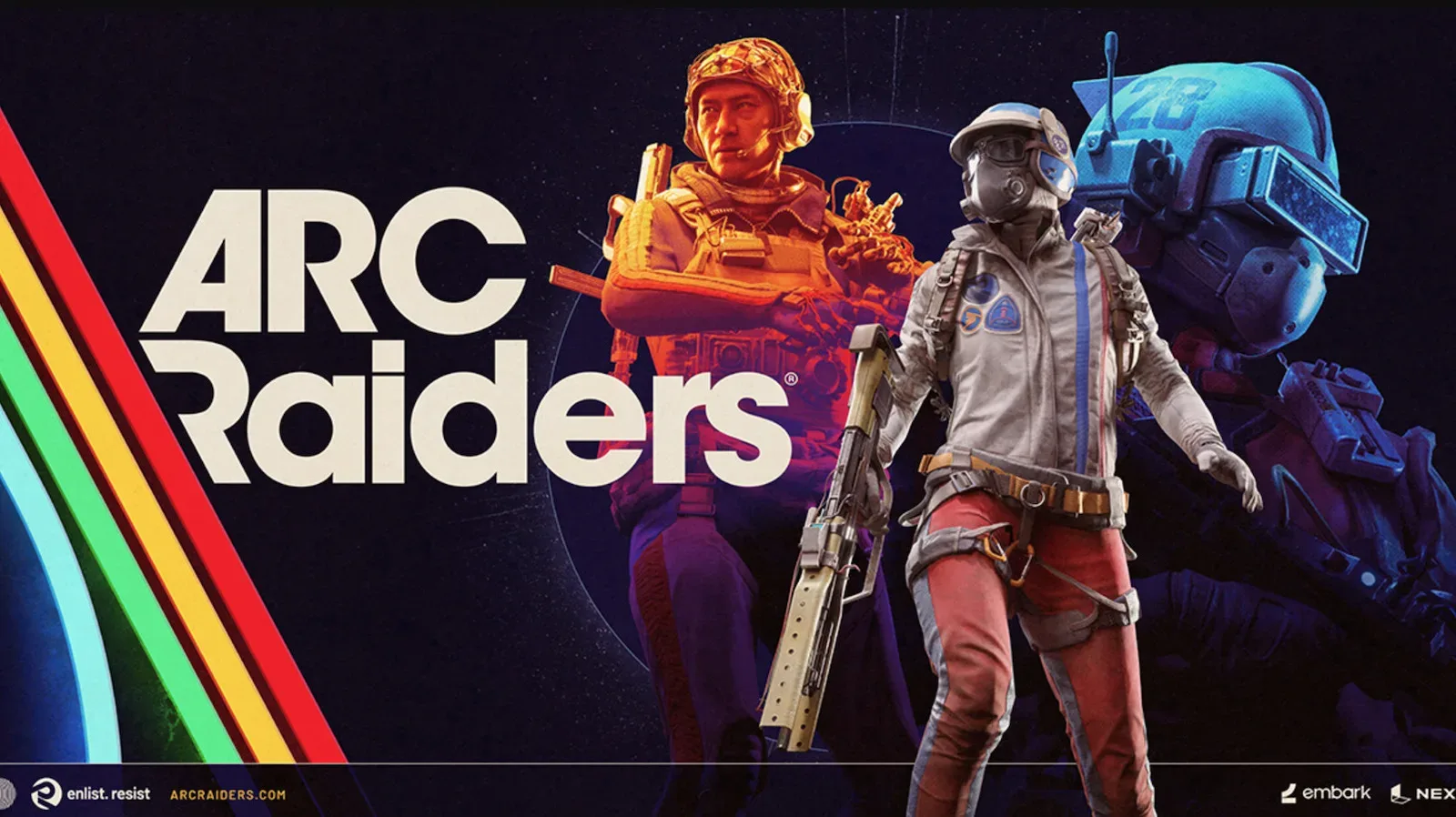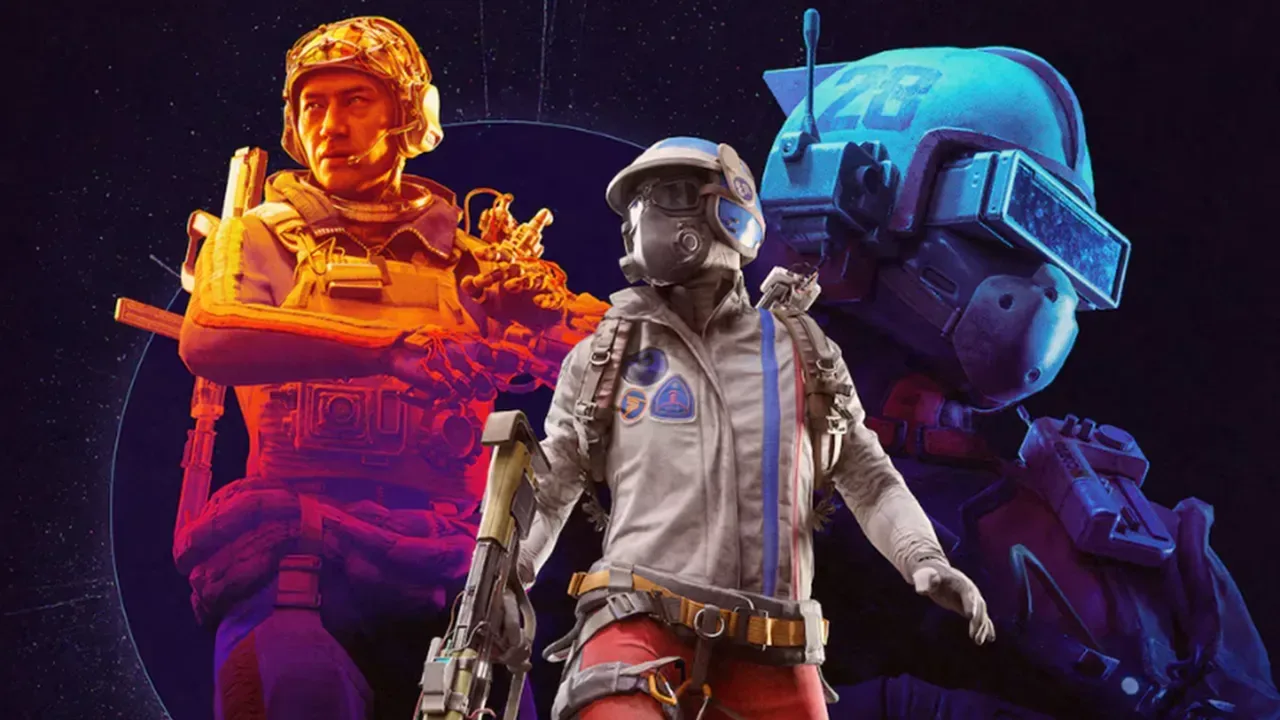
Arc Raiders may be heading beyond the controller, but its possible TV and film adaptations are still at the concept stage. What is clear is the creative direction Embark hopes a screen version can explore: stories with a more defined character focus than the game’s deliberately restrained approach to narrative.
Executive producer Aleksander Grøndal has described the Arc Raiders setting as a world capable of supporting many kinds of stories. Chernin Entertainment is the external partner working on adaptations of Embark properties, including Arc Raiders and the competitive shooter The Finals. No plot, cast, format, release timing, or confirmed production details have been provided for an Arc Raiders series or movie.
That absence of specifics matters. “Adaptation in the works” does not tell audiences whether the eventual result will be a television series, a feature film, or one of several concepts that never moves forward. But Grøndal’s comments do provide a useful indication of what Embark sees as the opportunity: preserve the world and its defining tensions while finding a story that does not depend on players supplying the drama themselves.
A game built to let players make the stories
Arc Raiders is set on an Earth where a machine threat called the Arc has effectively taken control of the surface. Humanity’s remaining survivors are trying to endure, learn what they can about the threat, and ultimately resist it. The setting is placed in the late 22nd century and has a retrofuturist aesthetic: a future-facing world presented with visual and cultural echoes of earlier imagined futures.
The game’s narrative is intentionally light-touch. Its setting and larger questions are communicated through relatively small quests, short cutscenes, and cinematic trailers rather than a densely scripted campaign that walks every player through the same emotional arc. That design leaves room for speculation about the Arc, its origins, and what daily survival means for people living under its shadow.
Most importantly, Arc Raiders creates circumstances in which players generate their own anecdotes. They compete for resources, turn on one another, bargain under pressure, and sometimes make brief alliances that may or may not survive the next encounter. A run can become a miniature survival tale: strangers cooperate because they need to, then confront the possibility that only one of them may get what they came for.
That is a major strength for an interactive game. Player agency means an unexpected betrayal or act of generosity feels personal because the player was there, made choices, and had to react in real time. The game does not need to decide in advance which scavenger is heroic, cowardly, loyal, or doomed. Players produce those roles in the moment.
A screen drama cannot rely on that same participation. Viewers are not negotiating an alliance or deciding whether to share scarce supplies. They need a reason to follow particular people through the setting. That usually means clearer character goals, relationships, conflicts, and consequences—without necessarily explaining every mystery in the world.
Related coverage includes Arc Raiders Could Find Its Strongest Stories Beyond the Game in TV and Film.
What “character-driven” could mean here
Grøndal did not reveal story concepts, so it would be premature to assign an exact premise to an Arc Raiders adaptation. Still, the existing premise naturally offers several story pressures that a writer could use: scarce resources, distrust among survivors, the threat on the surface, and a society attempting to live while lacking full answers about its enemy.
A character-driven story does not simply mean adding more dialogue or giving every figure a detailed backstory. It means that the plot advances because people want conflicting things, make choices, and are changed by the outcome. In Arc Raiders terms, the broader mystery of the Arc can remain important, but it would likely work best when filtered through the stakes of people trying to protect someone, earn trust, secure a necessity, or decide how much risk they are willing to take.
This is also where the game’s emergent drama can become a useful foundation rather than a problem to be solved. Emergent storytelling describes narratives that arise from systems and player behavior instead of being fully scripted beforehand. The temporary alliances and betrayals associated with Arc Raiders are examples: the game provides incentives and danger, while players create the actual sequence of events.
A television or film team would need to convert that open-ended potential into intentional drama. It might use the same basic moral friction—cooperation is necessary, but trust is dangerous—while committing to specific characters whose choices can carry an episode or feature. The goal would not be to recreate every match-like encounter on screen. It would be to make the world’s survival logic understandable enough that a decision to help, hide, deceive, or sacrifice has weight.
Embark wants involvement, not total control
Embark is a game studio, not a film or television production crew, and Grøndal has acknowledged that distinction. Chernin Entertainment is being trusted to do the specialized work of developing a screen project. At the same time, Embark expects to be involved in some capacity, offering input intended to keep the adaptation aligned with the brand’s perspective and long-term vision.
That division is sensible in principle. Adaptation is not a matter of moving game lore directly into another medium. Game development, television production, and filmmaking require different crafts, schedules, and narrative structures. A studio that created the original world can help identify what must remain recognizable; a screen-focused partner can determine how to make those elements work in scenes, performances, pacing, and a self-contained plot.
“We feel like we have created a world that’s fertile ground to tell all kinds of different stories,” Grøndal said, while stressing that the concepts themselves still need to be seen.
There is a useful limit embedded in that statement. Embark is enthusiastic about the potential, but it has not presented a completed creative plan to the public. Fans should therefore separate the confirmed business development from the unconfirmed artistic details. Chernin Entertainment is attached as a partner; Embark expects to have input; Arc Raiders and The Finals are both included in the broader adaptation effort. Specific stories, characters, and the final medium remain unknown.
The world is the asset—and the test
Arc Raiders has a strong screen-friendly starting point: humanity surviving beneath a hostile machine-controlled surface. Its retrofuturist presentation gives that premise an identity beyond a generic ruined-world scenario, while the question of where the Arc came from supplies an ongoing mystery. The game is also expected to address that mystery further, though the precise timing and form of those in-game revelations have not been detailed.
Yet worldbuilding alone is not a guarantee of a compelling adaptation. Worldbuilding is the work of establishing the rules, history, atmosphere, technology, and social conditions of a fictional setting. It can make a story feel coherent and distinctive. It cannot, by itself, replace a dramatic engine: the urgent chain of character decisions and complications that keeps viewers invested.
For Arc Raiders, the adaptation’s biggest creative question may be how much mystery to retain. Explaining the Arc too quickly could flatten one of the setting’s hooks. Keeping it entirely distant could leave a film or series feeling like an extended tour of unanswered questions. A strong approach would make the machine threat tangible in the lives of the characters even when every fact about it remains unavailable.
The human side also needs to avoid becoming merely functional. The game’s cast is comparatively purpose-led, which suits a format where the player’s attention is centered on play and atmosphere. Screen storytelling places far more sustained attention on the people in front of the camera. Their personalities, disagreements, loyalties, and blind spots would need to be as memorable as the technology and the looming danger above them.
Why the game’s conflicts translate well—if the adaptation chooses a point of view
Resource competition and uneasy cooperation are familiar sources of drama because they create immediate ethical pressure. If supplies are scarce, sharing can be generous, foolish, strategic, or all three at once. If a group has to venture into danger, every member becomes both a possible ally and a potential liability. The Arc Raiders setting gives those choices a credible backdrop without requiring an adaptation to mimic the game’s every system.
A focused point of view would be crucial. Rather than attempting to explain the entire society, a project could follow a small number of people whose immediate problem reveals the wider world. Their experience could communicate the surface threat, the scarcity, and the culture of temporary bargains more effectively than broad exposition.
It is worth remembering that a successful adaptation does not need to make the game redundant. The game can remain the place for agency, discovery, unpredictable encounters, and player-made memories. A series or film can instead provide a shaped perspective: a particular story that the game’s flexible structure is not designed to tell. That complementary approach is closer to what Grøndal’s comments suggest than an attempt to turn the game’s sparse narrative into a beat-for-beat screen retelling.
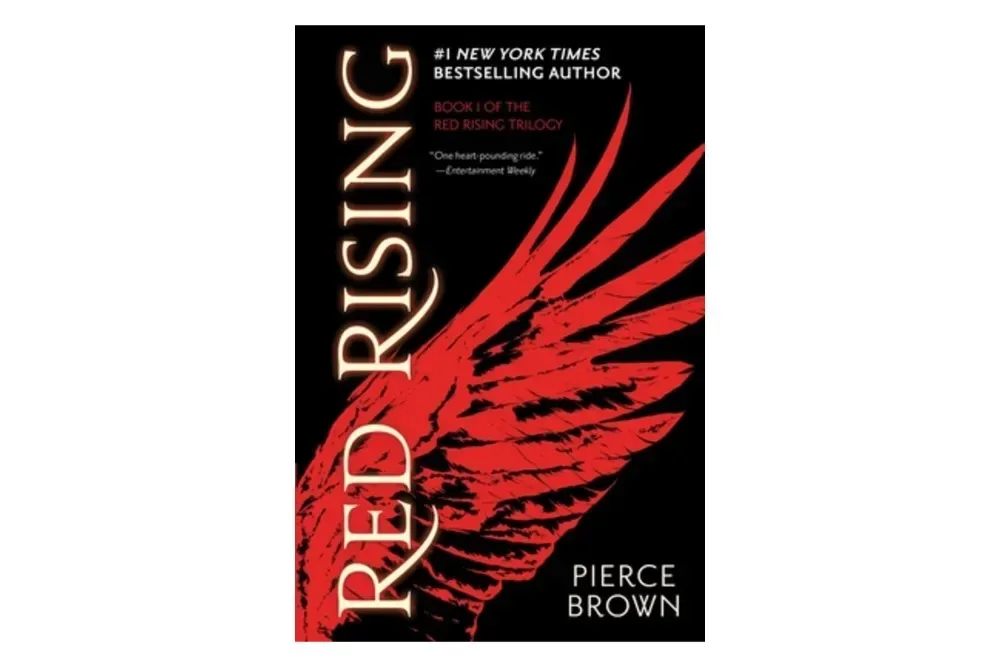
There is a wider appetite for game worlds being developed for the screen, as projects such as the Red Rising film in development also show how established speculative-fiction settings can be considered for new formats. Arc Raiders’ particular challenge is less about finding an evocative setting than identifying the people whose story makes that setting matter.
What audiences can reasonably expect now
At present, the most reasonable expectation is a period of development rather than imminent detail. There are no confirmed casting choices, no announced director, no platform, no stated format, and no disclosed release window for Arc Raiders. There is likewise no basis to assume that an adaptation will follow a particular player character, reveal a specific secret about the Arc, or use events from the game in a fixed order.
The encouraging part for fans is that Embark does not appear to view a screen adaptation as an unrelated licensing exercise. Grøndal’s comments frame creator involvement as a way to maintain coherence with the studio’s vision, while allowing specialists at Chernin Entertainment to practice their own craft. Whether that balance produces a television series, a film, or something else will depend on concepts that have not yet been shared.
For now, Arc Raiders has the raw ingredients for a screen story: a distinctive retrofuturist world, a powerful unseen-or-overhead threat, survival pressure, and social dynamics in which a stranger can become a lifesaver or a liability with very little warning. The next step is the hard one. Its adaptation will need to choose characters compelling enough to make viewers care about surviving in a world that players have so far been invited largely to interpret—and fight over—for themselves.