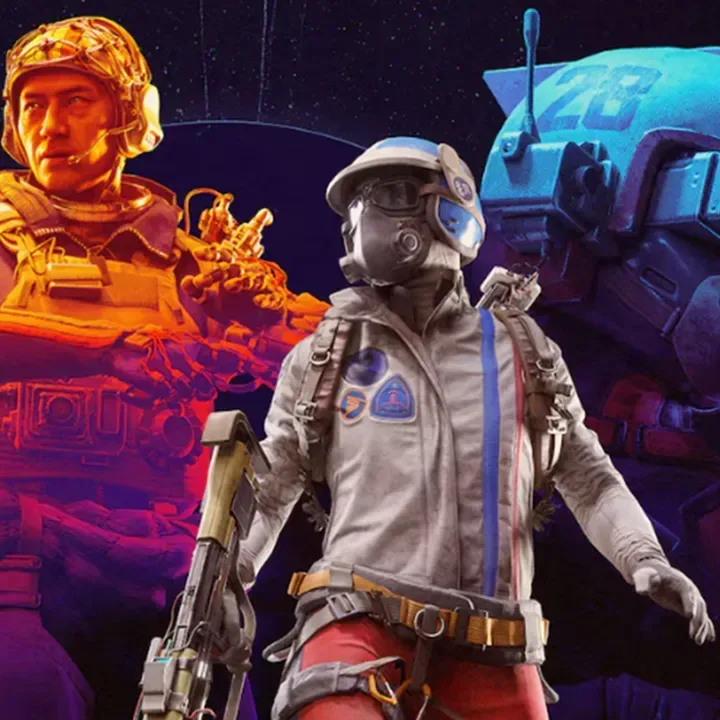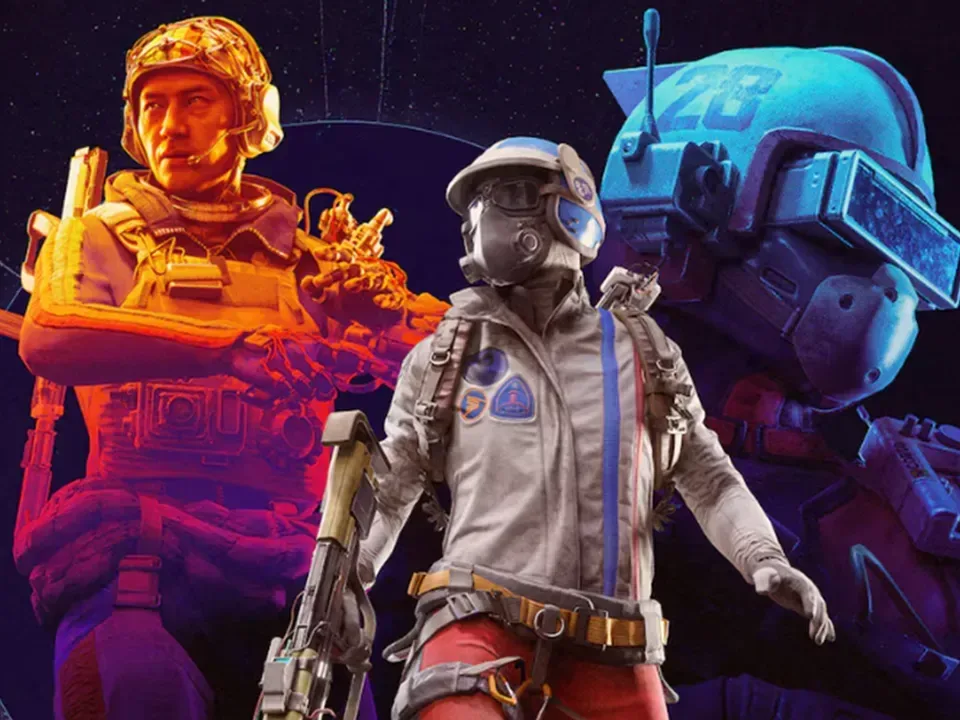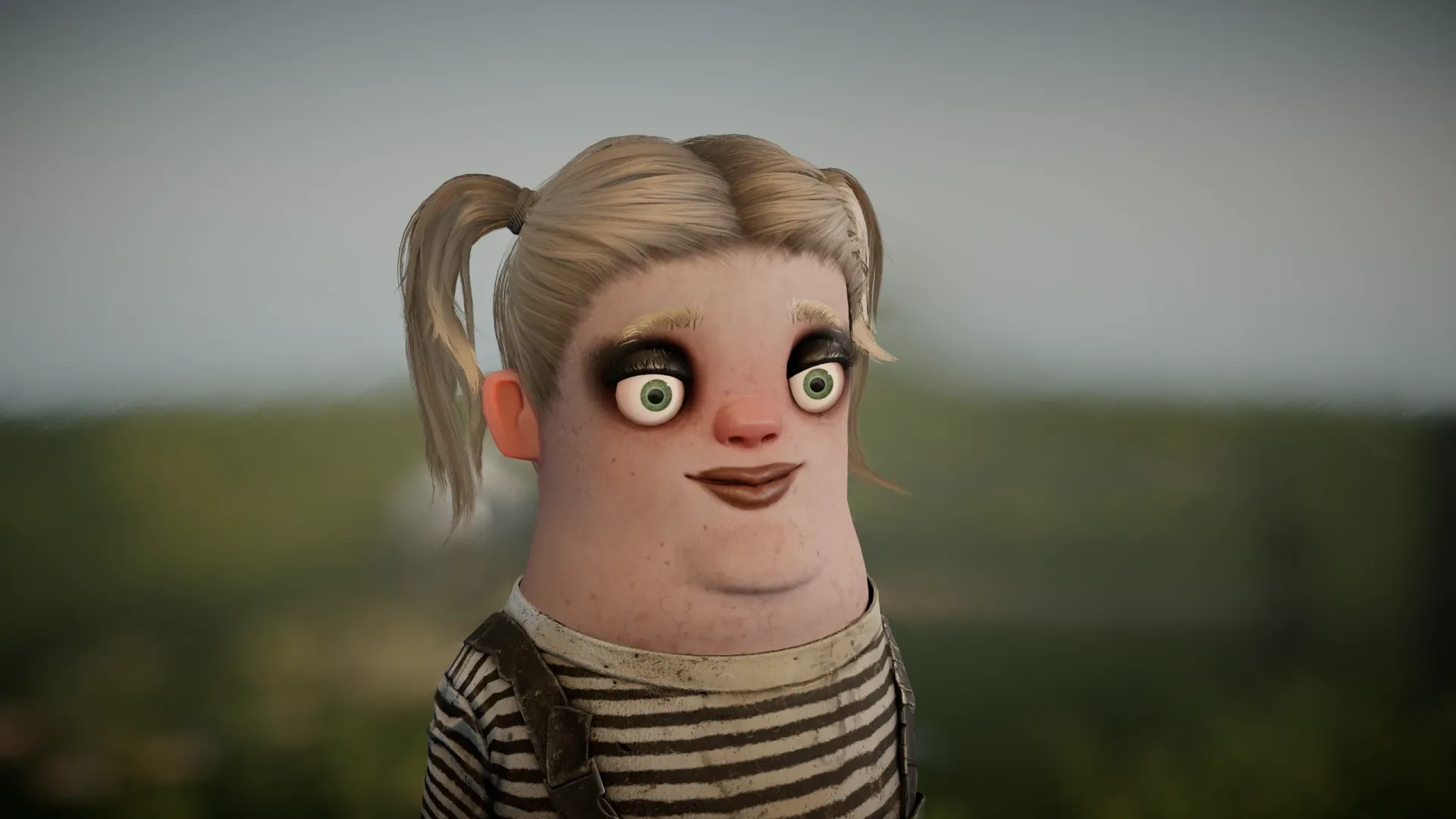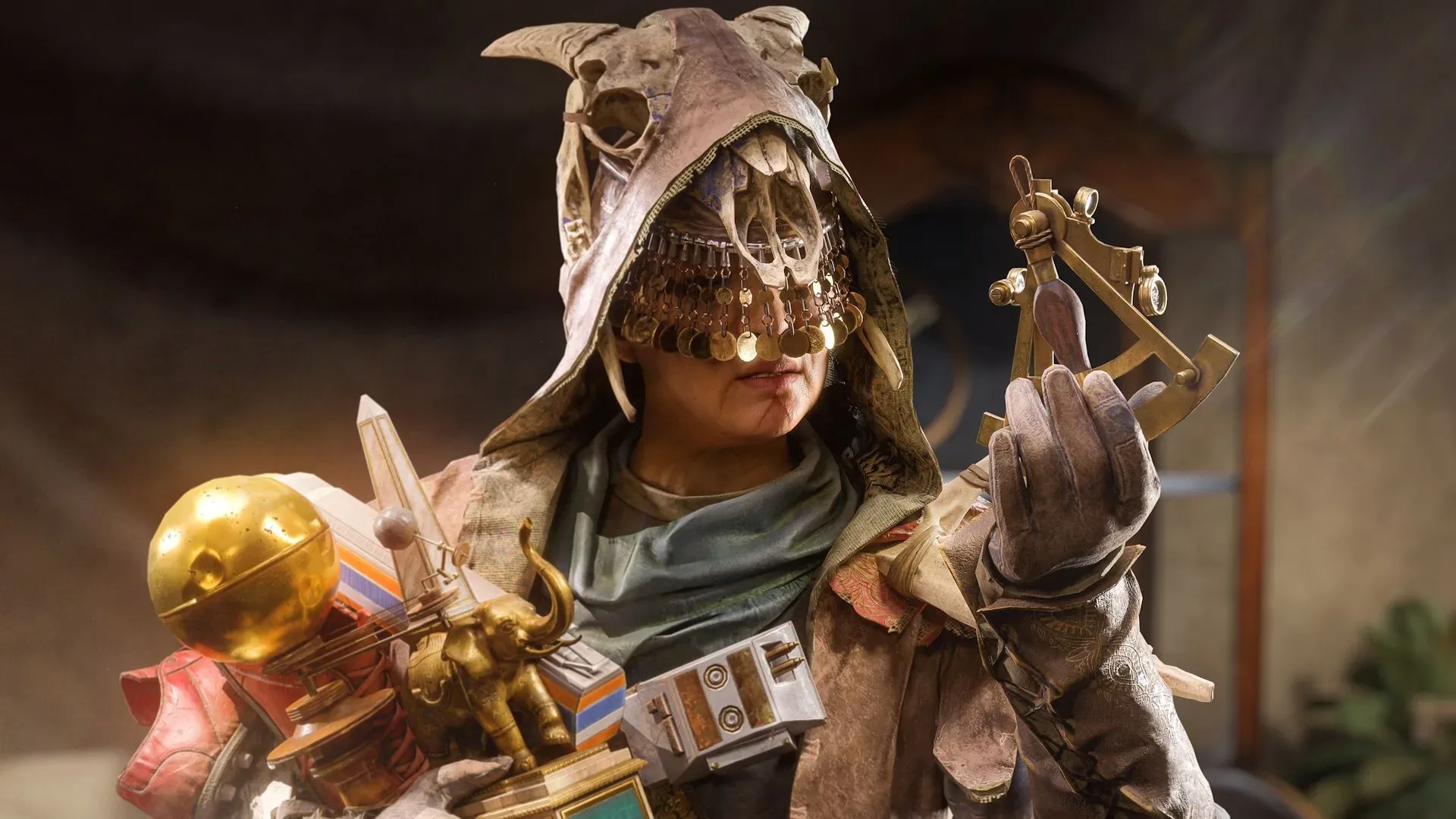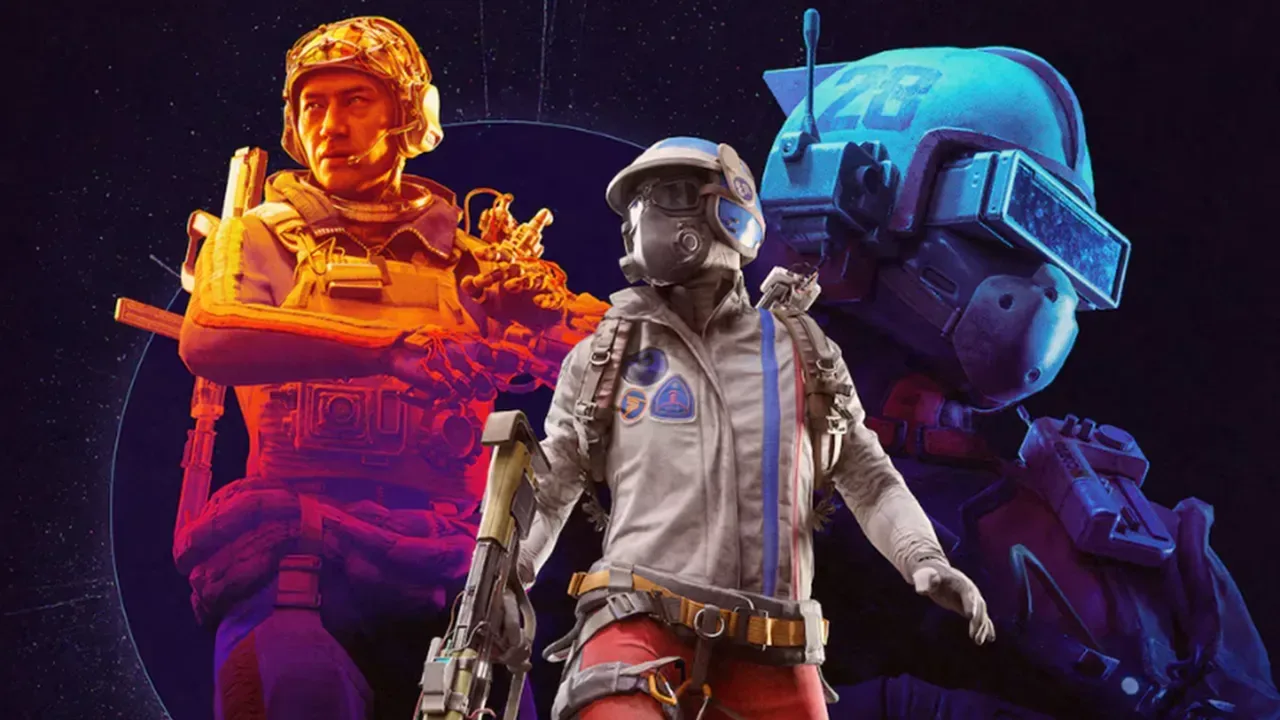
Arc Raiders and The Finals are headed toward the screen—at least in development terms. Nexon, the parent company of Embark Studios, is working with Chernin Entertainment to explore film and television adaptations based on both game properties.
The crucial word is explore. No release dates, casts, creative teams, plot descriptions, confirmed formats, or production schedules have been disclosed. The collaboration covers potential films and TV series rather than announcing a finished project headed into cameras. For fans, that means this is an early franchise-expansion move, not a trailer-sized promise.
Embark Studios is expected to work directly with Chernin Entertainment during development. That involvement matters because the stated aim is to treat the games’ worlds and lore with care as they are translated into a new medium. The companies see both properties as visually distinct settings with room for stories beyond the moment-to-moment action of the games.
What has been announced—and what has not
The agreement joins two Embark game worlds under one screen-development arrangement. Nexon and Chernin Entertainment will consider the avenues that make sense for each property, including movies and episodic television.
That leaves several major questions unanswered:
- Whether either property will first become a film, a TV series, or both.
- Whether the projects will share any production approach beyond their common development partners.
- Who will write, direct, produce, or star in the adaptations.
- Which characters, events, or parts of each game world could anchor a story.
- When, or whether, either adaptation will reach production and release.
Those gaps are normal at this stage. A screen adaptation can spend substantial time in development while teams determine the format, narrative approach, budget, and creative personnel. Nothing in the announcement establishes a release window, so readers should be cautious about treating either project as imminent.
Why Embark’s role is significant
Adaptation announcements often prompt one immediate fan concern: will the people who built the game have meaningful input once film and TV production begins? Here, Embark has said it will participate directly in developing the projects with Chernin Entertainment.
That does not reveal the eventual script, nor does it guarantee that every story element will carry over unchanged. Film and television need to communicate character, setting, conflict, and stakes differently from an interactive game. But direct studio involvement creates a route for the developers to help define what is essential about the worlds, their atmosphere, and their established lore.
Related coverage includes Arc Raiders and The Finals Set for Film and TV Adaptations.
Lore is the shared background that gives a fictional setting its internal meaning: its history, rules, factions, imagery, characters, and mysteries. It is distinct from a game’s mechanics. An adaptation may not be able to reproduce what it feels like to control a character or compete with other players, but it can use lore to build a coherent dramatic setting. In practical terms, that is where developer participation can be most valuable.
The announcement frames both series as worlds with many stories to tell. That wording suggests the adaptations are not necessarily being positioned as literal retellings of a single player’s experience. Instead, the screen projects could use the games’ settings as a foundation for original narratives. That remains an interpretation of the development strategy, however; no specific narrative direction has been confirmed.
Two game worlds, one broad screen strategy
Pairing Arc Raiders and The Finals gives the partners the ability to assess two different properties without locking either into one format too soon. A film has a fixed runtime and generally asks for a concentrated central story. A television series can sustain longer arcs, returning characters, and a wider exploration of a setting. The companies have not said which of those storytelling needs applies to either game.
For Nexon, the initiative is also about expanding the worlds around games that have attracted player enthusiasm. In entertainment-business language, this is an attempt to build an IP, or intellectual property, across formats. IP refers to the recognizable creative material associated with a work—its name, setting, characters, visual identity, and story concepts—that can be developed in another medium.
That label can sound abstract, but it has a direct fan-facing meaning. A successful adaptation can introduce a game’s setting to viewers who do not play it, while existing players may gain new context or stories. The tradeoff is that an adaptation needs to serve its own audience as a piece of film or television, rather than assuming viewers know every reference already.
There is a wider interest in game-world stewardship, too, particularly as studios balance continuing games with new ways to reach audiences. Discussions around developer-led projects remain active across the industry, including in the creator-focused shifts described in this update on S&box’s workshop-led discovery plans. The situations are different, but both underline how closely a game’s identity can be tied to the people shaping its world and community.
Arc Raiders remains a live game as adaptation plans begin
The screen-development news arrives while Arc Raiders is still evolving as a game. It was one of 2025’s major releases, though recent momentum has been affected by a slower flow of sizeable content updates.
Later this month, Embark plans to test a PvE mode for Arc Raiders. PvE means “player versus environment”: participants confront computer-controlled threats or objectives instead of fighting other players. In this case, the proposed mode is designed to give players a more cooperative experience without the risk of being shot by other players.
That test is not a promise of a permanent mode. Embark has made clear that it is investigating the possibility in response to player demand, and has not guaranteed that PvE will remain after the test. The distinction is important: a test measures interest and informs development, while a permanent addition is a committed feature on the game’s roadmap.
For Arc Raiders players, the adaptation announcement therefore should not be read as a substitute for game updates. They are separate tracks. One is a long-term effort to determine whether the property can support film or television stories. The other concerns the live game’s immediate development, including a planned experiment aimed at players looking for a cooperative alternative.
What players should reasonably expect next
The next meaningful milestones will be concrete ones: confirmation of a format, a named creative team, a description of the project’s setting or premise, or a production start. Until such details emerge, reports of an Arc Raiders or The Finals movie or series should be understood as development activity rather than evidence that a finished adaptation is close.
There is also no announced connection between the Arc Raiders PvE test and its possible film or TV adaptation. The mode test addresses how people may want to play the game now; screen development addresses how the universe might be presented to viewers later. Keeping those threads separate will help avoid inflated expectations around both.
What is clear is that Nexon, Embark Studios, and Chernin Entertainment believe Arc Raiders and The Finals can travel beyond games. The partners have identified atmosphere, visual identity, and story potential as the basis for that expansion, while Embark’s direct involvement is intended to keep the game worlds recognizable. The rest—from format to story to release timing—has yet to be decided publicly.