S&box is facing an awkward problem for any game built around user-made experiences: it has plenty to browse, but too little confidence that players can quickly locate the worthwhile parts. Creator Garry Newman has offered an unusually candid assessment of that situation, calling both the platform’s launch and its recent free weekend failures while describing changes intended to make discovery less overwhelming.
The central issue, in Newman’s view, is not simply a shortage of games or modes. It is the inverse: an abundance of material without enough useful curation. He argued that a small number of good experiences can become effectively invisible when surrounded by hundreds of early experiments, clicker-style projects, and other low-value submissions. For a creation platform, that distinction matters. Quantity can make a storefront appear busy, but it does not automatically make it welcoming.
S&box has also been contending with negative Steam reviews and criticism from players who expected a more immediate successor to Garry’s Mod. Newman said the response has damaged the platform’s reputation and alienated part of the Garry’s Mod community. His comments do not erase that first impression, but they do identify discovery, presentation, and expectations as problems the team believes it must address rather than simply wait out.
The discovery problem: more choices can mean less to play
Newman’s description of the issue is straightforward: showing somebody roughly 200 games and asking them to pick is not necessarily a feature. It can be a burden. Players arriving at a platform for the first time typically do not have context for which projects are complete, actively supported, multiplayer-ready, experimental, or representative of what the platform can do.
That is especially true when projects with a polished gameplay loop sit next to technical demos. A technical demo is generally a small project meant to demonstrate a tool, system, or idea rather than serve as a full game. Such work can be useful for developers and interesting to curious players, but a newcomer who repeatedly lands on unfinished experiments may conclude that the platform itself lacks finished experiences.
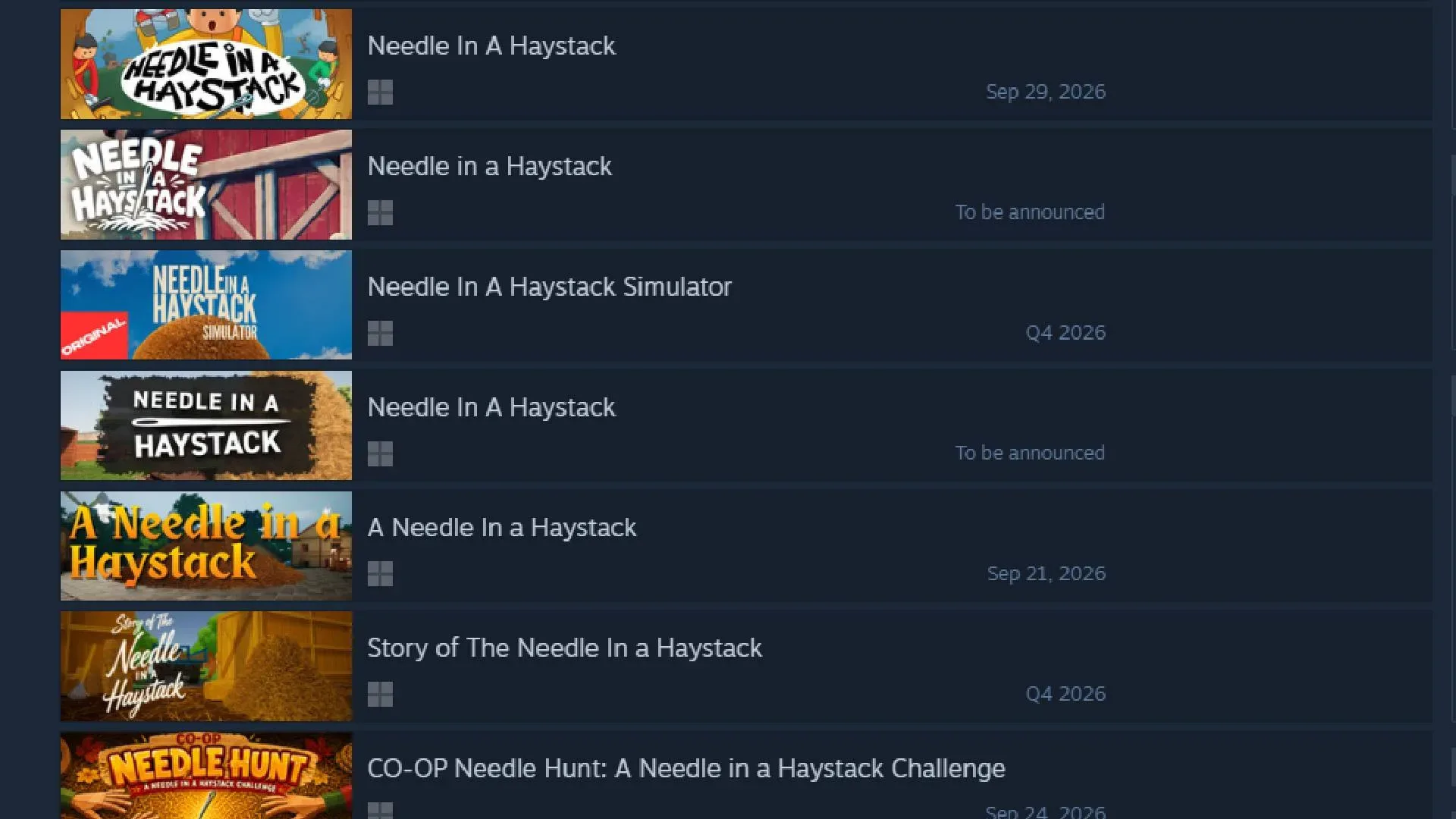
Newman framed the imbalance starkly: even 20 good games can struggle to stand out if they are buried beneath around 500 demos and clickers. A clicker, in this context, refers to a lightweight game built around repetitive inputs and incremental progression. These projects are not inherently invalid, but their volume can distort a player’s impression of the available catalogue if browsing does not distinguish them from larger, more deliberate releases.
The challenge is compounded by concerns about generative-AI material flooding the service. The complaint is not a technical claim that every AI-assisted project is poor. It is a discoverability complaint: a high volume of quickly produced or low-effort submissions can make it harder to locate work made with care. When search, categories, recommendations, and front-page presentation cannot reliably separate signal from noise, players spend their first session filtering instead of playing.
That is why this is not merely a content-moderation conversation. It is a product-design conversation. A platform can permit a broad range of creations while still making deliberate decisions about what it places in front of a new player. The practical question is whether S&box can build routes to quality that are clear enough to overcome a rocky opening.
Related coverage includes S&box Creator Calls Launch and Free Weekend a Failure, Plans Discovery Overhaul.
A Steam Workshop-style model is the proposed answer
Newman said the team plans to move games toward a Steam Workshop model rather than relying on a broad page that presents a long list of projects for users to sort through. The exact implementation, timing, and criteria were not detailed. Still, the direction is meaningful because a Workshop-style setup implies that games would be organized and surfaced through a more structured publishing and discovery layer.
A Workshop model is not a guarantee of quality by itself. It is a framework for browsing, publishing, subscribing to, and finding community content. Its value for S&box would be less about adding more things to play and more about reducing the decision fatigue created by a giant, undifferentiated selection.
For players, a better-organized model could make the first visit more legible: find a project, understand what it is, and return to it later without feeling that the platform is asking them to inspect every listing manually. For creators, it could create a fairer chance for a strong project to be found, assuming the eventual system gives useful visibility to work beyond whatever is already popular.
There is an important uncertainty here. Newman has confirmed an intended shift in approach, not a finished solution. Better discovery depends on details that remain unaddressed publicly: how projects are ranked, how newcomers are introduced to them, whether quality signals are understandable, and how the system deals with mass-uploaded low-effort content. A Workshop-like structure can help, but it still needs thoughtful browsing tools and a clear standard for what earns prominence.
That wider tension—openness versus useful filtering—has become more visible as generative tools make it easier to create and publish material at scale. It is also why accountability around AI-facing products has become a larger trust issue across technology, not just games. Trust questions around AI products often come down to whether the people operating a platform acknowledge foreseeable harms and build systems that respond to them. In S&box’s case, the immediate harm described by players is a browsing experience where good work is hard to see.
Newman does not sugar-coat the launch
Rather than characterize the response as a misunderstanding, Newman said the launch had gone badly. He also judged the free weekend poorly. The plan had been to launch quietly and build momentum over time, but that is not how the release was received. In his assessment, the result has been anger, negative perception, and friction with the Garry’s Mod audience.
“There being too much content is a problem,” Newman said while discussing the challenge of good games being lost among a far larger number of minor projects.
That admission matters because the original premise of a sandbox platform is usually abundance. Players expect tools, variety, and unexpected creations. But abundance only feels exciting after players believe they can navigate it. Without that confidence, a massive library becomes a catalogue of chores. The platform may contain an excellent experience, yet a user who cannot find it has no reason to care that it exists.
It also explains why a free weekend did not automatically solve the problem. Free access can bring more people through the door, but it magnifies weaknesses in onboarding. If the first question a newcomer faces is “where is the good stuff?”, attracting a larger audience only creates more people having the same confusing first session. The issue is not access alone; it is the path from access to a satisfying game.
Why the character redesign is more than a cosmetic footnote
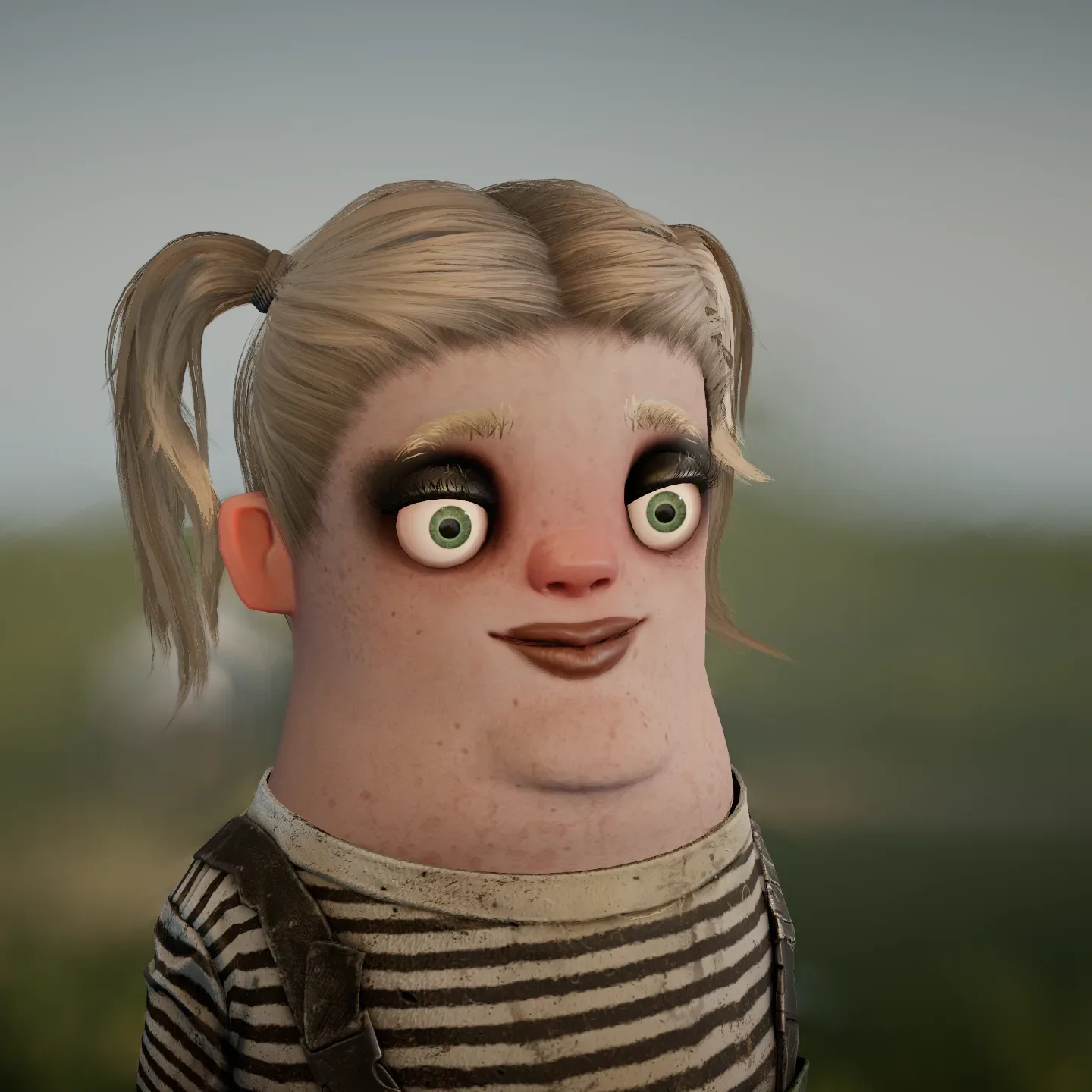
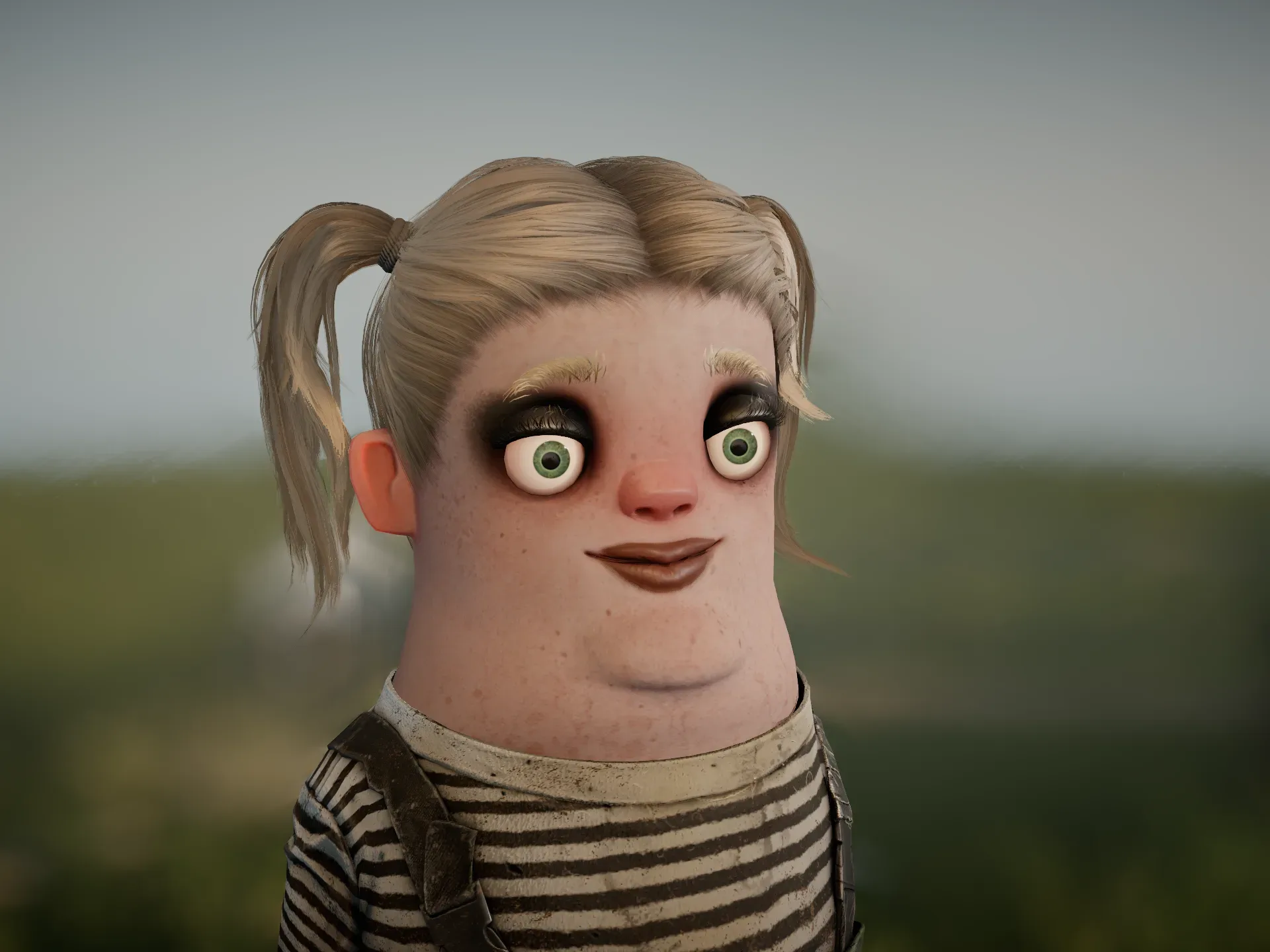
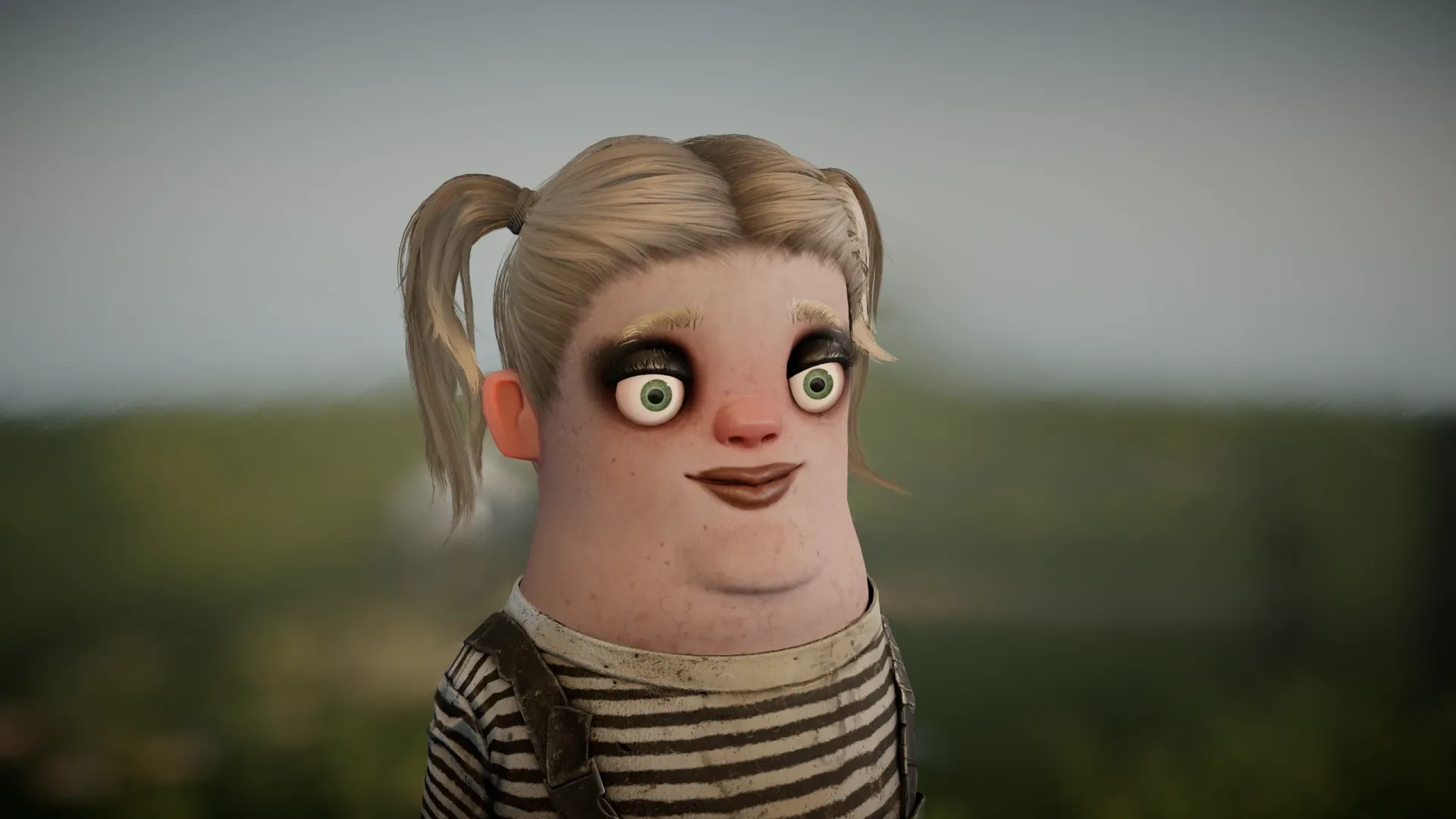
Discovery has drawn the most attention, but Newman also addressed the platform’s distinctive character designs. The stylized figures have been criticized as sausage-like, with a visual style some players found off-putting. Newman said he still liked their look because they gave the game and platform an identity. He also recognized that S&box is being judged against expectations connected to Half-Life 2, which changes how its style is received.
In practical terms, he now appears ready to move on. After trying to develop the existing characters into something more broadly liked, Newman said the team will instead remove them and push human characters forward.
That does not mean stylization was necessarily the core cause of S&box’s difficulties. The supplied comments point much more strongly to browsing and content-quality concerns. But visual identity plays an outsized role in an early public impression. A platform’s default characters can appear in promotional material, screenshots, social clips, and the first moments of a game. If a notable part of the intended audience finds that look distracting or unappealing, the visual layer becomes another obstacle before the platform’s stronger creations have a chance to make their case.
Newman’s explanation also highlights a difficult reality for a spiritual successor: it inherits attention, but it also inherits comparisons. Garry’s Mod’s reputation means S&box will be evaluated not only on its own tools and games, but against what players already imagine its predecessor represents. That comparison can make experimentation harder. A new visual identity may be seen as welcome originality by some players and an unnecessary departure by others.
What to watch next
The meaningful test will be whether the promised discovery overhaul changes a player’s actual route through S&box. A successful revision would make it easier to identify what a project is, locate a finished and appealing experience, and avoid being swamped by material that is not meant for a general audience. It would also give creators of substantial work a clearer path to being noticed.
For now, the firmest commitments are a planned move toward a Steam Workshop-style game model and a decision to prioritize human characters over the existing sausage-like designs. Newman’s comments are notable less because they promise an instant turnaround than because they concede the scale of the setback. S&box’s next task is to translate that candor into an interface and publishing model that makes its best community work visible on purpose, not discoverable only by luck.