Steam Next Fest has become an enormous digital demo shelf. The current event publicly lists 7,017 playable demos, a total just under double the number seen in June. That is a remarkable amount of free work for players to sample, and it reflects the appeal of an event designed to connect unfinished games with prospective audiences before release.
But scale has a cost. A list containing thousands of projects can turn discovery into an endurance test, especially as concerns grow around games that appear to lean heavily on generative-AI artwork or rush to imitate a newly visible idea. The problem is not simply that some developers may use AI tools. It is that players and smaller teams can be left struggling to distinguish a thoughtfully made game from a fast-following clone built to exploit a moment of attention.
What Steam Next Fest is meant to do
Valve’s twice-yearly Steam Next Fest format is a preview event: developers make demos available, while players try them and decide whether a game is worth adding to a wishlist. A wishlist is not a purchase, but it is an important signal of interest and a way for a player to follow a project toward its eventual launch.
The event began in summer 2021, when its selection was measured in hundreds rather than thousands. Its expansion suggests that developers see value in reaching an audience during development and that players remain interested in trying games before they are finished. In a healthy discovery environment, a large catalogue should mean more unusual genres, more first-time teams, and more chances for a small project to find the people it was made for.
That optimistic reading still applies. Seven thousand demos represents a huge amount of creative ambition, and a demo can offer a more meaningful first impression than a trailer, a store description, or a handful of screenshots. It lets a game’s controls, pacing, interface, technical condition, and core idea speak for themselves.
Yet that same abundance raises the stakes for curation. Players cannot reasonably evaluate every demo. They make fast judgments based on names, capsules, screenshots, tags, and recommendations. If those early signals are crowded with generic or misleading-looking material, the best demos can become less visible precisely when the event is supposed to give them exposure.
The issue is discoverability, not just a demo count
A higher number of demos is not inherently bad news. More choice is good only when people can make useful choices within it. At 7,017 entries, even a motivated player needs ways to narrow the field: trusted recommendations, familiar genres, interesting visual direction, clear descriptions, developer reputation, or a demo that communicates its hook immediately.
Suspected AI-generated assets complicate those decisions. “Generative AI” here refers to systems that create material such as images, text, or other media from prompts and training patterns. An AI-looking illustration is not, by itself, proof of how a game was made, who made it, or whether the game underneath is worthwhile. Visual impressions are not a reliable audit process.
Related coverage includes Steam Next Fest Passes 7,000 Demos as AI Asset Concerns Grow.
Still, the practical concern for players is understandable. Store art is often the first thing a person sees. When it appears inconsistent, overly familiar, or detached from the game it advertises, it can undermine confidence in the listing. A player may wonder whether the project has a coherent identity, whether its assets accurately represent the playable demo, and whether the team is committed to supporting it after the event.
The uncertainty itself is disruptive. Players should be able to spend their limited time judging a game’s mechanics and ideas rather than performing amateur forensics on its promotional image. Meanwhile, developers who have invested substantial time in a distinct visual identity may find themselves competing in a noisier marketplace where quick visual volume can command attention.
Why copycat fears have become more immediate
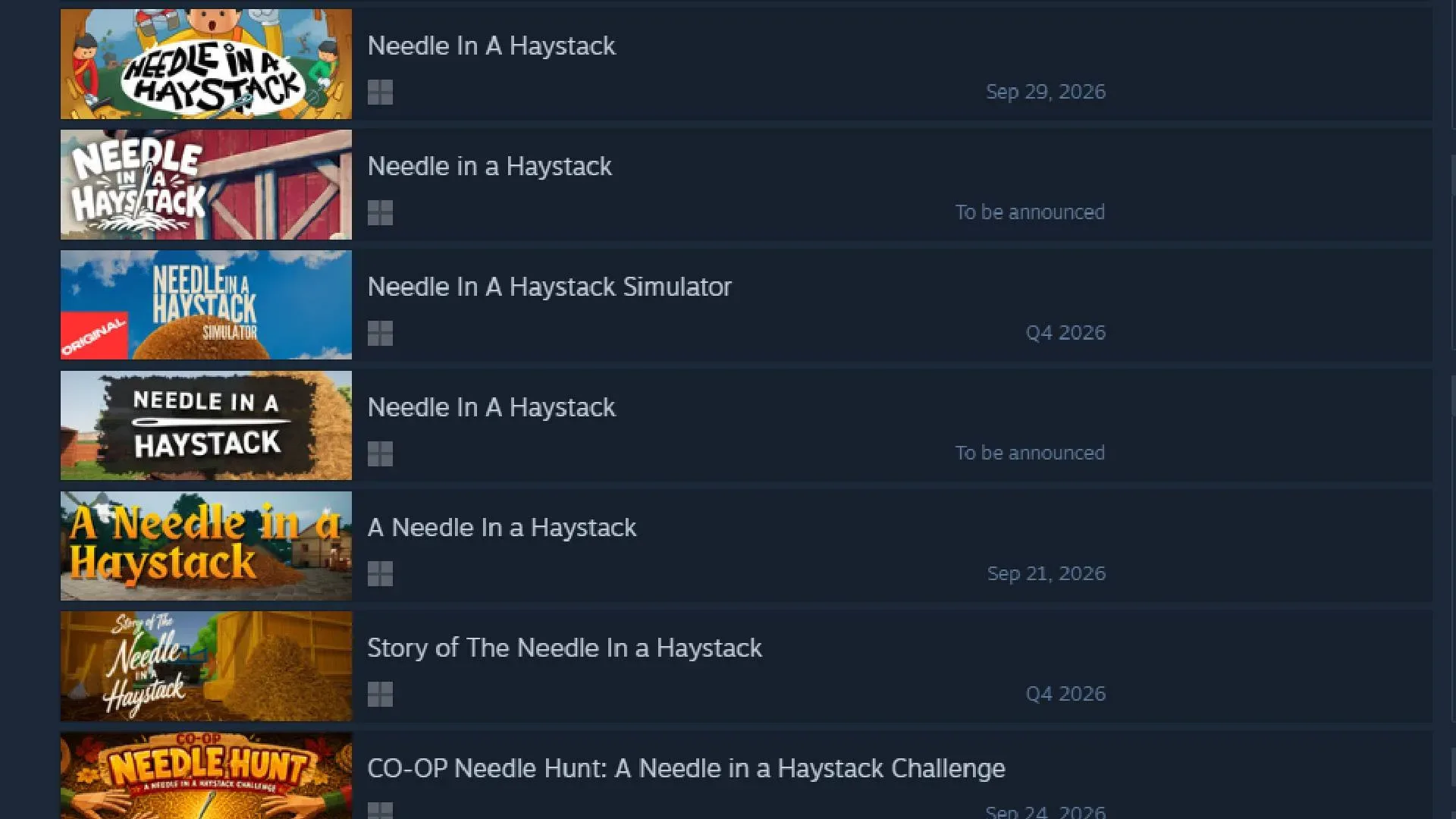
Recent discussion around Needle In a Haystack illustrates the anxiety. The concern is a familiar one in game development: a project based on a clear, easily described premise gains attention, then similar-looking projects begin appearing at speed. The allegation in this case is that some imitators visibly relied on AI-generated assets and were assembled quickly to chase the trend.
Imitation has always existed in games. Genres evolve through iteration, and a broad concept cannot be owned merely because one developer arrived at it first. The meaningful line is not “two games share an idea.” It is whether a new listing merely borrows a high-level premise or presents itself in a way that creates confusion, overwhelms the originator with near-identical offerings, or appears designed primarily to capture searches and attention generated by somebody else’s work.
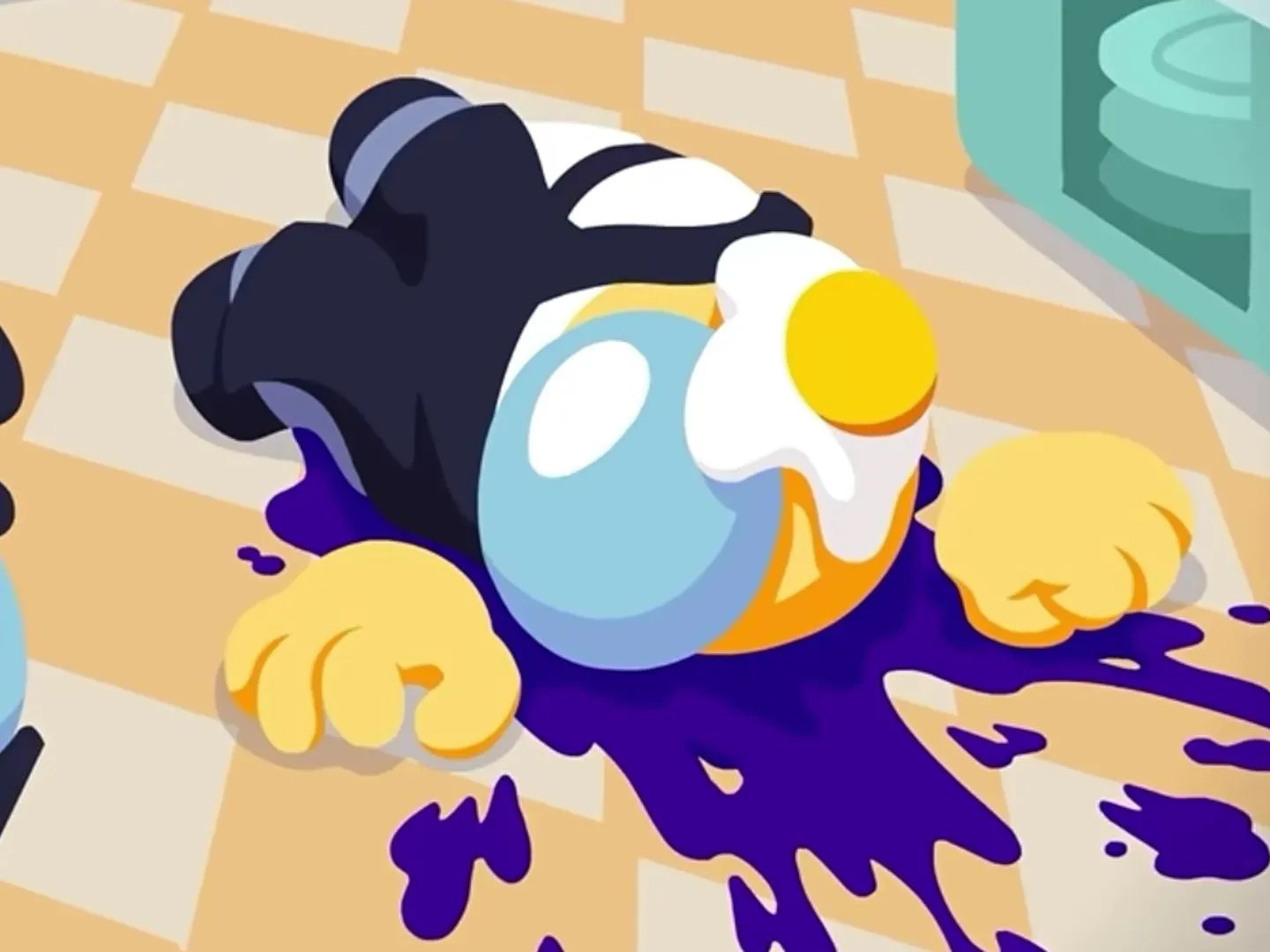
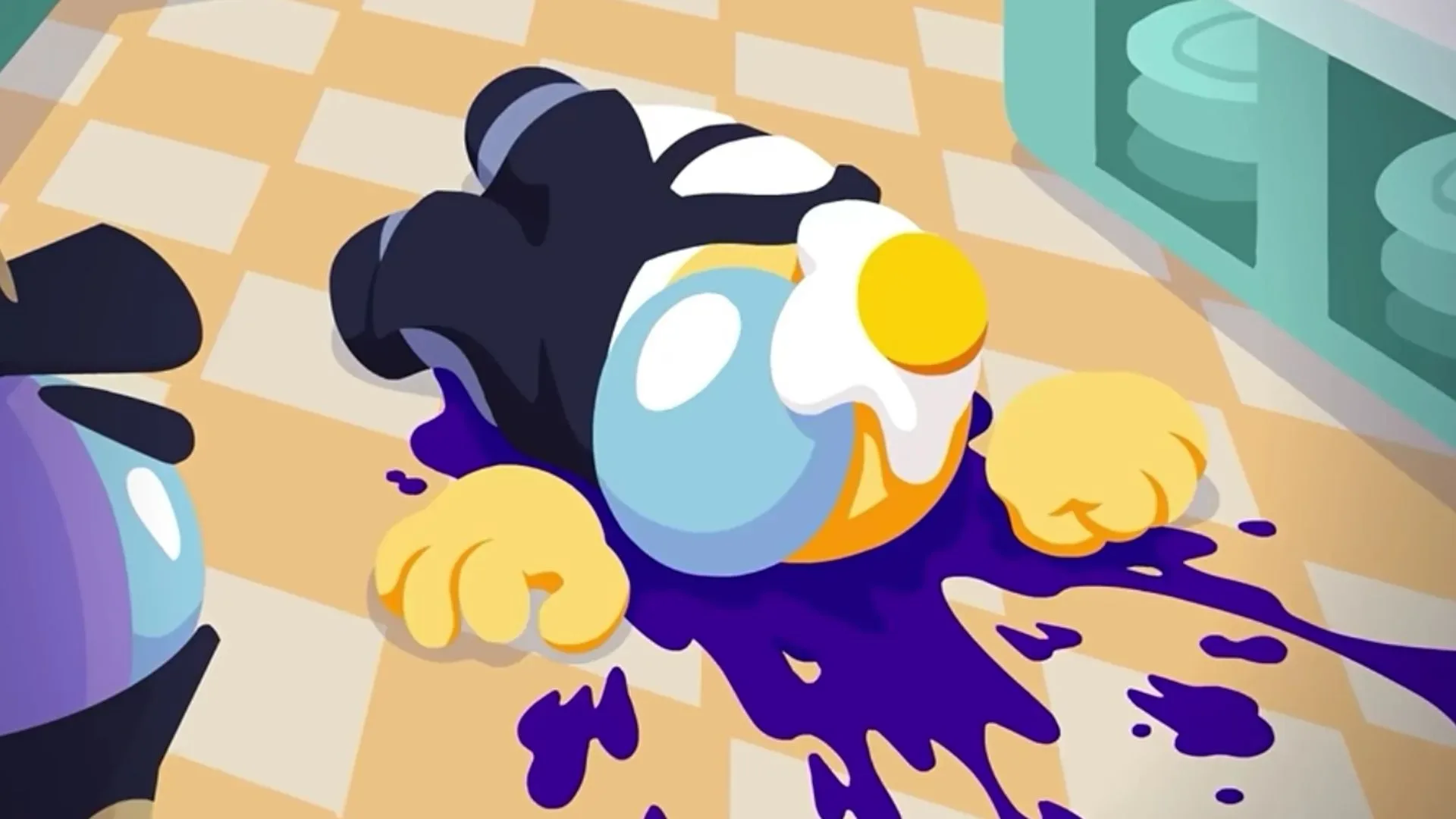
Alliance Arts reportedly chose to withdraw Drunken Goddess Reflux from Next Fest over worries that it could attract the same type of rapid imitation. Whether or not every suspected clone is as shallow as it appears, that decision highlights a damaging effect of the current climate: the fear of being copied can change how and when creators decide to show their work.
A demo event asks developers to reveal something before launch. That openness is central to its value. If teams conclude that a public showing primarily invites low-effort lookalikes, they may become more cautious about participating. Players then lose demos they otherwise could have played, while the event’s catalogue may become less representative of the projects that most need early feedback and wishlists.
What “vibe coding” means in this conversation
The term “vibe coding” is generally used for making software through plain-language prompts to AI systems, often with the user directing an assistant instead of writing every line of code manually. In the current debate, it has become shorthand for the idea that a marketable game could be produced at extraordinary speed with AI help.
Brandon Stirrup, a Microsoft business development manager, has expressed the belief that a game with commercial potential could eventually be vibe-coded in only hours. That perspective is provocative because it frames speed as a central measure of success. But the existence of a rapidly assembled prototype and the creation of a durable, trustworthy game are not necessarily the same thing.
A playable build may be only the beginning of a game. Players still need a clear premise, responsive controls, understandable goals, reliable performance, a sensible interface, and content that supports the central mechanic. A store listing also needs to represent the product honestly. None of those requirements automatically disappear because a tool makes it faster to generate code or art.
That does not require treating every use of AI as identical. Tools can be used in many different ways, and the available information does not establish the exact production process behind each Next Fest listing. The sharper question for a player is more direct: does the demo communicate what it is, and does playing it justify the attention it asks for?
Practical ways to approach a catalogue this large
The current Next Fest may demand a more deliberate browsing strategy. Rather than treating the full list as a task to complete, players can use the event as a series of small, focused searches.
- Begin with genres you already enjoy. A giant catalogue becomes more manageable once the search is limited to a few kinds of games.
- Prioritize the playable opening. A demo’s first minutes can reveal whether its controls, presentation, and central loop fit your tastes better than store art can.
- Read descriptions alongside screenshots. Look for a clear explanation of what the player actually does, not just broad mood-setting language.
- Wishlist selectively. A wishlist can be useful for keeping track of promising projects, but it is most meaningful when it reflects genuine interest.
- Give useful feedback where possible. Demos are early builds. Specific notes about clarity, controls, bugs, or pacing can be more valuable than a vague reaction.
- Follow trusted curators and communities. A recommendation from someone whose taste you understand can cut through a catalogue far more effectively than random scrolling.
Players can also remember that an unusual or homemade presentation is not evidence of poor intent. Small teams frequently have limited resources, and originality does not always arrive wrapped in polished marketing. Conversely, a slick-looking listing is not a substitute for a demo with a convincing game at its center. The goal is not to turn every browsing decision into a judgment about production tools; it is to reserve attention for projects that earn it through clarity and play.
A test for Steam’s demo showcase
The growth from hundreds of early builds to thousands is evidence that Steam Next Fest matters. But its long-term value depends on more than participation totals. It depends on whether a player can still encounter a distinctive game before it gets buried, and whether a developer can share an original premise without feeling that visibility creates more risk than opportunity.
The present concern about AI-heavy listings and trend-chasing clones is therefore a discovery problem, a trust problem, and a creator-confidence problem. It is not solved merely by telling players to be more careful, although care is sensible in a catalogue of this size. The event remains worth browsing for people willing to dig, and its best demos can still be a reminder of why early access to works in progress is valuable.
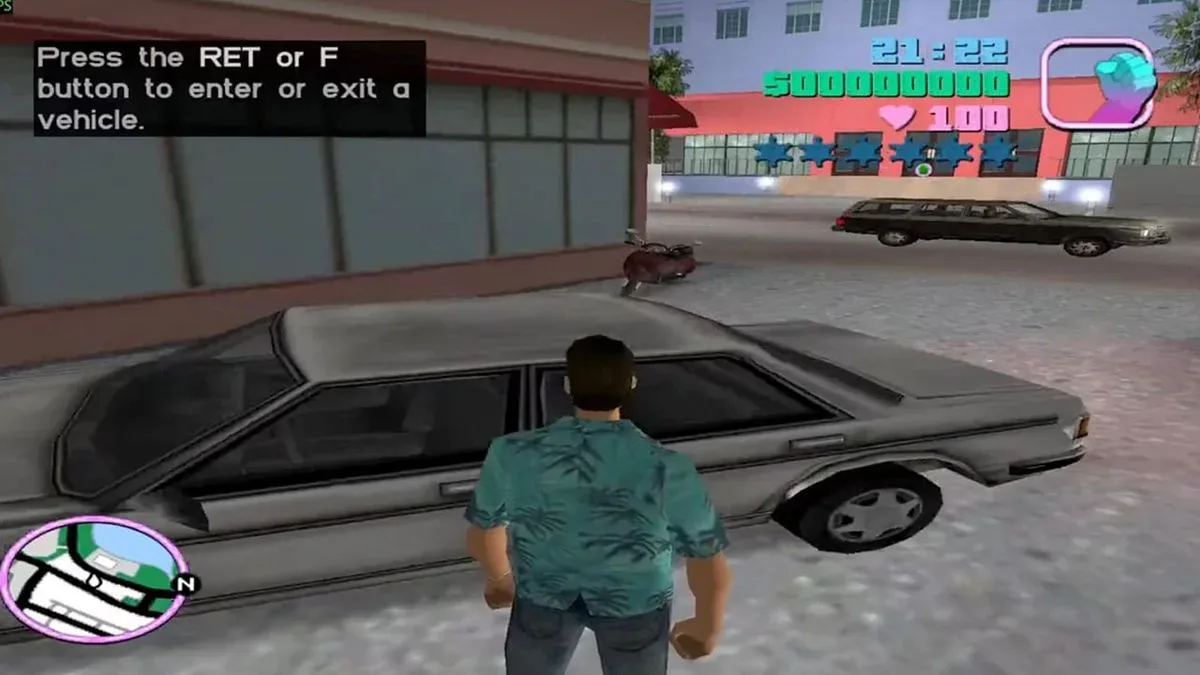
PC game discovery thrives on variety—from experimental demos to inventive projects such as the music-reactive ViceBounce mod for GTA: Vice City. The challenge is making sure genuine experimentation remains findable when sheer volume, generic presentation, and uncertainty over AI-made assets compete for the same glance.