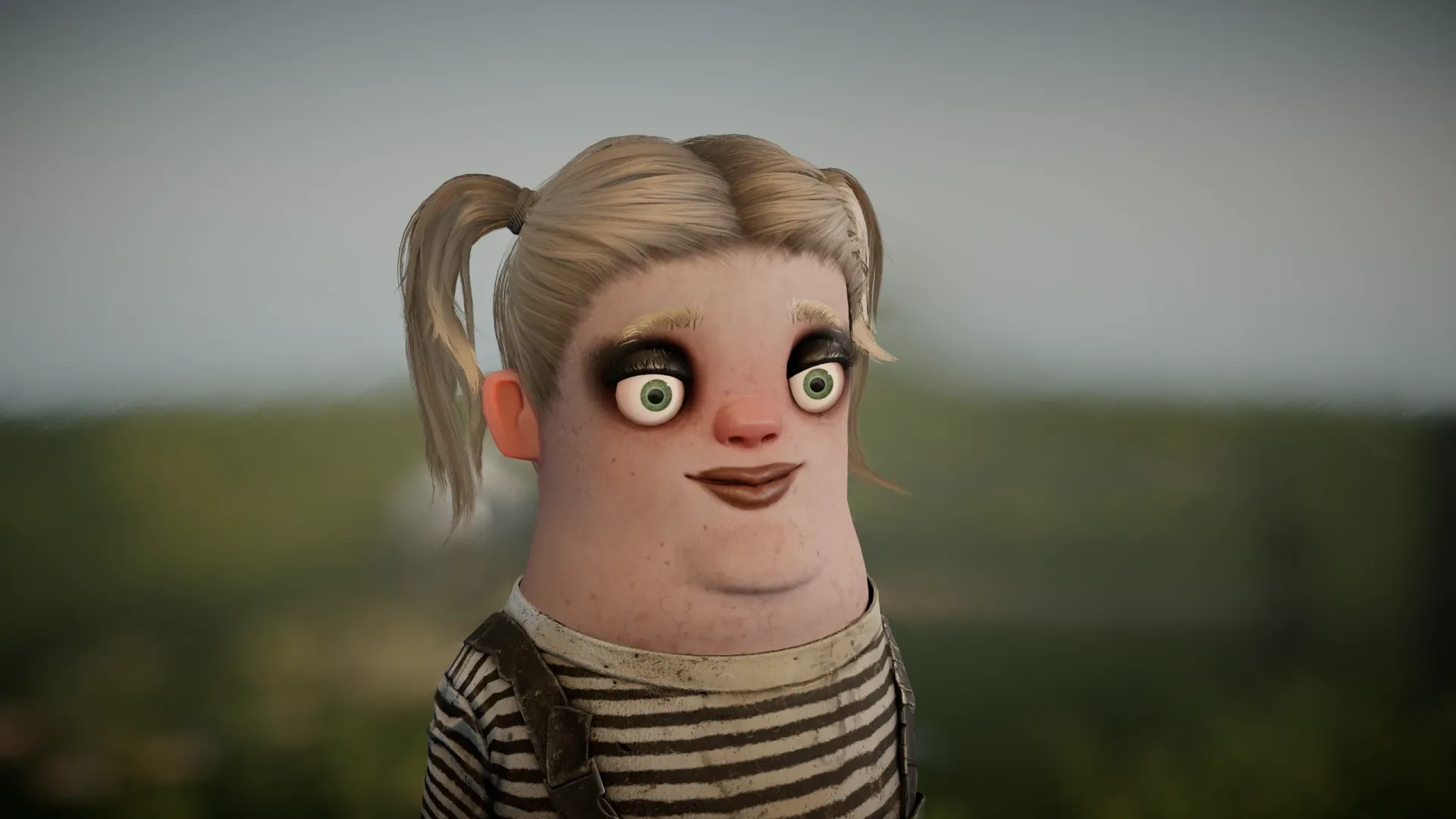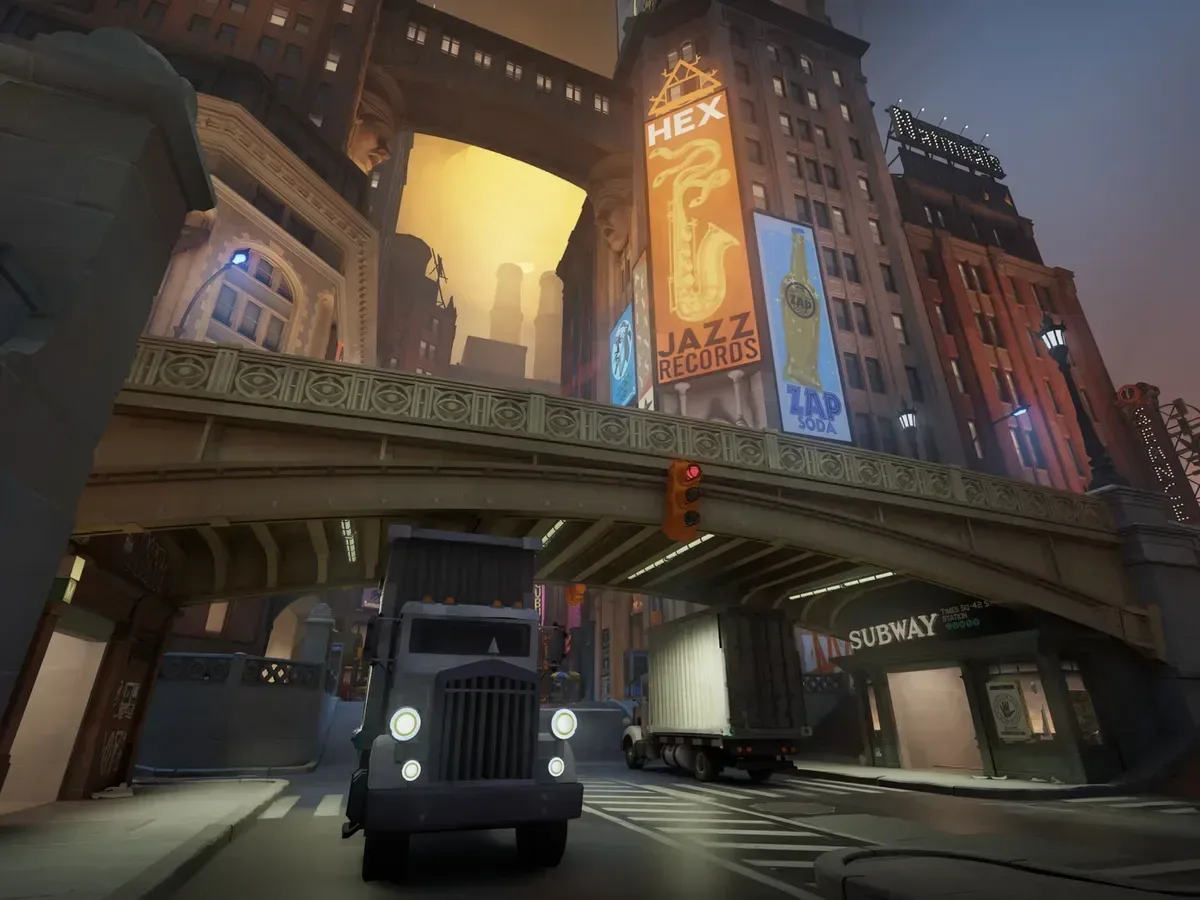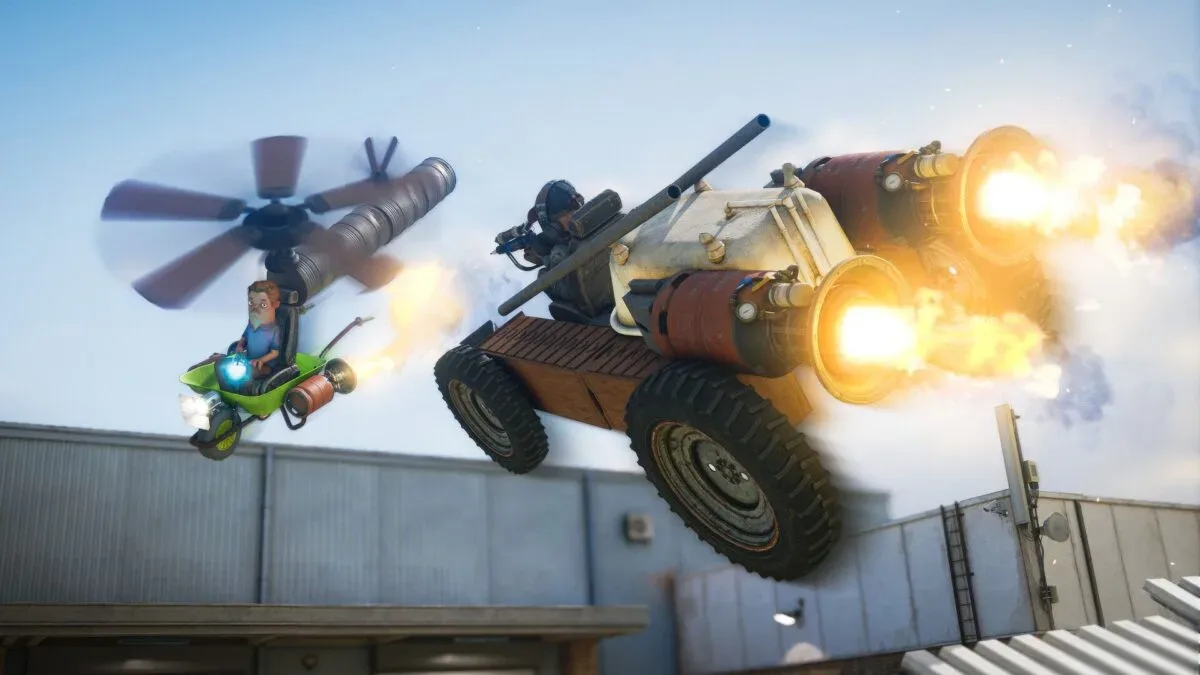
Facepunch founder Garry Newman has delivered an unusually direct assessment of s&box, the Source 2 sandbox platform positioned as a spiritual successor to Garry’s Mod. In comments and a subsequent post on the project’s official site, Newman said the launch was not ready, acknowledged player dissatisfaction, and outlined a major shift toward the experience people have when they simply want to play.
The proposed reset is substantial. Newman says Facepunch needs to give the core Sandbox Game feature parity with Garry’s Mod and then go further, with more NPCs, vehicles, multiplayer support, add-ons and customization. He also says the team will move away from its own backend work in favor of Steam Workshop, while replacing an overwhelming browsing model with more purposeful human curation.
It is an admission that the platform’s intended identity as an engine and development environment did not match the immediate expectations of many buyers. For a community-driven sandbox, that distinction is not semantic: it affects what someone sees first, how quickly they can join a game, and whether they find a reason to return.
A difficult comparison with Garry’s Mod
Garry’s Mod began as a 2008 mod for Valve’s Source engine and has gone on to sell more than 25 million copies. Its longevity is also evident in its current audience: it continues to attract nearly 30,000 concurrent players daily, while s&box has been reported to be closer to 500 concurrent players. Estimates cited for s&box sales range from 500,000 to one million, making that gap between ownership and active use particularly notable.
Concurrent players are the number of people using a game at the same time. They do not measure every owner or every person who has played that day, but they are a useful signal for a multiplayer-focused sandbox. A low concurrent figure can be especially harmful to a platform whose appeal depends on people creating games, sharing them and finding others to play alongside. Fewer active users may mean fewer full servers, less feedback for creators and reduced visibility for worthwhile projects.
Newman also singled out retention as a core problem. In game and platform terms, retention describes whether people come back after trying a product. A strong initial download count cannot sustain a social creation platform on its own; people need a clear path from opening the software to finding something compelling, understandable and sufficiently active to revisit.
s&box launched in April 2026 and quickly faced negative feedback, including complaints about AI-generated material overwhelming user-created content. Its Steam review score remains at 47% positive. Facepunch attempted measures to curb the wave of low-quality AI content, although Newman had previously argued that AI could serve as a learning and productivity tool rather than calling for a total ban.
A Steam free weekend was also used in an effort to bring more people in, but Newman was blunt about the outcome. “The launch was shit,” he wrote in comments discussed publicly, adding that the free weekend had also failed to meet the studio’s needs. He said Facepunch had not been ready and accepted responsibility for that failure.
Related coverage includes Garry Newman Admits s&box Launch Has Failed to Meet Expectations, Promises Major Changes.
The stated priority: players before the development environment
In his longer response, Newman described the central mistake as presenting s&box too heavily as an “engine and development experience.” That may be valuable to creators, but it does not automatically give players a memorable first session. The studio’s new emphasis is the actual Sandbox Game: the set of systems, interactions and multiplayer possibilities that make the platform immediately playable before someone ever considers making content.
“We need to do much much better on the game, we need to shift our focus to what players are experiencing, not developers.”
Newman’s planned priorities are familiar to anyone who associates Garry’s Mod with open-ended play: NPCs, vehicles, multiplayer, add-ons and customization. The important detail is that these are being framed as fundamentals rather than optional demonstrations of the underlying technology. The stated aim is to reach parity with the older sandbox and surpass it.
That does not mean the creation side is being abandoned. Rather, the proposal suggests a different order of operations. A player-friendly sandbox can provide a clearer showcase for the engine, while creators benefit if there is an engaged audience looking for new modes and experiments. In theory, a healthy loop looks like this:
- Players quickly find enjoyable games or social spaces.
- They return because those experiences are active and easy to access.
- Creators gain an audience for new work.
- Better work gives players more reasons to return.
The challenge is that this loop depends on discovery. If people cannot locate the promising projects amid a large catalogue, quality alone may not be enough.
Why discovery has become the center of the recovery plan
Newman said his earlier vision of a “Netflix for games” does not work as a discovery model. The comparison refers to a large, browseable catalogue in which users are presented with many possible choices. His conclusion is that this approach is not feasible for the way people actually find games within s&box.
The alternative he describes is curation: surfacing worthwhile work through people with taste and informed opinions, rather than leaving every item to compete in a sprawling interface. Curation can take several forms, but the underlying idea is simple: a platform makes choices about what deserves prominence. This is different from merely hosting material. Hosting gives content a place to exist; discovery determines whether anyone encounters it.
That distinction matters more when the catalogue is crowded by what Newman called AI slop: a shorthand for low-value, mass-produced or misleading AI-generated submissions. The issue is not only the existence of undesirable material. It is the friction it creates for a player trying to identify something good. If a promising game is buried among confusing, repetitive or low-effort listings, people may leave before reaching it.
Newman argued that human taste cannot be replaced by AI in this setting. That is a statement of strategy as much as a statement about technology. Facepunch appears to be accepting that an open platform needs editorial judgment and clearer signals of quality, not simply a bigger pool of user submissions.
A return to Steam Workshop
Another notable reversal involves infrastructure. Newman said work on Facepunch’s own backend has “mostly been a waste of time and resources,” and that the team intends to move services over to Steam Workshop.
Steam Workshop is Valve’s established system for distributing community-made content such as add-ons and other uploads tied to games on Steam. For s&box users, the practical promise is not that a workshop migration automatically solves every discovery issue. Instead, it is that Facepunch plans to rely on an existing distribution framework rather than continue investing in a parallel solution it now views as an inefficient use of effort.
There is a straightforward player-facing logic to the move. If time and resources are finite, shifting away from custom backend work could allow more attention to the game itself, multiplayer experience, content support and the interface through which people choose what to play. That remains an intended direction, not a delivered outcome, and Newman asked users to bear with the studio as it makes sweeping changes.
For PC players, the situation is also a reminder that a sandbox platform is more than its technical foundation. Engine capability matters, but it has to translate into an approachable game, functioning community tools and a reliable route to good experiences. The wider PC setup can matter too, from networking to display connections and peripherals; our look at an 8-in-1 USB-C hub for laptop setups covers one small part of that broader ecosystem.
What the statement does—and does not—promise
Newman’s message is meaningful because it identifies specific areas where the original approach went wrong: an excessive focus on development tools, weak player retention, poor content discovery, an unsatisfactory core sandbox offering and backend work he now considers misdirected. It is more concrete than a generic pledge to listen.
At the same time, the statement should not be read as proof that a turnaround has already happened. The changes discussed are plans, and the existing figures remain difficult. s&box’s 47% positive Steam rating, low reported concurrent audience and the disappointing free-weekend result show the scale of the task ahead. Rebuilding trust after a rough launch will require people to see tangible improvements in what they can play, how they find it and how the multiplayer community feels.
Newman’s apology is explicit. He wrote that the negative reviews and disdain for the project hurt, said he did not want to let down people who had paid for the service, and promised that Facepunch would improve. Whether s&box can reclaim momentum will depend less on the force of that mea culpa than on the player-first execution now being proposed.