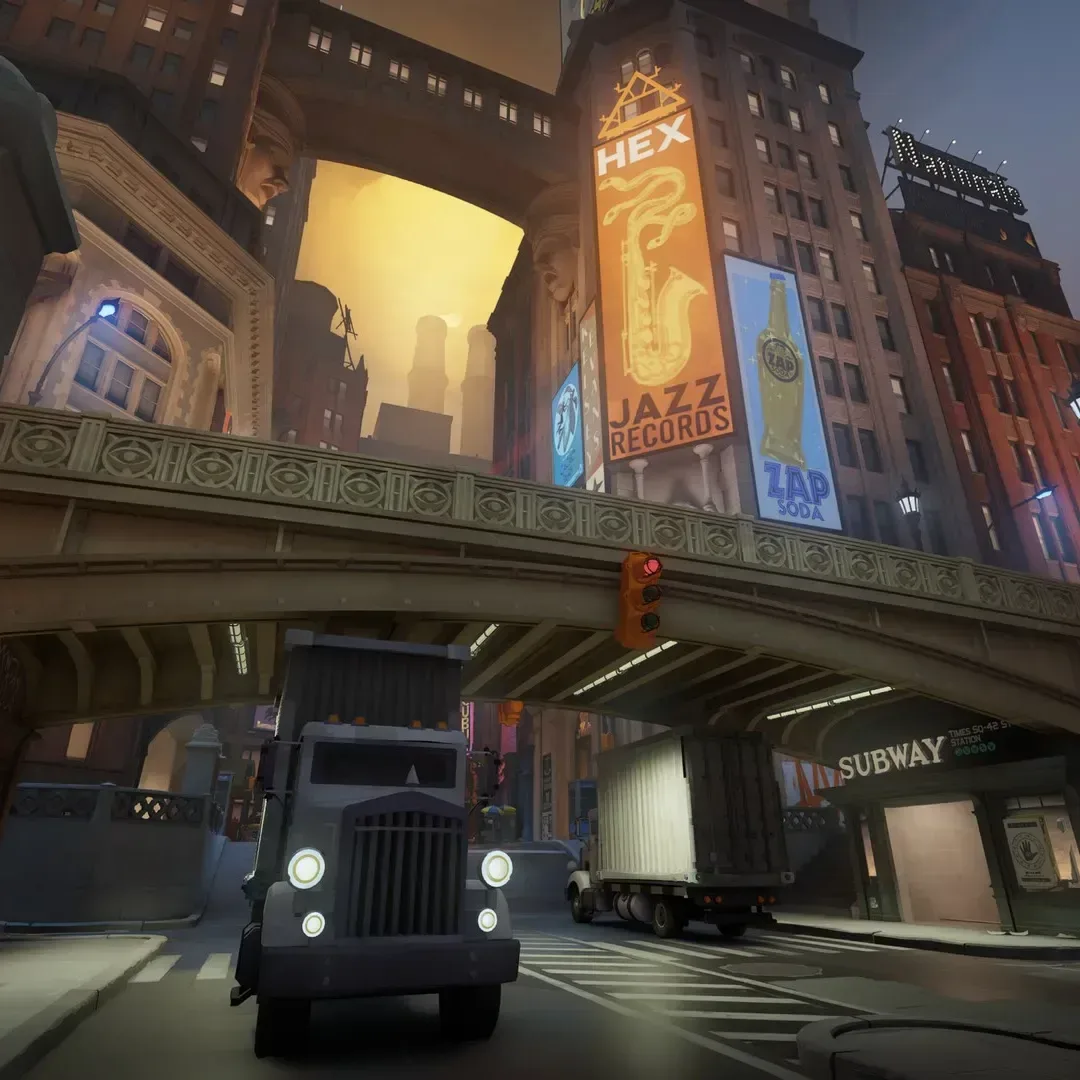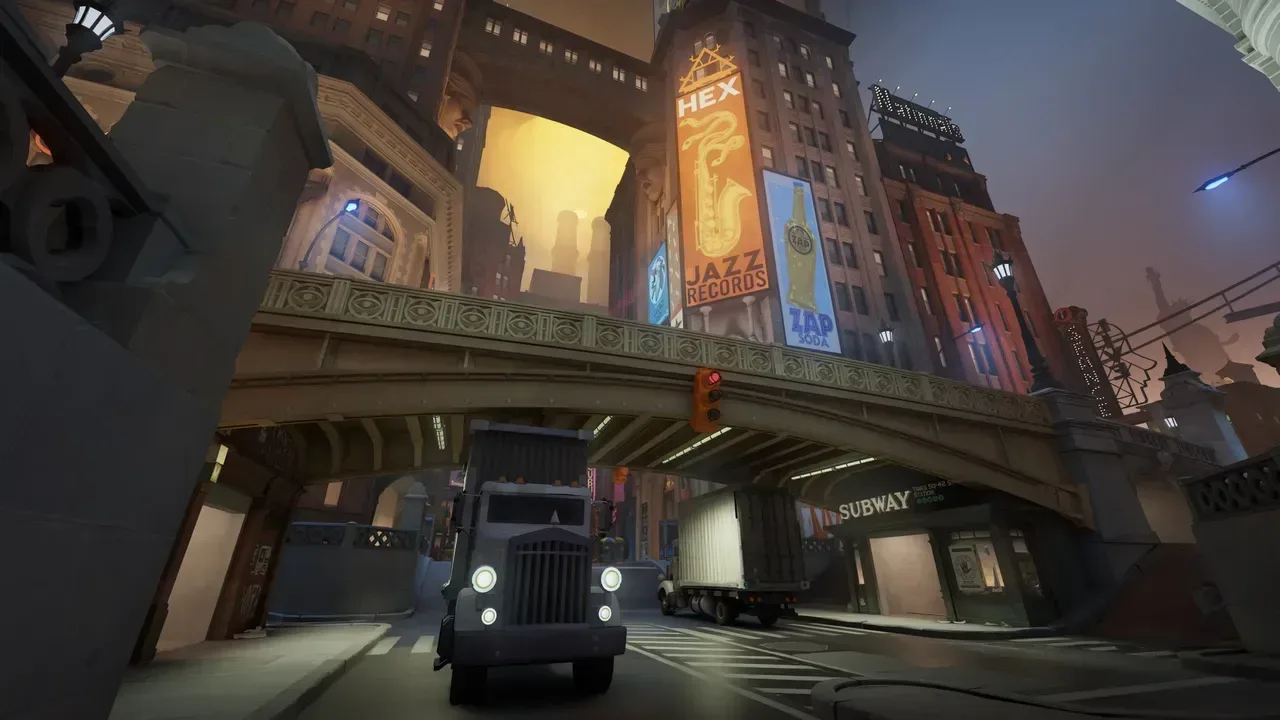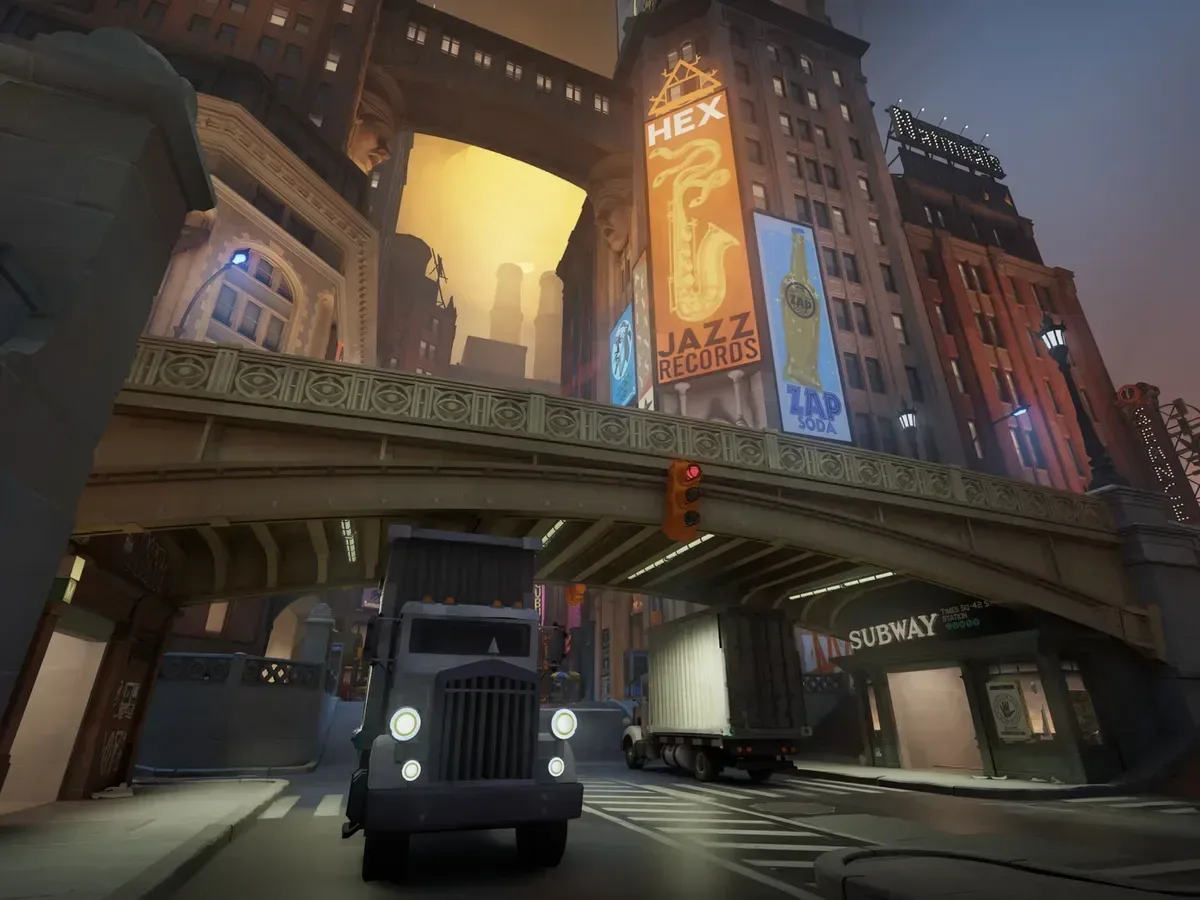
Valve’s in-development multiplayer game Deadlock has cleared a major visibility milestone following an unusually broad update, reaching an overnight Steam concurrency peak of more than 220,000 players. That was enough to place the invite-only playtest among Steam’s six most-played games at the time, and it eclipsed Deadlock’s previous high-water mark.
The number matters not merely because it is large, but because Deadlock is still in early development. Entry remains limited through invitations from existing playtest participants rather than an open beta or full release. In other words, the game’s audience is still gated, yet a substantial portion of that limited-access population showed up following a patch that changes both the match experience and technical foundations.
Deadlock is described as a MOBA hero shooter: a multiplayer game that combines distinct playable heroes and shooter combat with the objectives, lanes, computer-controlled units and item-driven progression commonly associated with a multiplayer online battle arena. The new update leans hard into every part of that formula, affecting the battlefield, the hero roster, supporting units, objectives and the systems players use to read and control a match.
Six heroes arrive alongside a substantial map revision
The headline addition is six new heroes. More heroes do more than offer additional character choices in a game built around team compositions. Each one potentially changes which abilities teams must prepare for, what combinations become viable and how players approach objectives. That makes a six-character injection particularly consequential during active development, when the game’s overall balance is still being shaped.
The map has also received significant changes. In a MOBA-structured game, the map is not simply scenery: it establishes the routes between fights, the distance to important goals and the positions from which teams can attack, defend or retreat. Changes to its layout can alter the flow of a round even if no hero ability is touched. Pairing a map overhaul with fresh heroes, new mobs and new objectives gives the update the scale of a meaningful reset for active players rather than a narrowly focused content drop.
Mobs generally refers to computer-controlled enemies. Their placement and rewards can influence where players spend time between team fights and which areas of the map become strategically valuable. Objectives, meanwhile, are the shared match goals that teams contest to gain an advantage or progress toward victory. Neither system is a cosmetic addition; both help define the decisions that pull players away from direct player-versus-player combat.
The new work also reaches the match’s supporting interface. Valve has updated the HUD, health bars and Shop. HUD is short for heads-up display, the on-screen information layer that communicates essentials such as status and resources during play. Health-bar changes can improve readability in chaotic encounters, while a Shop update matters because the shop is where players make item choices that can shape a hero’s strengths as a match unfolds.
Technical work is part of the patch, not an afterthought
The update is notable for the amount of engineering work included alongside visible gameplay additions. Valve has moved Deadlock’s engine code to the latest version of Source 2, its game-engine technology. An engine is the underlying software framework that supports a game’s rendering, audio, simulation and other core systems. Updating engine code does not automatically reveal a single player-facing feature, but it can be important groundwork for development and performance work.
Related coverage includes Deadlock Reaches 228,000 Concurrent Players as Valve Expands Its Core Game.
Valve also listed improvements to anti-cheat, prediction, rendering performance and audio performance. Anti-cheat measures are designed to identify or limit unfair manipulation in a competitive game. Its inclusion is especially important for an online title where the integrity of matches is inseparable from player confidence.
Prediction is a networking term. In an online game, information takes time to travel between a player and the game’s servers. Prediction techniques help the game respond smoothly by estimating what should happen before every confirmation arrives over the network. Better prediction can therefore affect how responsive movement and actions feel, though the update does not specify exactly how players will experience its particular changes.
Rendering performance concerns the process of drawing the game’s visuals, while audio performance concerns the delivery and processing of sound. These are practical quality-of-life areas: a game can add new content, but its moment-to-moment experience still depends on how well it runs and how clearly it communicates what is happening. The patch also includes revised item art and new sound effects for every hero’s Heavy Melee and Light Melee actions, adding more feedback to close-range combat.
That blend of features illustrates why the player spike should not be read as a response to one isolated change. The patch gives people several reasons to return at once: six new heroes to learn, a changed environment to navigate, objectives and mobs to reassess, and systems intended to improve the game’s operation. For a playtest, such a broad package is also useful development-wise because it can expose how interconnected changes behave when a very large audience is playing simultaneously.
What Valve says is still ahead
The present update is not being positioned as the finish line. Valve has indicated that it is working on major item redesigns and additions, as well as possible alternate game modes that would expand the game’s scope. The wording carries an important caveat: those modes are not guaranteed to be part of Deadlock’s eventual launch version.
That uncertainty is normal for a project still in development. A planned feature can be tested, revised, delayed or cut as the larger game takes shape. Players should treat alternate modes as an area Valve is exploring, not as confirmed release-day content.
Several existing pillars are also still on the development list. Valve has singled out Midboss, including its model and some of the surrounding layout, alongside Guardians and Walkers. The company considers work on Guardians and Walkers important, but says it has not yet reached that part of the plan. Hero remodels appear to be a later-stage task, although some of that work could surface in upcoming updates.
Those priorities reinforce the sense that Deadlock is being developed across multiple layers at once. A new hero or item may attract immediate attention, but the shape of major map elements, the visual state of heroes and the systems that regulate match progression are equally central to a competitive game’s long-term identity. The current patch’s breadth is significant precisely because it shows that Valve is not limiting its work to roster additions.
A strong signal, but not a release announcement
The 220,000-plus concurrent-player result is a clear signal of demand, especially under the current invite-only structure. It does not, however, supply an answer to the questions that matter most for people who are not in the playtest. Valve has not provided a release date, a release window or a timetable for opening Deadlock to a broader beta audience.
That distinction is worth keeping clear. Concurrent players are a snapshot of how many people are playing at the same time; they are not a promise of launch timing, final feature scope or platform availability beyond the Steam context described here. The record indicates intense interest in the current test, not that the game is nearing a finished state.
Valve continues to operate other prominent multiplayer games, including Counter-Strike 2, Dota 2 and Team Fortress 2, while Deadlock evolves. Deadlock’s early momentum suggests it has room to become another major multiplayer fixture, but the update itself is a reminder that it remains an unfinished project whose systems are actively changing.
For prospective players, the practical takeaway is straightforward: Deadlock has become far more than a quiet experiment, and this patch is large enough to reshape the conversation around its playtest. Yet patience remains necessary. Access is still invitation-based, the rollout path to beta has not been stated, future modes are provisional, and core features such as Midboss, Guardians and Walkers remain subjects of ongoing work.
Broad technical maintenance can be just as important as flashy additions during that process. The same general priority of polish and stability has been visible elsewhere in games coverage, including a recent report on extra development time being used for polish and stability work. In Deadlock’s case, the combination of new content with engine, anti-cheat, prediction, rendering and audio changes makes this update a substantial checkpoint—not a final version.