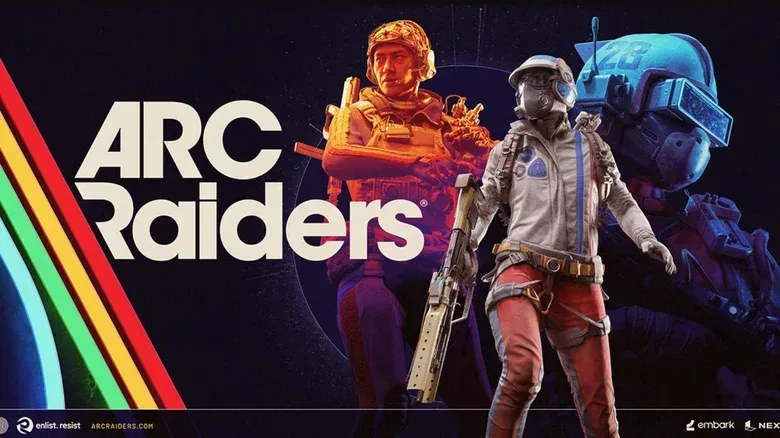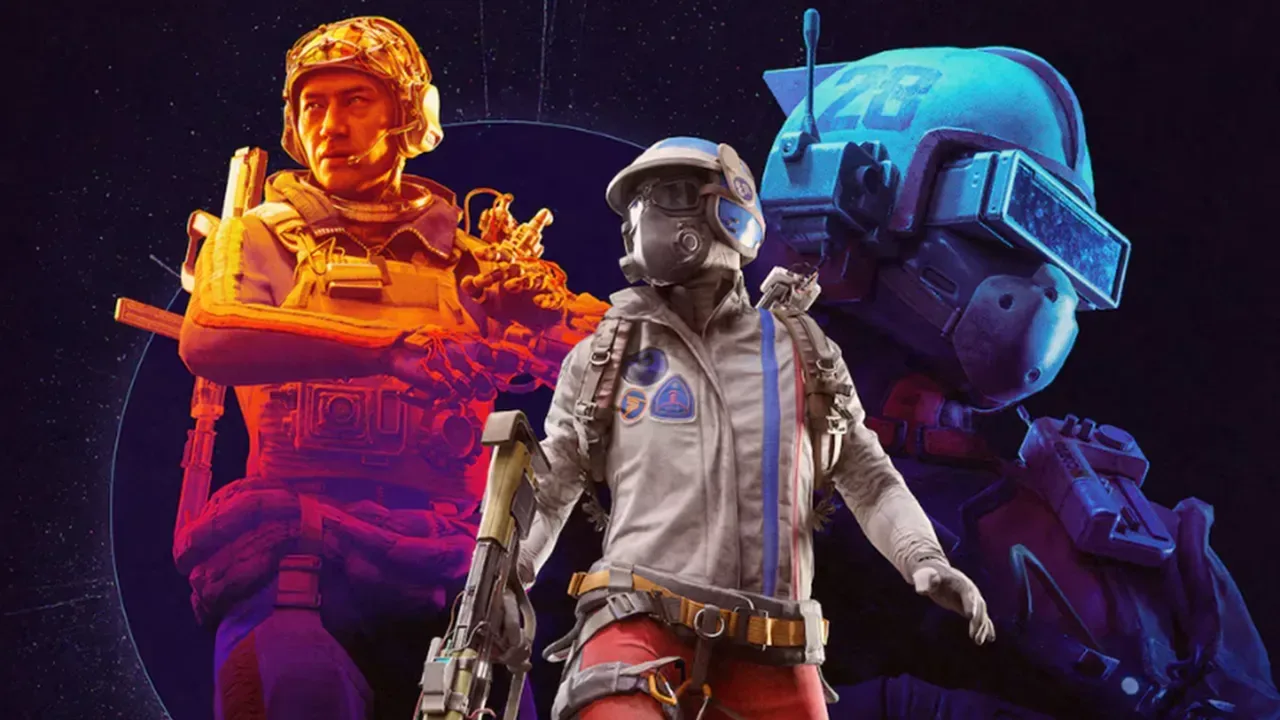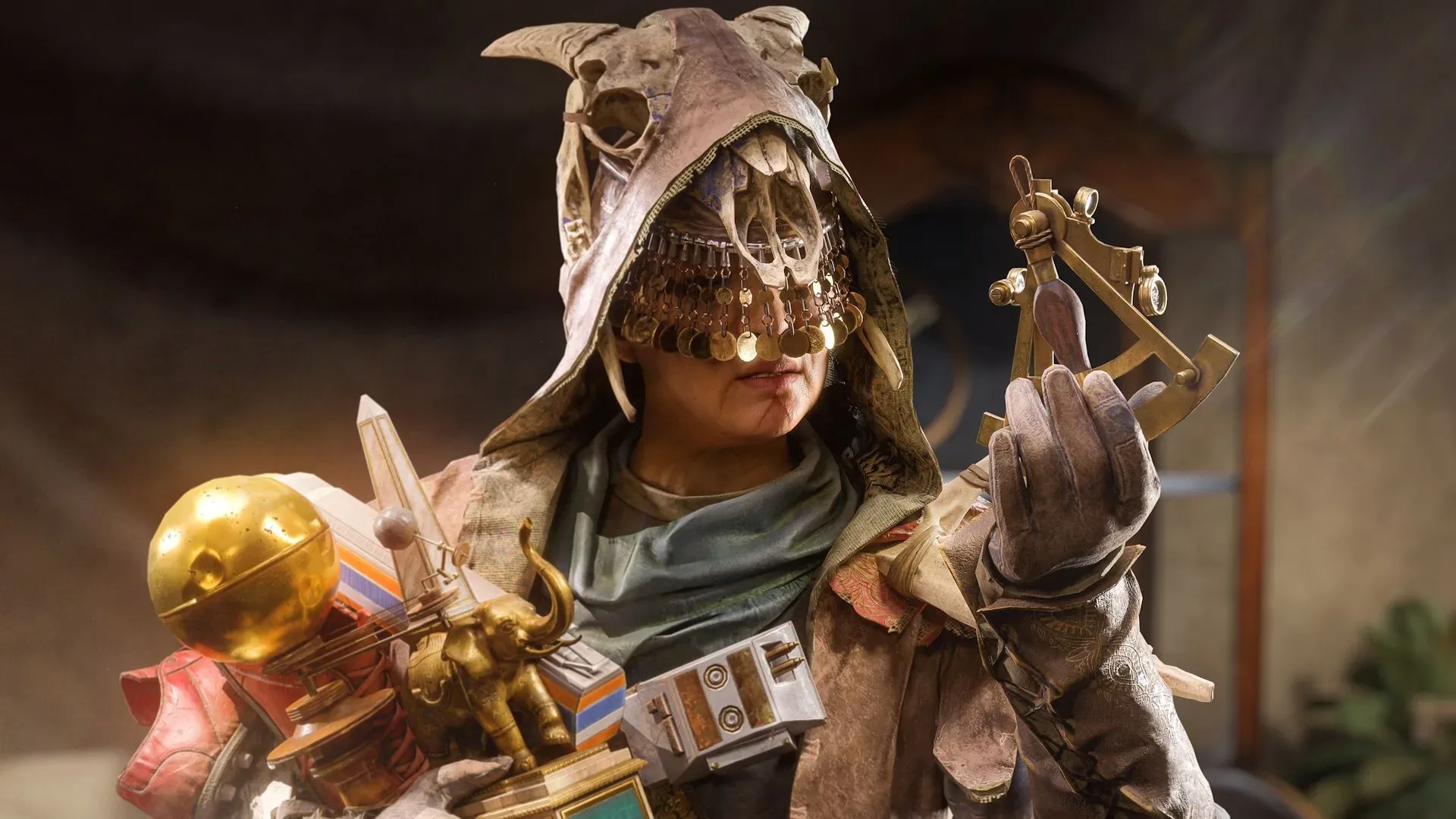
Embark Studios’ Arc Raiders and The Finals are set to expand beyond games through film and television projects being developed with Chernin Entertainment. Embark will be involved in some capacity, but the announcement arrives with almost every audience-facing detail still under wraps: there are no named writers, directors, cast members, release windows, platform partners, or confirmed plots.
That makes this an early-stage franchise move rather than a look at two finished adaptations. Still, it is a notable one. The two games offer very different starting points for screen storytelling, and neither arrives with a single, heavily prescribed campaign narrative that a film or series must closely recreate. The opportunity is considerable; so is the amount of creative work still to be done.
What has been confirmed
The agreement covers television and film adaptations for both Arc Raiders and The Finals. Chernin Entertainment is attached to develop the projects, while Embark Studios will participate in an unspecified role. Public messaging around the deal frames it as a way to grow both properties through what has been described as integrated transmedia experiences.
Transmedia generally means telling or extending a property across more than one medium—here, games alongside screen projects—rather than simply placing a game’s existing story into a different format. In practice, that can mean adaptations that introduce new characters, explore parts of a setting that gameplay only hints at, or provide an alternate entry point for people who have never played.
What that term does not establish is a shared universe, a crossover, a connected release schedule, or a particular style of story. Those possibilities remain unconfirmed. The deal covers two separate game franchises, and there is currently no announced evidence that their screen versions will intersect.
Why these games leave room for adaptation
Arc Raiders is a third-person extraction shooter. An extraction shooter is a multiplayer format built around entering a hostile area, gathering resources or pursuing objectives, and escaping successfully. The tension is not only in combat: players risk losing what they carry if an attempt goes wrong. That structure creates immediate dramatic material for a screen project—dangerous missions, difficult choices about what is worth risking, and teams whose interests may not always line up.
Yet an adaptation would not need to reproduce the match-by-match loop literally. Games can make repetition compelling through player agency and escalating stakes. Television and film need to shape that activity into character arcs, scenes, and a clear reason for viewers to care about any given operation. The relevant challenge is not just depicting firefights or high-risk escapes; it is making the consequences of those events matter beyond the immediate objective.
The Finals begins from a different premise. It is a free-to-play first-person shooter presented through the language of a game show. Its competitive framework and staged spectacle provide a ready-made visual identity: contestants, audiences, presentation, and the sense that competition itself is entertainment.
That setup could support multiple approaches without any one of them being announced. A project might concentrate on competitors, the people producing the event, the culture around its viewers, or the pressure created when sport, money, status, and broadcast spectacle converge. It could be straightforward action, a competition drama, or a story more interested in the system surrounding the contestants. Those are analytical possibilities, not announced creative directions.
The central adaptation task: preserve identity without copying a match
For both properties, recognizable world-building may be more important than direct plot translation. That is not a shortcoming. Adaptations of games with open-ended, multiplayer, or systems-driven structures often have greater freedom to build a standalone narrative than adaptations tied to a single famous protagonist or a defined sequence of missions.
The trade-off is accountability. A screen project has to identify what makes the original distinct enough that it still feels like Arc Raiders or The Finals, rather than a generic action story with familiar branding. With Arc Raiders, that likely means understanding the importance of peril, scavenging, extraction, and its broader sci-fi setting. With The Finals, the game-show frame and the performance of competition appear just as central as the shooting itself.
Game mechanics are also not automatically film or television mechanics. A respawn, a loadout, a round reset, or a score counter may be fundamental to play but require a different narrative explanation—or no direct explanation at all—on screen. The strongest adaptation choices will depend on what emotional function those elements serve for players. If extraction creates anxiety about loss, for example, a show can create an equivalent sense of jeopardy without stopping to simulate every rule of a multiplayer session.
Film and television are not interchangeable solutions
The announcement includes both formats, but it does not say which game will receive a movie, which will receive a series, whether each will get both, or whether individual projects are already selected. That distinction matters because the formats solve storytelling problems differently.
- A feature film needs a compact central conflict and decisive resolution, making it well suited to a single operation, competition, or character crisis.
- A television series has more room for recurring rivalries, gradual world-building, and the shifting alliances that can grow from a competitive or high-risk setting.
- Separate projects could also take different tonal paths while remaining rooted in the same game world, although no such plan has been detailed.
At this point, assigning either franchise to one format would be speculation. The meaningful confirmed detail is the breadth of the deal, not the eventual shape of a release.
Chernin’s background and Embark’s involvement
Chernin Entertainment has a record that includes the theatrical release Backrooms, the Netflix title The Madness, Kingdom of the Planet of the Apes, and the Fear Street trilogy, among other projects. That range does not reveal the eventual tone or scale of the Arc Raiders and The Finals adaptations, but it does establish that the company is entering the arrangement with experience across film and streaming work.
Embark’s participation is especially relevant because game-to-screen projects face a basic translation problem: a production team must decide which details are foundational and which can change to suit a new medium. A studio involved in the games can help maintain a property’s internal logic, visual language, and thematic priorities. However, the extent of Embark’s creative authority, the specific people representing the studio, and their day-to-day responsibilities have not been disclosed.
That uncertainty should temper expectations. Studio involvement can range from consultation to a much deeper creative partnership, and nothing announced so far defines where this deal falls on that spectrum.
A growing adaptation field, without a release race
The projects join a wider pipeline of game adaptations. A Helldivers movie is expected next year, while Elden Ring and Call of Duty are slated for 2028, and a The Legend of Zelda film is also on the horizon. That crowded landscape makes clear branding and a well-defined creative identity more valuable, not less. It also means audiences are likely to judge new adaptations on whether they offer a reason to exist beyond recognition of a game logo.
For a related look at how Elden Ring continues to function as a major reference point in gaming’s broader business conversations, see this report on Tencent’s genre-leading studio ambitions.
There is no indicated premiere date for either Embark property, so it would be premature to place them into any specific release calendar or predict how they will compare with other game-based films and series. The announcement is better understood as a rights-and-development milestone: two multiplayer-driven worlds now have a formal path toward screen adaptations, with their creative details still to come.
What viewers and players should watch for next
The most consequential future updates will be basic development information. Confirmation of whether a project is a film or series, its creative leads, and its intended story premise will say far more about the adaptation than broad franchise language can. Casting may also provide the first clue as to whether a project is character-led, ensemble-driven, or built around a presenter-and-contestant model in the case of The Finals.
Until then, the safest reading is straightforward: Arc Raiders and The Finals have been positioned for television and film expansion, not yet revealed as defined movies or shows. For players, that leaves plenty of room for anticipation, but not enough information to draw firm conclusions about canon, crossover plans, release timing, or the stories these worlds will eventually tell.