Tencent Games is framing Baldur’s Gate 3 and Elden Ring as “North Stars” for the kind of studios it wants to help build: teams with a clear command of a genre, a distinctive creative identity, and enough sustained support to improve over several releases rather than being judged on a single breakout attempt.
Yong-yi Zhu, Tencent Games’ vice president and head of operations, strategy, and compliance, described a strategy centered on talent and developers with specific visions. The important point is not simply chasing the next enormously successful role-playing game. Tencent’s stated goal is to identify studios that could become category leaders over time, whether that happens immediately or after two or three more games.
That is a notably longer horizon than the one often implied by blockbuster game development. A major premium release can take years to make, demand a large team, and carry a considerable commercial risk before players have even seen the finished result. Tencent argues that a developer’s body of work, and evidence that it is steadily sharpening its strengths, matters more than treating every project as an isolated all-or-nothing bet.
Why Larian and FromSoftware fit the model
The two examples are useful because neither studio’s biggest recent hit appeared from nowhere. Larian Studios’ route to Baldur’s Gate 3 ran through multiple Divinity games. While Baldur’s Gate 3 is built around Dungeons & Dragons, it retained the sort of systemic, player-driven role-playing approach strongly associated with Larian’s earlier work. The license gave the project a famous setting and rules foundation, but Larian’s accumulated design experience helped define how the game played.
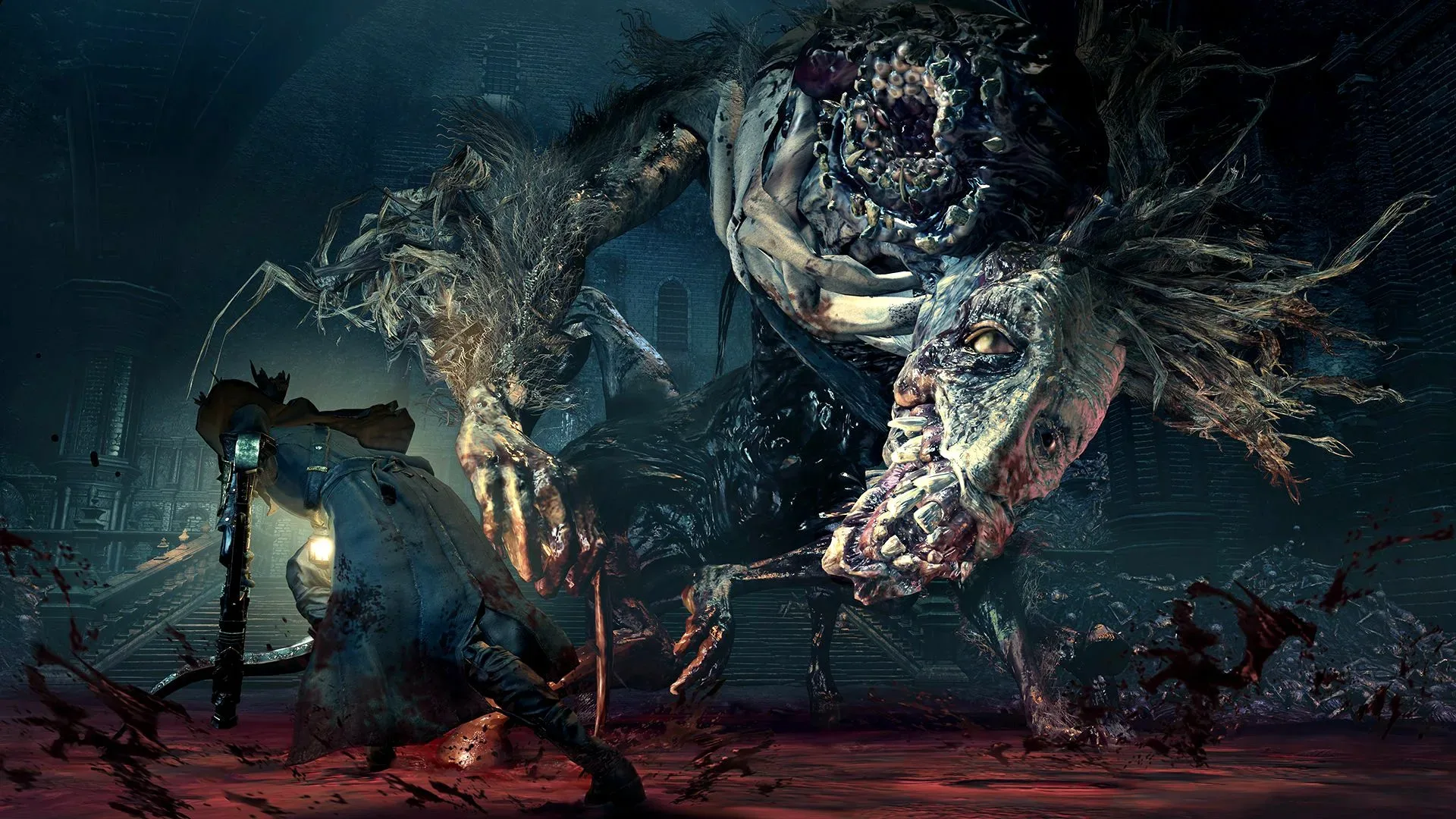
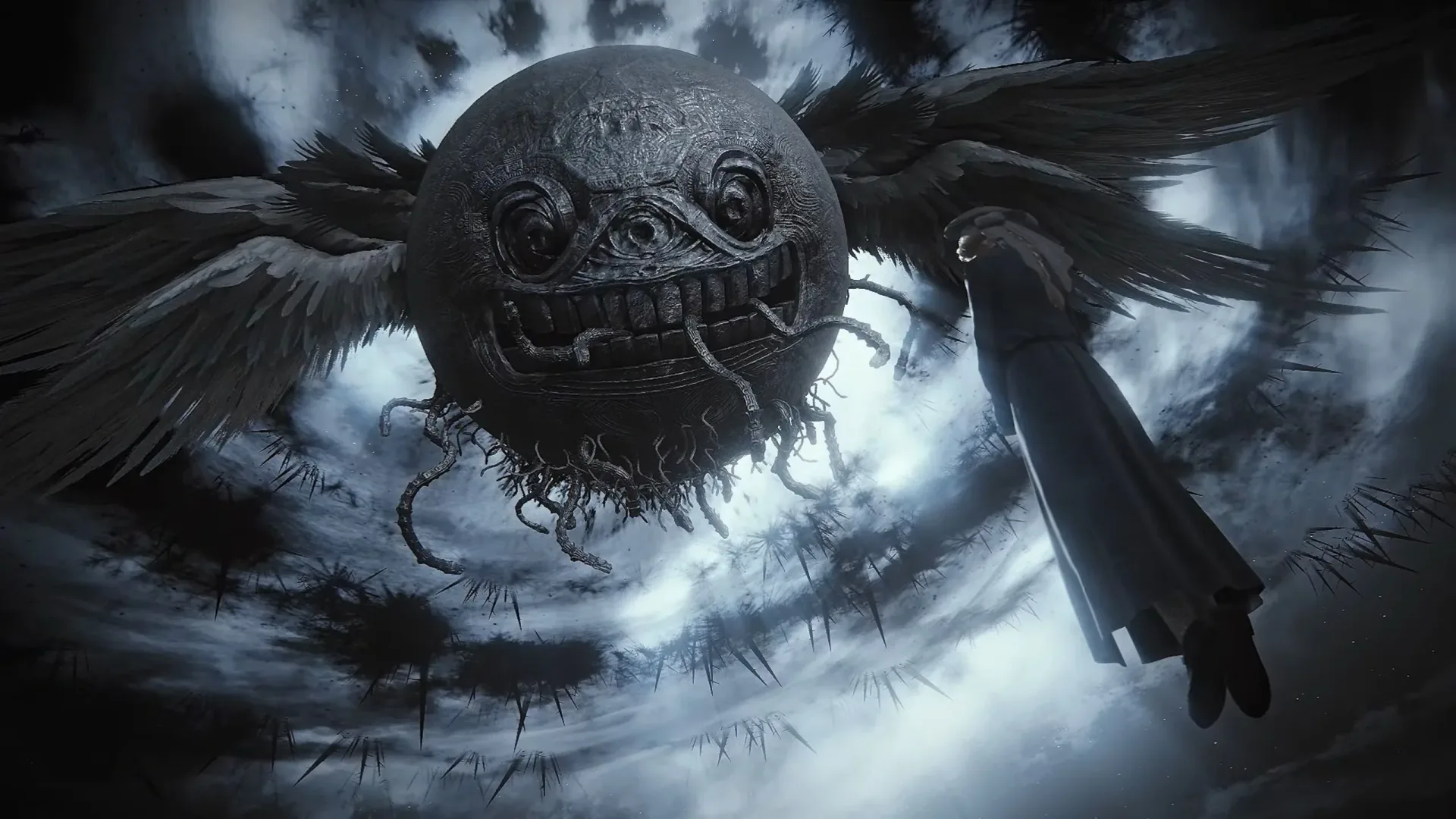
FromSoftware’s progression is similarly clear. Demon’s Souls, Dark Souls, and Bloodborne each contributed to a recognizable action-RPG lineage before Elden Ring expanded that foundation into a much larger game. Its scale may have been broader, but it was still grounded in design principles the studio had explored repeatedly: difficult combat, deliberate encounters, environmental discovery, character builds, and indirect storytelling.
In this context, genre iteration means a studio does not merely reproduce a prior game. It uses prior releases to learn what it does especially well, refine systems, and decide which ideas can safely be expanded. The eventual hit may look ambitious to an audience, yet its creators are not beginning from a blank page. They are building on production knowledge, technical tools, design habits, and an understanding of the players drawn to their work.
Tencent’s stated test is whether a team can make visible progress toward leading a particular category, even if that outcome is still several projects away.
That is the distinction behind Zhu’s reference to a “long-term commitment.” It is an investment philosophy that treats a studio’s early and middle releases as part of a longer creative trajectory. It also recognizes that a game’s commercial ceiling may not reveal itself in its first outing. A team can establish a promising formula, learn where it breaks under pressure, and produce something much stronger in the next cycle.
Related coverage includes Tencent Sets Its Sights on Building the Next Larian or FromSoftware.
A strategy with existing ties to both companies
Tencent is not using Larian and FromSoftware as distant examples only. It holds significant minority interests in Larian and in Kadokawa, FromSoftware’s owner. Tencent increased its Kadokawa ownership last year, following earlier investment activity involving FromSoftware itself by Tencent and Sony.
Minority investment is different from outright ownership. Based on the information available here, it should not be read as proof that Tencent directs either studio’s individual creative choices. It does, however, make the company’s emphasis on patient partnerships more meaningful. Tencent is presenting itself as a partner interested in the conditions that can let specialized developers keep making games in their established lanes long enough for their expertise to compound.
That matters because creative identity is difficult to manufacture through acquisition alone. A studio can gain money, people, and publishing infrastructure quickly, but a coherent design language is generally built through repeated work. Larian’s and FromSoftware’s examples suggest that the desired outcome is not a studio that copies their surface-level traits—turn-based fantasy quests in one case, punishing combat in the other—but one that understands its own genre deeply enough to move it forward.
The post-hit plans of both teams also underline why a single successful game is not the end of the process. Larian has separated from Wizards of the Coast and returned to Divinity. FromSoftware has used the success of Elden Ring to pursue projects including Elden Ring Nightreign and The Duskbloods, while appearing to have another large single-player game in development. Success can create room for a studio to make bolder decisions, but it does not erase the need for a durable pipeline of work.
Evergreen live-service games as a financial counterweight
Zhu also drew a contrast between high-budget premium releases and Tencent’s portfolio of evergreen live-service games. An evergreen live-service title is a game designed to remain active over a long period, with continuing player engagement rather than a business model tied solely to launch-week sales. Its release schedule and revenue cadence can be more continuous than the large peaks and long gaps associated with a premium game that arrives once every several years.
Tencent’s view is that this provides some insulation from the volatility surrounding major releases. That does not mean live service removes risk: maintaining a game over time still depends on retaining players and delivering ongoing support. But the company’s argument is that a broad group of continuing games can make it easier to tolerate the slower, less predictable journey of teams creating premium titles.
For developers and players, the practical implication is mixed but potentially important. A company able to take a longer view may be more willing to fund a studio through an experimental project or a commercially modest step forward. On the other hand, the commitment to long-term support has to be meaningful in practice, especially when a project is still uncertain. The strongest version of this model is not simply financing a team for years; it is giving the team enough stability to learn without forcing it to abandon the ideas that made it worth backing.
Team size is part of that calculation. Zhu said Tencent seeks to reduce teams during the riskiest stages of development, particularly concepting and pre-production. Pre-production is the phase in which a team works out the central concept, core systems, scope, technical approach, and production plan before full-scale creation begins. Keeping that phase smaller can limit costs while a game’s basic premise is still being tested.
It can also make decision-making more focused. A small group may be better positioned to establish what a game is before hundreds of people are committed to building content for it. Once the project’s direction is validated, the team can grow for full production. This is not a universal solution—some games demand substantial technical work early—but it is a sensible response to the danger of scaling a concept before it has proved itself.
Technology planning is one part of that early scoping work. Choices around memory, storage, engines, art pipelines, and target platforms can shape what a team can realistically build. For one recent example of how platform constraints can influence a project’s technical design, Gears of War: E-Day’s SSD overflow approach for Xbox Series S memory pressure illustrates how a development team may need specific solutions to meet a platform’s limits.
The tension between patience and industry contraction
Tencent’s long-game message arrives amid continuing instability across game development. The company has not been outside that instability: it reportedly withdrew from multiple studio deals this year and closed TiMi Montreal before the studio released a game. TiMi Montreal was led by Ashraf Ismail, the director of Assassin’s Creed: Black Flag.
Those developments create an unavoidable tension in the broader pitch. It is easy to endorse patient studio-building in theory; it is much harder to maintain it when deals change, projects are reassessed, and teams close before their work can reach the public. A plan that relies on multiple games of steady improvement only works when developers survive long enough to make those games.
That does not invalidate the idea that generational successes often emerge from long-term refinement. If anything, Larian and FromSoftware are persuasive examples precisely because their defining hits were preceded by years of work in their respective areas. But it does mean that the measure of Tencent’s strategy will be in its execution: which teams receive room to iterate, how long that room lasts, and whether creative focus is protected when a project enters its uncertain earliest stages.
What “the next Larian or FromSoftware” should really mean
The phrase can sound like a search for replicas, but the more useful reading is a search for studios with comparable creative momentum. Neither Larian nor FromSoftware became influential by chasing another company’s blueprint. Each repeatedly developed a recognizable approach to role-playing games, then applied its own accumulated knowledge to a project capable of reaching far beyond its prior audience.
For Tencent, that means the target is not necessarily another fantasy RPG or another Souls-like. A category leader could emerge from any genre if the studio has a particular vision, demonstrates increasing craft, and is afforded time to make its next step count. The key word is “particular.” Broadly pursuing whatever is popular is different from supporting a team that knows exactly what it wants to improve.
Players may ultimately feel the effects only years later, through games that arrive with stronger identities rather than a collection of familiar market features. That possibility is attractive, but it is not guaranteed by investment, live-service revenue, or an early prototype alone. Baldur’s Gate 3 and Elden Ring are reminders that major games can be the visible crest of a much longer process. Tencent says it wants to fund more of those processes. The difficult part will be sustaining that conviction before the next crest is in sight.