Larian’s next Divinity may have arrived in spectacularly unruly trailer form at The Game Awards 2025, but studio head Swen Vincke has offered a considerably more grounded update on where the project stands: there is still “a lot of work” to do.
That is not a release-date announcement, a delay notice, or a promise about how soon players will be creating questionable character builds. It is, however, a useful correction to the understandable excitement around Larian’s first announced game since Baldur’s Gate 3. The studio has described the new Divinity as even larger than Baldur’s Gate 3, and Vincke’s comments underline the obvious but important consequence: ambition does not make production move faster. In fact, it can make the road to launch considerably longer.
Vincke made the remarks while celebrating continued recognition for Larian’s two most prominent recent RPGs. Baldur’s Gate 3 again led an annual ranking of PC games, while Divinity: Original Sin 2 placed 11th. For Vincke, the result was encouragement that the studio’s particular approach to role-playing games still resonates. More significantly, he described the new Divinity as a game “built on the shoulders” of those two titles.
“It’s really encouraging to see our style of gameplay awarded like this.”
He also said the project is being made by “pretty much the same team” alongside a new group of talented developers. That phrasing gives fans a meaningful, if necessarily broad, indication of continuity. Larian is not presenting the next Divinity as a clean break from the games that brought it such enormous attention. It is framing it as the next stage of a creative line running through Divinity: Original Sin 2 and Baldur’s Gate 3.
What “built on the shoulders” actually tells us
It is tempting to turn that phrase into a checklist of guaranteed systems, but it should not be read that way. Vincke did not specify combat rules, party size, platforms, a release window, or how the new game will connect to prior Divinity stories. No such details should be inferred from a statement about creative and development continuity.
What it does support is a narrower conclusion: the upcoming game is informed by the studio’s experience making its previous two acclaimed role-playing games, and a substantial share of the people behind those projects remain involved. That matters because a large RPG is not only a collection of features. It is also the accumulated production knowledge needed to make branches, encounters, characters, environments and player choices function together without the whole adventure collapsing into a haunted cupboard of broken quests.
In this context, “shoulders” is less a claim that the new Divinity will simply repeat the past and more an acknowledgment that Larian is starting from lessons already learned. Those lessons may concern the studio’s style of gameplay, but the available comments do not define that style in granular terms. Fans will have to wait for Larian to explain what is returning, what is changing and what the game’s scale will mean in practice.
Related coverage includes Larian Says Its New Divinity Still Has 'A Lot of Work' Ahead.
Why the “a lot of work” line matters
Development updates often get treated like encrypted prophecies, with every adjective converted into a calendar date by people who would absolutely try to pickpocket a prophecy if it had enough gold. Vincke’s wording is clearer than most: the team has a great deal left to do. That does not establish a schedule, but it does make an imminent launch difficult to assume.
The key point is that “a lot of work” describes the state of the project, not its quality. There is no reason to treat the remark as bad news, nor is it evidence that the game is facing a problem. It is a candid acknowledgement that Larian’s next major RPG remains a major undertaking. The studio’s public description of the game as larger than Baldur’s Gate 3 only heightens the reason for caution around fan expectations.
Scale can mean many things in game development, and Larian has not broken down what “larger” means for this particular project. It could refer to the overall scope of the production rather than any one measurable element players will encounter. Until Larian offers specifics, it is best understood as a statement of ambition, not a promise of a particular map size, campaign length, number of companions, or amount of content.
A return to Divinity with a larger team
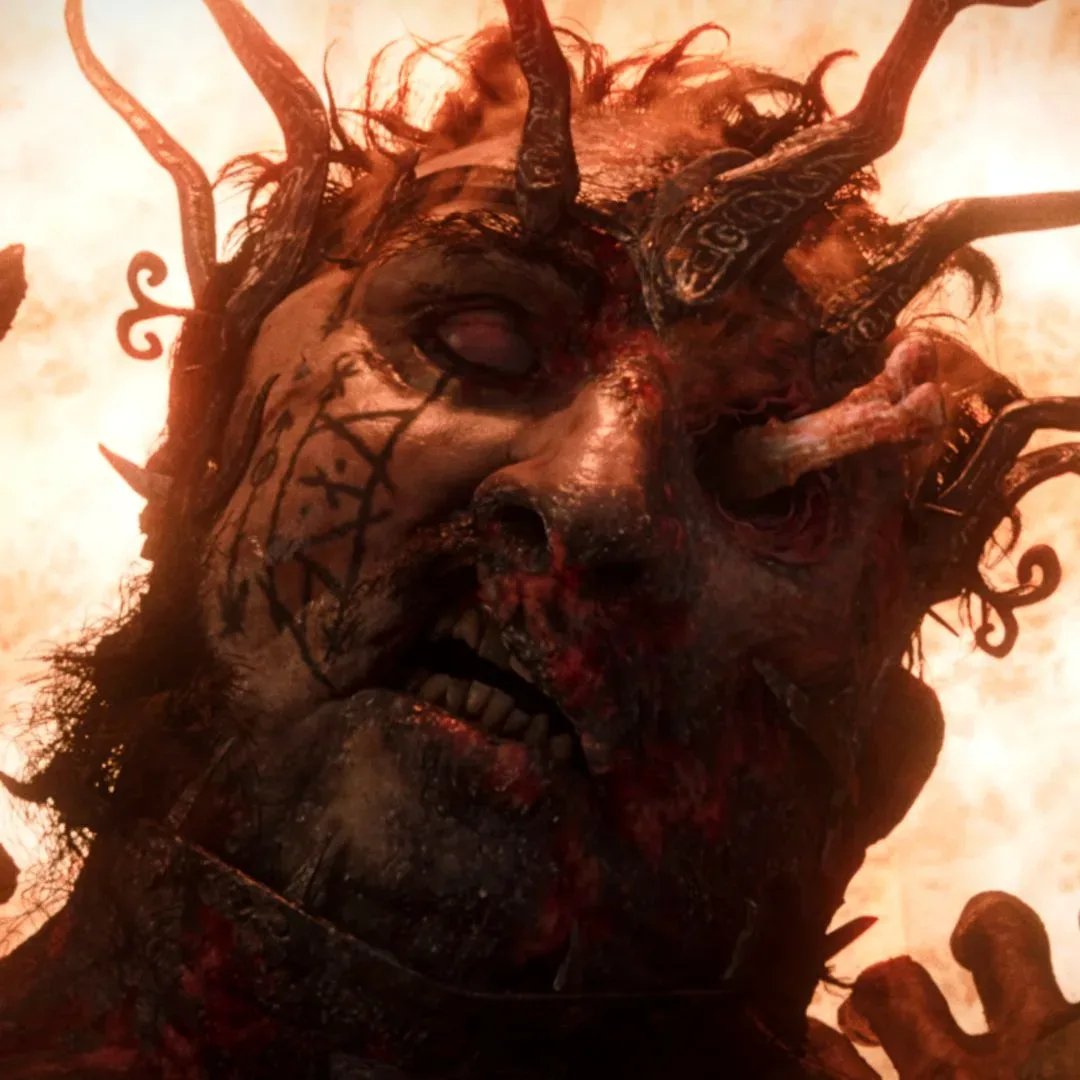
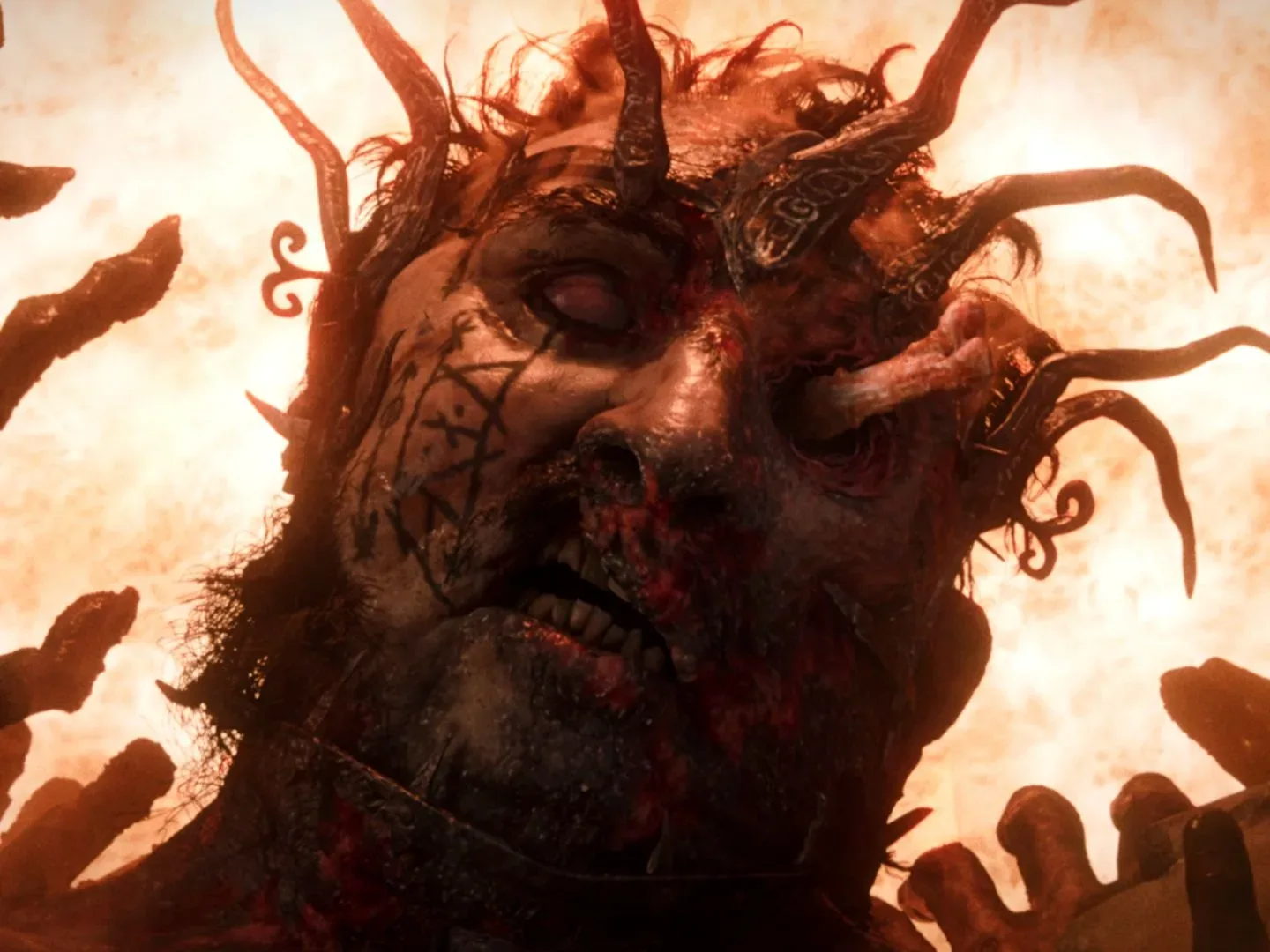
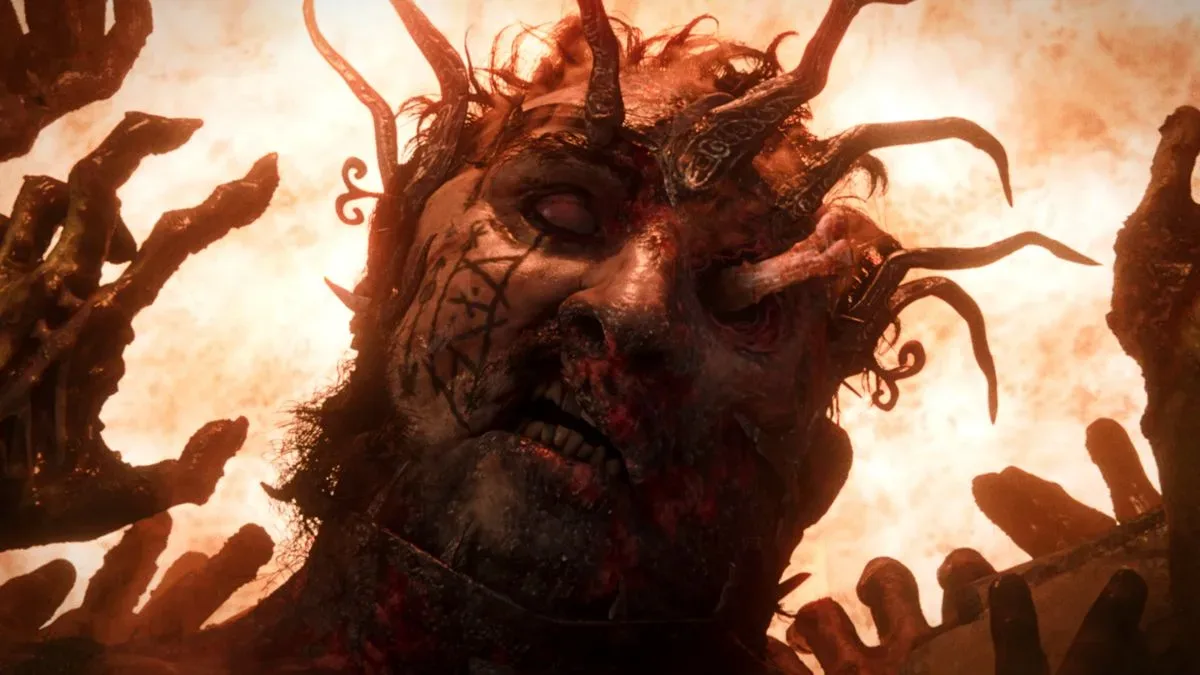
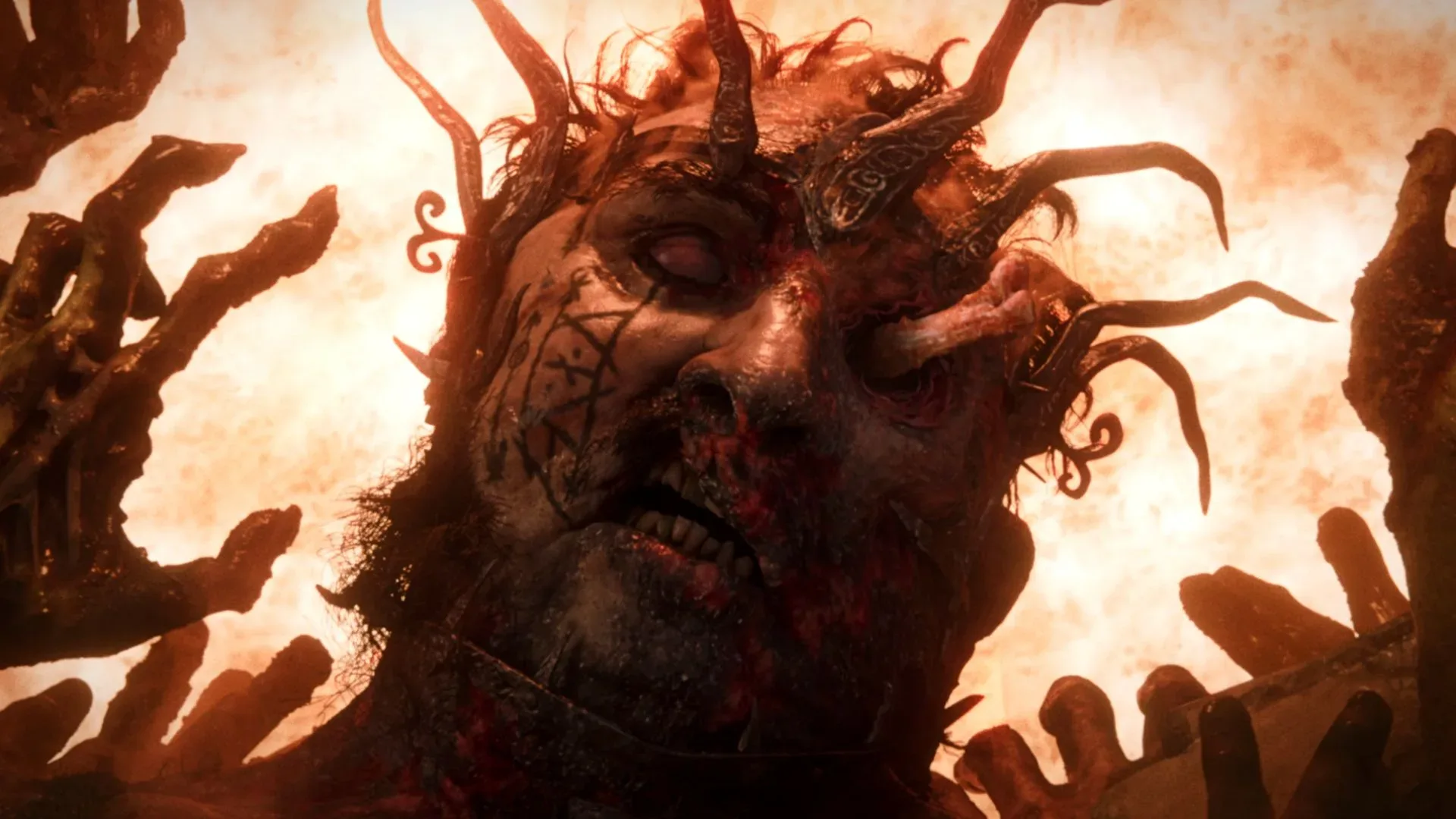
The new game’s reveal established that Larian is returning to the Divinity name after its work on Baldur’s Gate 3. Its trailer was conspicuously bloody and sexual, creating a deliberately provocative first impression. Yet a reveal trailer can set a tone without explaining the structure of the full game. Vincke’s later comments offer a different kind of signal: a reassurance that the developers’ previous work remains central to the project’s foundations.
The mention of both familiar and new developers is especially worth noting. “Pretty much the same team” should not be mistaken for a claim that every person from earlier projects is back, and Vincke did not give a headcount. Still, the addition of a new group points to Larian expanding the people contributing to its next game while maintaining continuity with the teams behind Original Sin 2 and Baldur’s Gate 3.
That blend brings opportunity as well as expectation. Existing team members can carry forward hard-won experience; new contributors can bring additional skills and ideas. The challenge, as ever, is turning a larger creative effort into a coherent game rather than a very expensive bag of unrelated wizard tricks. Vincke’s statement does not claim that work is complete. It openly says the opposite.
What players can reasonably expect now
For now, the most sensible takeaway is patience. The next Divinity is real, it has been publicly revealed, and Larian has tied it directly to the development heritage of Divinity: Original Sin 2 and Baldur’s Gate 3. But the studio is not signaling the finish line. It is signaling that the build continues.
That distinction is useful in a period when anticipation can inflate every morsel of information into an imagined launch plan. There is no confirmed release date in Vincke’s comments. There are no confirmed platforms. There is no confirmed breakdown of the features that make the project larger than Baldur’s Gate 3. The safest expectation is simply that Larian intends to make another large-scale Divinity RPG with significant continuity in its development talent and design lineage.
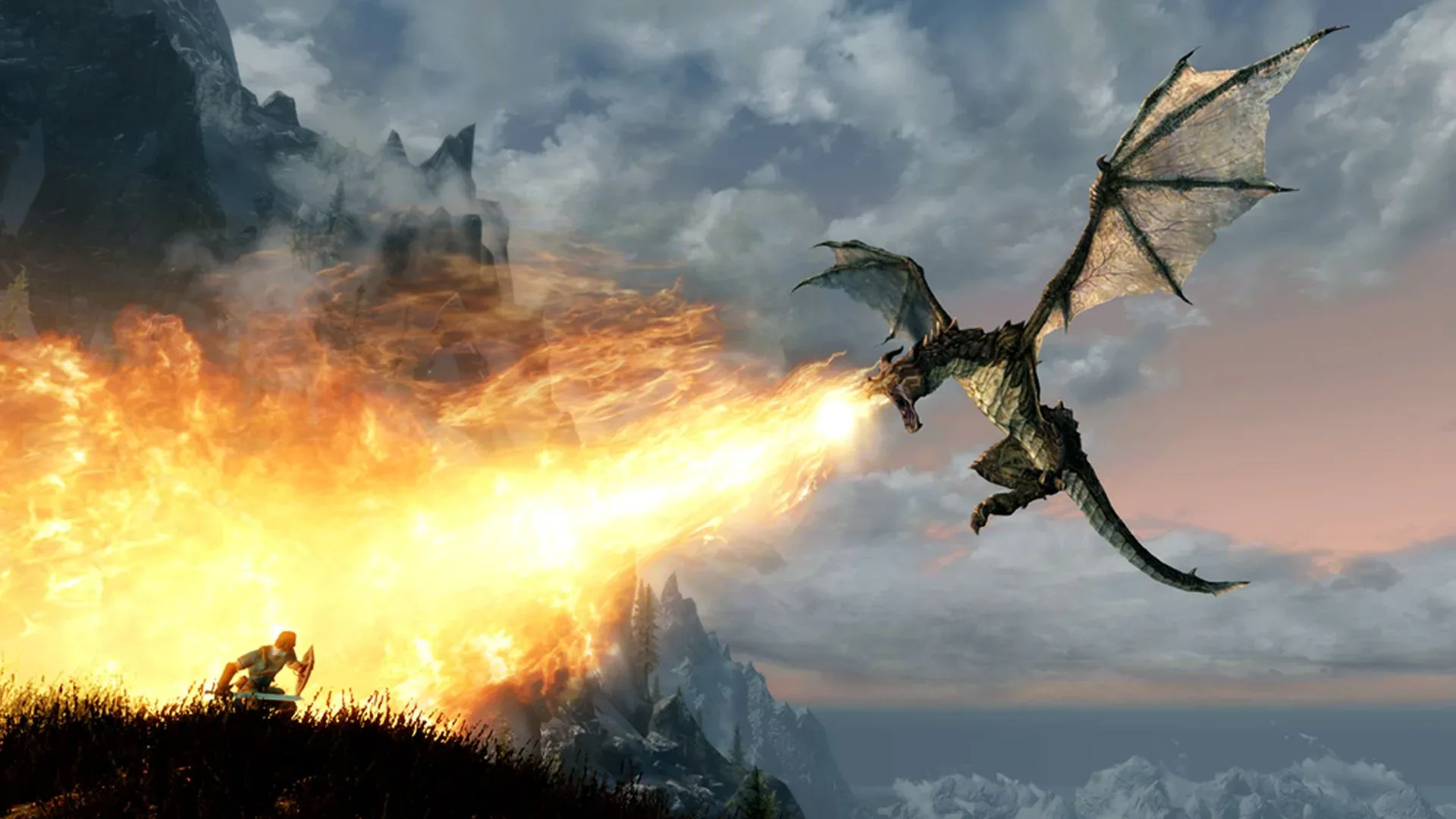
For anyone needing something to do while waiting, revisiting the broader fantasy-RPG conversation may be safer than counting individual days on a calendar. After all, even Bethesda once found that an idea involving 7,000 literal steps was a bit much, as explored in the story behind Skyrim’s Seven Thousand Steps. Larian has not supplied a number for its remaining workload, thankfully. “A lot” is plenty ominous—and refreshingly honest.