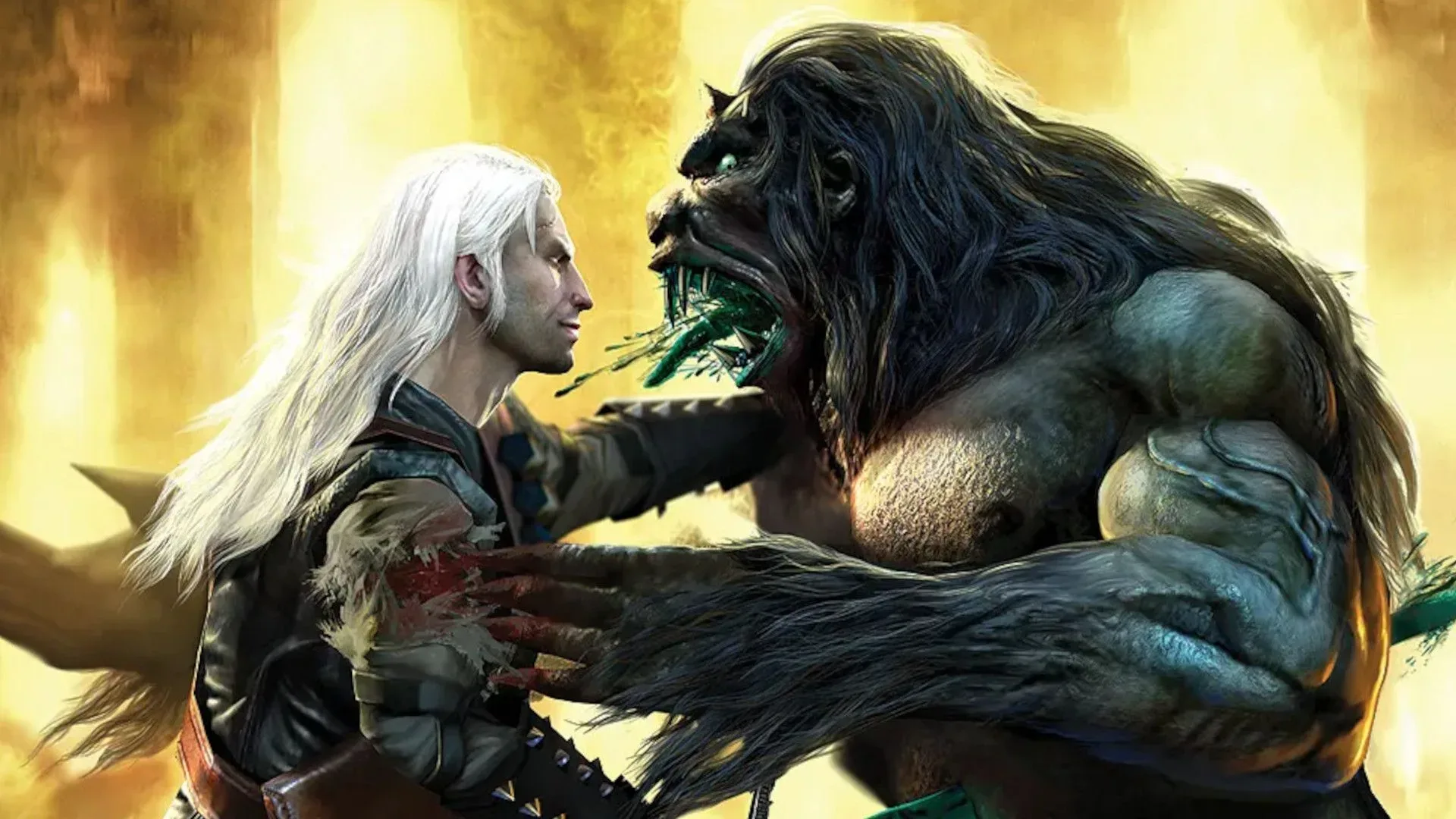
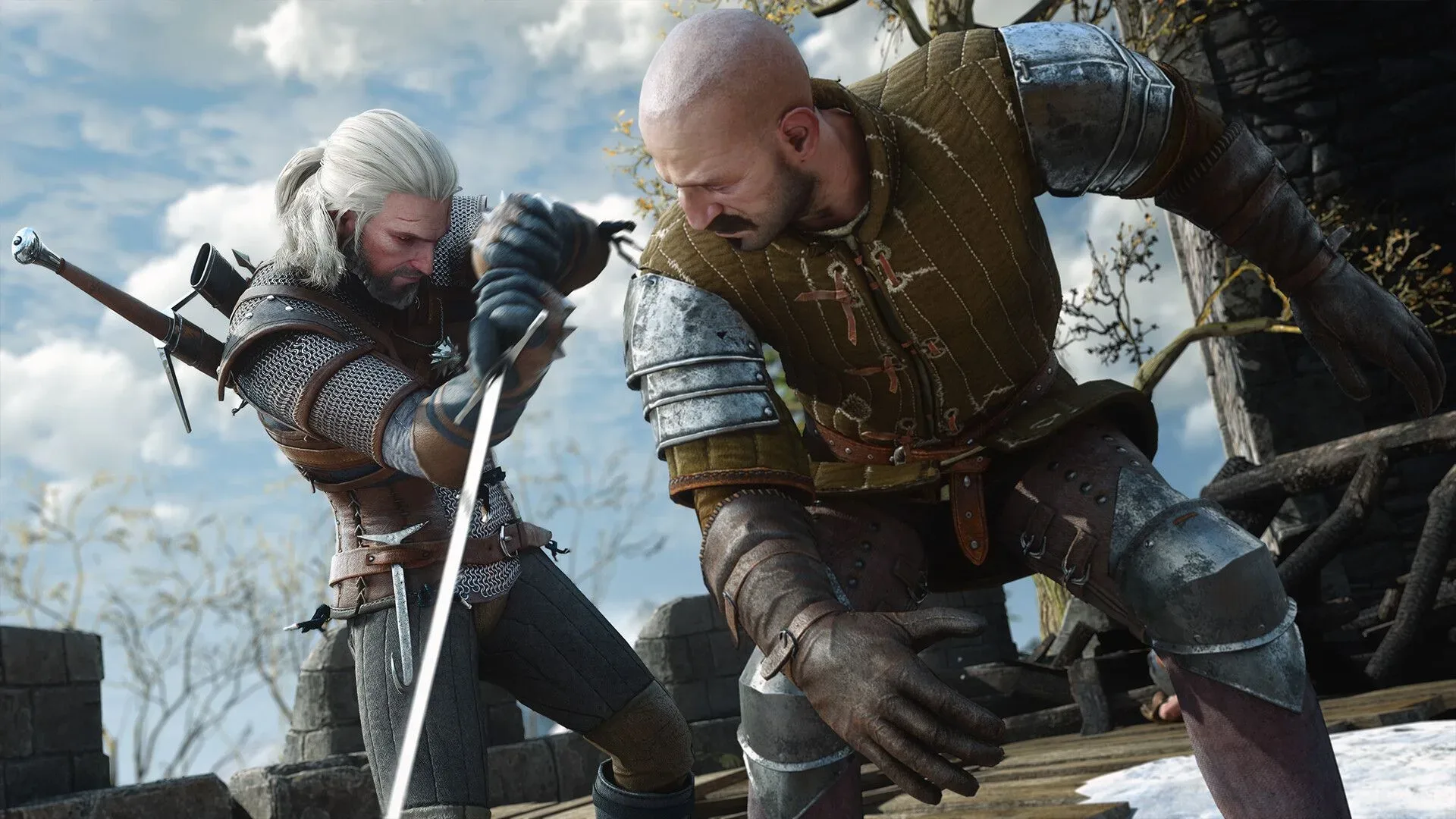
CD PROJEKT RED has brought writer Baudelaire Welch onto Project Sirius, its in-development multiplayer project set in the world of The Witcher. Welch said they joined the studio as a Senior Writer Specialist, while making clear that they cannot discuss the game itself yet.
That restraint matters. Project Sirius remains a largely unknown quantity publicly: its working title is known, it is associated with multiplayer, and it underwent a confirmed reboot in 2023. Beyond that, details about its setting, structure, characters, modes, platforms and release timing have not been established here. Welch’s hiring is therefore meaningful as a look at the kind of storytelling experience joining the project, rather than confirmation of a particular feature or narrative direction.
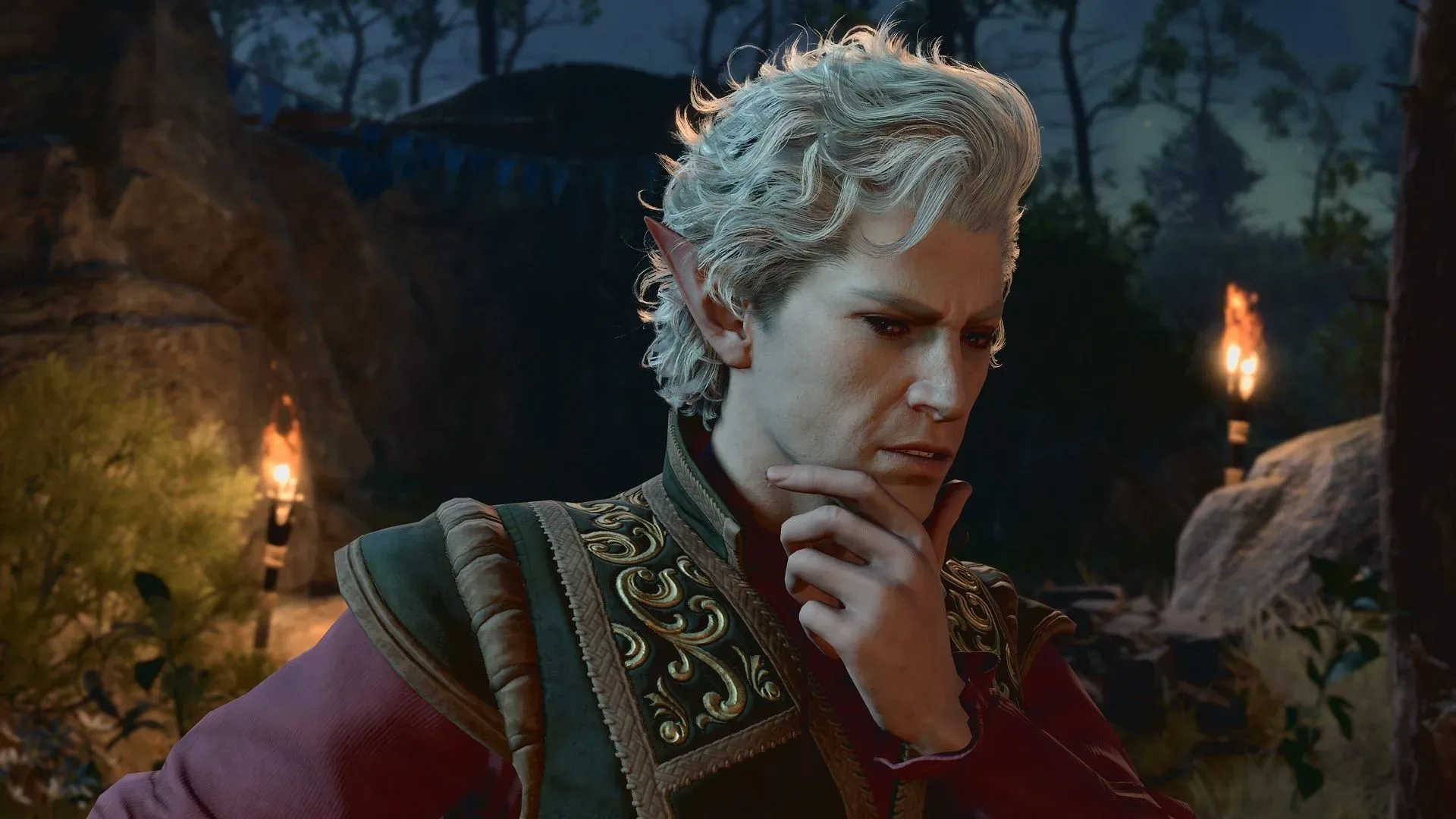
Welch previously worked at Larian Studios as a senior narrative designer on Baldur’s Gate 3. Their credits include leading the Dark Urge storyline, contributions to Astarion’s romance scenes, and work across the game’s companion questlines. That body of work puts the spotlight on a recurring challenge for any multiplayer game with a famous role-playing universe attached: how to make a shared experience feel authored, reactive and personal without promising specifics the game has not announced.
For now, the clearest news is straightforward. A writer with prominent experience in branching fantasy RPG narrative has joined the team building Project Sirius.
For more context, explore VisionQuest Nearly Brought Back Tony Stark by Voice, but Its Budget—and Story—Said No.
What Welch said about joining CD PROJEKT RED
Welch publicly shared that they had joined CD PROJEKT RED to work on The Witcher, describing the move as an exciting opportunity and saying that fantasy is where their heart lies. They also referred to “many thrilling Trials” ahead, but explicitly said they could not talk about the game.
“Can’t talk about the game yet, but pleased to be here!”
The reference to Trials is appropriate language for the Witcher world, but it should not be read as a reveal about Project Sirius’s plot, progression systems, playable characters or activities. It is a welcome message, not a product briefing.
Welch also said the team had been welcoming during their first several months. That suggests the role began before the public post, although no exact start date is provided. It does not, by itself, indicate a development milestone or say how close the project may be to a formal reveal.
Why the Dark Urge credit stands out
In Baldur’s Gate 3, the Dark Urge is an Origin character selectable at the beginning of the game. An Origin character is a defined player character with a bespoke narrative framework rather than a completely blank avatar. The Dark Urge’s premise centers on an ongoing, violent compulsion, creating a storyline built around player choices and their consequences.
That is a particularly useful credit in any discussion of Welch’s narrative background because it involves more than writing flavor text or isolated scenes. A character path such as Dark Urge has to account for the player’s decisions, relationships, and place in the broader story. It has to work whether the player embraces the character’s impulses or resists them. In narrative-design terms, that means helping create a story that can branch while remaining coherent.
Branching narrative does not simply mean offering two dialogue buttons. It is the design of cause and effect across scenes: a decision can change how a companion reacts, what a future conversation means, or which version of an event a player sees. The source material identifies the Dark Urge as a fan-favorite part of a game packed with popular characters, but “fan favorite” is a response to a finished game and should not be turned into a forecast for Project Sirius.
Still, the appointment gives observers a concrete reason to expect narrative experience to be part of Project Sirius’s staffing priorities. It does not establish that the new game will use Origin-style protagonists, a morality system, romance mechanics, or Dark Urge-like choices. Those would all be assumptions.
Companion writing is relevant, even without a Project Sirius feature list
Welch’s listed work on Astarion’s romance scenes and the companion questlines in Baldur’s Gate 3 is another notable part of the résumé. Companion questlines are character-focused story arcs tied to party members. Romance scenes, meanwhile, ask writers to maintain a believable relationship across player behavior, tone and story progression.
That kind of work is important because a major fantasy setting can be remembered as much for its character relationships as for its monsters, politics or combat. The Witcher setting has a strong identity, and writing inside an established world brings a separate constraint: new material needs room to be its own thing while still feeling at home beside what players associate with the franchise.
There is no evidence here that Project Sirius contains a party system, companion quests or romances. But the hiring does show CD PROJEKT RED adding a writer whose experience includes emotionally specific character material alongside large-scale RPG narrative. For a project that is publicly described as multiplayer, that is an interesting balance of credentials.
What “senior writer specialist” can tell us—and what it cannot
Job titles vary from studio to studio, so Senior Writer Specialist should not be treated as a full description of Welch’s day-to-day work or authority on Project Sirius. At a basic level, it identifies a specialized senior writing role. It does not confirm leadership of the overall narrative, ownership of a particular character, or responsibility for a specific game system.
In game development, narrative work can cover dialogue, quests, character arcs, world-building, scene scripting and the ways player decisions are communicated through the game. The source does not say which of these areas Welch is handling on Project Sirius. Nor does it identify the size of the writing team or the project’s current production stage.
The useful takeaway is narrower: CD PROJEKT RED has added a writer with substantial RPG-story experience to the project. Anything beyond that—such as guesses about co-op story design or the project’s commercial model—would go beyond the available information.
Welch’s work beyond Baldur’s Gate 3
Welch’s website also lists work as a game designer on Crusader Kings 3. In addition, the available background says Welch has been working with Immortality creator Sam Barlow and filmmaker Brandon Cronenberg on psychological horror titles.
Those credits point to experience across distinct storytelling spaces: fantasy role-playing, strategy-game design, and psychological horror. It would be a mistake to frame those projects as templates for Project Sirius, since no connection has been announced. They are relevant instead because they suggest a career that is not limited to one type of narrative assignment.
The most directly applicable experience remains the fantasy RPG work. Welch specifically described fantasy as the genre closest to their heart, while calling CD PROJEKT RED a beloved celebrant of it. That enthusiasm is clear; the exact creative outcome will have to wait for the project itself to be shown.
Project Sirius is still defined by uncertainty
Project Sirius has been in development for several years and was rebooted in 2023. The reboot was followed by layoffs, with another round of layoffs noted earlier this year. Those facts provide necessary context for why fresh staffing news may draw attention, but they do not explain what changed creatively during the reboot or what version of the game is now being built.
A reboot generally means a project has been redirected in a significant way, but the public information provided does not specify whether that involved the concept, technology, narrative, multiplayer approach, scope, or any other individual component. Likewise, layoffs are significant for the people affected and for a studio’s development environment, yet they cannot be used to make definitive claims about Project Sirius’s condition without more detail.
That uncertainty should guide expectations. The game’s working title is Project Sirius. It is a multiplayer Witcher project. A respected RPG narrative creator has joined it. The rest remains unannounced.
What players should reasonably watch for next
The next meaningful Project Sirius update would be one that answers fundamentals rather than merely adding another name to the team. Players will eventually need to know what “multiplayer” means in practice, whether that is cooperative play, competitive play, or another format; what kind of character players inhabit; and how the game connects to the Witcher universe.
Narrative questions are equally important. Will the game tell a fixed story, support individual choices within a shared session, or emphasize repeatable activities over a traditional RPG campaign? No answer is available yet. Welch’s recruitment makes those questions more interesting, not resolved.
Until CD PROJEKT RED offers official game details, the safest reading is that Project Sirius is continuing development and strengthening its writing talent. For additional reporting focused on the appointment, see this Project Sirius hiring update.
For fans of both series, Welch’s background makes the move easy to understand. The Dark Urge, companion stories and romance work in Baldur’s Gate 3 all involve character-centered writing with room for player agency. Whether and how that expertise shapes Project Sirius is unknown. But it is a credible addition to a Witcher project whose biggest unanswered question is still what it will be.