Warning: major VisionQuest spoilers follow, including the post-credits scene in episode 8.
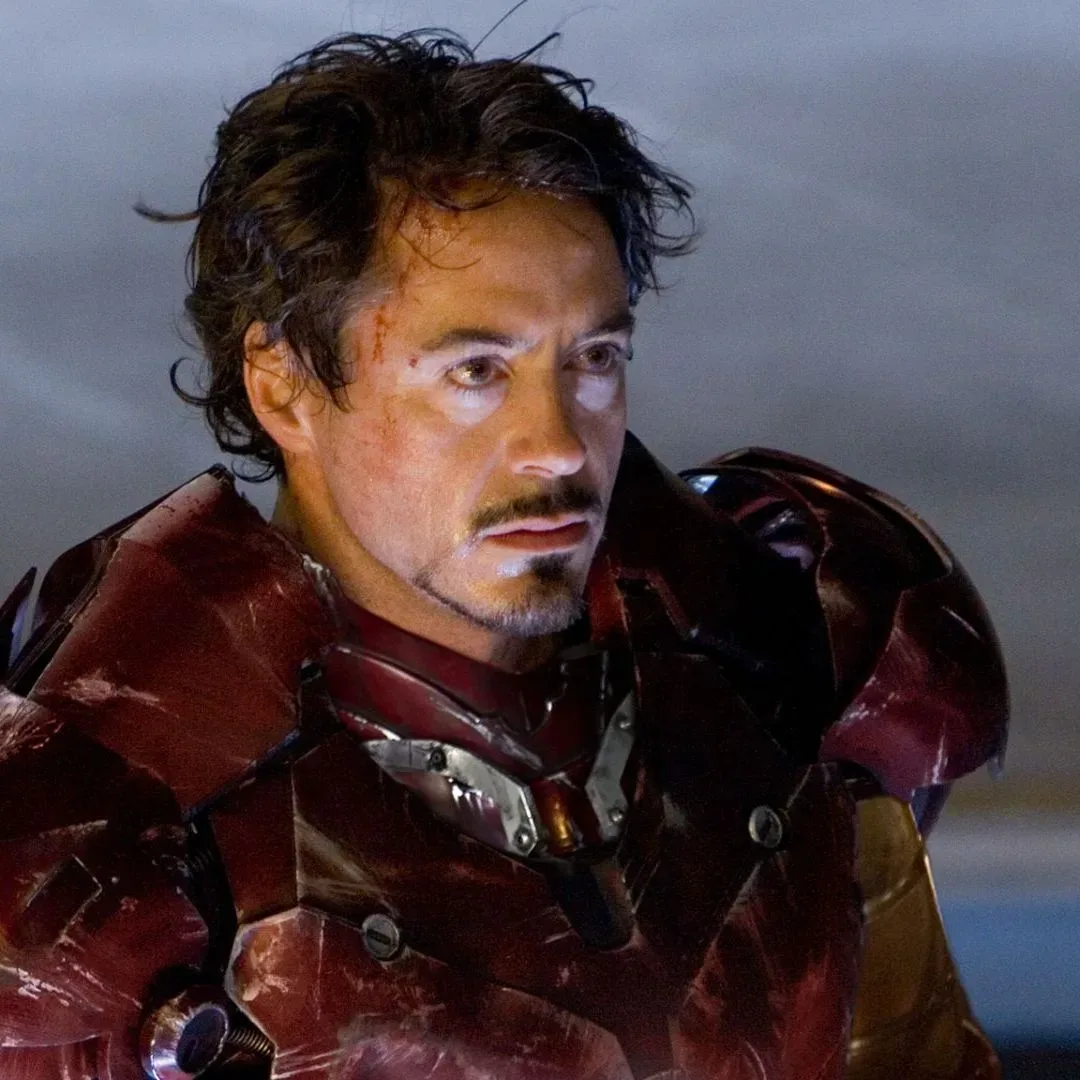
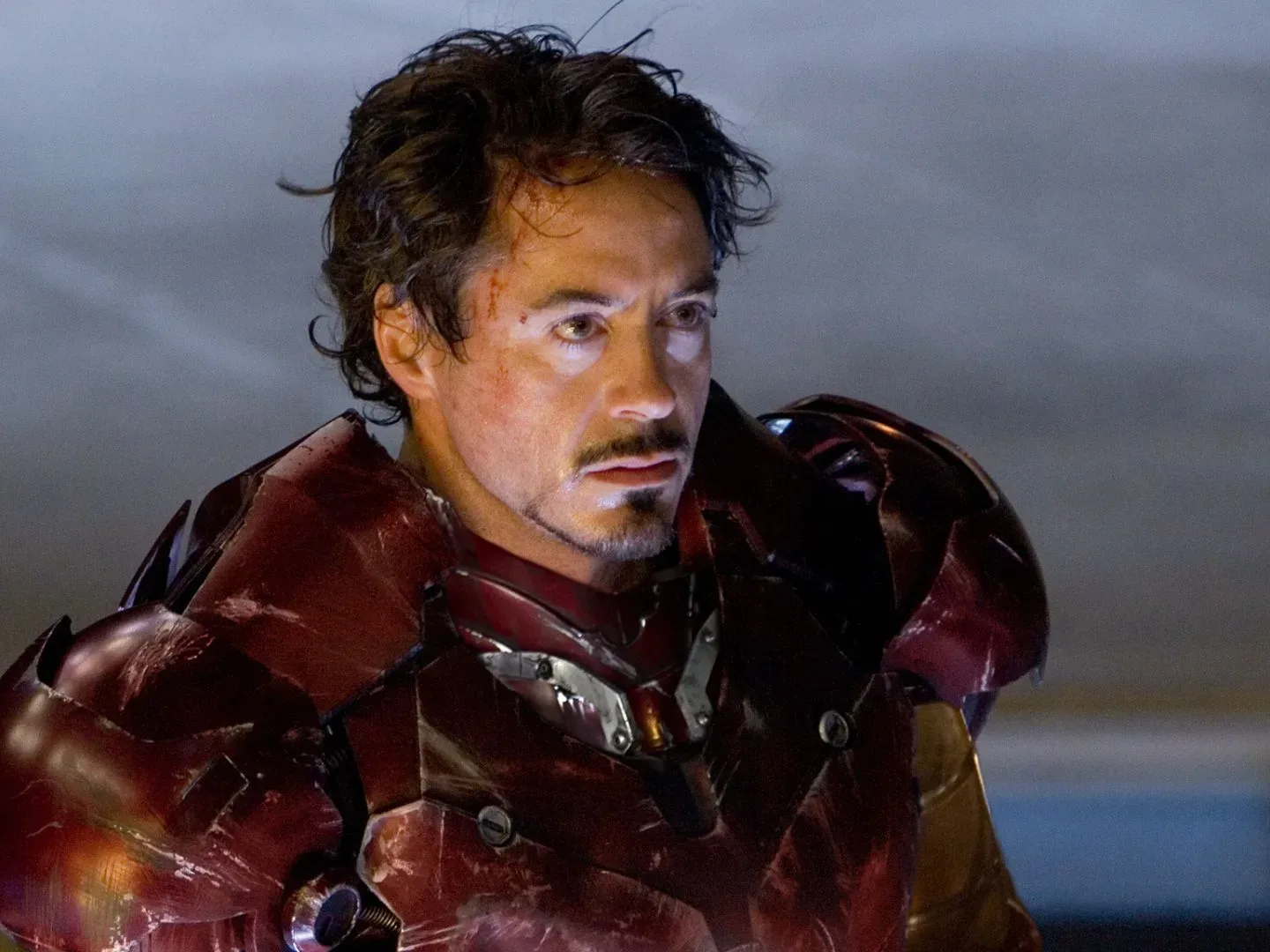
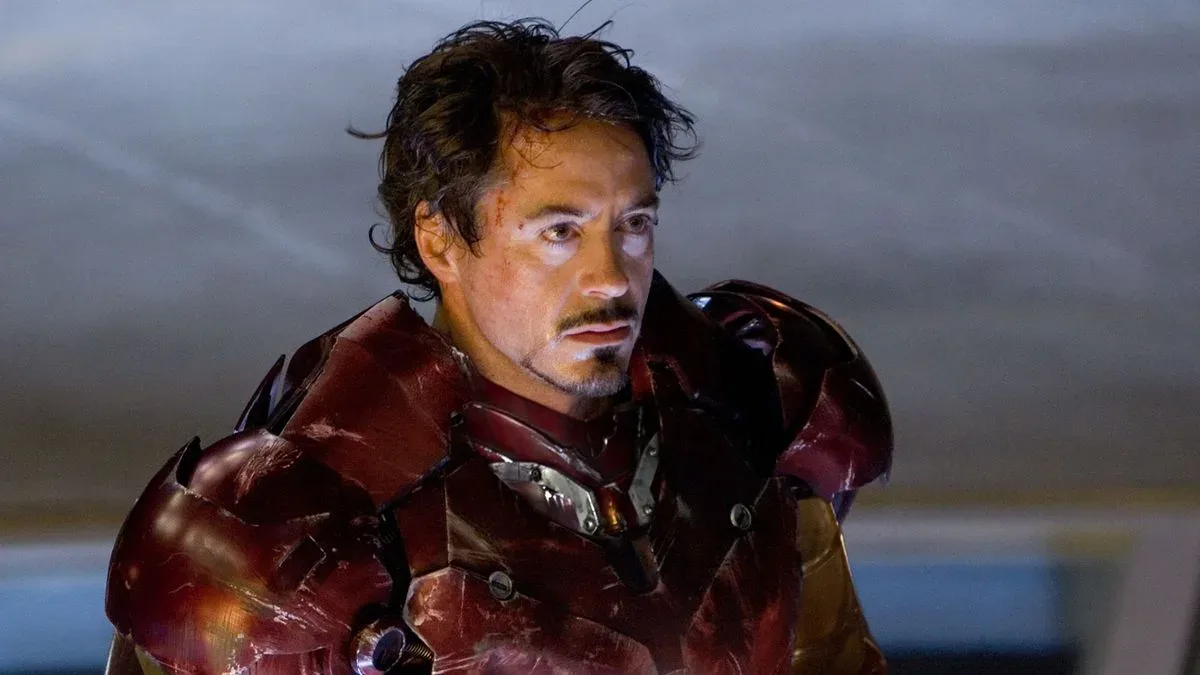
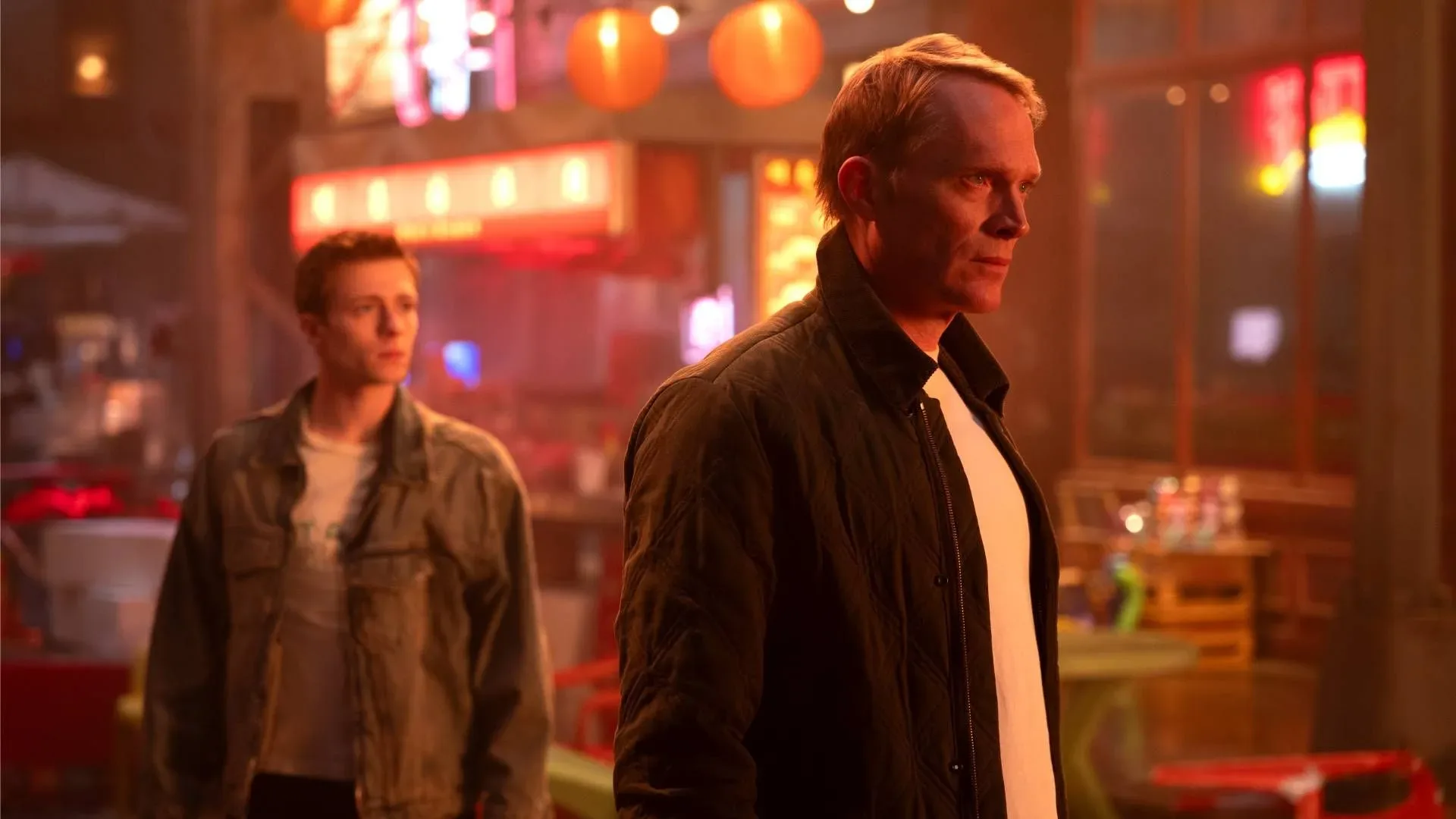
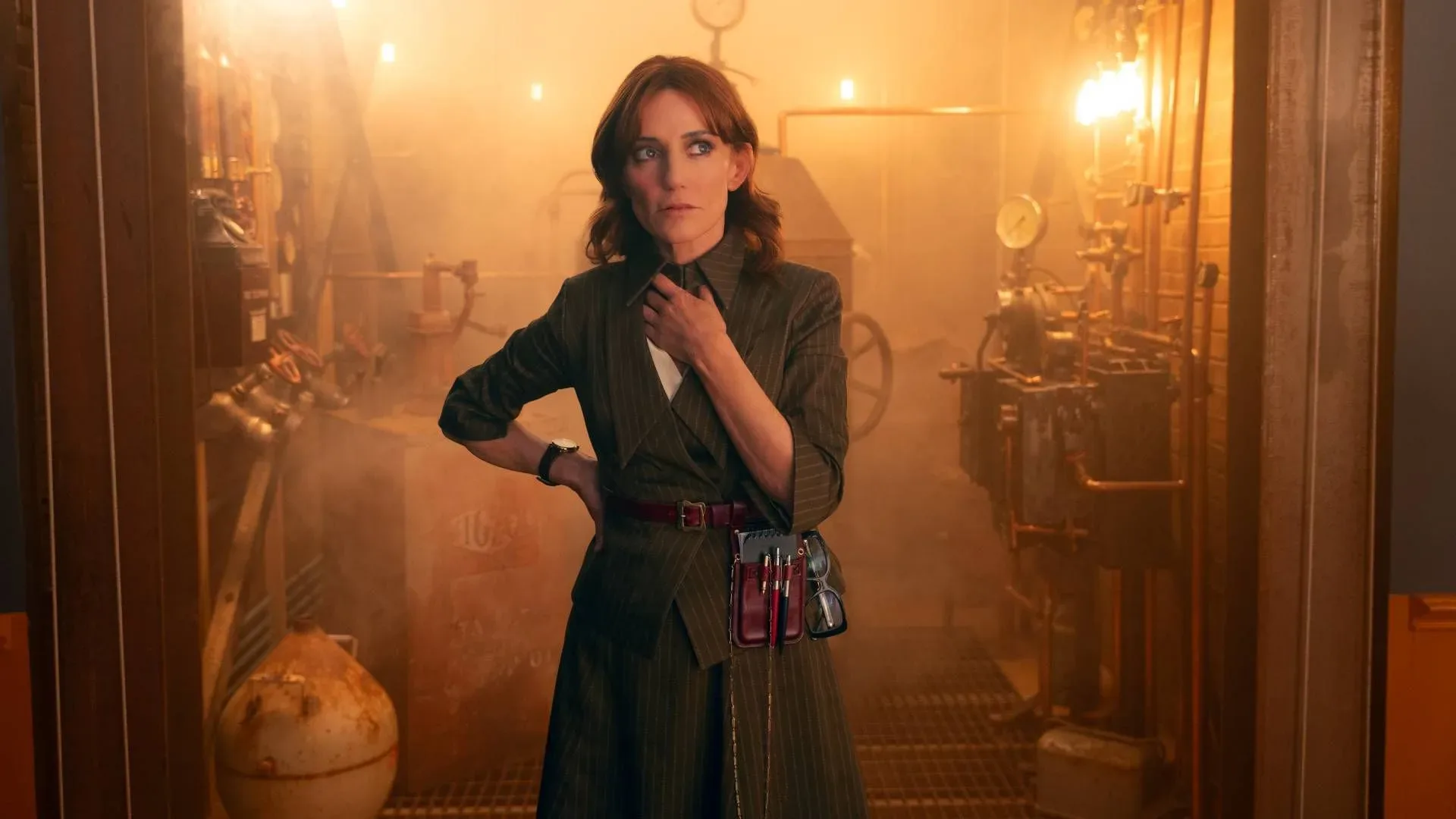
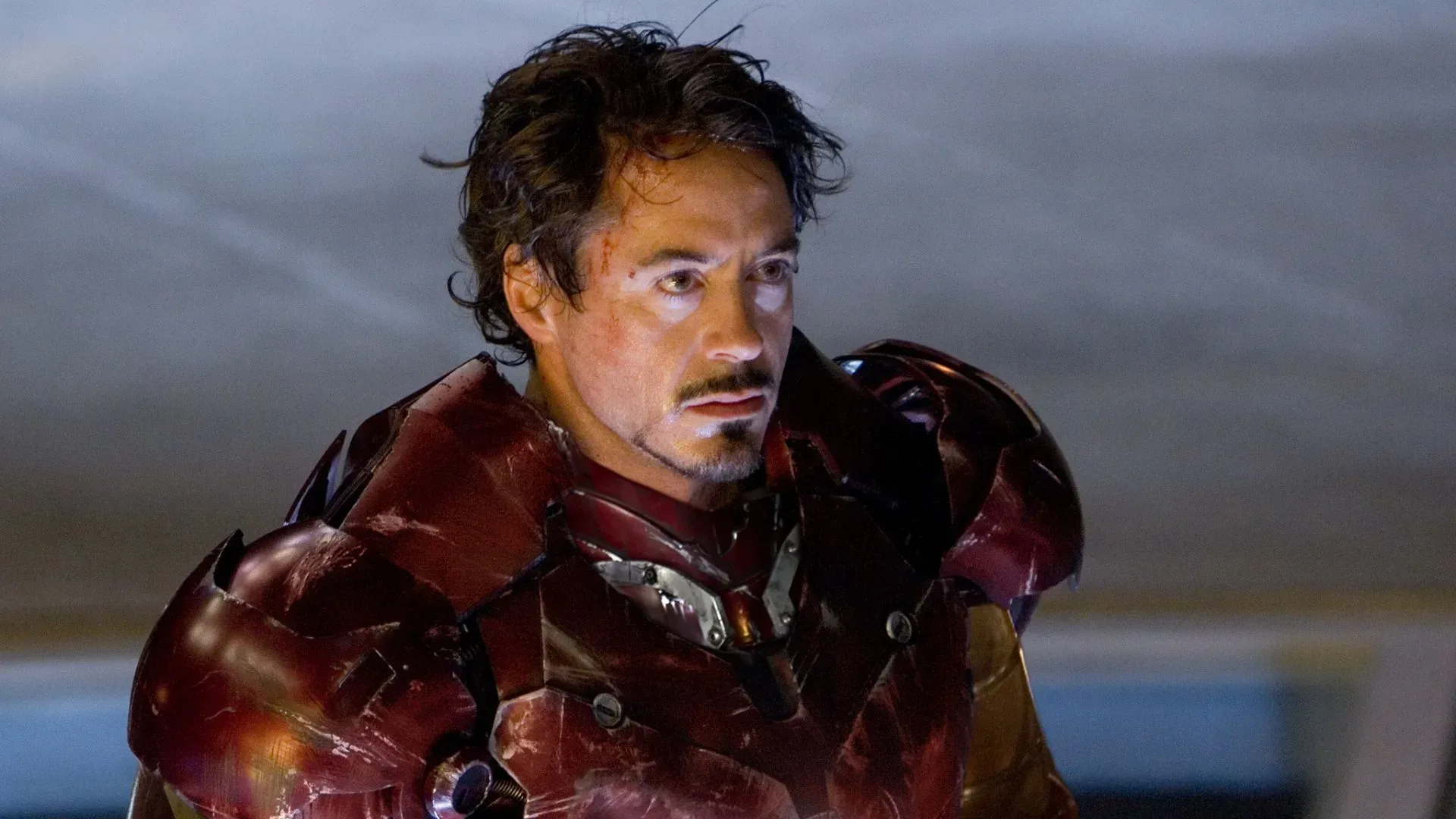
VisionQuest came close to adding another Robert Downey Jr. appearance to its Marvel puzzle box—but not as Doctor Doom. Showrunner Terry Matalas has revealed that he considered bringing in Downey’s Tony Stark for an earlier-season voice cameo. The scene would have put an older, pre-Iron Man version of Stark in contact with Katerina Wells, played by Mary McDonnell, over the artificial-intelligence code at the heart of the series’ expanded backstory.
It is a fascinating near-miss because it sits directly at the intersection of character history, franchise mythology and a very unglamorous limitation: a television production budget. Matalas said there was no rule preventing Tony Stark from appearing on screen. The hurdle was not a fictional ban or continuity decree. Instead, the potential cameo was weighed as a major practical request—and then as a creative choice that might pull attention away from VisionQuest’s own story.
That distinction matters. The absence of a famous face is often treated as a mystery for fans to solve. Here, the explanation is much simpler and arguably more revealing: not every piece of Marvel history needs to arrive with a star cameo attached, even when the performer is already connected to the project through a different role.
The Tony Stark call Matalas considered
Matalas described a possible scene in which Tony Stark would call Katerina Wells and demand action over the code. The proposed Stark was explicitly the version from before the Jericho missiles: an older point in the character’s timeline, before the transformation associated with becoming Iron Man.
In the concept Matalas outlined, Stark would have told Wells that her time with the code had run out and pressed her to sell it to him so that he could use it in his own work. Even in summary, the idea gives the scene a clear dramatic job. It would not merely have existed as a recognizable voice in the background. It would have positioned Stark as a determined buyer who understands the commercial and technological value of something Wells possesses.
That is a meaningful use of a cameo. Rather than have Tony Stark deliver a wink toward the audience, the call would have linked him to the chain of decisions around a vital piece of artificial-intelligence research. But Matalas also recognized the catch: a moment designed to establish Stark’s interest could easily become a moment remembered chiefly because Downey Jr. said a few lines.
“Things cost money,” Matalas said while explaining that VisionQuest operates on a television-show budget. He added that securing Downey for the recording would have been “a big ask.”
A voice performance can sound modest on paper. It is not necessarily modest in the real world, particularly when the actor is one of the most recognizable figures in the wider franchise. The relevant point is not that a voice cameo has no production demands; it is that its value must be measured against what it costs and what it changes on screen. Matalas’ comments frame the abandoned scene as a sensible calculation rather than a missing piece of required continuity.
What “pre-Iron Man” changes about the idea
The proposed call was not simply Tony Stark, full stop. It was Tony from before the Jericho missiles. That detail is essential because it identifies the scene’s intended dramatic texture.
Within Matalas’ description, this earlier Stark is interested in acquiring the code and turning it into his own projects. The concept therefore emphasizes ambition, leverage and ownership. It is less about using Tony as a retrospective mentor to Vision and more about locating Stark in the business and research history that eventually feeds into Vision and Ultron.
That chronology also explains why the scene could function without requiring new Tony Stark footage. A voice from the past can establish a historical connection while leaving VisionQuest’s present-tense characters in control of the episode. It is a familiar storytelling tool: the audience receives a piece of history, but the current plot does not have to pause for a full guest-star detour.
Still, “could function” is not the same as “must function.” Matalas said that, having now met Downey, he would in retrospect have tried to make the call happen because the actor is “wonderful.” Yet he also concluded that it might have taken something away from the story. That second thought is the more important one for understanding the finished season. The series already has to carry the weight of Stark’s legacy, Vision’s origins and Ultron’s legacy without allowing an extra appearance to re-center the narrative around Tony.
The code is the real connective tissue
VisionQuest does not leave Tony Stark out of the story entirely. It adds information about his pre-Iron Man past by revealing that he bought Markridge Biotech for its artificial general intelligence code. The research was developed by Dr. Josephine Carrington and Virgil Horton, also known as The Client. That code became the basis for both Vision and Ultron.
That revelation does substantial narrative work without a fresh on-camera Stark appearance. It connects Tony to Markridge Biotech, connects Markridge’s work to Carrington and Horton, and then connects that research to two of the franchise’s most consequential artificial beings. The resulting picture is one of technological lineage rather than one isolated invention suddenly appearing from nowhere.
Artificial general intelligence, often shortened to AGI, is the term VisionQuest uses for the code in question. In this specific story context, the important takeaway is not a real-world claim about current AI capabilities. It is that the code is portrayed as sufficiently foundational to become part of the basis for both Vision and Ultron. That gives it unusual significance in the show’s fictional technological history.
There is also a storytelling advantage to keeping the focus on the code and the people tied to it. The audience is invited to consider who created it, who attempted to control it, who bought it and what it ultimately enabled. A Tony Stark voice cameo could have sharpened one step in that chain. The final version instead allows the chain itself to be the revelation.
It is an approach that treats lore as infrastructure. The code does not exist simply to decorate a familiar character’s biography; it explains why the show’s new and returning figures matter. In a franchise full of powerful personalities, that can be a sturdier foundation than another celebrity arrival.
Why the budget comment is more than a throwaway
“Television budget” is an especially useful phrase here because it counters the assumption that streaming series can automatically summon every movie-scale element associated with their universe. A show can belong to an enormous franchise and still have to make selective choices about where its resources go.
Matalas did not provide a figure for the potential cameo, so there is no basis to calculate what it would have cost. Nor does his account establish that money was the only factor. What it does establish is that cost was part of the discussion, alongside the creative concern that the scene could have detracted from the existing story.
Those two considerations often reinforce one another. If an expensive addition only marginally improves a plot point—or risks overpowering it—the case for leaving it out becomes much stronger. That is not an admission of defeat. It is editing at the production level: deciding what a series needs badly enough to justify its limited space and resources.
It is also worth separating a performer’s participation from a character’s narrative importance. Tony Stark does not need to speak in VisionQuest for the series to establish his relationship to Markridge Biotech or the AI code. The show can make him consequential through history, purchases and outcomes. Meanwhile, Katerina Wells, Carrington, Horton, Vision and Ultron remain closer to the actual subject under examination.
Production choices behind television are not always visible when an episode lands, but they shape the form viewers ultimately see. For a broader look at the work and structures behind screen imagery, Joking Joystick has covered the International Cinematographers Guild’s 100-year milestone. VisionQuest’s lost cameo is a separate case, but it makes the same broad point: entertainment’s finished images and sounds are the result of creative priorities meeting real production constraints.
Doctor Doom gets the surprise instead
Although Tony Stark receives no new footage in VisionQuest, Downey Jr. does appear in the season’s most startling late-game development—as Doctor Doom. In one of episode 8’s post-credits scenes, Doom awakens Wanda Maximoff, the Scarlet Witch, after she had buried herself beneath Mount Wundagore.
A post-credits scene is an additional sequence placed after the main episode credits, commonly used to offer a final reveal or point toward an upcoming thread. VisionQuest uses that space for a far larger shock than the unrealized Stark call would likely have been. Rather than looking backward at the origin of the code, the scene pushes forward through Wanda’s return and Doom’s intervention.
The contrast is striking. The prospective Tony cameo would have been historical: a voice from before the character became Iron Man, discussing the acquisition of technology. The Doom moment is present-facing and disruptive: a major villain connected to Wanda at a moment when she is thought to be buried under Mount Wundagore. One deepens backstory; the other rearranges expectations for what comes next.
That may further support Matalas’ assessment that another Downey appearance could have been too much. Even if the performances would have represented distinct characters, the season already has a climactic Downey-associated surprise. Adding Tony earlier might have changed how audiences read that later scene, or simply encouraged attention to drift toward the meta-question of the actor’s dual Marvel presence.
What VisionQuest leaves deliberately open
The episode 8 post-credits sequence has naturally encouraged speculation about Wanda Maximoff, Doctor Doom and the future direction of the Maximoff family. Some viewers believe they have identified comic-book material that could inform Avengers: Doomsday and Secret Wars. That remains fan interpretation, not confirmation of what those films will adapt.
The more concrete VisionQuest development is the information the show actually provides: Tony Stark bought Markridge Biotech for its AGI code; Carrington and Horton developed that code; it went on to underpin Vision and Ultron; and Doom awakens Wanda in the post-credits scene. Those are the pieces available to assess without promoting theories into fact.
In that light, the missing Tony voiceover becomes an interesting alternate version of the season, not an unfinished obligation. It would have made Stark’s acquisition of the code more immediate and personal. It might also have supplied a satisfying burst of recognition. But VisionQuest already has a way to tell that part of its history, and its showrunner’s own hindsight suggests the restraint may have served the larger narrative.
For viewers, the practical takeaway is simple: the Stark connection is canonically meaningful even without a new Tony appearance. The show’s lore gives his past purchase a major place in the origin trail behind Vision and Ultron. At the same time, the season reserves its direct Downey-powered surprise for Doctor Doom and Wanda Maximoff—a choice with much more immediate implications than a phone call about a sale ever could have had.