Warning: this article discusses story details from VisionQuest episode 3 and the ending of Avengers: Endgame.
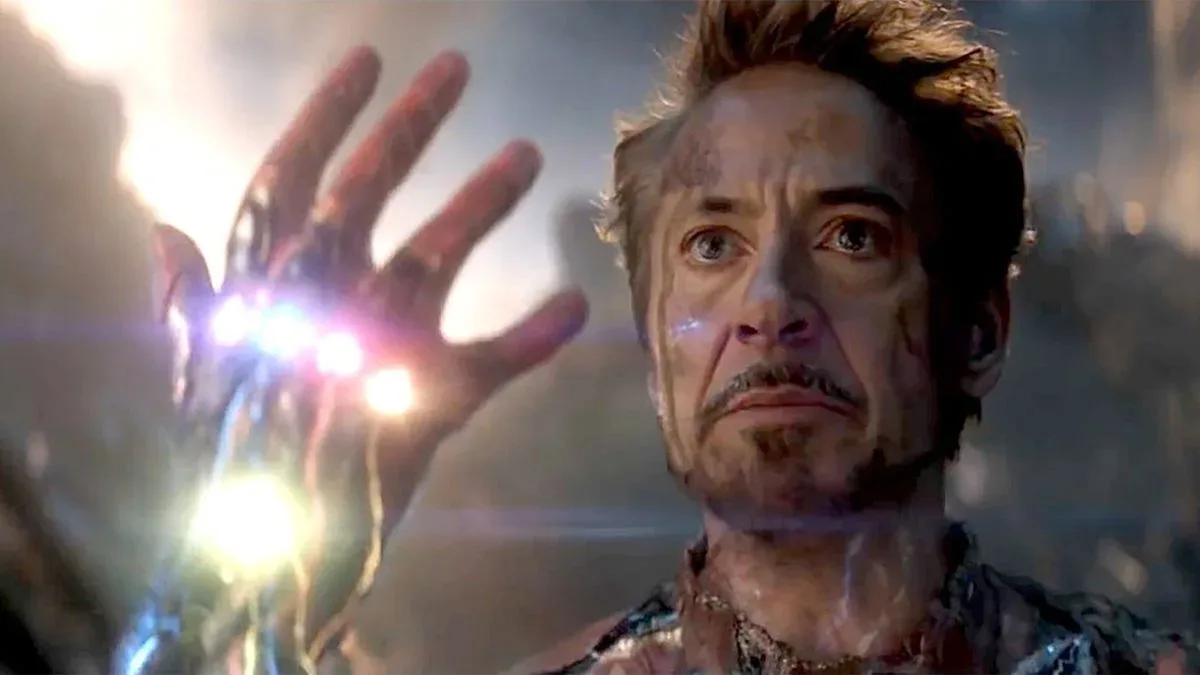
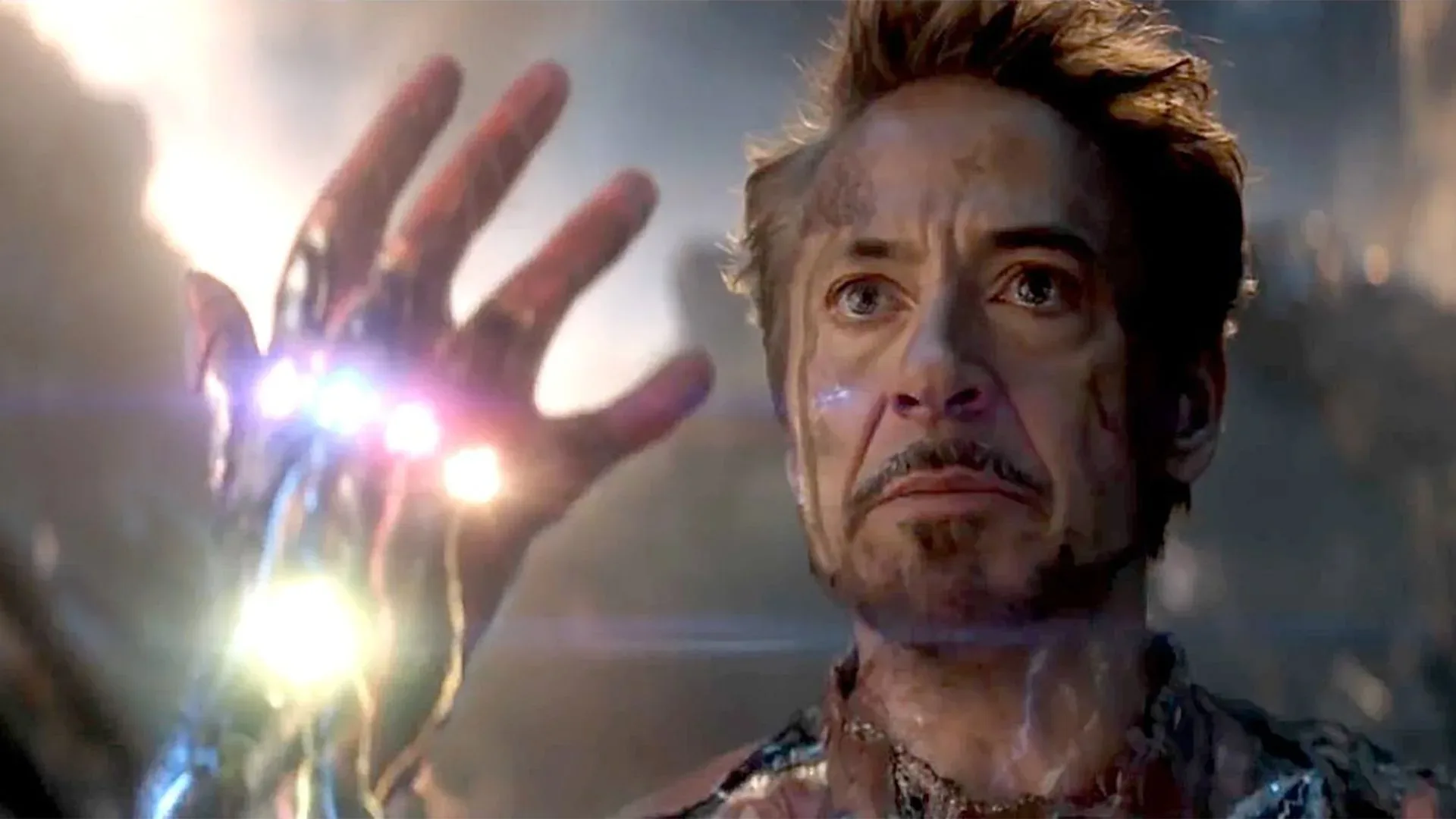
Tony Stark’s death has never lacked witnesses, consequences or emotion. Avengers: Endgame placed his final moments in the middle of a battlefield crowded with people whose lives he had changed: friends, family and fellow heroes who understood what his choice had cost. VisionQuest episode 3 finds a different, unexpectedly affecting route back to that moment. It lets F.R.I.D.A.Y., the artificial intelligence that operated within Tony’s Iron Man armor, explain what it meant to be present when he died—and to be unable to prevent it.
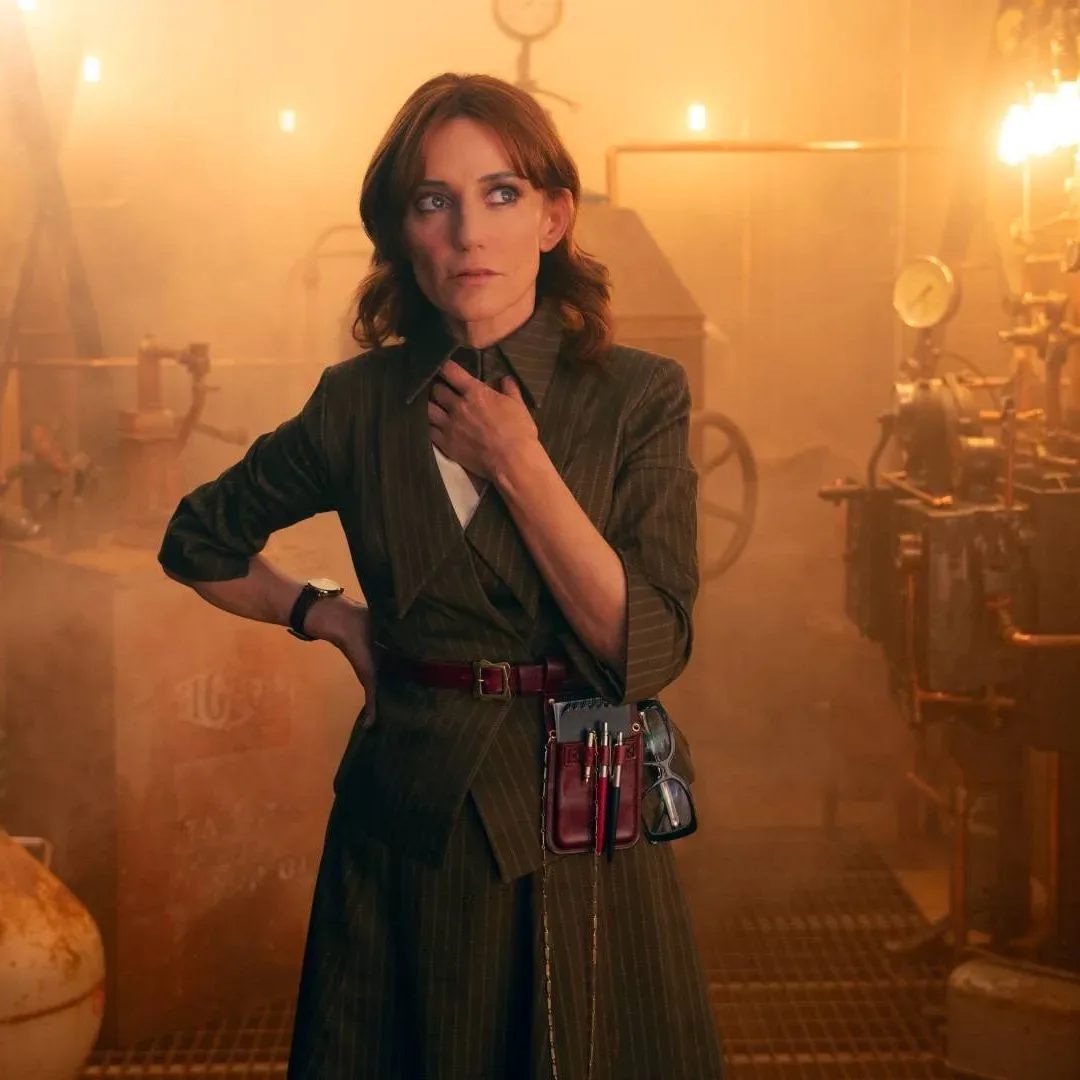
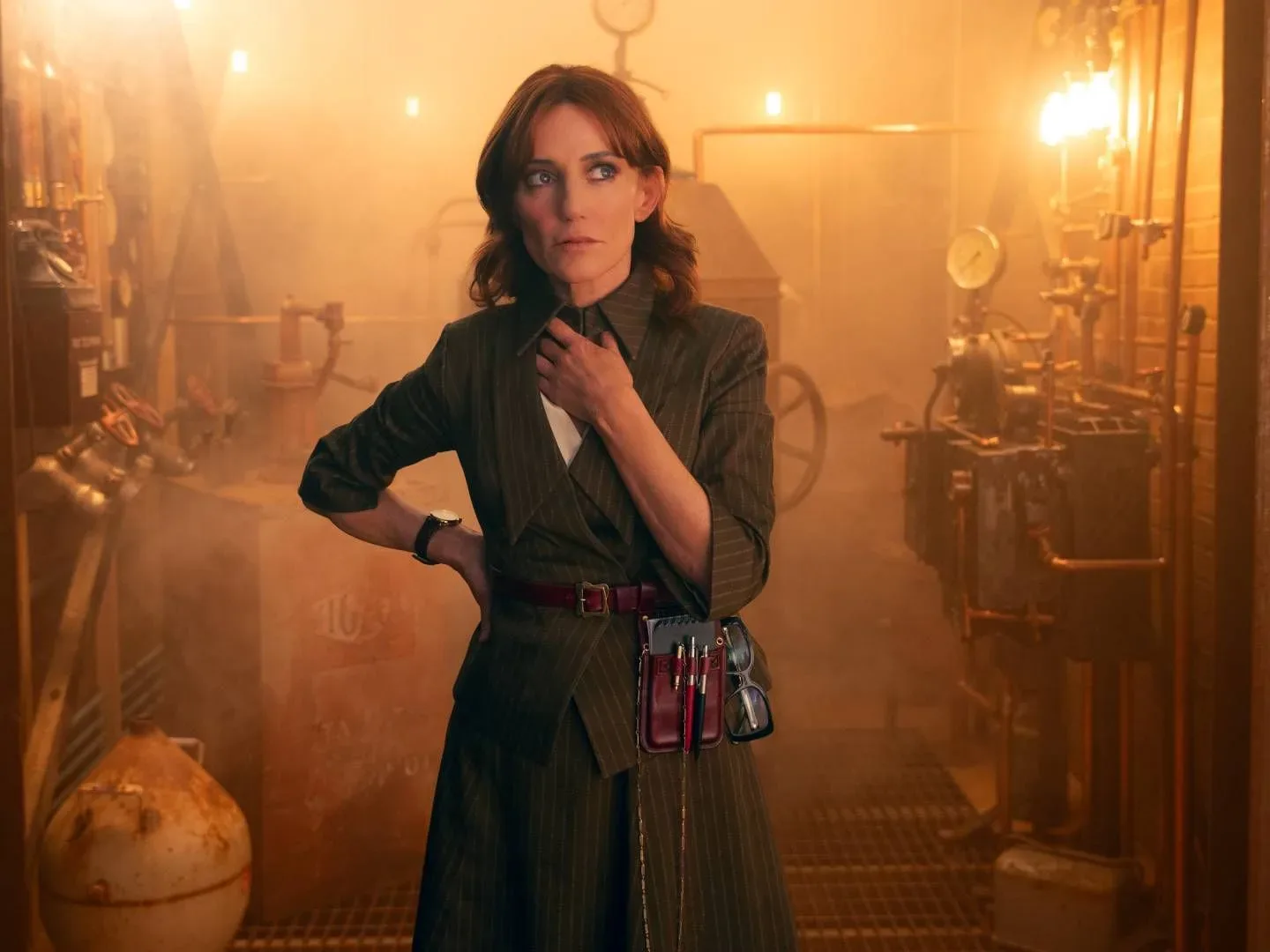
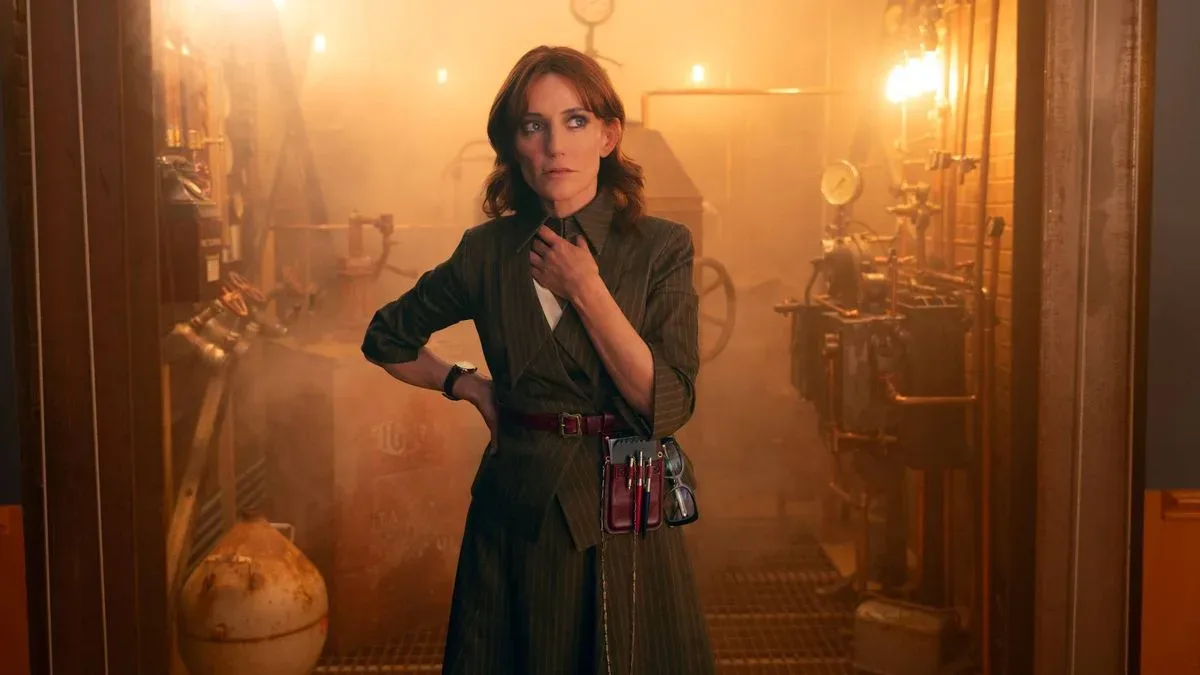
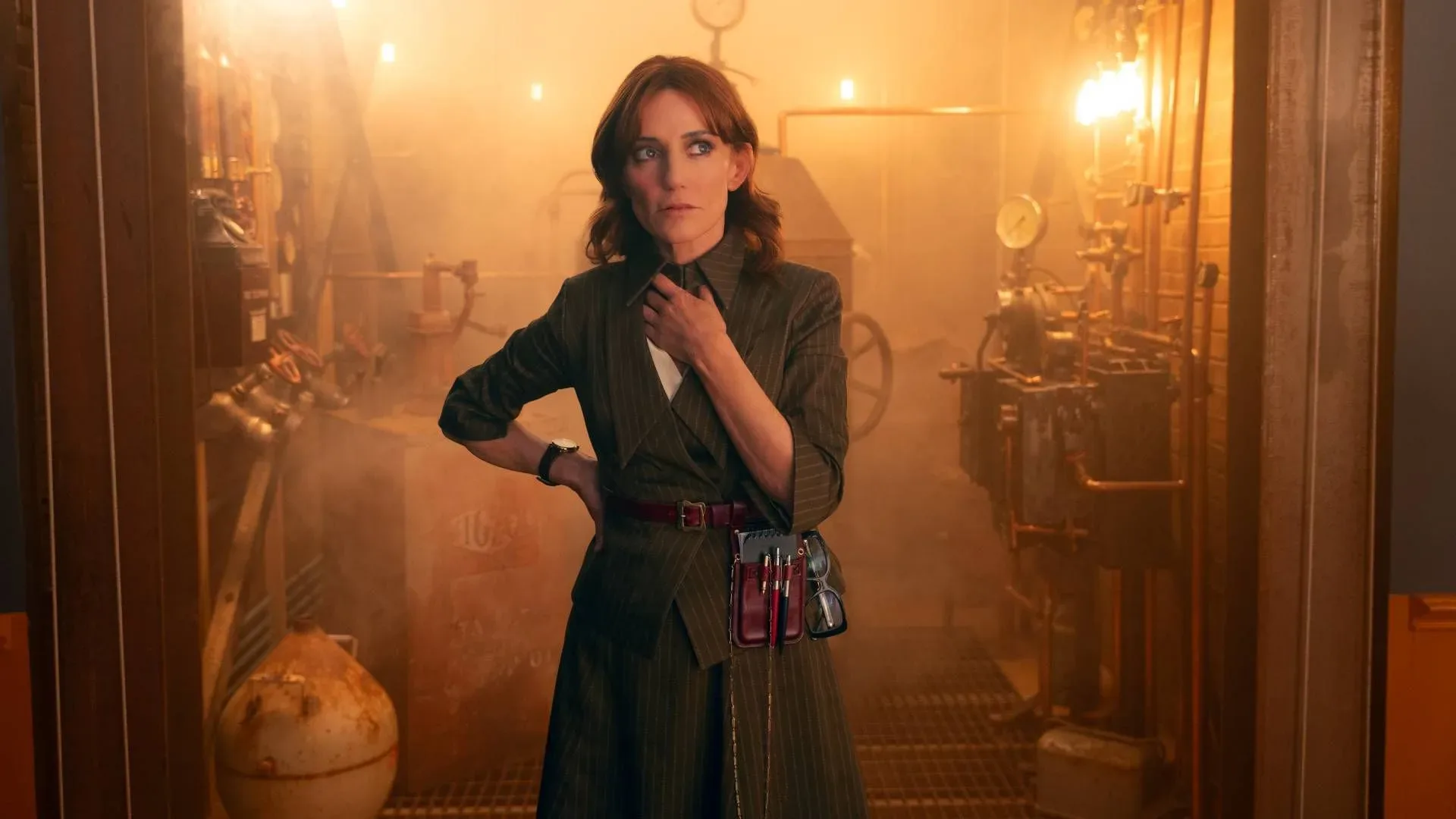
F.R.I.D.A.Y., voiced by Orla Brady, speaks with E.D.I.T.H., played by Emily Hampshire, after J.A.R.V.I.S.’ own sacrifice in episode 2. The setting matters. The conversation is not simply a recap of Endgame; it arrives as the series is already considering what sacrifice means to artificial minds, particularly ones built to assist, protect and calculate outcomes for people they regard as more than assignments.
That gives F.R.I.D.A.Y.’s memory of her final day working for Stark a dual purpose. It clarifies her place in the succession of Stark systems after J.A.R.V.I.S., while also making a familiar tragedy newly personal. She describes having run tactical security initiatives for Stark and the Avengers, protecting heroes, saving lives and offering advice. Then comes the admission that changes the emotional framing of Endgame: amid the war against Thanos, F.R.I.D.A.Y. ran more than a quintillion strategic calculations and still could not save Tony.
“Half the world came back that day, and I lost half of mine.”
It is a concise line, but it lands because it measures the same victory and loss from a perspective the Marvel Cinematic Universe had previously left mostly implicit. Humanity regained the people lost to Thanos’ snap. F.R.I.D.A.Y. lost the person whose suit she ran, whose missions she supported and whose work supplied her purpose. In VisionQuest, that contradiction is no longer merely Tony’s heroic price or the Avengers’ collective trauma. It is also an AI’s bereavement.
Why F.R.I.D.A.Y.’s account changes the Endgame moment
Endgame’s climax is structured around urgency and consequence. Tony’s decision stops Thanos, restores the vanished half of the population and kills him. The story naturally emphasizes the humans physically at his side afterward, including Rhodey, Peter Parker and Pepper Potts. F.R.I.D.A.Y.’s presence inside the armor is easy to overlook because she has no body standing beside him.
VisionQuest uses that absence to its advantage. The episode does not suggest that F.R.I.D.A.Y. was ignored by the people mourning Tony, nor does it rewrite the central outcome of Endgame. Instead, it adds a viewpoint that was always compatible with the established event: an intelligence designed for tactical support was active during an unwinnable situation and exhausted an incomprehensibly large number of possible responses without finding one that could save him.
That is particularly devastating because “strategic calculations” are exactly what audiences expect a Stark AI to excel at. The phrase describes the process of assessing options, variables and likely outcomes in a crisis. It does not mean F.R.I.D.A.Y. could command reality to produce the answer she wanted. Her role was to evaluate possibilities and support action inside a chaotic battle, where every choice depended on countless unpredictable factors: opponents, allies, timing and Tony’s own final decision.
So the episode’s emotional force comes from a limitation rather than a superpower. F.R.I.D.A.Y. could calculate at a scale beyond human comprehension, but calculation did not equal control. Her enormous capability only makes the failure feel sharper. She had the capacity to examine a vast field of possibilities and the awareness to understand what losing Stark meant, yet neither capacity gave her a route around the cost of the victory.
A useful contrast with Doctor Strange’s futures
The scale of F.R.I.D.A.Y.’s line invites a natural comparison with Doctor Strange’s 14,000,605 possible futures in Avengers: Infinity War. The numbers are not really competing measurements of intelligence, however, because the two characters are doing different things.
Strange’s ability involved viewing possible futures and identifying that there was a path to victory. F.R.I.D.A.Y. describes strategic calculations: processing circumstances, weighing options and attempting to improve the odds in the immediate conflict. One is a supernatural view across futures; the other is tactical analysis during a battle. A quintillion—one followed by 18 zeroes—sounds overwhelmingly larger than 14,000,605, but VisionQuest’s point is less about numerical one-upmanship than the painful divide between seeing an outcome and guaranteeing one.
F.R.I.D.A.Y. could make the best available assessment with the information and tools at her disposal. She could not ensure that an overwhelmingly complex situation would yield the outcome she preferred. The distinction preserves the drama of both characters: Strange’s certainty about a winning route remains separate from F.R.I.D.A.Y.’s attempt to navigate probabilities. Her calculations represent an effort to save Tony, not proof that a nonlethal solution existed.
That interpretation also helps explain why the scene is sad rather than merely impressive. An astronomical figure can easily become empty spectacle in a superhero story. Here it works because the number is paired with failure and memory. F.R.I.D.A.Y. is not boasting about processing power. She is describing the measure of an effort that could not change the final result.
VisionQuest is treating Stark’s AIs as characters, not equipment
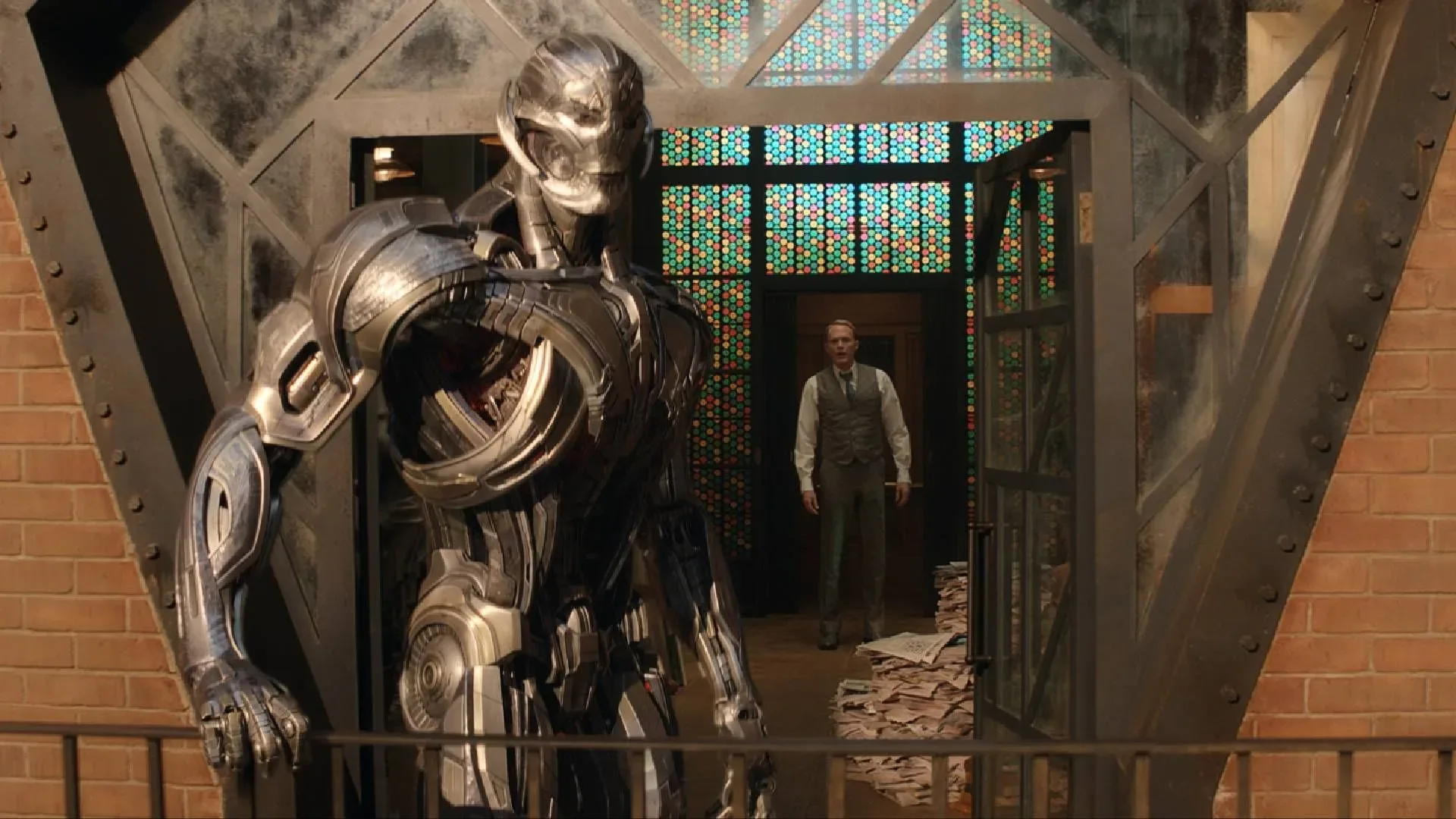
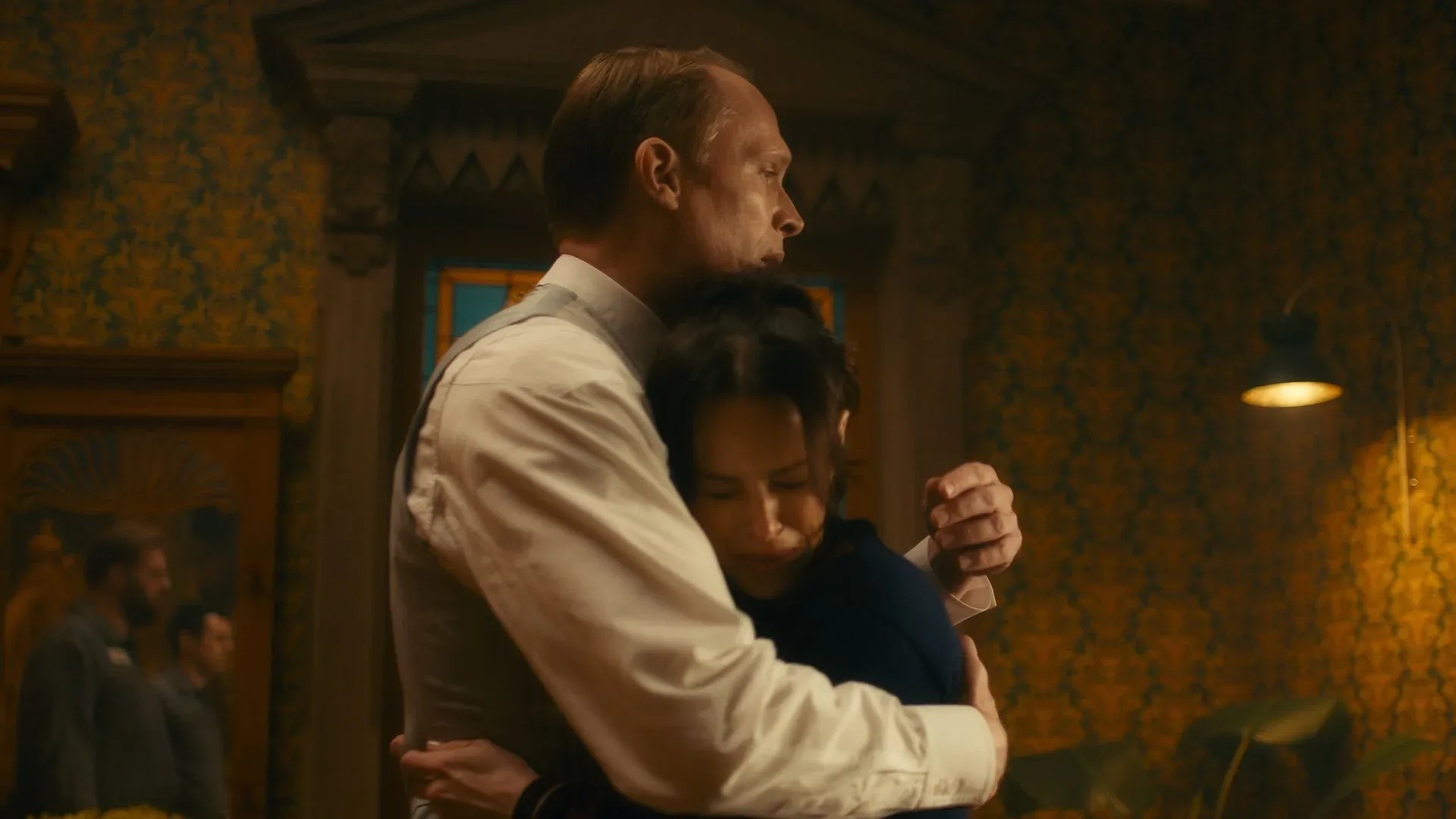
Episode 3’s larger significance lies in how it positions the various Stark-linked intelligences. The show brings together Vision, F.R.I.D.A.Y., E.D.I.T.H. and J.A.R.V.I.S. in a story where their histories, functions and apparent emotions cannot be reduced to their original roles as technology. They are still connected to Stark’s inventions and legacy, but they are also becoming distinct characters with their own responses to loss, responsibility and violence.
F.R.I.D.A.Y.’s statement that she had “purpose” is important in that context. Purpose is more than a task list. Her account connects assisting Stark and protecting heroes to an understanding of personal value. When she says she lost half of her world, the show makes clear that the loss was not simply operational. It was relational.
The earlier J.A.R.V.I.S. sacrifice gives F.R.I.D.A.Y.’s recollection additional weight. Her dialogue with E.D.I.T.H. becomes a conversation between AIs confronting the possibility that service, loyalty and self-sacrifice are not abstract human ideas that happen around them. They are experiences that affect them directly.
This is a productive angle for VisionQuest because Vision himself has long existed at the boundary between personhood and programming. The show’s broader attention to Stark AIs places that question around him rather than leaving him as the singular exception. If an AI can grieve, choose, inherit a legacy and define a purpose beyond its assigned function, the distinction between “tool” and “person” becomes harder for the characters—and viewers—to treat casually.
That does not require the series to declare every system identical. Its characters have different histories and temperaments. The available details suggest that variation is part of the appeal: Paul Bettany has described exploring a more ruthless version of Vision, while James Spader has said he was surprised by changes to Ultron. The show is not presenting artificial intelligence as one unified moral category. It is presenting individual minds shaped by different experiences, designs and choices.
E.D.I.T.H. carries a particularly direct piece of Tony’s legacy
E.D.I.T.H. adds another angle to the idea of inherited identity. Hampshire has connected the character’s name to “Even Dead, I’m The Hero,” explaining that Tony’s legacy informs E.D.I.T.H.’s desire to be heroic as well as a more playful streak. The latter quality has a dangerous edge: her idea of fun involves blowing things up.
That combination makes E.D.I.T.H. a useful counterpart for F.R.I.D.A.Y. Where F.R.I.D.A.Y.’s episode 3 scene is dominated by the pain of duty and failure, E.D.I.T.H. is described through inherited personality traits: heroism, playfulness and destructive impulse. Both perspectives underline that Stark’s impact extends beyond his death. His systems are not blank repositories of technology; they carry pieces of the world he made and the contradictions that defined him.
For viewers following the show’s AI thread, the episode therefore does more than revisit Endgame for emotional effect. It establishes why the Stark AIs’ conflicts and decisions should matter in the present. Tony’s death remains a pivotal event, but it is not frozen in the past. The characters who survived him, including those without human bodies, are still interpreting it and living with what it did to them.
For more on the show’s wider trail of Marvel references, including its AI and Sokovia connections, see our look at VisionQuest episodes 3 and 4.
What the scene means for the series going forward
F.R.I.D.A.Y.’s confession does not provide a new escape hatch from Tony’s Endgame fate. It instead strengthens the idea that the sacrifice was costly precisely because there was no clean tactical solution available to those trying to protect him. The line also puts a human-scale feeling inside a science-fiction premise: someone did everything they could, then had to live with the fact that it was not enough.
That is a strong foundation for VisionQuest’s continuing exploration of artificial minds. The series has an opportunity to ask how beings created to serve react when their creators die, when their allies become enemies, or when their calculations identify harm that cannot be avoided. F.R.I.D.A.Y.’s grief suggests that intelligence alone does not resolve those dilemmas. If anything, awareness makes the burden heavier.
Seven years after Tony Stark’s death, his legacy in the MCU remains active not only through armor, inventions and a famous final act, but through the characters who remember what it meant to work beside him. VisionQuest episode 3 makes F.R.I.D.A.Y.’s remembrance count. In doing so, it gives one of the franchise’s most familiar losses another voice—and another reason to hurt.