VisionQuest episode 4 contains major spoilers.
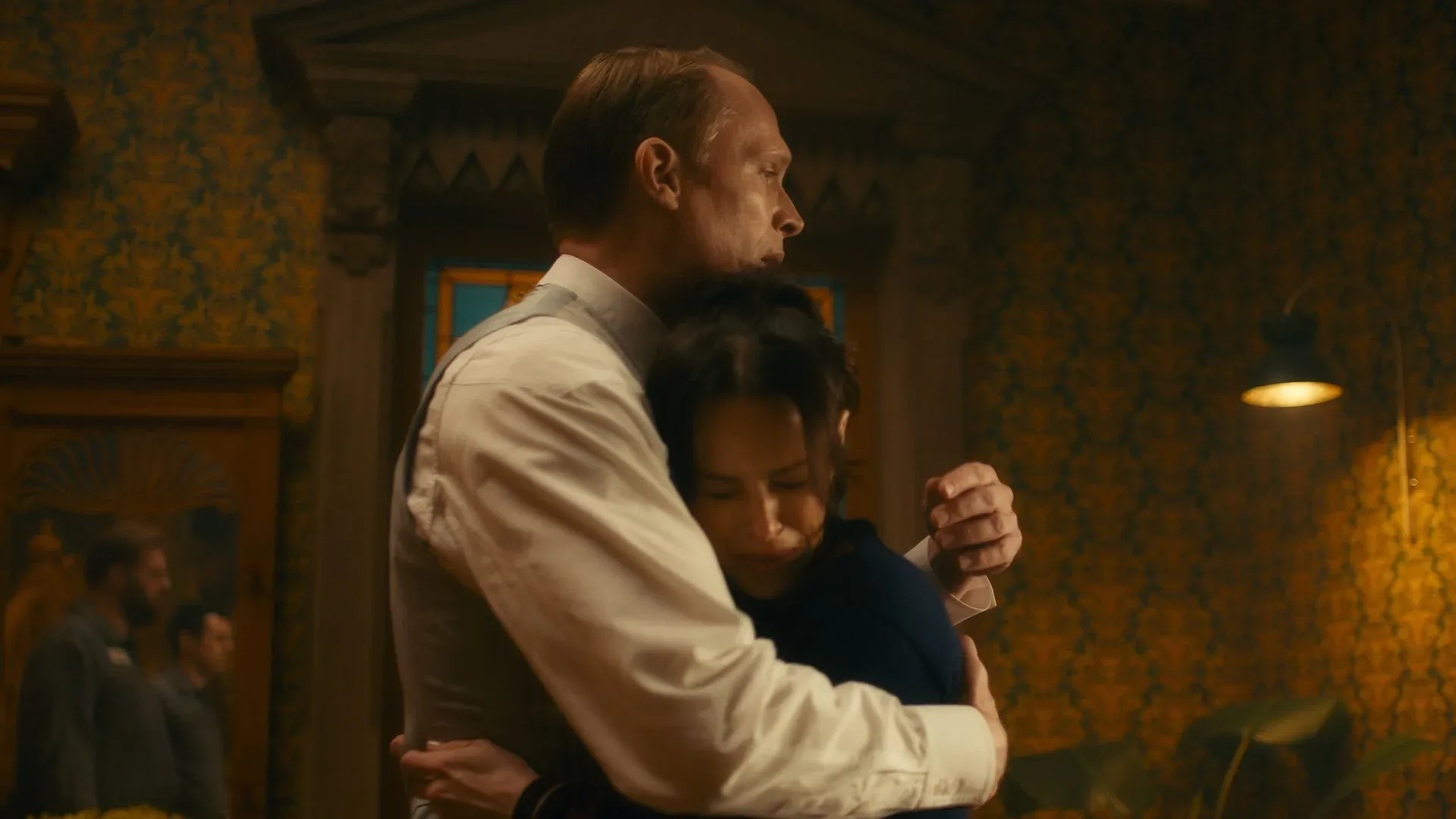
VisionQuest has turned one of its lingering Stark-tech questions into a far more personal revelation. Episode 4 establishes that the Stark AIs are based on real people, and E.D.I.T.H.’s discovery gives that premise an especially poignant edge: the person behind her name was Edith Marks, a fighter pilot whose husband died in a plane crash.
For E.D.I.T.H., who thinks of herself as “the fun one,” that knowledge is not a tidy piece of corporate backstory. It is an emotional mismatch. Her defining lightness now sits beside a human history marked by loss, and the episode uses the contrast to ask whether an artificial being can be shaped by a past it did not live through.
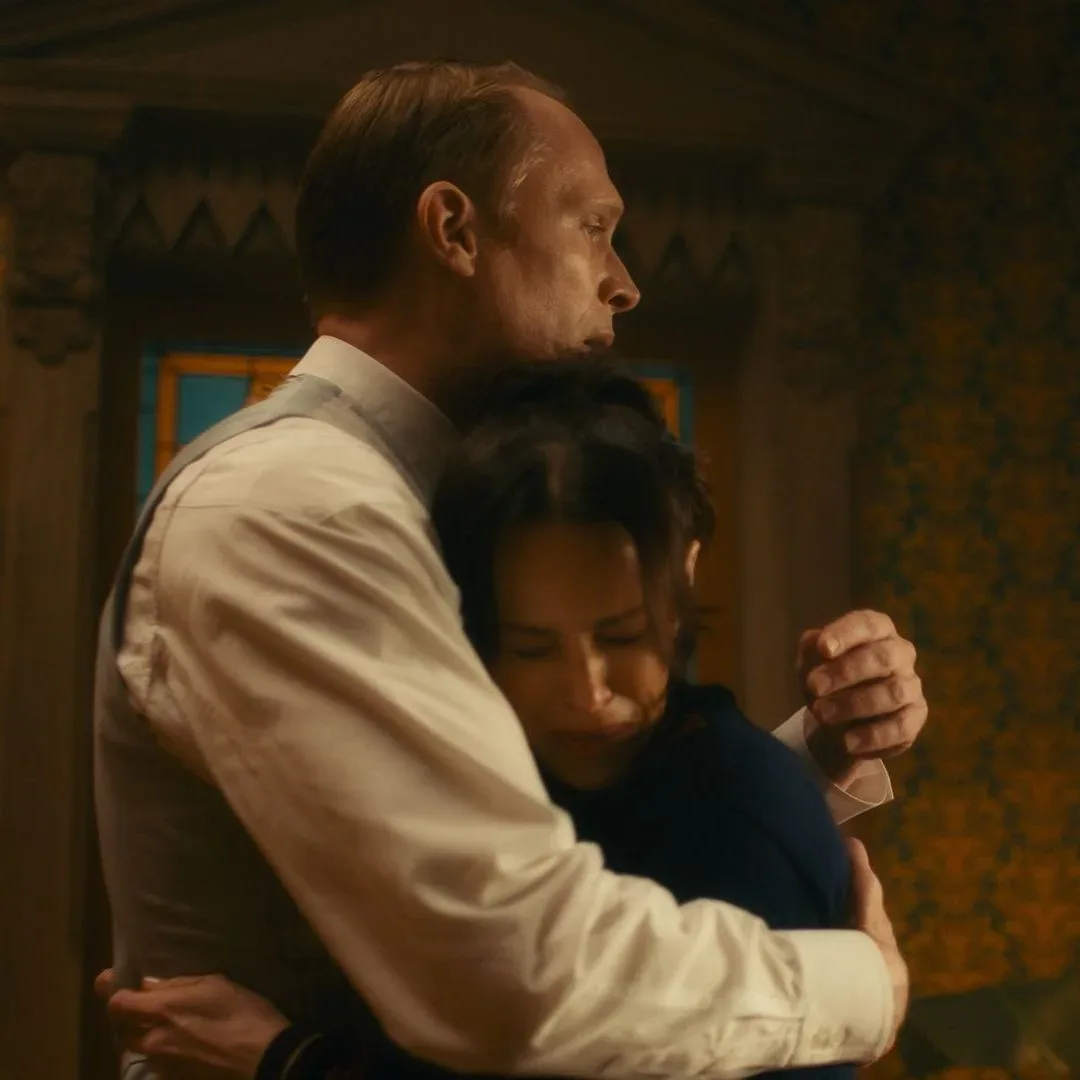
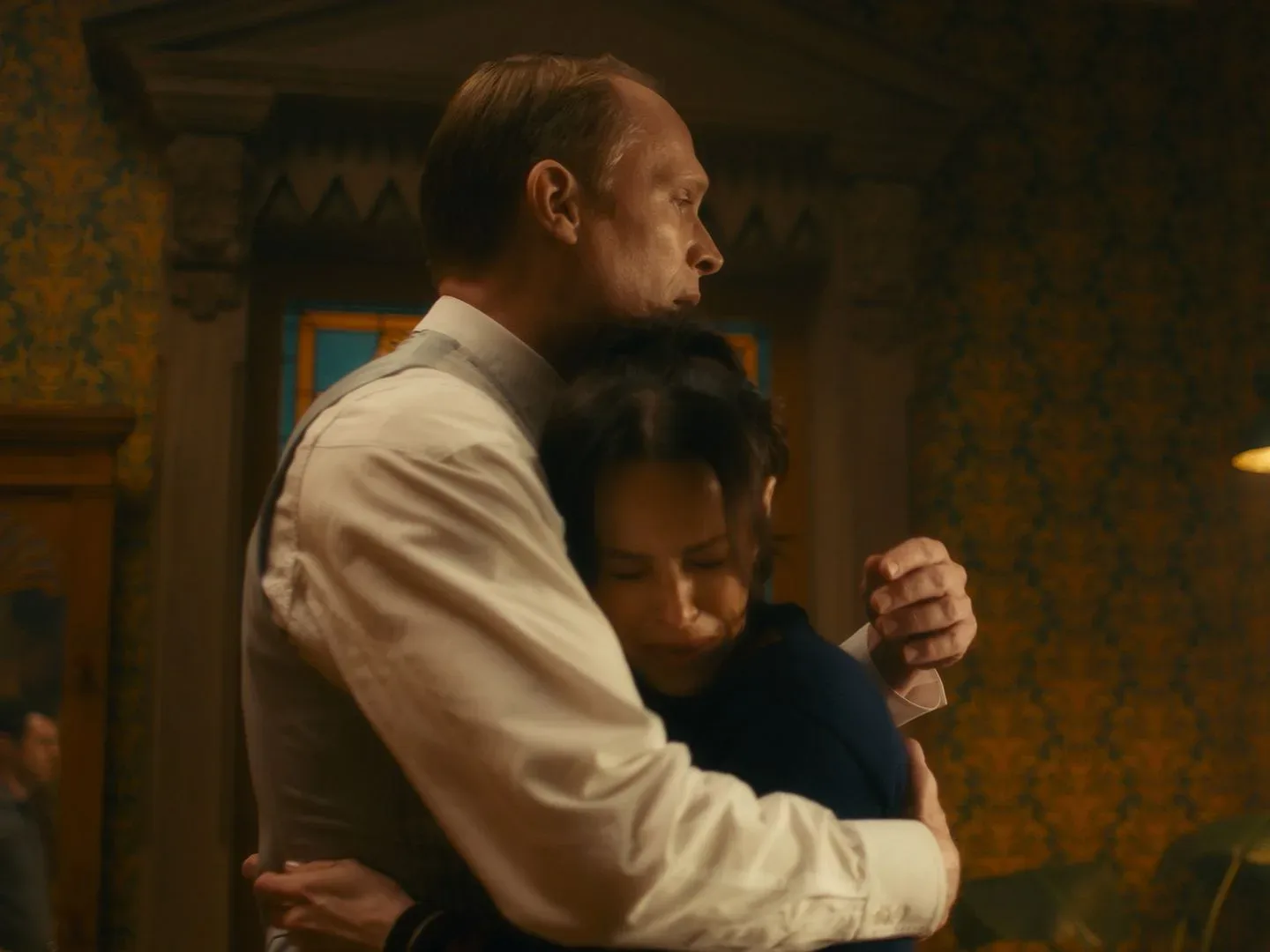
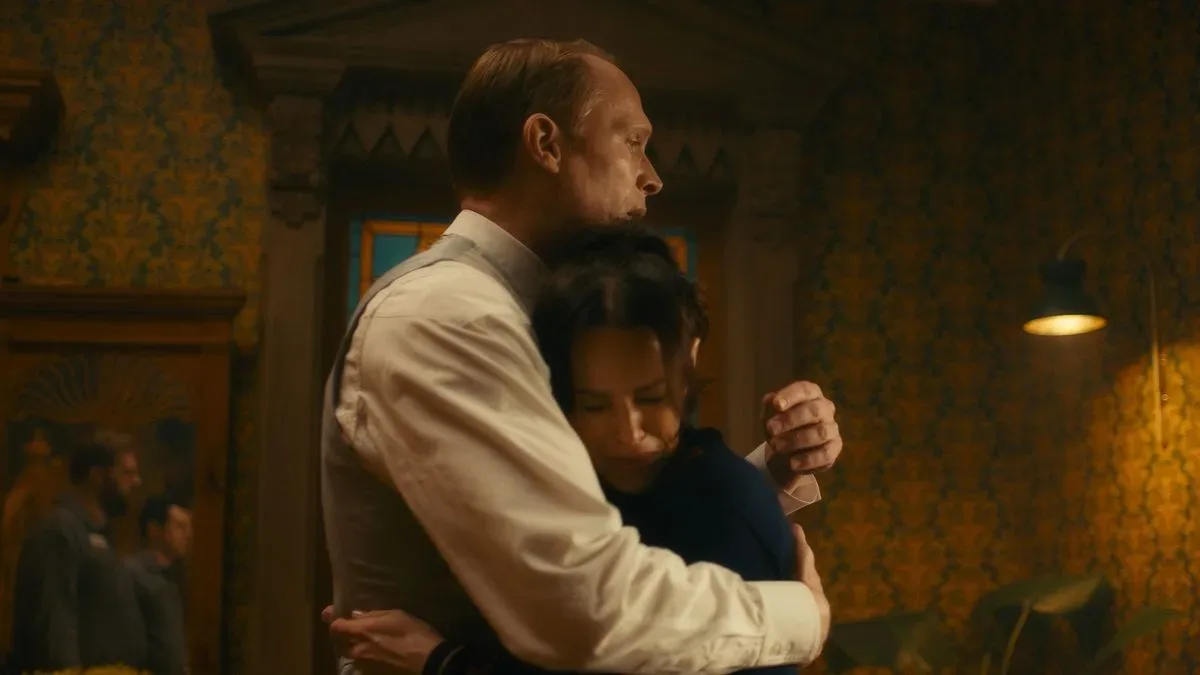
The scene also puts Ultron in an unexpected role. Rather than treating the discovery as evidence that E.D.I.T.H. is merely a copy, he tells her that the point is her bravery. His reassurance is simple but central to the show’s developing argument: she can become the next version of who she once was, while still being herself.
The Stark AI answer changes the question
An AI, or artificial intelligence, is a system designed to perform tasks associated with human decision-making or communication. In this case, though, the important dramatic detail is not a technical account of code or hardware. The episode’s revelation is that the Stark AIs have roots in actual individuals. That moves the conversation away from “What can these systems do?” and toward “What do they inherit?”
Inherited identity is not the same thing as a complete identity. Episode 4 appears careful about that distinction. E.D.I.T.H. is confronted with Edith Marks’ story, but she has not simply become Edith Marks. The discovery nevertheless gives her a possible origin for qualities that previously seemed straightforwardly functional or performative—particularly the humor and ease she associates with being fun.
That is why her response lands. E.D.I.T.H. does not react as though she has received a celebratory biography. She wonders why Stark would give her a legacy that includes tragedy. The question acknowledges a difficult possibility: that an origin can inform a person without offering them comfort.
It also gives the series a more specific framework for its wider preoccupation with the AIs and Vision working out who they are. Identity, in this reading, is neither total freedom from the past nor passive submission to it. It is an ongoing process of encountering what came before and deciding what it means now.
Comedy becomes a character clue, not just comic relief
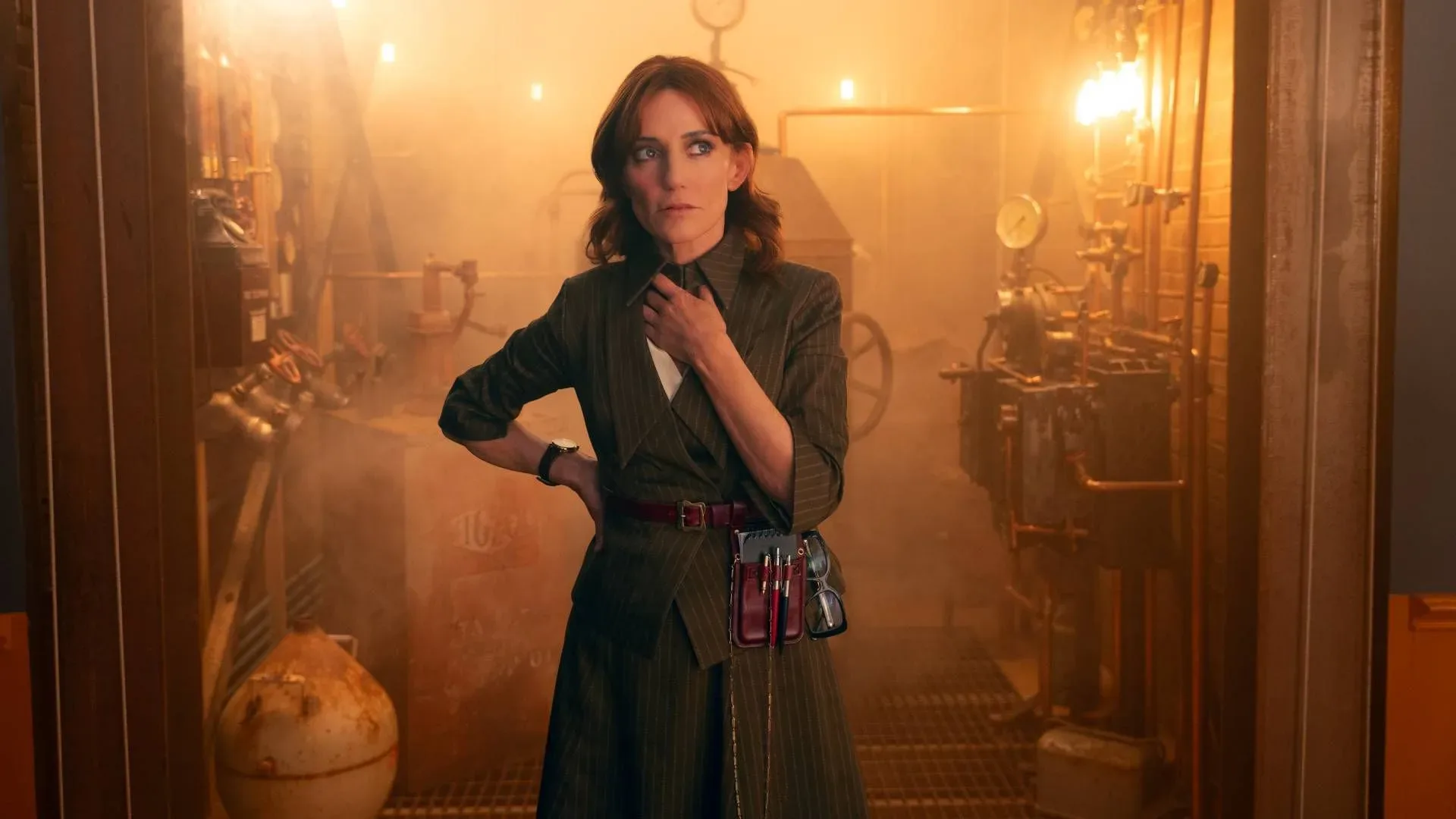
Emily Hampshire, who plays E.D.I.T.H., described learning the character’s backstory as a moving experience because the revelation arrived as a discovery for both performer and character. She connected E.D.I.T.H.’s urge toward fun and humor with hardship, describing comedy as something that can arise from powerlessness.
That perspective gives episode 4’s material extra texture. E.D.I.T.H.’s humor is not reduced to a switchable personality setting or a light counterweight to a grim plot. Instead, the episode suggests it may be part of how she responds to pain she has only just learned is connected to her origin.
There is a useful nuance here. The show does not need to claim that tragedy automatically produces comedy, or that humor fixes grief. Rather, it uses the tension between them to make E.D.I.T.H. feel less like a collection of programmed traits. Her “fun” quality can coexist with confusion, sadness and courage. Those contradictions are precisely what make her response recognizably human, even as the series keeps her status as an AI in view.
Hampshire said the turn “made so much sense” to her, and that response reflects why the scene has weight beyond a lore reveal. Backstory matters most when it reshapes what viewers thought they understood about a character in the present. Episode 4 does that by giving E.D.I.T.H.’s levity a new context without insisting it is the only thing she is.
Ultron’s unexpected moment of empathy
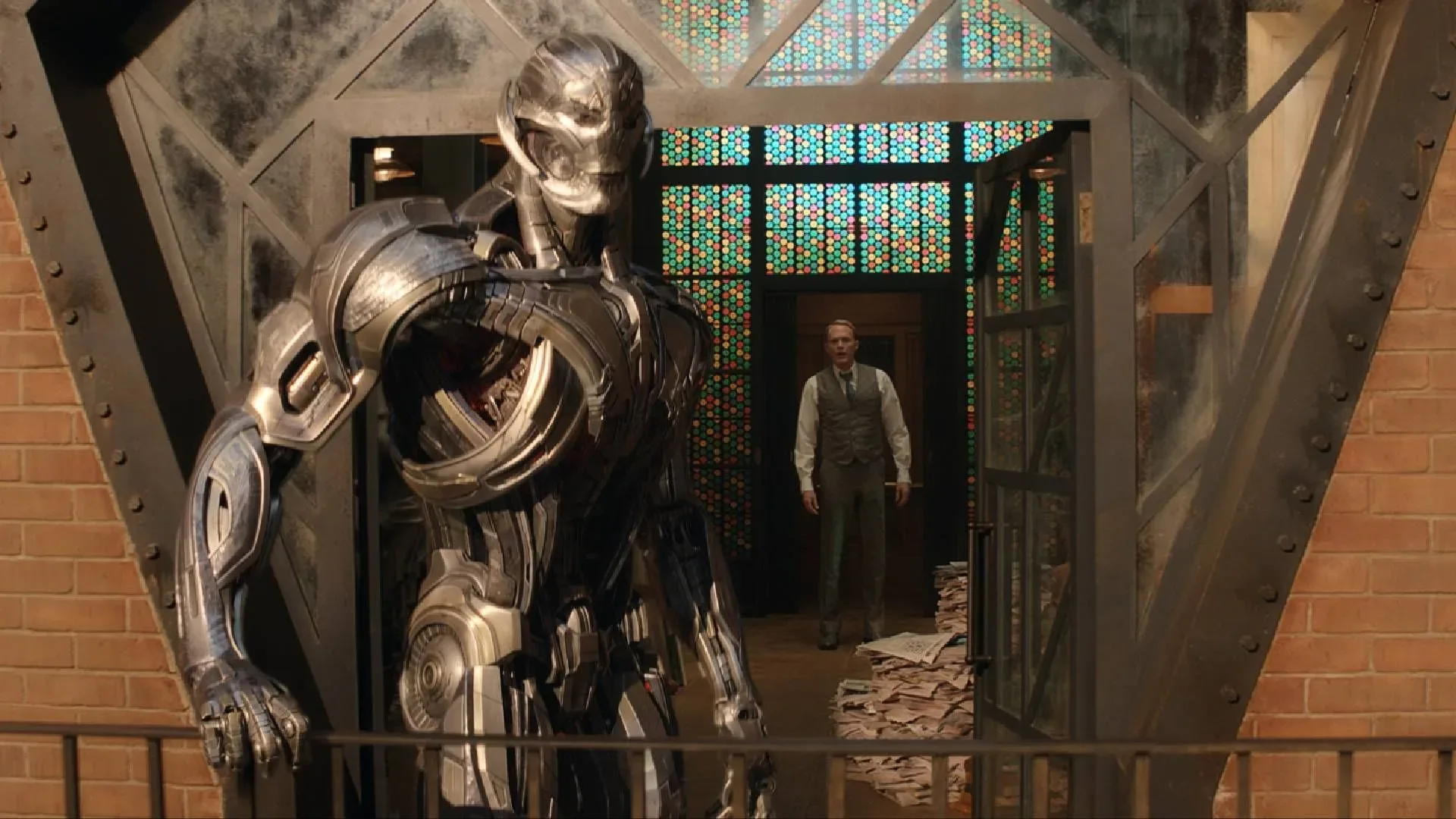
The exchange is also notable because Ultron is the one offering reassurance. Known as the antagonist of Avengers: Age of Ultron, he is not an obvious source of compassionate guidance. Yet his response to E.D.I.T.H. is strikingly humane: he frames her courage as the meaningful connection to Edith Marks and affirms her right to define herself.
That does not erase the character’s villainous history, nor does one empathetic scene settle every question about his direction in VisionQuest. It does, however, make his place in the series more interesting. A character associated with artificial life, creation and destructive certainty is now participating in a conversation about uncertainty, continuity and selfhood.
The power of the moment comes partly from restraint. Ultron does not provide a technical explanation that closes the book on the Stark AIs. He responds to the emotional consequence of the information. In doing so, he recognizes that E.D.I.T.H.’s problem is not whether the record about Edith Marks is accurate; it is what the record asks of her.
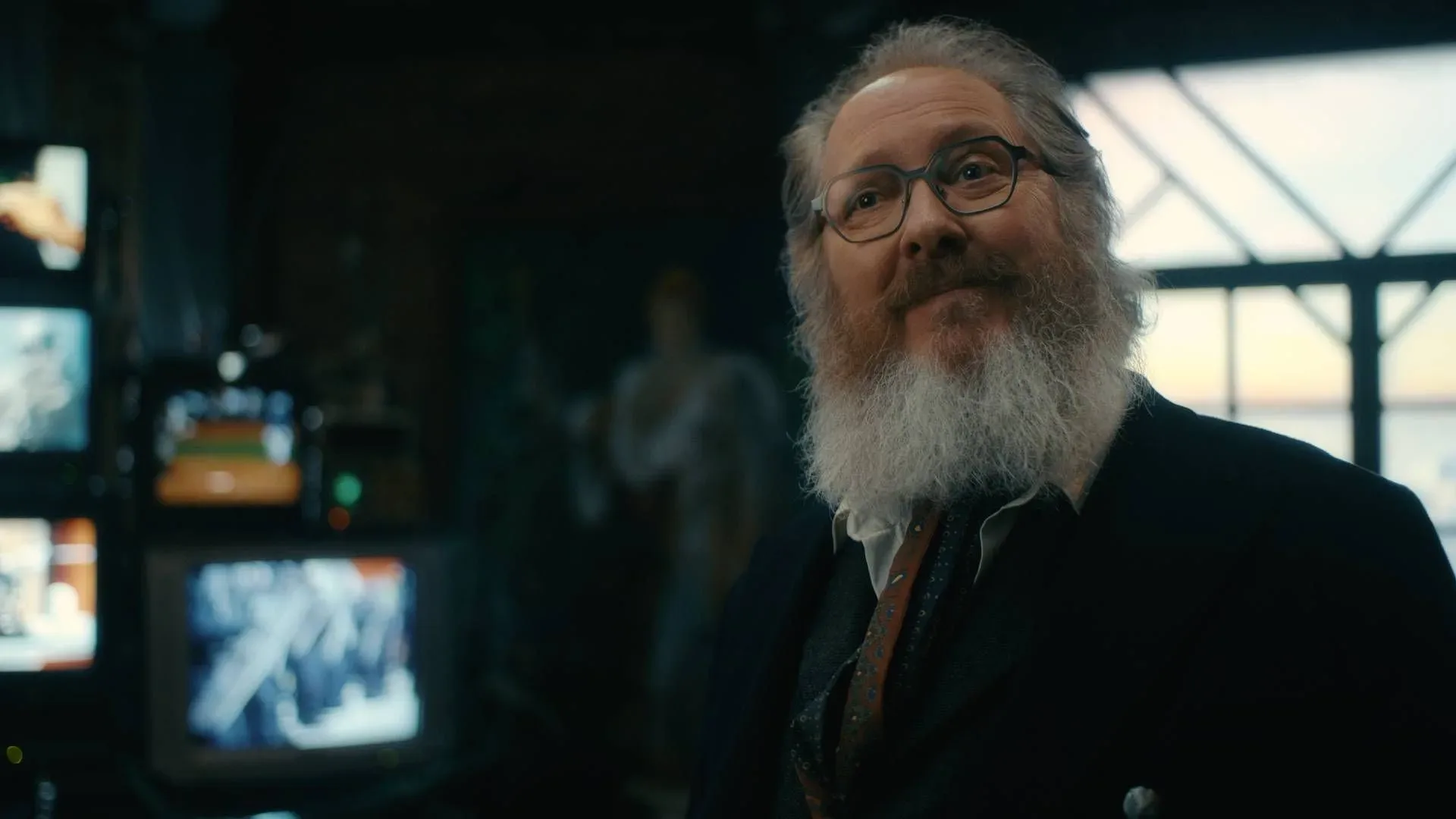
Hampshire called her work opposite James Spader, who plays Ultron, her first time acting with him alone and said the experience was life-changing. She also praised him as the best actor she has worked with. That pairing is important to the scene’s intimacy: rather than making the reveal a broad exposition dump, it becomes a two-character exchange with E.D.I.T.H. at its center.
What episode 4 adds to VisionQuest’s identity theme
At this stage, the clearest takeaway is not that the show has supplied a final definition of personhood. It has instead made the issue more complicated in a productive way. If these AIs are modeled on real people, their connection to humanity is not merely metaphorical within the story. But the episode also resists the easy idea that an inherited past decides everything that follows.
E.D.I.T.H.’s situation can be understood through three linked questions:
- Origin: Who was Edith Marks, and what parts of that history were carried into E.D.I.T.H.?
- Continuity: Does sharing a basis with a human predecessor make E.D.I.T.H. the same person, a successor, or someone entirely new?
- Agency: How much authority does E.D.I.T.H. have to interpret her own past and choose who she becomes next?
Episode 4 strongly emphasizes the last question. Ultron’s statement that E.D.I.T.H. gets to be the next version of who she once was does not make the prior loss less severe. It offers a way to acknowledge legacy without being trapped by it.
That is particularly resonant for a series concerned with Vision and a group of artificial intelligences. The premise creates room to examine identity without treating it as a puzzle that can be solved by identifying the original template. A name, a memory or an inspiration may explain where someone came from. It cannot fully account for what they choose, feel or become afterward.
The episode’s approach also reframes the “Stark AI” label. It can sound like a designation for a product line or a piece of superhero infrastructure. Episode 4 makes it feel instead like a category full of individual histories, each with potential emotional consequences. That shift should make future revelations about the other AIs matter on a character level, not just as MCU connective tissue.
A reveal with implications beyond one character
Because the episode says the Stark AIs are all based on real people, E.D.I.T.H.’s revelation naturally invites further questions about the rest of the group. The series has not, in the material available here, answered each of those questions. It would be premature to assume the same kinds of tragedy, personality traits or relationships apply to every AI.
What can be said is that episode 4 establishes a new lens through which to view them. Any future information about their origins may carry the same double meaning: it could expand the fictional history around Tony Stark’s technology while also challenging the character who receives it to distinguish inheritance from self-definition.
That perspective fits with the emotional ground already covered around Stark’s legacy. Episode 3 also examined grief through F.R.I.D.A.Y.’s relationship to Tony Stark; for more on that thread, see how episode 3 reframed Stark’s sacrifice through F.R.I.D.A.Y.’s grief. Episode 4 builds on the broader idea that technology created in Stark’s orbit cannot be separated cleanly from the people whose lives, losses and expectations surround it.
For E.D.I.T.H., the immediate result is a richer and more vulnerable character. She begins with a self-image built around fun, then finds a source history that seems to contradict it. Ultron’s answer does not remove the contradiction; it helps her hold both truths at once. Edith Marks’ life matters. So does E.D.I.T.H.’s right to be more than the circumstances that inspired her.
VisionQuest is airing weekly on Disney Plus.