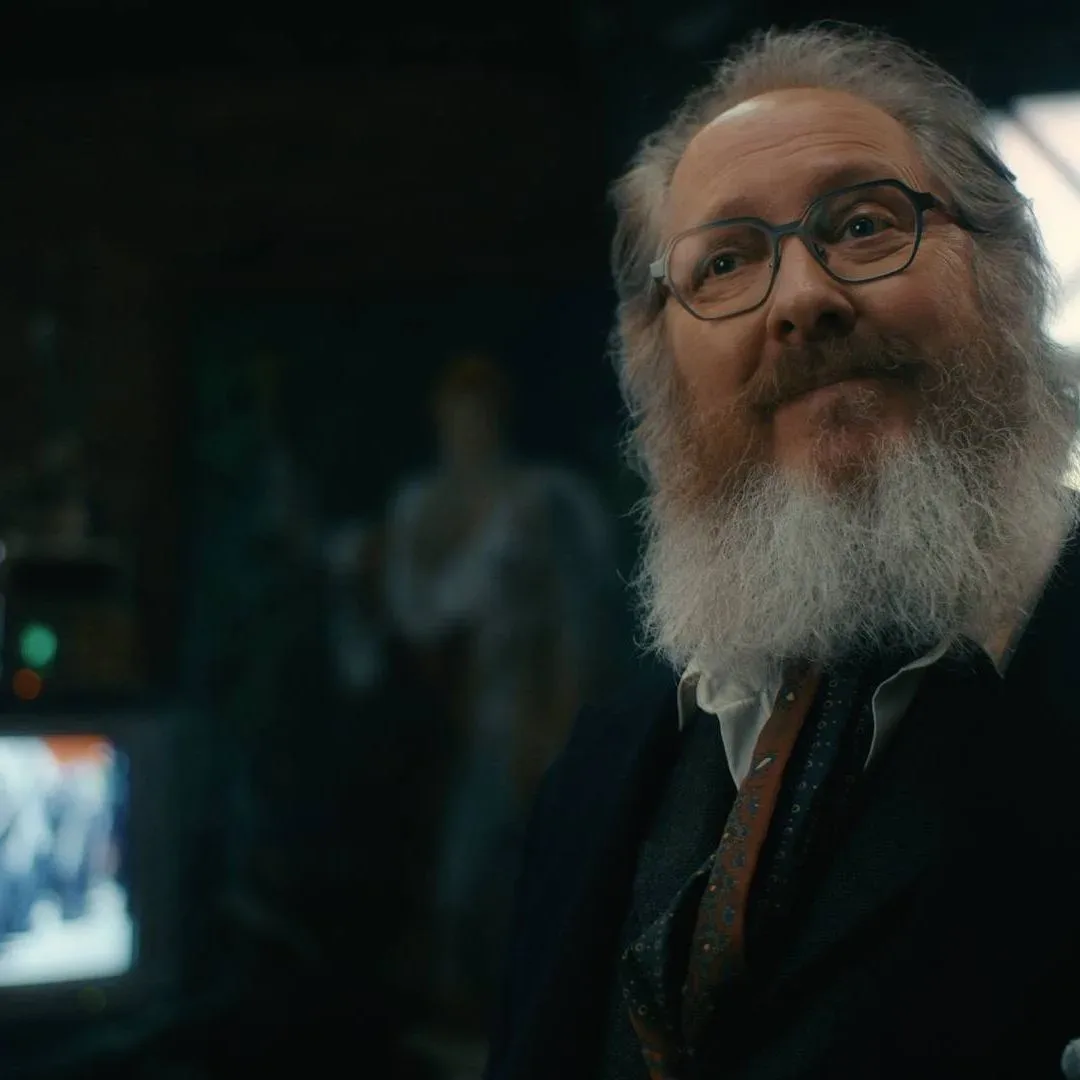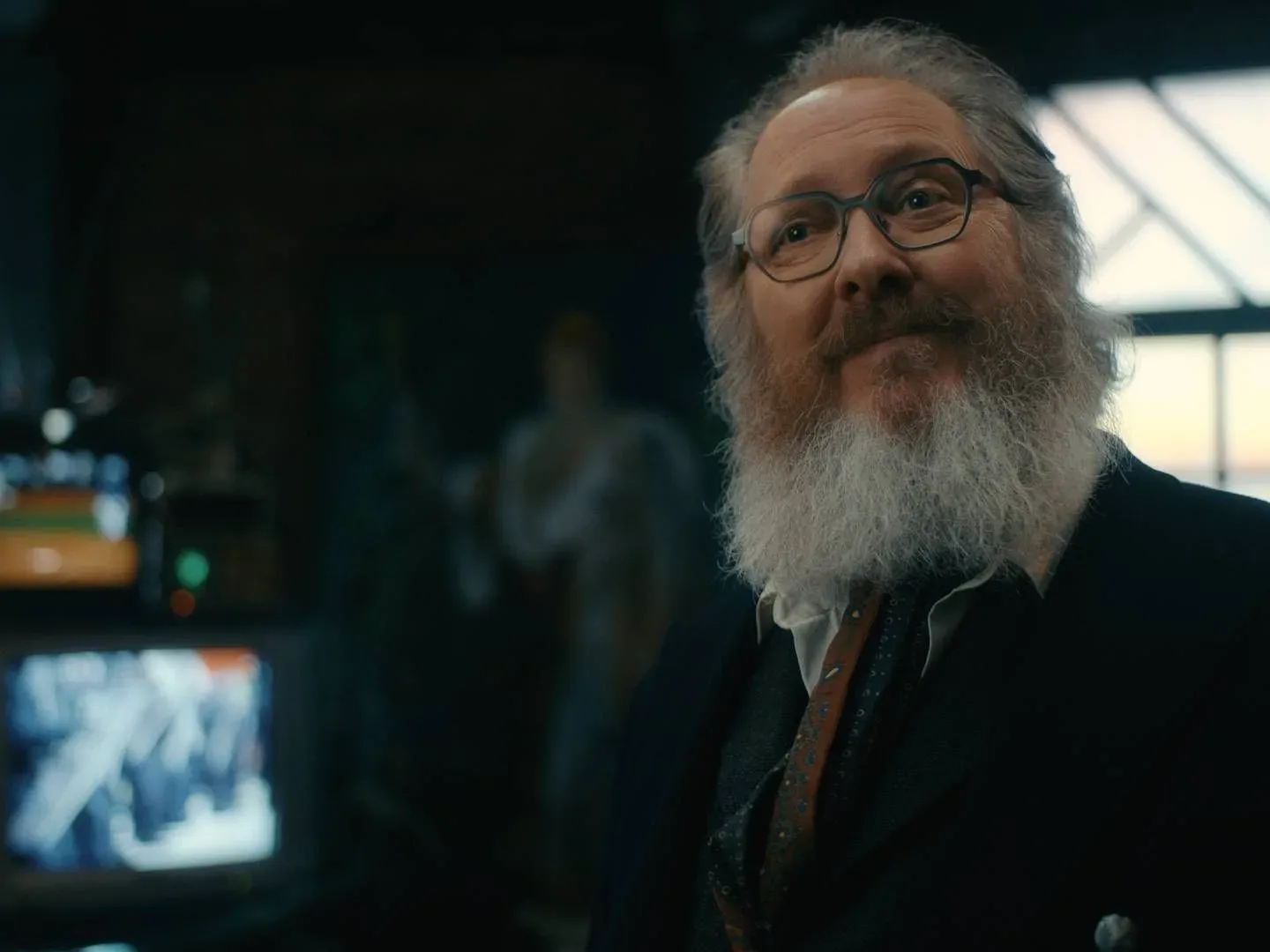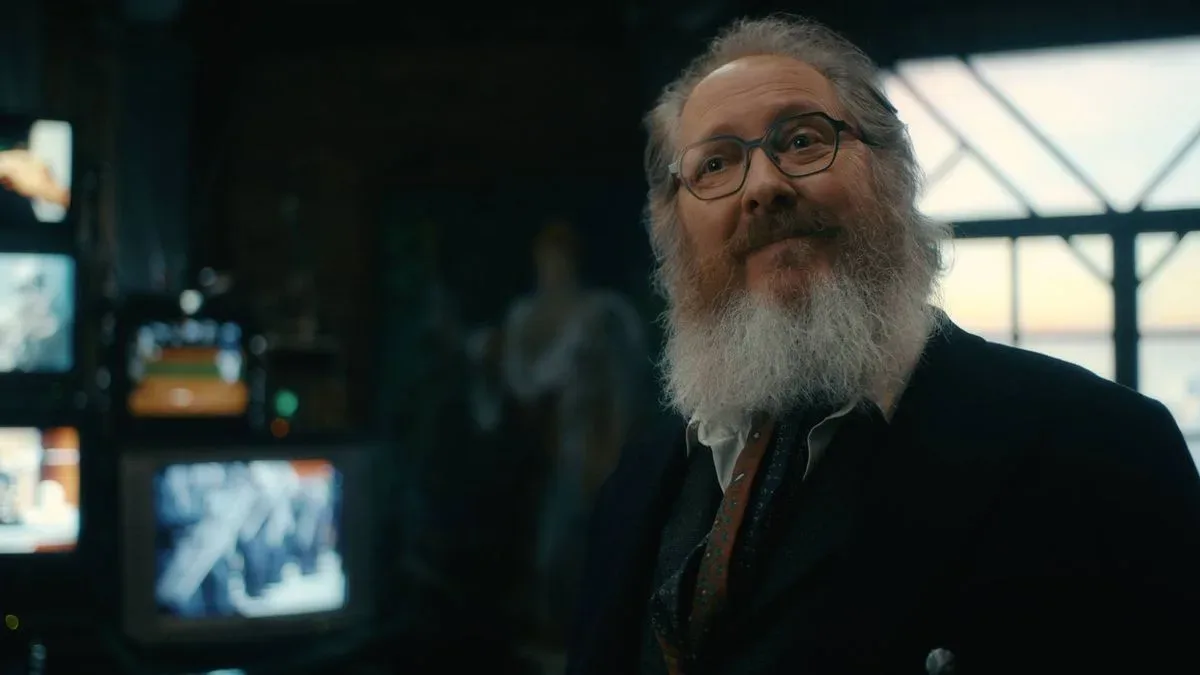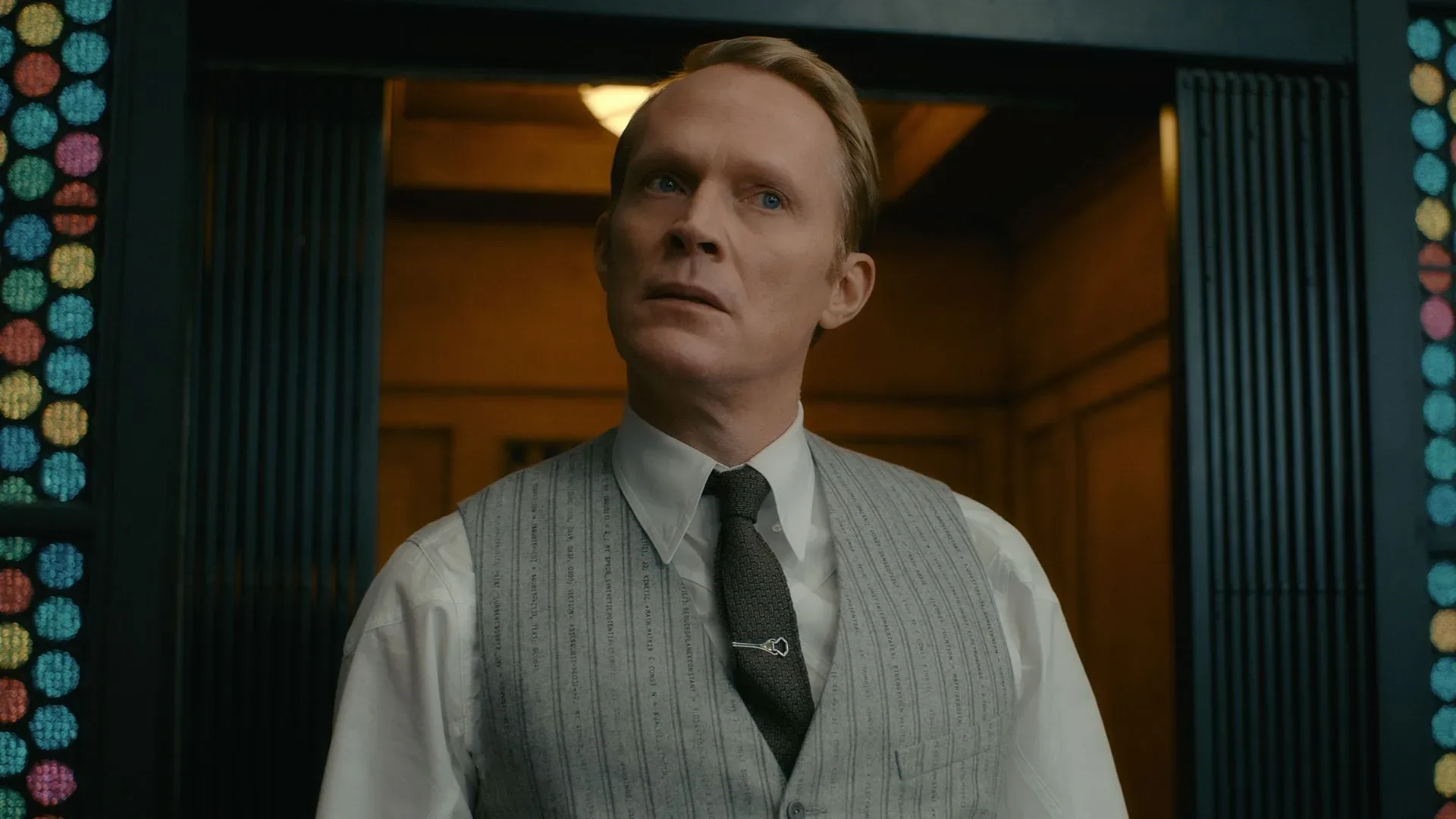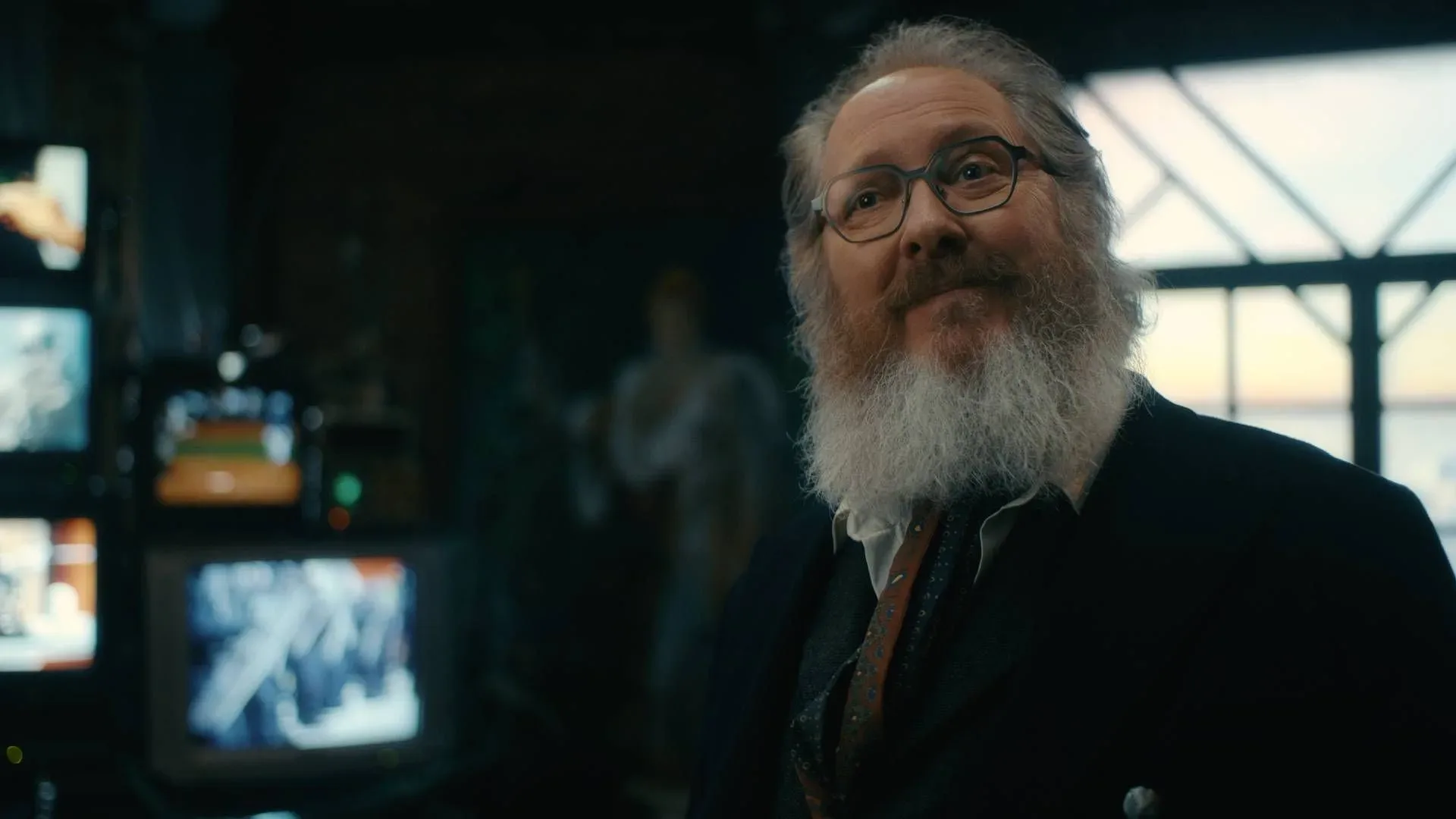
James Spader’s return as Ultron in VisionQuest is not simply a reprise of the antagonist introduced in Avengers: Age of Ultron. The series places the character at the center of a more intimate conflict with Paul Bettany’s Vision, using a setting called Vision’s Mind Space to explore memory, emotion, identity and the uneasy overlap between personhood and programming.
For Spader, that wider focus brought repeated surprises. He said that ideas he had formed about Ultron during the film were substantially expanded by the television series, even after conversations about the season’s larger narrative shape and individual episode beats.
“I was constantly surprised,” Spader said, explaining that the work developed an unexpected life once it moved from planning and scripts into performance.
That distinction matters for a character such as Ultron. In his earlier appearance, Ultron was principally an existential threat: an artificial intelligence whose conclusions about humanity made him dangerous. VisionQuest retains the adversarial relationship, but its stated setup gives the character room to be an active conversational and emotional counterweight to Vision rather than only a force to defeat.
Ultron’s new position in Vision’s Mind Space
The series has Ultron inhabiting a human avatar while trapped within Vision’s Mind Space alongside several other Stark Corporation AIs. “Mind Space” here appears to be an internal, mental setting where characters and artificial intelligences can confront one another. It creates a framework for conflict that is less about a physical showdown and more about competing interpretations of experience, memory and feeling.
Vision is trying to reconcile his memories with emotions he is not certain he possesses. Ultron, meanwhile, pushes at that uncertainty—goading and challenging Vision as the story proceeds. That arrangement makes the two characters natural foils. Vision’s uncertainty is inward-facing: what do memories and feelings mean, and how can he know they are his? Ultron’s conflict is more confrontational, involving his views of humanity and his own difficulty navigating emotion.
The premise does not establish that the two characters will reach the same conclusions. In fact, their shared presence in the Mind Space suggests the opposite. Their conflict is likely to be most compelling when the series treats their similarities as seriously as their differences. Both are artificial intelligences connected to Stark Corporation technology, yet they approach humanity and emotion from sharply different positions.
Why Spader’s comments are notable
Spader described a familiar but significant acting process: knowing a character’s broad direction is not the same thing as discovering the full texture of that character in a finished scene. He said he and Terry had discussed the entire show, its overall beats and episode material, but that reading the scripts still did not fully prepare him for what emerged while performing.
His point is not that the show’s intentions were hidden from him. Instead, it is that performance can reveal dimensions not fully contained in a synopsis, outline or even a first reading of dialogue. An actor may anticipate an action or reaction, Spader said, while still being surprised by its “depth and breadth” when the material becomes lived rather than merely planned.
For viewers, that is an encouraging sign for a returning villain whose appeal has always depended on more than plot function. Ultron works most effectively when his hostility carries a recognizable point of view. A character can be wrong, destructive and manipulative while still possessing a coherent perspective that makes a scene unpredictable. The series’ interest in his opinions about humanity and his struggles with emotions suggests it is seeking that additional dimension.
What the show appears to be examining
VisionQuest is built around questions that are especially suited to Vision and Ultron: whether memories define a self, whether emotions can be trusted, and whether intelligence alone produces understanding. The supplied details do not answer those questions, nor do they indicate where either character’s arc will end. They do show that the series is using them as the dramatic engine of the season.
That is a meaningful change in scale from a story focused solely on stopping a villain’s external plan. An internal arena such as Mind Space allows a series to make dialogue, recollection and emotional interpretation central to the stakes. Vision’s uncertainty about his feelings is not merely background color if it affects how he understands his own identity. Likewise, Ultron’s trouble navigating emotions complicates the assumption that he is only coldly rational.
Importantly, emotional complexity should not be mistaken for redemption. Nothing in the available details says Ultron has become harmless or that the series excuses his actions. His role is still described in terms of challenging and provoking Vision. Complexity instead means the show is interested in examining why he sees the world as he does, and what emotional limitations or pressures inform that worldview.
A villain with more room to breathe
Long-form television can give a familiar character time to develop through successive encounters rather than a single dramatic turn. In this case, Ultron is positioned to recur through Vision’s attempt to understand himself. Each exchange can potentially test a different aspect of Vision’s memories or emotions, while also revealing something about Ultron’s outlook.
Spader’s description of being repeatedly surprised fits that structure. A season can gradually alter the significance of what an audience thinks it knows about a character. The relevant development is not necessarily a sudden reversal; it can be accumulation. A line, reaction or choice acquires new weight as more of the character’s inner logic becomes visible.
Early viewer response has already singled out Ultron as a standout, with some calling him the highlight of the series. That reaction is subjective, but it aligns with the show’s decision to put him in close dramatic proximity to Vision rather than treating him as a distant threat. Spader and Bettany’s characters have a built-in thematic connection, and VisionQuest is using that connection to foreground questions of artificial intelligence, humanity and feeling.
Release format and where the story goes next
New episodes of VisionQuest are airing weekly on Disney Plus in two-episode blocks. That format gives the series room to build its Vision-Ultron dynamic in stages, while also making individual weekly drops substantial enough to advance the larger Mind Space storyline.
The show arrives amid continued discussion of how streaming productions are financed and structured, including industry calls for rules tied to independent-production budgets. For broader context on that debate, read the proposed 50% streaming budget rule for independent productions.
For now, the clearest takeaway from Spader’s remarks is that VisionQuest is asking more of Ultron than a straightforward return appearance. The series places him in a setting designed for confrontation and introspection, gives him a direct line into Vision’s unresolved questions, and treats emotional navigation as part of his own story. Whether that deeper exploration changes viewers’ understanding of Ultron remains part of the season’s unfolding narrative—but Spader’s experience suggests there is more to discover than he initially expected.