VisionQuest has received an encouraging first wave of social-media reaction following a screening of its premiere at New York Comic Con. The early response is especially enthusiastic about the series’ connection to WandaVision, its interest in White Vision’s emotional identity, and the return of Paul Bettany and James Spader to Marvel roles that remain central to the show’s premise.
The series is set to arrive on Disney+ on October 14. Until then, these reactions offer an incomplete but useful picture: they are impressions from an early showing, not a substitute for a full-season response. Still, the recurring language is notable. Viewers have characterized the premiere as intelligent, visually distinctive, funny, philosophical and heartfelt, while several also frame it as a meaningful continuation—and potentially a closing chapter—of a story associated with WandaVision.
What the early VisionQuest reaction is saying
The clearest common thread is that the new series appears to take Vision seriously as a character in transition. One attendee described White Vision’s effort to reconnect with the emotions associated with Vision and the events of WandaVision as a compelling foundation for the premiere. That description matters because it points toward a character-led question rather than merely a superhero-action question: what does it mean to possess someone’s memories, or inherit their history, without automatically sharing the life and feelings that gave those memories meaning?
Another early reaction called the episode smart, stylish and funny, with a philosophical streak. Those terms should not be mistaken for a precise rundown of plot or format; no detailed story information has emerged from the material at hand. But together they suggest that the show may be looking to balance ideas about consciousness and identity with a more playful tone. That combination would make sense for a character whose basic premise sits at the intersection of artificial life, memory and personhood.
White Vision is the version of Vision that early viewers specifically mention. In this context, the phrase is more than a costume distinction. It identifies a version of the character whose emotional connection to the Vision audiences knew is the issue at stake. The early commentary indicates that VisionQuest will engage with that divide directly, rather than treating his return as simple restoration.
A continuation shaped by WandaVision’s emotional territory
Several reactions call VisionQuest a successor to WandaVision, a love letter to Wanda Maximoff, or the final part of a broader trilogy. The most grounded way to read that language is as a statement of thematic continuity. Viewers have pointed to love, grief, generational trauma and identity as subjects that the show explores. Those are big themes, but their importance here is less about abstract drama than about family and loss.
One response particularly highlights the relationship between Tommy and Vision, saying it leaves viewers wanting more from that family dynamic. That does not confirm the larger shape of the season, but it does suggest that the series’ emotional engine will not be limited to Vision’s internal journey. If the premiere uses family connections to test what Vision understands about love, memory and responsibility, it could give the show a more intimate focus than a straightforward return-of-a-hero narrative.
“Generational trauma” is also worth defining carefully. The term generally describes the way unresolved harm, grief or patterns of behavior can affect family members across generations. The early reactions do not spell out exactly how the show treats that concept, so it would be premature to assign it a particular plot function. What they do establish is that audiences at the screening saw the series as reaching beyond sci-fi mechanics toward the consequences that loss and inherited history have within a family.
That interest in mature emotional material is one reason some attendees believe the series deepens the story told before it. A reaction calling the show a “perfect closer” to a trilogy is praise, not a confirmed official description of the project. Yet it reflects a real expectation among early viewers: VisionQuest may be designed to provide emotional resolution while still advancing Vision into a distinct chapter of his own.
Paul Bettany and James Spader are central to the enthusiasm
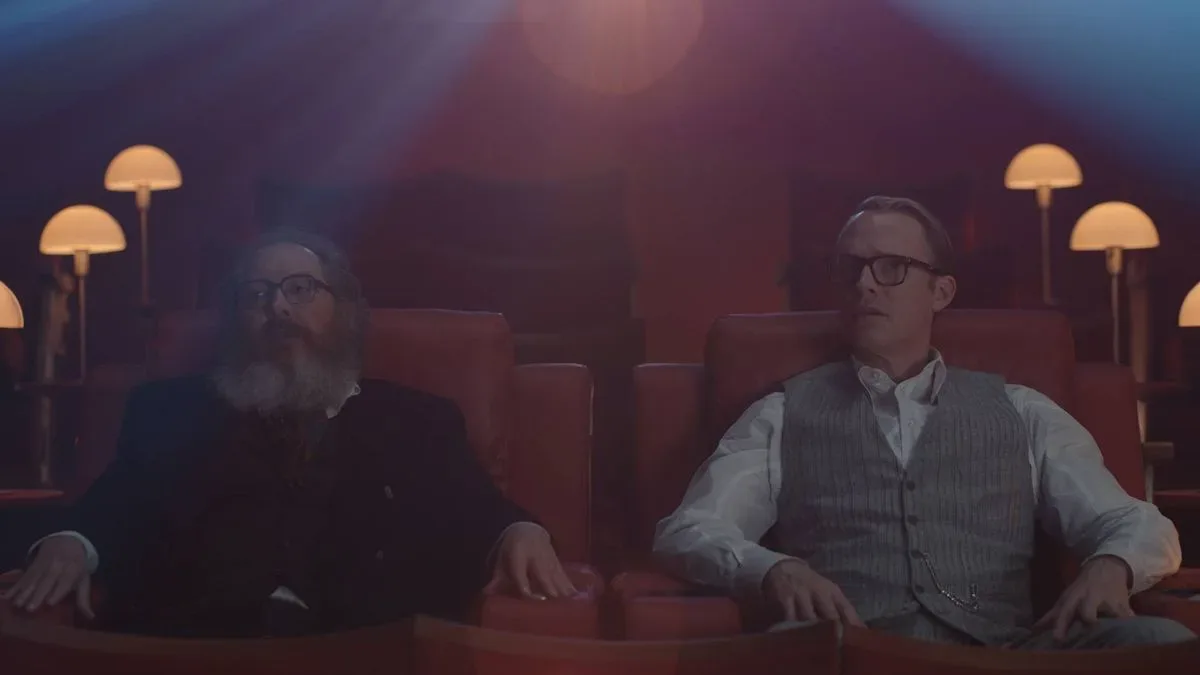
Paul Bettany’s return has been repeatedly singled out. One early viewer called it a long-overdue comeback and praised him as the heart of the series, while another said he shines throughout the material they had encountered. For a show built around Vision’s search for connection, Bettany’s performance will likely carry much of the burden. A character confronting the difference between stored knowledge and lived emotion needs to feel both recognizable and uncertain, rather than simply familiar.
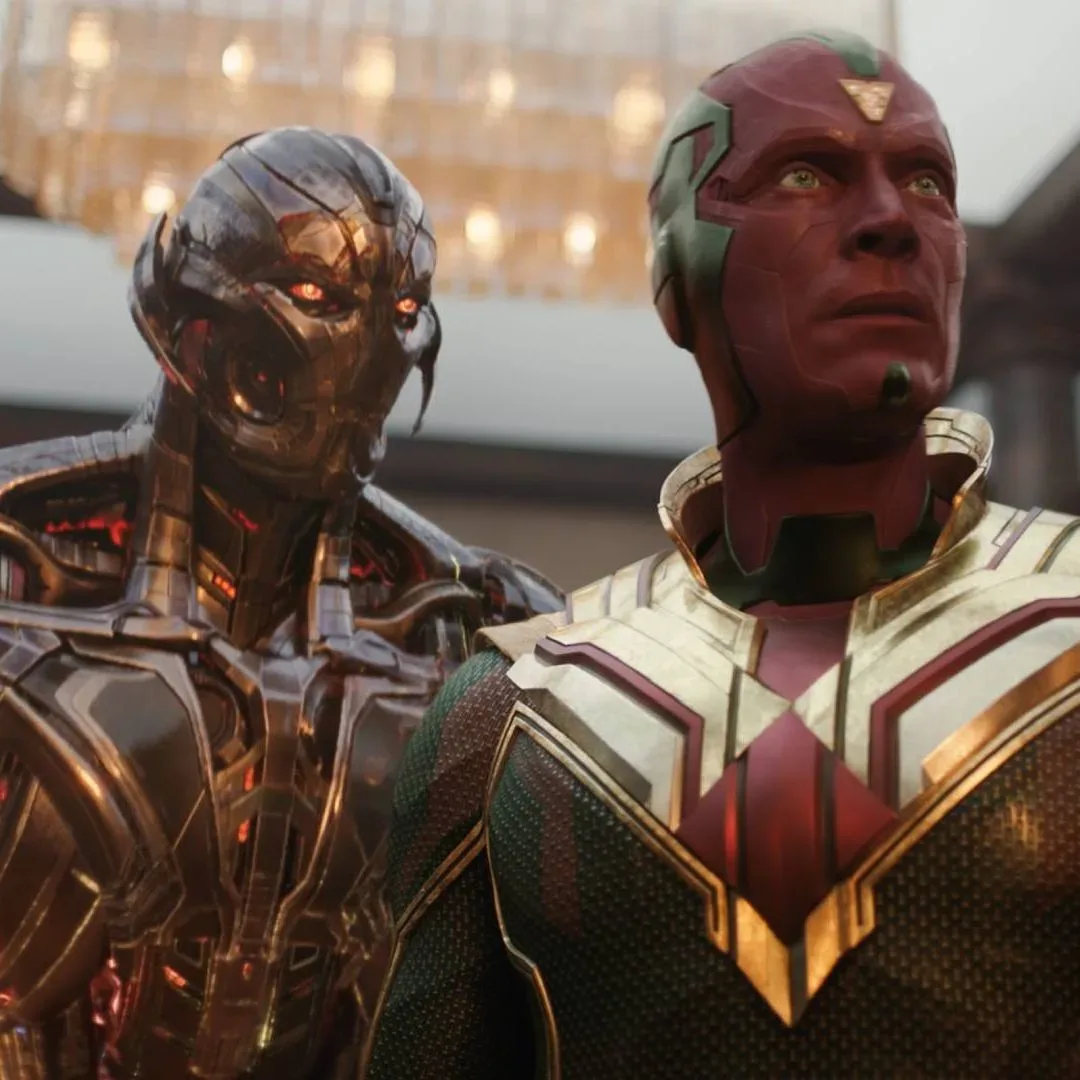
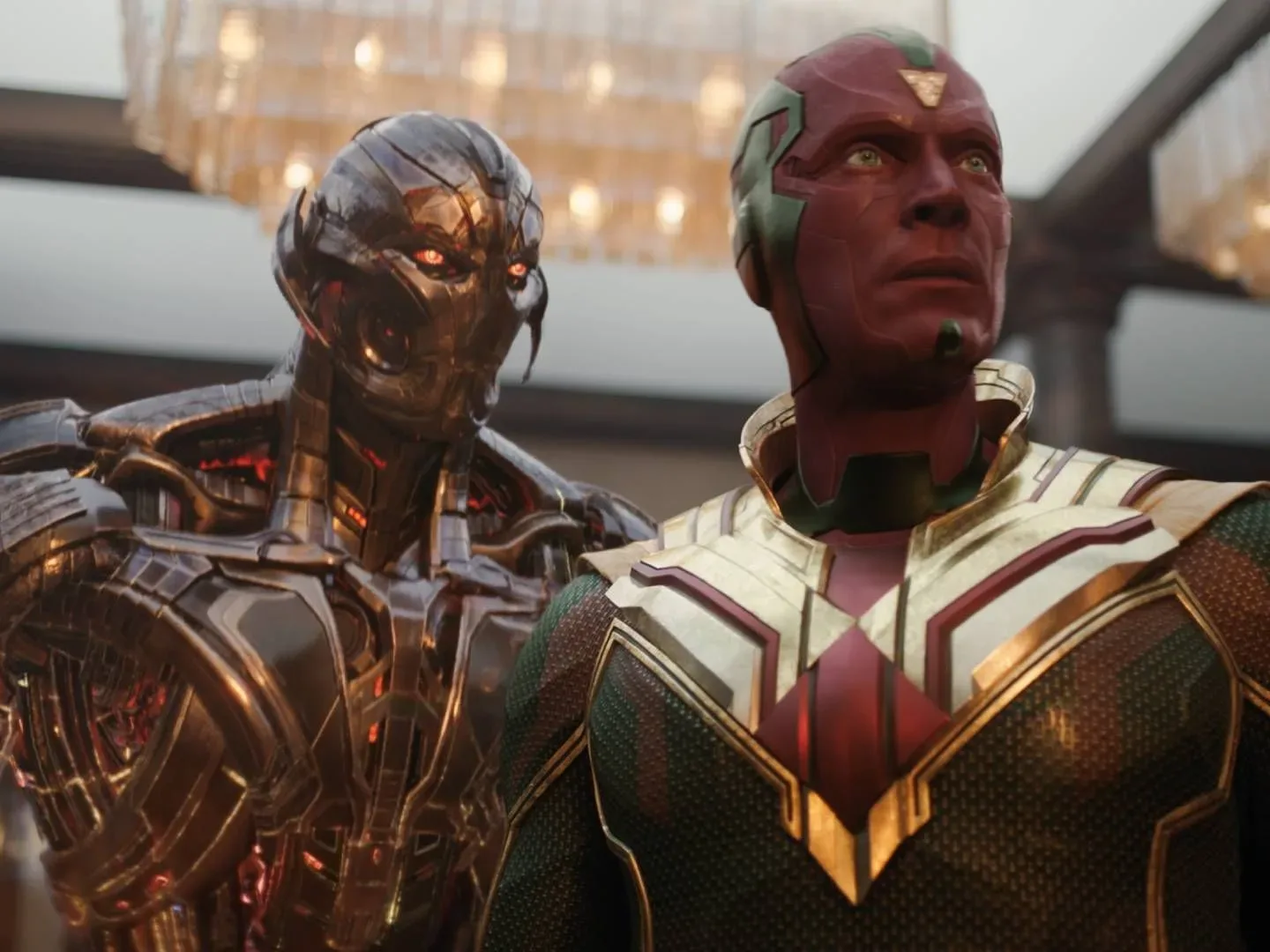
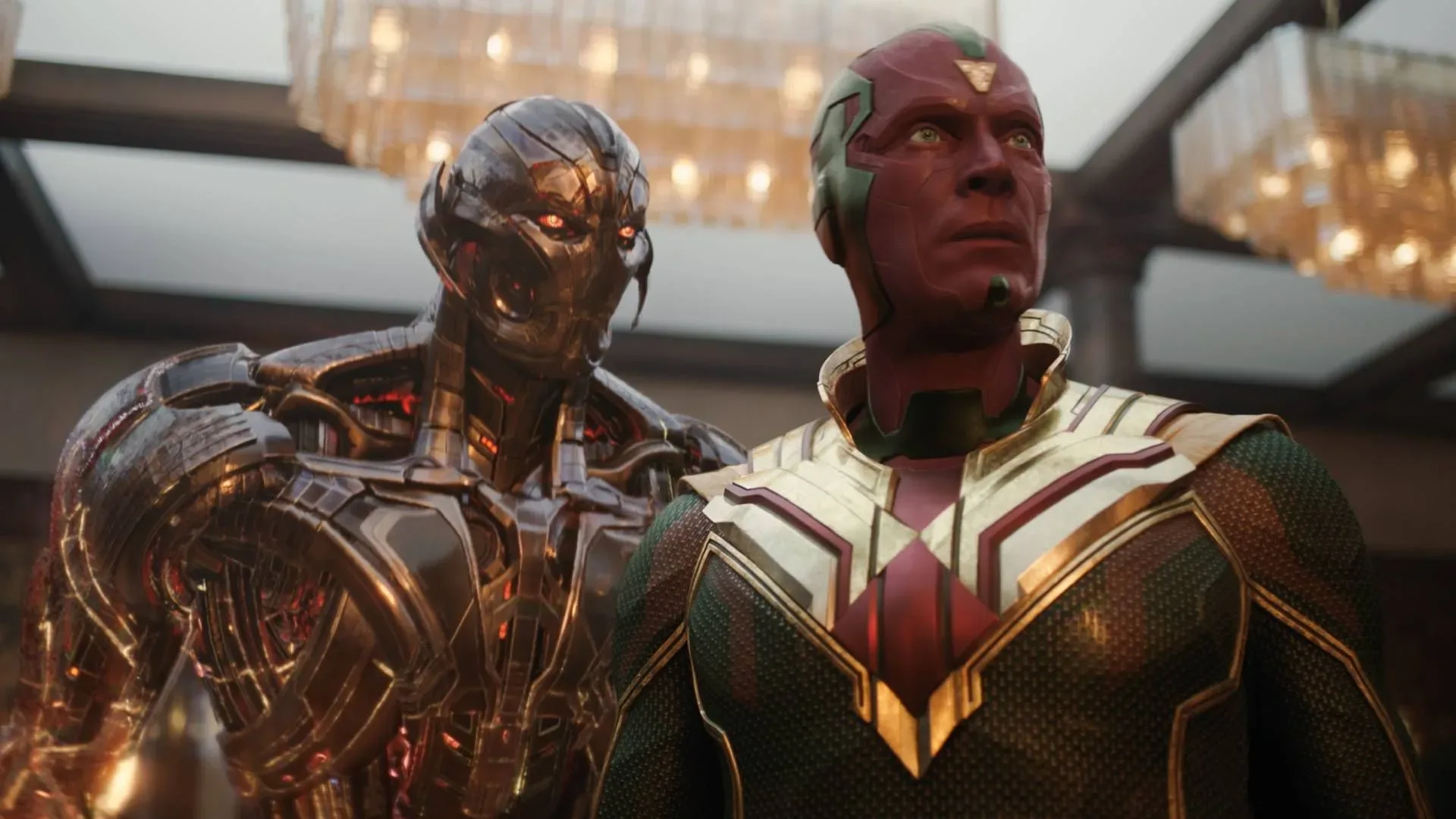
James Spader’s Ultron is the other major point of excitement. Reactions describe Spader as a standout and say Ultron is exactly the presence the show needs. One attendee was plainly eager to see the performer go “full Ultron,” a response that underlines how much anticipation surrounds the character’s involvement.
Ultron’s significance is easy to understand even without jumping ahead of what the show has revealed. He is inseparable from Vision’s history, which makes any return more narratively charged than an ordinary villain appearance. A story about Vision reclaiming or defining himself has obvious room for a confrontation with the forces and ideas that shaped him. Whether the series uses Ultron as an antagonist, a philosophical foil, a source of family tension or something else remains unconfirmed, but early viewers appear confident that Spader makes an impact.
Emily Hampshire also earns a positive mention in the early reaction roundup, with one viewer calling her an entertaining addition. Details of her character and role are not established by these responses, so it is best to leave the compliment at that. The praise does, however, indicate that the attention is not focused solely on returning Marvel faces.
Why the word “philosophical” fits Vision’s premise
“Philosophical” can become empty promotional shorthand unless the premise earns it. Vision, however, naturally invites questions that are genuinely philosophical: Is a person defined by memories, emotions, choices, continuity of body, or relationships? Can a being who remembers a life without feeling attached to it become the same person again? Is identity recovered, constructed or both?
Early commentary implies that VisionQuest is willing to put those questions at the center of the drama. That does not mean the show will deliver lectures, nor do the reactions provide enough evidence to predict its exact storytelling style. It means its central conflict appears to have room for reflection. In superhero television, that can be a productive route when the ideas remain attached to character stakes: the questions work best when the answers affect whom Vision trusts, what family means to him and what future he chooses.
The praise for humor and innovation suggests the show may avoid treating its heavier subjects with a single solemn register. Again, that is an impression, not a guarantee. But a mix of wit, visual style and serious emotional inquiry was one of the qualities audiences celebrated in WandaVision, making the comparison a meaningful one rather than a superficial branding exercise.
How much weight to give premiere reactions
There is real value in a cluster of early responses that independently emphasize similar strengths: the White Vision storyline, the connection to WandaVision, the emotional ambition and the performances from Bettany and Spader. The consistency makes it reasonable to say anticipation is building.
At the same time, first reactions have limits. They are immediate responses, often expressed in compact social posts, and the available feedback originates with people who saw the premiere at a convention setting. It cannot establish whether the full season maintains its pace, resolves its themes satisfactorily or lands every character arc. The strongest claims—such as calling the show a near-perfect conclusion—should be understood as individual assessments, not settled consensus.
For Marvel viewers, the practical takeaway is straightforward: expect a series that appears interested in continuing the emotional and conceptual territory around Vision, Wanda and their family, rather than simply reviving a familiar character for spectacle. Fans tracking the wider streaming slate can also find more context in Marvel’s announced Disney+ plans.
Whether VisionQuest ultimately earns the unusually high early praise will be clearer after its Disney+ debut. For now, the premiere reactions suggest a series with a specific creative objective: let Vision’s return be about more than return itself, and use that journey to revisit love, loss, identity and the complicated inheritance of the world around him.