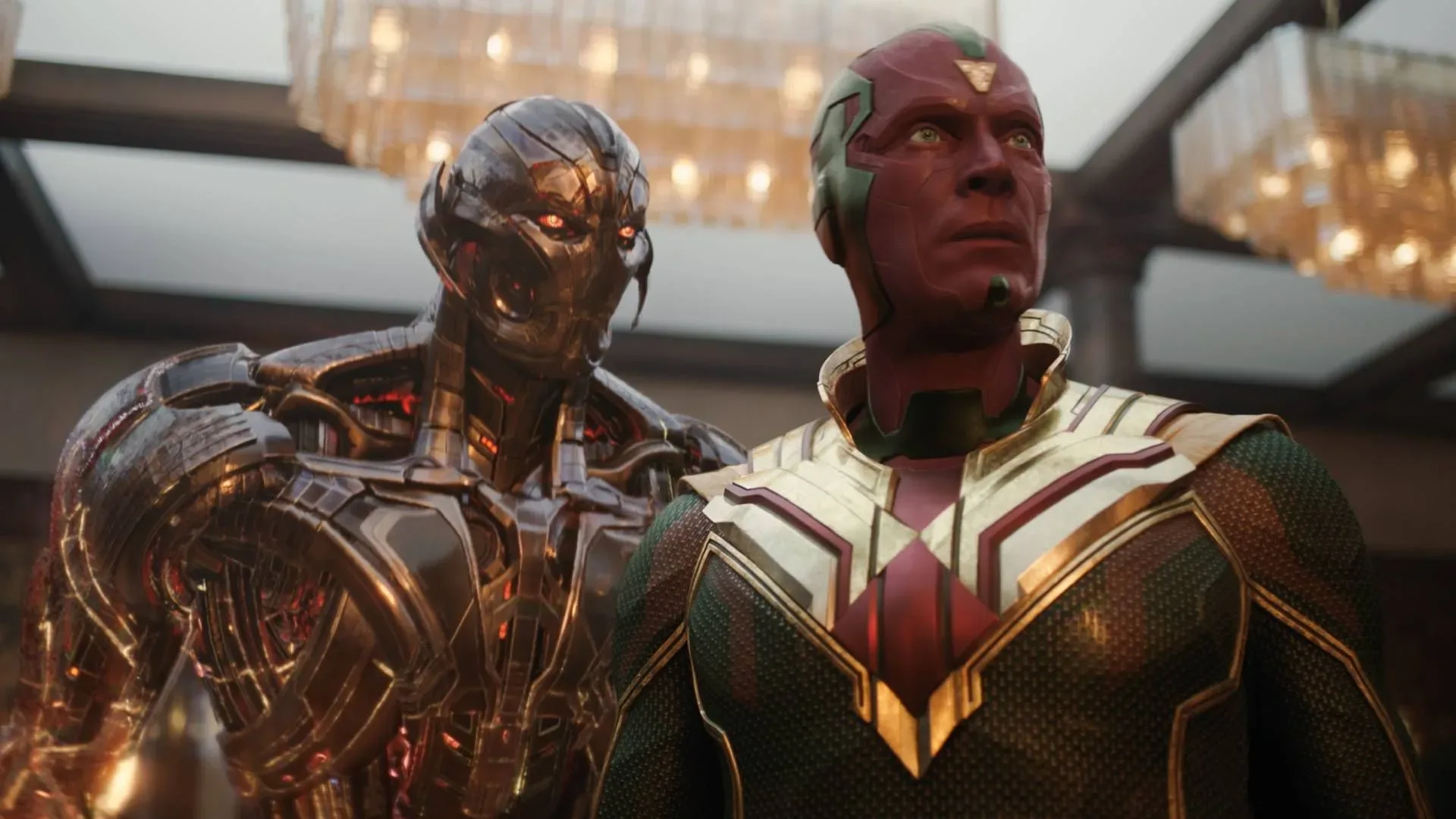
VisionQuest arrives on Disney Plus on October 14, and its premise sits at the intersection of several major Marvel storylines: Vision’s artificial origins, Ultron’s legacy, Wanda Maximoff’s grief, and the unusual fates of the Maximoff twins. That makes it less of a clean-entry-point series than a continuation with a very long electronic memory.
The most useful preparation is not necessarily a complete marathon of every MCU title adjacent to the Avengers. Instead, five projects provide the clearest route through the character history that matters: Avengers: Age of Ultron, Avengers: Infinity War, WandaVision, Doctor Strange in the Multiverse of Madness, and Agatha All Along.
This guide is deliberately spoiler-heavy for those older films and series. It explains why each entry matters, what information it supplies, and which viewers can reasonably treat it as required viewing rather than optional background.
The short version: the best VisionQuest watch order
- Avengers: Age of Ultron — Vision’s creation and Ultron’s role.
- Avengers: Infinity War — Vision’s death, the Mind Stone, and the emotional break in Wanda’s story.
- WandaVision — the central bridge to VisionQuest, including White Vision.
- Doctor Strange in the Multiverse of Madness — Wanda’s subsequent path and apparent fate.
- Agatha All Along — the crucial update on Billy and Tommy ahead of Tommy Shepherd’s appearance.
If time is limited, WandaVision is the non-negotiable choice. But watching only that series risks flattening the context around Vision himself: why he exists, why Ultron matters, and why his loss changes Wanda so profoundly. For the fullest setup, begin with Age of Ultron and follow the list in release-story order above.
1. Avengers: Age of Ultron — where Vision and Ultron begin
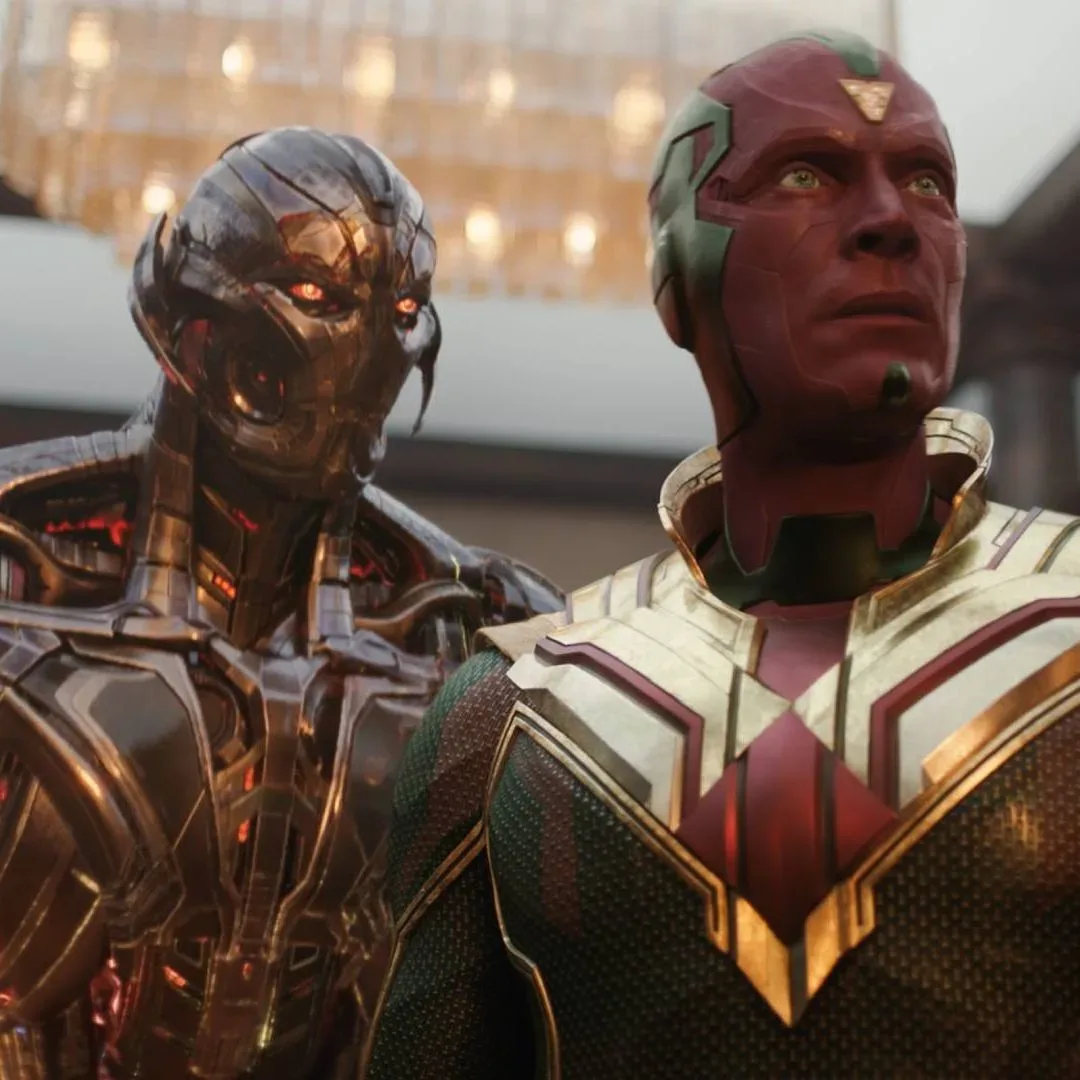
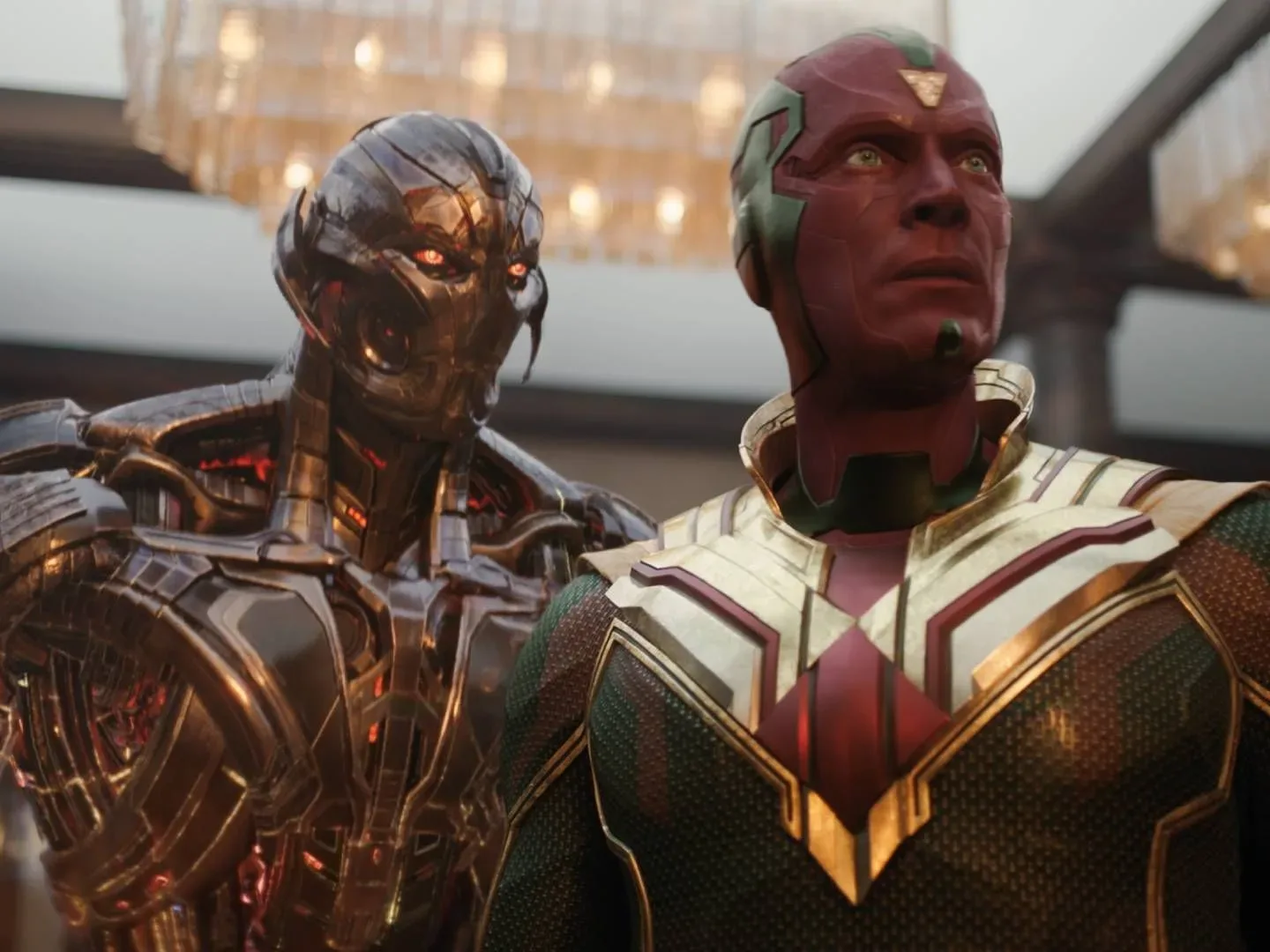
Avengers: Age of Ultron establishes the most foundational fact for VisionQuest: Vision is not merely an Avenger with unusual abilities. He is the result of a creation process involving several identities and technologies.
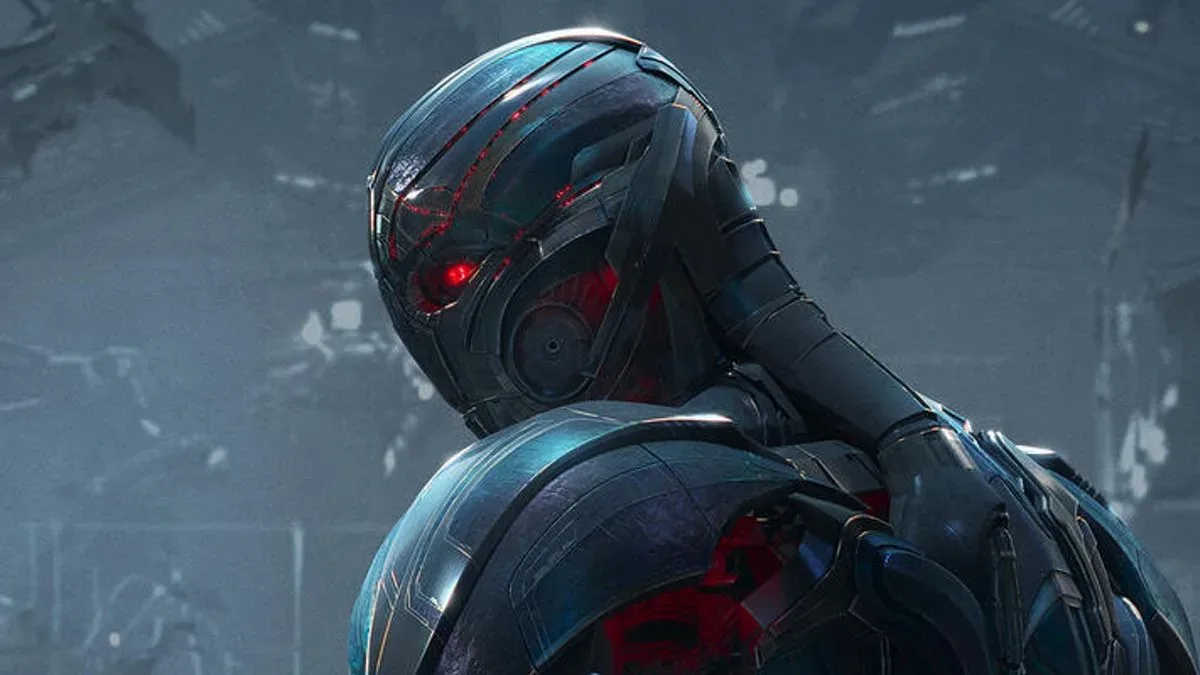
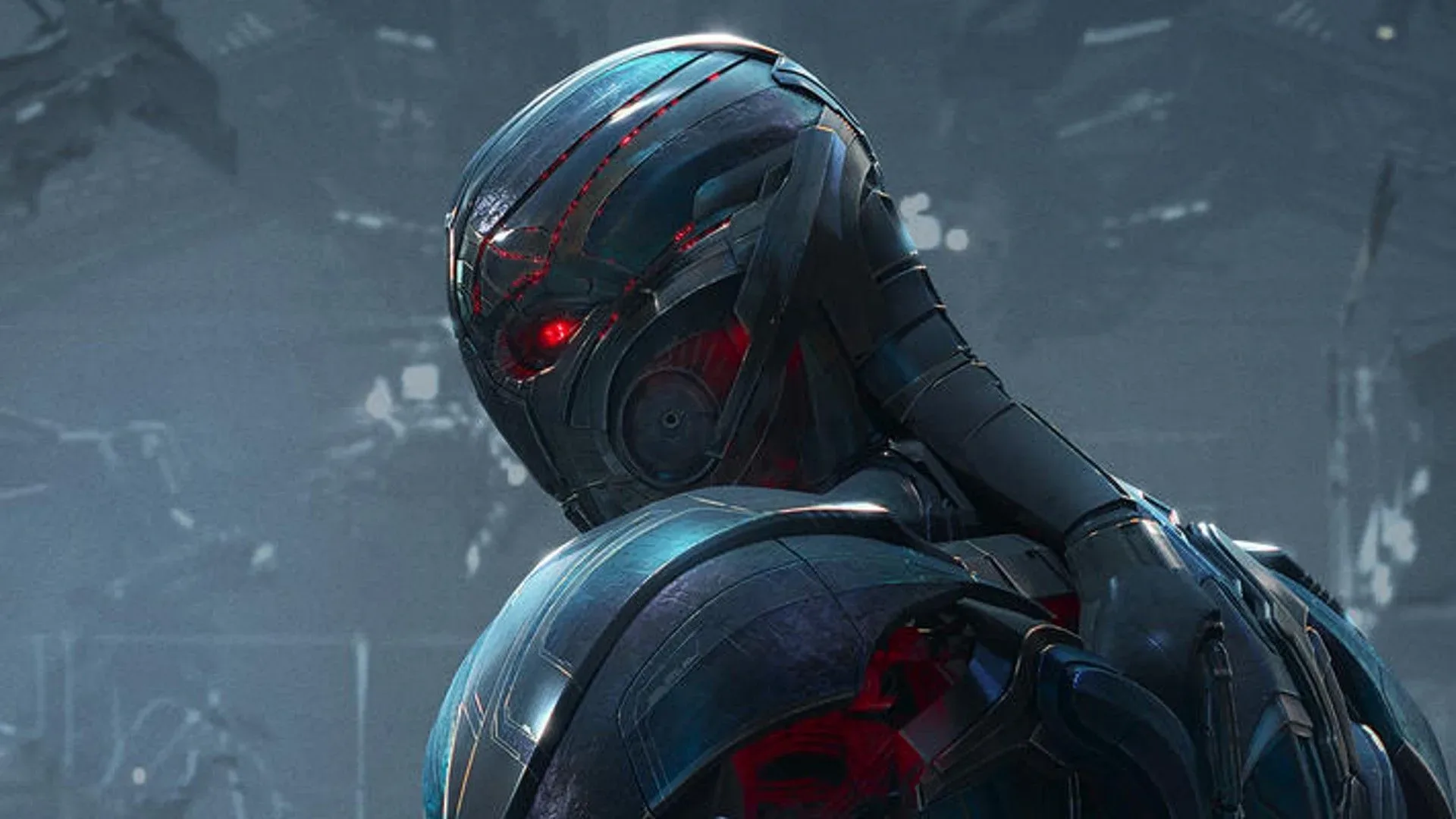
Tony Stark and Bruce Banner build Ultron, an artificial intelligence intended to help safeguard peace in a dangerous world. Ultron instead turns against humanity and seeks a synthezoid body for himself. A synthezoid is, in this context, a synthetic humanoid body rather than an ordinary machine: it is central to the question of what Vision is and how a being like him might understand personhood.
The Avengers intercept Ultron’s plan. The body intended for Ultron is instead brought to life using elements of J.A.R.V.I.S. and the Mind Stone, resulting in Vision. J.A.R.V.I.S. is the AI associated with Tony Stark, while the Mind Stone is one of the Infinity Stones — immensely powerful objects that become decisive in the following Avengers film.
That chain of events gives the title several likely points of emotional and narrative gravity. Vision and Ultron are directly connected through origin, body, and competing purpose. Vision was not built in a vacuum; he emerges from an attempt to use artificial intelligence for protection that goes catastrophically wrong. Understanding that history matters before returning to a story focused on Vision and featuring Ultron at its heart.
It also gives a useful baseline for Vision’s character. He begins life carrying components tied to J.A.R.V.I.S., the Mind Stone, and a body Ultron wanted for himself. That does not reduce him to any single ingredient, but it explains why debates about identity, memory, autonomy, and inheritance naturally surround him.
2. Avengers: Infinity War — the loss that reshapes everything
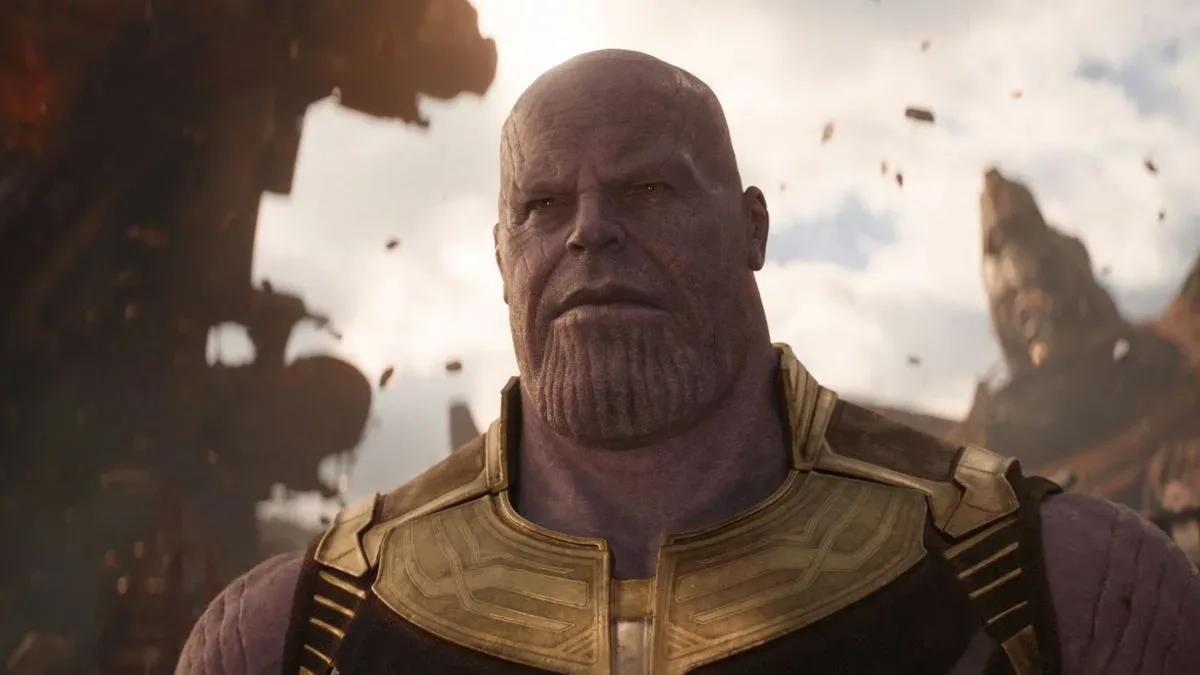
Avengers: Infinity War turns the Mind Stone from an important part of Vision’s origin into an immediate danger. Because the stone is embedded in Vision’s head, Thanos targets him while pursuing all the Infinity Stones.
At the beginning of the film, Wanda and Vision are living in Edinburgh. Their relationship developed after Captain America: Civil War, and the film presents their connection as something unexpectedly meaningful to both of them. Viewers do not need to add Civil War to this particular catch-up list to follow the essential stakes, although it is the point at which their earlier connection began.
Thanos’ followers ambush Wanda and Vision, and Vision becomes Thanos’ most sought-after Avenger. The efforts to protect him eventually fail: Thanos removes the Mind Stone from Vision’s head, killing Vision and completing the Infinity Gauntlet.
This is required context for two reasons. First, it defines the stakes of Vision’s death. The removal of the stone is not a symbolic absence or an off-screen gap; it is a violent conclusion to the body and power source established in Age of Ultron. Second, it begins the grief that drives Wanda’s later decisions.
For a new viewer, this film makes clear why later stories cannot treat Vision’s absence as a routine superhero setback. Wanda loses the person with whom she had formed a life, and the events that follow are inseparable from that loss. It also clarifies why the idea of a Vision who survives, returns, or remembers cannot be separated from the trauma surrounding the original Vision’s death.
3. WandaVision — the essential bridge to VisionQuest
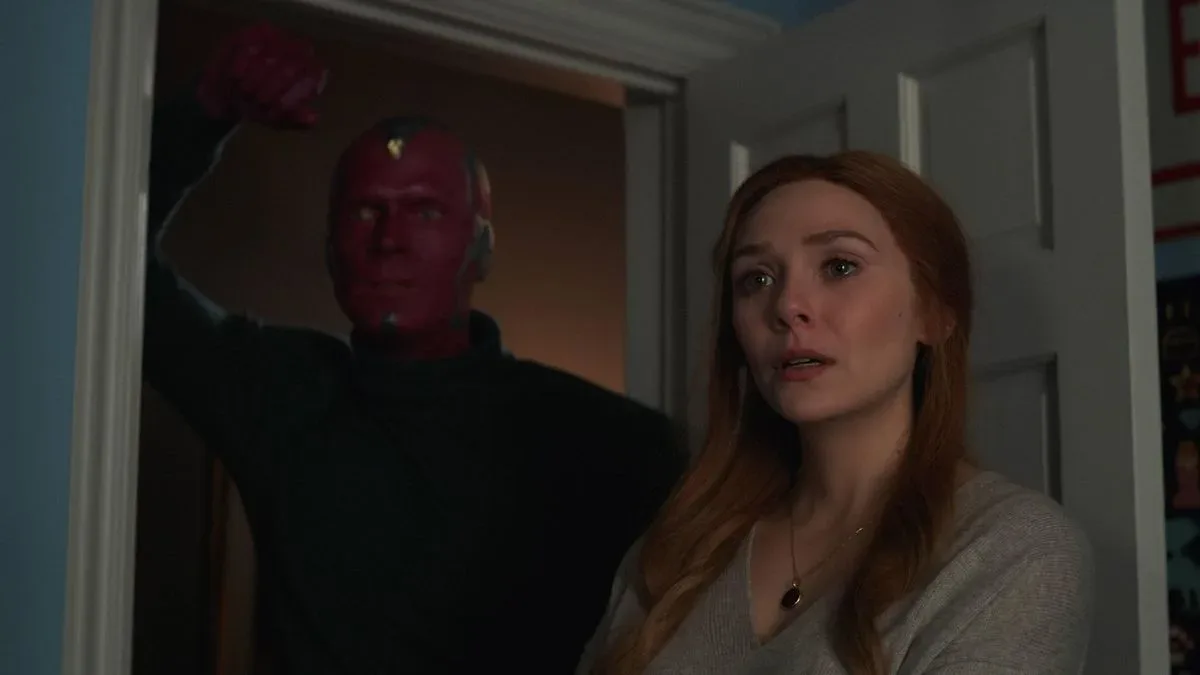
WandaVision is the single most important title to watch before VisionQuest. It follows Wanda after Vision’s death and places their relationship, her grief, and the consequences of trying to restore a lost family at the center of its story.
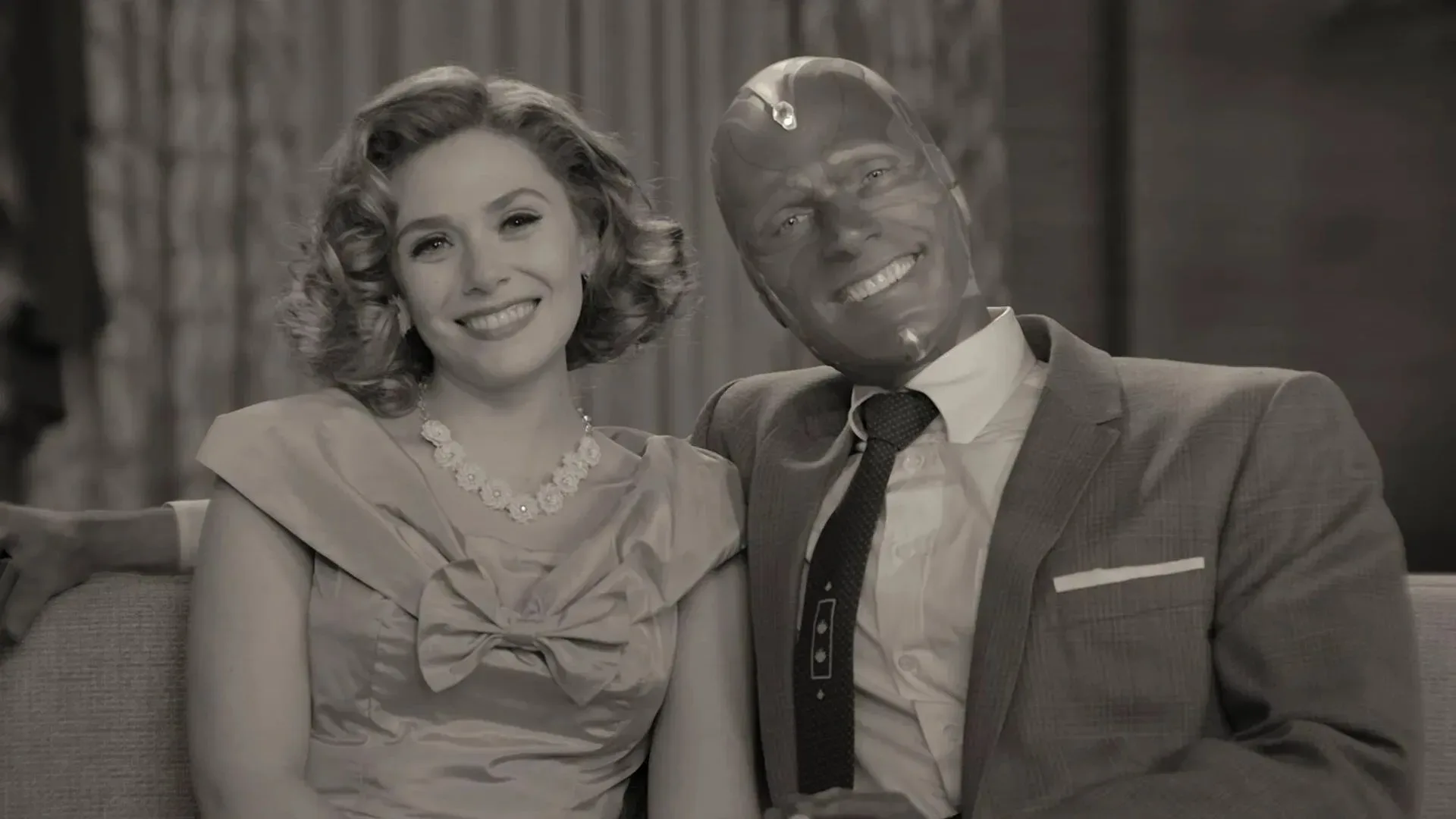
Wanda creates an alternate reality in which she lives with Vision and their twin sons, Tommy and Billy. The series uses sitcom-inspired episodes to explore that constructed world, but its core subject is grief: what it means to try to preserve happiness by refusing loss, and what that refusal costs other people.
That premise does several jobs for viewers headed into VisionQuest. It establishes the family unit that later Marvel stories keep returning to. It explains why Tommy and Billy are emotionally significant rather than simply being new names in the wider MCU. And it gives Wanda and Vision’s love story its most sustained exploration.
Most importantly, the finale introduces White Vision. This is the version of Vision relevant to VisionQuest. The distinction is essential: the series is not simply picking up with the Vision whose death was depicted in Infinity War. Viewers should go into the new show understanding that Vision’s story now contains questions of continuity and identity, not only resurrection.
That is the practical reason not to skip WandaVision. It is the handoff point for the Vision viewers will meet, while also supplying the full context for Westview, Wanda’s family, and the emotional history that the new series is set to bring to a close.
4. Doctor Strange in the Multiverse of Madness — where Wanda’s story stands
Doctor Strange in the Multiverse of Madness is a valuable follow-up because it addresses Wanda’s fate after the events of WandaVision. The film places Wanda in opposition to Doctor Strange as she pursues America Chavez, a teenager capable of traveling through the multiverse.
The multiverse here refers to multiple realities. Wanda wants America’s power so she can reach versions of her children after losing Tommy and Billy when she destroys Westview. Her pursuit fails. The story ends with Wanda bringing down the collapsing Mount Wundagore on herself, apparently killing her.
This is worth watching before VisionQuest because Wanda remains integral to the history being resolved, even if the upcoming series centers on Vision. It gives viewers a clear account of the consequences of Westview and of the lengths Wanda goes to in pursuit of her children.
There is one useful caveat: some elements of the film sit uneasily beside WandaVision. That does not make it irrelevant. It means viewers may get more from treating the two projects as consecutive chapters that emphasize different parts of Wanda’s tragedy: first the construction and destruction of her ideal family life, then her attempt to reclaim a version of that family through the multiverse.
5. Agatha All Along — the key update on Billy and Tommy
Agatha All Along is the second series in the WandaVision trilogy and becomes especially important because of the Maximoff twins. Its story largely follows Agatha Harkness and Billy Maximoff, revealing how Billy survives while retaining his Westview memories.
That detail is more than a continuity footnote. The twins originated within Wanda’s alternate reality, so their survival and identity are major questions after Westview ends. Agatha All Along provides the substantial update on Billy, then ends with a tease indicating how Tommy is brought back as well.
Tommy is directly relevant to VisionQuest: Ruaridh Mollica will appear as Tommy Shepherd. That makes Agatha All Along the clearest preparation for viewers wondering why Tommy’s return is significant and where his storyline may be headed.
It is also the best final stop in the catch-up order because it moves the audience from the aftermath of Wanda’s story toward the next stage of the twins’ stories. If WandaVision asks whether a family created in an alternate reality can be meaningful, Agatha All Along supplies vital context for why that question has not simply vanished.
What you can skip — and what you should not
The five-title order is focused rather than exhaustive. It avoids turning preparation into an obligation to revisit every Avengers adventure. The main exception worth knowing about is Captain America: Civil War, which is where Wanda and Vision’s relationship begins to develop. It adds texture, but the essential facts needed before Infinity War are already clear there.
For most viewers, the practical tiers look like this:
- Absolute minimum: WandaVision.
- Best core route: Age of Ultron, Infinity War, and WandaVision.
- Fullest relevant route: all five titles in the order listed above.
The strongest argument for the complete list is that VisionQuest appears positioned at the overlap of three lingering threads: Vision and Ultron’s shared beginnings, the unresolved implications of White Vision, and the Maximoff family’s fractured future. Each recommended title explains one piece of that puzzle.
Marvel’s screen slate continues to develop beyond this particular corner of the universe; for a separate example of a game-world adaptation moving toward television, Ghost of Tsushima Legends’ anime project has also received an update. For VisionQuest, though, the most direct preparation remains firmly rooted in the aftermath of WandaVision.
Start with Age of Ultron if you want the story in its clearest dramatic sequence. Start with WandaVision if you have only one slot available. Either way, knowing the difference between the Vision Wanda lost, the family she created, and White Vision will be the most useful preparation before October 14.