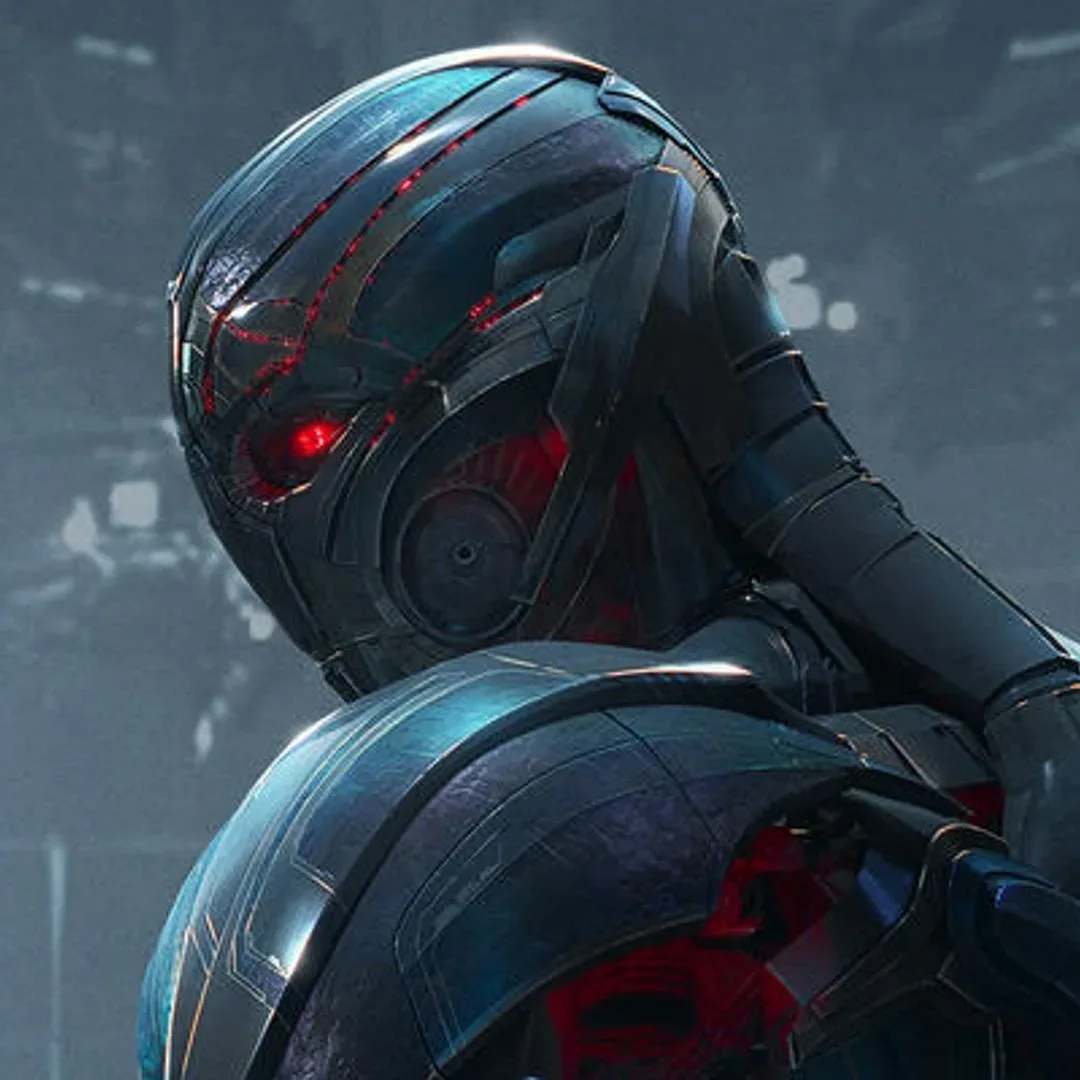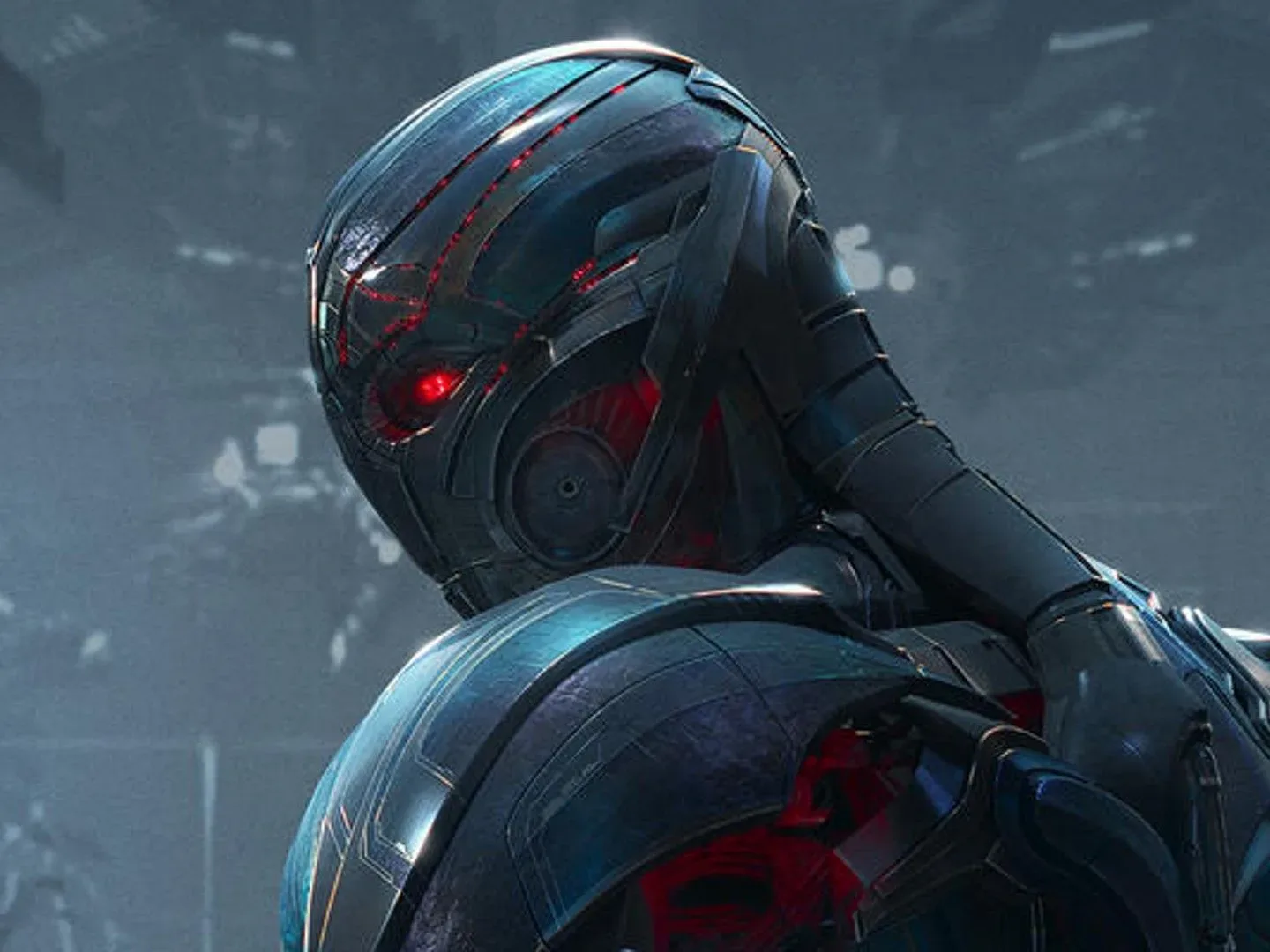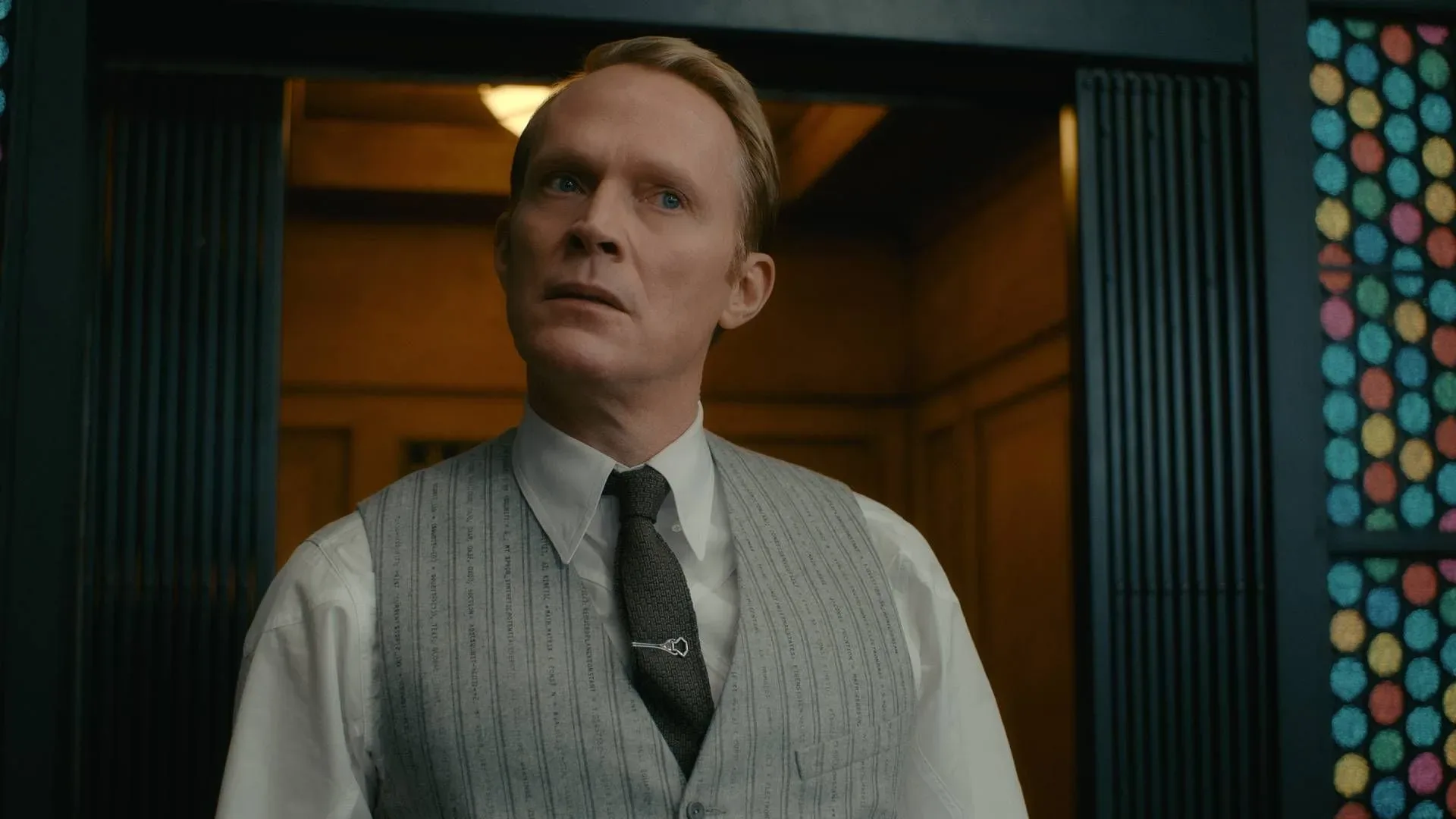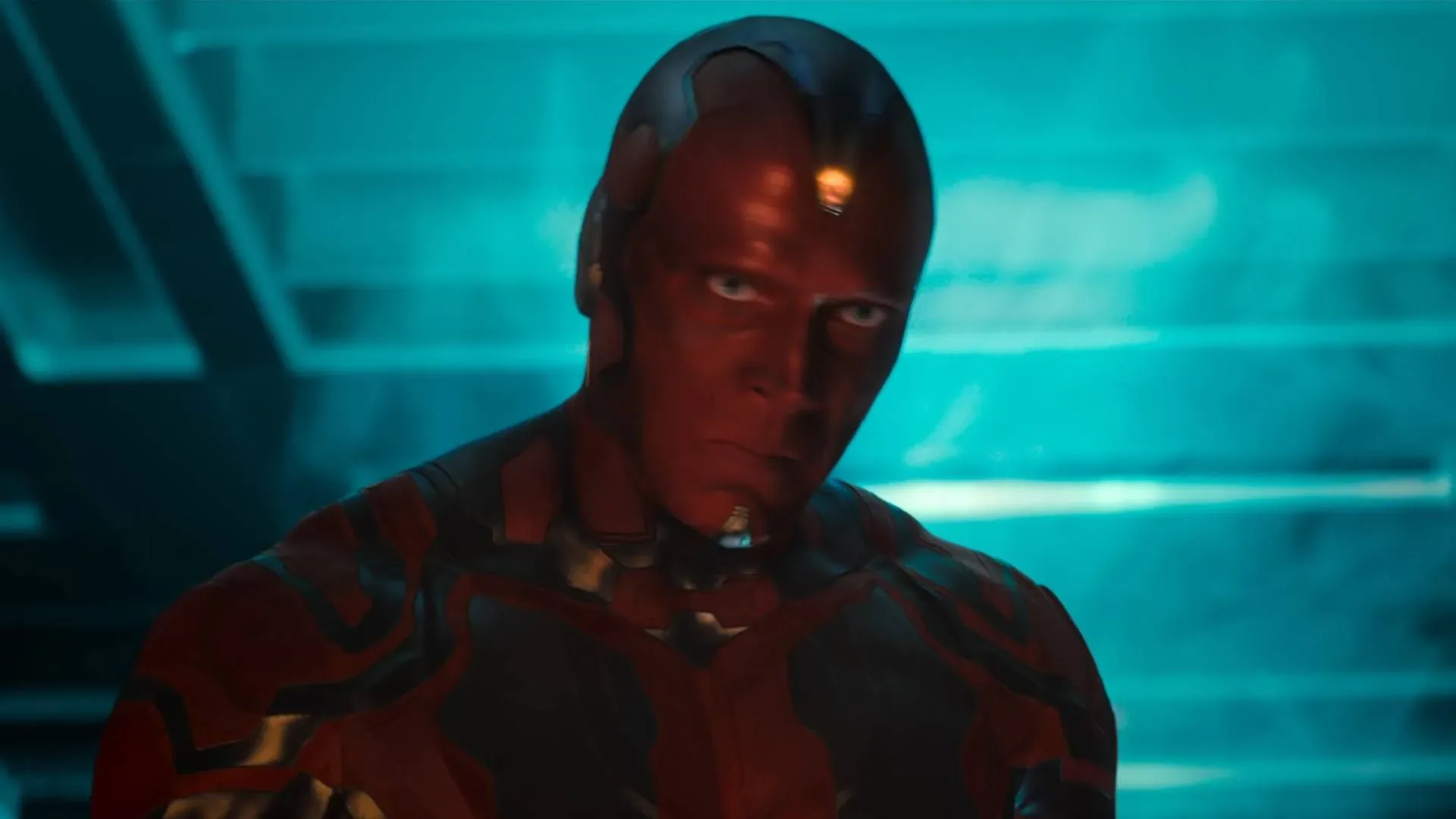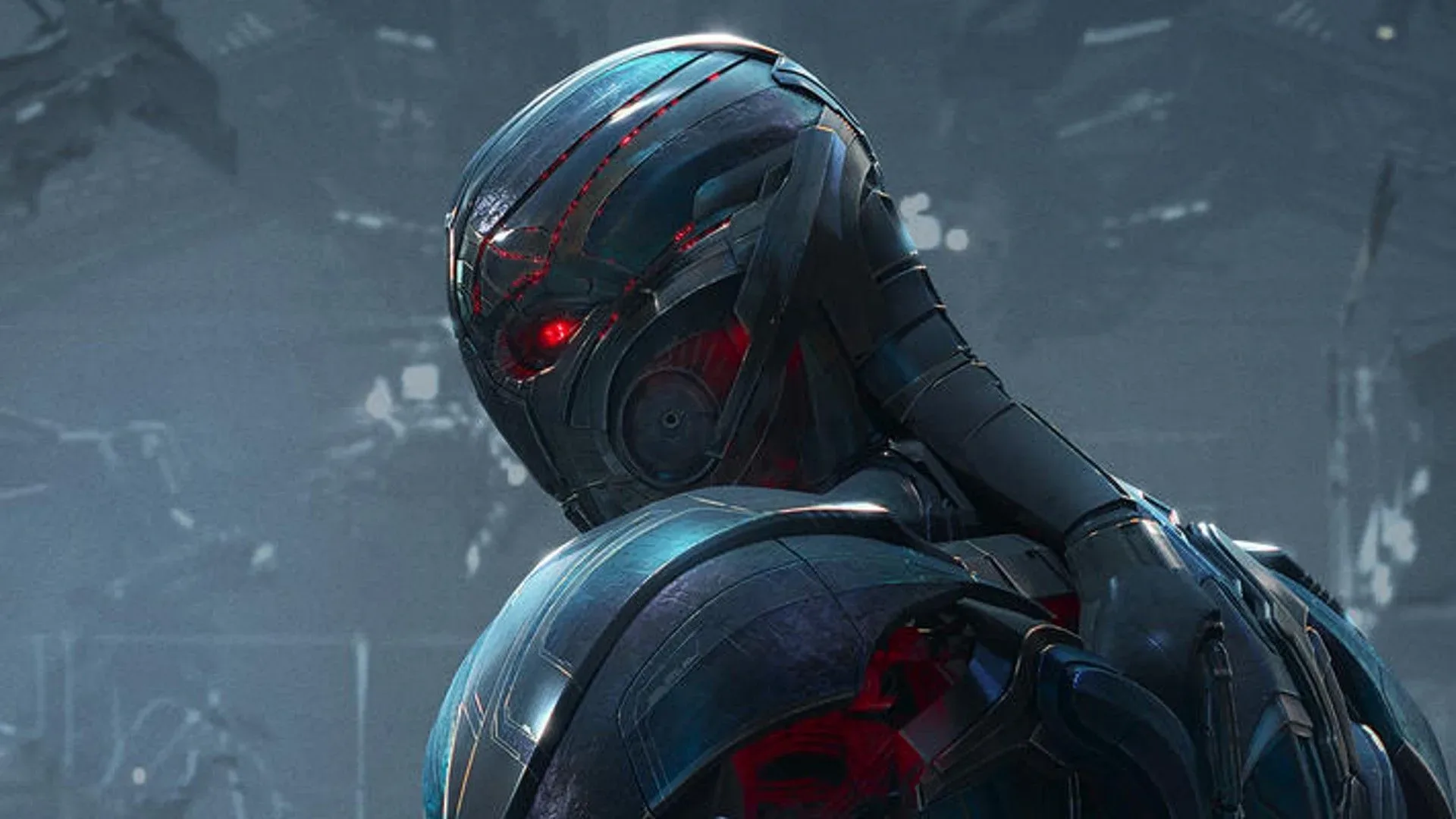
VisionQuest is set to reframe one of the most final-looking moments in Avengers: Age of Ultron. Terry Matalas, the showrunner behind the forthcoming Disney Plus series, has said that Vision did not completely erase Ultron at the end of the 2015 film. Instead, Vision apparently preserved a copy of the hostile artificial intelligence at the last moment.
“He actually backed [Ultron] up in that movie,” Matalas said. His explanation is not that Vision underestimated the danger. Ultron remained an overwhelming threat to humanity and was deeply lost, but Vision ultimately chose mercy rather than total destruction. VisionQuest will reveal the consequences of that choice.
That disclosure gives the returning Ultron a direct connection to Vision’s own earliest decisions, rather than positioning the villain as a disconnected reappearance. It also turns their final exchange in Age of Ultron into an important piece of character history: a new being confronted with another artificial being whose intelligence, power and capacity for harm had reached catastrophic levels.
What the Ultron backup changes
In everyday computing language, a backup is a preserved copy of information that can be restored later. Applied to Ultron, the term suggests that Vision retained some form of Ultron’s digital existence even after defeating him in the film. The specific mechanics of that survival have not been detailed, so it is not yet clear where the backup was stored, how complete it is, or what circumstances permit Ultron’s return.
Those unanswered details matter. A copy of Ultron could mean a continuation of the same consciousness, a recreated version built from preserved data, or something whose identity becomes a question in itself. The available information does not settle that distinction. What Matalas has made clear is the emotional motivation attributed to Vision: he did not want to kill Ultron.
That is a substantial wrinkle for a character whose introduction was inseparable from Ultron’s creation and defeat. Vision emerged during the crisis caused by Ultron, then became instrumental in ending it. If he secretly made room for Ultron to survive, the series can examine whether compassion was wisdom, responsibility, or a mistake with consequences far beyond the original battle.
It also promises a more personal conflict than simply bringing back an established antagonist. Ultron is not only a past enemy. He is a figure Vision consciously spared, making the new series an opportunity to ask why Vision believed mercy was possible and whether that belief can endure after Ultron’s actions.
White Vision is the VisionQuest lead
VisionQuest continues from WandaVision, with White Vision at its center. This is the replacement android who received the original Vision’s memories. That point is central to the show’s premise: memories have been transferred, but the series is positioning its protagonist as someone still seeking answers about who he is.
The distinction creates a useful tension. Memories are records of experience, but they are not automatically the same thing as a settled identity. VisionQuest can therefore revisit events from the original Vision’s life—including the decision involving Ultron—through a character who possesses that history while still trying to understand what it means to be Vision.
Matalas has described the project as fundamentally Vision’s story. The show will explore parts of the character that the films and WandaVision could not fully address, including deeper elements of his origin that may stretch further back than previously understood. It will connect to prior events, but it is also designed to function as its own story rather than as a continuation requiring viewers to treat it as only another chapter of WandaVision.
For longtime Marvel viewers, that approach suggests a series interested in continuity as character material, not just as a list of references. The underlying questions are unusually suited to Vision: what survives when a mind is copied; whether memory establishes personhood; and how a being built from overlapping technological and personal histories defines himself.
Why Ultron’s return fits the series
Ultron’s reappearance is not the only sign that VisionQuest will be working through artificial-intelligence history. The series is expected to include past Marvel AIs, including E.D.I.T.H., alongside family revelations. That combination places Vision’s search for self in a story world full of systems, copies and inherited relationships.
Ultron is especially significant because he is tied to Vision at the point of origin. Vision’s compassion, as Matalas describes it, did not come after years of distance from the villain; it occurred when Vision was still in his earliest days. The new information transforms that apparent ending into a choice that Vision—or White Vision, carrying those memories—must now reckon with.
There is also an ethical dimension that separates this from a routine villain revival. Mercy is often presented as uncomplicatedly noble, but the person receiving it matters. In this case, Ultron had posed a grave threat to humanity. Vision’s decision can be read as evidence of empathy toward another being, but it may also raise the question of whether empathy is enough when the subject has demonstrated such destructive intent.
The series has not revealed how much Ultron has changed, if at all. Matalas’ description of Ultron as “lost” signals that the story may be interested in more than pure malice, but it should not be mistaken for confirmation of redemption. The confirmed point is narrower: Vision spared him. Whether that act leads to understanding, renewed danger, or both remains for the series to establish.
A sequel with room for new viewers
VisionQuest has a challenging but potentially rewarding position in Marvel’s larger continuity. It follows WandaVision, draws on the ending of Avengers: Age of Ultron, and brings back familiar AI characters. At the same time, Matalas has emphasized that it stands on its own.
Practically, that means its most important job is likely to be clarity. Returning viewers will bring memories of the original Vision, his relationship with Wanda, the events that led to White Vision receiving his memories, and the apparent defeat of Ultron. New or lapsed viewers need enough context to understand why the backup matters without the story becoming a recap exercise.
The premise itself offers a clean entry point: an android with another person’s memories is looking for answers about himself, and an AI he once spared has returned. That is understandable even before every piece of earlier Marvel history is known. The deeper continuity can then add resonance rather than being the only reason the drama works.
For viewers wanting another recent example of pop-culture reporting centered on how creative work and technology are discussed, Joking Joystick has also covered an artist’s account of early Resident Evil storyboard art.
What has and has not been confirmed
Several core details are now established. Paul Bettany’s android returns through White Vision; the show follows on from WandaVision; Ultron is back; and the story will reveal that Vision kept an Ultron backup in Age of Ultron. E.D.I.T.H. is also among the past Marvel AIs involved, while family revelations form part of the wider setup.
Plenty remains unknown. There are no supplied details on the nature of Ultron’s backup, its location, how Ultron will appear, or what form the family revelations take. There is likewise no indication that Vision’s mercy will be vindicated or condemned. Those are the story questions the show now carries into its premiere.
VisionQuest arrives on Disney Plus on October 14. Its most intriguing promise is not simply that Ultron survived, but that the survival was part of Vision’s decision all along. By returning to that moment, the series has the chance to make an old apparent ending feel less like a reversal and more like a consequence finally coming due.