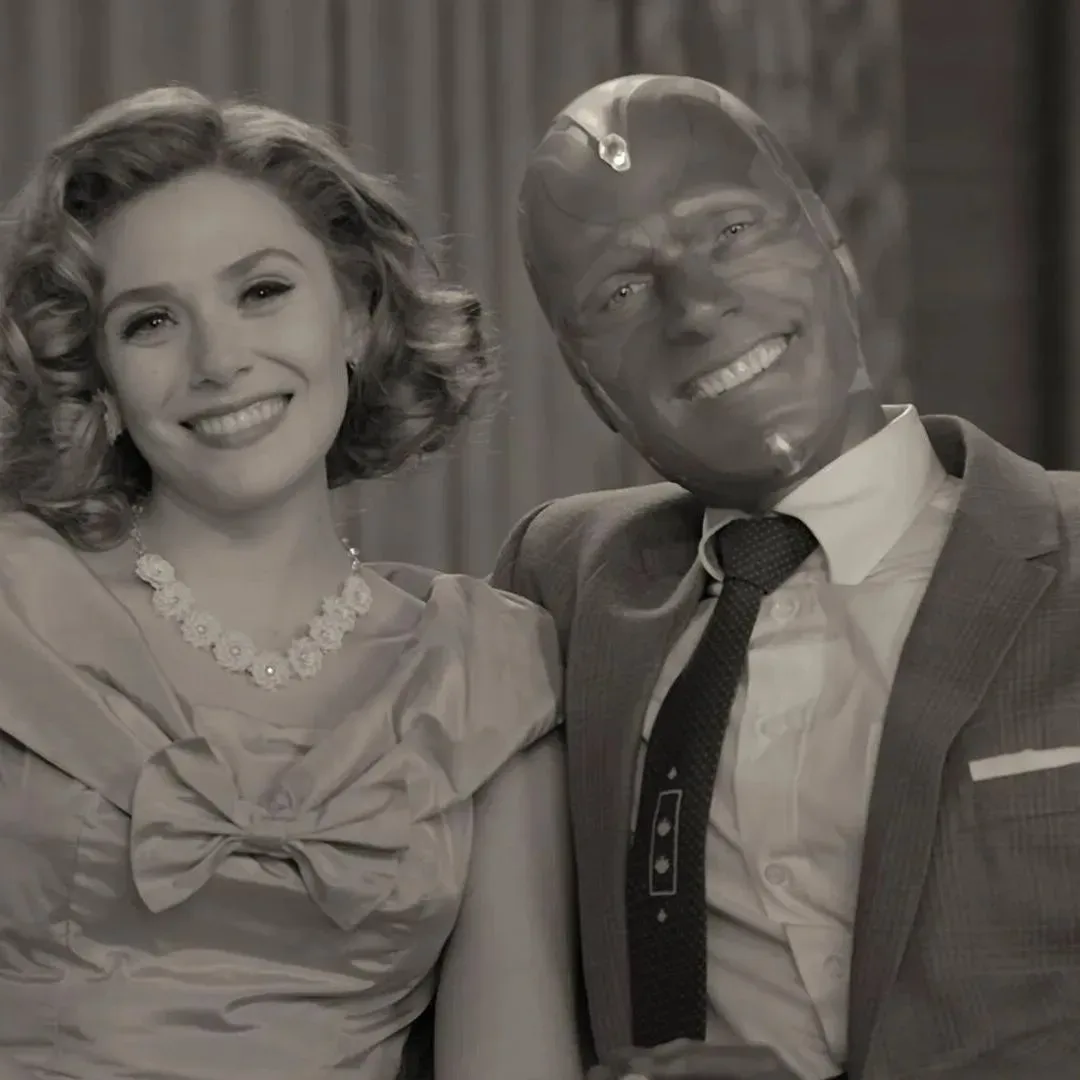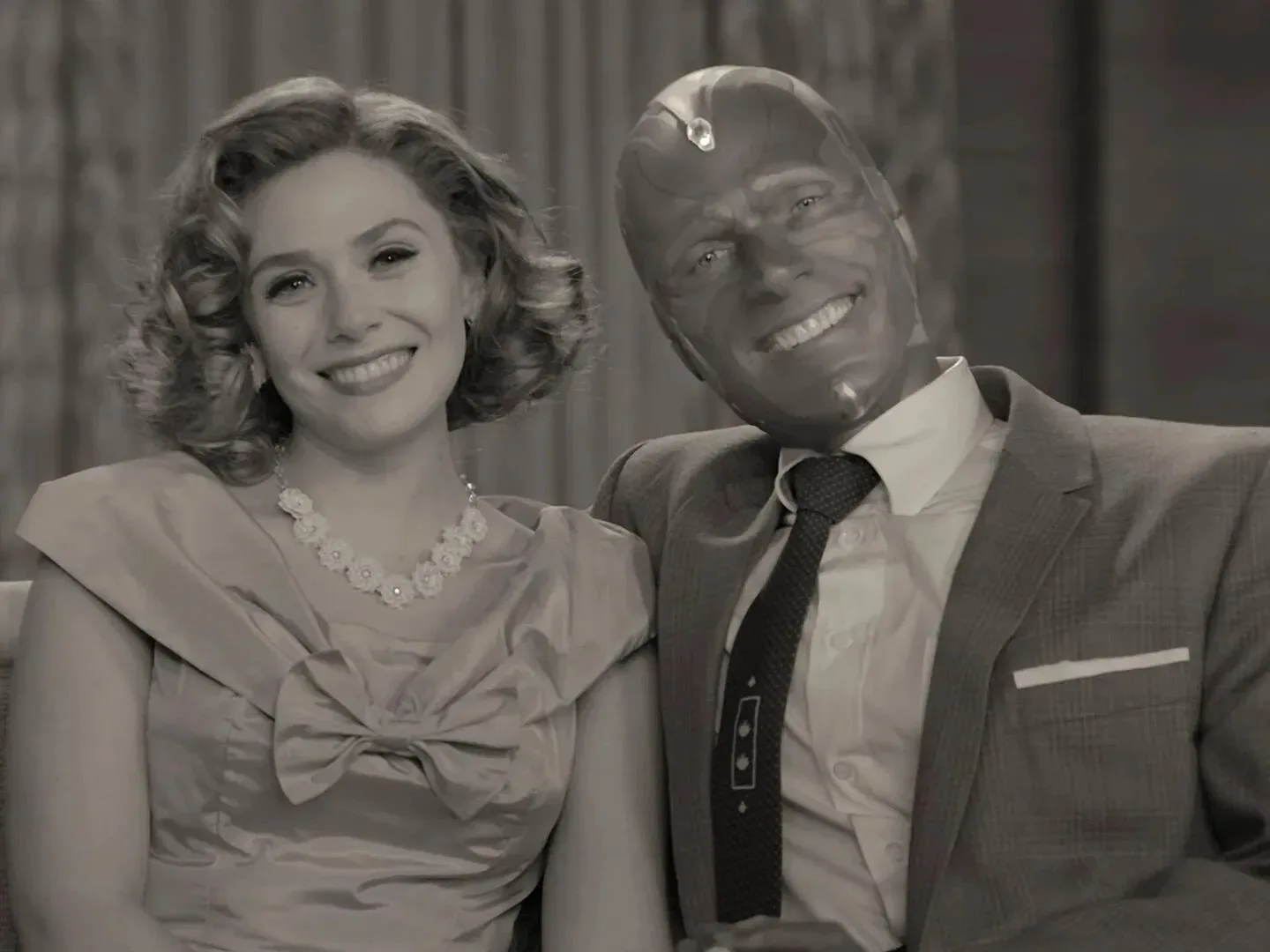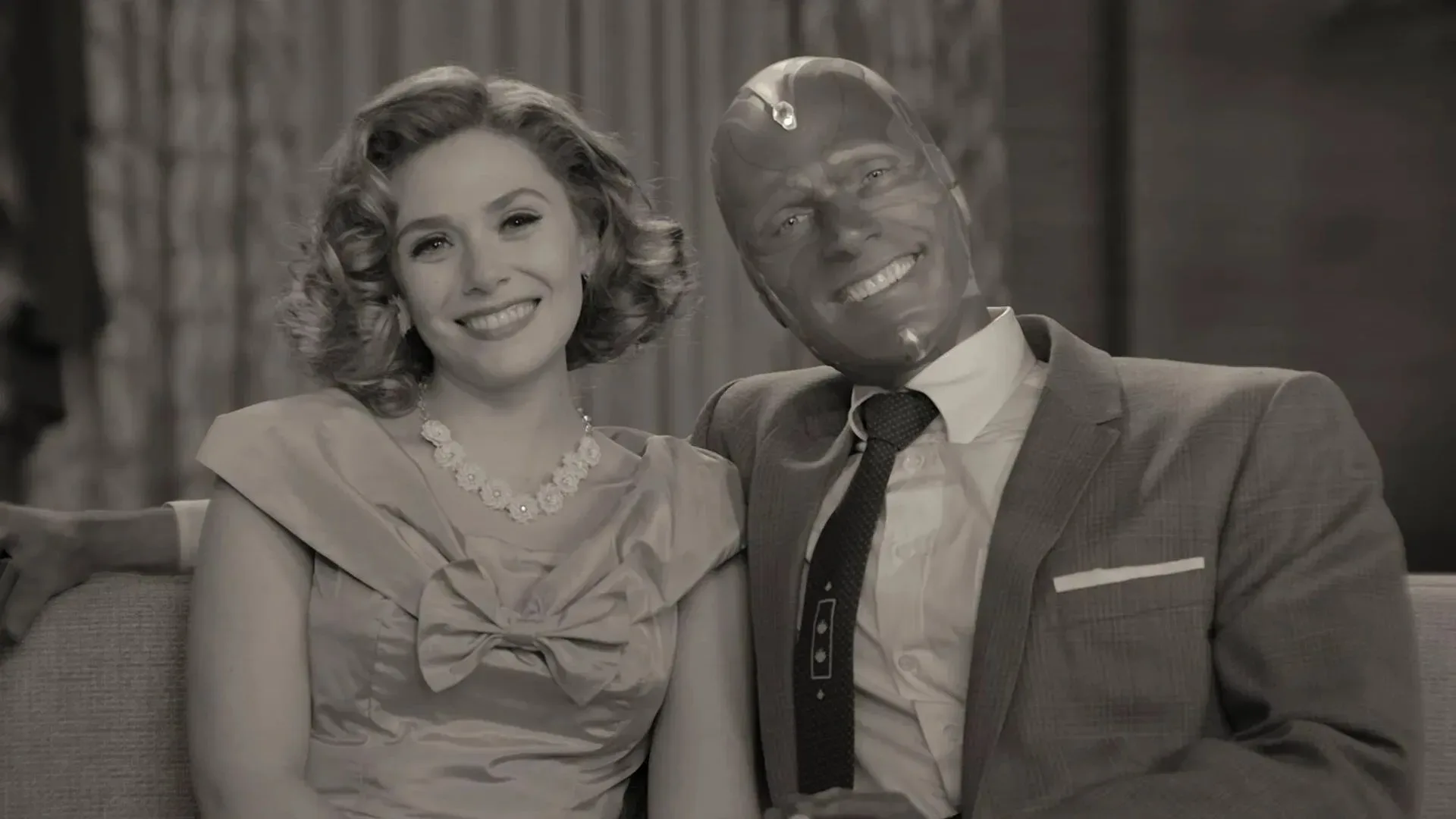
Marvel has made the first three episodes of WandaVision free to watch on its official YouTube channel, putting the peculiar sitcom-shaped beginning of the story within easy reach ahead of VisionQuest. The new series is scheduled to arrive on October 14, and the timing makes this less like a random streaming freebie and more like a very deliberate homework assignment—albeit one involving black-and-white domestic bliss, unsettling applause, and an android whose life has become exceptionally complicated.
For viewers who missed WandaVision the first time around, its opening episodes are not simply a standard superhero recap. The series begins after the events of Avengers: Endgame, with Wanda Maximoff grieving Vision’s death at the hands of Thanos. Rather than confronting that loss in a straightforward reality, Wanda uses magic to construct an idyllic life. The show’s early format is central to that premise: it presents domestic life through shifting television-style conventions while gradually making clear that something is deeply wrong beneath the laugh-track surface.
That makes the three-episode YouTube release a meaningful sample rather than a collection of arbitrary installments. It gives newcomers the foundation for Wanda’s emotional situation and the strange world she has created, while also allowing returning viewers to revisit the atmosphere that launched this corner of the Marvel story into a much stranger direction than “hero punches villain in sky.”
Why these WandaVision episodes matter to VisionQuest
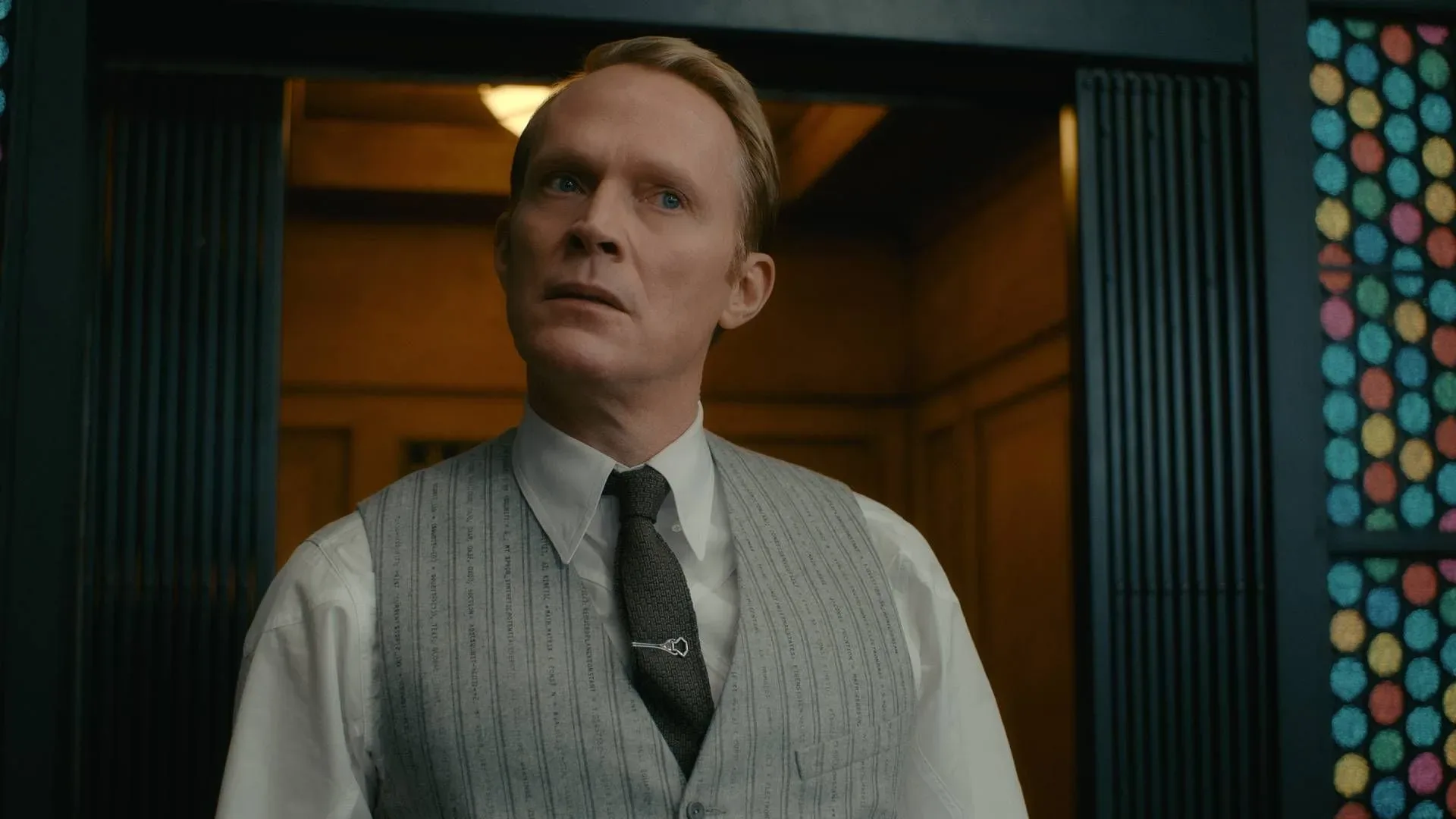
VisionQuest does not simply pick up with the version of Vision viewers spent most of WandaVision watching. By the end of that series, Wanda allows the magically created Vision—part of the life she built through magic—to disappear. At the same time, S.W.O.R.D. has created a rebuilt, all-white Vision. It is this rebuilt version who begins a new life in VisionQuest.
The distinction is important. In practical story terms, two versions of a character can carry overlapping memories, identities, appearances, or emotional associations without necessarily being interchangeable. The available description identifies the white Vision as the figure at the center of the new series, while Wanda’s magical Vision is allowed to vanish at the end of WandaVision. For anyone heading into VisionQuest, that is the essential piece of continuity to understand: the show’s protagonist is connected to Vision’s history, but his situation is built around reconstruction and a new beginning.
That is also why the first three episodes of WandaVision have value beyond a conventional “previously on” refresher. They establish the emotional stakes of Vision’s absence for Wanda, the extent to which his loss shapes the world around her, and the deliberately artificial comfort at the heart of the story. Even before later developments introduce the rebuilt Vision, the opening material explains why a series about a Vision trying to start over has more baggage than an airport carousel at the end of a superhero convention.
A quick continuity guide
- Wanda Maximoff: Following Avengers: Endgame, Wanda is grieving Vision’s death and uses magic to create an idealized life.
- The magical Vision: Wanda’s created version of Vision exists within that magical life and disappears when Wanda allows that world to end.
- The white Vision: S.W.O.R.D. creates a fully rebuilt all-white Vision. This is the Vision who begins a new life in VisionQuest.
- VisionQuest: The upcoming series follows that rebuilt Vision and includes Ultron, played by James Spader.
Ultron is back, and that is a loaded return
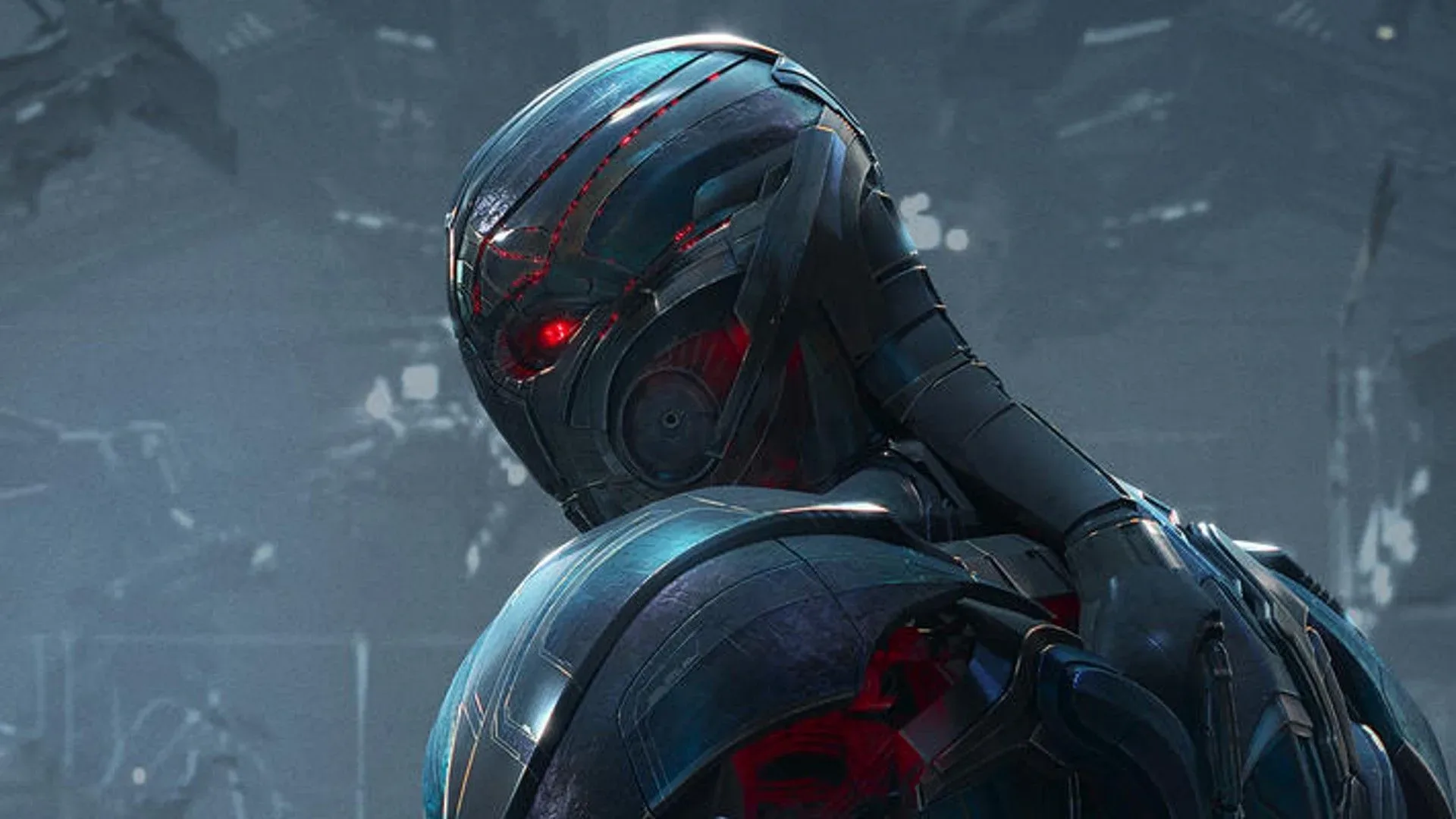
The forthcoming series places another major piece of Vision’s history back on the board: Ultron, with James Spader returning in the role. The available trailer information suggests Ultron comes to live with Vision, though the exact mechanics and context have not been detailed here. That is an intentionally odd setup even by Marvel standards, where sentient technology has a longstanding habit of treating emotional boundaries as optional firmware.
Ultron’s presence matters because he is not presented as a fresh antagonist with no connection to the protagonist. He is part of the character history surrounding Vision, which means his return naturally raises questions about identity, memory, creator-and-creation dynamics, and whether a new life can ever be entirely separate from the systems that built it. Those are analytical implications of the premise, not confirmations of plot points the series has yet to reveal.
The trailer also includes Ultron addressing Tommy Maximoff with the line,
“You really are a son of a witch.”
Tommy is played by Ruaridh Mollica. He is Wanda’s son and was introduced by name in the first WandaVision spin-off, Agatha All Along. His presence makes the new show feel connected not only to Vision’s rebuilt existence but also to Wanda’s family story. However, the supplied details do not establish precisely how Tommy’s role unfolds, how much Wanda will factor into the series, or what Ultron’s comment means in full context. The trailer line is a hook, not a complete explanation.
The returning AI names add another layer
VisionQuest also includes Orla Brady as FRIDAY, Emily Hampshire as EDITH, and James D’Arcy as JARVIS. Those names matter because they signal a gathering of recognizable artificial-intelligence figures around a character whose own existence is bound up in questions of personhood and technology.
In broad terms, an AI assistant is a programmed intelligence designed to provide information, manage systems, or support a user. Vision is a much more complicated figure than that simple description, but placing FRIDAY, EDITH, and JARVIS in the same series suggests that artificial intelligence will be more than background decoration. It may be the language through which the show explores its protagonist’s new circumstances.
That is not a promise that every familiar AI will have equal importance, nor does the cast list confirm story outcomes. It does, however, give the series a distinct thematic toolkit: a rebuilt being attempting to make a home, an old enemy associated with his origins, and several established digital intelligences in the surrounding cast. “Who is Vision now?” is the obvious question. “Who gets to define that answer?” may be the more interesting one.
What the free YouTube release does—and does not—offer
The three free episodes provide an accessible entry point into WandaVision, but they are only the opening portion of the series. Viewers should not assume the release covers every development needed to understand the end-state described above. The important late-series outcomes—the disappearance of Wanda’s magical Vision and the existence of S.W.O.R.D.’s rebuilt white Vision—come after the opening trio.
Still, the initial episodes are useful preparation because they establish the show’s method. WandaVision uses an idealized television reality as part of its storytelling rather than treating the sitcom presentation as a disposable gimmick. A first-time viewer who understands that the early strangeness is purposeful will likely get more out of the experience than someone waiting for an immediate, conventional Marvel plot machine to begin dispensing quips at highway speed.
For returning viewers, the episodes offer a chance to revisit the beginning with foreknowledge of where Wanda’s grief and Vision’s fate eventually lead. The emotional foundation is the point. Before the reconstruction, before the all-white Vision, and before Ultron apparently becomes the sort of houseguest who makes a family meeting unavoidable, there is a story about someone trying to make unbearable loss feel ordinary.
Comic Con news is still expected
More VisionQuest news is expected from New York City Comic Con. No specific announcement has been detailed, so any expectation of cameos or additional casting should remain speculation until Marvel shares it. With an interconnected franchise, even a small casting reveal can prompt a flood of continuity theories; that does not make every theory evidence.
That restraint is worth keeping as the October 14 debut approaches. What is currently clear is the series’ basic lineup: the rebuilt white Vision starts a new life, James Spader’s Ultron is involved, Tommy Maximoff appears, and FRIDAY, EDITH, and JARVIS are part of the cast. What remains unclear is how those elements fit together, what the new version of Vision wants from his life, and exactly why inviting Ultron into one’s home—or brain—seems remotely survivable.
Marvel’s decision to unlock the first three WandaVision episodes is therefore an effective bridge between chapters. It offers a low-barrier way to revisit the origin of the emotional and identity questions now heading into VisionQuest. For more on another major screen project currently taking shape, see our coverage of Sony’s reported Battlefield movie talks.