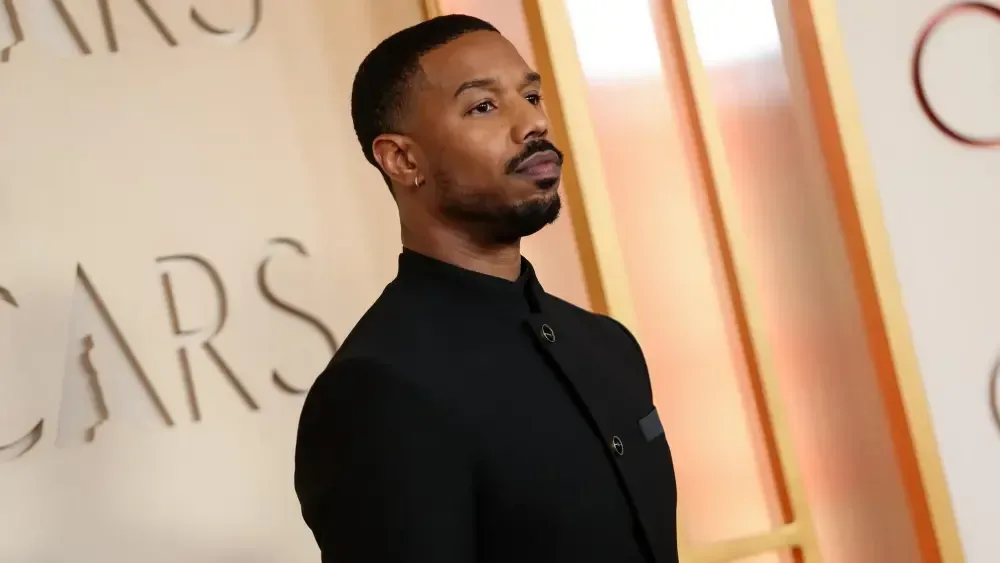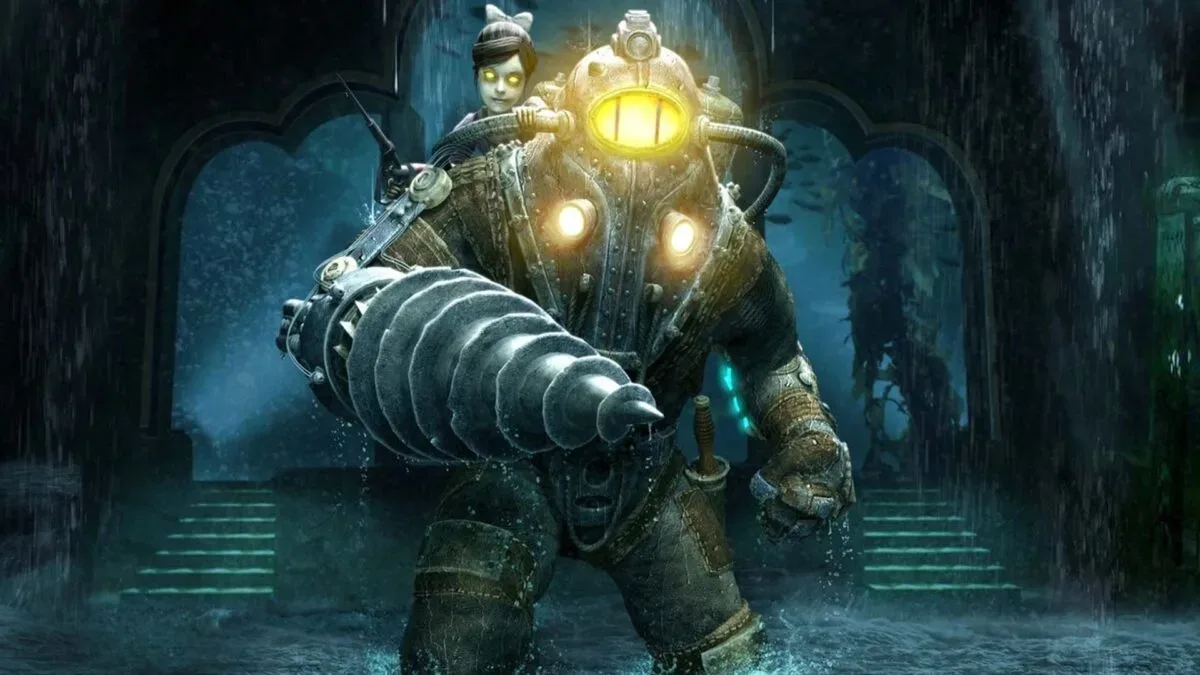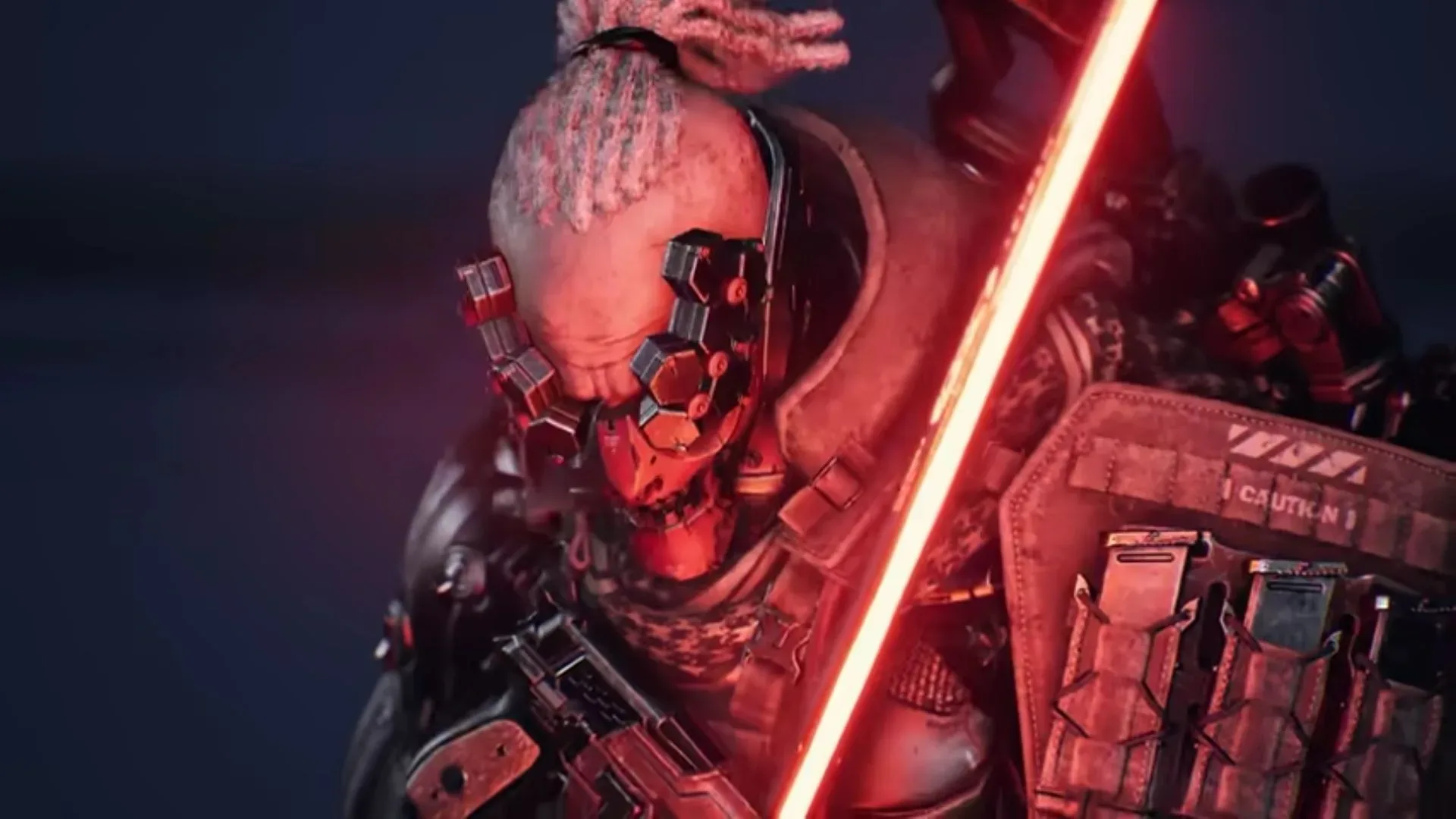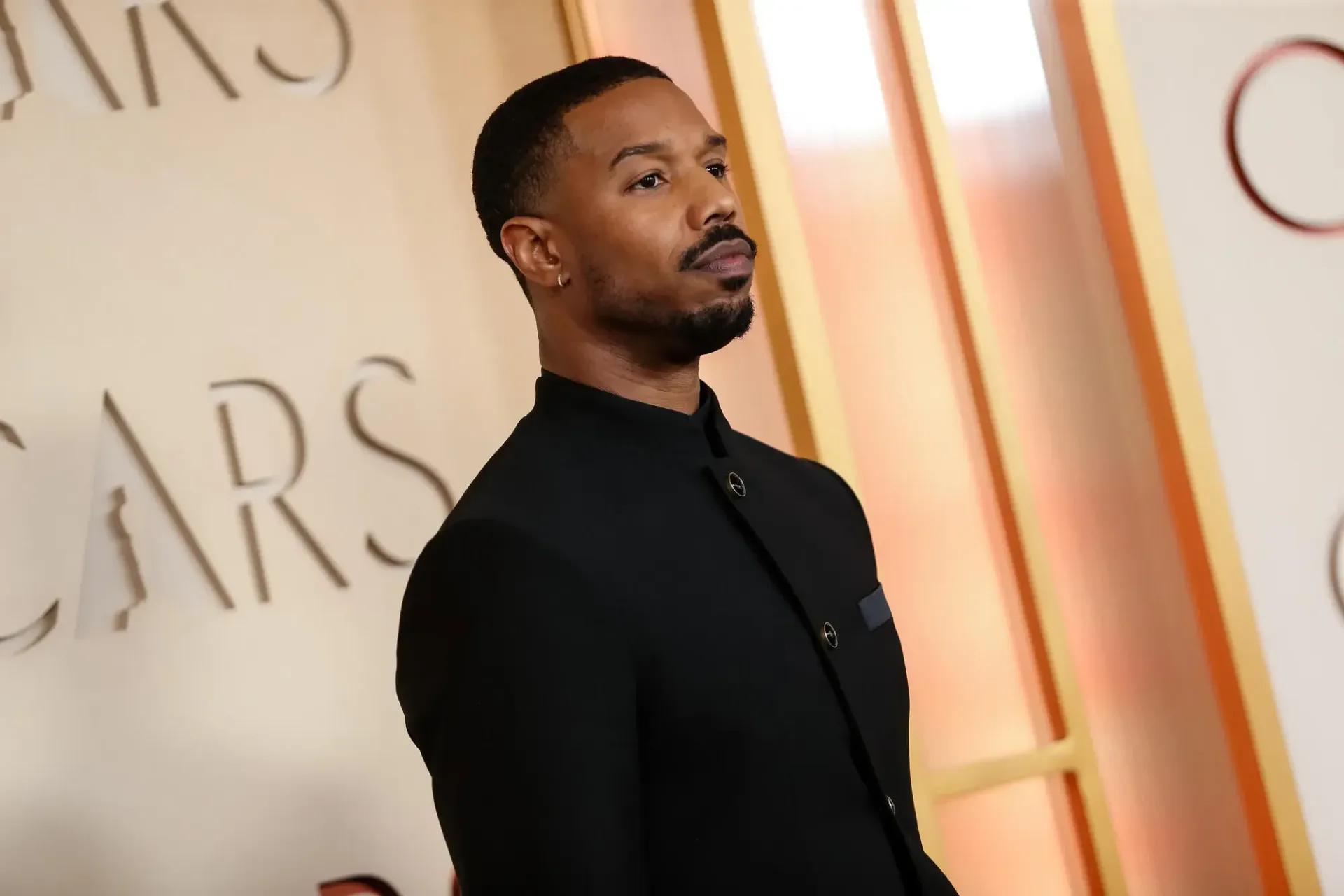
Sony is in talks to acquire a feature-film adaptation of Electronic Arts’ Battlefield, with Christopher McQuarrie attached to write, direct and produce. Michael B. Jordan is attached as a producer and could also star, although that possibility depends on factors that have not been specified.
The project is not a finished deal. Sony declined to comment on the negotiations, and the key distinction is important: a studio being the frontrunner after a multi-studio bidding process is not the same thing as a completed acquisition, a production start, a casting announcement or a release plan. There is no announced release date, plot, supporting cast or production timetable in the available details.
Still, the combination of McQuarrie, Jordan and one of gaming’s most recognisable military shooter series makes this an unusually significant adaptation prospect. Battlefield is built around sprawling warfare, opposing military forces and online multiplayer competition rather than one single protagonist whose story automatically transfers to film. The creative task is therefore not simply to recreate missions from a game. It is to find a focused human story that can carry the scale and tone associated with the name.
What is attached to the Battlefield film
McQuarrie’s role currently covers writing, directing and producing. That puts a single filmmaker in charge of the screenplay as well as the central creative and production functions, a potentially valuable arrangement for a project that will need its action design, characters and worldbuilding to work in concert.
For more context, explore Drake’s HABIBTI (FOMO) Reaches Streaming, Sparking Debate Over “Solar Eclipse” and What Comes Next.
Jordan is attached to produce through Outlier Society, with Elizabeth Raposo, the company’s president, also among the producers. Jordan may star, but that has not been finalized. Treating his on-screen involvement as settled would go beyond what has been established.
The additional producing team includes Electronic Arts’ Jesse Stern, Emerald Neon’s Carter Swan, and Vertigo’s Roy Lee and Miri Yoon. EA’s participation is especially notable because the publisher owns the game property. In practical terms, involvement from the rights holder can help preserve the franchise’s fundamental identity while a movie develops its own structure and characters.
“Video game IP” is industry shorthand for video-game intellectual property: the names, settings, concepts and other protected creative material on which an adaptation is based. It does not dictate that every game mechanic must appear literally on screen. The challenge for Battlefield will be deciding which elements are essential to its identity and which are specific to the experience of playing online with other people.
Related coverage includes Sony in Talks for Battlefield Movie With Christopher McQuarrie and Michael B. Jordan.
Why Battlefield presents a different adaptation problem
Electronic Arts launched the franchise in 2002 with Battlefield 1942, a World War II-set game. Across roughly two decades, the series and its expansion packs have explored historical wars, alternate history and future conflicts. That range gives filmmakers options, but it also means there is no one uniform Battlefield setting to adapt.
The common thread is large-scale combat in a first-person-shooter format. A first-person shooter, often shortened to FPS, is a game played through the viewpoint of a character, typically centered on firearms and movement through combat spaces. In Battlefield, though, the franchise identity extends beyond a single soldier’s view. Its multiplayer battles emphasize many players operating across broad maps as opposing military factions.
That distinction matters for a film. A game can create drama through player agency: a participant chooses a route, collaborates with a squad, flies or drives vehicles, changes tactics after a defeat, and generates a personal war story in a match. A film cannot reproduce that agency. Instead, it needs to turn the impression of a shifting battlefield into clear stakes, readable geography and characters whose choices matter even when the conflict is much larger than they are.
Large-scale spectacle alone is not the entire adaptation brief. A movie bearing the Battlefield name would need an understandable point of view without reducing the brand’s battlefield-wide perspective to anonymous noise. The strongest route may be to treat the conflict as a setting that pressures a defined group of characters, while retaining the sense that the world beyond them is active, volatile and consequential. That is analysis of the material’s storytelling demands, not a confirmed description of McQuarrie’s approach.
Battlefield 6 provides a recent reference point, not a confirmed movie plot
The latest game mentioned in connection with the film is Battlefield 6, the franchise’s 18th installment. It was released last year and is set between 2027 and 2028. Its story concerns a conflict involving a fractured NATO and a private military company.
NATO is the North Atlantic Treaty Organization, an intergovernmental military alliance. A private military company, in this context, is a commercial organization providing military or security-related services rather than a nation’s regular armed forces. Those ideas offer a modern geopolitical frame, but there is no indication that the film will adapt the game’s specific storyline, inherit its time period or use its factions. The project is a feature adaptation of the wider game franchise; any claim that it is specifically a Battlefield 6 adaptation would be premature.
What the recent game does establish is the commercial heat around the property. Battlefield 6 became the year’s bestselling first-person shooter and the bestselling title in the franchise’s history, surpassing Activision’s Call of Duty. That performance helps explain why a major studio pursuit has emerged now, even though it offers no guarantee about a film’s eventual quality or path to theaters.
McQuarrie’s fit with a military-action adaptation
McQuarrie arrives at the project after what appears to be the conclusion of Tom Cruise’s run as Ethan Hunt in the Mission: Impossible films with last year’s The Final Reckoning. That background makes the attachment easy to understand on a surface level: Battlefield calls for an action filmmaker capable of organizing major set pieces around objectives, danger and momentum.
But a military shooter adaptation also creates a different obligation from a secret-agent series. Battlefield has historically moved between eras and conflicts instead of following one continuing cinematic hero. McQuarrie’s first major decision as writer, assuming the film proceeds with the announced arrangement, may be whether the audience follows one central figure, an ensemble, or several intersecting perspectives.
His schedule also illustrates why an attachment should not be confused with a production date. McQuarrie is set to direct Arnold Schwarzenegger in a third Conan the Barbarian film titled King Conan. He is also working with Cruise on an upcoming film directed by Doug Liman that will be shot in outer space. Those commitments do not rule out Battlefield, but they reinforce the absence of a confirmed timetable.
Jordan’s producer role and possible starring part
Jordan’s potential participation brings a separate layer of interest, although his acting role remains conditional. As a producer, he would be involved on the filmmaking side regardless of whether he ultimately appears in the cast.
He has already worked in the orbit of military and video-game-derived material. Jordan played Navy SEAL John Clark in Tom Clancy’s Without Remorse and has been developing an adaptation of Rainbow Six as a follow-up. Both properties originate in Tom Clancy’s fictional universe, and the latter is also closely associated with video games. That does not tell audiences what his contribution to Battlefield will be, but it means this would not be his first encounter with a tactical-action property that extends across media.
Jordan also has other projects ahead: he stars in, directs and produces a reimagining of The Thomas Crown Affair, scheduled for theaters on March 5, 2027, and is set to play Ricardo “Rico” Tubbs opposite Austin Butler as James “Sonny” Crockett in Miami Vice ’85. Until negotiations resolve and schedules are settled, the sensible reading is that Jordan’s potential starring turn in Battlefield is an open possibility rather than a promise.
A shooter-film race is forming, but the projects are separate
Battlefield is not the only major military shooter headed toward a film adaptation. Paramount is developing a Call of Duty feature with Peter Berg set to direct from a script by Taylor Sheridan. That film has a theatrical release date of June 30, 2028.
The comparison is unavoidable because the game franchises have long competed in the FPS space, and Battlefield 6 recently outsold Call of Duty to become the year’s bestselling first-person shooter. Yet the movie projects should not be treated as mirror images. They have different studios, different creative teams and, at present, very different levels of public scheduling certainty. Call of Duty has a dated theatrical plan; Battlefield is still in acquisition talks.
For players, the most useful takeaway is simple: this is meaningful movement for a Battlefield film, not a trailer-era announcement. The project has high-profile creative attachments and an experienced producing group, while Sony is negotiating to secure it. The eventual film still needs to clear the ordinary but essential steps that turn a sought-after package into a completed production: an agreement, a settled screenplay, casting, scheduling and a formal production plan.
That uncertainty does not diminish the news. It defines it. A franchise that began with Battlefield 1942 and expanded through historical, alternate-history and future-war settings is now positioned for a big-screen interpretation led by McQuarrie, with Jordan on the producing team and potentially in front of the camera. What form that interpretation takes remains the central unanswered question.