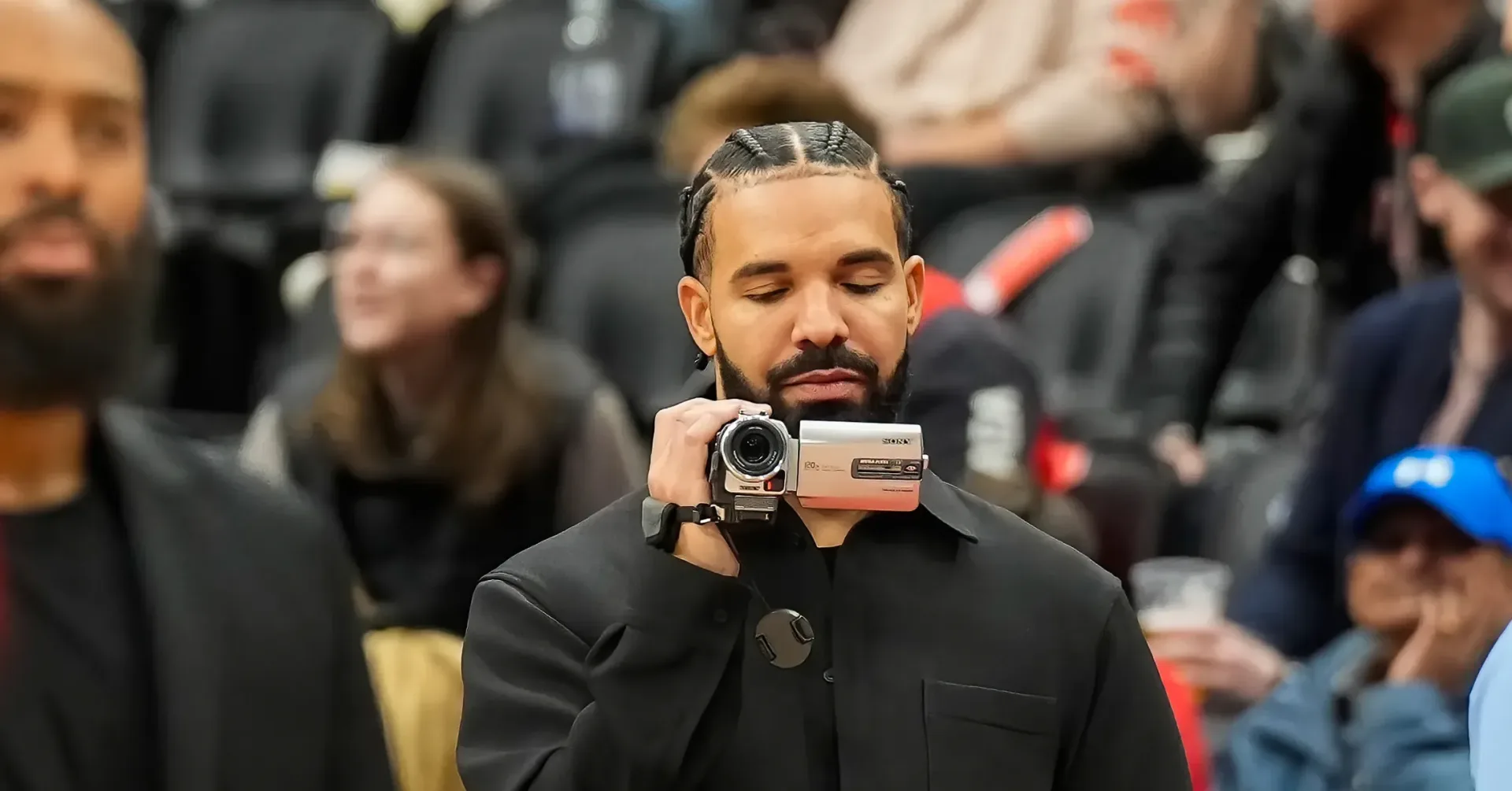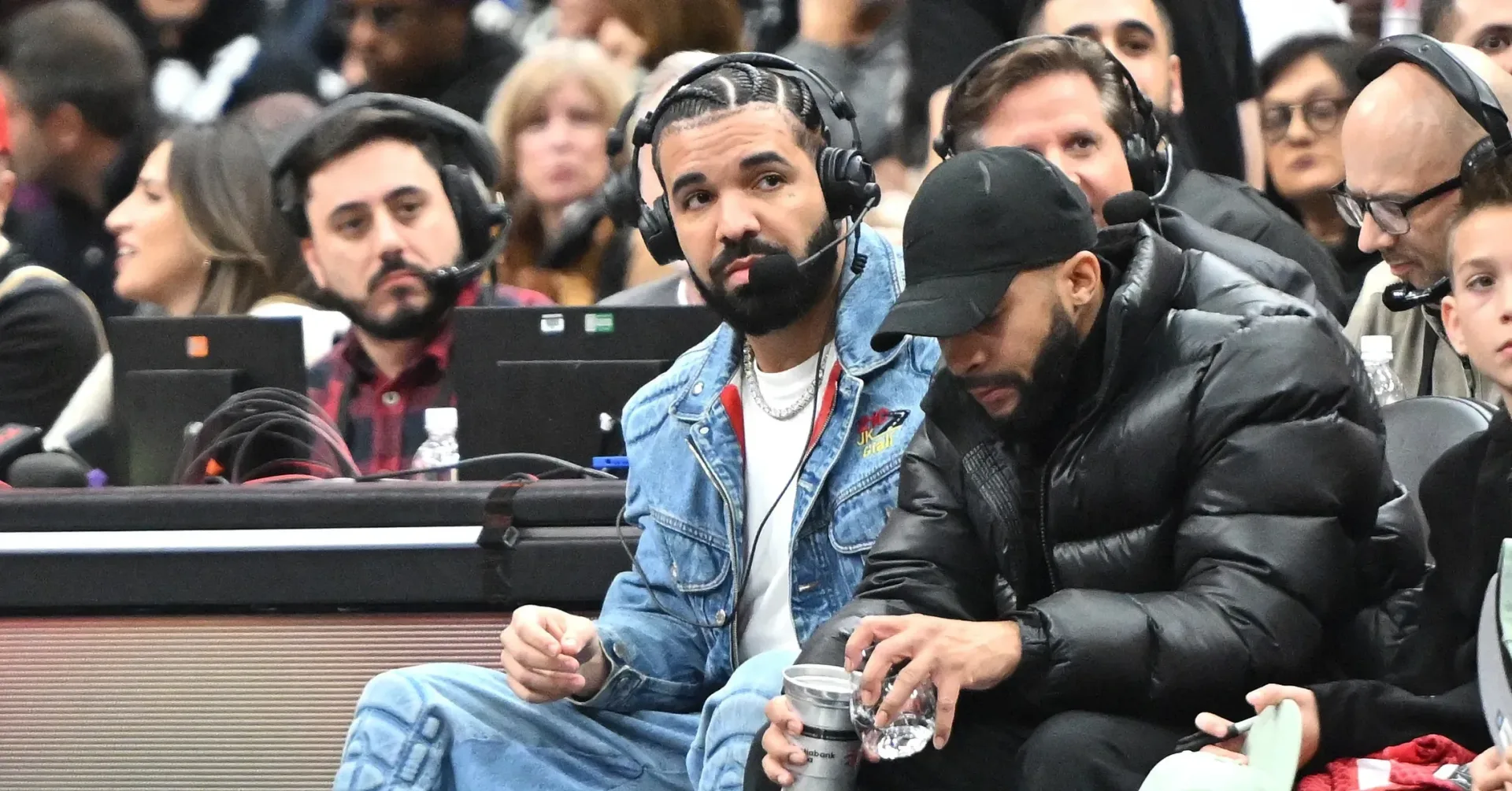
Drake’s HABIBTI (FOMO) material is now available on streaming services after debuting through the artist’s FOMO short film, giving listeners a more direct way to assess the latest chapter of his 2026 output. The reaction has been predictably broad: some listeners are simply pleased that the songs have received an official streaming release, while others remain unconvinced by the direction of the wider run.
The release matters partly because it resolves a fragmented rollout. Tracks that initially appeared in a short-film setting or as individual video releases can be difficult for listeners to revisit in the formats they ordinarily use. “Quebec,” in particular, had previously been included among individual music-video releases before being removed from YouTube. Its presence in the official release provides a clearer, more durable route to the song than that earlier video availability did.
The biggest point of musical discussion is “Solar Eclipse,” featuring Don Toliver. The song incorporates an interpolation of Ella Langley’s “Choosin’ Texas,” a decision that has focused attention not only on the track’s sound but also on the mechanics behind reworking an existing song. Don Toliver also appears on “Cold Shoulder,” alongside Yebba, making the expanded release a collaboration-heavy addition to the material introduced through the film.
“Solar Eclipse” and the meaning of an interpolation
An interpolation is a newly performed or recreated use of part of an existing composition. It differs from a sample, which generally uses a portion of an earlier sound recording itself. The distinction can matter creatively and commercially: an interpolation can reshape a familiar lyric, melody, or musical idea inside a new recording, rather than dropping the original recording directly into the track.
That distinction is useful context for the conversation around “Solar Eclipse.” Reworking “Choosin’ Texas” makes the connection recognizable enough to invite comparison, but it also places the song inside a different artist pairing and a different release context. Listeners are reacting to the idea as much as the execution: a country-associated reference recast in a Drake and Don Toliver record creates an immediate talking point regardless of whether an individual listener finds the result compelling.
DJ Akademiks said Drake did not take publishing on the release. Publishing, in music-industry terms, concerns rights connected to the underlying composition—such as lyrics and melody—rather than only the recorded performance. The supplied information does not establish the full rights arrangement, so it would be premature to draw wider conclusions about credits or compensation. What it does show is why the topic has become part of the public discussion: interpolations frequently lead listeners to ask who retains composition rights and how the new version is credited.
A release that answers one access problem, not every creative question
For Drake’s most committed audience, the central upside is uncomplicated. The tracks are now available where fans commonly listen to music, rather than being limited to a film premiere or scattered video releases. That is particularly important for material such as “Quebec,” whose earlier YouTube removal meant its initial route to listeners was no longer dependable.
Official streaming availability does not, however, settle the more subjective debate around the project. The response described around HABIBTI (FOMO) remains split along familiar lines. Listeners who were already enthusiastic about Drake’s 2026 work have another set of songs to absorb. Listeners who did not connect with this year’s material have not necessarily found a reason to reassess it merely because the songs are now easier to access.
There is also a narrower disagreement among supporters. Some fans who responded strongly to ICEMAN are looking primarily for rap-focused material and bars, rather than the broader mix represented by the newly released tracks. “Bars” is a common shorthand for densely written rap lines, often emphasizing wordplay, technique, punchlines, and sustained lyrical performance. In this context, that preference is less a rejection of official releases than a request for a particular mode of Drake record that some listeners feel has not been fully served by the songs released so far.
What remains unreleased
Not every rap-oriented selection heard in the FOMO short film has been officially released. That has encouraged speculation that more music could follow through another deluxe release or a Scary Hours EP. At present, though, those are fan predictions rather than confirmed plans.
The word deluxe commonly refers to an expanded version of an existing album or project, often adding songs after an initial release. An EP, or extended play, is generally shorter than a full-length album. Those labels describe possible release formats, but neither label confirms that any currently unreleased short-film material will appear, when it might arrive, or how it would be organized.
That uncertainty is part of the appeal—and the frustration—of a rollout spread across livestreams, film material, videos, and streaming. Drake initially revealed the HABIBTI (FOMO) drops via livestream, priming fans to search for connections between each piece. Yet the same multi-part structure makes it easier for audiences to debate whether they are hearing a complete statement, a deluxe extension, or only another installment in an evolving series.
Analysis: availability amplifies reaction more than it changes it
The clearest reading of the response is that the streaming release has amplified existing opinions rather than transformed them. That is not a criticism of the songs or of the rollout. It is a practical consequence of making previously film-premiered material available in a format designed for repeat listening: supporters can return to it, skeptics can evaluate it without relying on clips or removed uploads, and discussion can concentrate on individual records such as “Solar Eclipse.”
The Don Toliver and Yebba appearances also give the release distinct focal points. Collaborations naturally divide attention between a lead artist’s continuing arc and the specific chemistry of a track. Here, “Solar Eclipse” carries the interpolation conversation, while “Cold Shoulder” puts Don Toliver and Yebba alongside Drake. Those details provide more concrete subjects for listeners than a generalized argument over whether the larger trilogy is successful.
Still, a highly visible debate should not be mistaken for a settled consensus. The available information points to strong and opposing reactions, not one unified verdict. It also contains unverified forward-looking claims, including a possibility that Drake could play Coachella next year. That remains a rumor, while Drake’s world tour in 2027 has been confirmed. Keeping those two items separate is essential; as with other entertainment claims, suspicion and repetition are not proof.
The practical takeaway for listeners
For anyone following the rollout, the current facts are straightforward. HABIBTI (FOMO) tracks that premiered through the short film have reached streaming services. “Solar Eclipse” features Don Toliver and uses an interpolation of Ella Langley’s “Choosin’ Texas.” Don Toliver also joins Drake and Yebba on “Cold Shoulder.” “Quebec,” which had been removed from YouTube after appearing among the initial video releases, is now included in the official release.
Everything beyond that should be treated with the appropriate level of caution. More rap-centered tracks may or may not receive an official release. A further deluxe edition or a Scary Hours EP has not been confirmed. A Coachella appearance next year is not established. The confirmed forward-looking item is a 2027 world tour.
In the meantime, the streaming release gives the audience a stable place to decide what it thinks. For fans, it means the film material is no longer just a moment tied to a premiere. For critics, it provides the same opportunity to judge the music on repeat listens. And for the larger conversation around Drake’s 2026 run, it ensures that the debate over the songs—especially the “Choosin’ Texas” reimagining on “Solar Eclipse”—will continue on the music itself.