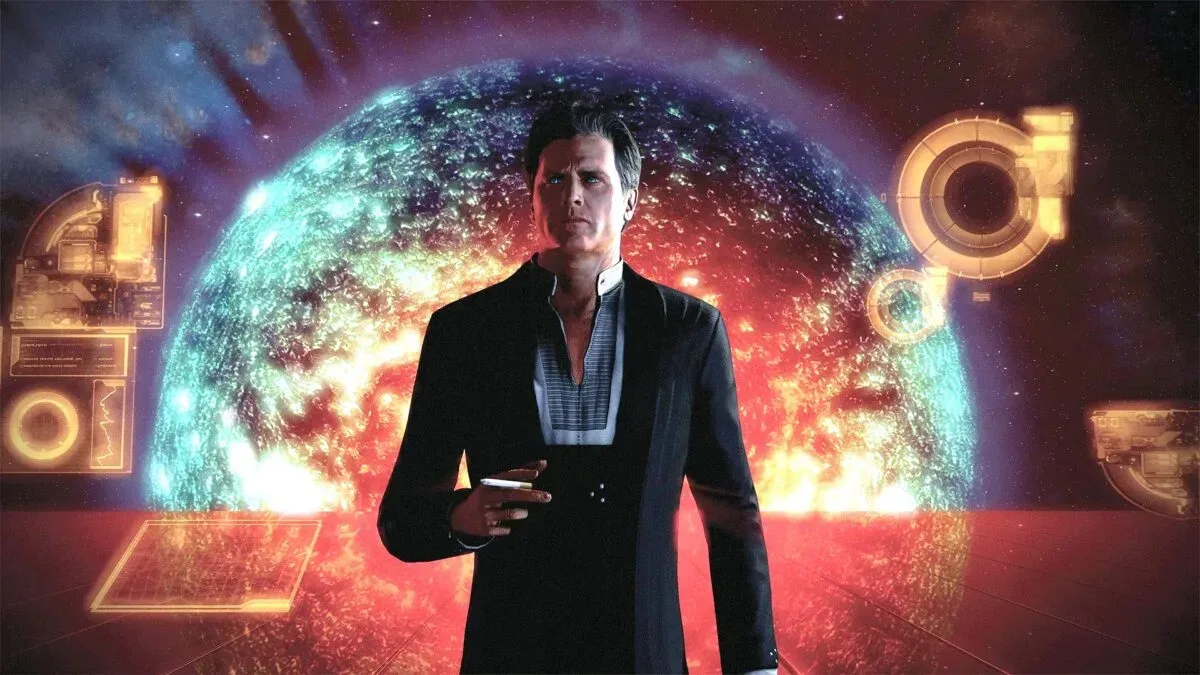
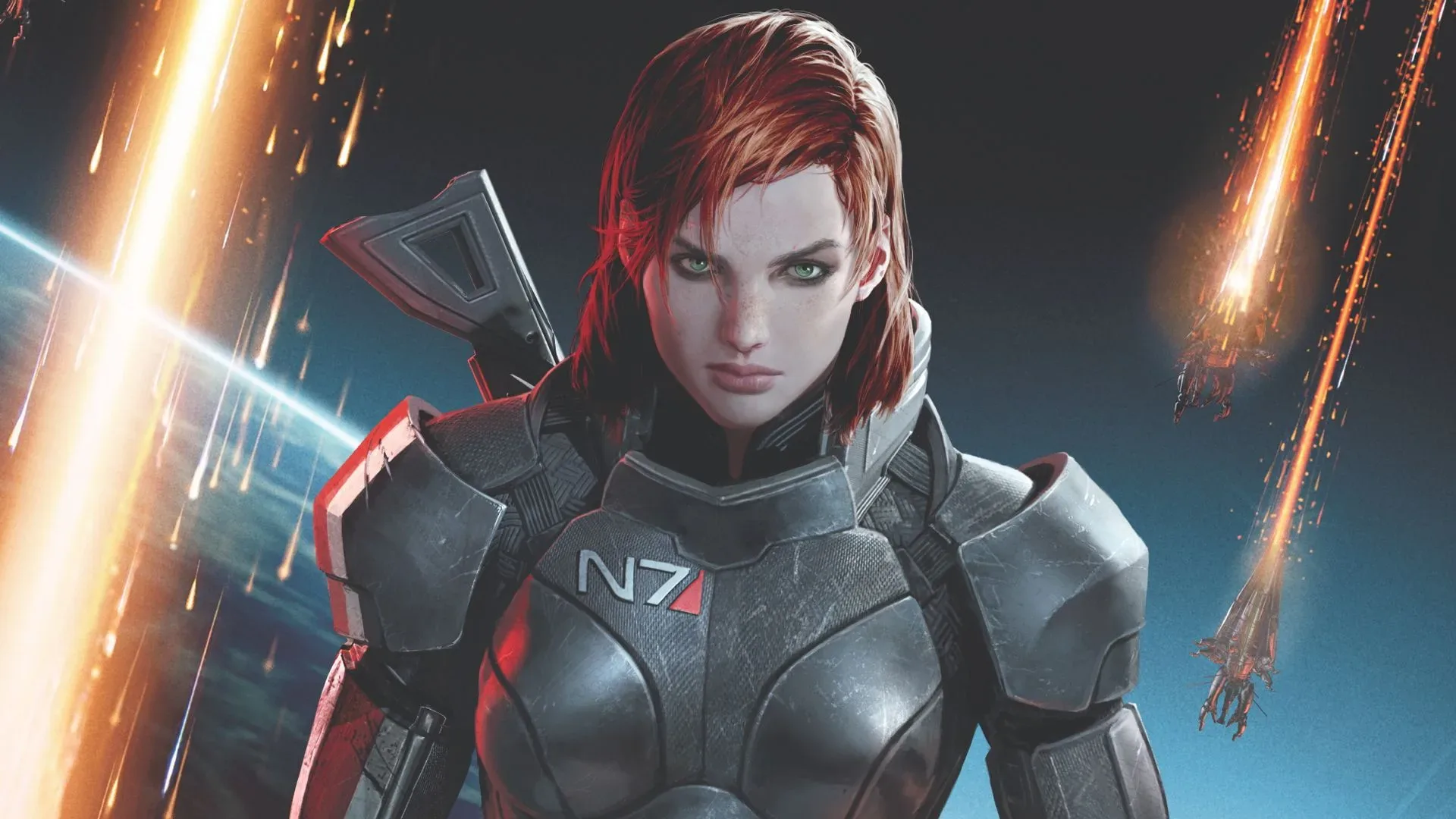
Casey Hudson, the former BioWare general manager and creator of the original Mass Effect, has spoken about the emotional reality of BioWare’s closure: a possibility staff had worried about at times, but one that still felt difficult to accept when it happened.
Hudson’s comments put the focus less on an abstract corporate outcome and more on the people who built games together over many years. He said that friendships at the studio were a major reason he returned to take on the general manager role, and that he hoped his time there could help set BioWare up for a long future.
“There are things that you think are just going to last forever,” Hudson said, adding that it was different to confront the studio being closed even if people had feared that outcome could one day arrive.
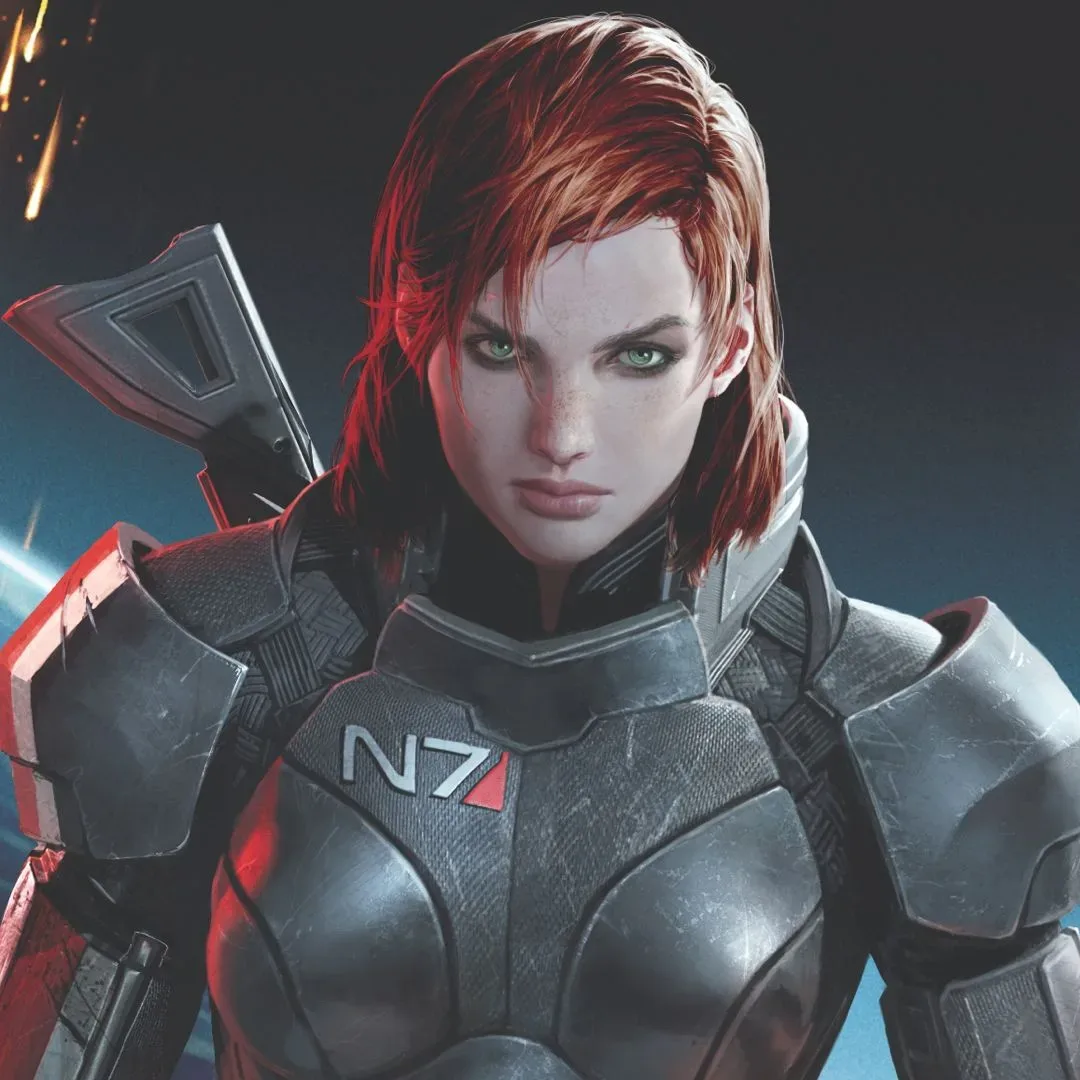
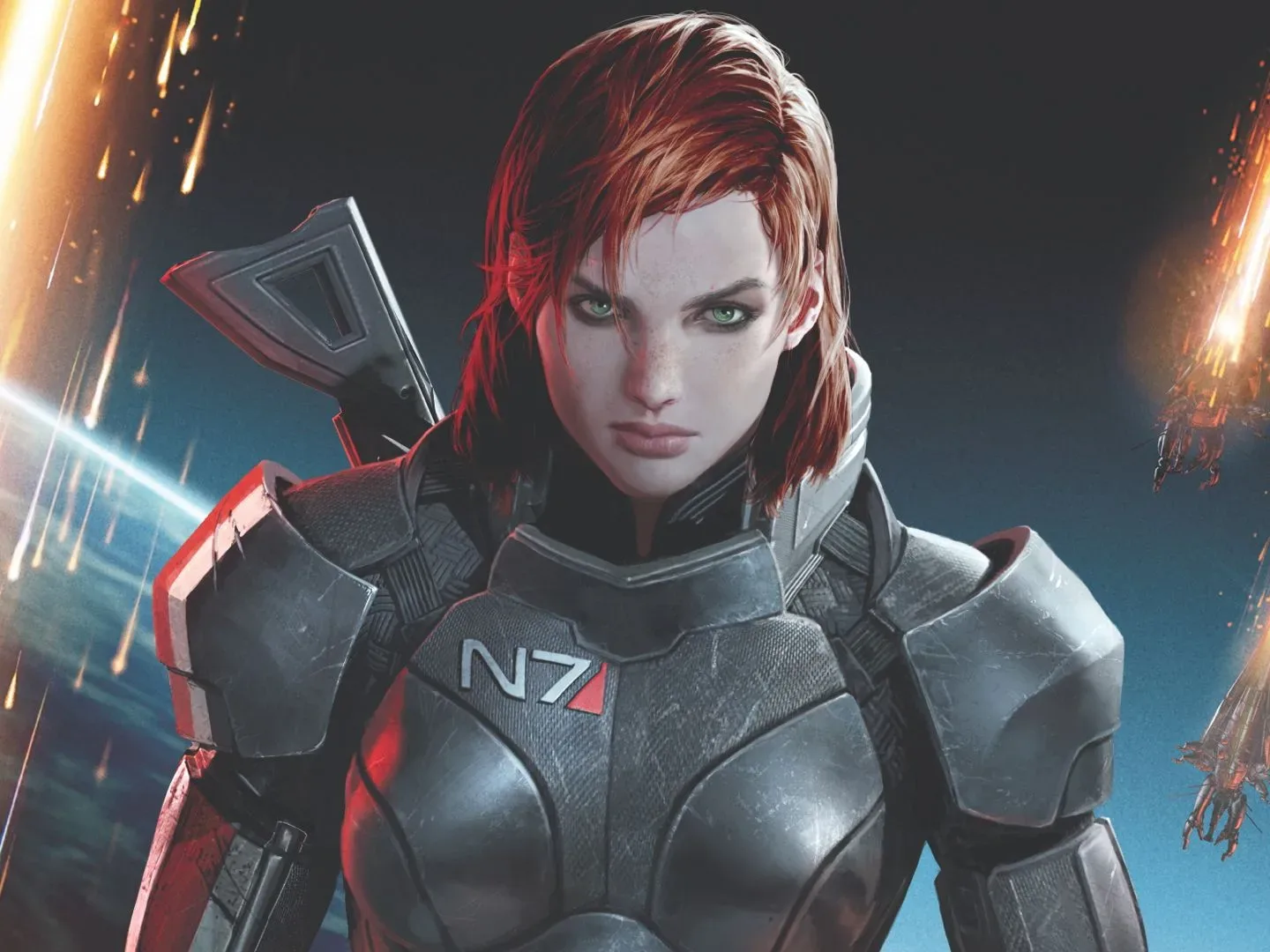
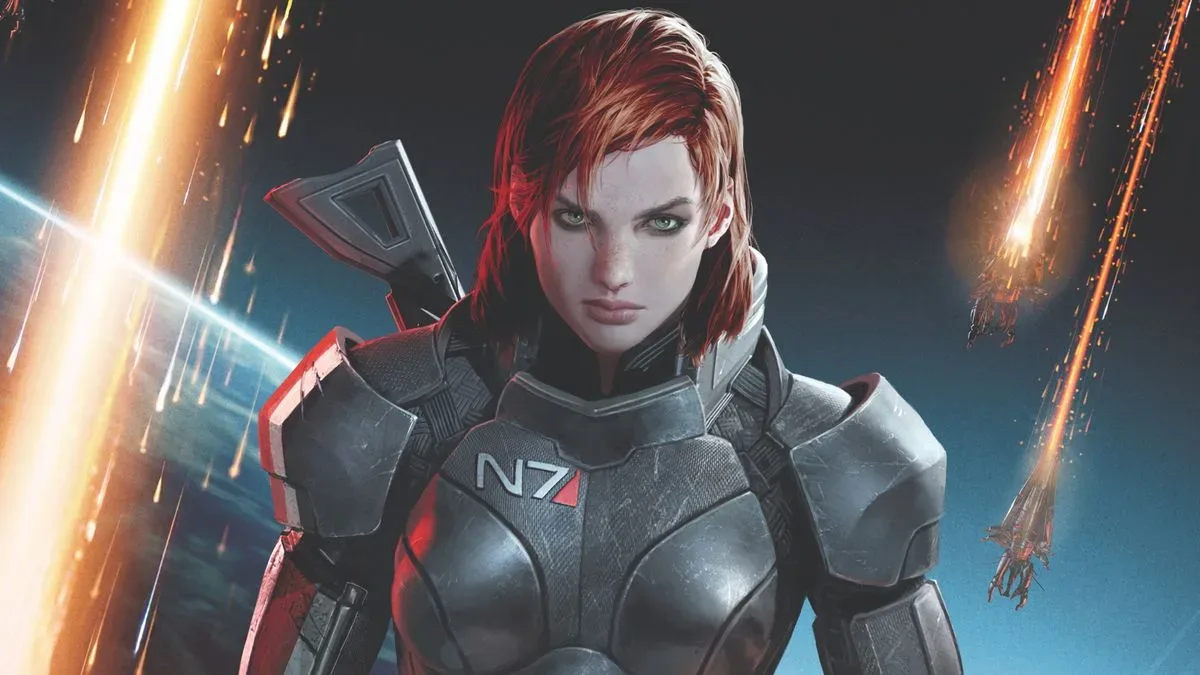
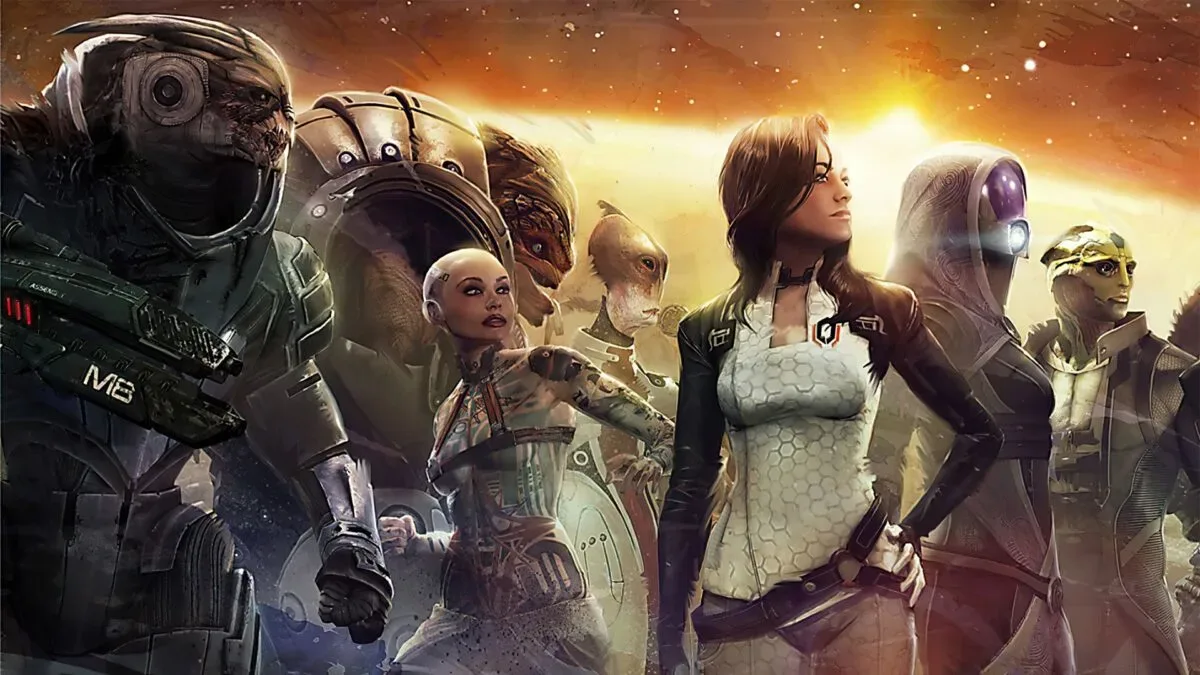
For players, BioWare’s name is closely tied to role-playing games built around character relationships, player choice and sprawling fictional settings. The studio is associated with Mass Effect, Dragon Age and Star Wars: Knights of the Old Republic. That legacy helps explain why the closure registers as more than the loss of a company name: it also leaves questions over teams, unfinished creative work and the franchises whose identities were shaped inside the studio.
Hudson’s long relationship with BioWare
Hudson left BioWare in 2014, later spent time at Microsoft, then returned to BioWare’s senior management in 2017. He departed again in 2020. In reflecting on his return, he described wanting to support a studio full of friends and contribute to its longevity.
That history matters because it frames his response as personal as well as professional. He was not simply discussing a well-known developer from the outside; he had helped establish one of its defining series and later came back to lead the wider organization.
His remarks also underline an uncomfortable distinction that can be lost in discussions of the games business. A studio can have a celebrated back catalogue, internationally recognized series and talented staff, yet still face an uncertain future. Cultural influence and a durable business operation are not automatically the same thing.
A difficult recent stretch
The road to this point included significant pressures. Mass Effect: Andromeda received a rocky reception, while Dragon Age: The Veilguard took years to make and then met a muted response. Neither point alone explains an entire studio’s fate, and the available information does not establish a single cause. But together they illustrate the kind of long-term strain that can confront a developer making large, expensive role-playing games.
Related coverage includes Casey Hudson Reflects on BioWare's Closure: "You Think Are Just Going to Last Forever".
Big RPGs are especially exposed to the risks of long development cycles. They tend to require extensive writing, art, voice work, combat systems, quests, testing and technical integration. Every additional major system or content path can make the project harder to coordinate. If a game takes years to complete, the studio is also committing itself to creative and commercial assumptions that may change before release.
Scope, in this context, means the total size and ambition of a project: its worlds, mechanics, missions, character interactions and technical features. Keeping scope under control does not mean making a game carelessly or without ambition. It means deciding what the project must do well, then preventing every appealing idea from becoming another obligation for the team.
That is relevant to BioWare’s history because a separate recollection about the making of Mass Effect 2 emphasized an 18-month production timeline, retaining staff, listening to players and being ruthless about limiting scope. The underlying lesson is not that there is a universal schedule for RPGs. It is that continuity of a team, clear priorities and practical limits can be crucial when trying to turn feedback into a finished game.
Why the closure lands so heavily
Studios are often discussed through logos, release calendars and intellectual property. Hudson’s comments point back to the human impact. He said he was thinking in particular about people he knew who were still on the team, and hoped there would be a way forward both for their individual careers and for the games BioWare made.
That separation is important. A franchise can potentially persist after a developer closes, while the people who made it must deal with much more immediate questions about work and stability. Conversely, a recognizable series is not a substitute for the specific collaborative knowledge built by a long-serving team. The writers, designers, artists, producers and technical staff who understand how a particular kind of game comes together are part of what gives a studio its creative character.
The broader business discussion around ownership and investment also matters to entertainment companies facing upheaval. Joking Joystick has examined how family offices are becoming major players in media, sports and entertainment, a reminder that capital, rights ownership and creative operations can intersect in complicated ways. That does not reveal what will happen to BioWare’s properties, but it provides useful context for why the future of a beloved series is often determined far beyond the development floor.
What happens to Mass Effect?
One of the biggest unanswered questions is whether any version of the next Mass Effect will emerge. Hudson said he is among those wondering whether that will happen. Material discussed around the project had suggested the team had promising ideas, but ideas and a released game are very different stages of a project.
Electronic Arts could potentially sell the franchise to another party, but it could also retain the intellectual property without actively releasing a new entry. Intellectual property, often shortened to IP, refers here to the owned rights associated with a fictional franchise, including its name, characters and setting. Ownership of an IP can outlast a particular developer, which means the closure of a studio does not automatically settle a franchise’s future.
Still, retaining rights is not the same as confirming a project. There is no basis here to treat a sale, revival, cancellation or transfer to another studio as decided. The responsible reading is simply that the future of Mass Effect remains unresolved.
For fans, that uncertainty will be frustrating, especially because the series invites long-term attachment. Its appeal has traditionally rested not only on a central plot but on relationships, decisions and the sense of inhabiting a continuing universe. Those qualities can make a gap between releases feel less like ordinary scheduling and more like an interruption to a world people expected to revisit.
Legacy is real, even when the future is unclear
BioWare’s closure does not erase the games that reached players or the influence those games had on modern RPG expectations. Its work established a reputation for cinematic presentation, party-based storytelling and player-driven decisions across major franchises. But Hudson’s reflections resist an easy, polished version of that legacy. They acknowledge the sadness of an ending while keeping attention on the people who hoped to make more games there.
There is also a practical takeaway for the industry. Protecting a studio’s future is not just about possessing an acclaimed catalogue. It involves sustainable production plans, the ability to respond to player feedback, careful management of project scope and, above all, preserving opportunities for the people doing the work. Those are hard goals in any creative business, and no individual comment can reduce BioWare’s story to a neat formula.
For now, the confirmed reality is a closure that has affected a studio with a deep RPG legacy. The unconfirmed part is what follows: where its developers will go, whether its series will continue and whether the next chapter of Mass Effect will ever take shape. Hudson’s response captures that tension plainly—a sense that something once assumed to be permanent has ended, alongside a hope that the people and games connected to it can still find a path forward.