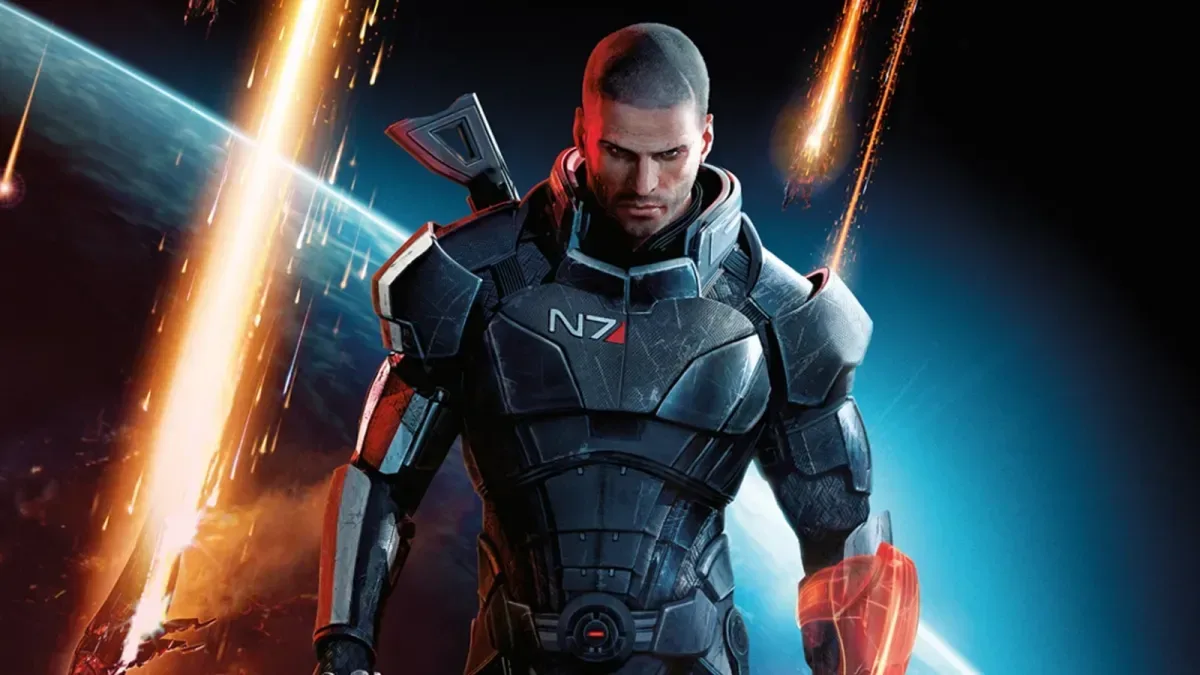
EA’s announcement that it is shutting down BioWare has set off a wave of grief and anger across the games community—not simply because another studio is disappearing, but because this one helped define what many players expect from a character-driven role-playing game.
BioWare’s name is tied to the original Baldur’s Gate games, Star Wars: Knights of the Old Republic, Mass Effect, and Dragon Age. Those are not interchangeable entries in a corporate catalogue. For many fans, they represent worlds built around party members, difficult decisions, long-running relationships and the feeling that a player’s choices have dramatic weight. The response to the closure reflects that personal connection as much as it does concern about a company’s business decisions.
The immediate reaction has also become a broader argument about ownership, consolidation and whether major publishers can sustain the kinds of large, risky creative teams needed to make expansive RPGs. In the bluntest terms: people are mourning BioWare, but they are also mourning the possibility of fewer studios able to make games in its tradition.
Why the reaction is so raw
Online responses have ranged from shock to resignation. One commenter called EA’s treatment of game studios over the past two decades “cultural vandalism.” Another described BioWare as an iconic Canadian studio and framed the loss through EA’s new ownership structure. Other posts focused squarely on the human and artistic stakes, calling the closure a loss of jobs, creative expression, work and fun.
“It’s all being burned to the ground. And for what.”
That question captures the mood better than a debate over one franchise or one release ever could. A studio closure turns years of institutional knowledge into an uncertainty. Teams that have learned how to build a particular kind of game—how to write reactive companions, structure choices across dozens of hours, or carry a fictional universe between instalments—do not automatically survive when a company name disappears.
It is important to separate that understandable sense of cultural loss from claims that go beyond the available information. The supplied material establishes that EA announced BioWare’s shutdown, and that the studio had been working toward a fifth Mass Effect game after teasing it in 2020. It does not establish what, if anything, will happen to every individual employee, each franchise, or each part of BioWare’s unfinished work. Fans have good reason to feel unsettled, but the fate of a series and the fate of a studio are related questions—not automatically the same answer.
A legacy bigger than a logo
BioWare earned its reputation through role-playing games, or RPGs. In this context, an RPG is not merely a game with statistics, equipment and combat abilities. The term usually points to player agency: the idea that choices, character relationships and dialogue shape the experience in a meaningful way.
Related coverage includes BioWare Closure Sparks Grief and Anger Across the Games Industry.
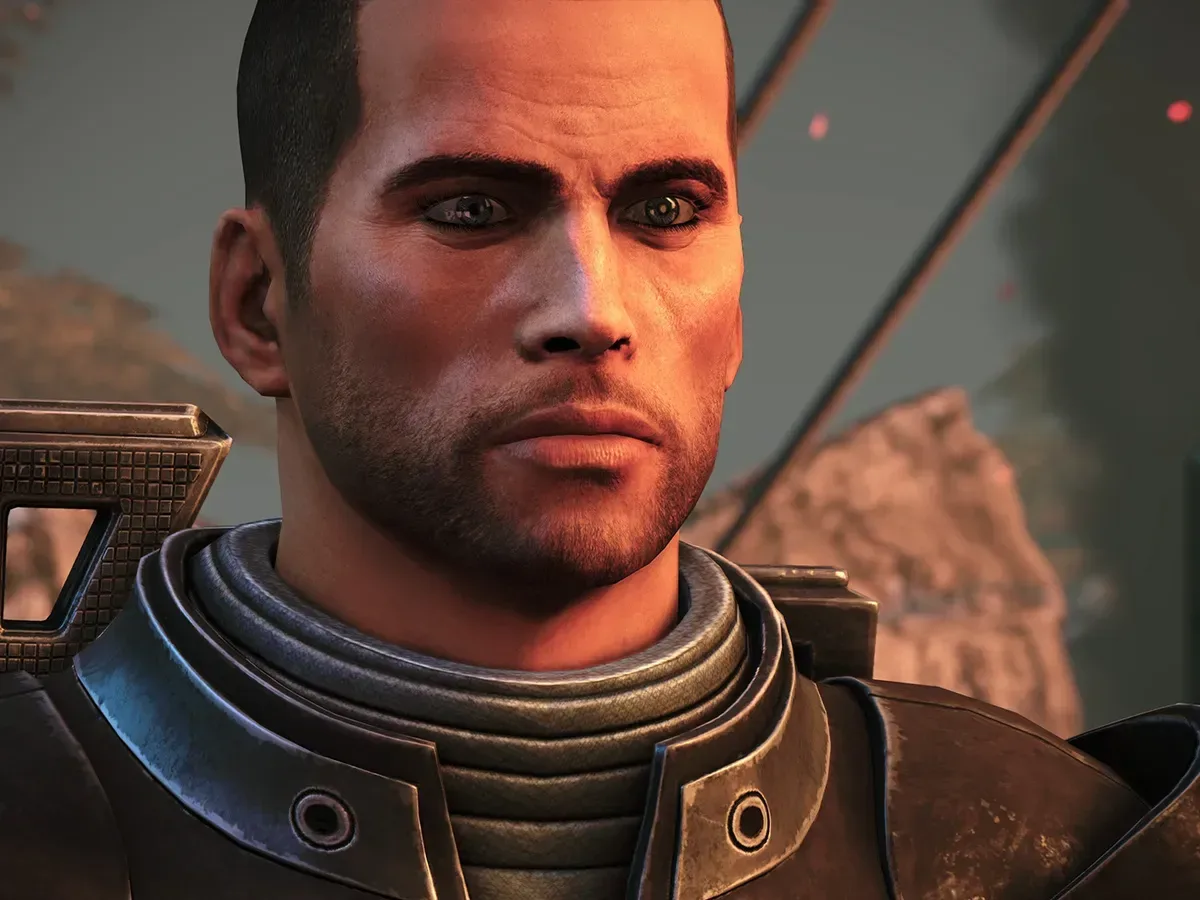
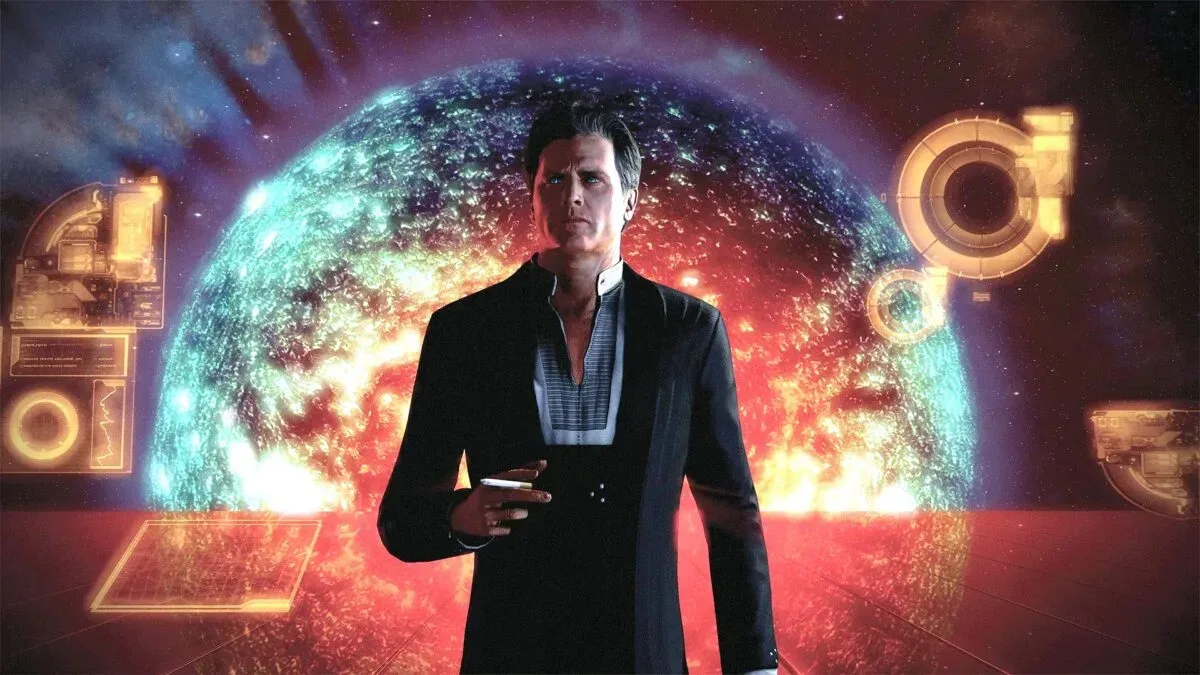
Mass Effect and Dragon Age became especially associated with this approach. They invited players to identify with a protagonist, assemble a group of allies and make decisions whose consequences could carry through a campaign. Knights of the Old Republic brought that sensibility into Star Wars, while the original Baldur’s Gate titles remain significant landmarks in computer RPG history.
That is why the closure has landed differently from routine corporate news. A beloved studio is never only its last game. Players remember the first time they met a favorite squadmate, reached an unexpected ending, or found a choice that felt uniquely theirs. Those memories are the reason the online reaction is so much more emotional than a standard discussion of quarterly strategy.
They also explain why frustration has coexisted with sadness. In the years after Dragon Age: Inquisition, BioWare publicly struggled through the reception to Mass Effect: Andromeda and Anthem. The studio downsized last year in an effort to become more agile while continuing work on the next Mass Effect. “Agile” is management shorthand for a smaller, more flexible operation that can supposedly make decisions and change course faster. In practice, it can also mean a team asked to do more with fewer people and less room for error.
The supplied reporting presents the shutdown as the endpoint of a difficult decade rather than a sudden reversal detached from everything that came before. That context may make the news less surprising to some observers. It does not make the result less painful for people who cared about the games, or for workers whose careers were bound up with the studio.
The live-service shadow over the discussion
Much of the anger is directed at the industry-wide chase for live-service success. A live-service game is designed to keep evolving after launch through continuing updates, events and other ongoing support, often with the aim of retaining players over a long period. That model can work for certain games, but it asks for a different production rhythm and a different commercial expectation than a self-contained, story-heavy RPG.
Anthem is central to why that distinction is resurfacing. Its struggles are cited alongside Mass Effect: Andromeda as part of BioWare’s difficult recent history. For critics responding to the closure, the point is not simply that one game failed. It is that pressure to pursue a format associated with long-term engagement may have diverted attention, time or confidence away from the kind of role-playing work BioWare was best known for.
That is an interpretation voiced in the reaction, not a complete account of every decision inside the studio. Game development is complicated, and the supplied material does not provide an internal postmortem. Still, the criticism has force because the studio’s clearest creative identity was built around authored stories and player choice. When a studio with that legacy spends years navigating the demands of a very different model, observers are likely to see a mismatch—even if no single explanation can account for everything.
The conversation therefore reaches beyond BioWare. One reaction argued that consolidation is damaging the industry and warned against treating the closure as a victory. Consolidation means ownership and decision-making becoming concentrated in fewer, larger companies or investment groups. Critics fear it narrows the range of strategies available to studios, raises the stakes when one executive plan changes and makes closures more likely to reverberate across entire genres.
EA’s acquisition by Saudi Arabia’s Public Investment Fund, Silver Lake Partners and Affinity Partners—an investment firm owned by Jared Kushner—has intensified that concern in the responses. Some commentary has connected the ownership change with worries about corporate control and with strong criticism of Saudi Arabia’s treatment of LGBTQ+ people. Those are political and ethical reactions to the news, rather than evidence of a stated link between any one ownership decision and BioWare’s creative output. But BioWare’s games have mattered deeply to players who value their characters, relationships and forms of self-expression, so it is unsurprising that ownership questions are now part of the conversation.
Mass Effect and an unusually bleak N7 Day
The timing adds another sting. The shutdown news arrived only weeks before N7 Day, the annual Mass Effect community date on November 7. BioWare had typically used the occasion to share some form of update, even if only a small one, about the next game.
With the studio closing, N7 Day is likely to feel less like a showcase of an awaited future and more like a fan-led memorial for what has already been made. That does not mean the existing games disappear. Their communities, mods, discussions and repeat playthroughs will continue. It does mean a ritual once linked to anticipation now has to carry a different kind of emotional weight.
For a fuller look at the reported closure plans and the next Mass Effect project’s status, see EA’s BioWare closure plans and the next Mass Effect cancellation.
What fans can reasonably take from the news
The most immediate practical implication is uncertainty. BioWare’s closure means there is no longer a simple expectation that its familiar name will deliver the next chapter of Mass Effect or Dragon Age. Players should be cautious about treating old teasers, annual traditions or the mere existence of valuable intellectual property as confirmation that a future release is proceeding in the form previously imagined.
At the same time, a studio closure cannot erase the body of work that prompted this reaction. BioWare’s games remain playable cultural objects, and their influence remains visible in how players talk about companions, romances, branching dialogue and consequential choices. The argument now is about whether the business structures shaping modern game development leave enough room for a new generation of teams to build similarly ambitious worlds.
That is why the reaction has been so fierce. The loss is not being framed as nostalgia for a brand alone. It is being felt as the disappearance of a creative institution that helped prove large-scale games could be intimate, character-focused and emotionally lasting. Whether the industry learns from that loss is an open question. For now, the loudest response is grief—and a demand that the people and kinds of games left behind not be treated as disposable.