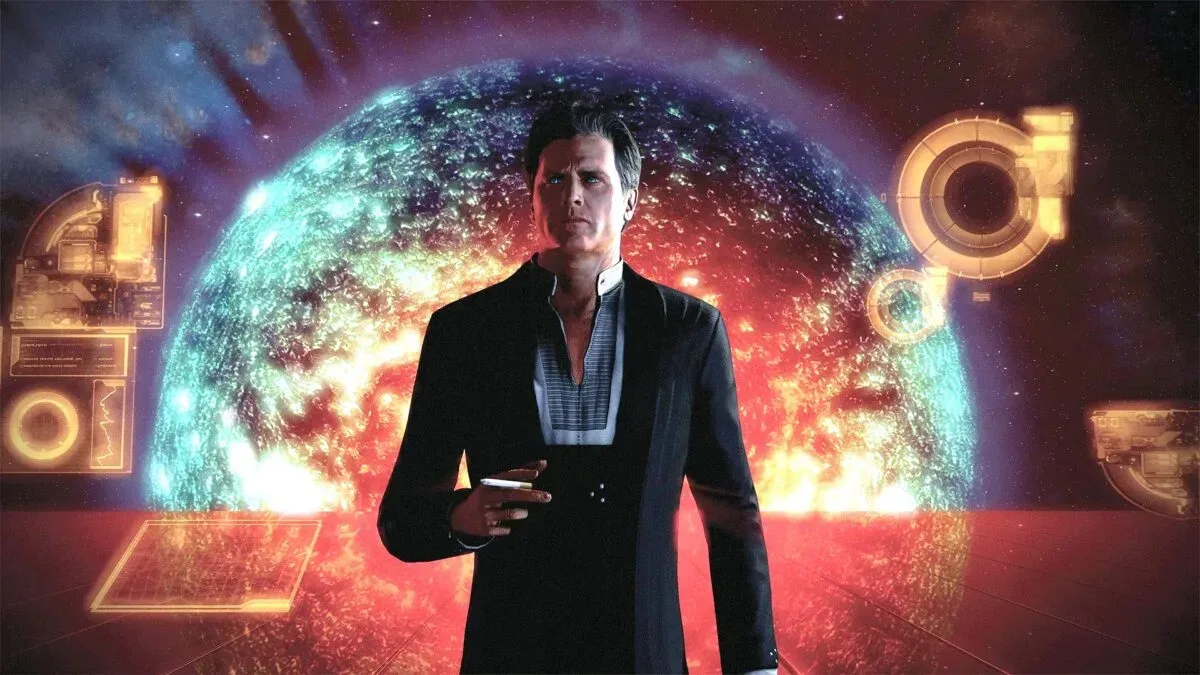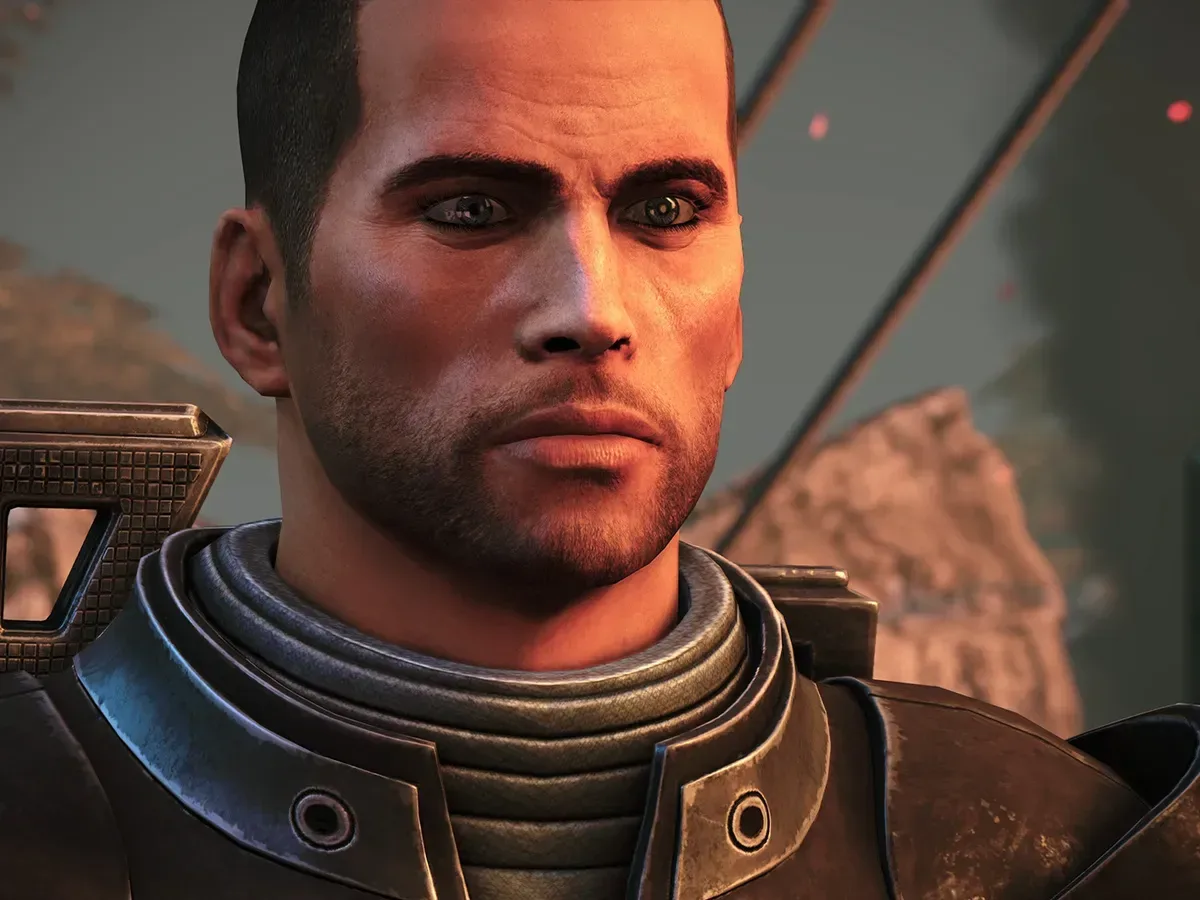
Electronic Arts has reportedly closed BioWare and canceled an in-development Mass Effect sequel, a development that lands with particular force because BioWare is not simply another internal label. It is a studio name closely associated with role-playing games, and it had been part of EA since 2007. The reported decision also draws attention to a much larger, decades-spanning record: a substantial number of developers and publishers that EA acquired were later shut down, absorbed into other organizations, or retained largely as names after their original teams ceased to exist.
The important word in that sentence is not necessarily “closed.” Corporate structures are rarely tidy enough for one category to capture every outcome. A studio may be dissolved outright. Its staff may be reassigned to another EA team. A brand may survive while the original studio structure is gone. Those distinctions matter when counting a publisher’s closures—and they are central to understanding why the end of BioWare is both a specific loss and part of a familiar pattern.
What is reported to have happened
EA reportedly announced the closure of BioWare on Wednesday, alongside the cancellation of the next Mass Effect project. The available information identifies the game as in development, but does not establish its release date, scope, platforms, gameplay systems, or how far production had progressed. Those are significant unknowns. A cancellation stops a project from reaching players, but it does not automatically tell us what version of that project existed internally or what work, if any, could be carried into something else.
What is clear from the reported timeline is that BioWare had been under EA ownership for 19 years: acquired in 2007 and closed in 2026. That duration is worth noting. The usual shorthand of a large company buying a studio and immediately tossing it aside does describe some entries in EA’s history, but not all of them. In BioWare’s case, the reported acquisition-to-closure span was nearly two decades. The concern is therefore not only the speed of a shutdown. It is the broader reality that long-running creative organizations can still be ended after years of operation inside a larger company.
Why the count is harder than it looks
A claim that EA has acquired and later eliminated 19 studios or publishers since 1987 is a useful summary, but it should be read as an approximate count rather than an impeccably fixed corporate statistic. The source material itself recognizes the ambiguity. Teams have been folded into other teams, studios have changed names, and parts of the company have been reorganized quietly.
That distinction changes the meaning of “killed” in a corporate-history list. A complete closure means the operation ends. A merger or team transfer means an organizational identity ends, but some workers and capabilities may continue elsewhere. A name-only survival is different again: the brand remains on paper or in public-facing use, while the original studio is no longer functioning in its prior form.
Maxis is the clearest supplied example. EA acquired Maxis in 1997, and the original studio was shut down in 2015. Yet the Maxis name is still used by EA. Treating that simply as either “alive” or “dead” loses the useful middle ground: a famous label can continue after the team and structure associated with that label have changed fundamentally.
There is an earlier parallel in Batteries Included. EA purchased Batteries Included in 1987 and shut it down in the same year, while carrying out a similar kind of reorganization. It is the earliest entry in this supplied timeline and an indication that acquisition followed by closure or absorption is not a new concern.
A timeline of acquisitions and endings
The reported record includes the following studios, developers, and publishers. Some entries are straightforward closures; others describe a team being folded into a different EA operation. Keeping that language intact is important.
- Batteries Included: acquired in 1987 and shut down that year.
- Origin Systems: acquired in 1992; closed in 2004.
- Bullfrog Productions: acquired in 1995; closed in 2001.
- Maxis: acquired in 1997; original studio shut down in 2015, with the name still used by EA.
- Westwood Studios / EA Pacific: acquired in 1998; closed in 2003.
- Kesmai: acquired in 1999; closed in 2001.
- DreamWorks Interactive / Danger Close Games: acquired in 2000; closed in 2013.
- Black Box Games: acquired in 2002; closed in 2013.
- NuFX / EA Chicago: acquired in 2004; closed in 2007.
- Hypnotix: acquired and shut down in 2005, with its team folded into EA Tiburon.
- Mythic Entertainment: acquired in 2006; closed in 2014.
- Phenomic Game Development: acquired in 2006; closed in 2013.
- Headgate Studios / EA Salt Lake: acquired in 2006; closed in 2017.
- Pandemic Studios: acquired in 2007; closed in 2009.
- BioWare: acquired in 2007; reported closed in 2026.
- J2MSoft: acquired in 2008 and folded into EA Korea.
- Playfish: acquired in 2009; closed in 2013.
- Chillingo: acquired in 2010; shutdown began in 2017 and was completed in 2023.
- Industrial Toys: acquired in 2018; closed in 2023.
Viewed as a sequence, this list does not support a simple story in which every purchase led to an immediate end. The intervals vary enormously. Pandemic Studios lasted two years after acquisition on the dates provided. Origin Systems lasted 12. BioWare lasted 19. Chillingo’s wind-down unfolded over years. The enduring pattern is not one uniform timetable. It is that acquisition has repeatedly been followed, eventually, by a closure, transfer, rebrand, or dissolution of the acquired organization.
What a studio closure actually changes
For players, a studio closure is often understood first through projects: the canceled sequel, the series that may now have no obvious internal steward, and the uncertainty around a favorite name. But a studio is also an organizational unit. It brings together people, production processes, technical knowledge, leadership, and a shared way of making games. When that unit disappears, the result can be more consequential than removing a logo from a credits screen.
That is why the “folded into” terminology should not be treated as identical to preservation. Staff moving to another team may retain some expertise, and a company can retain a brand after a reorganization. Yet neither outcome guarantees continuity of priorities, working relationships, or a particular project’s direction. Conversely, a closure does not by itself tell the public exactly what happened to every worker or every piece of work. The reported information here does not provide staffing figures, reassignment details, or plans for BioWare’s intellectual property, so those questions remain unanswered.
For the Mass Effect audience, the immediate practical implication is especially plain: the reported in-development sequel is canceled. That is firmer than speculation about what a future game could have been. It also makes restraint useful. There is no supplied evidence for a replacement project, a new developer taking over, a revised release plan, or any particular future for the franchise. A canceled sequel and a closed studio are major facts; they should not be padded into promises or predictions that have not been made.
The analysis: a pattern, not a complete explanation
The accumulated list makes it understandable that observers see BioWare’s reported end as another example of EA’s recurring acquisition-and-closure cycle. Nineteen organizations across nearly four decades is a meaningful record, even allowing for uncertainty around what counts as a closure. That record is the strongest evidence available for the argument that the company repeatedly retires acquired studio identities rather than preserving them indefinitely.
It does not, on its own, establish a single motive for every case. The dates show when acquisitions and closures occurred, but they do not explain every financial decision, every project outcome, or every internal reorganization. A rigorous reading separates those things. The pattern is documented in the timeline; motives beyond the stated facts require more evidence.
The same care applies to EA’s reported move toward private ownership. That transition has heightened concern that closures may continue or accelerate, but the supplied information does not identify the new owners, lay out their plans, or prove what they will do next. It is reasonable to recognize the anxiety created by the history. It is not responsible to convert that anxiety into a forecast presented as fact.
Corporate choices across games are facing scrutiny on multiple fronts, including disputes beyond studio closures; for another industry-side development, see the report on claims involving Epic and Roblox. BioWare’s reported closure is distinct from that case, but both point to how business decisions can become inseparable from the public conversation around games.
Why names and memory matter
The Maxis example explains why fans react so strongly when a studio name outlives its original form. A label can remain visible, but the institutional continuity people associate with it may be gone. In the same way, an intellectual property can remain owned by a publisher even after the team that developed it is dissolved. Ownership of a series and continuity of the people who made it are not the same thing.
That distinction is particularly relevant to BioWare and Mass Effect. The reported cancellation ends one in-development game. The reported studio closure ends the organization as it existed under that name. Neither fact alone resolves every question about the larger franchise, but together they explain the sense of finality surrounding the news.
EA’s history contains enough cases to make the concern more than a reaction to one difficult week. Batteries Included, Origin, Bullfrog, Westwood, Pandemic, Maxis, BioWare, and the other organizations on the timeline represent different periods and different corporate outcomes. The exact total can be debated because corporate identities are often blurred by transfers, renames, and brand survival. The central point is much less disputable: over a long period, many teams EA acquired did not remain intact as independent studios.
BioWare’s reported closure now becomes the newest and most prominent entry in that history. For players, the immediate loss is a canceled Mass Effect sequel. For the wider industry, it is another reminder that the lifespan of a studio can depend not only on the games it makes, but also on decisions made far above the development floor.